
THE RISE AND FALL OF OGRE CARDBOARD FACTORY
The oldest industrial enterprise in the Ogre area was a cardboard factory, established in 1897. In connection with this production facility, in the 1970s, a residential area was built in Ogre, which residents call Kartonfabrika, or colloquially Kartonka. Every resident of Ogre knows which part of the city is meant. But can the same be […]
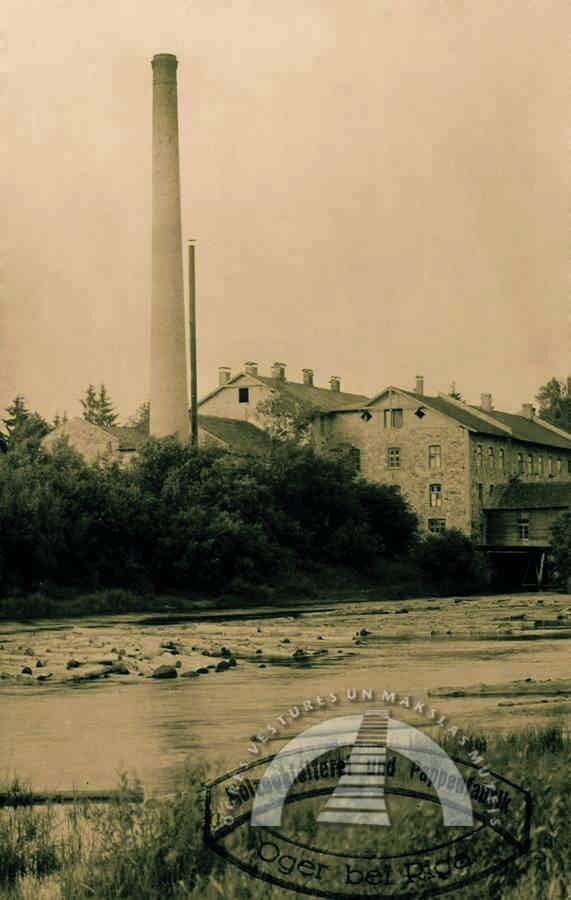
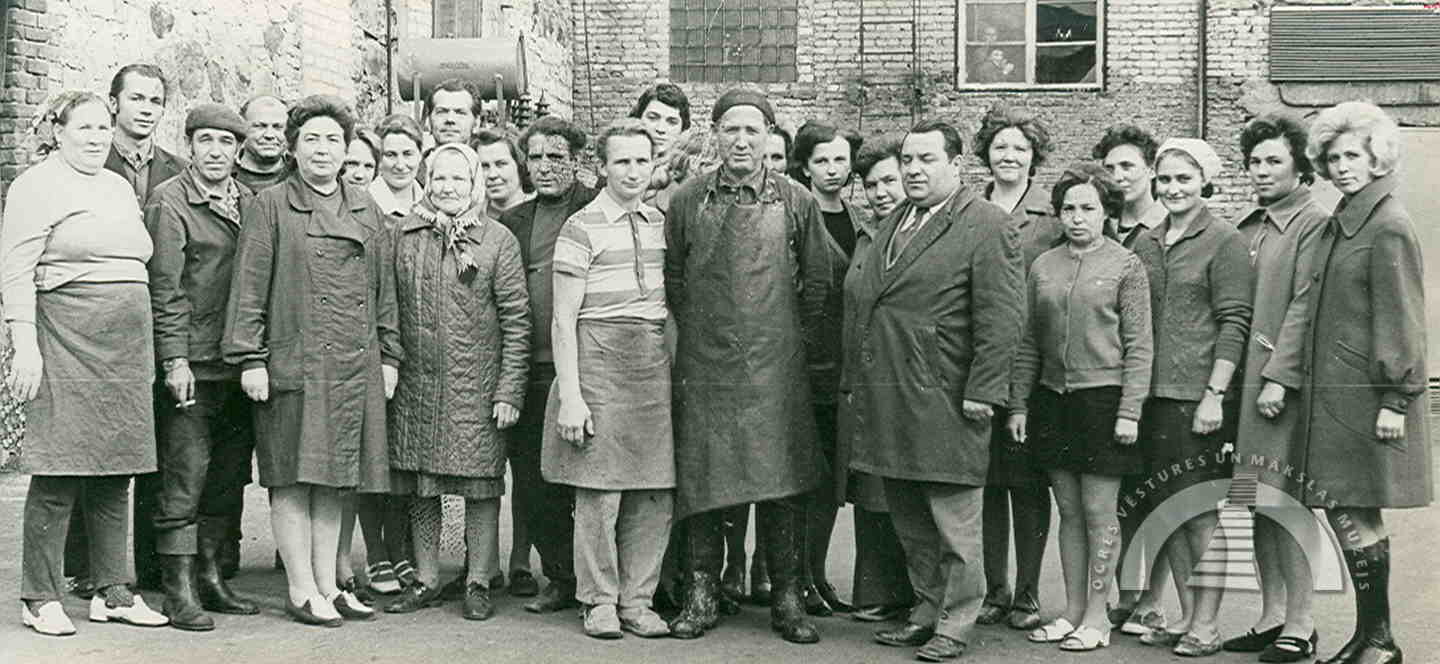
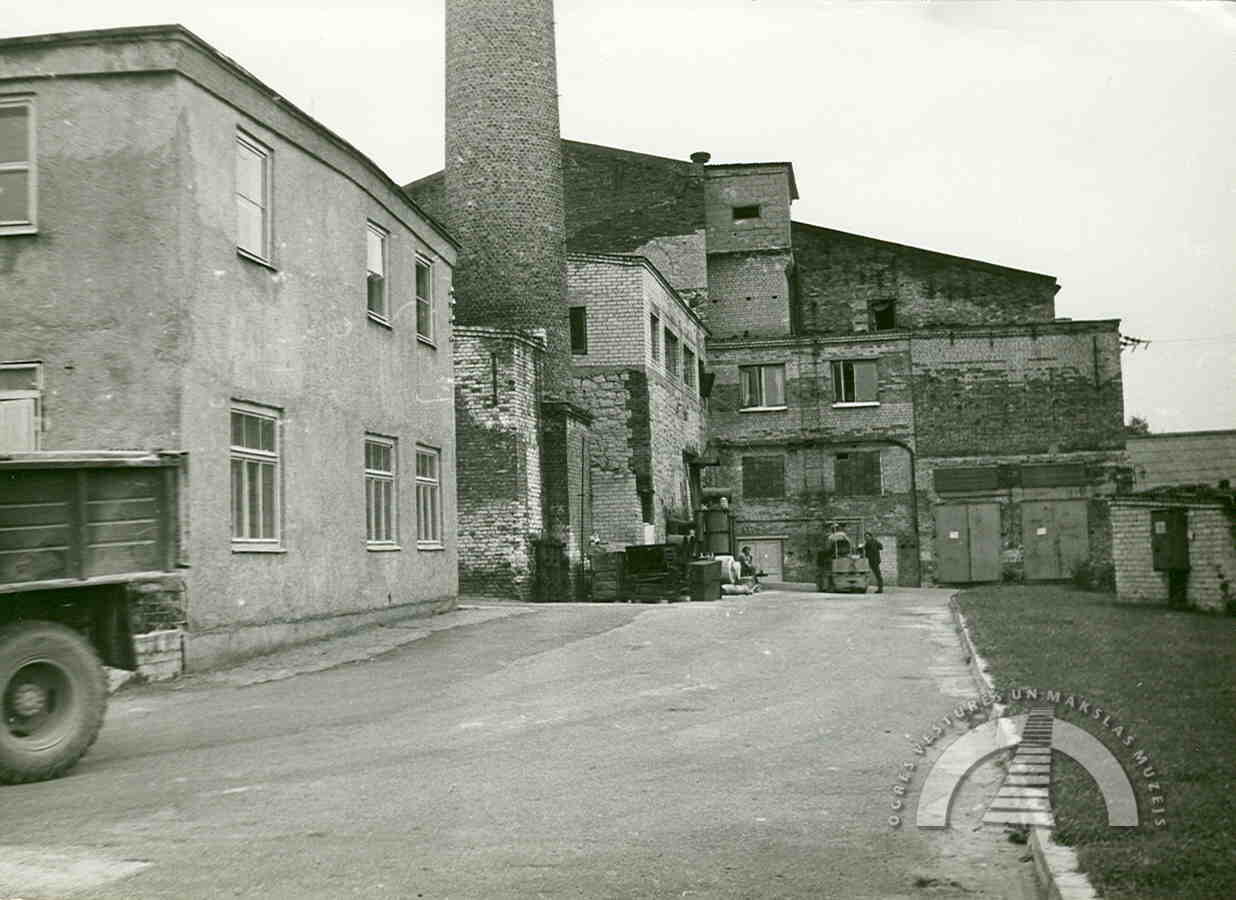
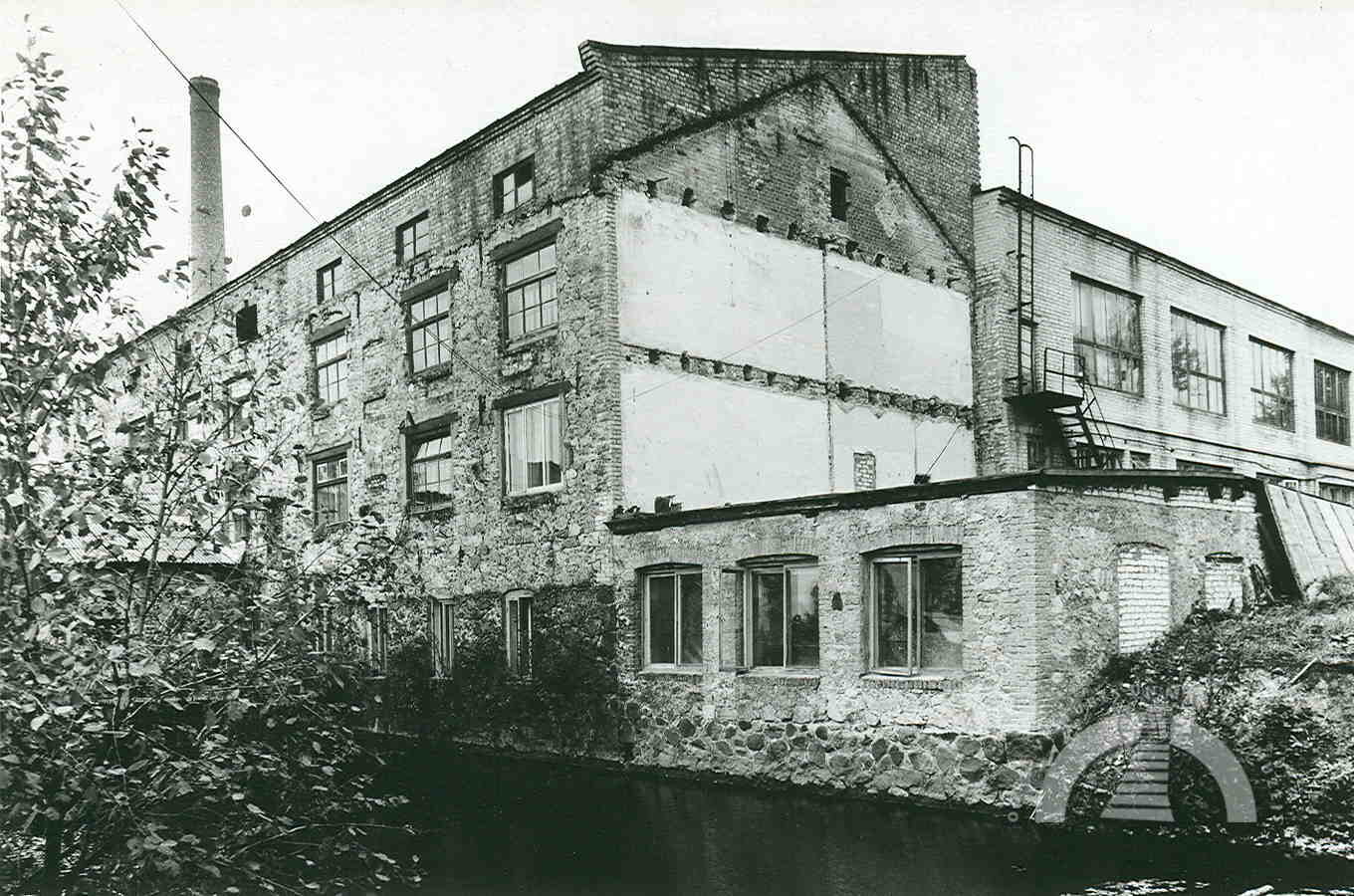
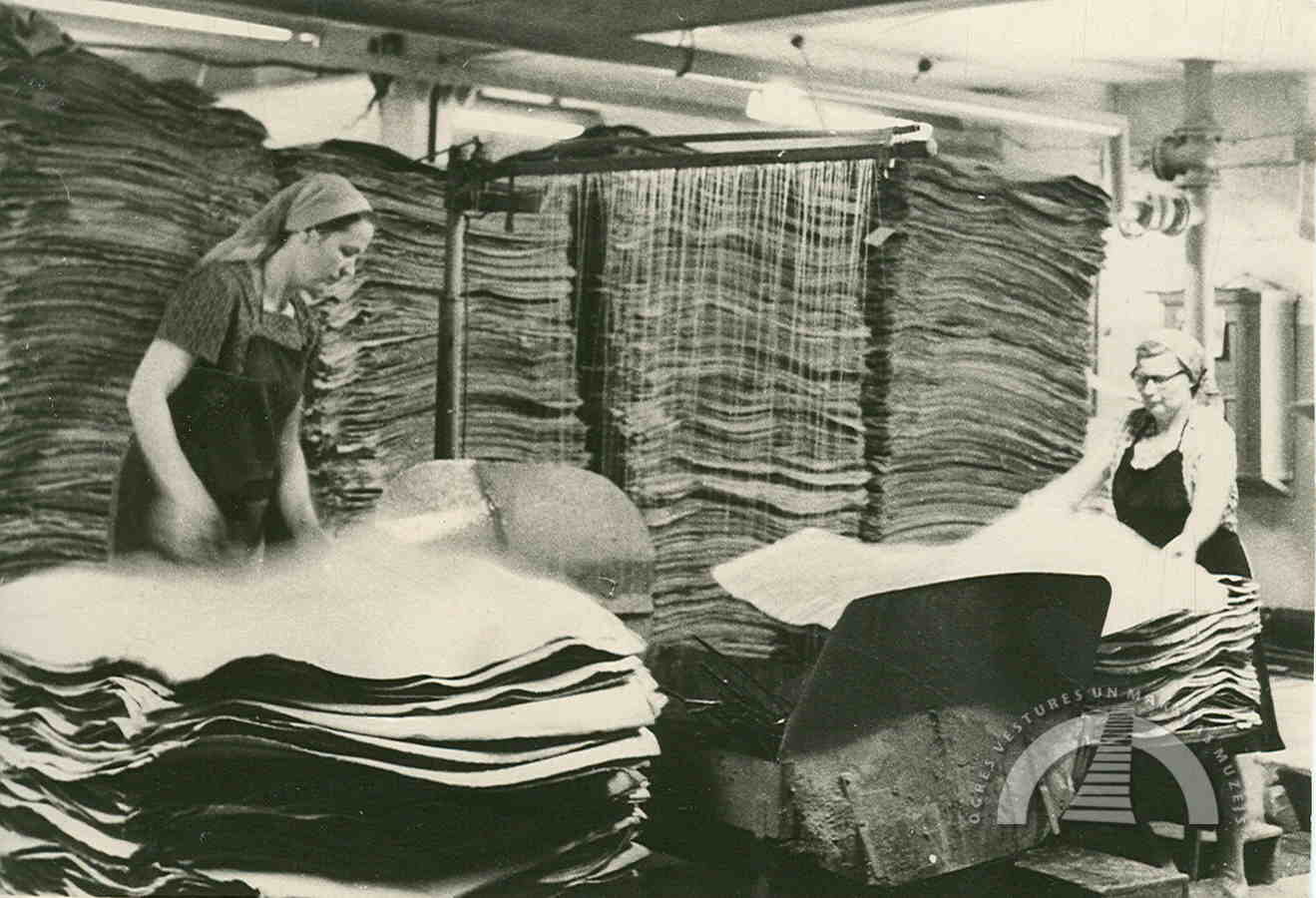
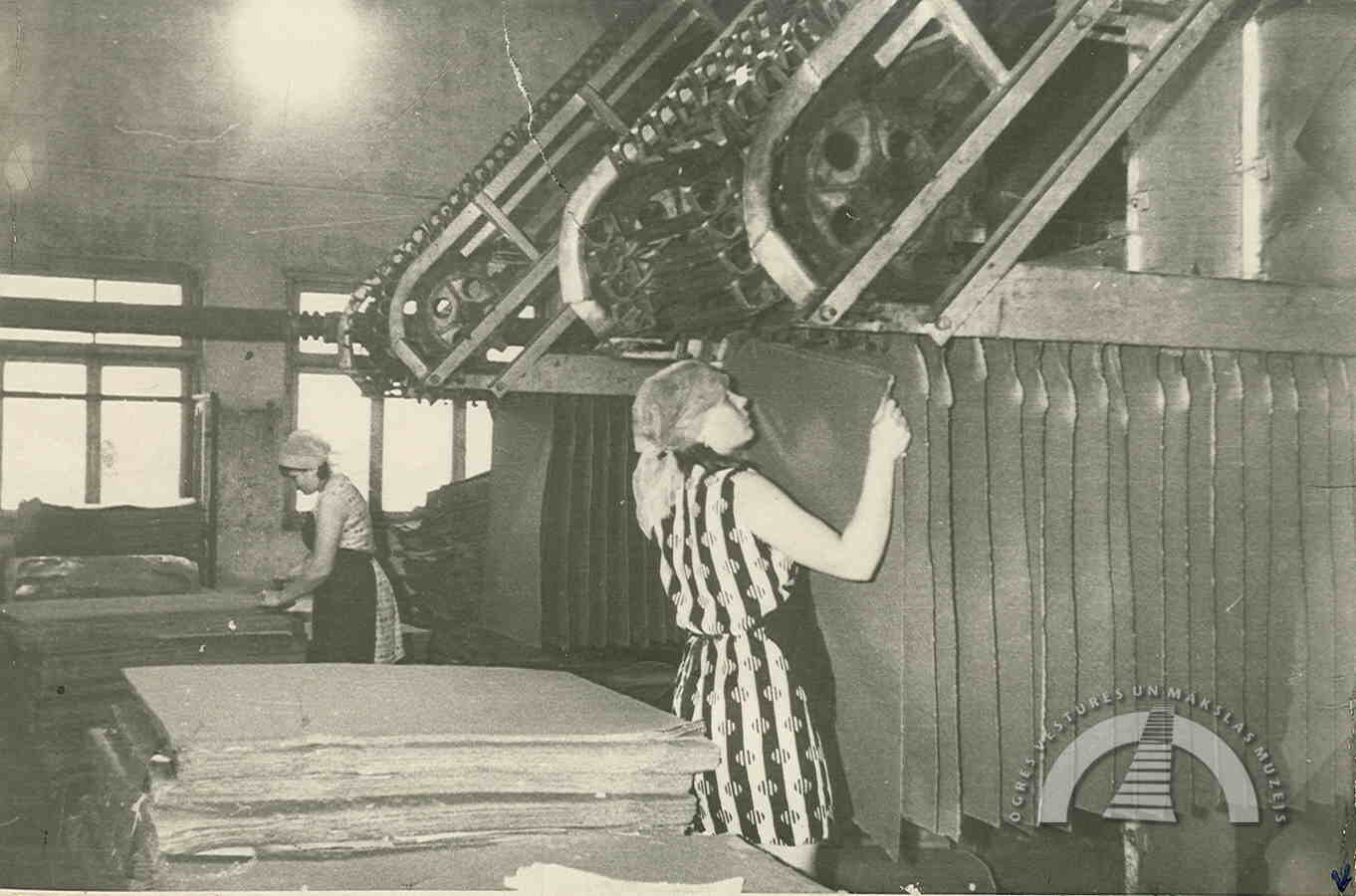
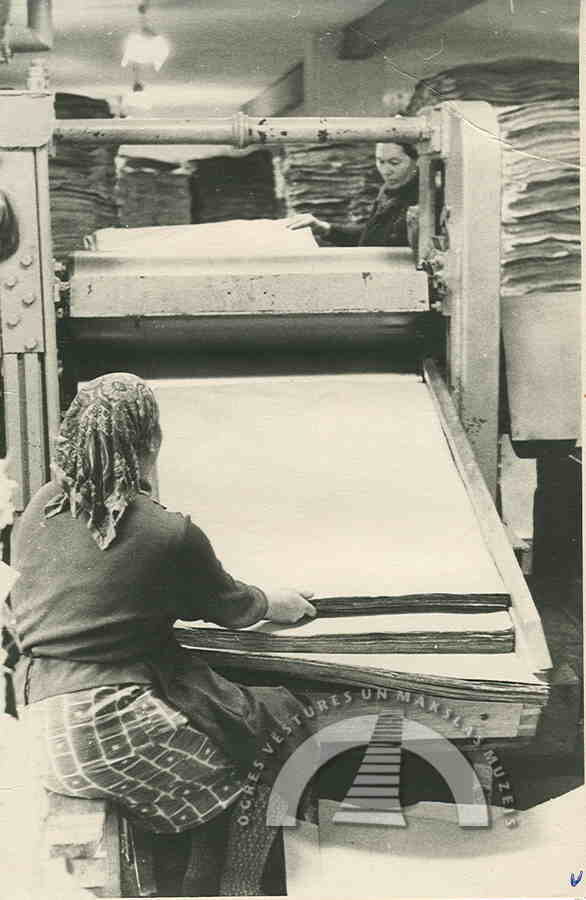
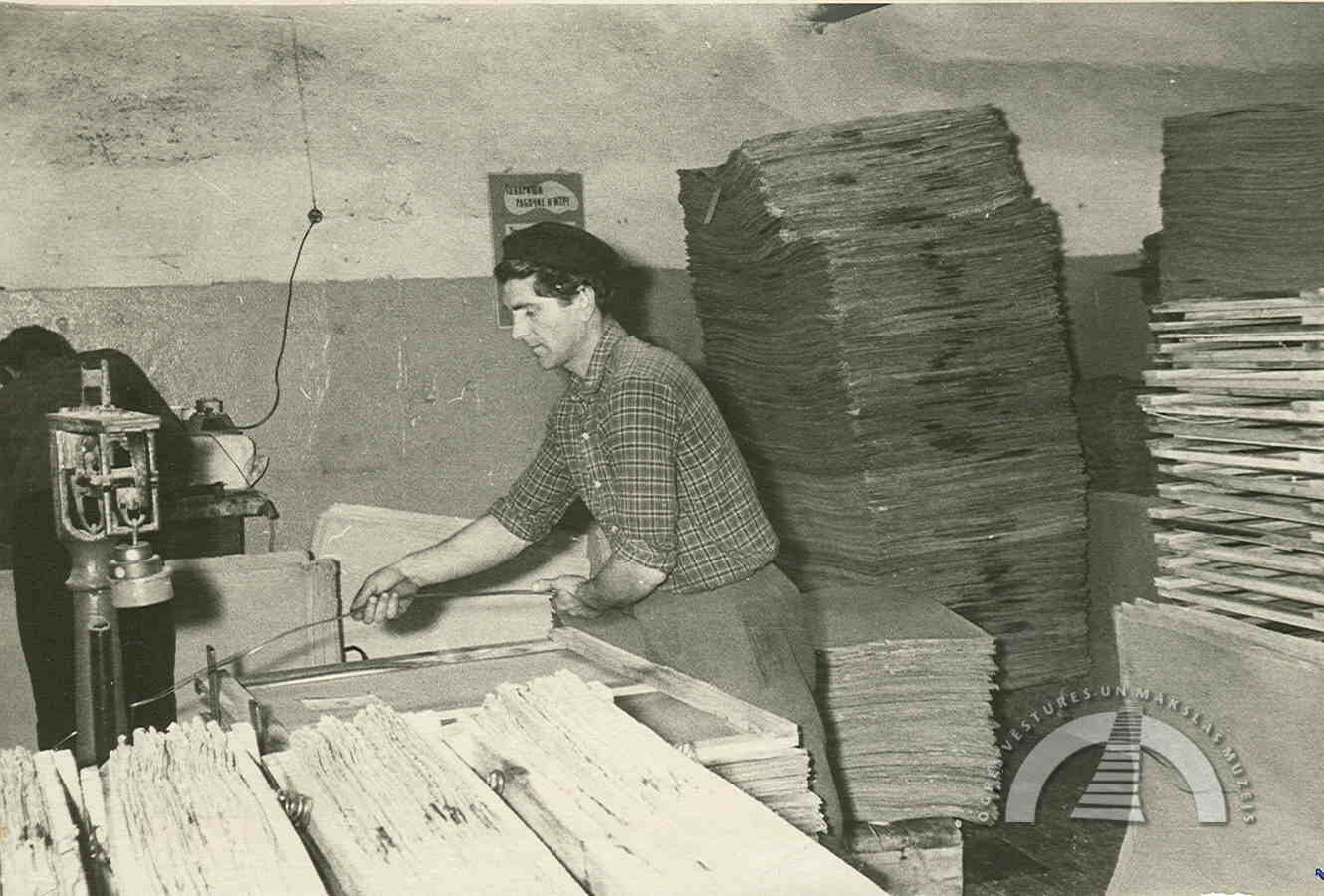
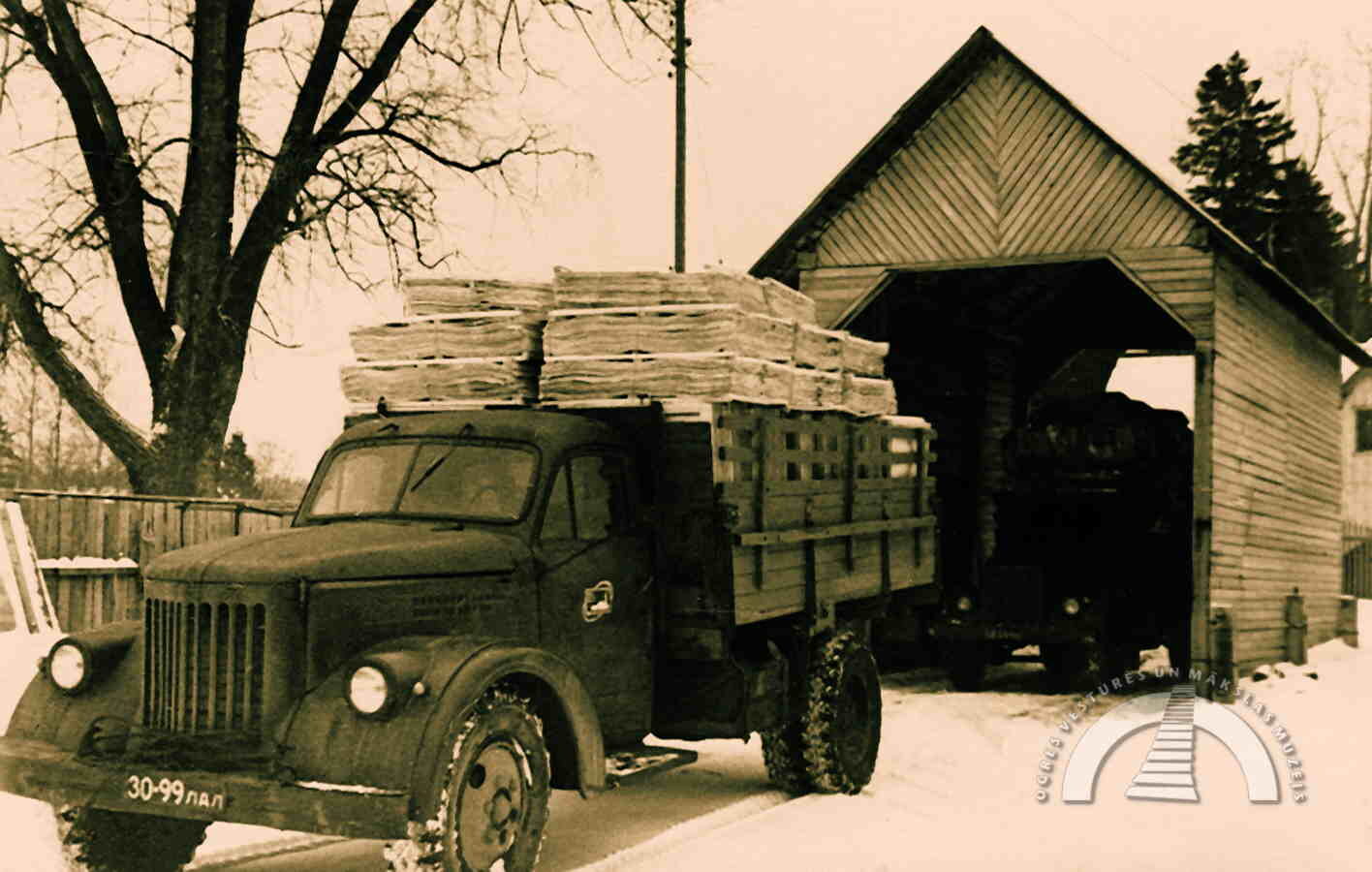
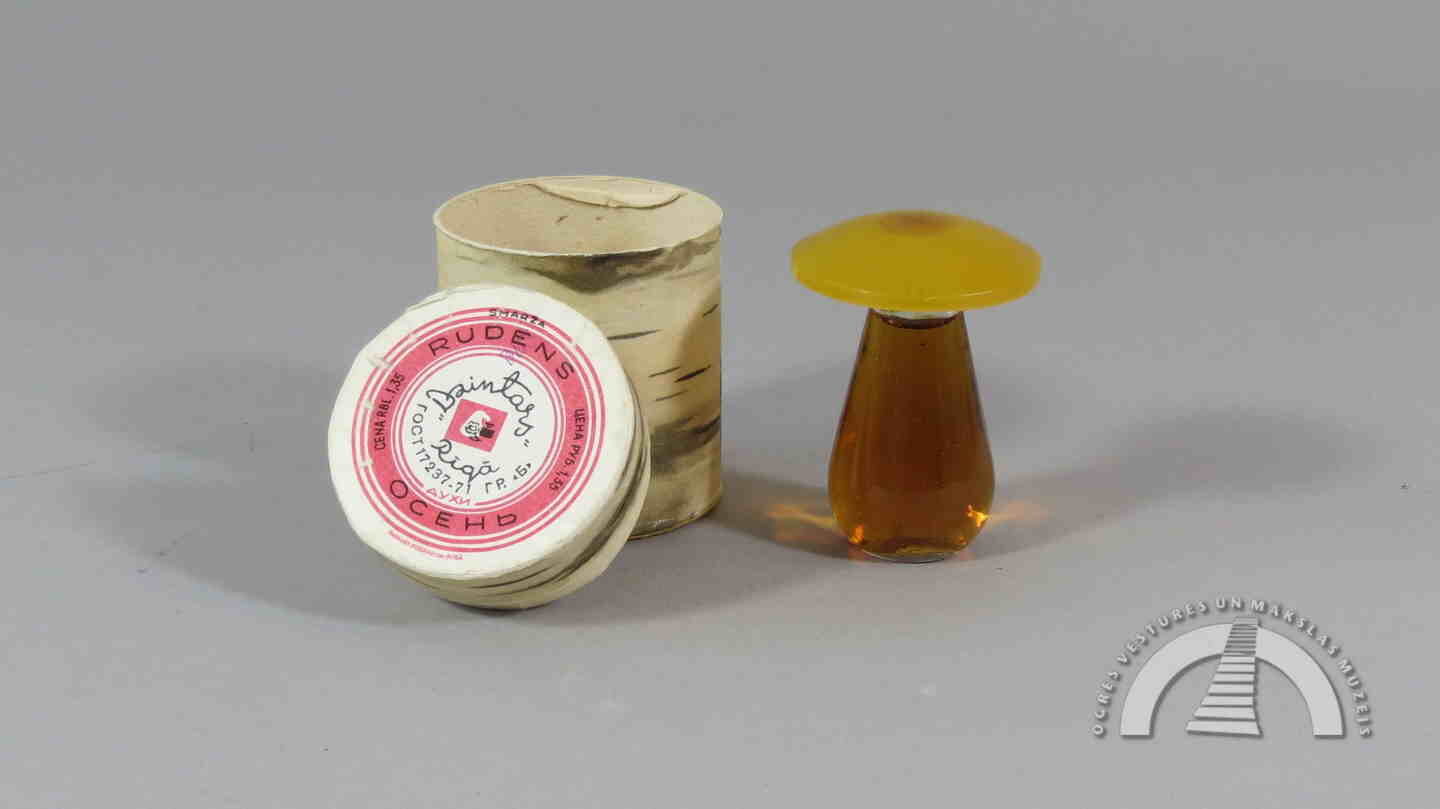
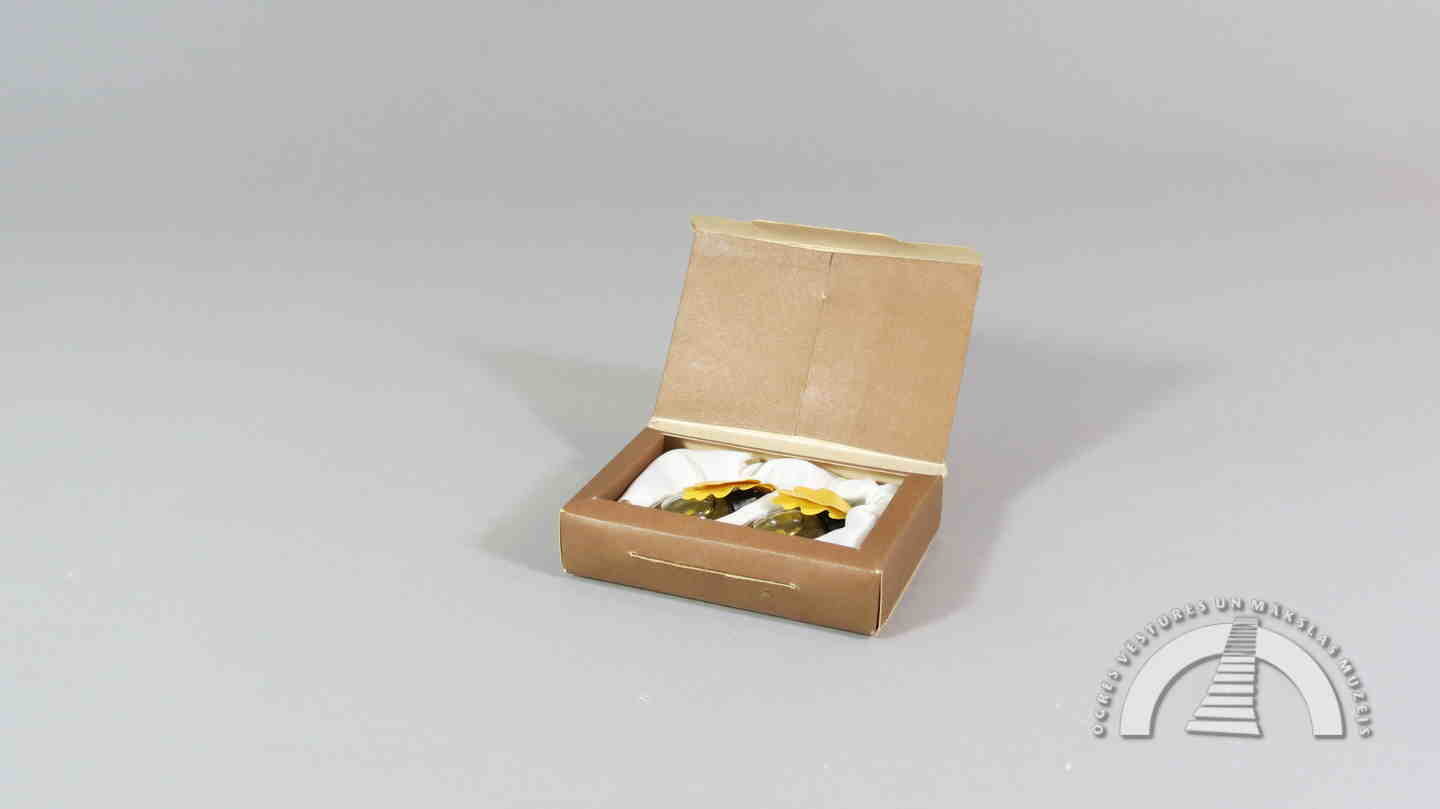
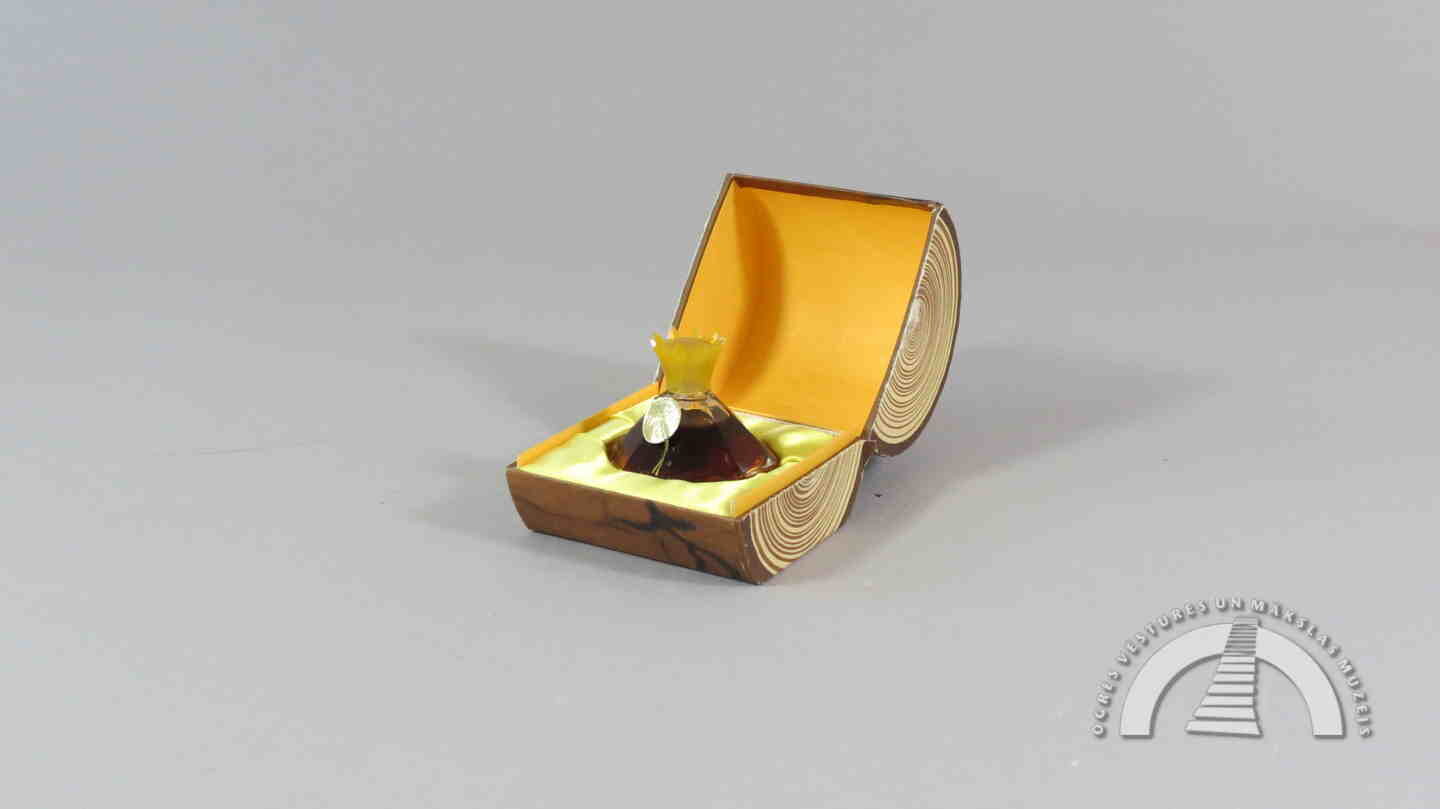
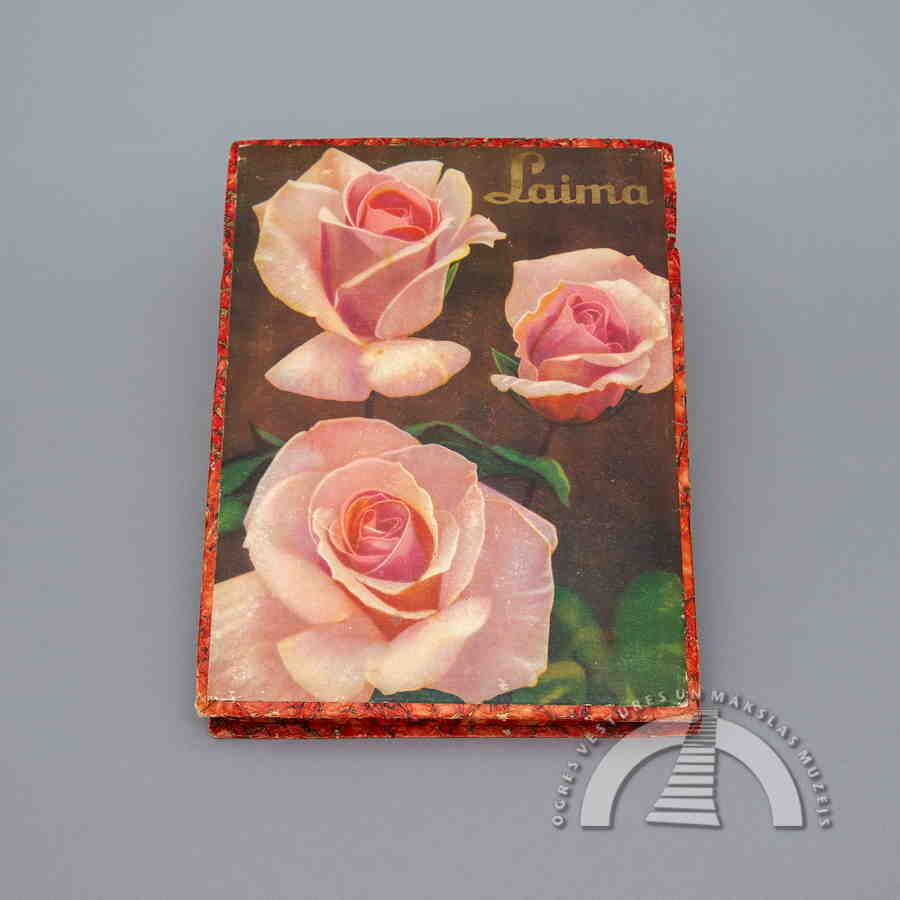
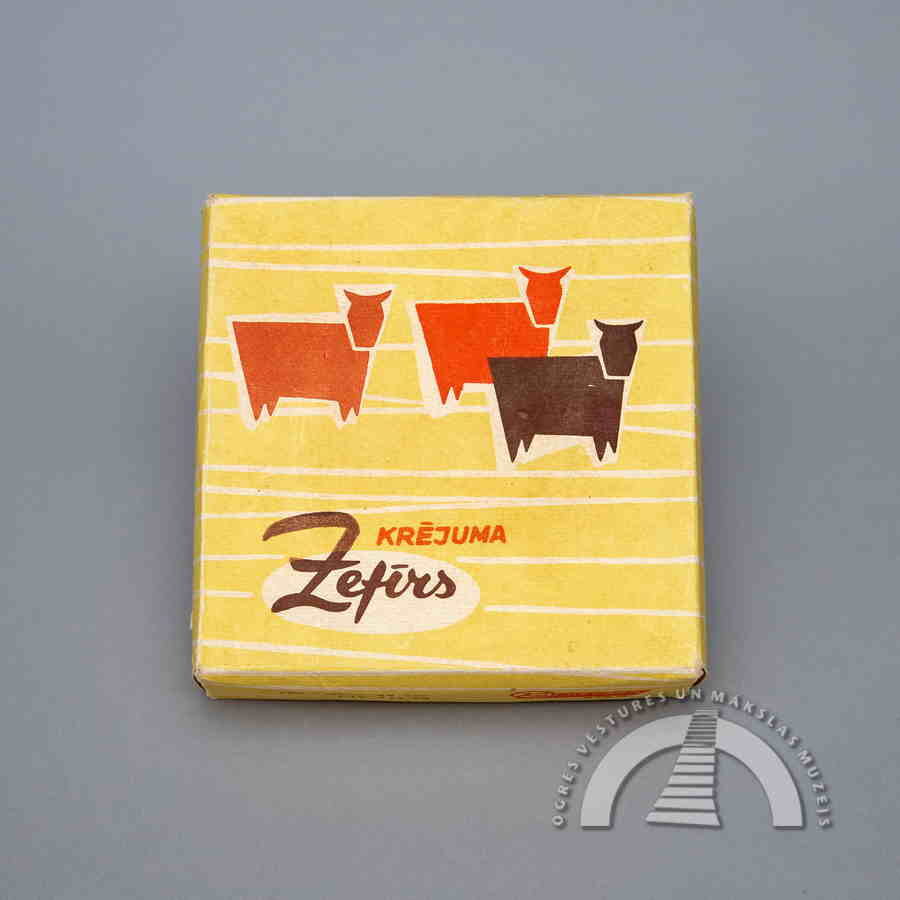
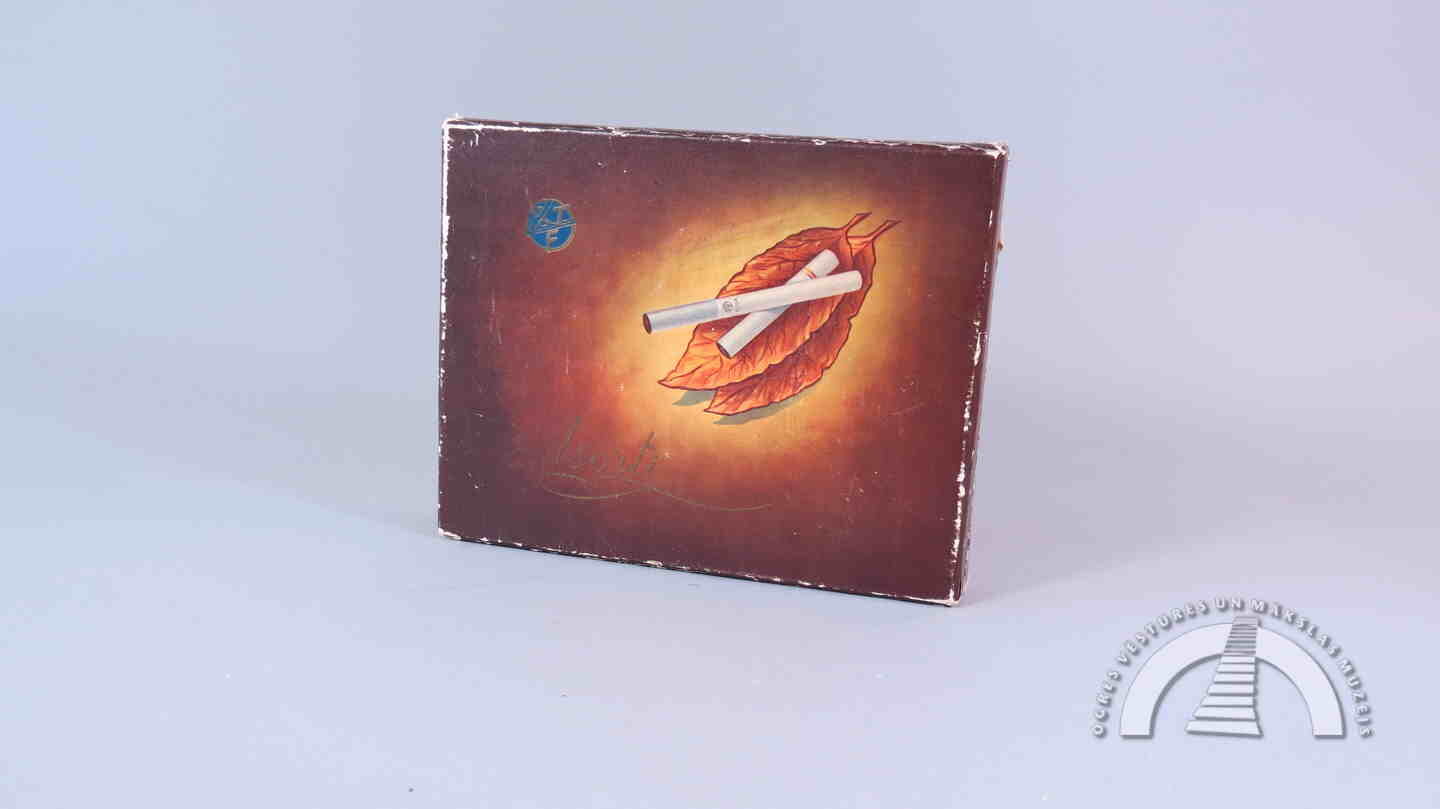
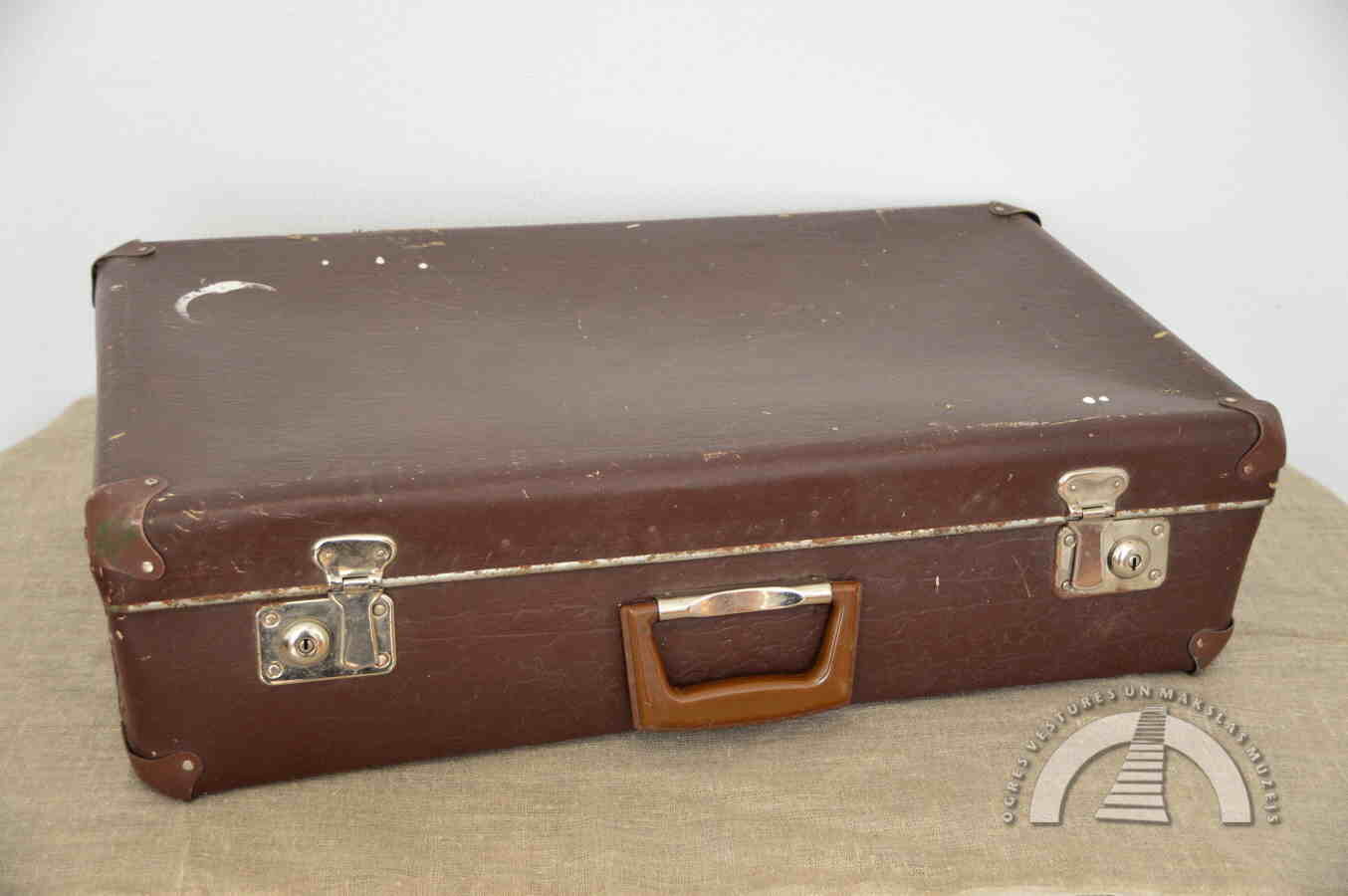
The oldest industrial enterprise in the Ogre area was a cardboard factory, established in 1897. In connection with this production facility, in the 1970s, a residential area was built in Ogre, which residents call Kartonfabrika, or colloquially Kartonka. Every resident of Ogre knows which part of the city is meant. But can the same be said about the cardboard produced in Ogre? And does everyone know where it was used?
BEGINNINGS
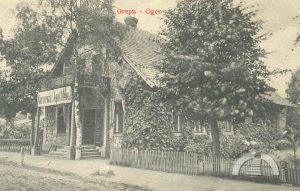
Archival documents state that in January 1897, the Governor of Vidzeme granted permission to E. K. Dragengauer, owner of Gešeļi Mill on Sprēstiņi Manor in Riga District, to open a paper and cardboard factory in the former watermills. They were leased to Cēzars Geišenfelds, who quickly established production, manufacturing cardboard from rags and paper scraps. Two 140-horsepower turbines were installed as water engines. The factory operated two cardboard machines, a rag shredder, a hydraulic press, two boiling vats, and a steam boiler.
In 1906, a decision was taken to reconstruct the factory in order to begin producing cardboard from wood. The reconstruction took place in 1907–1908, and machinery for wood pulp and cardboard production was installed.
In 1908, the old steam boiler was replaced, and a 170-horsepower Francis turbine was installed. With two water engines in operation, the factory produced 19,000 poods of rag-based grey cardboard and 900 poods of white wood-based cardboard, with a total value of 34,000 roubles. The factory employed 38 people – 27 men and 11 women. Production increased each year: in 1910, output was worth 43,500 roubles, and about 50 workers were employed.
FACTORY ACQUISITION
In 1929, the cardboard factory was purchased by Gutman Himmelhoch.
On September 3, 1935, Valdības Vēstnesis (Government Herald) published a notice announcing the establishment of a new enterprise – ‘Gutmanis Himmelhochs Heirs Ogre Wood Grinding Mill, Cardboard Factory, Wool Carding Mill and Spinning Mill’, owned by Malke Himmelhohs. Documents indicate that this enterprise operated a wood grinding mill and a cardboard factory (in operation since 1909), as well as a wool carding mill, spinning mill and weaving mill, which had opened in 1923.
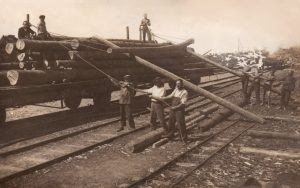
Log floating had to be coordinated with the flood season. In November 1937, Ogres Ziņas (Ogre News) reported: ‘To ensure that logs are carried to the Daugava during floods, the maritime department this year completed the construction of three concrete supports for log booms upstream from the Ogre cardboard factory.’ Logs were transported down the river to the factory in the early morning hours so as not to disturb holidaymakers resting by the water.
In 1938, a publication appeared reporting dirty, oily water in swimming areas, as well as soot particles from the cardboard factory disturbing vacationers.
NATIONALISATION OF THE ENTERPRISE
The factory was nationalised on July 27, 1940, and its name – ‘Gūtmanis Himmelhochs Heirs Ogre Wood Grinding Mill and Cardboard Factory’ – was changed to Ogre Cardboard Factory.
In 1949, a decision was made to reduce the land owned by the factory and transfer 29.6 hectares to the city of Ogre. Construction began there in subsequent years, and this part of the city gradually acquired its present appearance. Decisions were also taken to liquidate auxiliary farms, and residents living on the expropriated land were required to surrender their livestock for slaughter.
On July 1, 1949, the factory began producing cardboard suitcases and other new products. The plant operated in three shifts.
In 1958, a historically significant event for Ogre took place – the construction of the dam across the river was completed.
CHILDHOOD MEMORIES OF OGRE RESIDENT JĀNIS KUŠĶIS
The Ogre cardboard factory in the 1960s is vividly remembered by Ogre resident Jānis Kušķis, whose father was a factory driver and whose grandfather worked there as an accountant. His family lived on the factory grounds, which at that time looked completely different in terms of buildings and layout.
As a boy, Jānis was frightened by a large hole, almost three metres in diameter, where a wood chipper – powered by turbines from the steam boiler – worked tirelessly, like the claws of a giant, knotted earthworm. On the factory grounds, there were enormous thujas, a tarnished fountain that no longer functioned, and a long wooden shed divided into rooms for employees’ households. Workers did not have separate houses but lived in individual rooms.
On the second floor of one of the buildings worked typist secretaries; there was also the director’s office and various utility rooms.
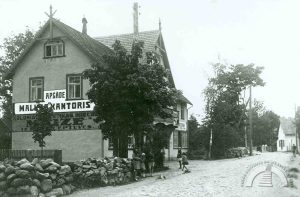
A huge tree grew by the factory gates, so wide that five or six people were needed to encircle it. There was also a grocery shop, to which bread was delivered from the Ogre bakery by horse-drawn cart.
Across the road stood a large wooden shed where Jānis and his friends would sneak in and feel as if they had discovered a real treasure trove: there were piles of German and Russian money, old books, a carriage, and many other valuable items – various papers stored separately for fire safety reasons. The boys occasionally pocketed some banknotes, which they exchanged for desired goods.
Among Jānis Kušķis’ most vivid childhood memories are the times when salmon swam up the Ogre River – the water seemed to move with their backs, their huge, powerful bodies pushing against the current. During flood seasons, there were serious problems with the dam, as the sluice gates were sometimes damaged. Men would often wade into the icy water, half-naked and without equipment, to carry out repairs.
SUBSEQUENT TURNING POINTS
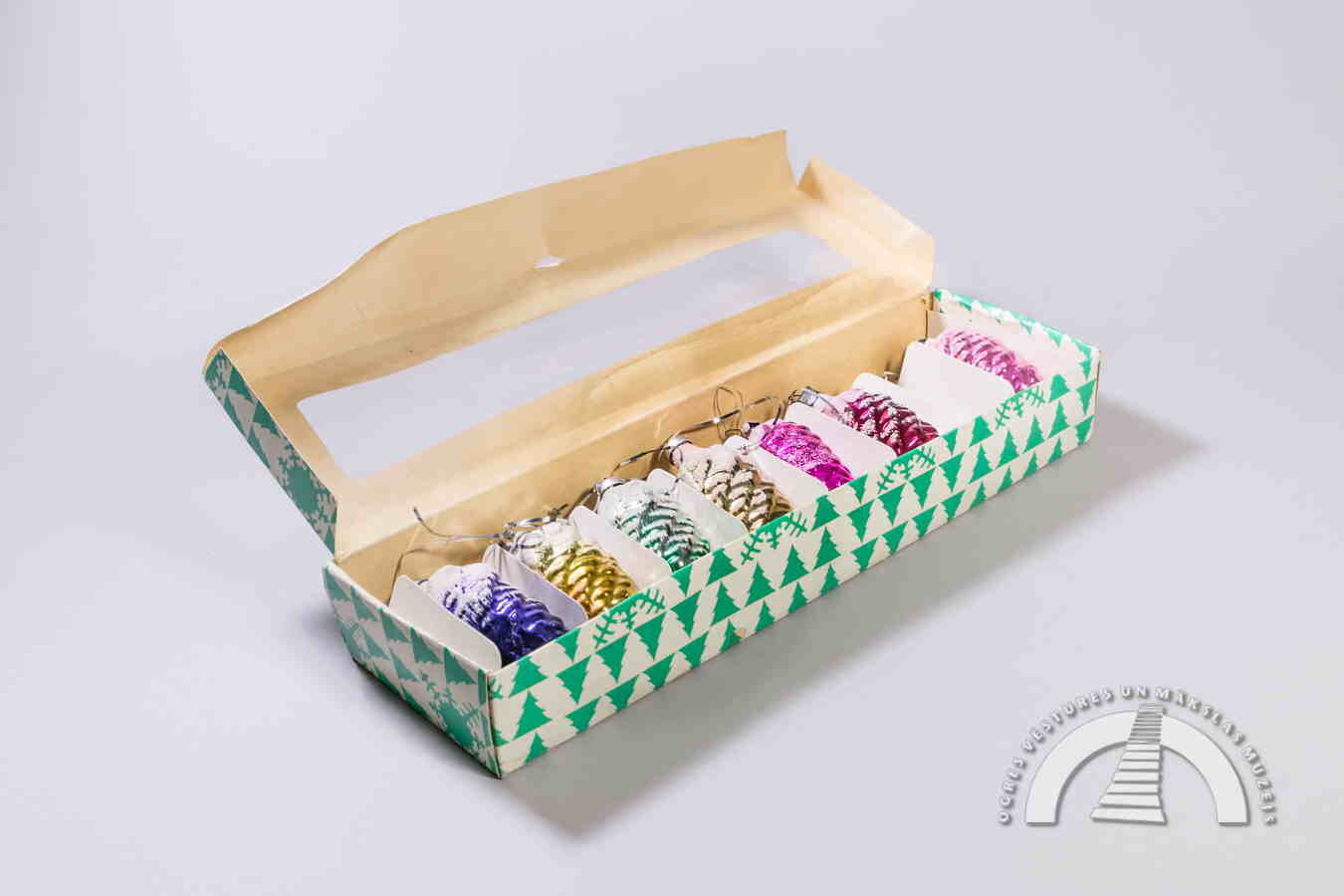
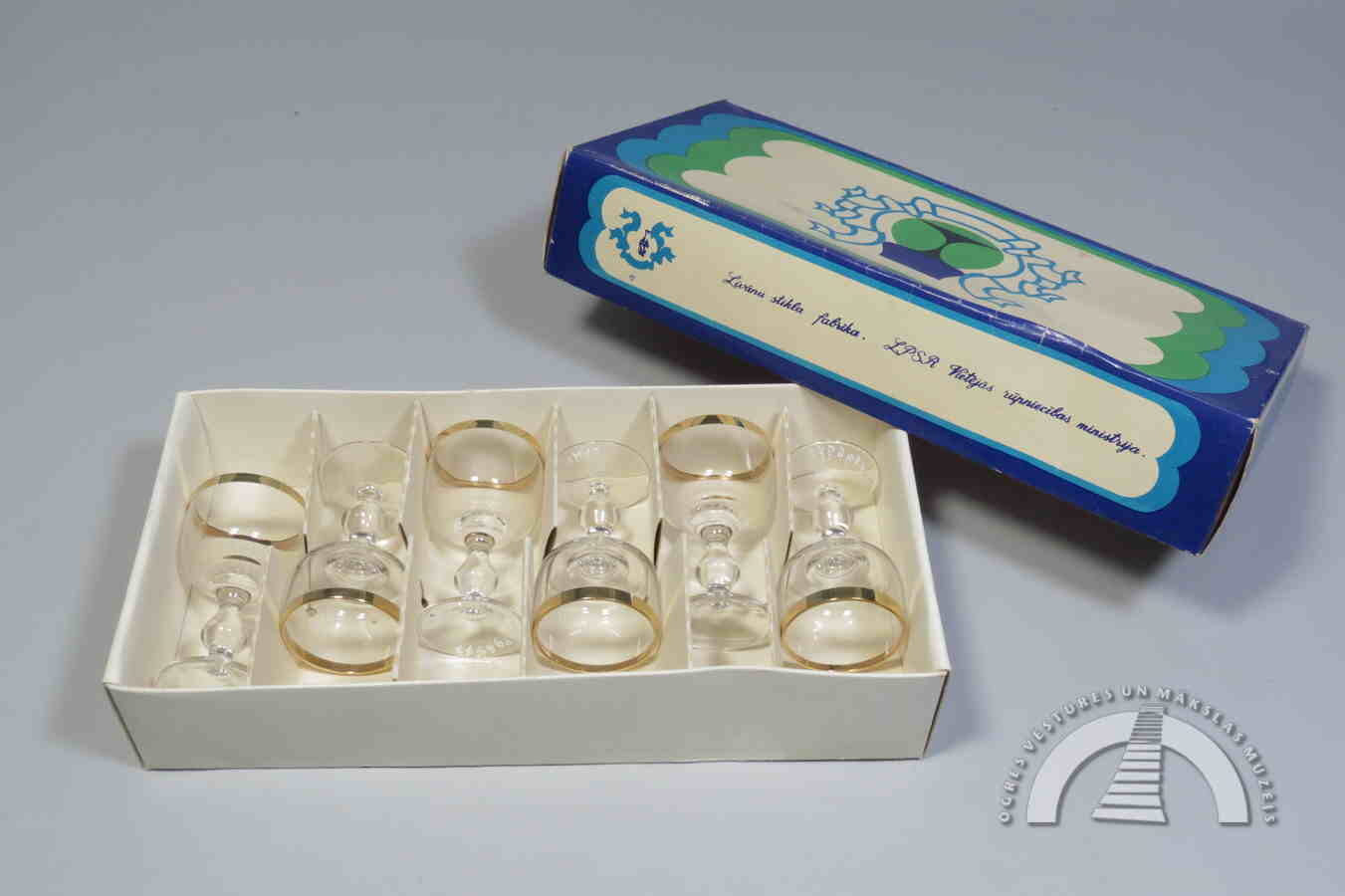
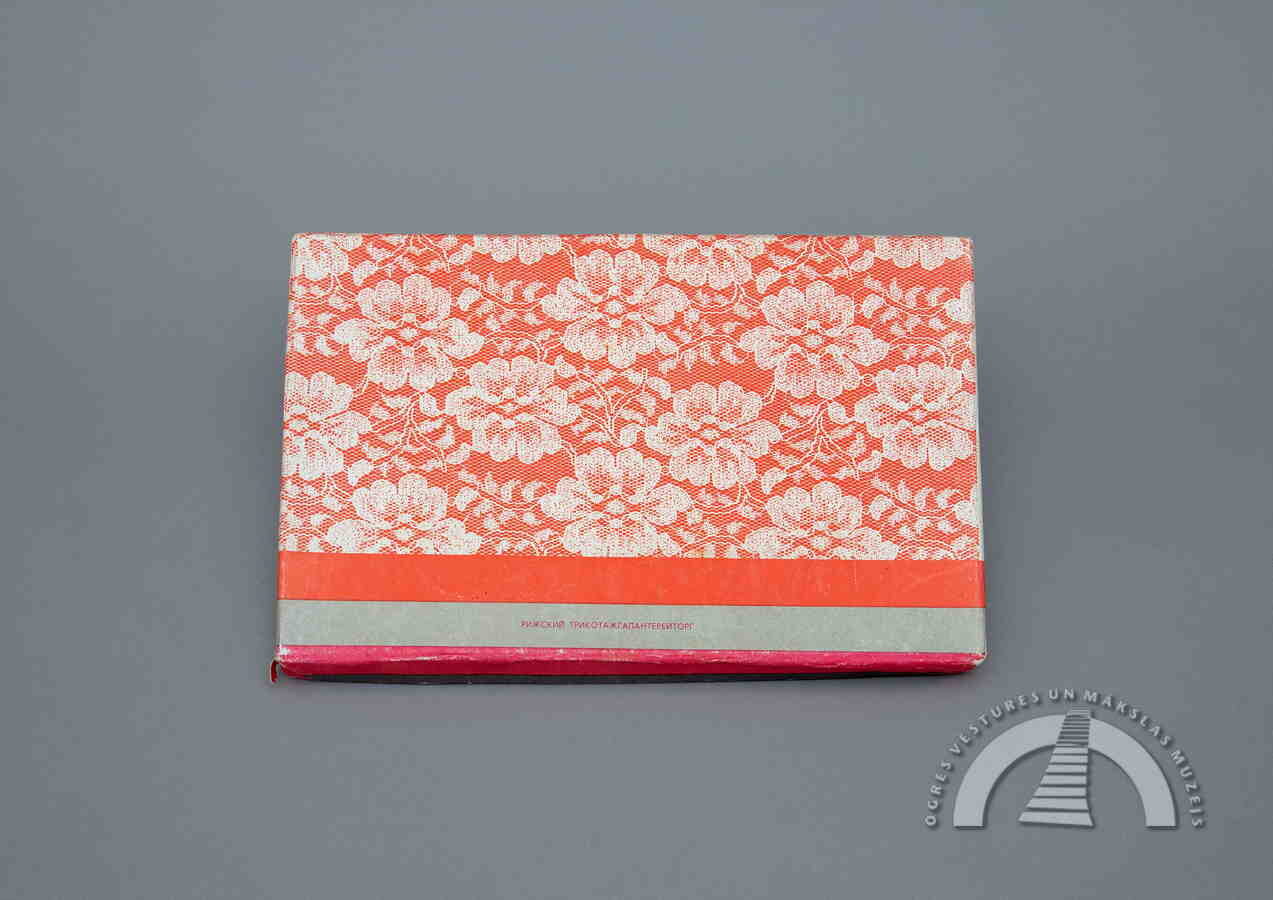
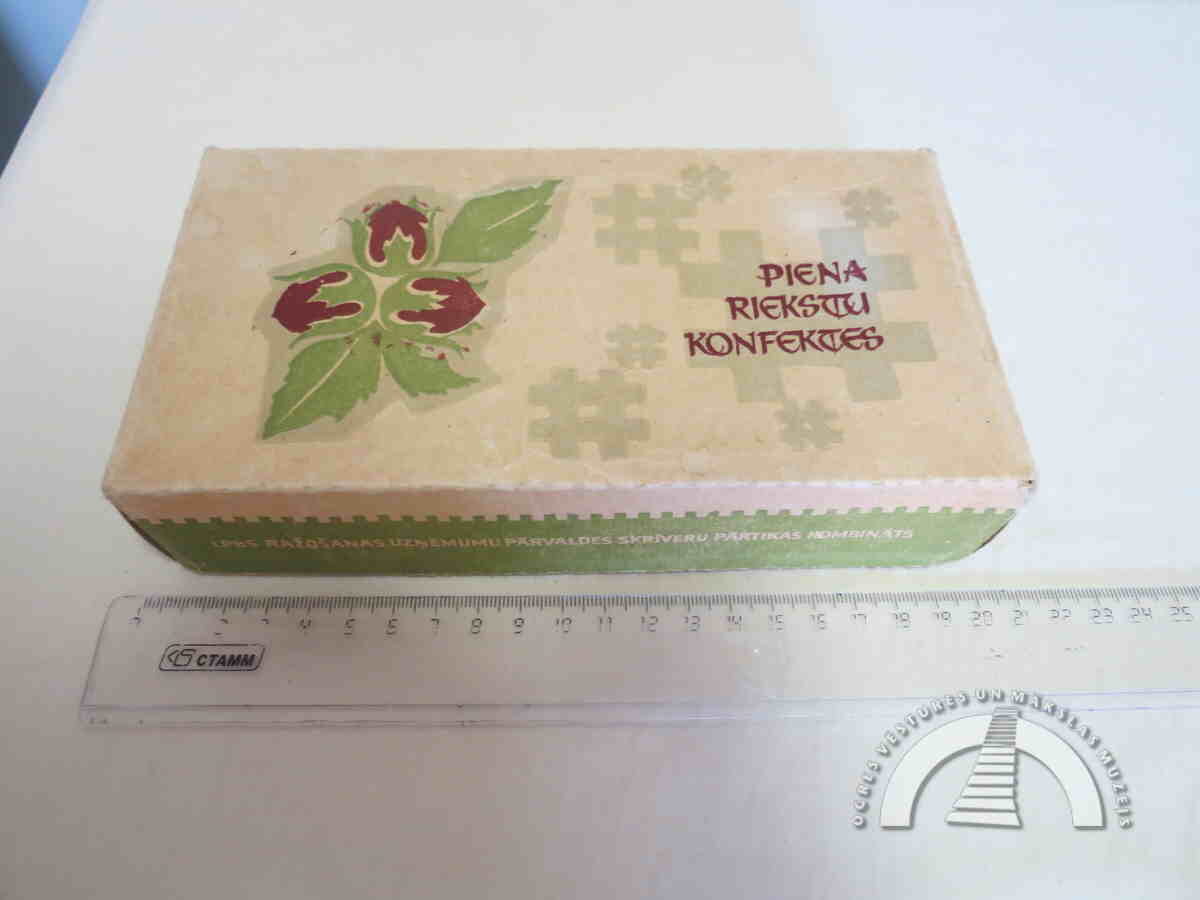
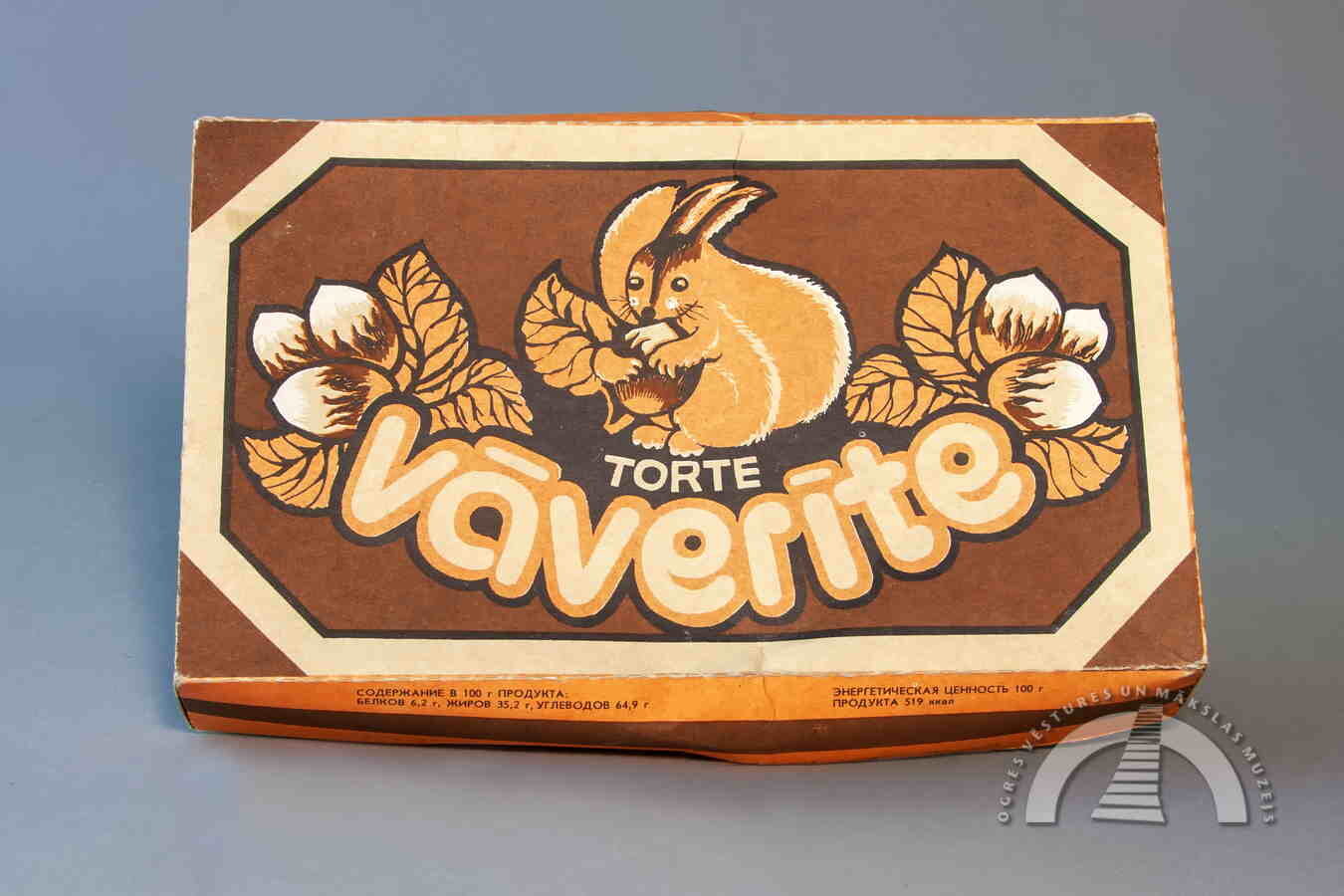
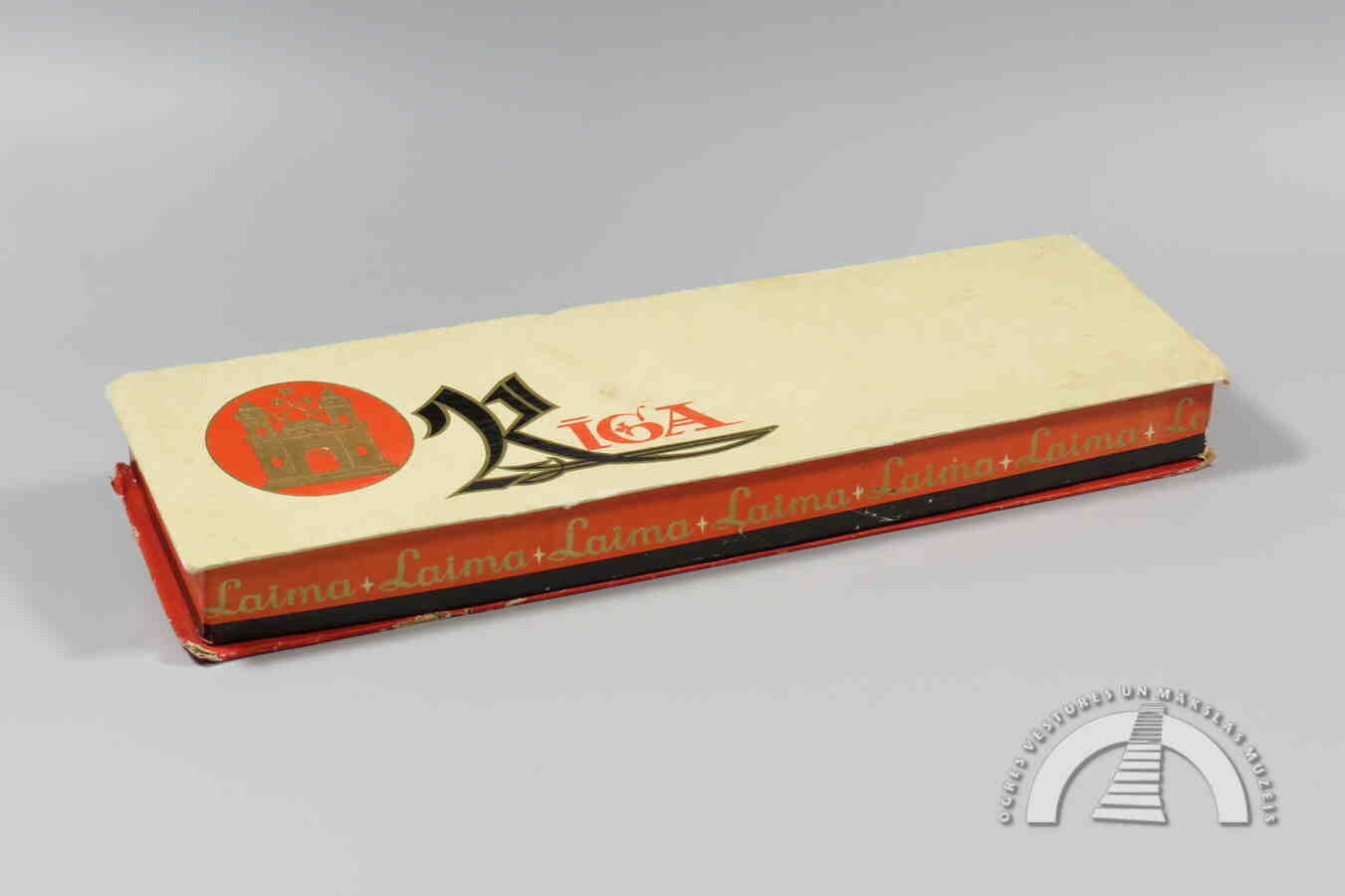
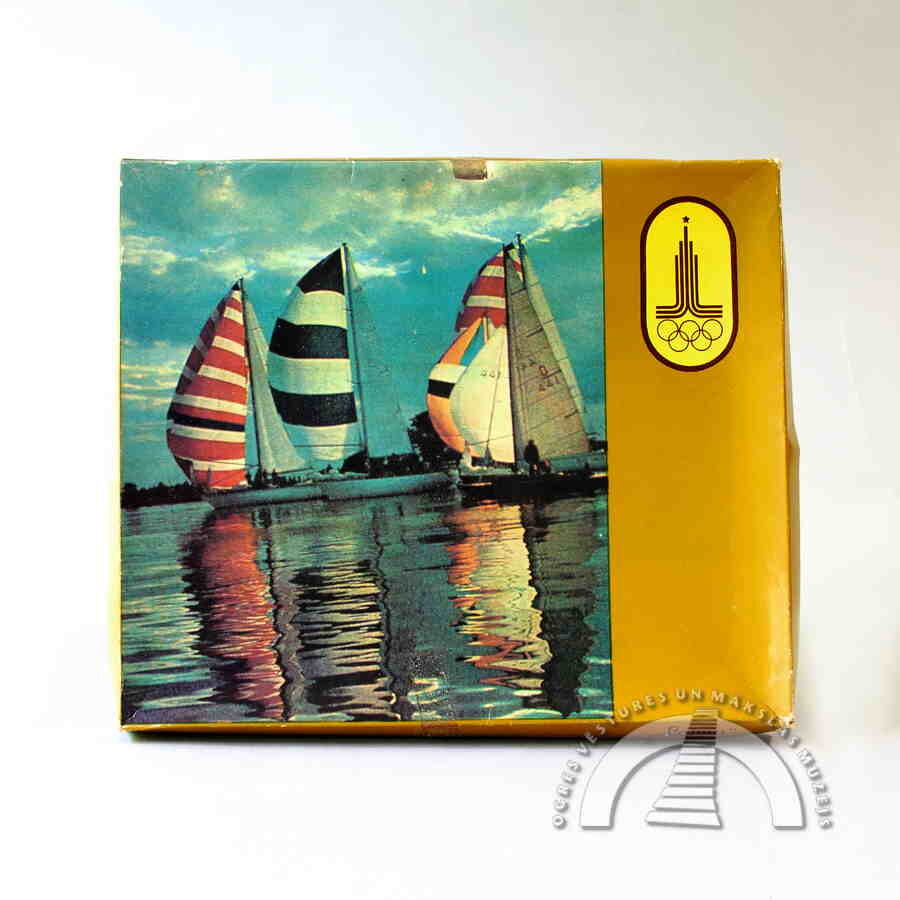
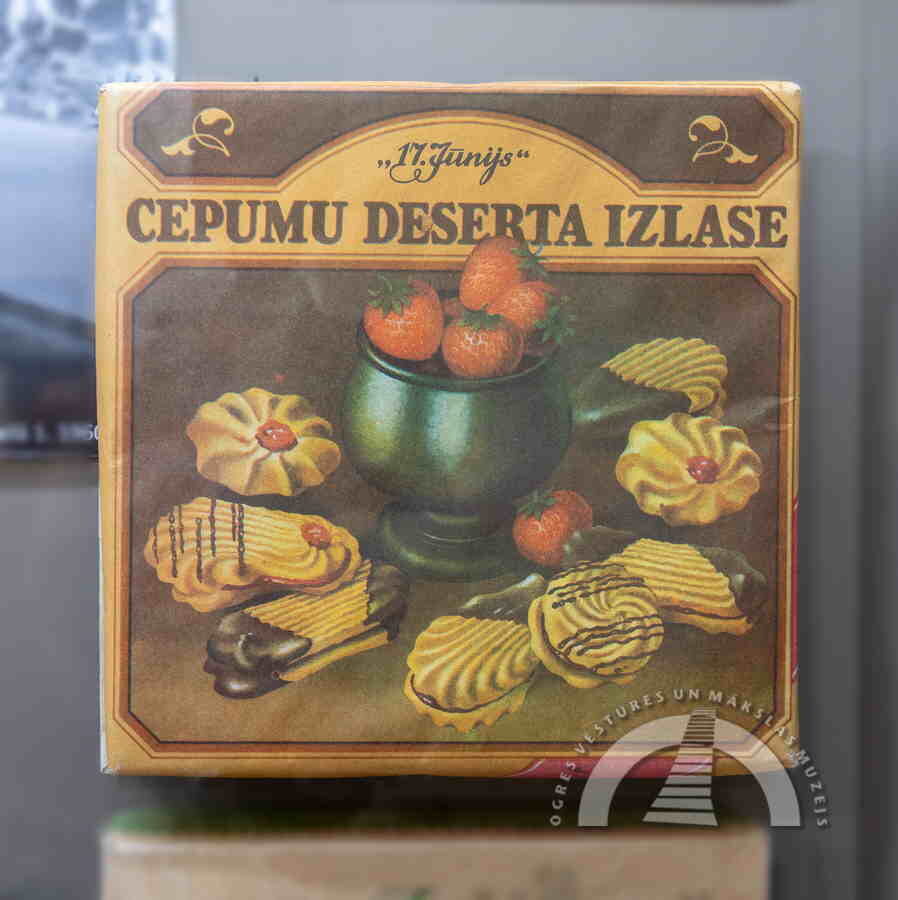
In 1968, the factory produced 12 tonnes of various types of cardboard daily. It was mainly intended for packaging food and industrial goods. The cardboard made in Ogre was used to package cakes, bread, perfume, shoes, knitwear, and other products.
‘When buying a cake or a bottle of perfume, only a few know that their packaging – the boxes – were made at the Ogre cardboard factory, which supplies such products to our food industry. However, it is a long journey until the yellowish-grey mass, pressed, washed, dried, ironed, and cut into strips, becomes cardboard. Currently, the team produces seventeen tonnes of cardboard per day.’ [Cīņa (‘The Struggle’), January 6, 1977.]
In 1979, a grocery shop was opened across the street from the factory. In the 1970s, extensive construction of apartment buildings took place for factory workers and other residents of Ogre, reducing the land area owned by the cardboard factory.
In 1983, a decision was taken to improve the technical equipment in order to increase capacity. That year, the Ogre cardboard factory produced approximately 4,300 tonnes of cardboard, used for packaging and box-making by ‘Somdaris’, ‘Rīgas adītājs’, the Ogre knitwear factory, and other enterprises. More than 150 people worked at the factory.
ADHESIVE TAPE PRODUCTION
Since September 1985, the plant no longer produced cardboard. From April 1986, the enterprise manufactured only adhesive tape for the automotive industry, as well as heat- and moisture-resistant adhesive tape for the furniture industry. Even in 1988, although the company had had almost no connection to cardboard production for three years, it still retained its old name – the Ogre Cardboard Factory.
By the late 1980s, environmental concerns had become acute due to the new adhesive tape production equipment. In 1988, the newspaper Padomju Ceļš (‘Soviet Path’) reported that ‘highly potent substances are used in the technological process for product manufacturing, affecting the environment. The project envisages discharging 5% of chemical substances into the environment during the production process.’ The Latvian Nature Protection Society also stated that ‘there can be no talk of expanding production. The only option is to reduce it or even close it completely.’
The newly purchased equipment was partly idle due to a shortage of raw materials caused by expensive imports, and the final product did not meet demand. Commenting on the liquidation of cardboard production and the failures in adhesive tape manufacturing, factory director H. Trinkuns told the newspaper Cīņa (‘The Struggle’): ‘Our factory is a product of adventurism, mismanagement, and lack of education on a national scale.’ [Cīņa, 1 November 1989.]
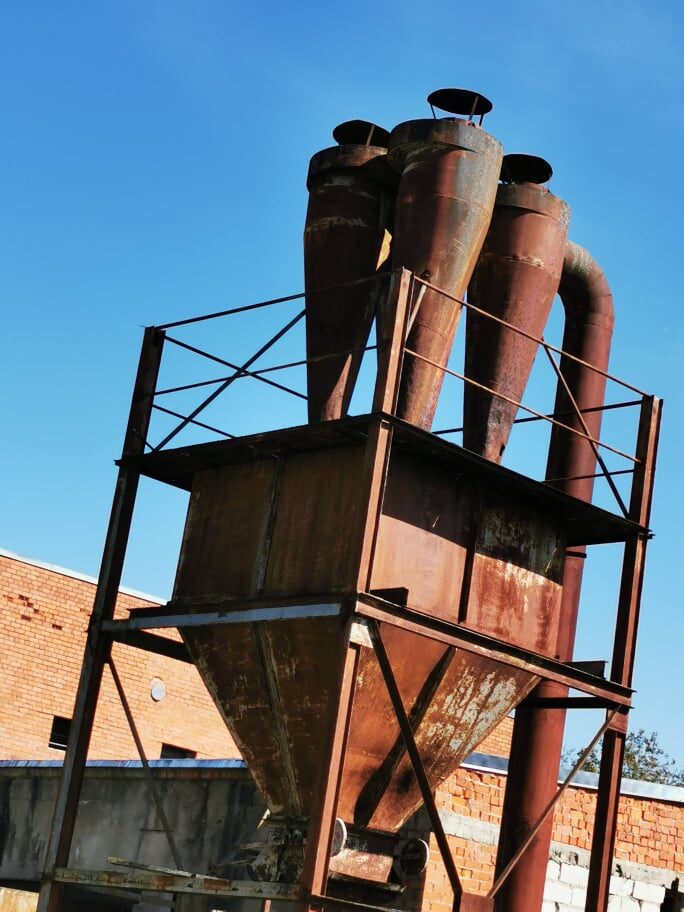
The 1990s are remembered not only for the restoration of Latvia’s independence but also as a time of upheaval, marked by the disposal, resale and repurchasing of property and enterprises. The factory equipment was sold at auction, most likely for scrap, without recognition of its historical value.
The original Ogre Cardboard Factory, later renamed the Ogre Adhesive Tape Factory, was officially liquidated on 10 July 2001, according to Lursoft data.
Only memories and favourable reviews of the quality of its cardboard remain of the city’s oldest industrial enterprise: ‘The Ogre cardboard factory once produced high-quality cardboard suitable for book covers; now no paper factory in the republic produces such.’ [Rīgas Balss (‘Riga Voice’), February 26, 1990.]
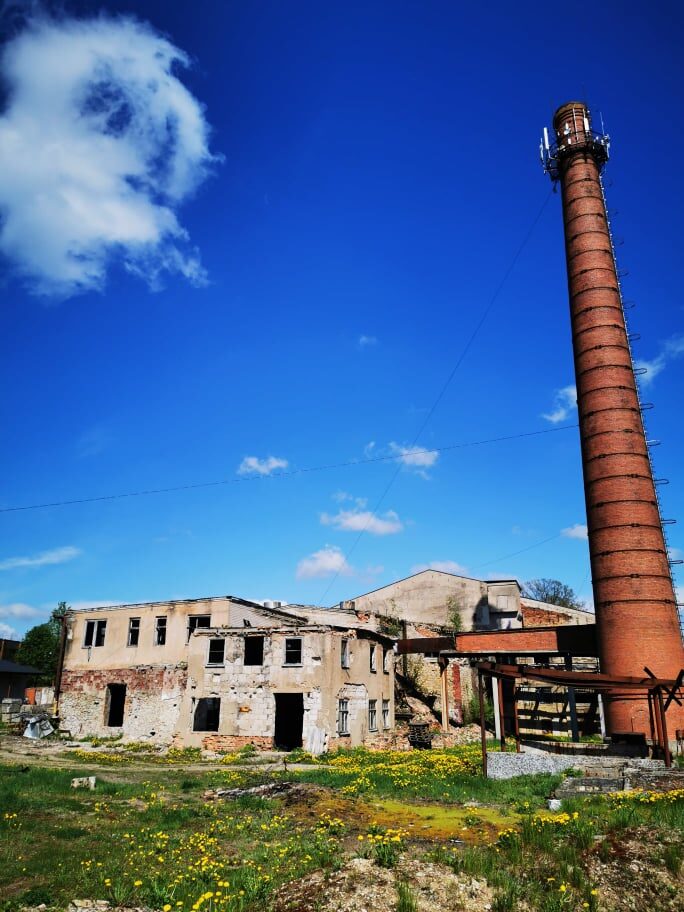
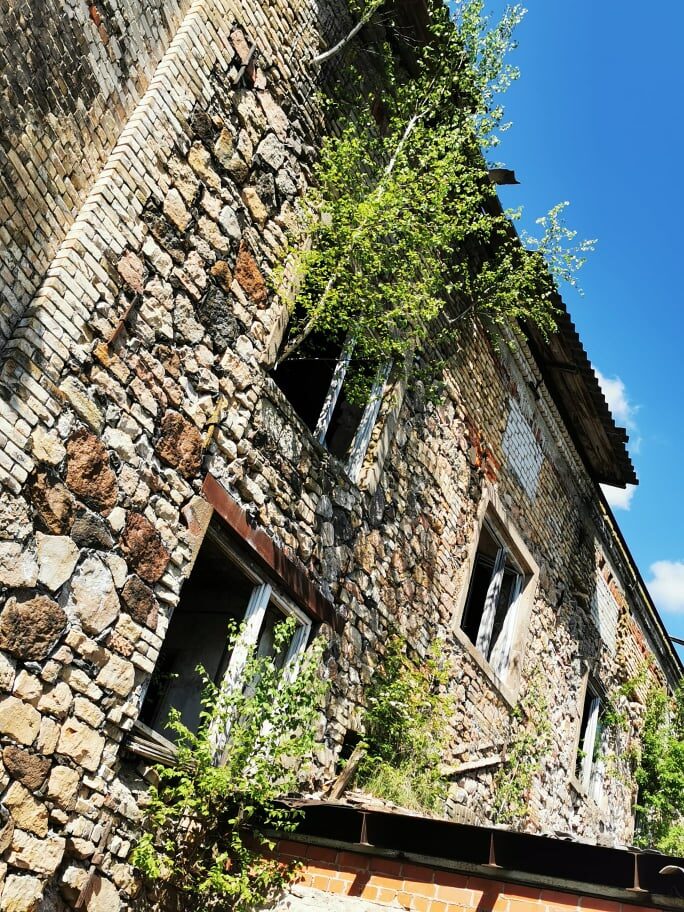
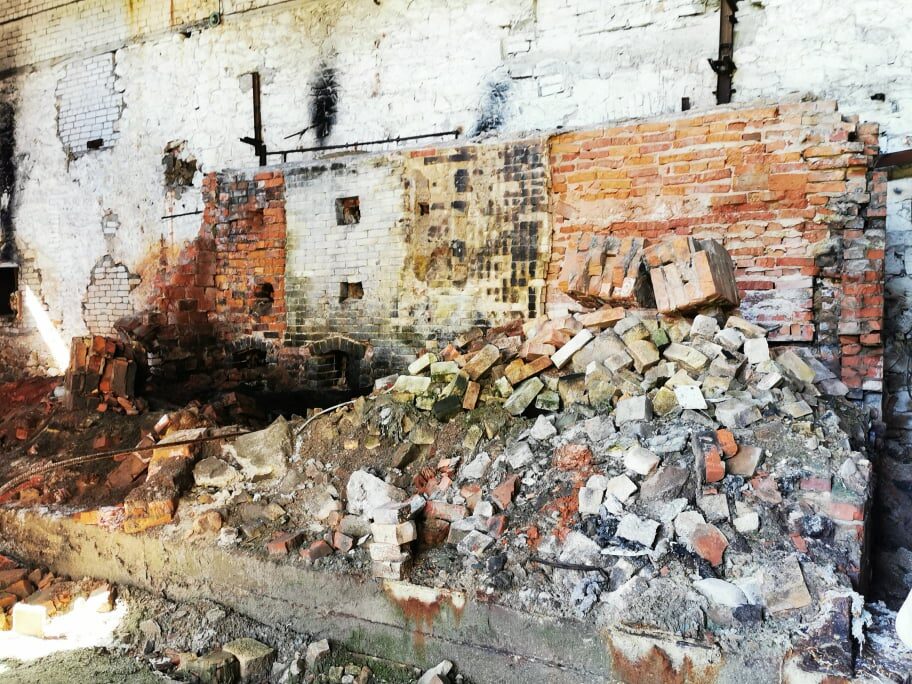
Today, walking through the area, the former scale and bustle of the repeatedly transformed industrial site can only faintly be sensed. Among semi-ruined buildings and around the tall chimney, grass grows green, and dandelions bloom in spring.
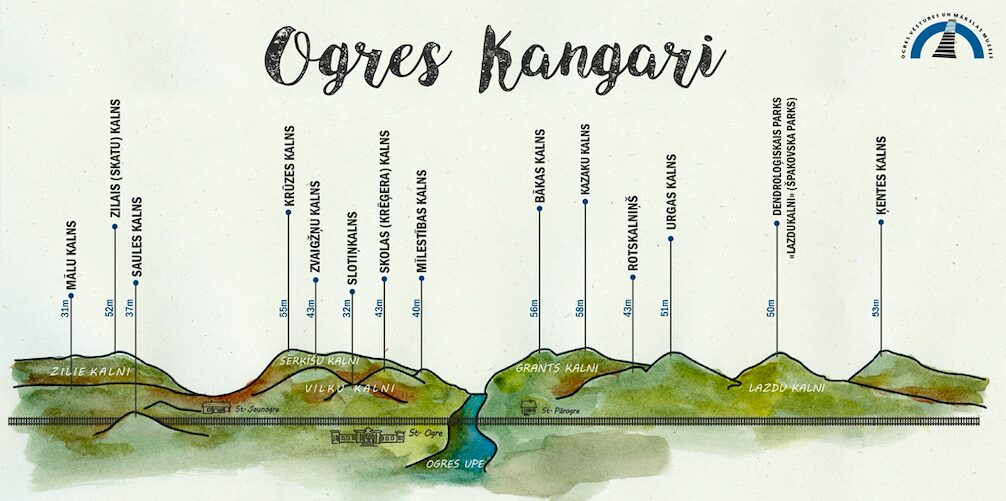
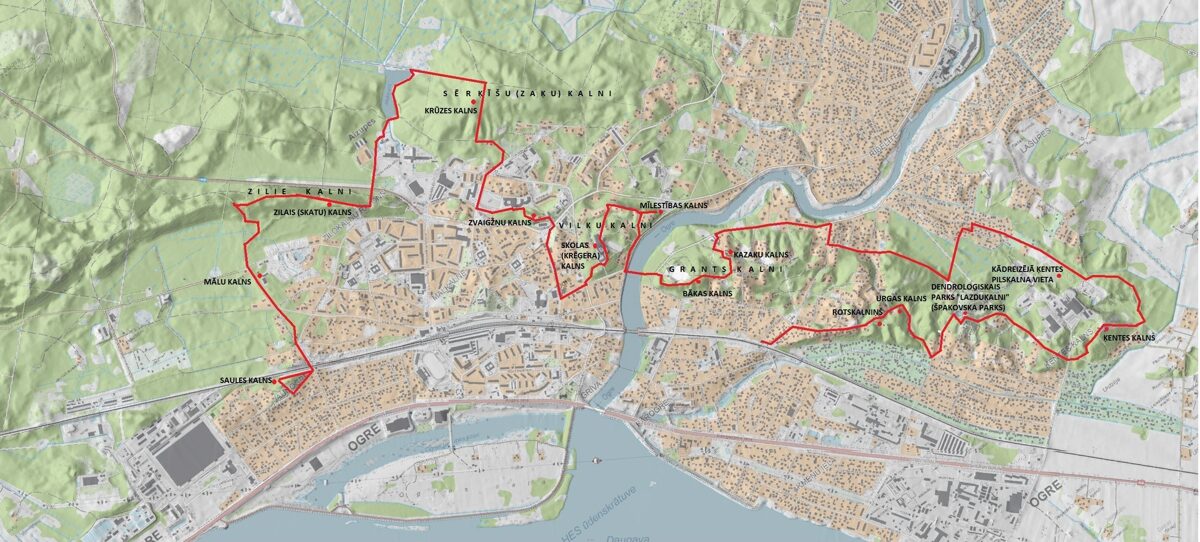
“OGRE KANGARI” HIKING TRAIL
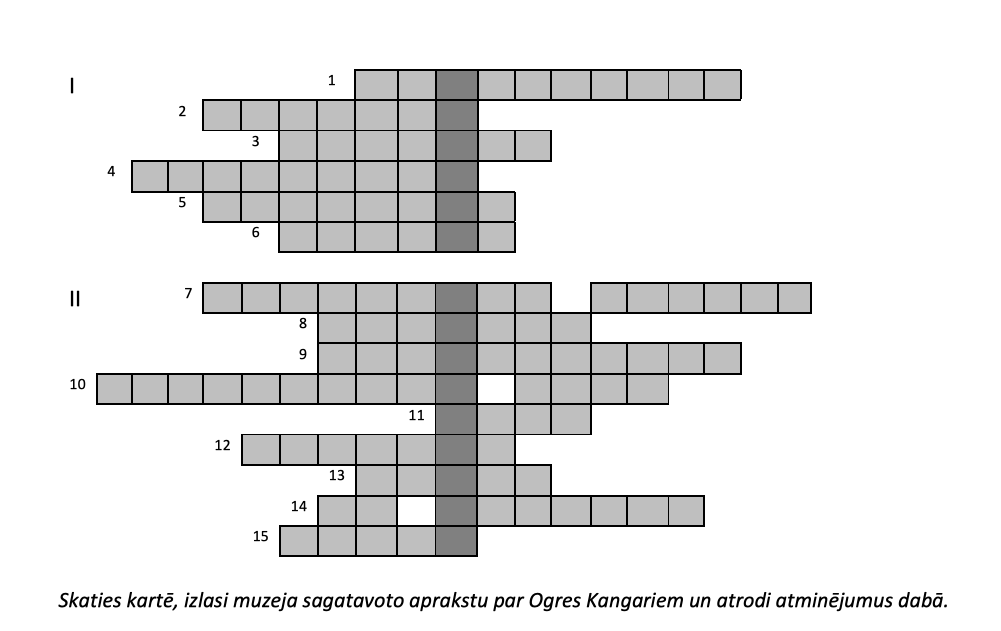
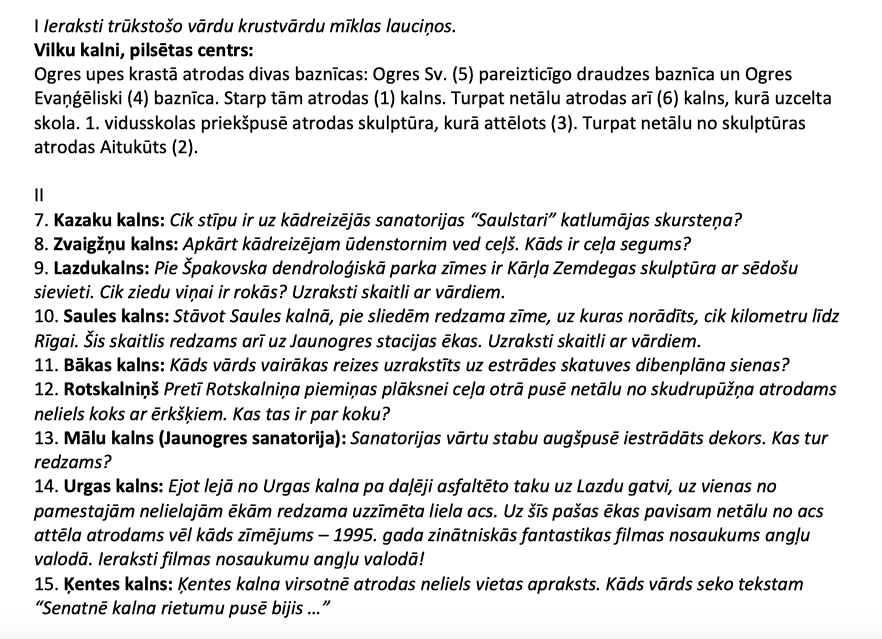
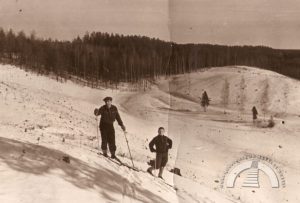
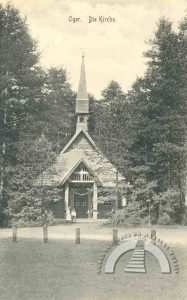
We invite you to explore the hiking trail to better discover the hills of Ogre. View the photo gallery and read the story on the museum's website or Facebook page. By looking at historical images, you can compare how the city has changed over time. We have marked the route in the "BalticMaps" map browser. The “GPX” file is convenient to use with the LVM GEO mobile app. The total length of the hiking trail marked on the map is 14 kilometers (7 kilometers in Pārogre and 7 kilometers in Ogre center and Jaunogre). The hiking trail winds through both the urban part of the city (with asphalt, cobblestone, and gravel surfaces) and green areas (park paths and pedestrian-trodden forest trails without special amenities).