
THE OLD ROUTES OF OGRE’S NARROW-GAUGE RAILWAY
THE MUSEUM INVITES YOU ON A HIKE TO EXPLORE THE OLD ROUTES OF OGRE’S NARROW-GAUGE RAILWAY As spring blossoms, the Ogre History and Art Museum presents the history of the Ogre narrow-gauge railway and invites you to explore the old railway routes in nature. From Ogre railway station, a narrow-gauge railway line once stretched through […]
THE MUSEUM INVITES YOU ON A HIKE TO EXPLORE THE OLD ROUTES OF OGRE’S NARROW-GAUGE RAILWAY
As spring blossoms, the Ogre History and Art Museum presents the history of the Ogre narrow-gauge railway and invites you to explore the old railway routes in nature.
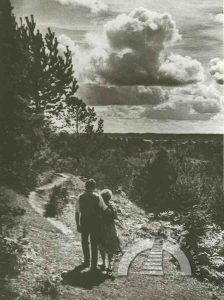
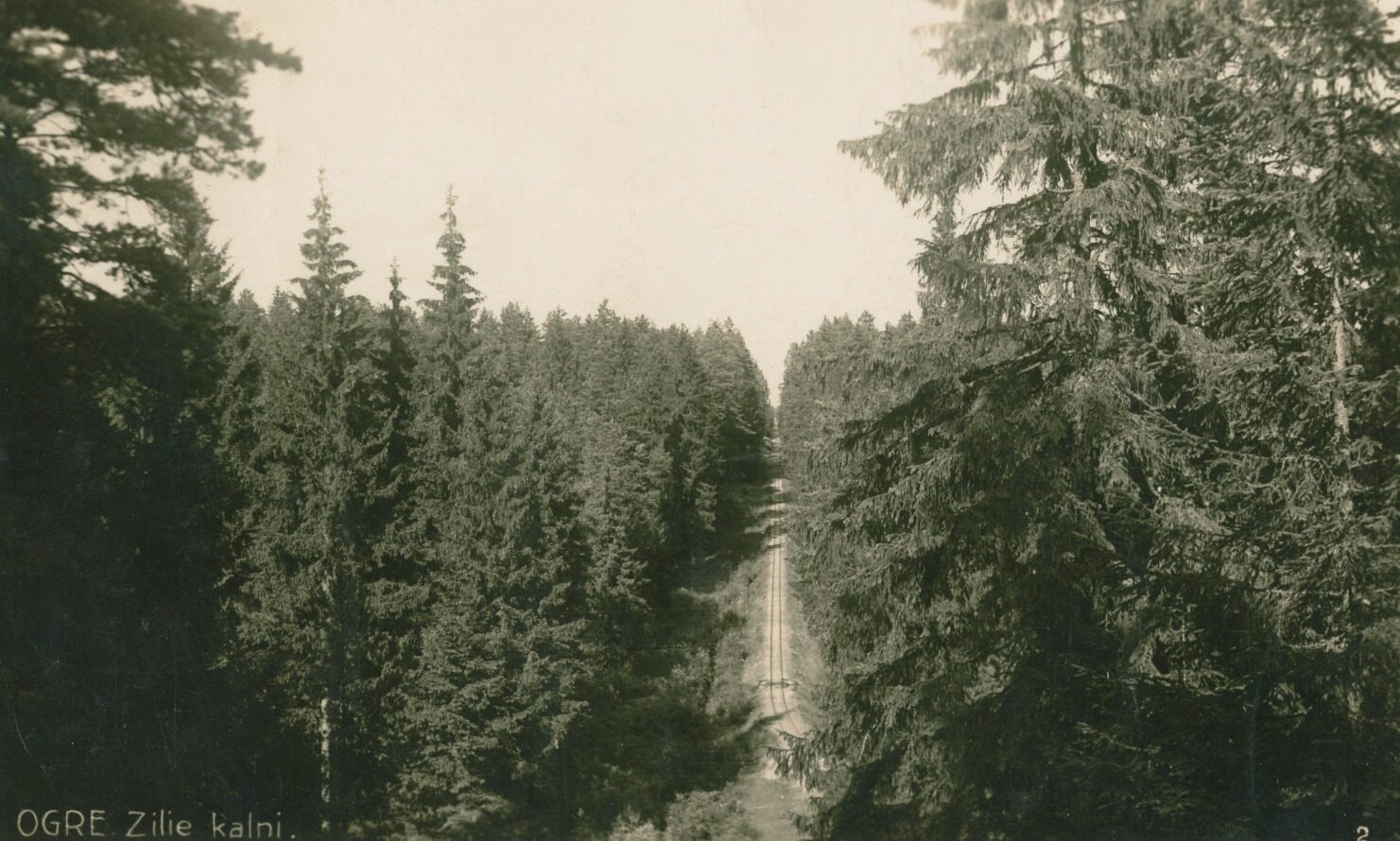
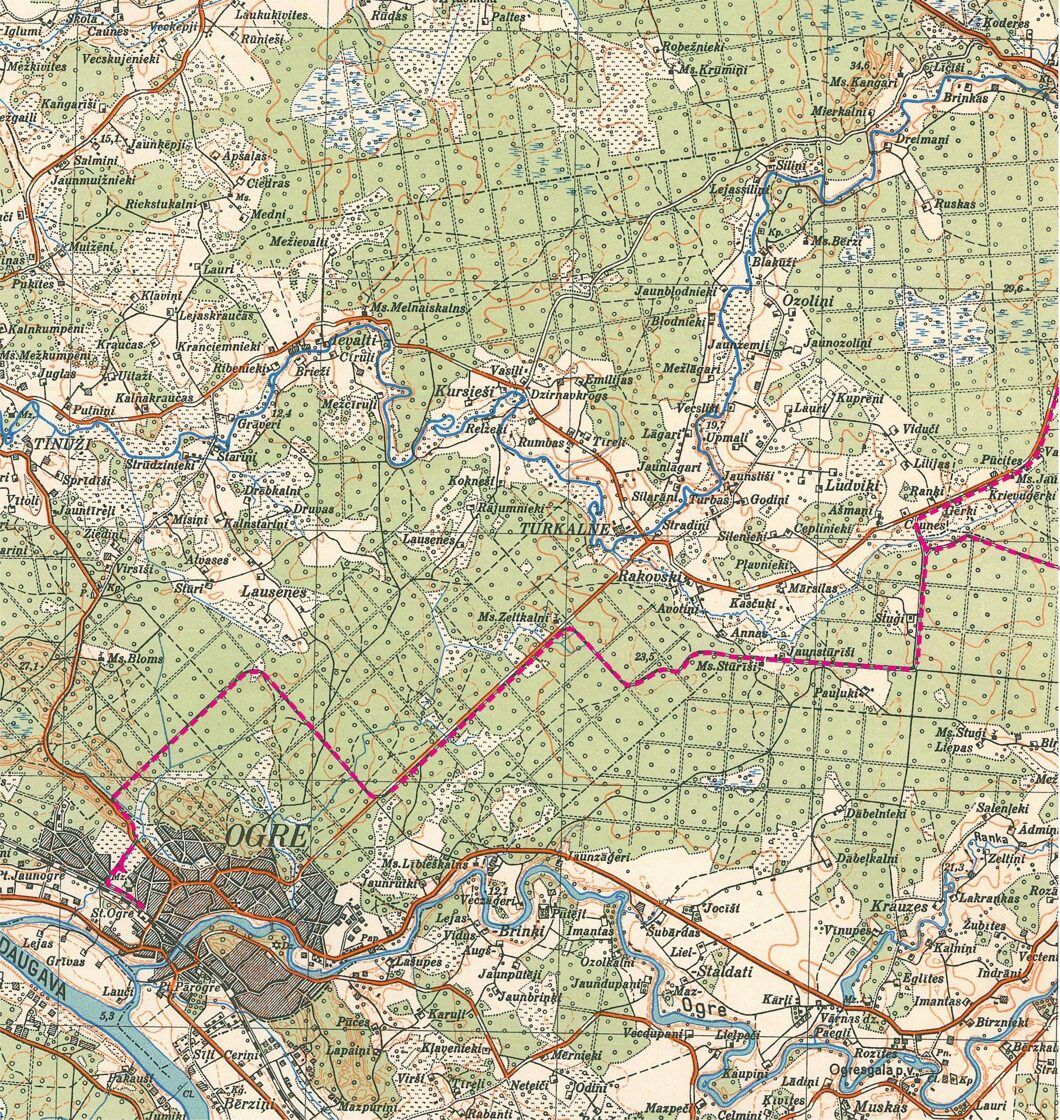
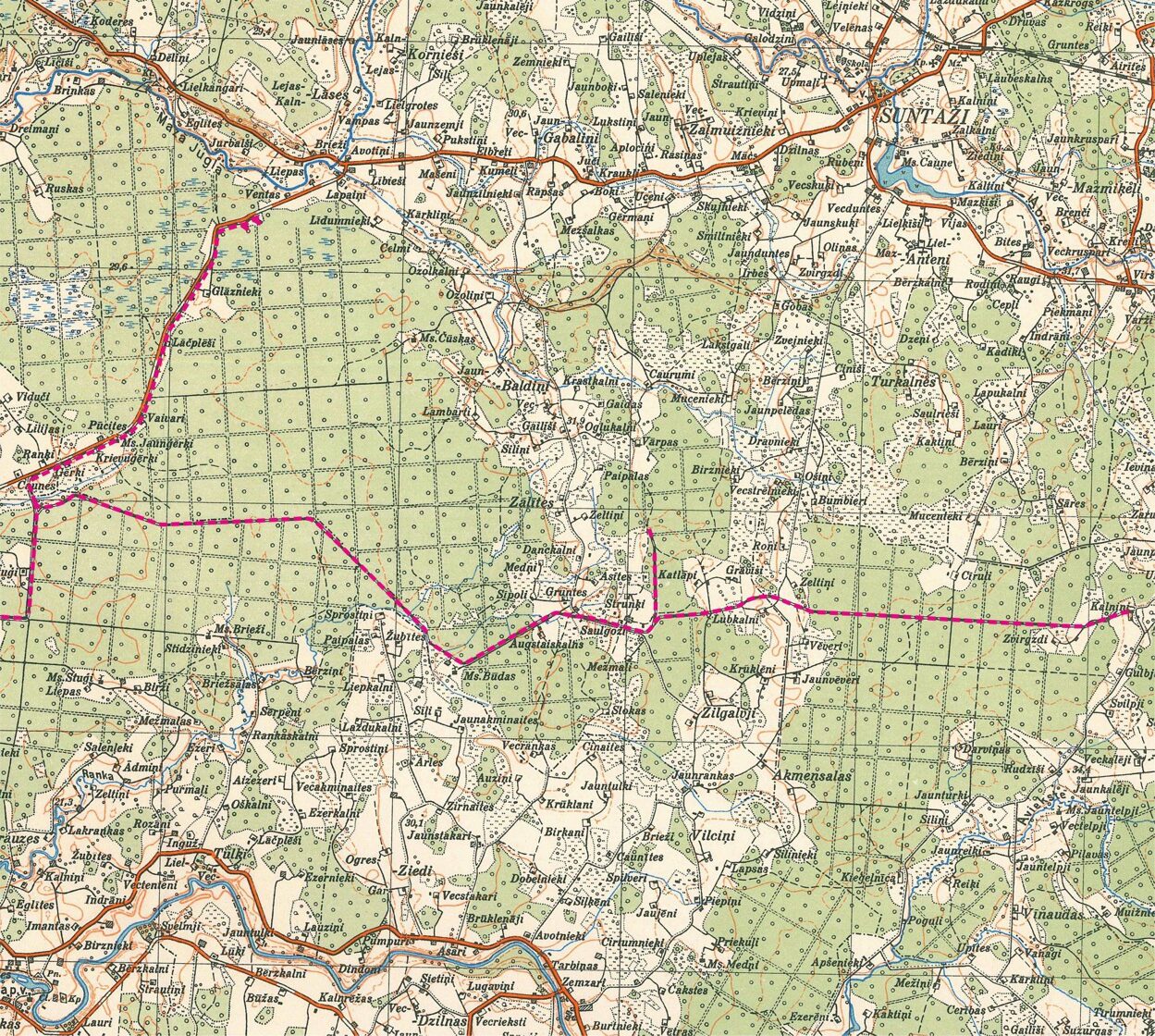
From Ogre railway station, a narrow-gauge railway line once stretched through the forests to Laubere. Today, almost no physical traces of it remain, but the story of this forest railway may encourage residents and visitors of Ogre to walk or cycle along the paths through which the train once wound.
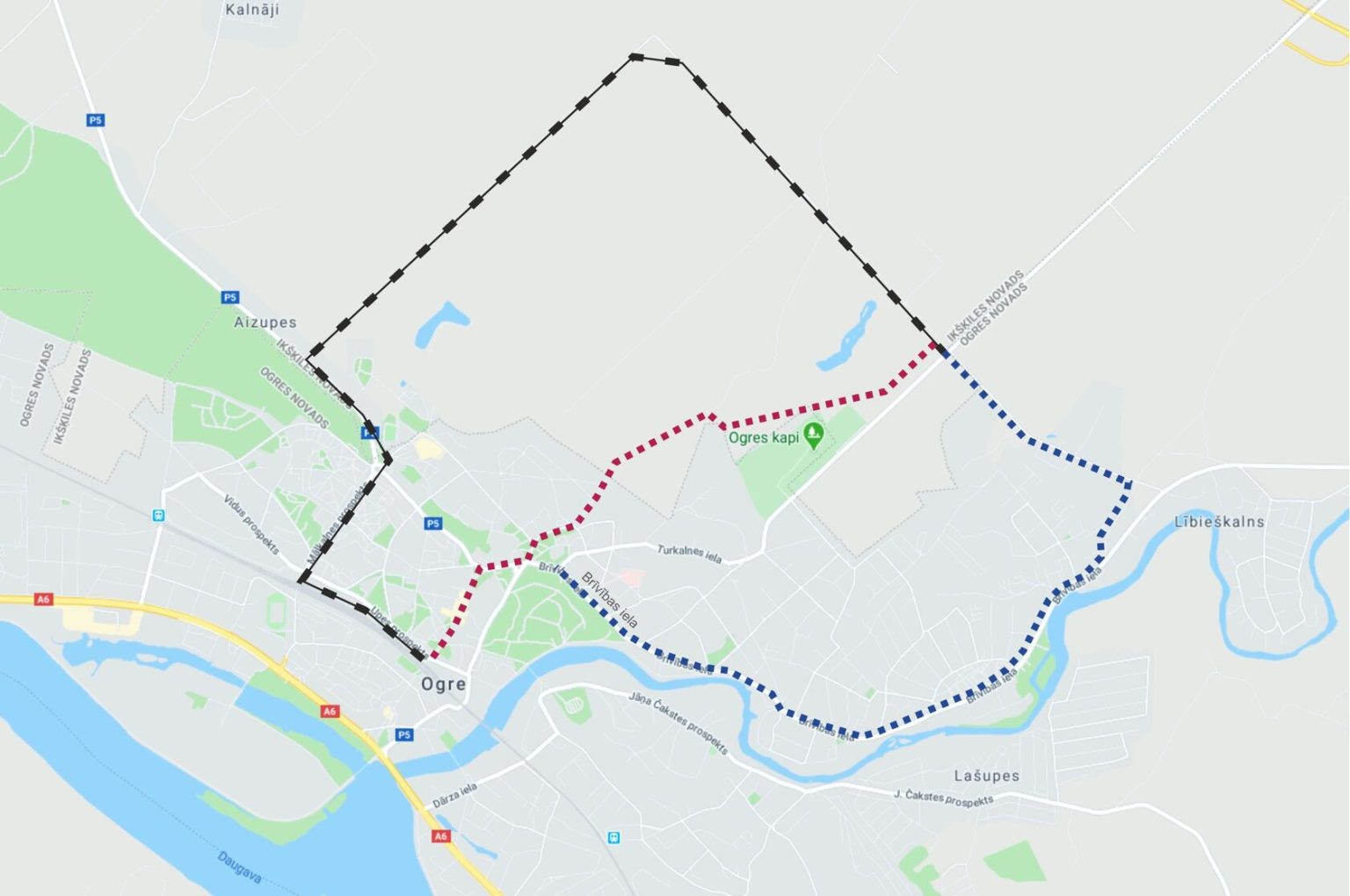
The historical section of the narrow-gauge railway near Ogre can be explored by starting your journey at the present-day Ogre Ice Hall and heading towards Tīnūži, passing the turn-off to Ogre Technical College and turning right onto the first forest path. After approximately a half-hour walk (2.3 km), continue straight along the path until you reach a gentle bend towards Turkalne Road. From this bend to Turkalne Road is also about a half-hour walk (2.1 km).
The former narrow-gauge railway section closest to Ogre ends at the “Norupe” sawmill. Beyond this point, the train once turned towards Turkalne. From here, walkers can return to the centre of Ogre either by following the deer park path before reaching the highway, or by crossing the paved road to reach the Kartonfabrika residential area via Lībieškalns. From there, the route back to the centre of Ogre can be continued along the banks of the Ogre River.
WHEN WAS THE OGRE–LAUBERE RAILWAY IN OPERATION?
Operations on the Ogre–Laubere railway began in early 1933. During the Second World War, it was used to transport soldiers, but it was destroyed during the war and was never rebuilt.
WHY WAS A NARROW-GAUGE RAILWAY NEEDED IN THE FOREST?
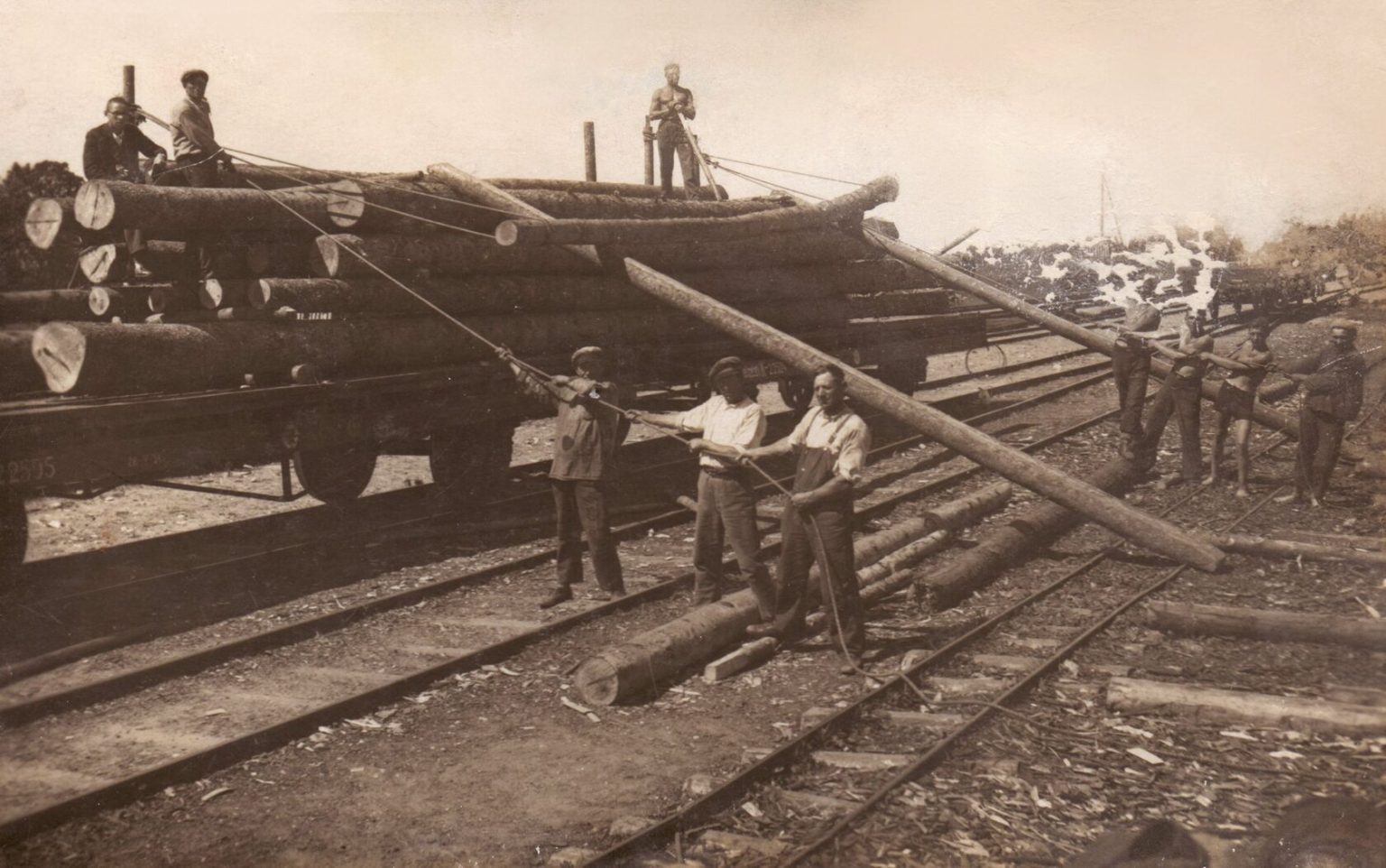
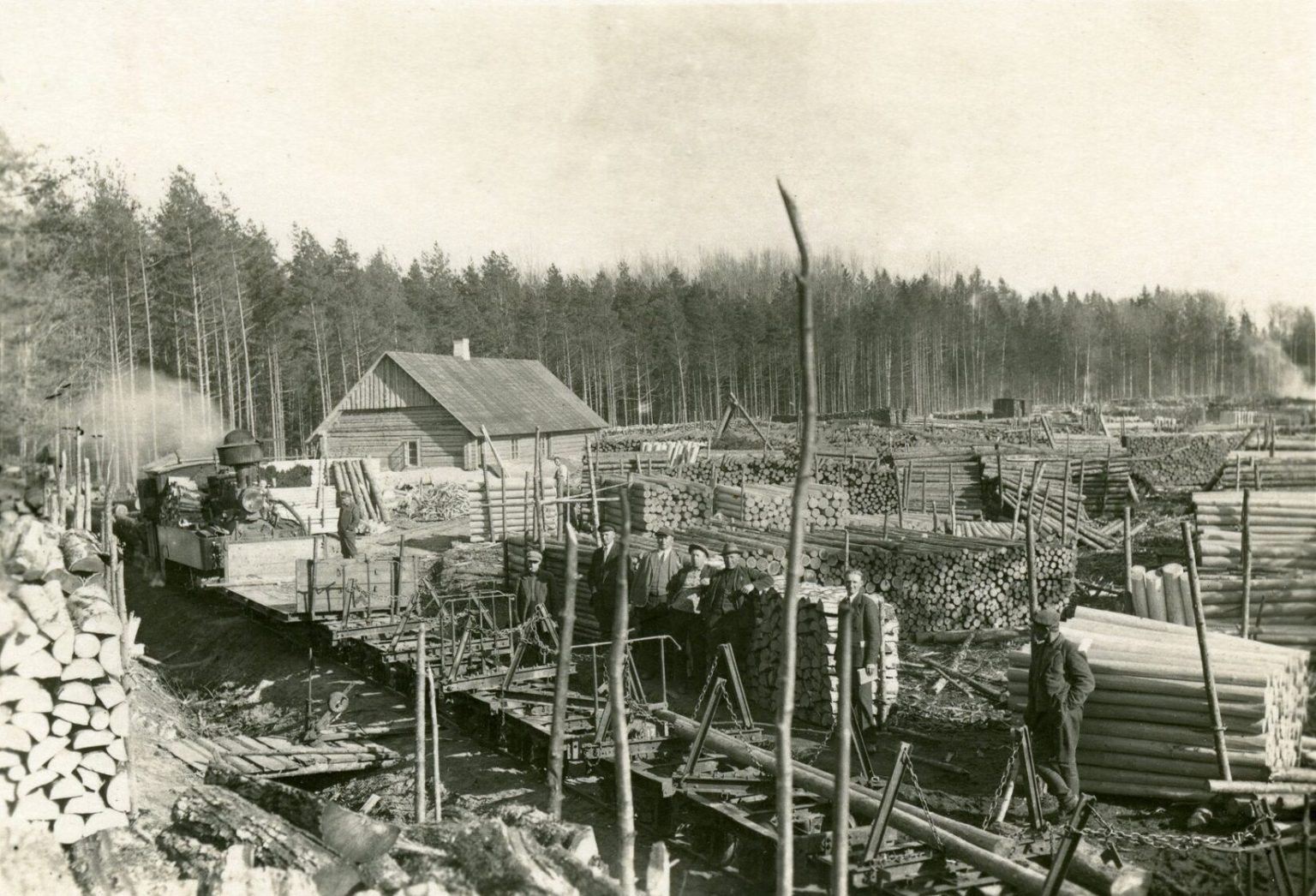
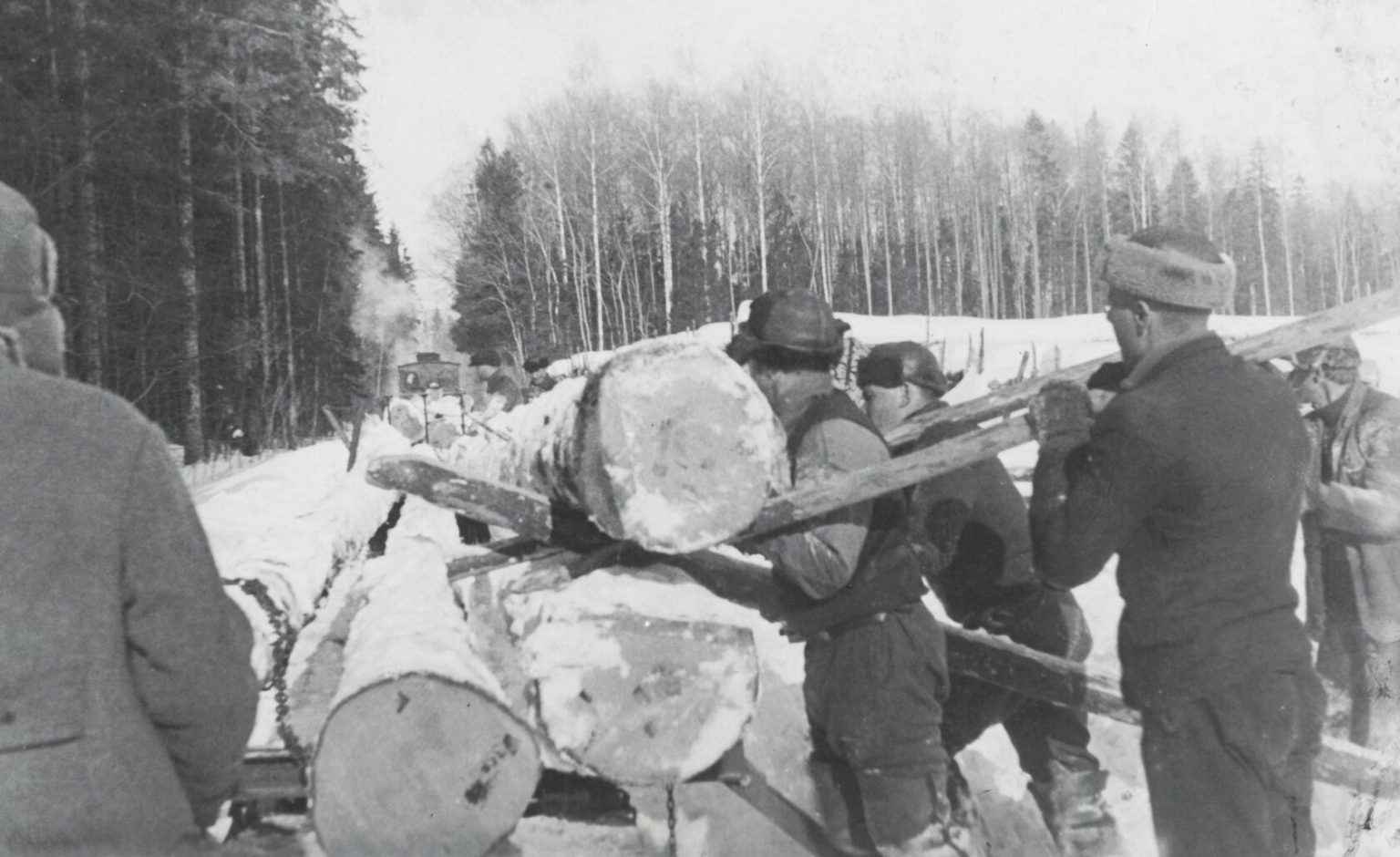
The Ogre–Laubere narrow-gauge railway was built for forestry purposes. Timber from surrounding regions was mainly transported via waterways, with logs floated down the Ogre River and the Lielā Jugla. However, timber from forest areas further away from rivers was transported by the narrow-gauge railway. The construction of the Ogre–Laubere line was initiated by the Latvian government to use timber resources more efficiently and prevent overgrowth in managed forests.
WHO USED THE NARROW-GAUGE RAILWAY?
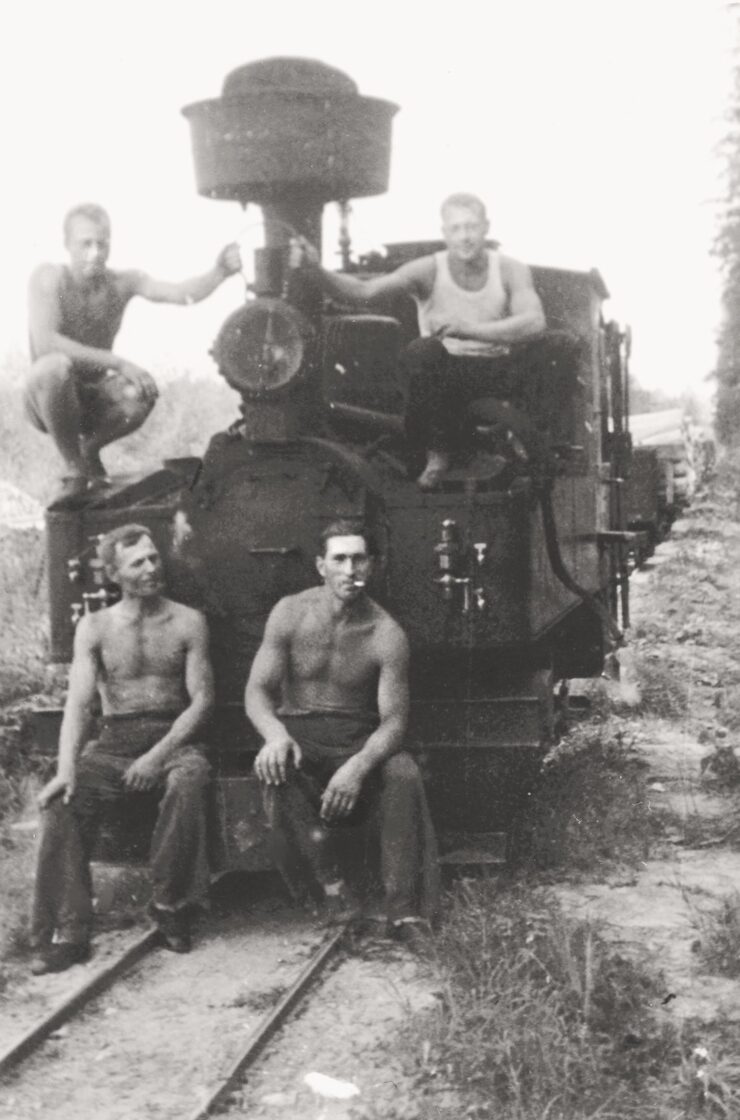
The primary purpose of the narrow-gauge railway was industrial, and its main users were forest workers. However, the line was also used by people not directly involved in timber transport. For example, farmers from Laubere used the train to deliver milk, butter, and vegetables to Ogre. Meanwhile, residents of Ogre and summer cottage owners used it to travel into the forest to gather forest produce.
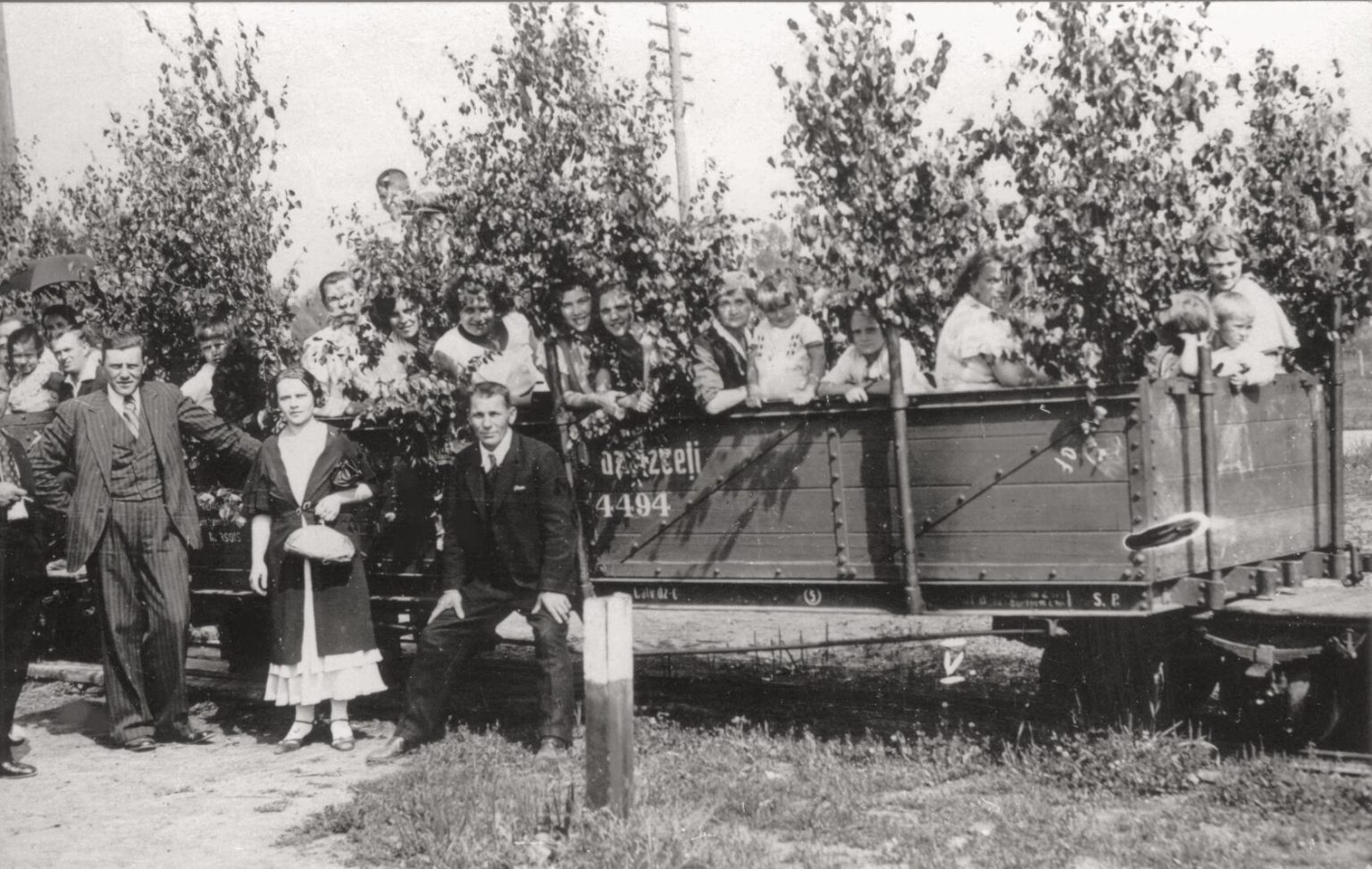
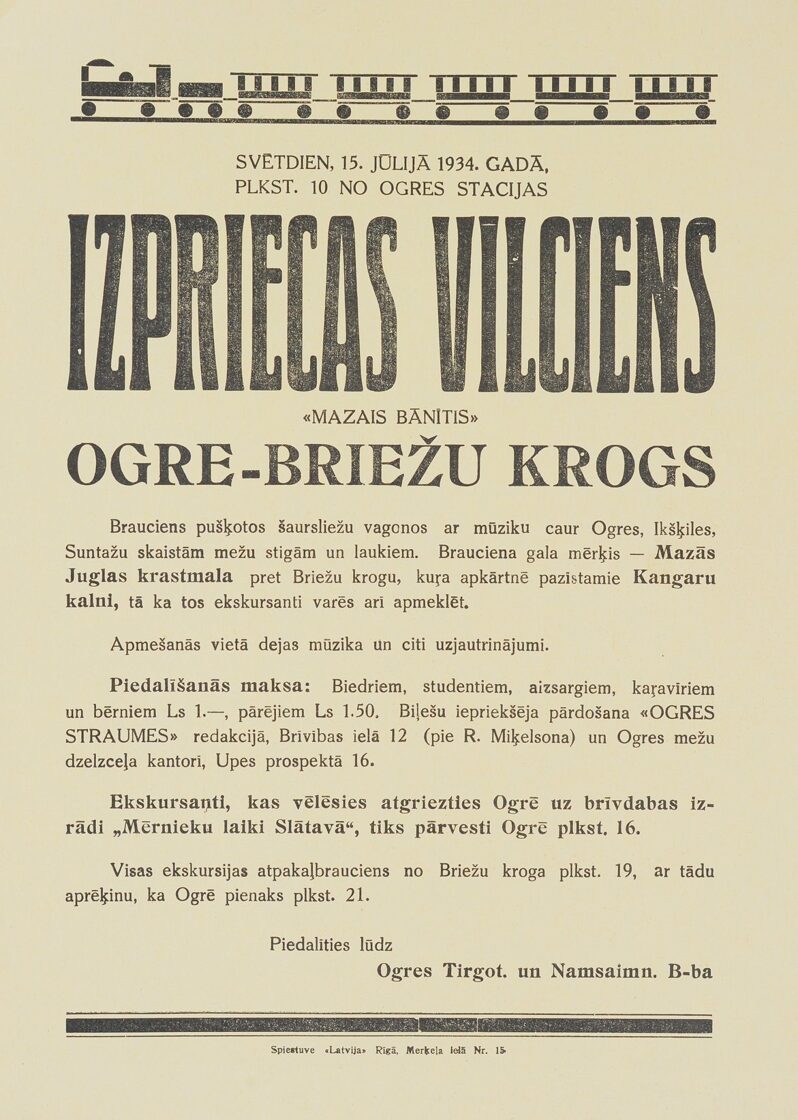
On special occasions, the narrow-gauge train was also used for celebrations or pleasure trips. At such times, the carriages were decorated with birch branches, and people, accompanied by musicians, travelled to the end of the line, where open-air dances were held.
WHAT WAS THE OGRE–LAUBERE NARROW-GAUGE RAILWAY LIKE?
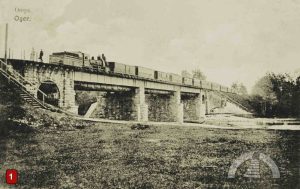
The Ogre–Laubere railway had a track gauge of 600 mm. Similar railways were used even before the First World War and for front-line needs during the war. They were cheaper and quicker to build than broad-gauge railways, and their rolling stock was relatively easy to maintain due to the simpler carriage designs.
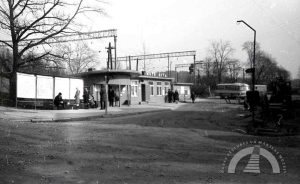
Within the city of Ogre, the line ran through Jaunogre, parallel to the present-day Mālkalnes Prospekts, where the depot was located. Employees who maintained the carriages and locomotives worked there. For the residents of Jaunogre, the sound of locomotive whistles was an everyday occurrence. The tracks continued to Ogre station, where timber was transferred to broad-gauge wagons for transport to Riga.
The narrow-gauge railway had two branches extending towards Jugla and Laubere. The total length of the line was 37.2 km. In areas where logging was taking place, the line could be extended. These temporary extensions were later dismantled and rebuilt elsewhere as needed. To help forest workers navigate, various sections and junctions in the forest were given distinctive names. One of these was the “Berlin Junction”, which is still marked in nature and, from the direction of Ogre, is located beyond Turkalne.
WHY IS THE OGRE–LAUBERE RAILWAY LINE NO LONGER VISIBLE IN NATURE?
Eighty years have passed since the narrow-gauge train operated. While it is not difficult to trace its former route in nature, it is almost impossible to find clear physical evidence of the railway itself. The embankments built for the narrow-gauge railway were levelled after the war and adapted into forest roads suitable for cars and tractors. Logging has continued over the decades, and in some places, bushes have overgrown former timber loading sites.
Moreover, the construction of a narrow-gauge railway required no deep foundations and was relatively easy to install and dismantle. What remains today are people’s memories and photographs, which bear witness to the former life of the Ogre region and to the industrial and technological processes of that time.
Information about the Ogre–Laubere narrow-gauge railway has been prepared based on the research “Narrow-Gauge Railway Ogre–Laubere” by OHAM history specialist Santa Šustere, published in Volume 2 of the book “Writings of the Ogre History and Art Museum.”
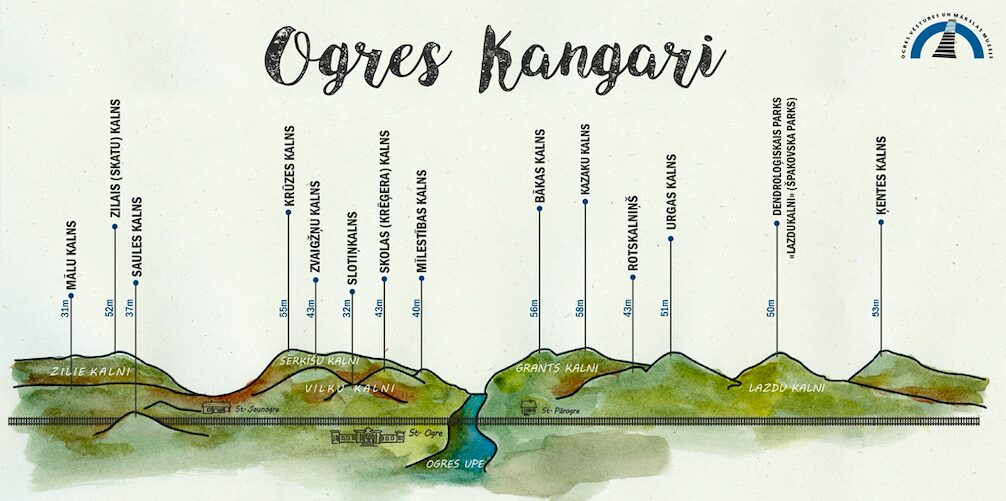
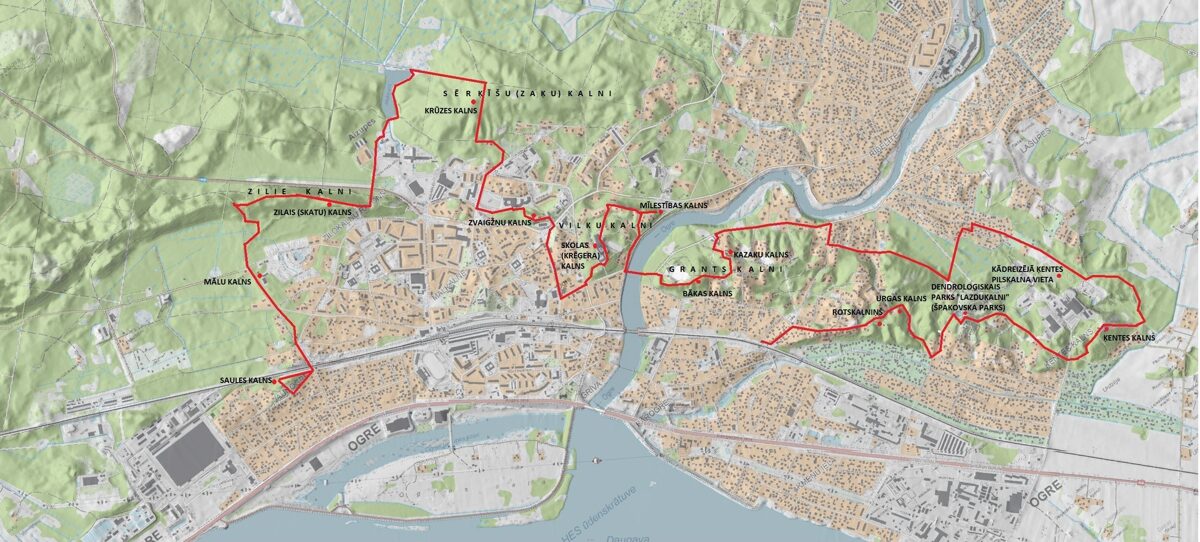
“OGRE KANGARI” HIKING TRAIL
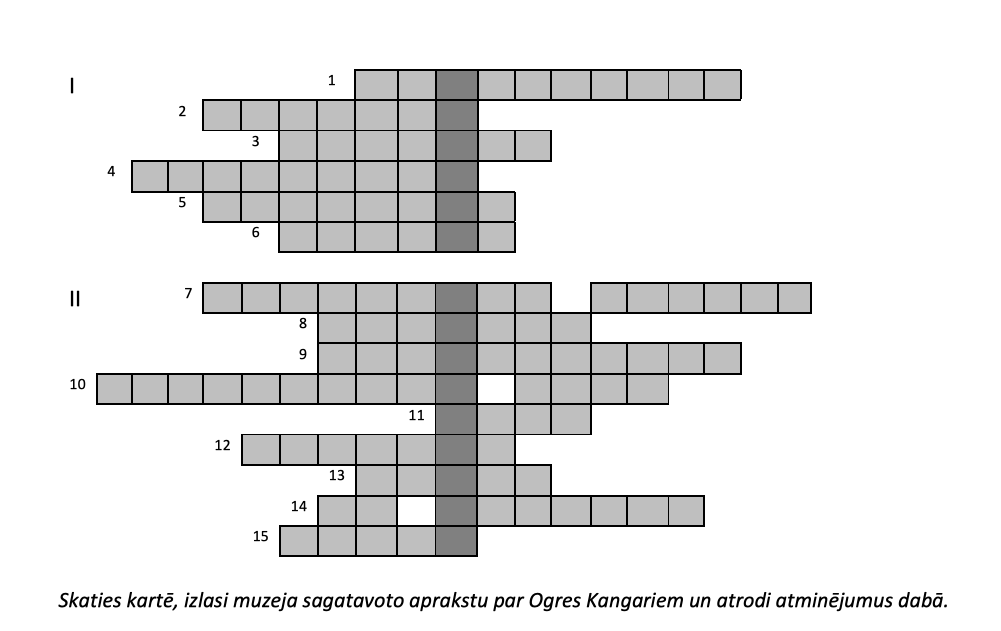
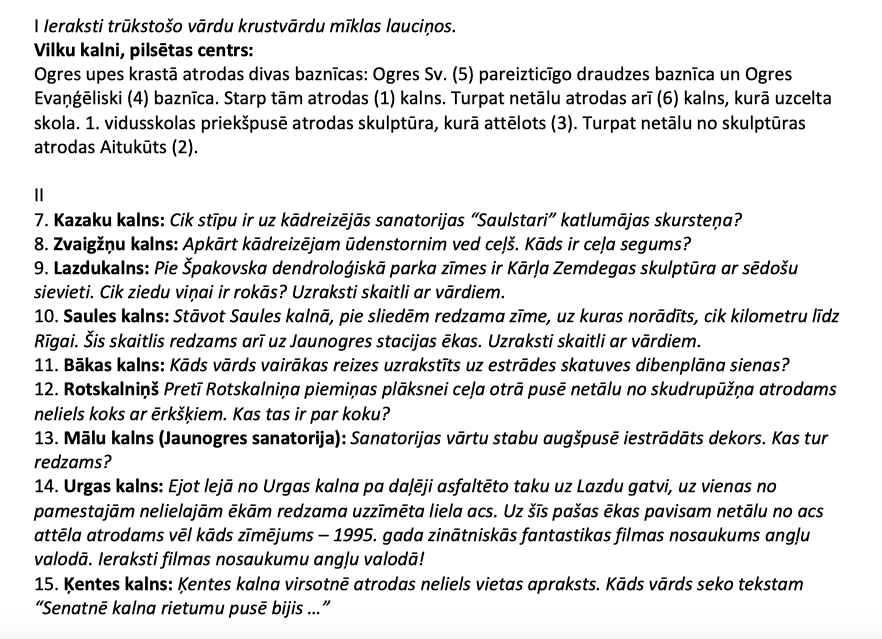
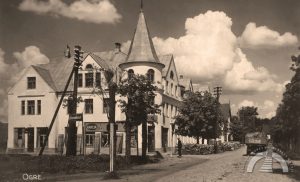
We invite you to explore the hiking trail to better discover the hills of Ogre. View the photo gallery and read the story on the museum's website or Facebook page. By looking at historical images, you can compare how the city has changed over time. We have marked the route in the "BalticMaps" map browser. The “GPX” file is convenient to use with the LVM GEO mobile app. The total length of the hiking trail marked on the map is 14 kilometers (7 kilometers in Pārogre and 7 kilometers in Ogre center and Jaunogre). The hiking trail winds through both the urban part of the city (with asphalt, cobblestone, and gravel surfaces) and green areas (park paths and pedestrian-trodden forest trails without special amenities).