
THE AWAKENING AND THE RESTORATION OF LATVIAN INDEPENDENCE
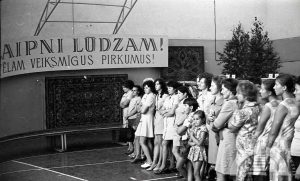
The exhibition “The Awakening and the Restoration of Latvian Independence” is unique because, alongside the well-known events in Riga, it reflects the historical developments of that time in Ogre and its surroundings. For example, it highlights the closing concert of the Baltica ’88 folklore festival at the Ogre open-air stage, as well as the hoisting […]
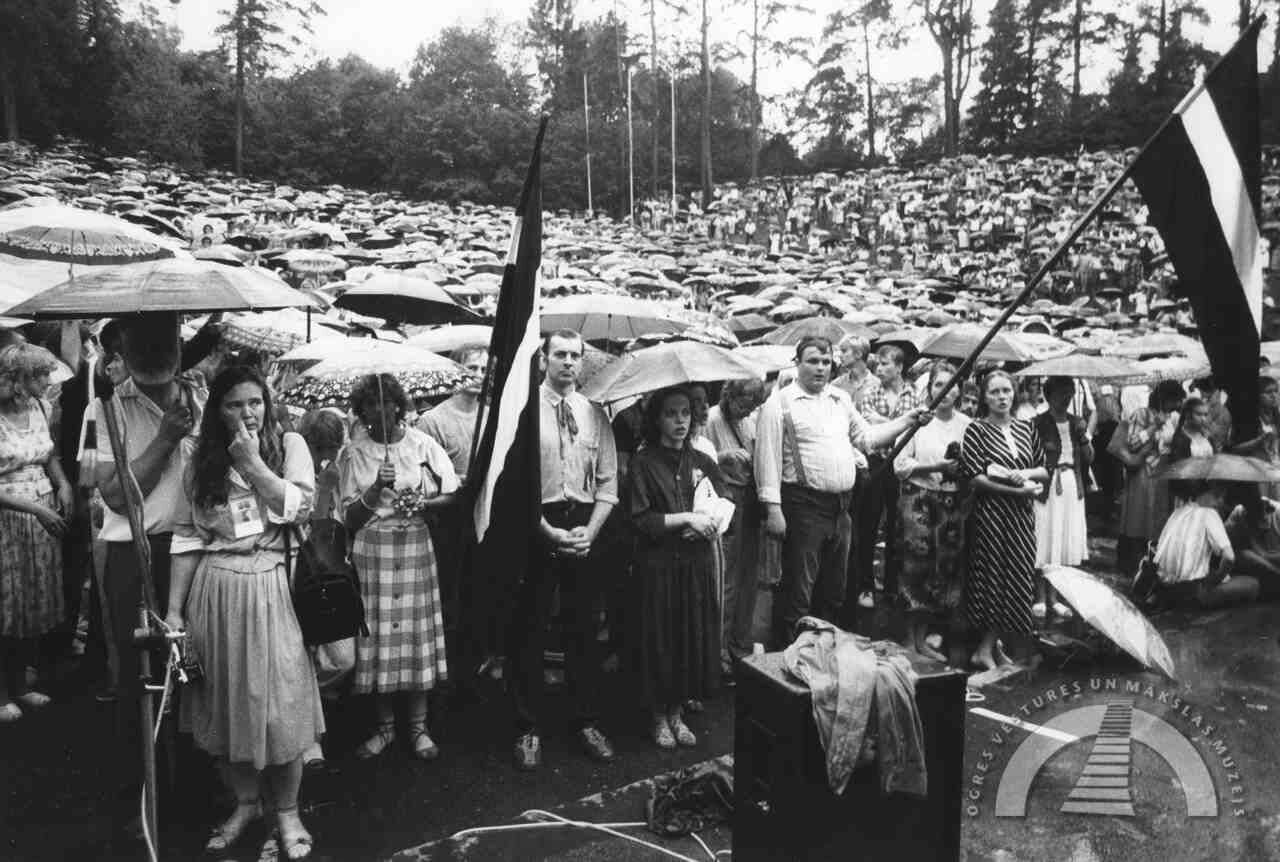
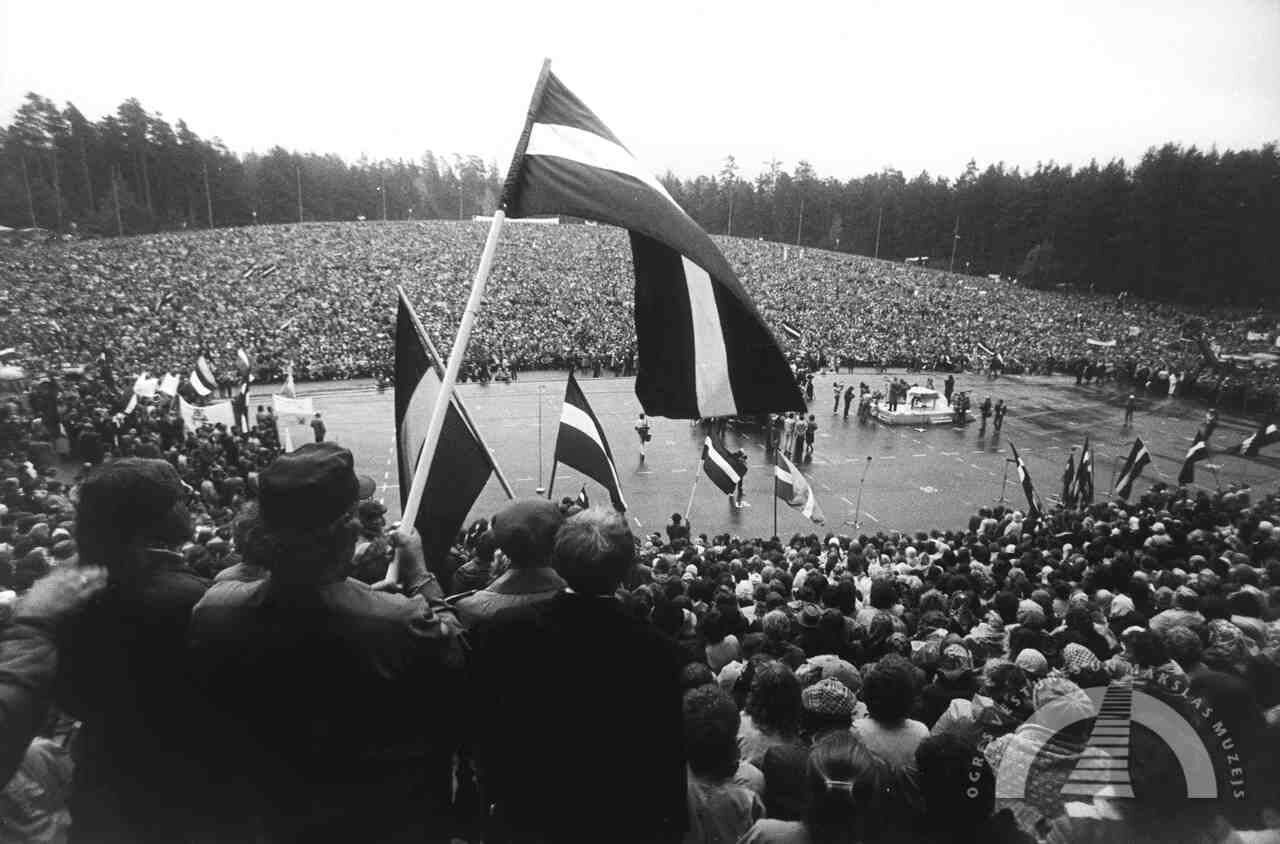
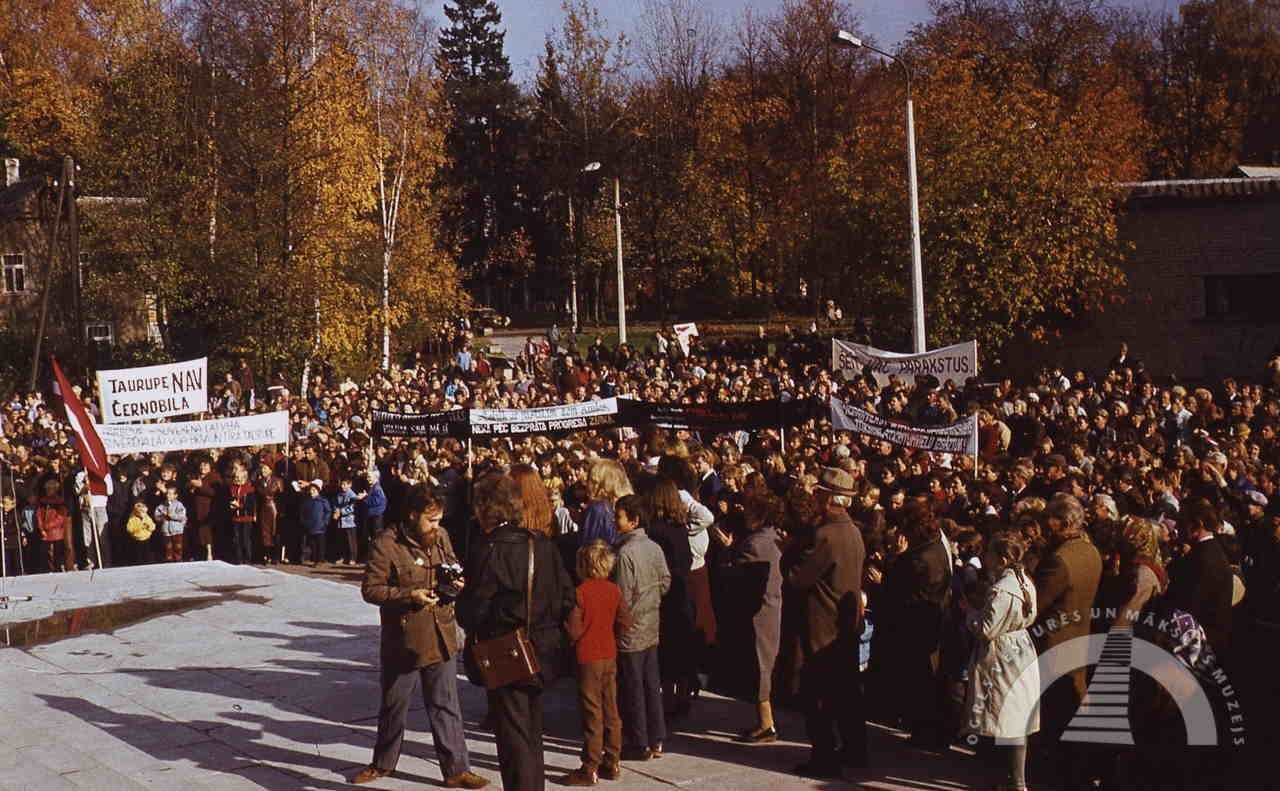
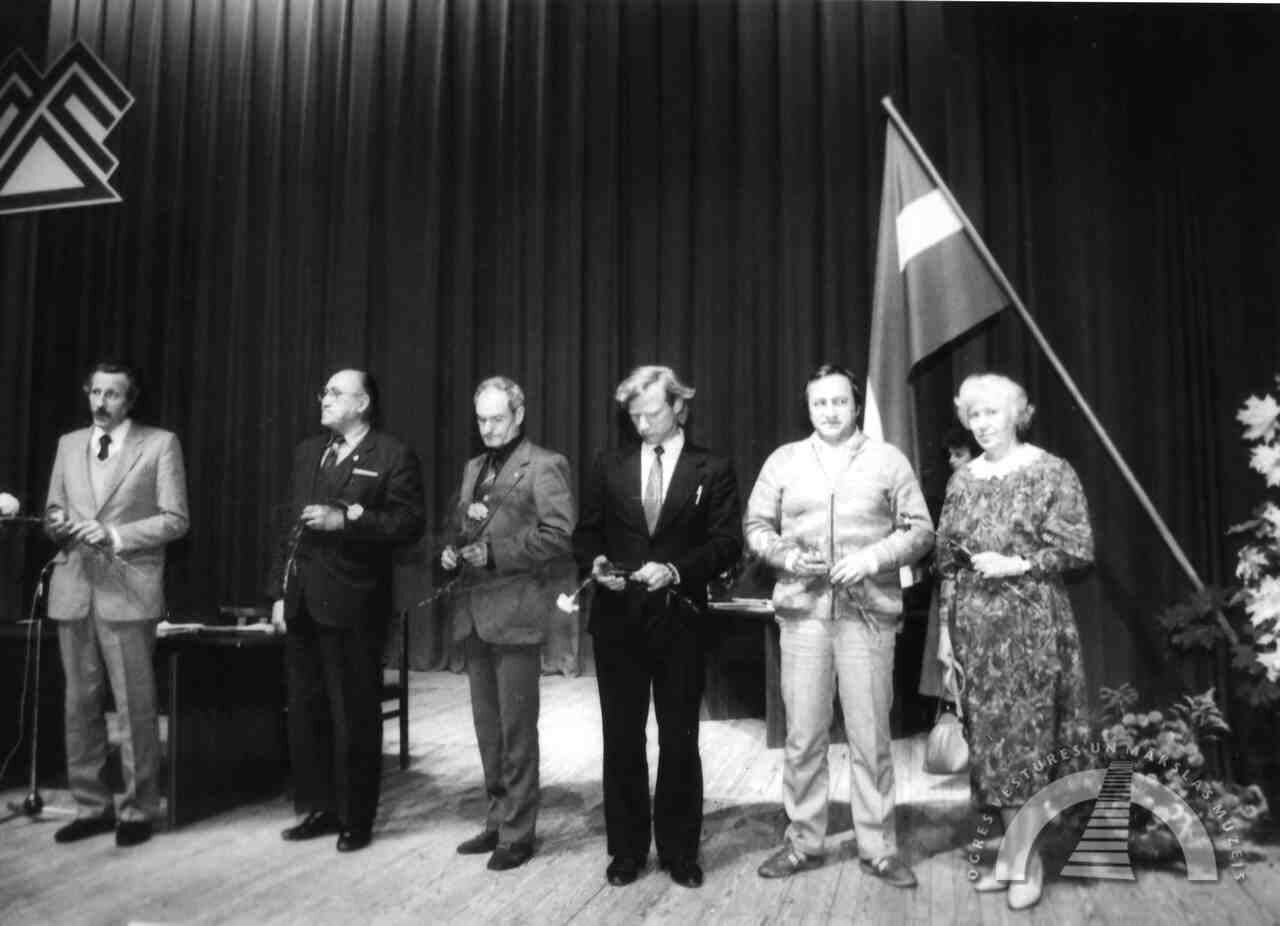
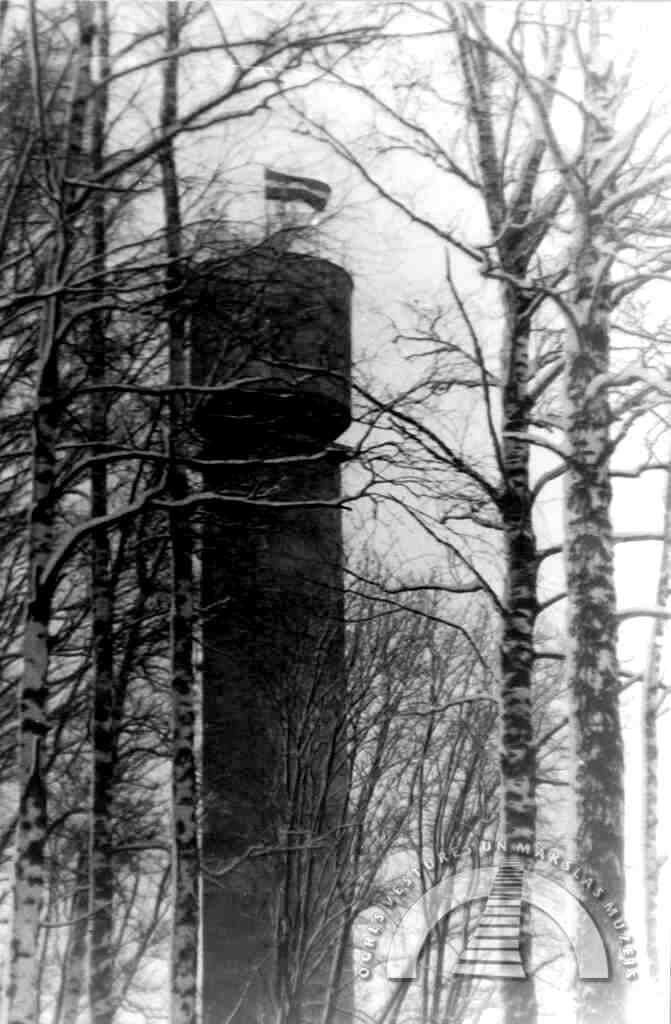
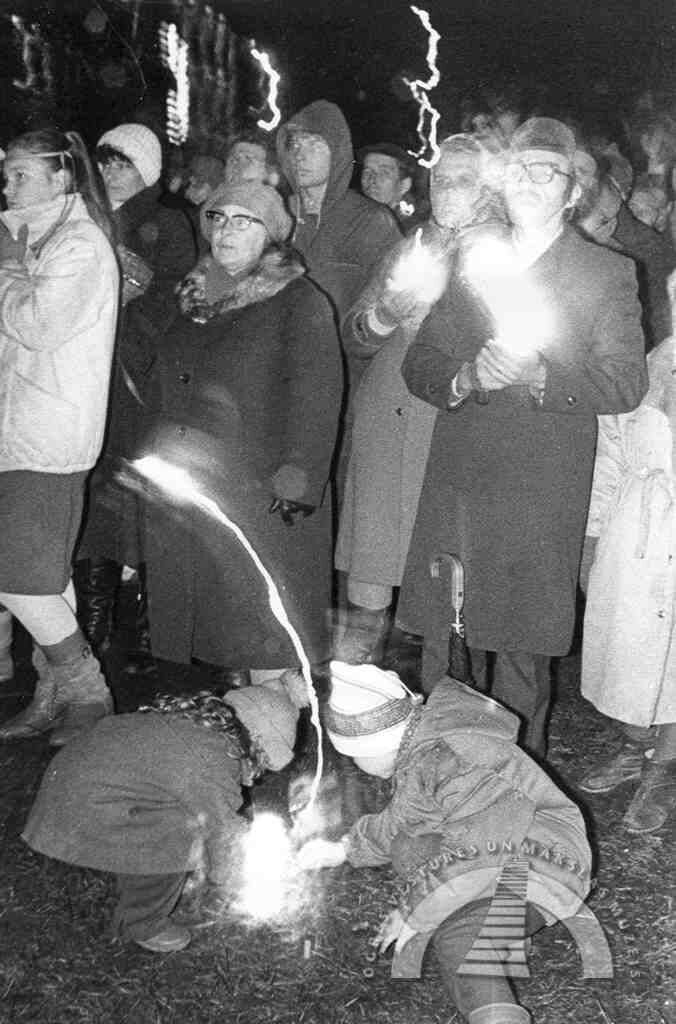
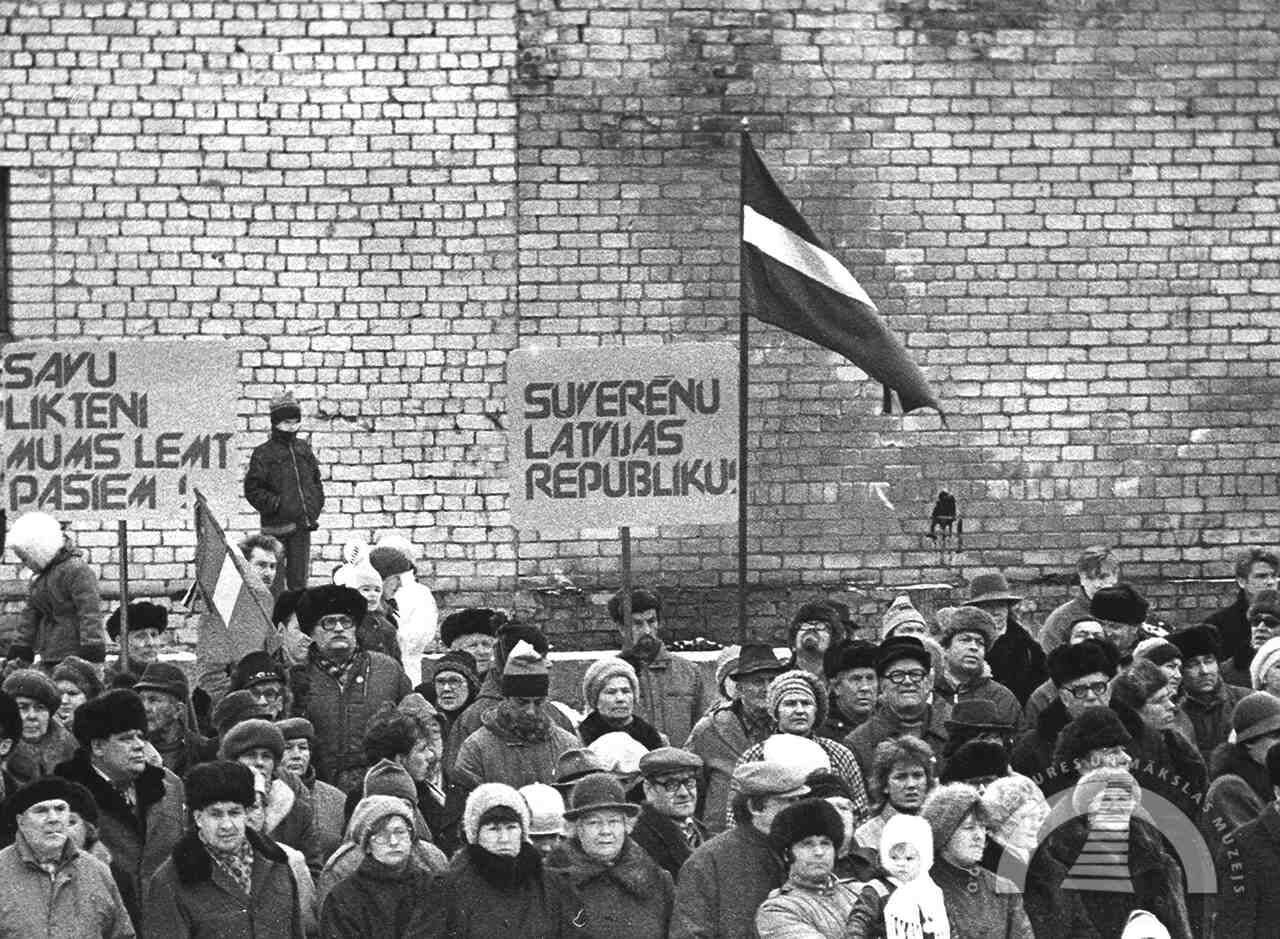
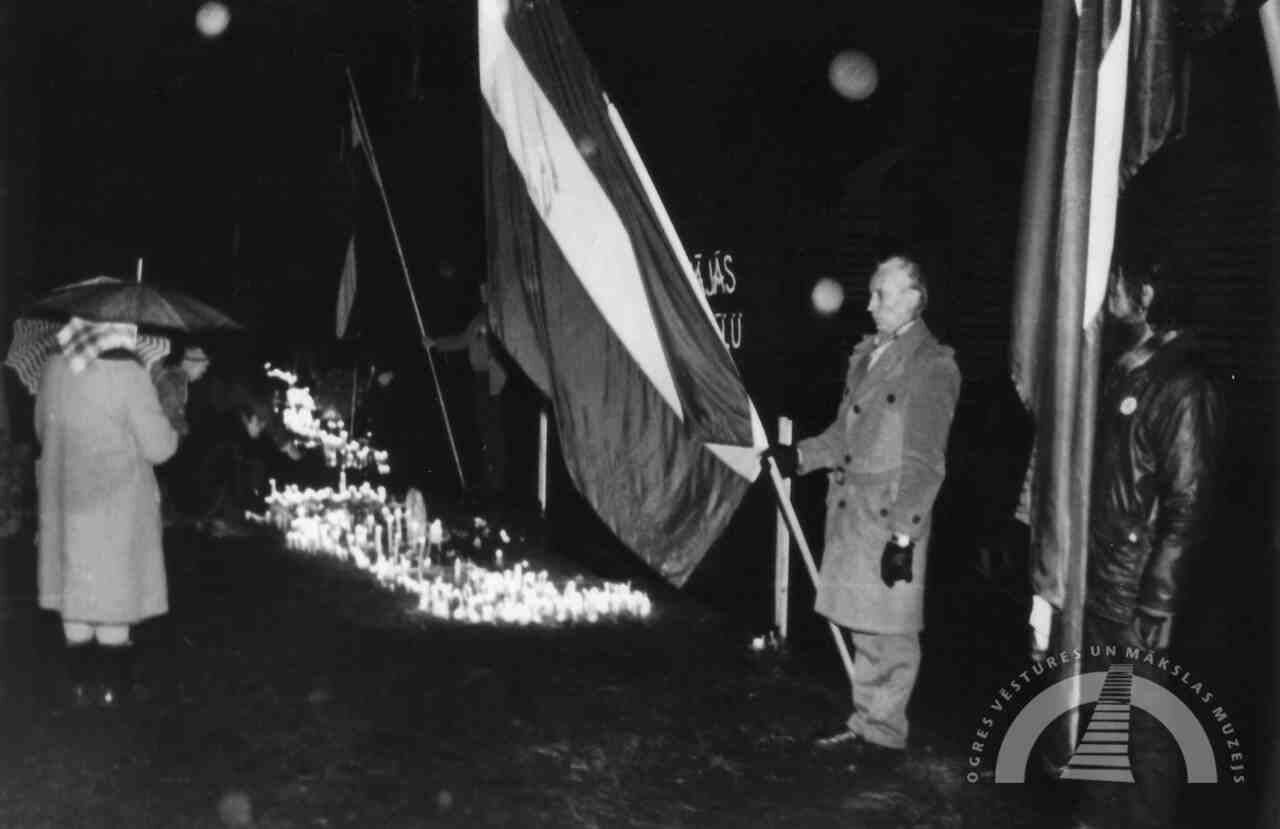
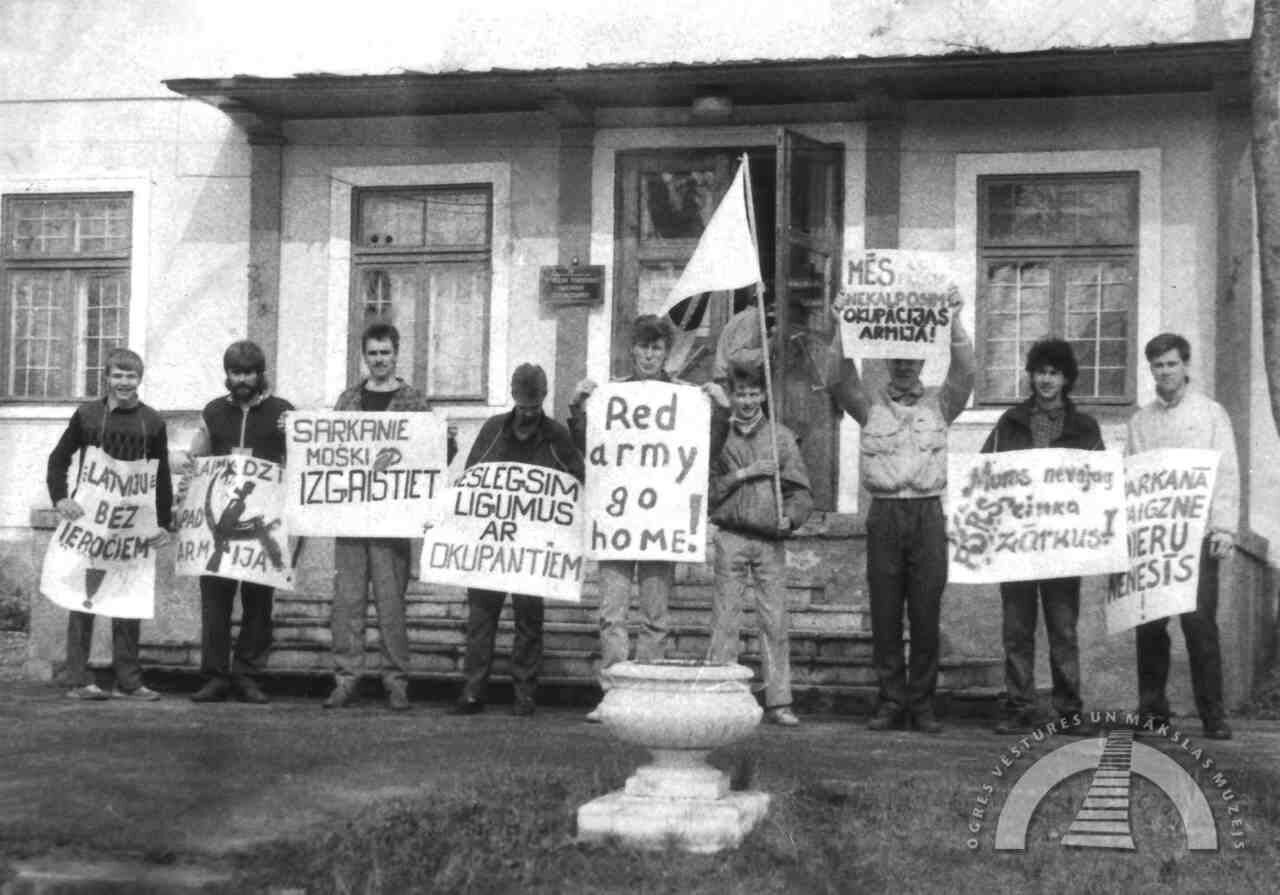
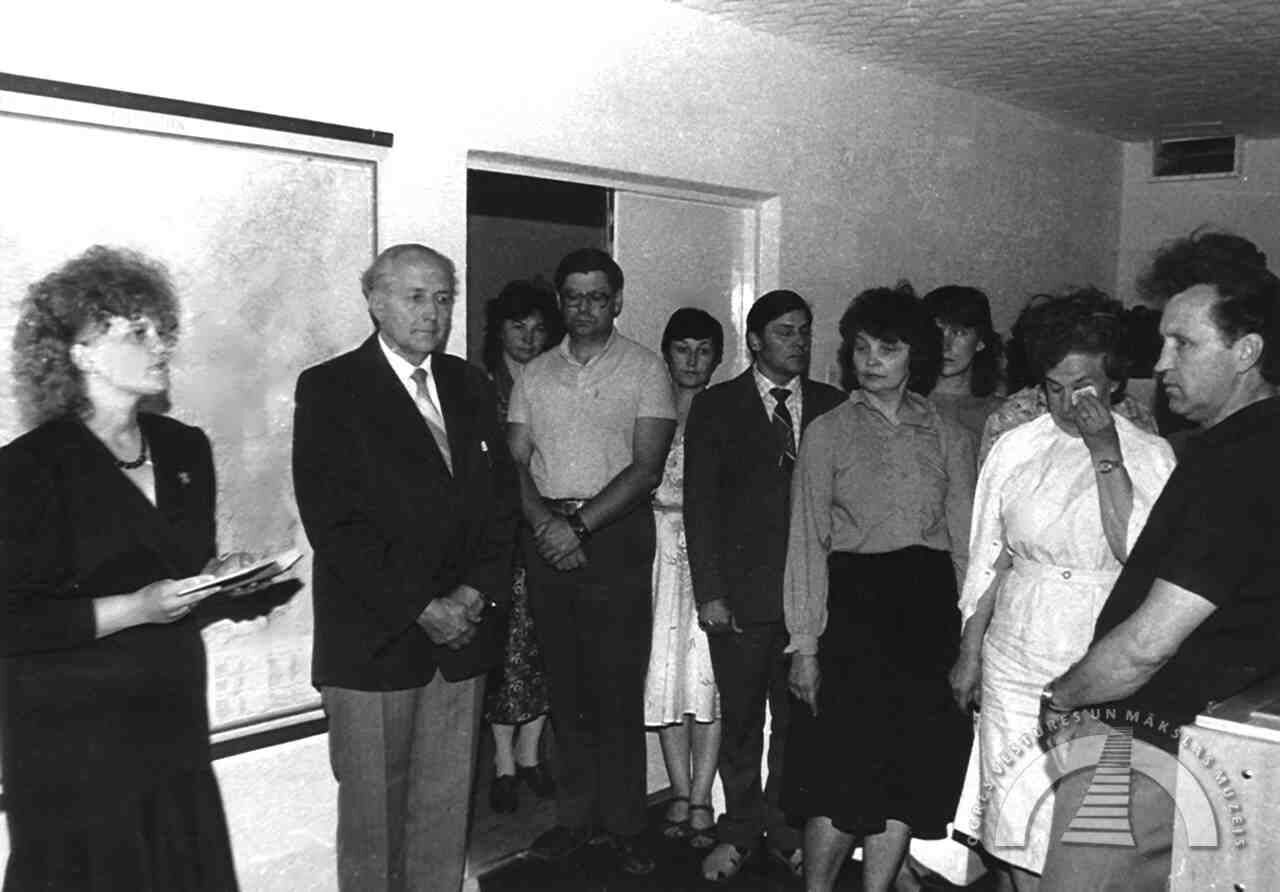
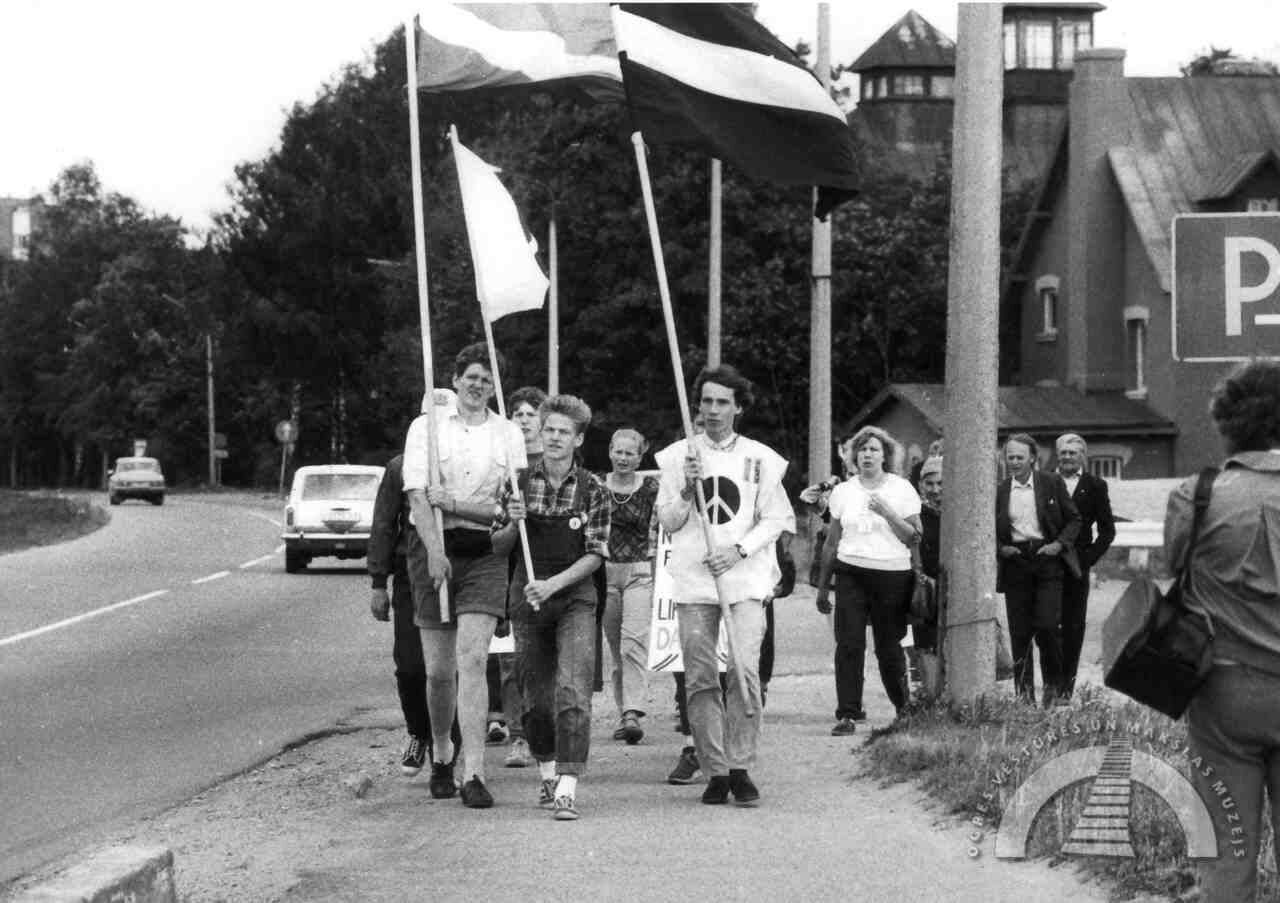
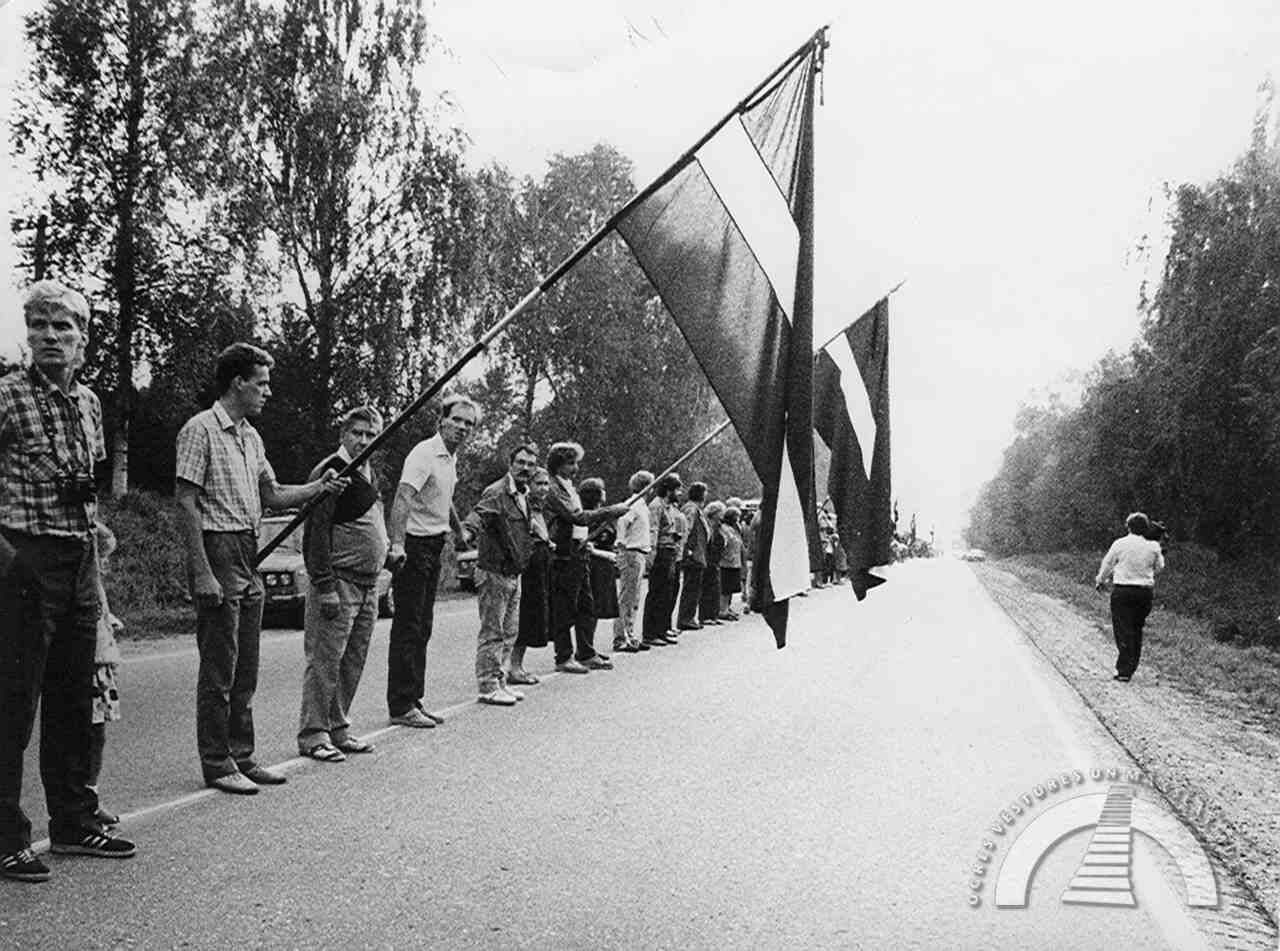
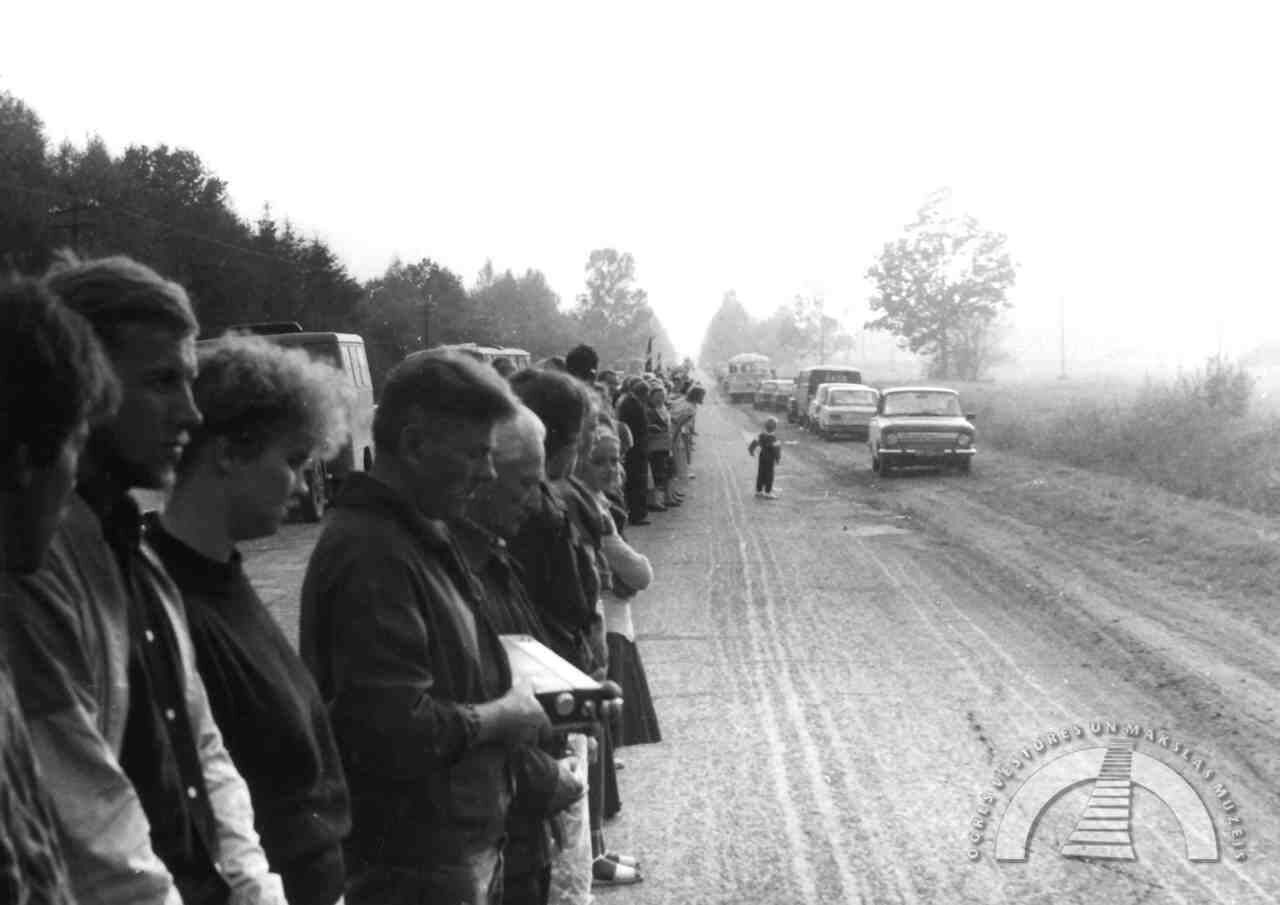
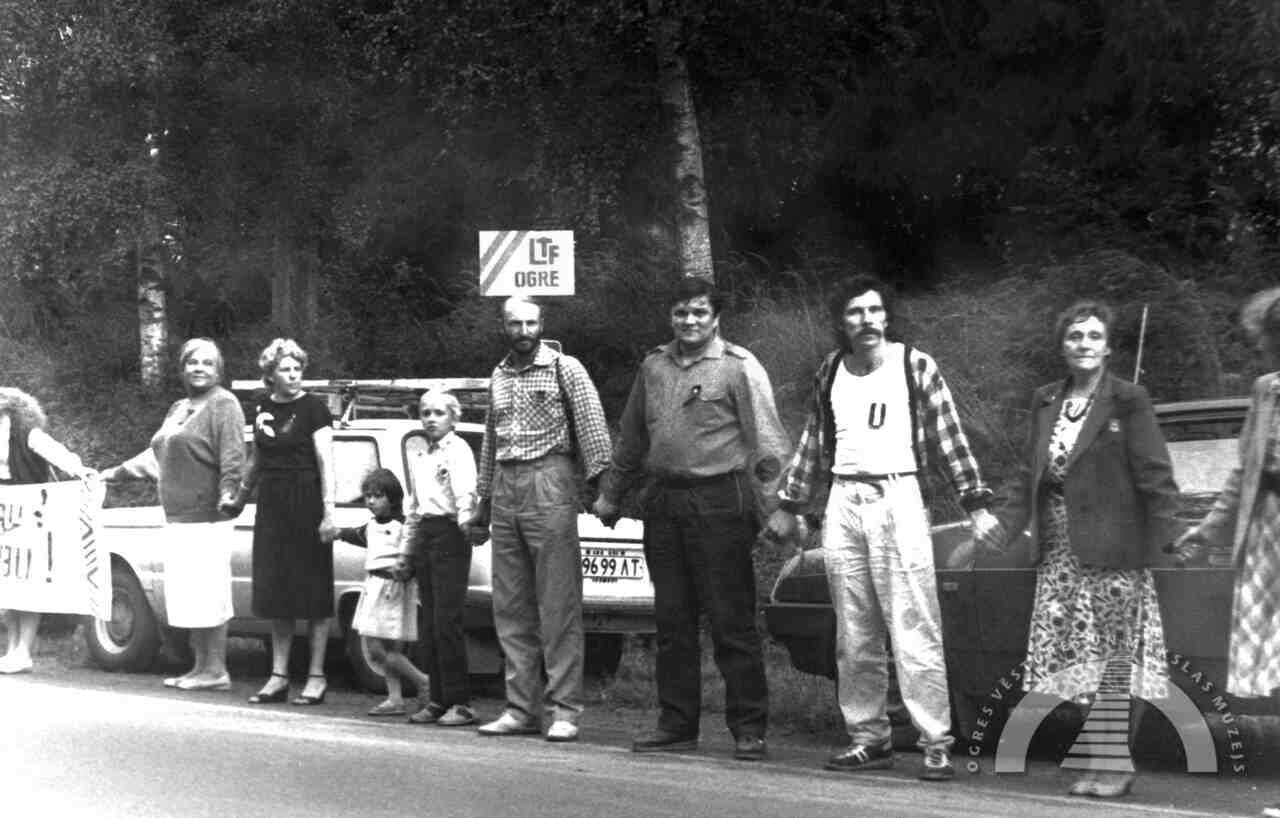
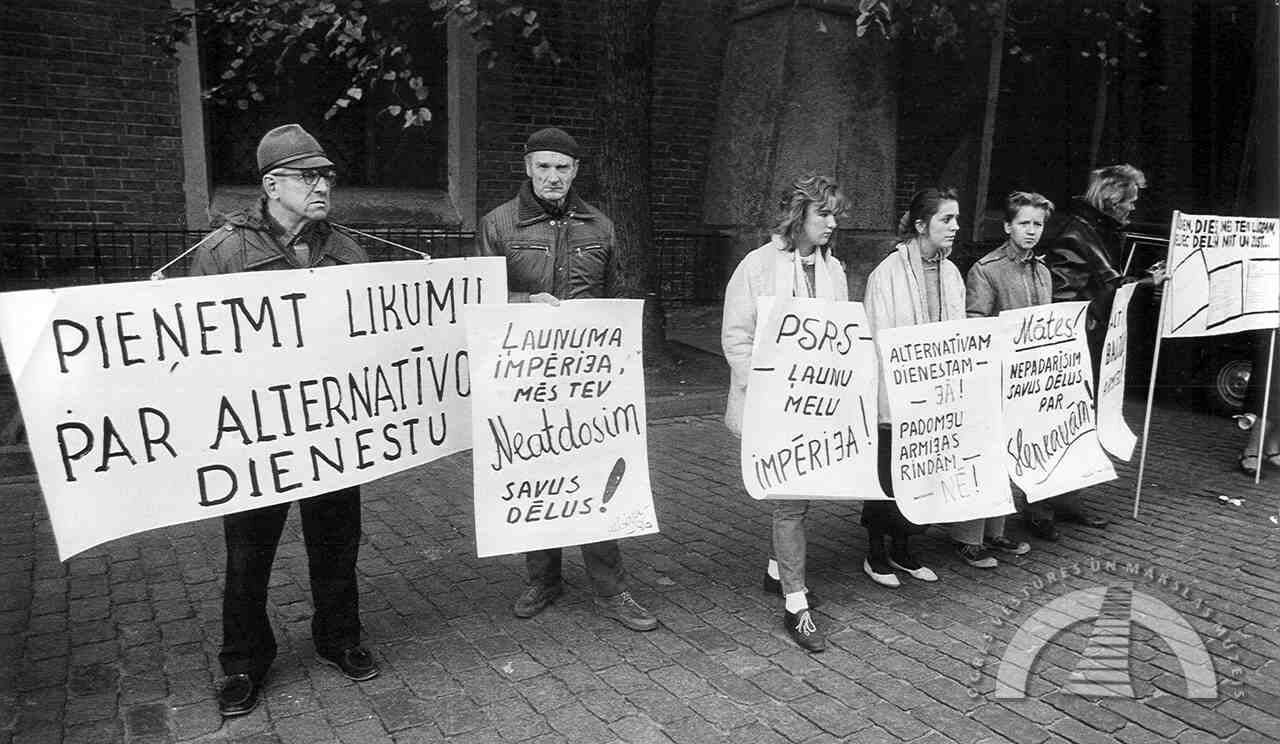
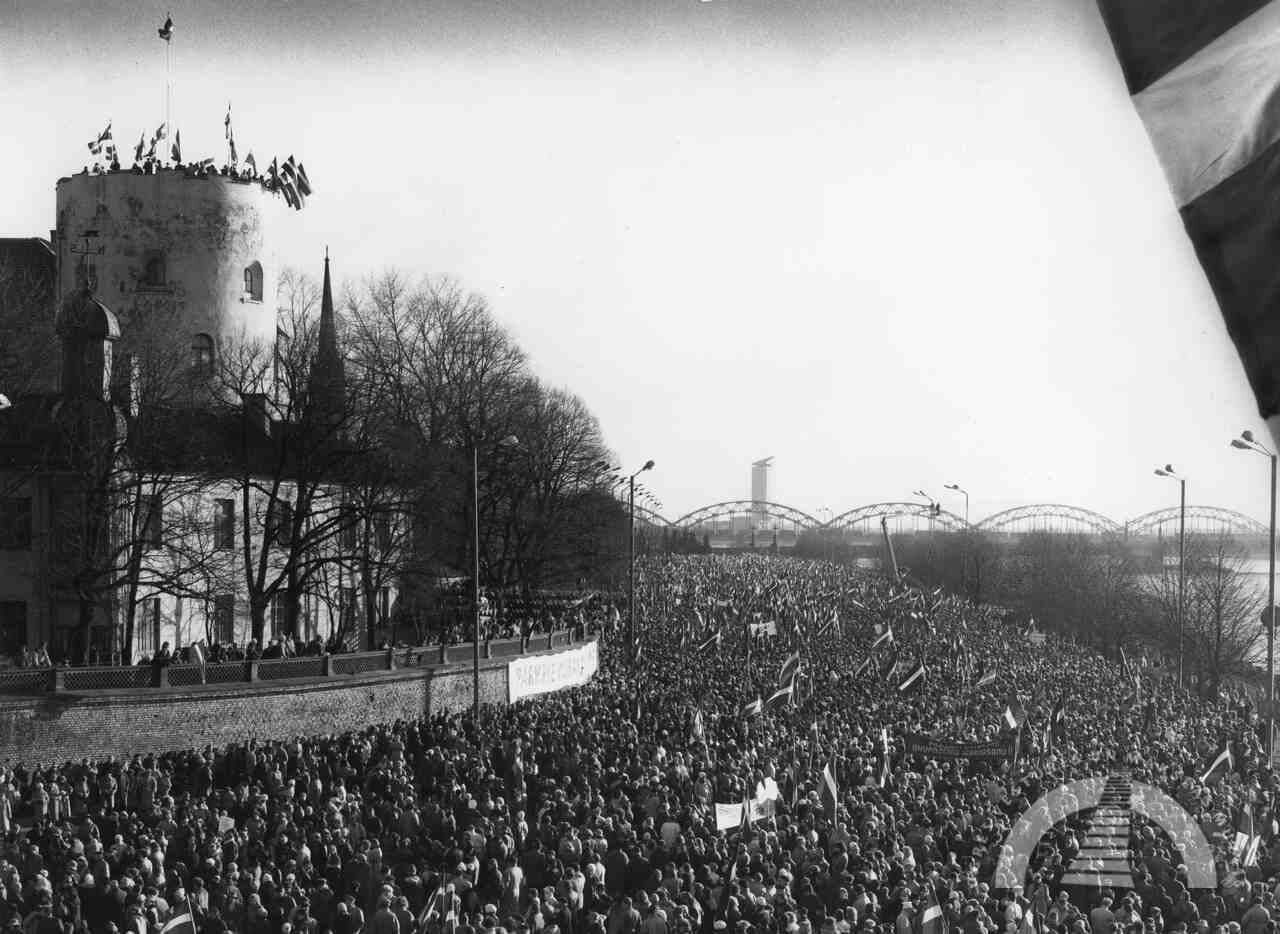
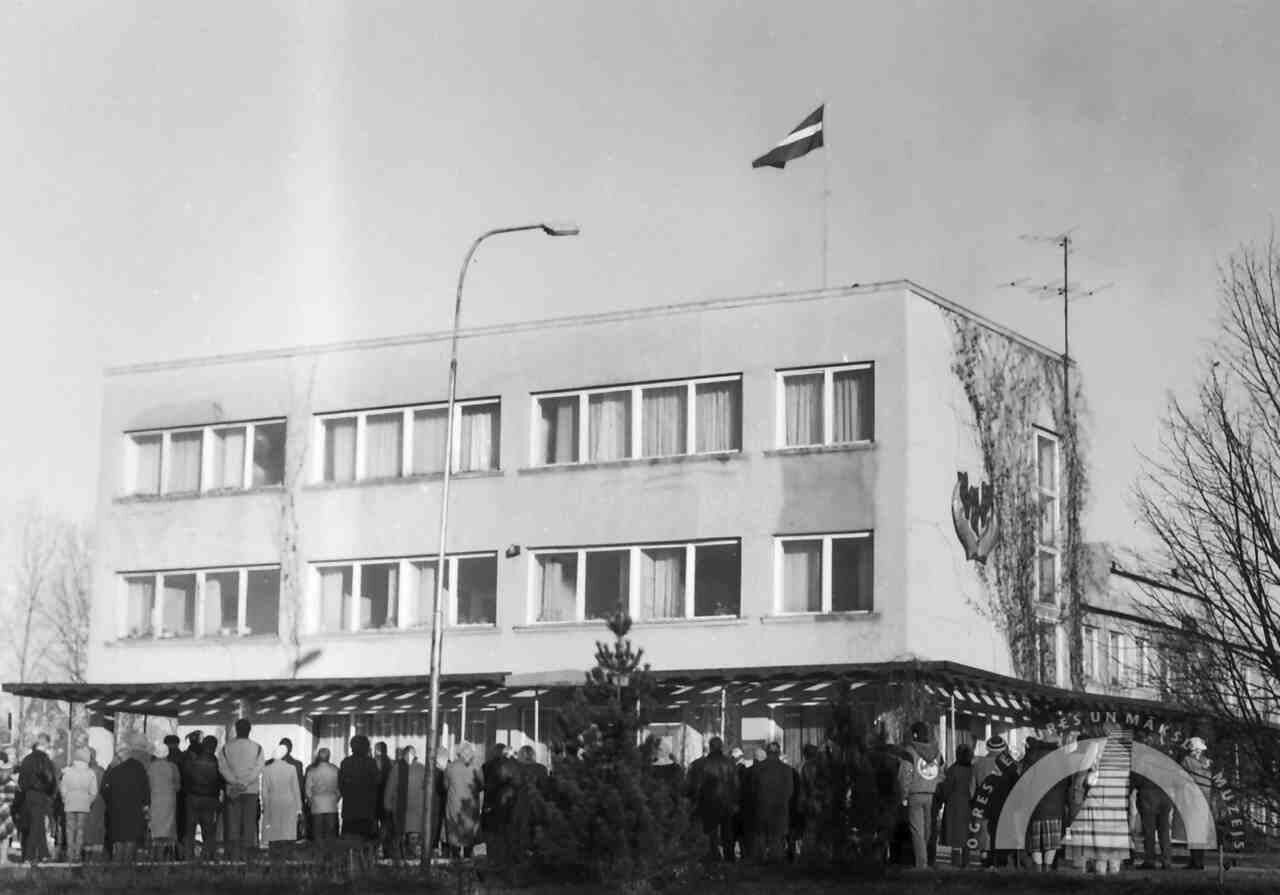
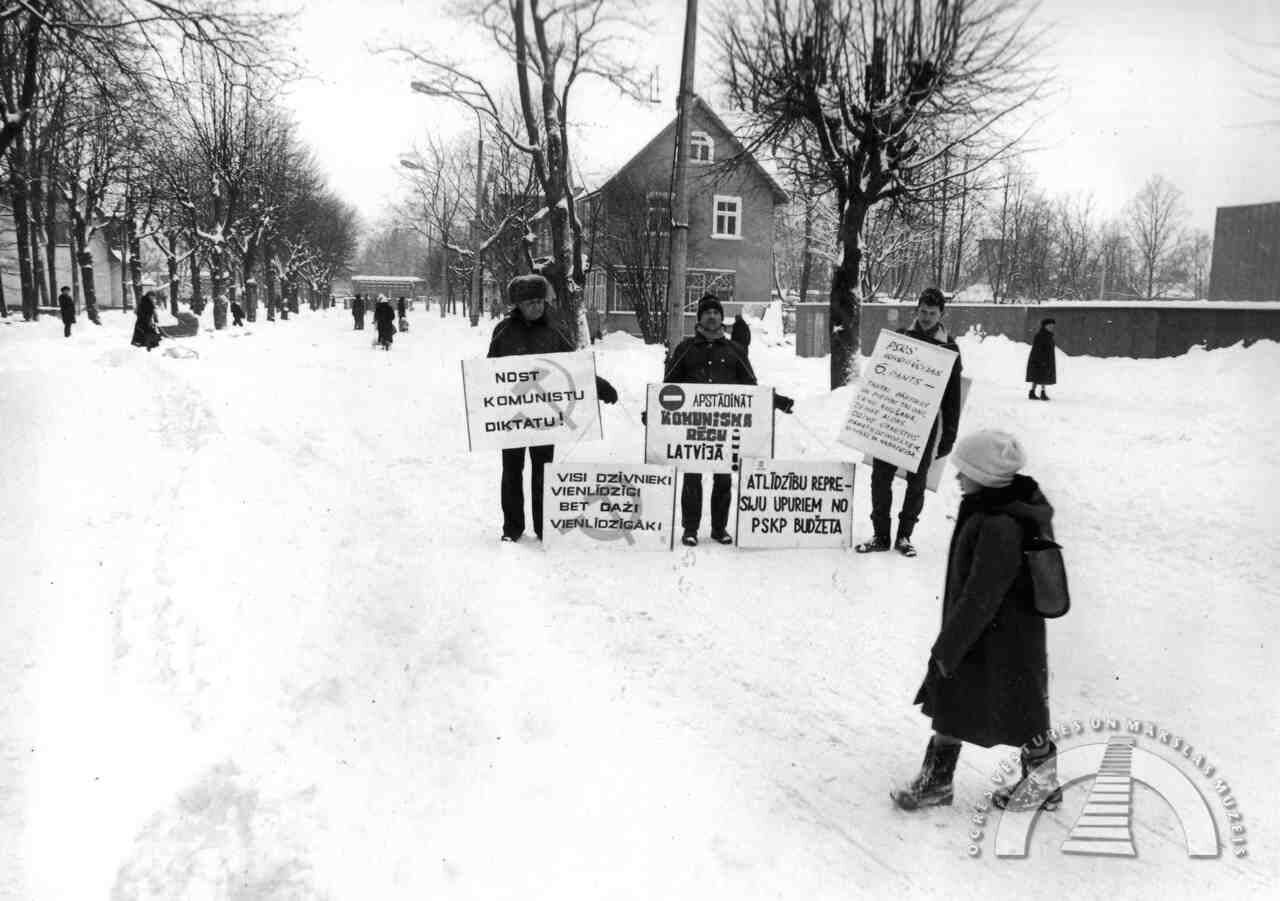
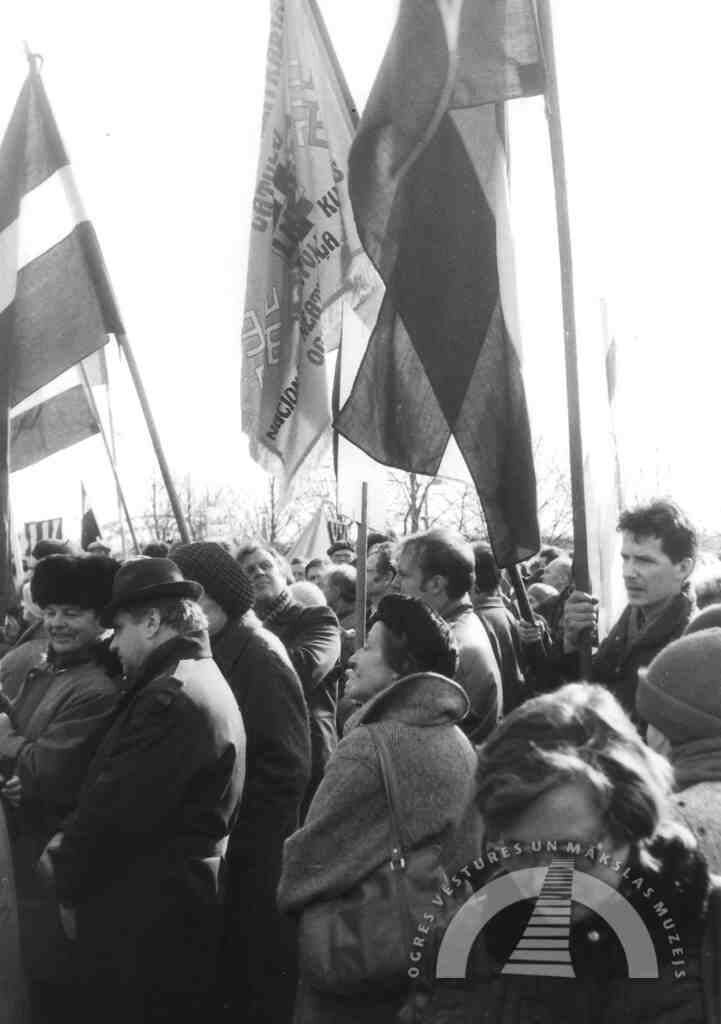
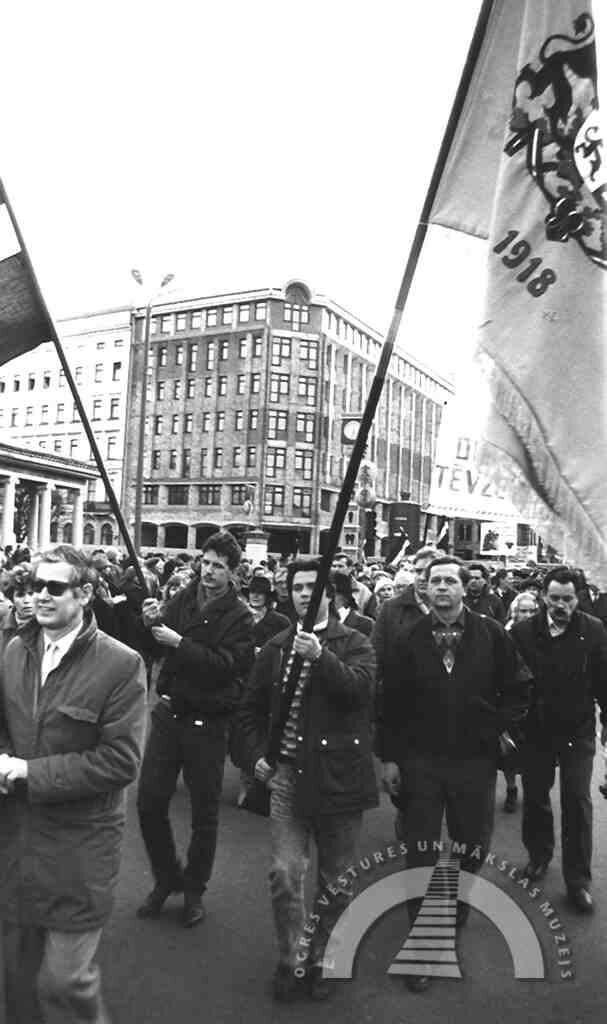
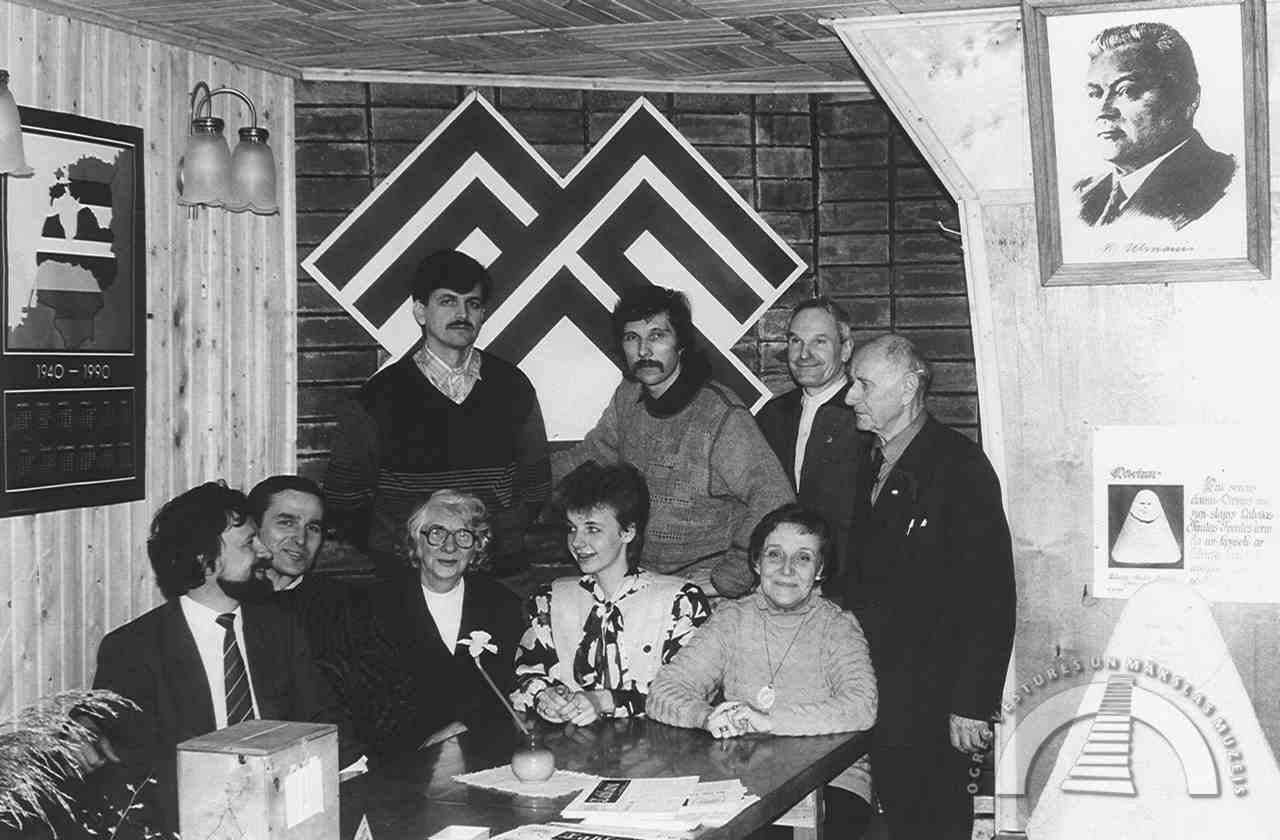
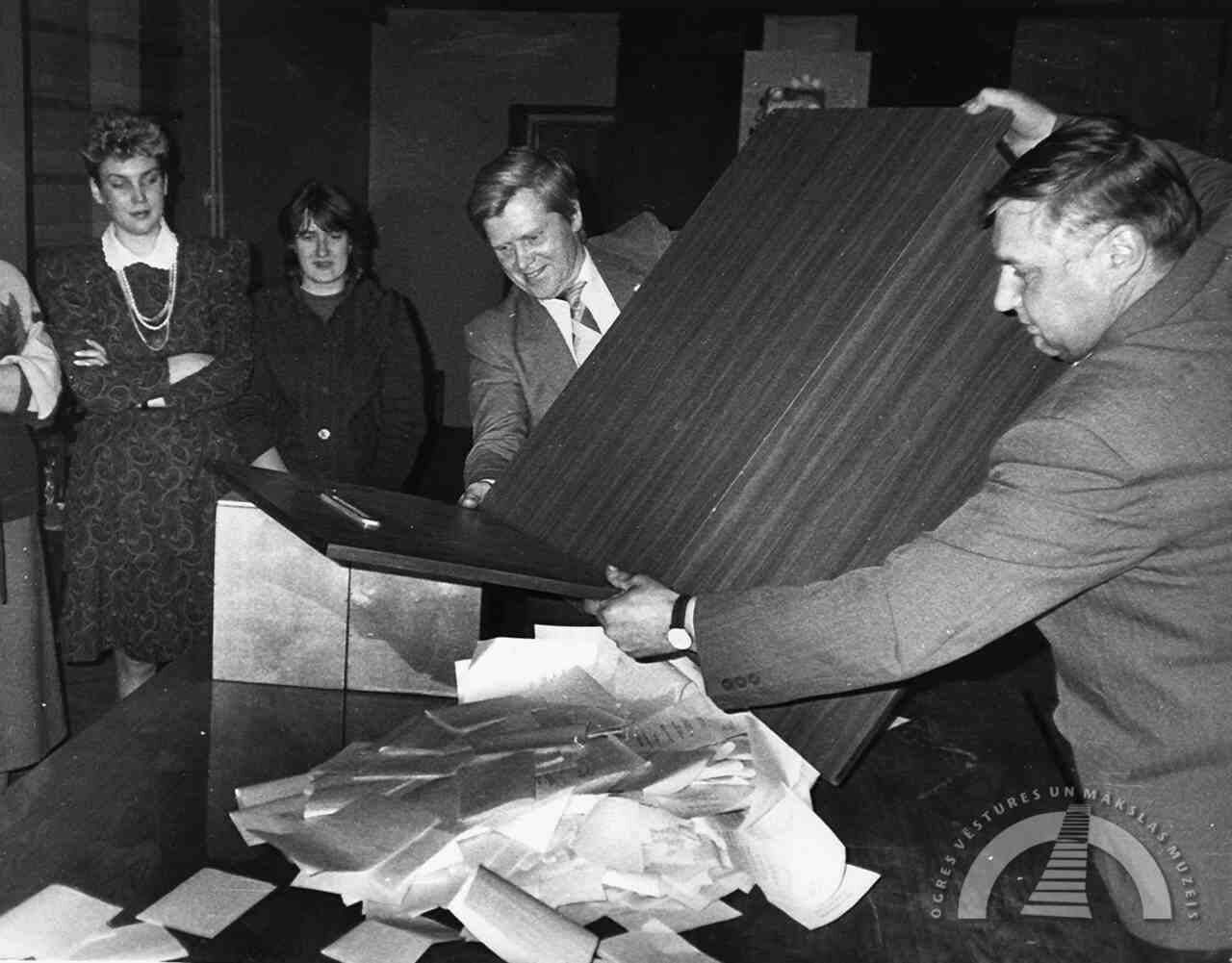
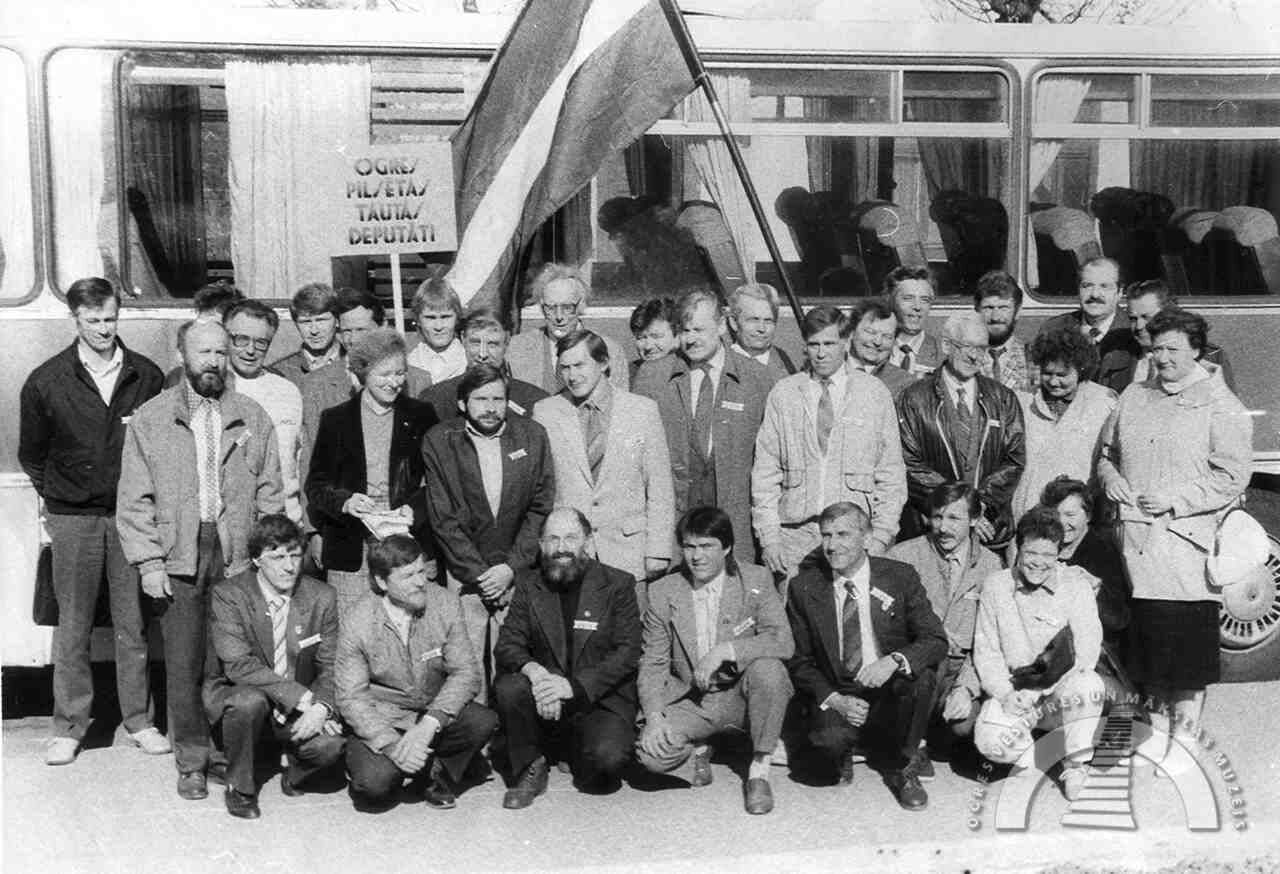
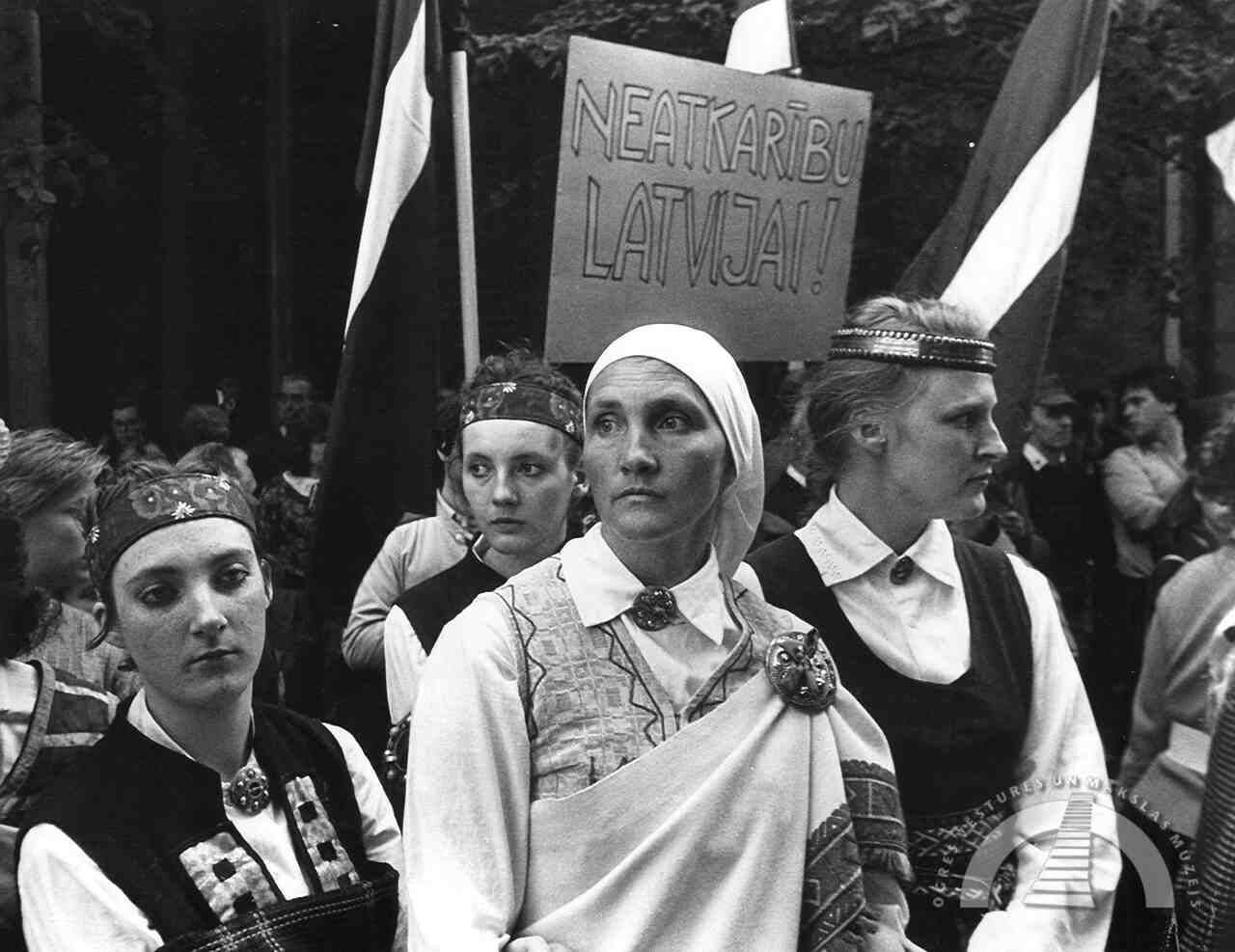
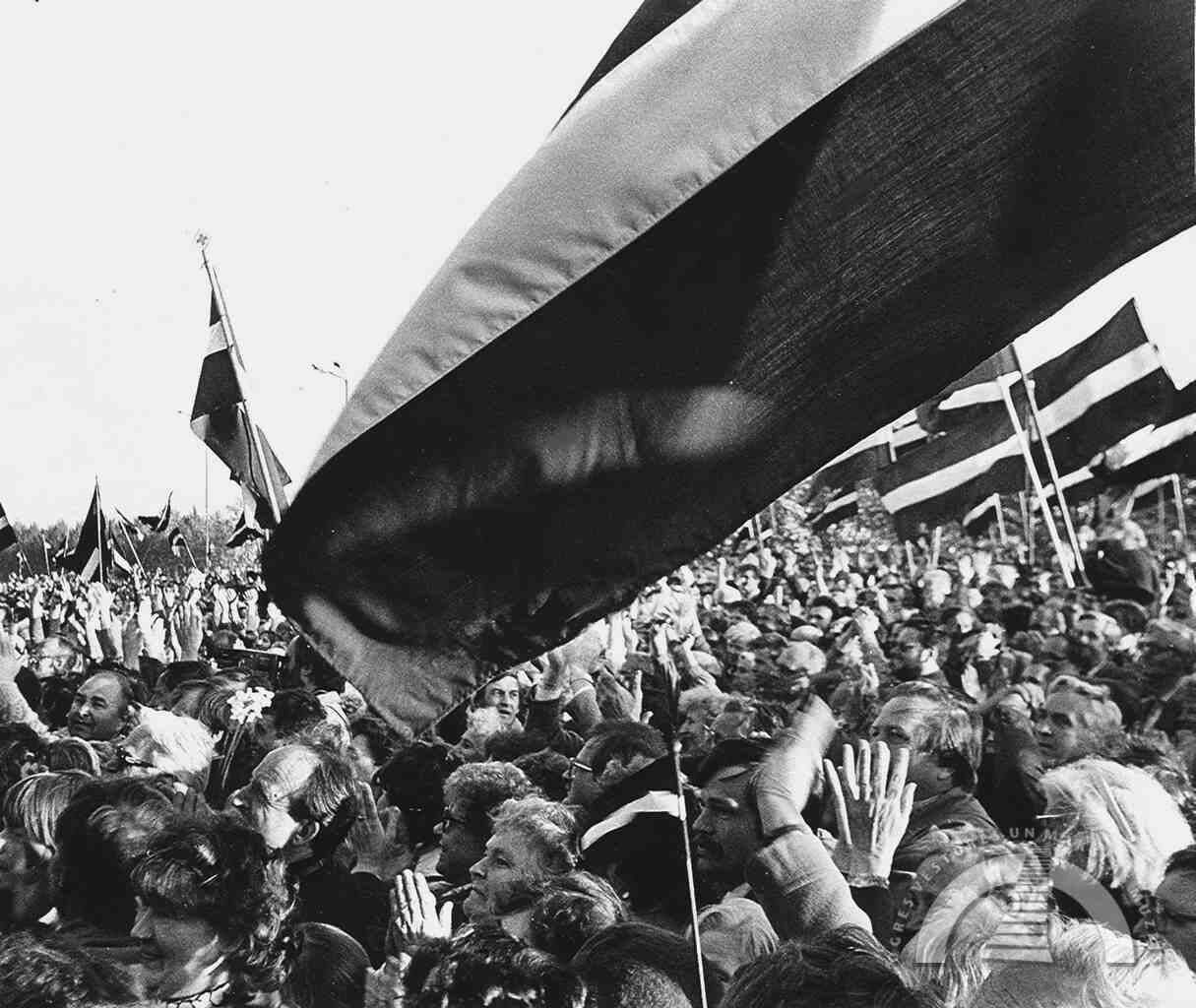
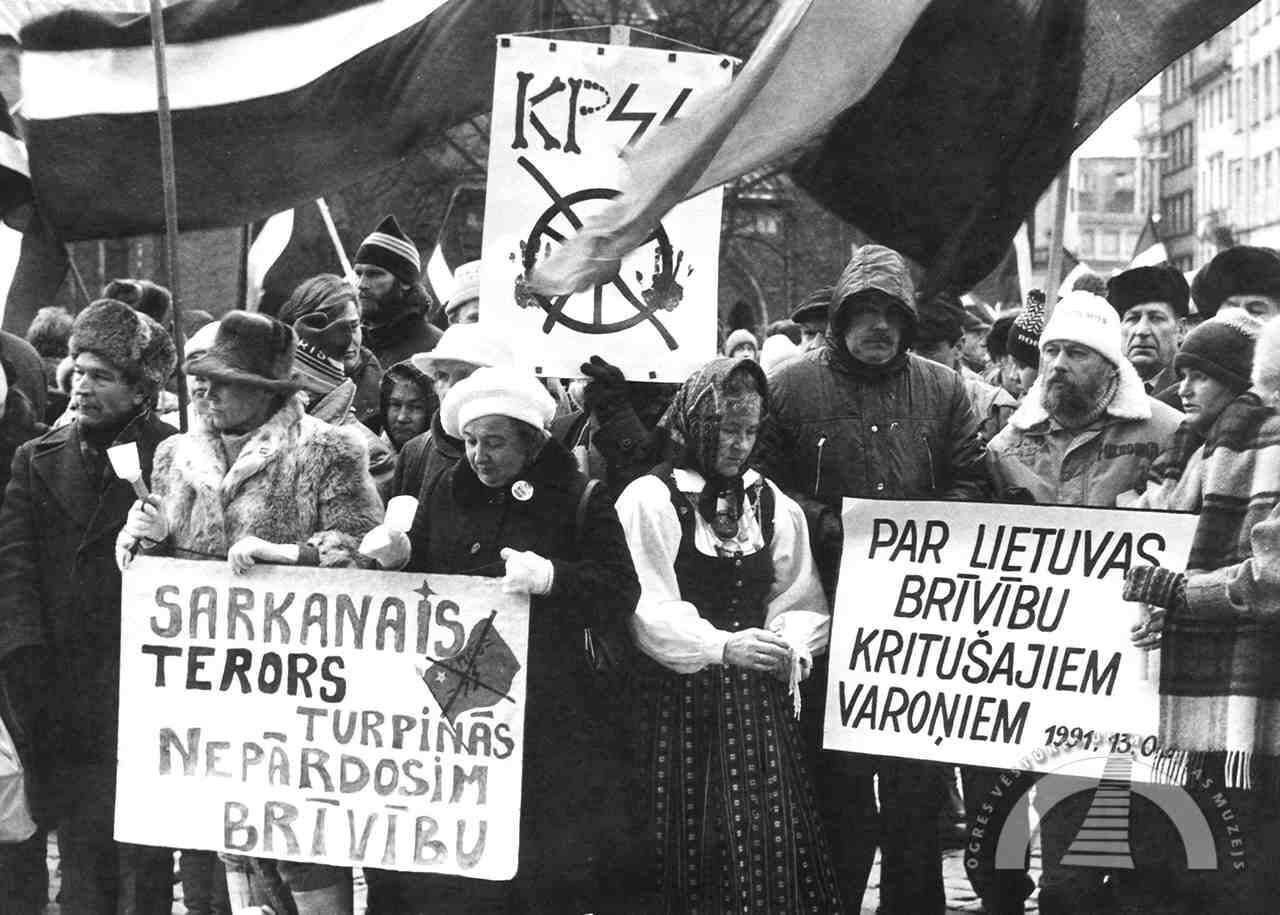
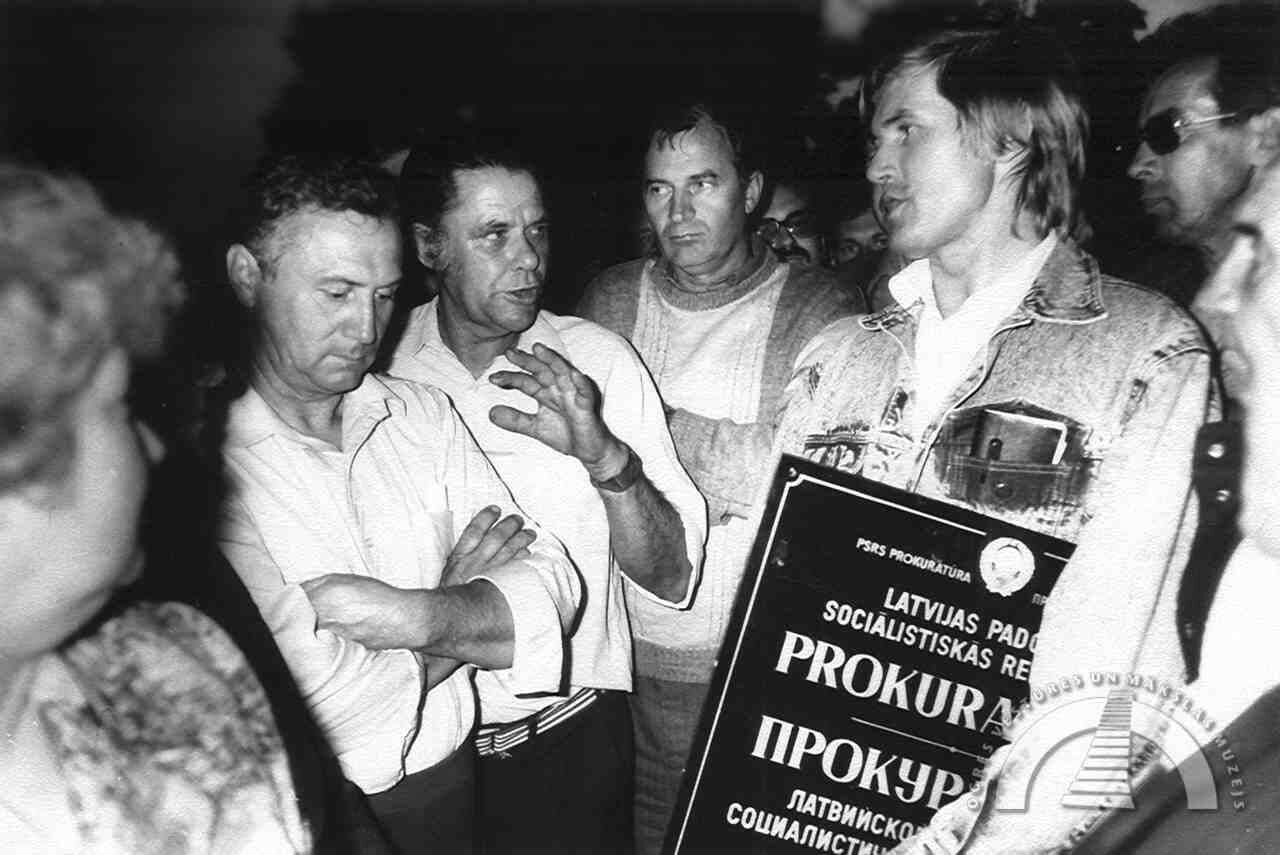
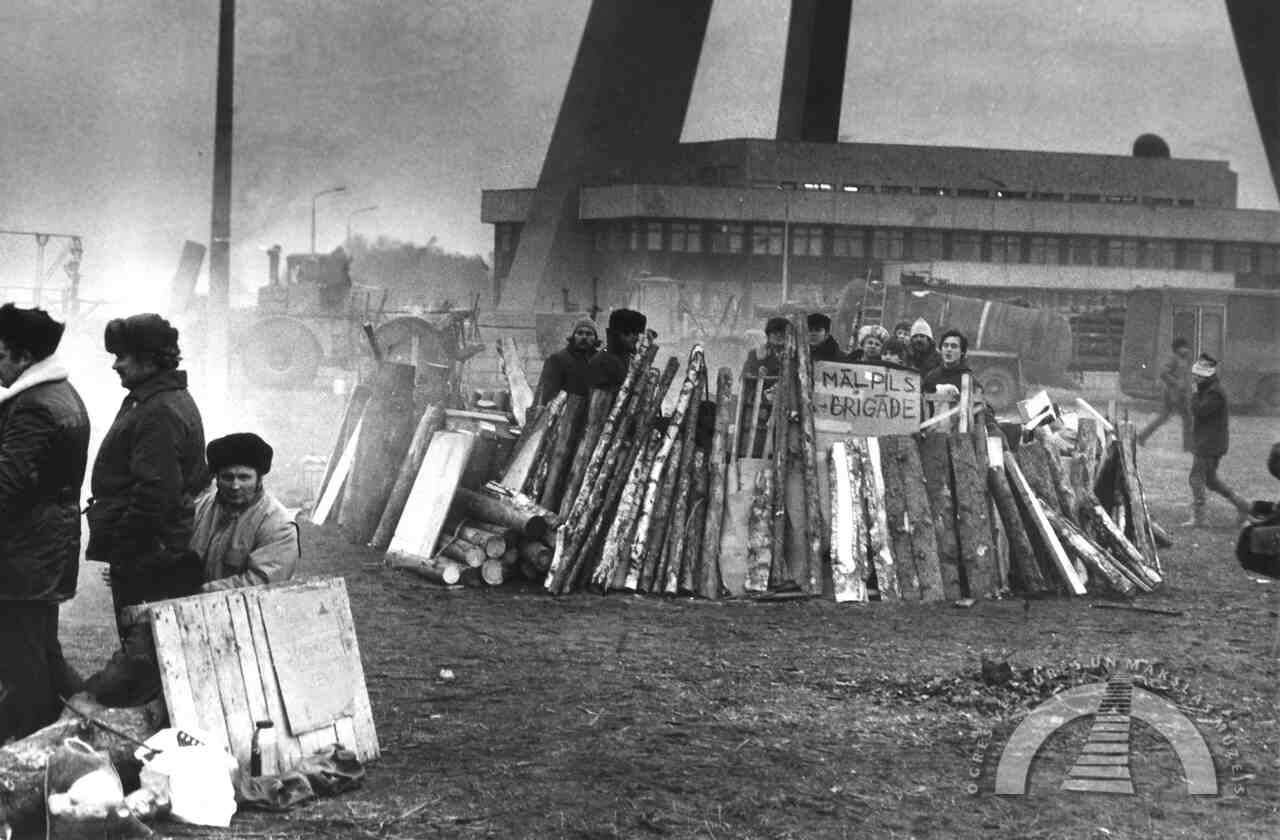
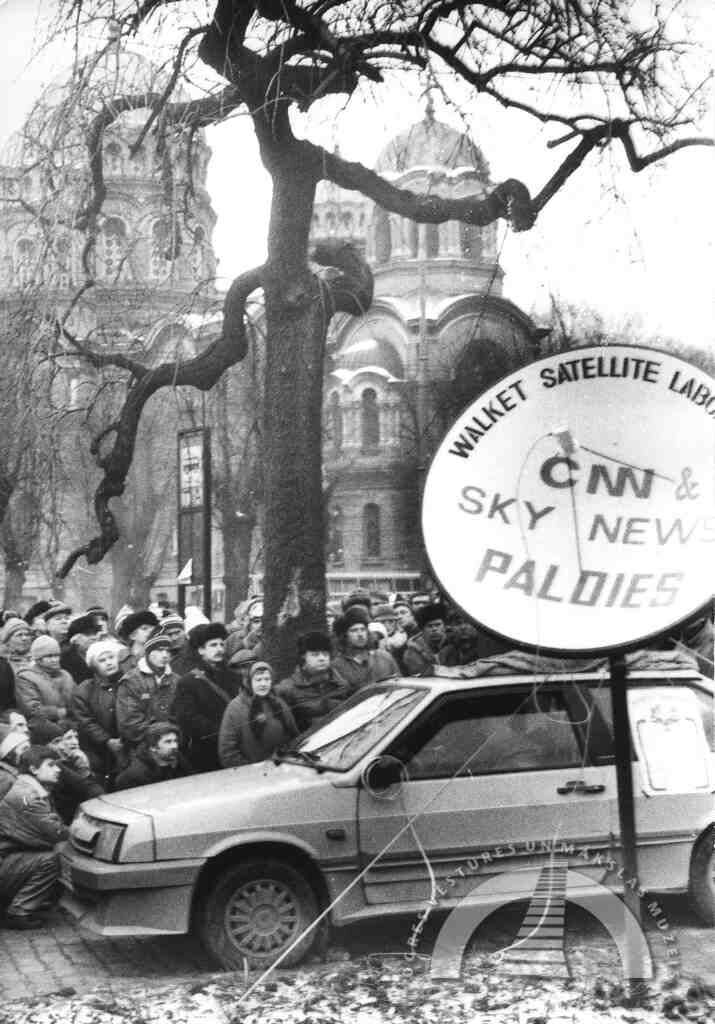
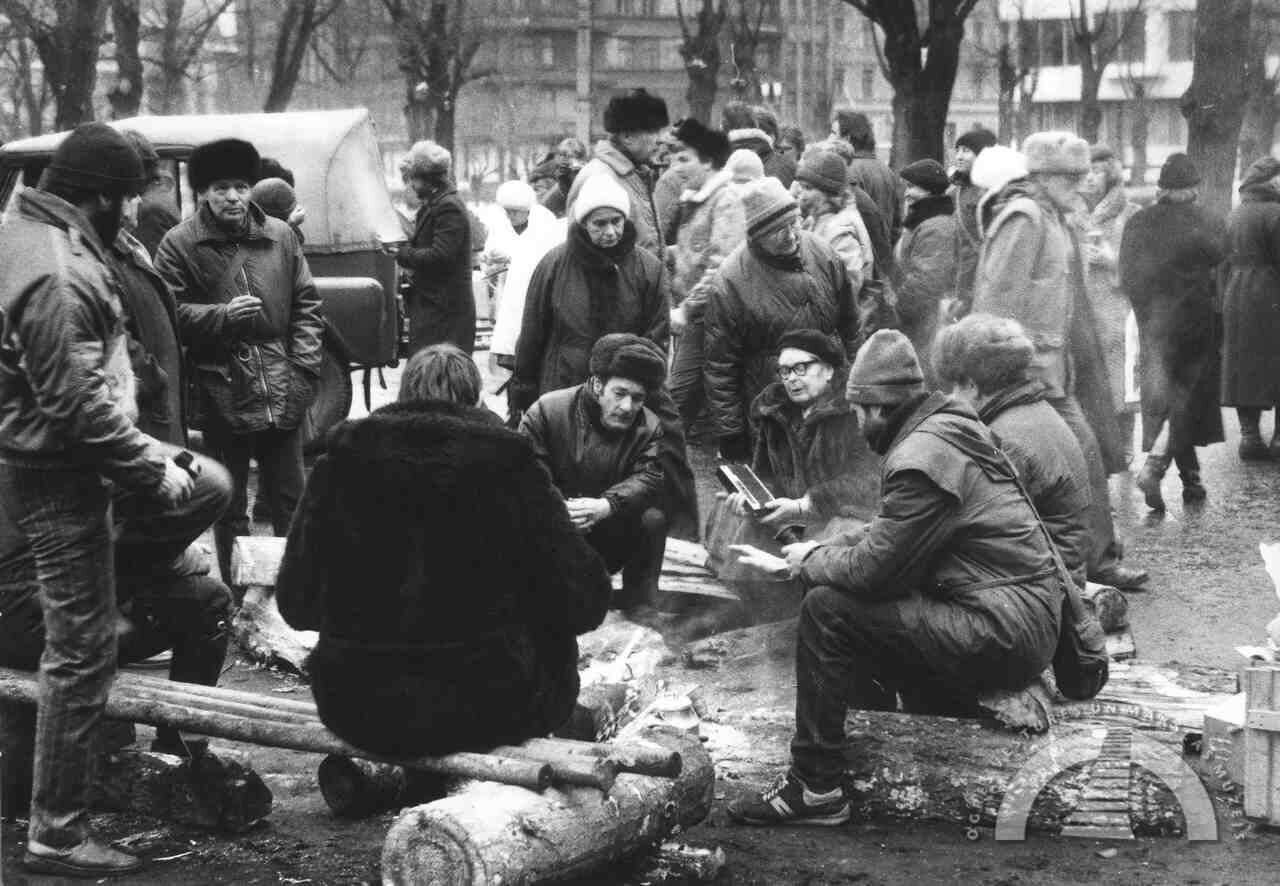
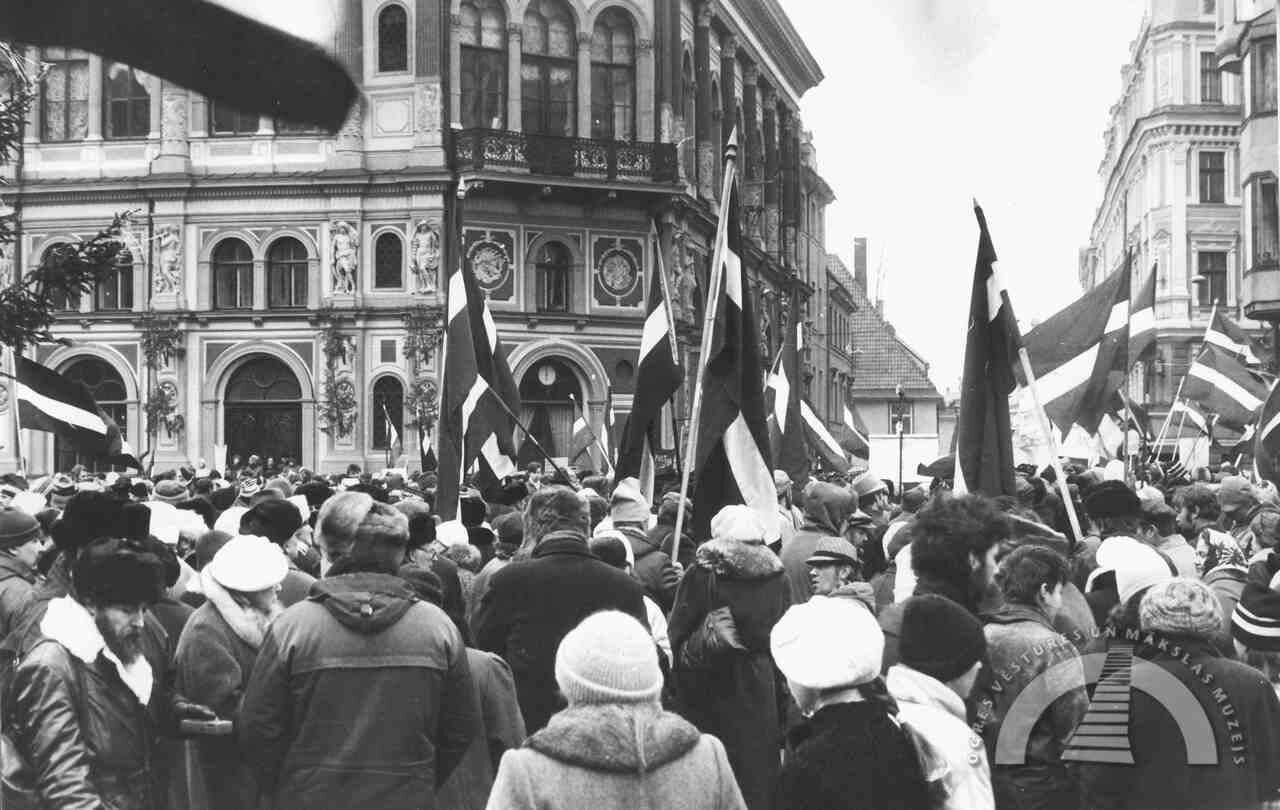
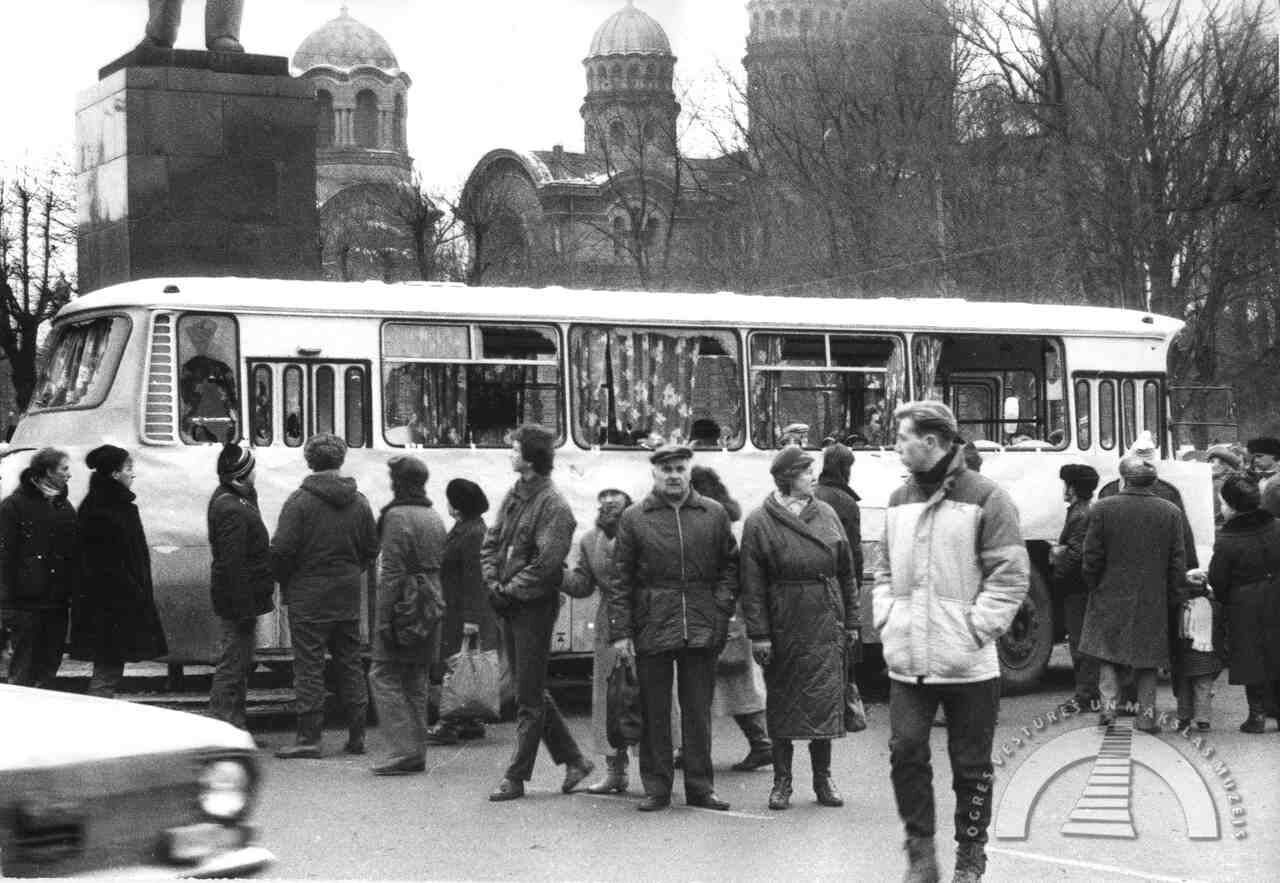
The exhibition “The Awakening and the Restoration of Latvian Independence” is unique because, alongside the well-known events in Riga, it reflects the historical developments of that time in Ogre and its surroundings. For example, it highlights the closing concert of the Baltica ’88 folklore festival at the Ogre open-air stage, as well as the hoisting of the Latvian flag for the first time at the People’s House and at the Mazozoli parish water tower – clearly expressing local residents’ attitudes and their desire for an independent state.
Video stories are shown on a screen in one of the museum’s windows, where participants of the Awakening share their experiences, emotions, and reflections on this significant period in Latvia’s history.
CHRONOLOGY OF EVENTS
1985
* March 11 – Mikhail Gorbachev is elected General Secretary of the CPSU Central Committee. The period of perestroika and glasnost begins.
* June 14 – Several members of the US Congress commemorate Baltic Freedom Day; demonstrations take place in Latvian centres worldwide. Actions by diaspora organisations continue in subsequent years, drawing international attention to the Baltic states.
* September 24 – The Central Committee of the Latvian Communist Party and the Council of Ministers of the Latvian SSR adopt a decision to construct a metro in Riga.
1986
* July 10 – The Latvian human rights defence group Helsinki-86 is founded. It calls for rallies to commemorate Stalinist repressions and other dates significant in Latvian history.
* October 17 – Journalists Dainis Īvāns and Artūrs Snips publish the article Thinking About the Fate of Daugava, protesting planned construction projects. The following year, construction of the hydroelectric power station is halted.
1987
* February 25 – The Environmental Protection Club (VAK) is founded, becoming an important organisation in the independence movement.
* June 14 – Helsinki-86 organises a flower-laying ceremony at the Freedom Monument.
* August 23 – Rallies marking the anniversary of the Molotov–Ribbentrop Pact take place in the capitals of the Baltic states, calling for the elimination of its consequences.
1988
* April 27 – A VAK rally against metro construction takes place in Arkādija Park, attended by approximately 10,000 people.
* June 1–2 – A plenum of the Board of the Latvian SSR Writers’ Union is held, with participation from leaders and experts representing architects, designers, cinematographers, composers, artists, theatre workers, and journalists. The adopted resolution marks a turning point towards democratisation and leads to the founding of the Popular Front of Latvia.
* June 14 – A rally in memory of those illegally repressed and killed on June 14, 1941 takes place at the House of Political Education of the LCP Central Committee (now the Congress House). The red–white–red Latvian flag is carried publicly for the first time in the post-war years.
* July 10 – The Latvian National Independence Movement (LNNK) is founded at a general assembly of 2,000 people in Arkādija Park.
* August 23 – Large demonstrations are held and reported in major US newspapers.
* October 7 – A demonstration attended by 150,000 people takes place in Mežaparks under the slogan For a Law-Governed State in Latvia.
* October 8 – The Popular Front of Latvia (LTF) is founded, with Dainis Īvāns elected as its chairman.
* November 11 – Ēvalds Valters and Alberts Bels raise the red–white–red flag on the Holy Spirit Tower of Riga Castle.
* November 26 – A public manifestation organised by the LTF, titled For a Law-Governed State and Democratisation, takes place on the Daugava embankment.In October, the Popular Front of Latvia (LTF) is founded, with Dainis Īvāns elected as its chairman.
1989
* February 18–19 – The first congress of the LNNK is held in Ogre. Its statutes and programme confirm the movement’s political course and declare its ultimate goal: the restoration of an independent and democratic Latvian state.
* March 12 – An LTF demonstration takes place with 250,000 participants.
* April 25 – A draft law amending the Constitution is published, stipulating Latvian as the state language of the Latvian SSR.
* June 14 – A demonstration with 60,000 participants is held.
* July 28 – In response to attempts by the USSR to retain power, the Supreme Council of the Latvian SSR adopts a declaration of sovereignty.
* August 23 – The Baltic Way takes place: a 660-kilometre human chain stretches across the Baltic states, involving approximately two million participants.In March, an LTF manifestation takes place, with 250,000 people participating.
1990
* March 18 – Elections to the Supreme Council of the Latvian SSR are held, with the Popular Front winning a majority.
* May 4 – The Supreme Council adopts the Declaration on the Restoration of the Independence of the Republic of Latvia, initiating a transitional period. The new government, led by Ivars Godmanis, is tasked with adopting laws, implementing economic reforms, and creating a state budget.
Autumn – The leadership of the CPSU prepares plans to overthrow the Baltic governments by force.
1991
* January 13–27 – Barricades are erected to resist OMON special units. With international support, these actions prevent the declaration of a state of emergency in Latvia. Around 50,000 people participate, protecting key sites.
* August 19 – A coup d’état (putsch) begins in the USSR. In the Baltic states, the organisers declare martial law and dissolve parliaments.
* August 21 – Latvia announces the full restoration of its independence. Borders are taken under state control, KGB institutions are dismantled, Interfront leaders are arrested, and Lenin monuments are removed.
* September 17 – The flags of the Baltic states are raised at the United Nations headquarters in New York, marking their admission to the UN.
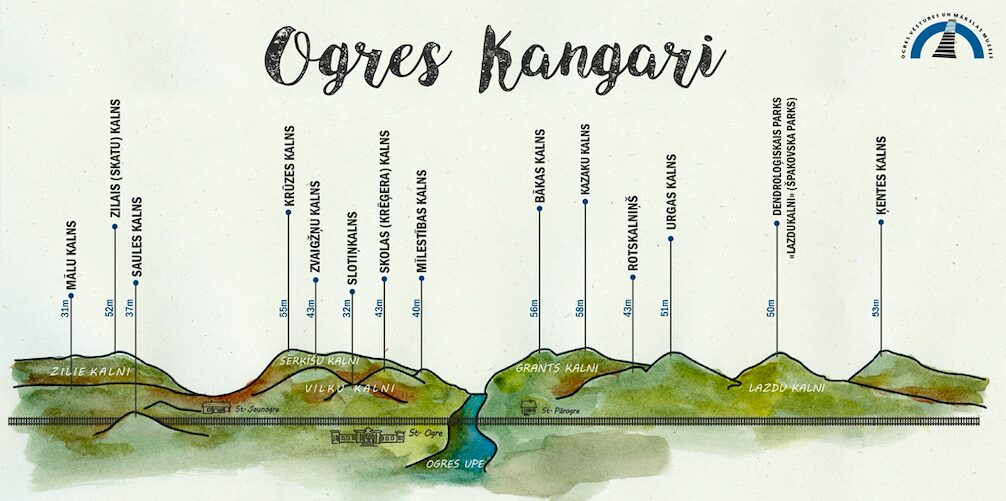
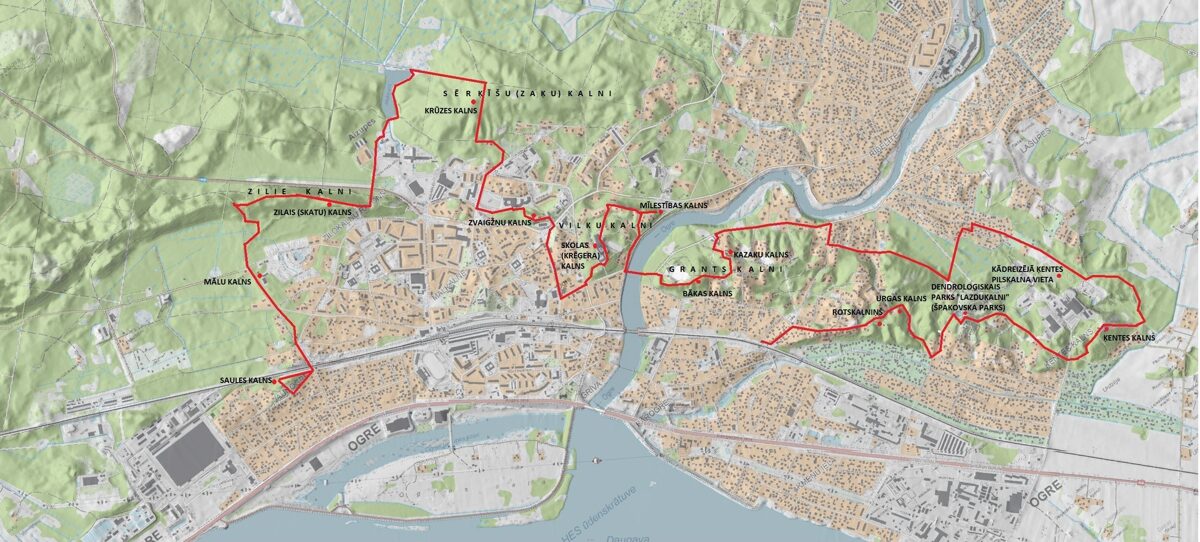
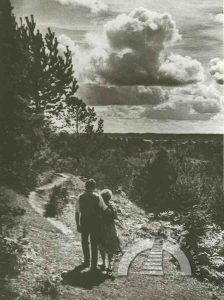
“OGRE KANGARI” HIKING TRAIL
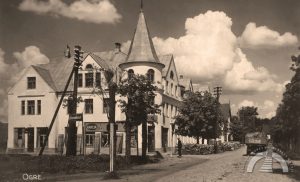
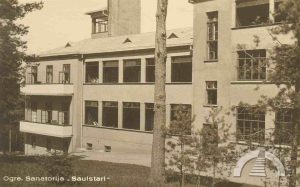
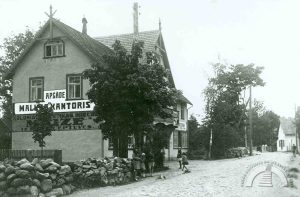
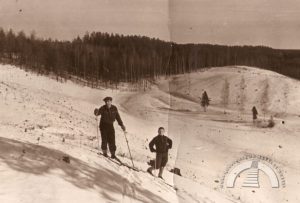
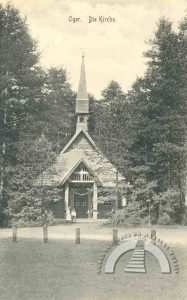
We invite you to explore the hiking trail to better discover the hills of Ogre. View the photo gallery and read the story on the museum's website or Facebook page. By looking at historical images, you can compare how the city has changed over time. We have marked the route in the "BalticMaps" map browser. The “GPX” file is convenient to use with the LVM GEO mobile app. The total length of the hiking trail marked on the map is 14 kilometers (7 kilometers in Pārogre and 7 kilometers in Ogre center and Jaunogre). The hiking trail winds through both the urban part of the city (with asphalt, cobblestone, and gravel surfaces) and green areas (park paths and pedestrian-trodden forest trails without special amenities).