
PHOTOGRAPHS AND DOCUMENTS
The group of paper-based objects – documents, photographs, and printed materials – forms the largest part of the museum’s collection. Highlights of this collection include the Krape Church archive, architectural projects by local architect Vladimirs Šervinskis, photographs by Ogre-born photographer Ēriks Drubiņš, works from the “One Day in Ogre” photography project, and the Kažociņš family […]
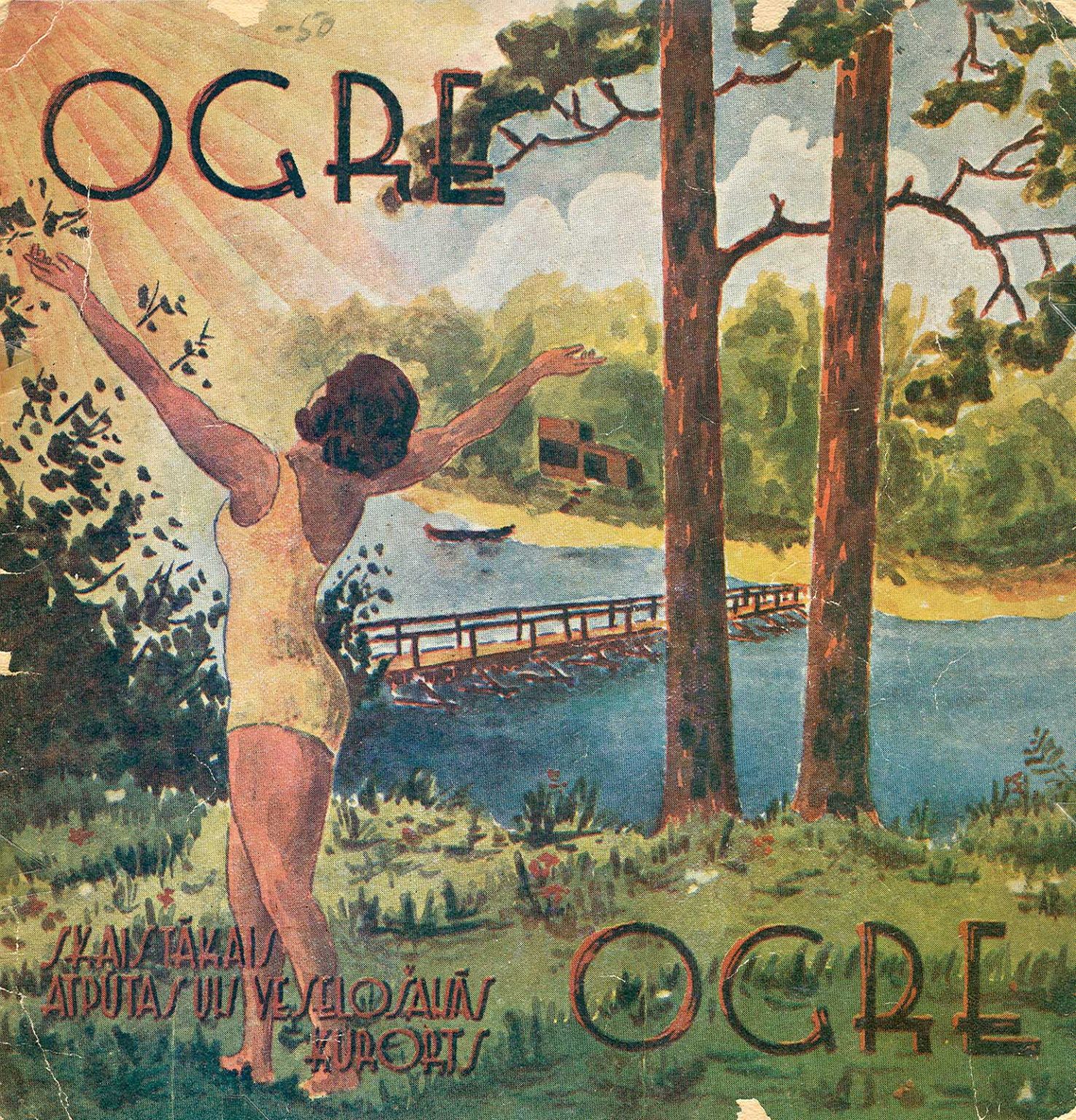
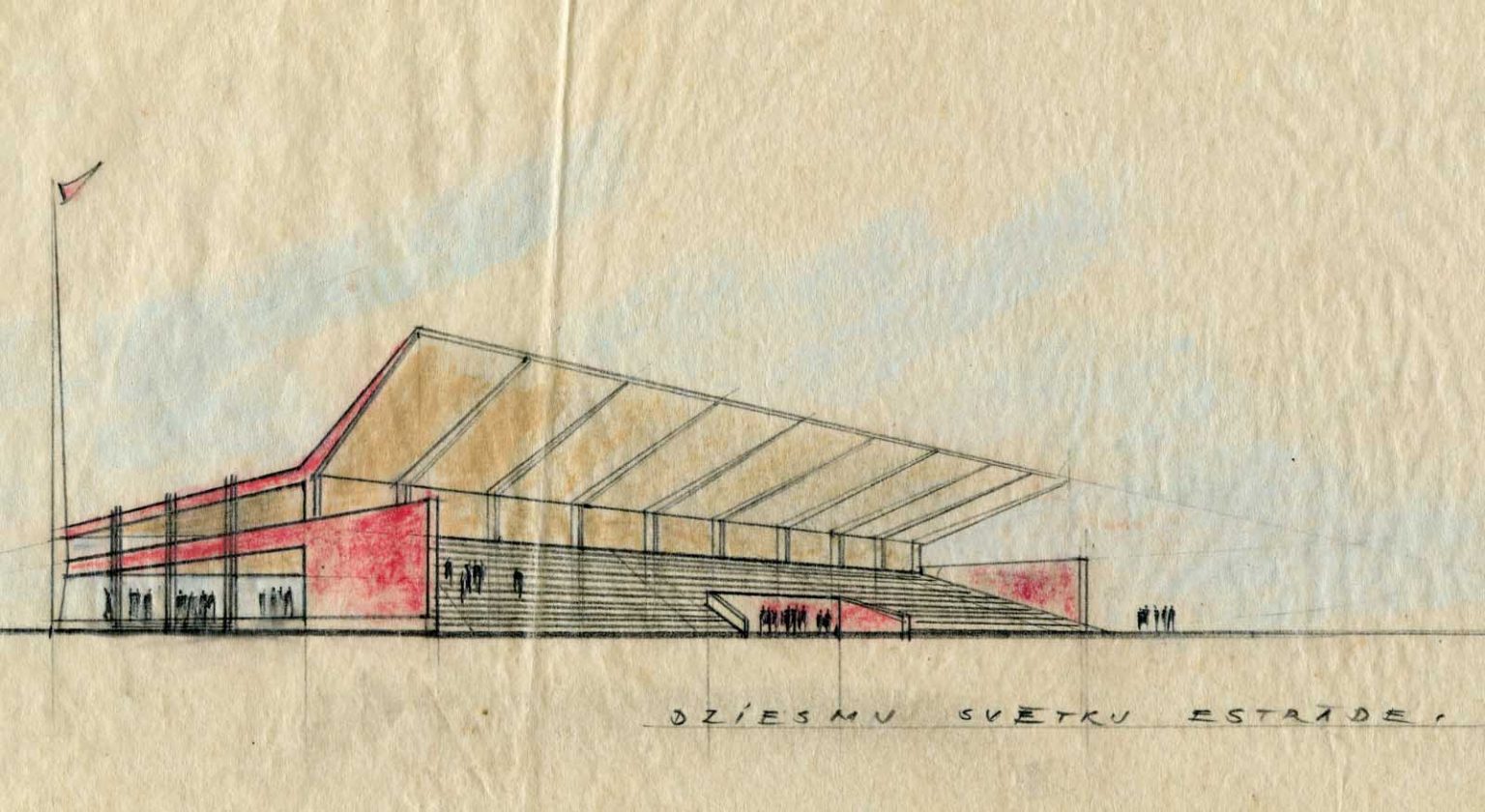
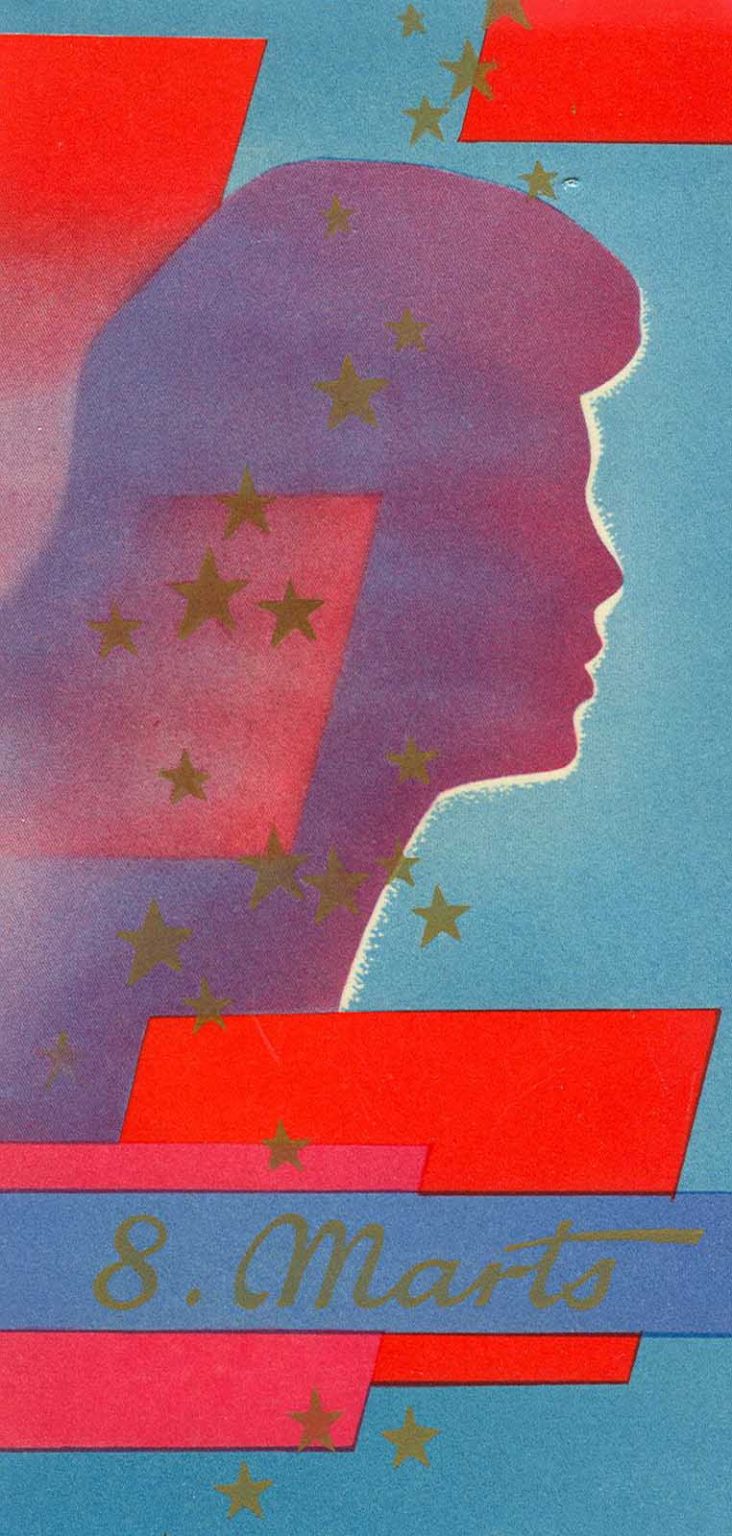
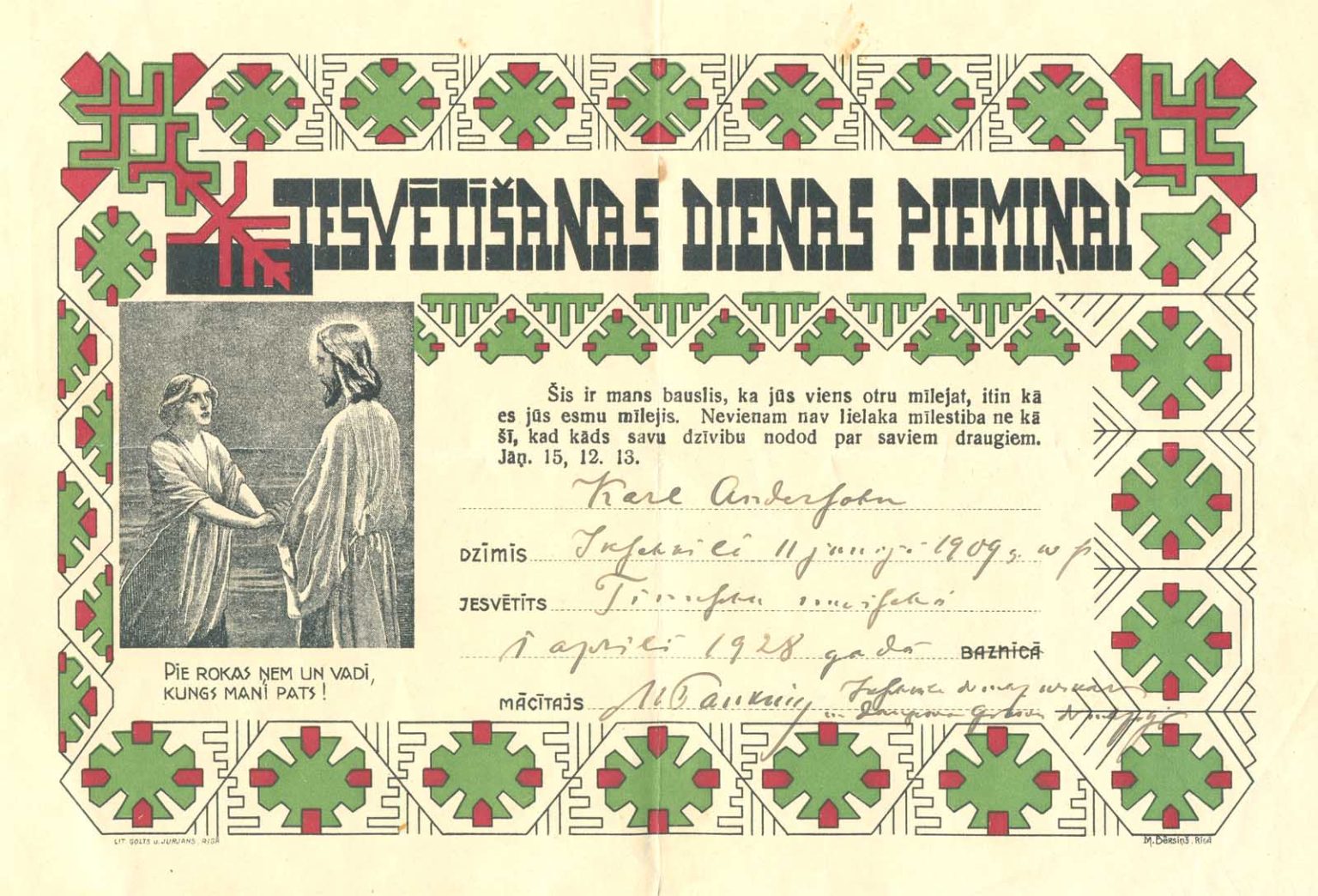
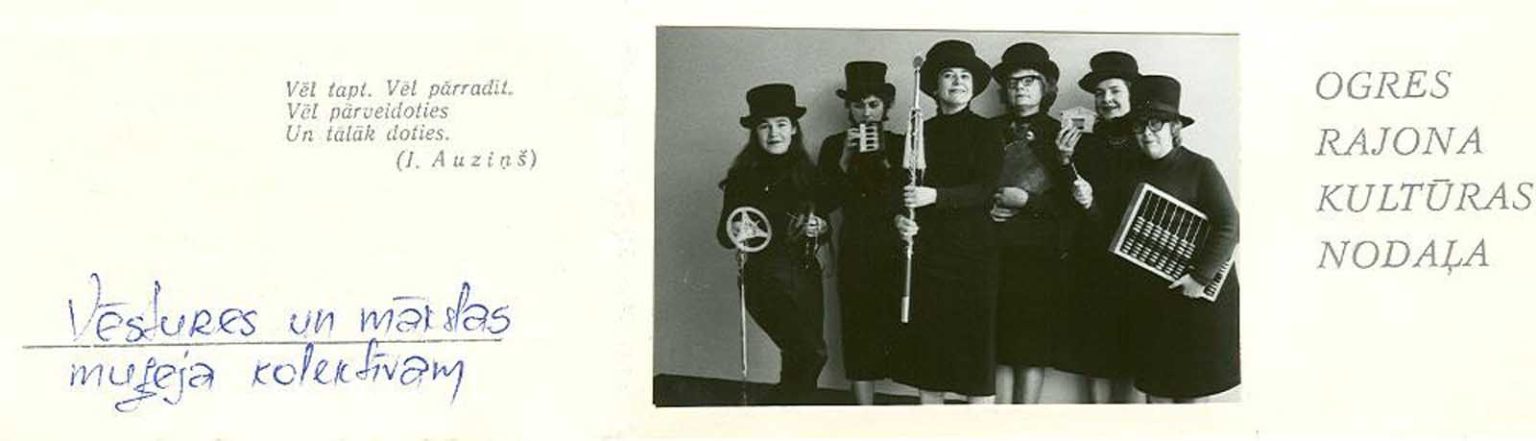
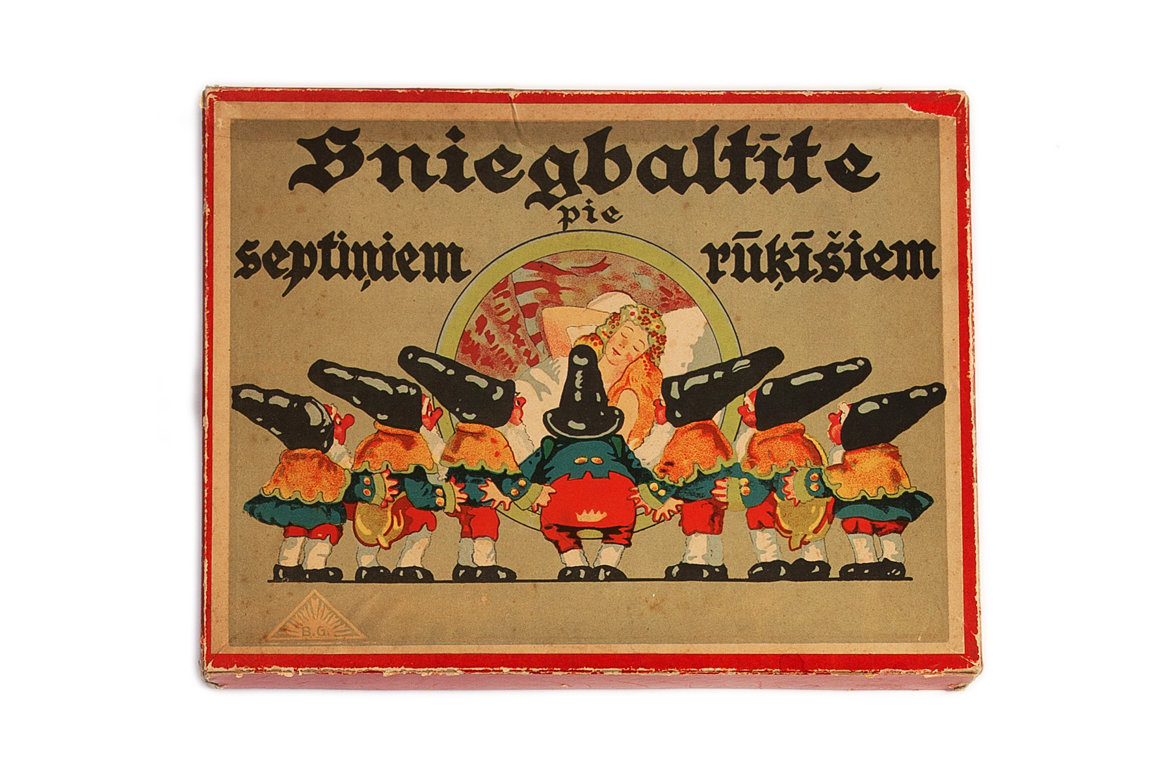
The group of paper-based objects – documents, photographs, and printed materials – forms the largest part of the museum’s collection.
Highlights of this collection include the Krape Church archive, architectural projects by local architect Vladimirs Šervinskis, photographs by Ogre-born photographer Ēriks Drubiņš, works from the “One Day in Ogre” photography project, and the Kažociņš family archive. The collection also features a wide range of historical postcards, Soviet-era award documents, posters, albums, and other printed materials.
Among the most poignant items in the collection is a small pocket-sized notebook discovered by the new owner of a building in the attic of a house on Rīga Street in Ogre. Recognising its emotional and historical significance, the finder brought the notebook to the museum.
The name Lidija Caunīte appears among the thousands listed in the book “The Deported: March 25, 1949”. On the morning of March 25, 1949, she, together with her daughter, brother, and father, as well as her godfather and his family, was deported to the Teguldet District of Tomsk Oblast. In 1956, Lidija Caunīte, her brother, and her godfather’s family were released from the settlement. However, the seven years spent in Siberia brought painful losses: in January 1950, Lidija’s father died at the age of 60, and in October of the same year, her four-year-old daughter Valda died of pneumonia. The short, restrained notes in the notebook offer only glimpses into the depth of the woman’s experiences.