
OGRE’S FIRST PHARMACY: ESTABLISHMENT AND TRANSFORMATIONS
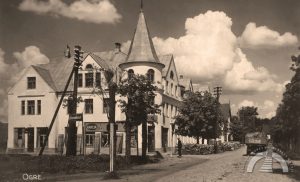
The distinctive pharmacy building, so familiar to Ogre residents, is an integral part of the town centre landscape. Many locals have visited the pharmacy, recognisable by the arch above its entrance, located next to the present-day kiosk and clock. It is one of the oldest buildings in the city and holds many interesting stories. Given […]
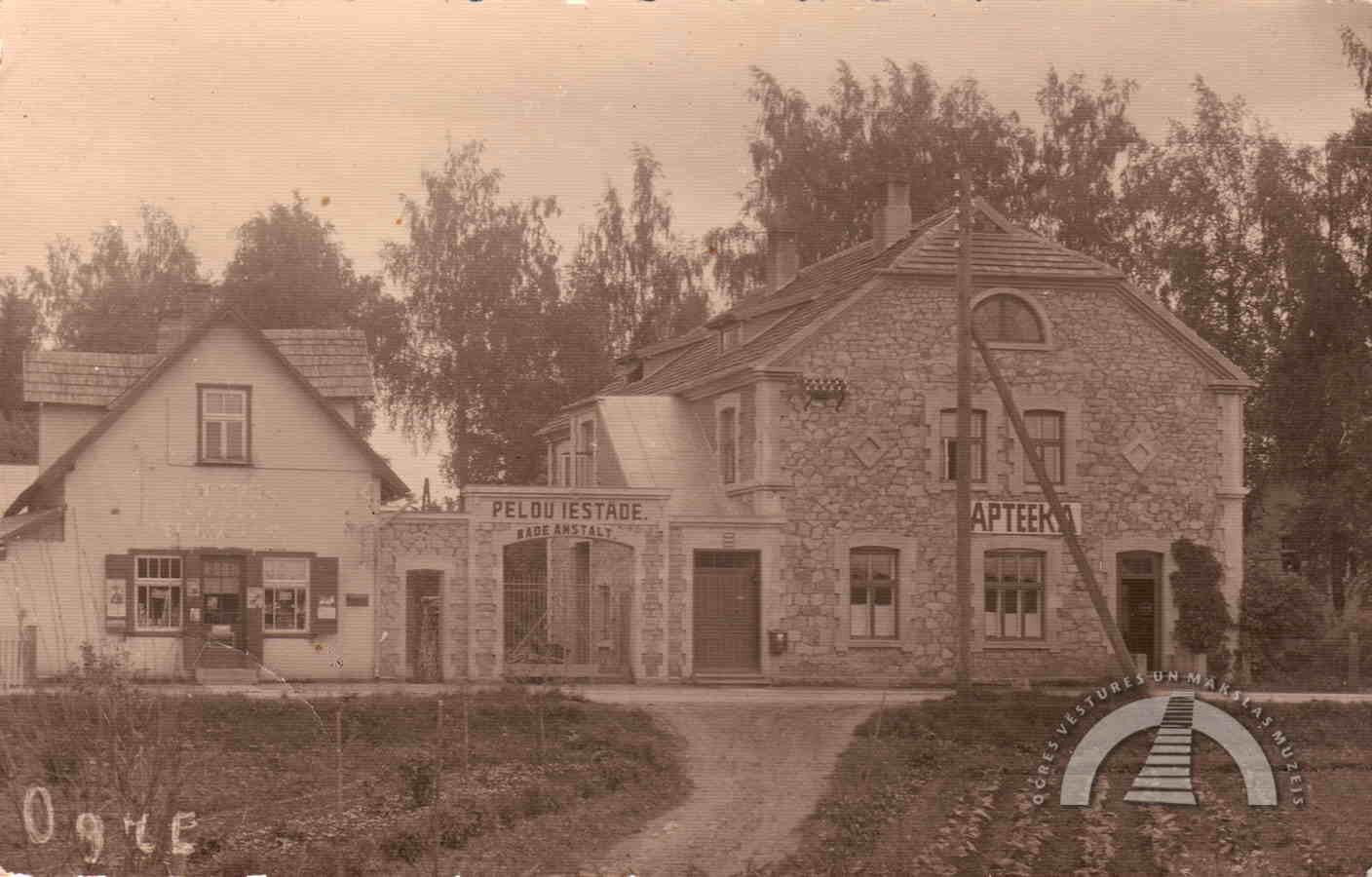
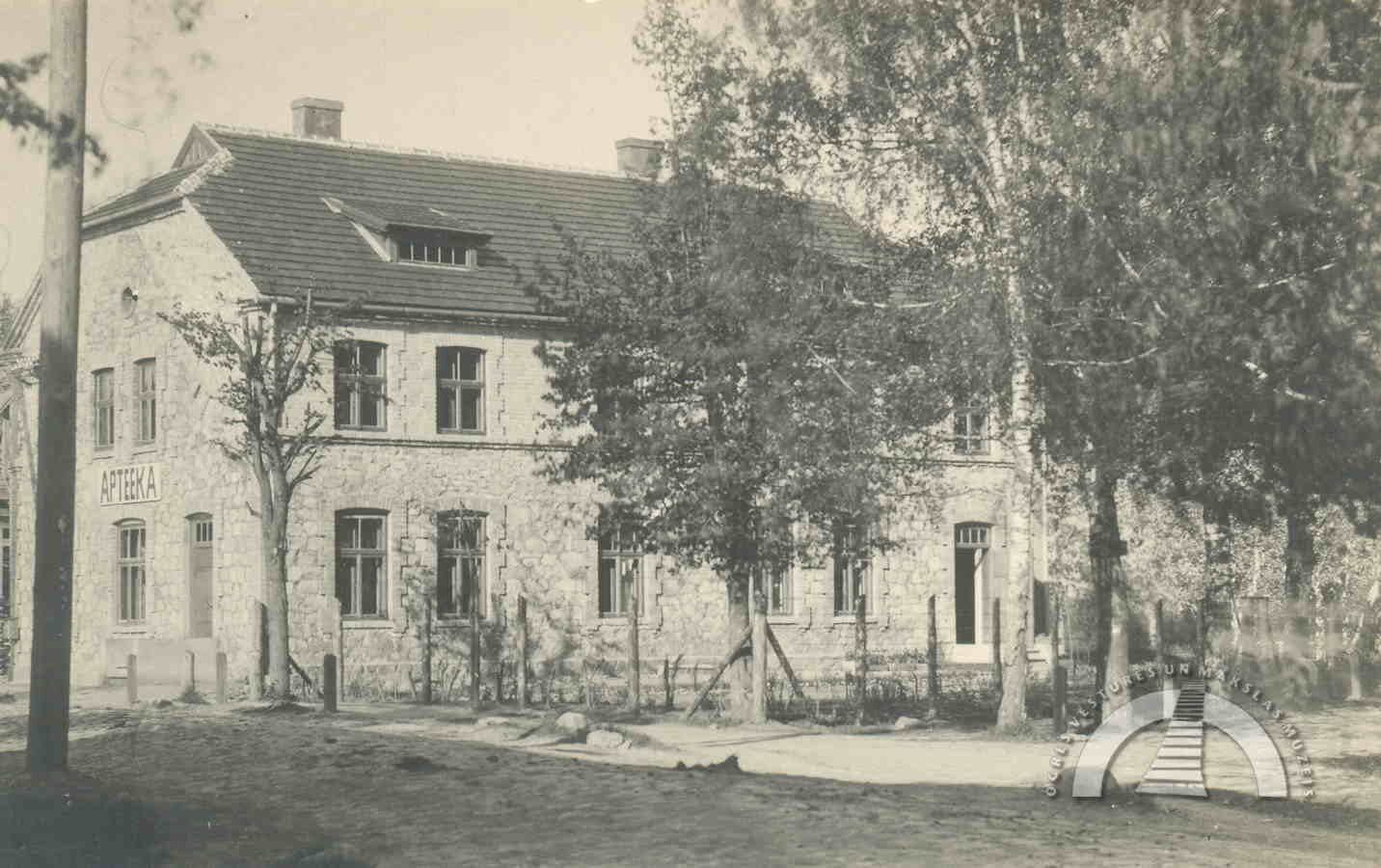
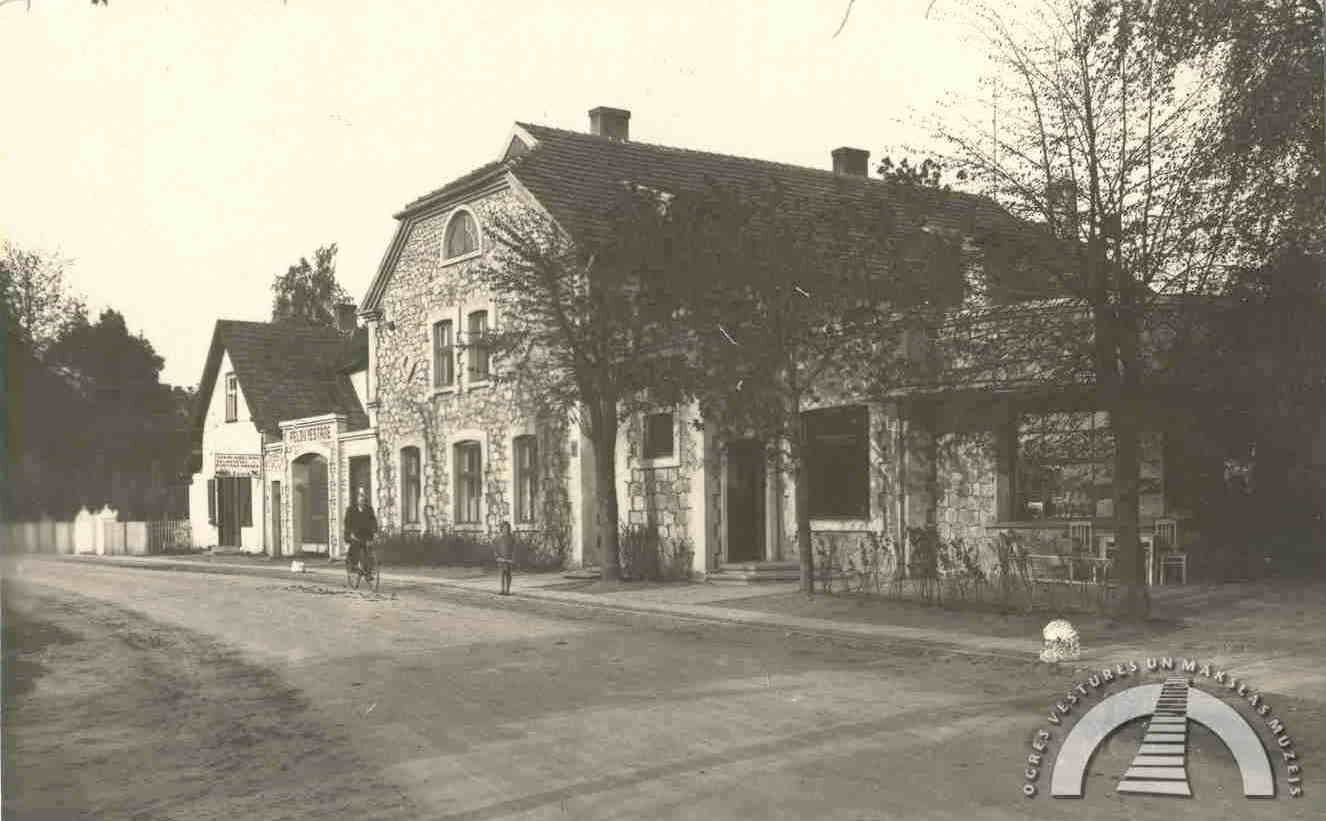
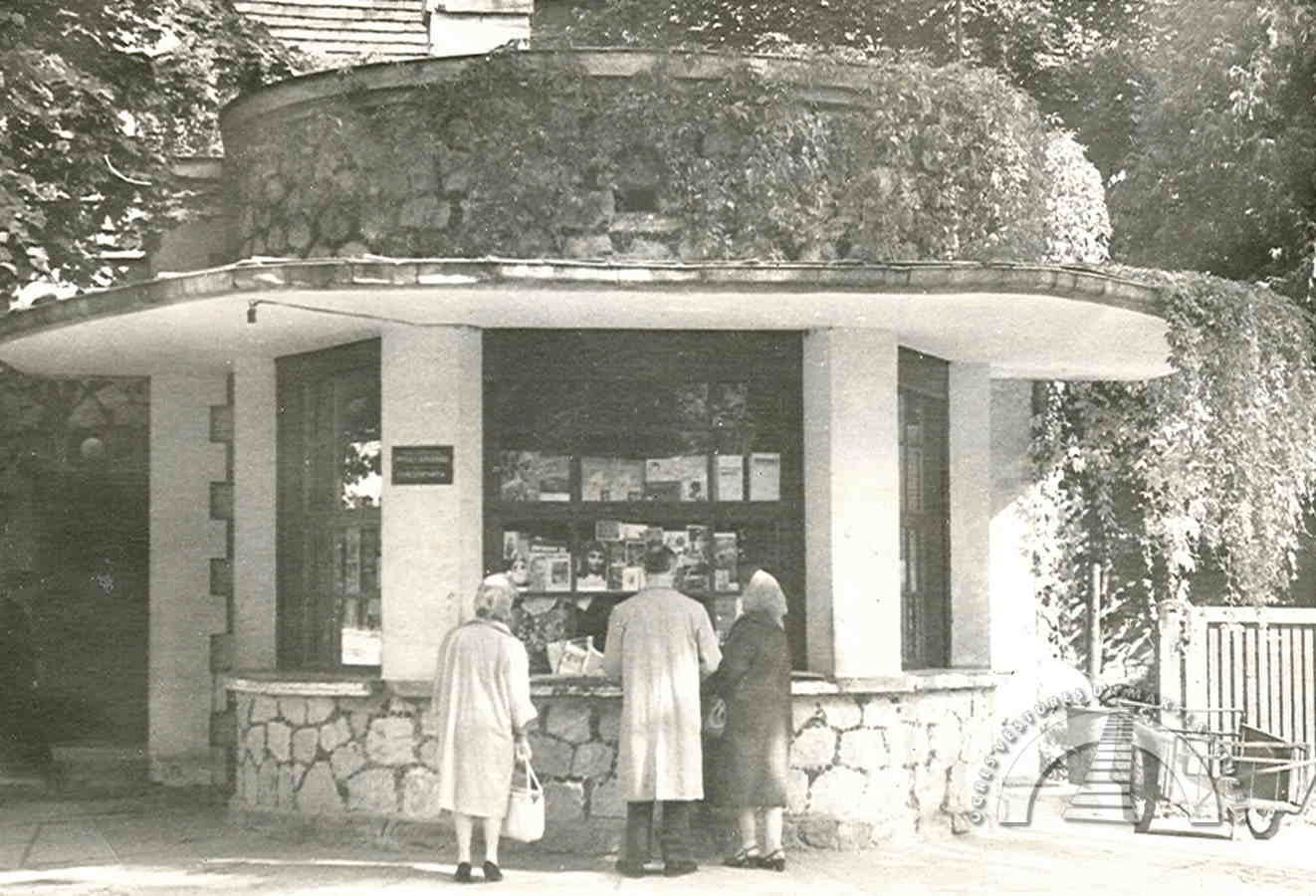
The distinctive pharmacy building, so familiar to Ogre residents, is an integral part of the town centre landscape. Many locals have visited the pharmacy, recognisable by the arch above its entrance, located next to the present-day kiosk and clock. It is one of the oldest buildings in the city and holds many interesting stories.
Given the pharmacy’s relevance – both during the pandemic and in earlier times – the Ogre History and Art Museum has decided to publish a series of articles about its history, offering a glimpse into its unique daily rhythm, which has always required meticulous precision.
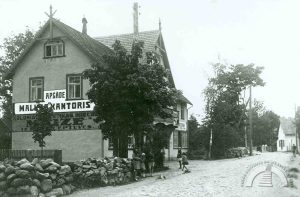
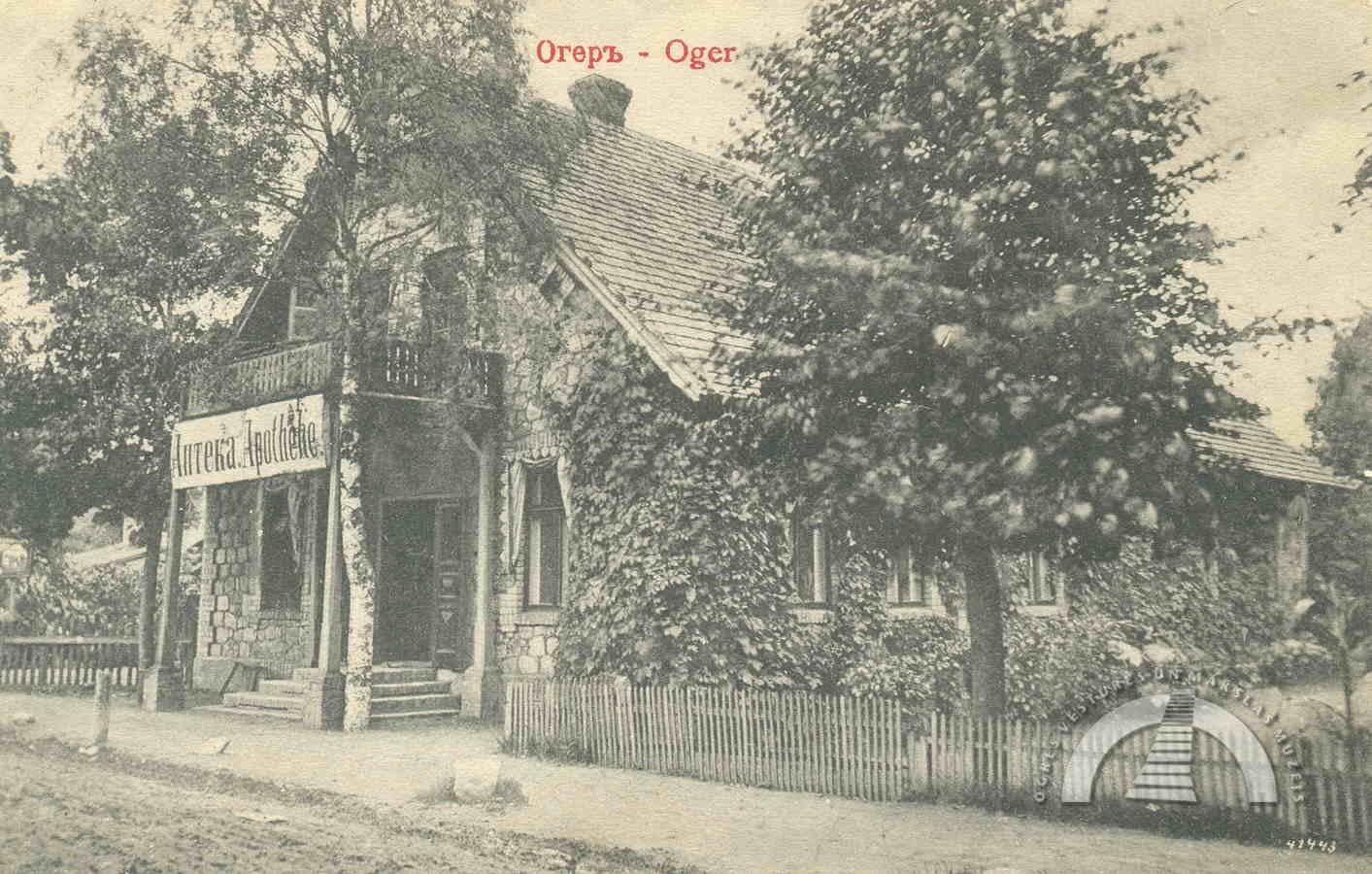
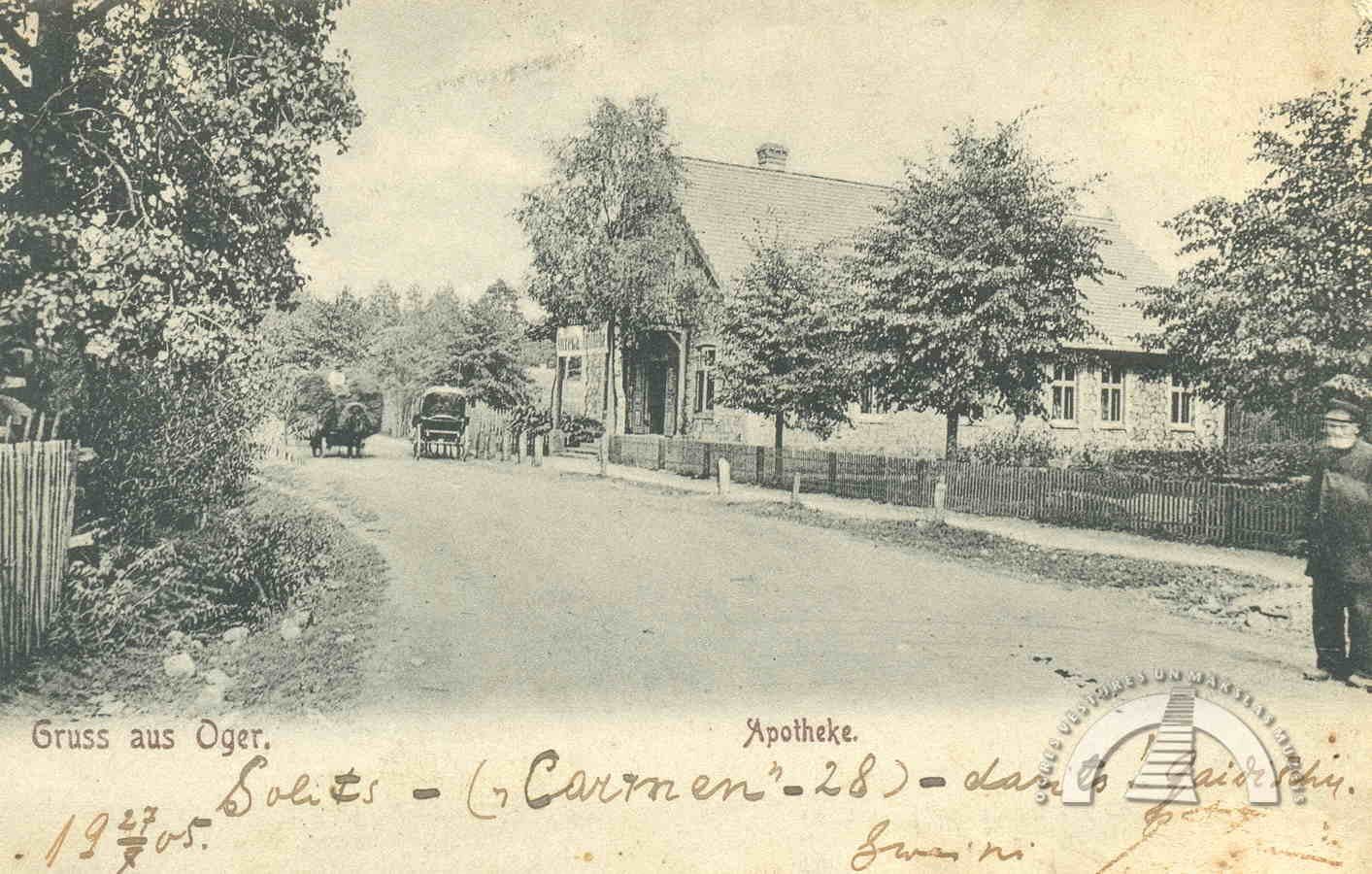
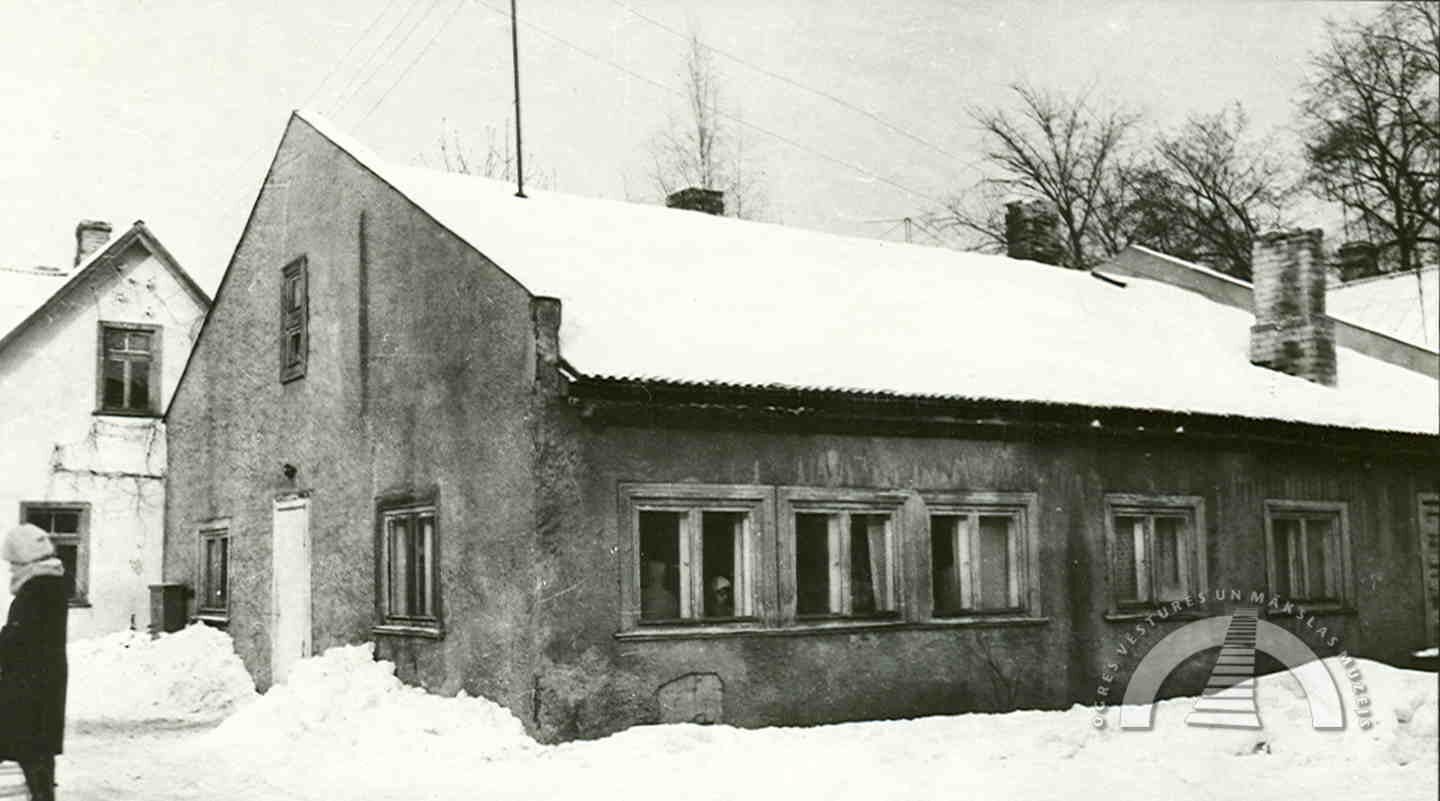
On November 9, 1889, Dr Jūlijs Zēks, a physician for the Riga–Dinaburg railway district, received a concession from the Riga City Estate Board to open a pharmacy near Oger (Ogre) railway station. The pharmacy was established in a one-storey wooden building that had previously housed butcher Jūlijs Kalniņš’s shop, on Tīnūžu Road (now Brīvības Street 24). The current pharmacy complex now stands on this plot of land. Pharmacist’s assistant Jānis Punka was appointed manager.
In 1891, pharmacist’s assistant – later provisional pharmacist – Artūrs Flahs took over management of the pharmacy. He purchased it in 1895, expanded the business, and in 1895–1896 built a new one-storey stone building specifically for the pharmacy’s needs (now Brīvības Street 22).
In 1896, he established a bathing facility in the pharmacy courtyard, offering both regular and medicinal baths. A brick building was constructed at the back of the plot for this purpose. In 1907, a pine needle extract laboratory was established. Historical sources indicate that Flahs himself boiled the extract from pine needles and managed the pharmacy until 1913.
In 1909, the first public telephone in Ogre was installed at the pharmacy.
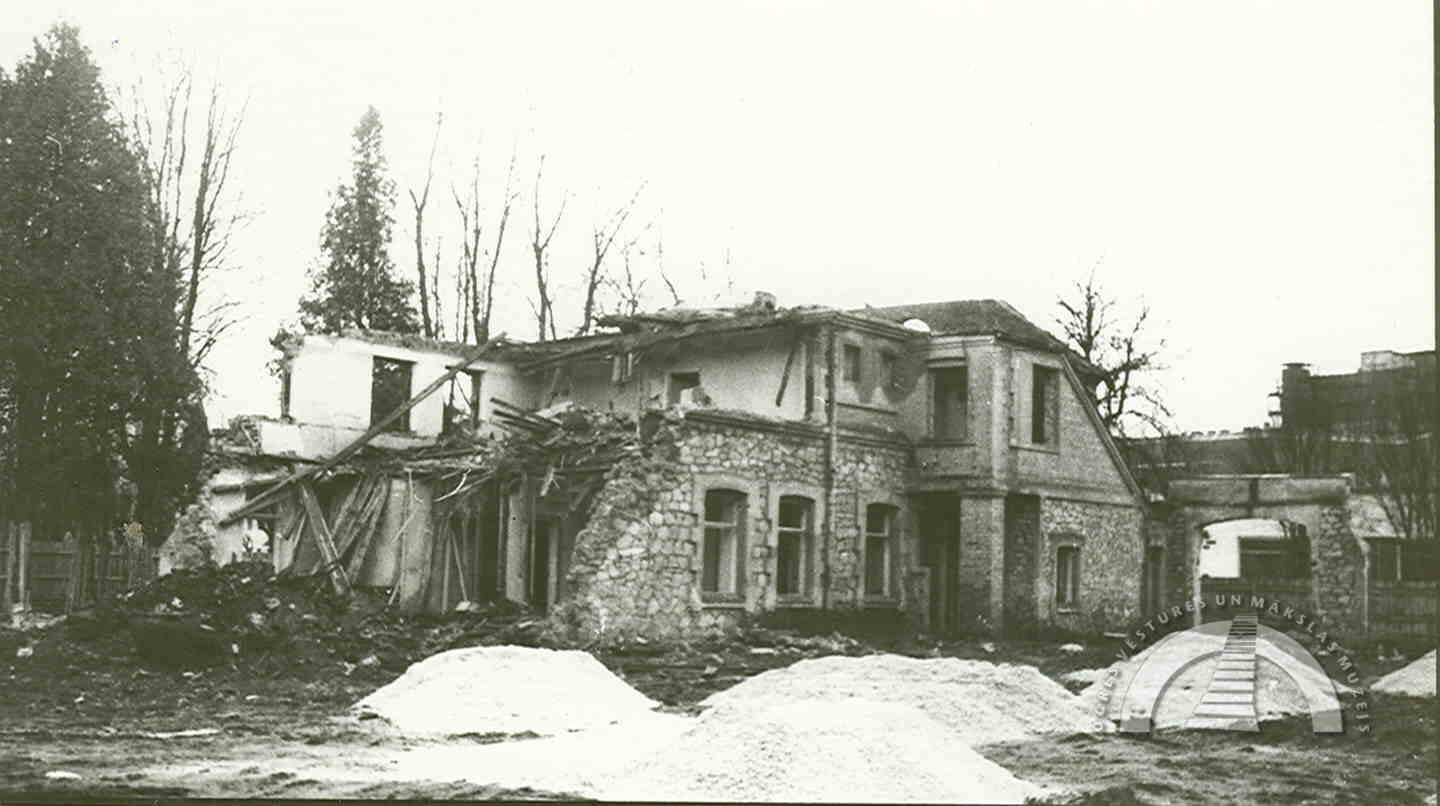
During the First World War, the pharmacy building – like much of the town – was destroyed, and only its walls remained.
On November 3, 1920, provisional pharmacist Pēteris Šīrons (1876–1947) received a concession for a rural pharmacy, and by July 18, 1921, it was opened under the name ‘Ogresgrīvas aptieka’, located in the ‘Bēms’ building (now Brīvības Street 2). As the trade conditions there were poor, the building also housed a butcher’s shop, a barber’s shop, and a colonial goods store – Šīrons moved the pharmacy in May 1922 to the ‘Skujas’ building at Upes Prospekts 4 (no longer preserved).
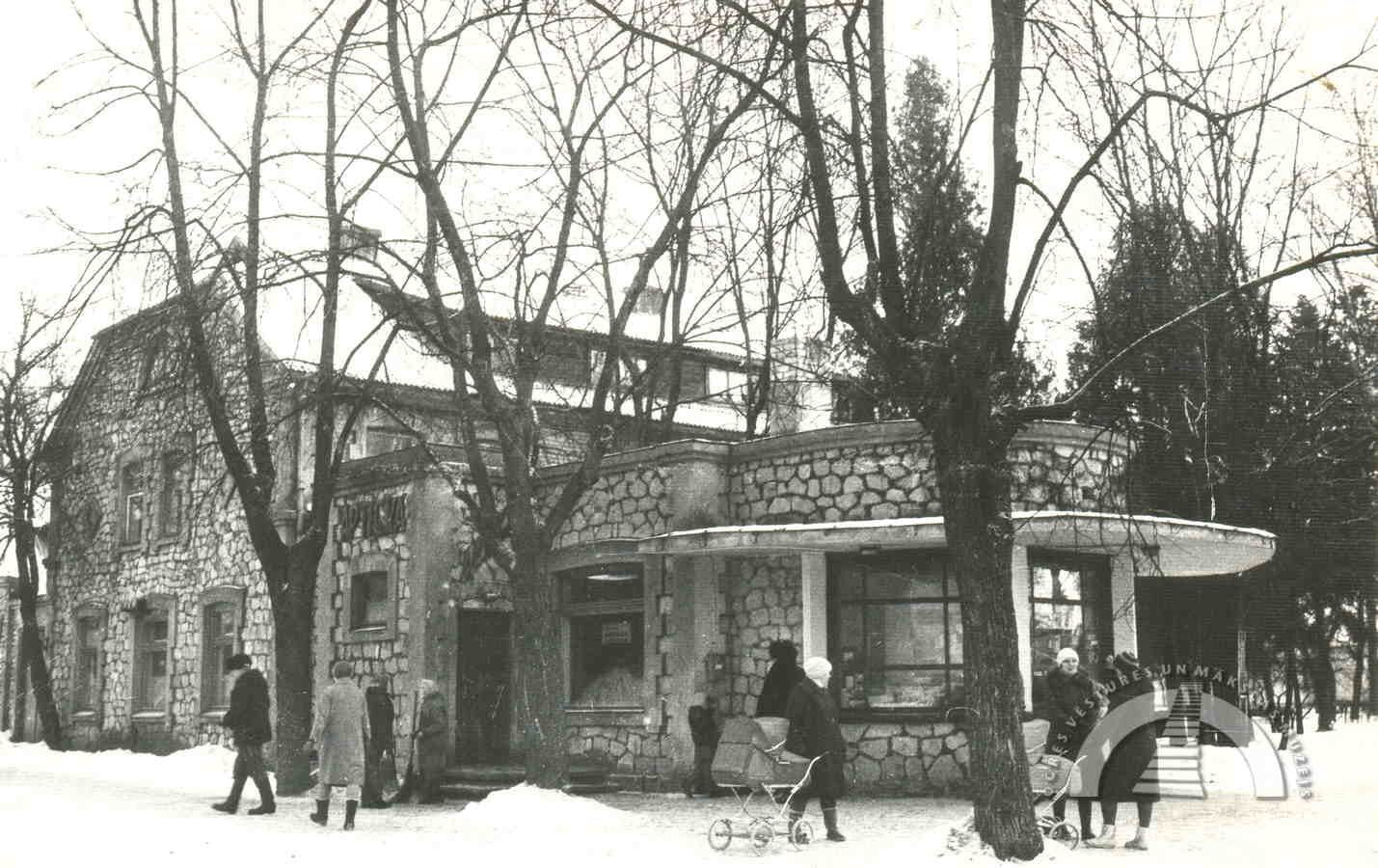
In 1924, Pēteris Šīrons acquired the plot of the former pharmacy together with the remaining walls, and architect Indriķis Blankenburgs designed a new pharmacy building incorporating the old structures.
The pharmacy resumed operations in May 1925. A bathhouse was built in the courtyard and opened in 1927, offering residents and visitors medicinal baths (carbonic acid, oxygen, sulphur, pine needle, and various salts).
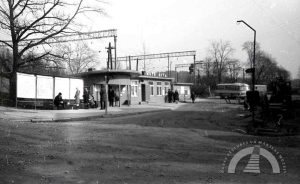
In 1933, according to a design by Edgars Starķis, the building was extended with a sales hall and a kiosk, forming a unified complex. During the Soviet era, the kiosk functioned as a newspaper stand. The round kiosk still serves residents and visitors as a refreshment and snack spot near the town square, adding a distinctive atmosphere to the area. The renovation also improved the façade of the old building, and living quarters were created in the attic.
During the reconstruction period of 1933–1938, the Ogre pharmacy building acquired constructivist forms, contributing to the town’s characteristic architectural style and integrating harmoniously into the surrounding complex. With its plastic architectural forms, it became one of the most valuable examples of construction in the city.
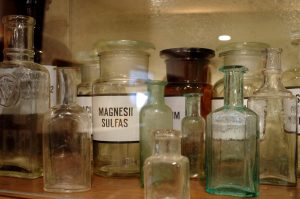
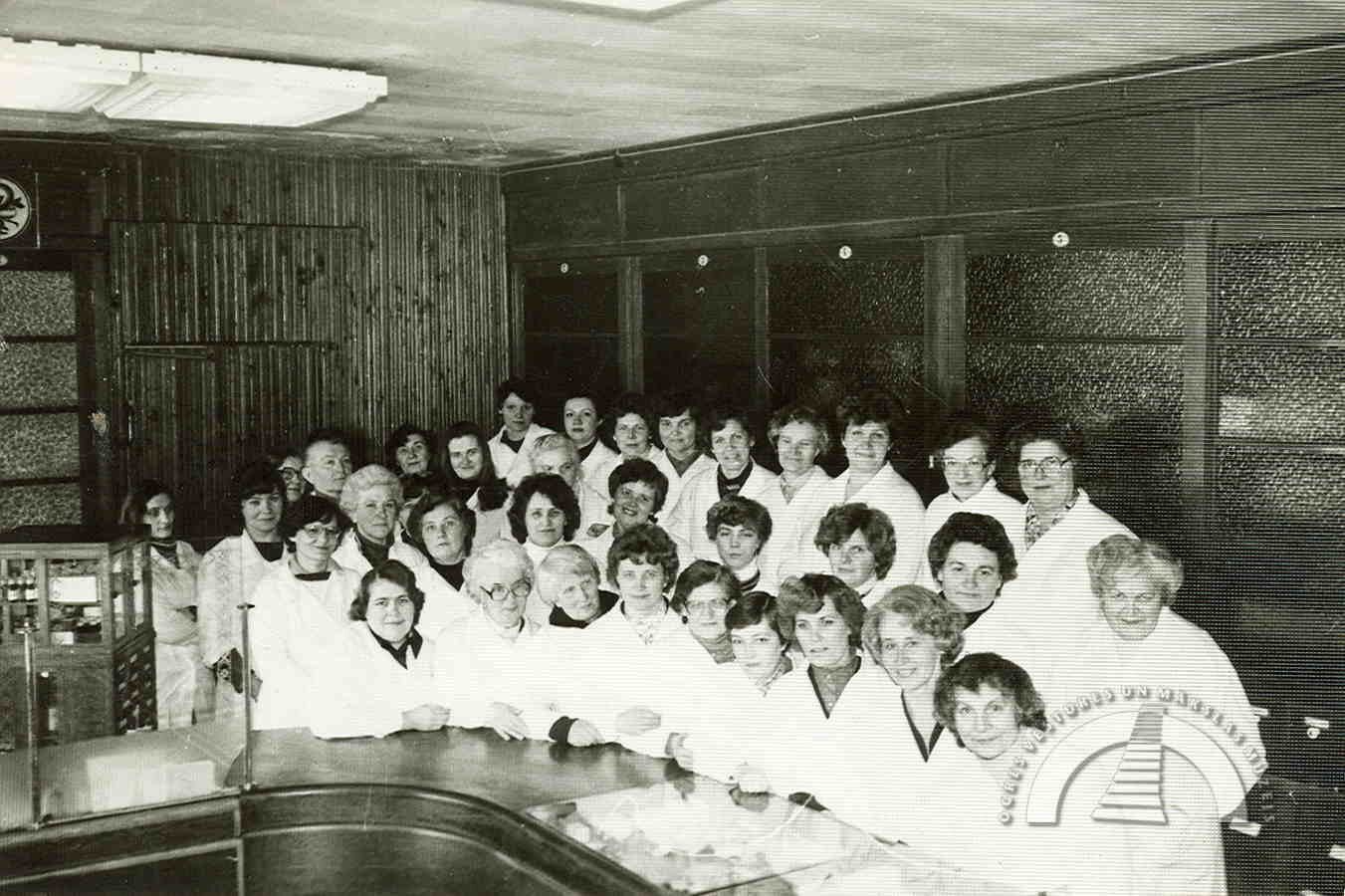
In the workshop of Ogre carpenter Alberts Dreimanis, specially designed furniture for the pharmacy was created – monolithic cabinets with green glass. These remained in the pharmacy premises until 1986. Today, one of the cabinets, after restoration, can be seen in the museum’s permanent exhibition. The old pharmacy interior is also visible in the Riga Film Studio film Long Road in the Dunes, as one episode of the series was filmed in the Ogre pharmacy.
After the pharmacy was nationalised in 1940, its owner, Pēteris Šīrons – who also owned a bathing establishment – continued to manage it for a short time, until he was deported to Siberia on June 14, 1941 together with his son, Aleksandrs Pauls Šīrons. Pēteris Šīrons tragically disappeared without a trace in exile in 1947.
His eldest daughter, Ieva Ķere, who held a degree in pharmacy, continued to manage the pharmacy until her emigration at the end of the Second World War.
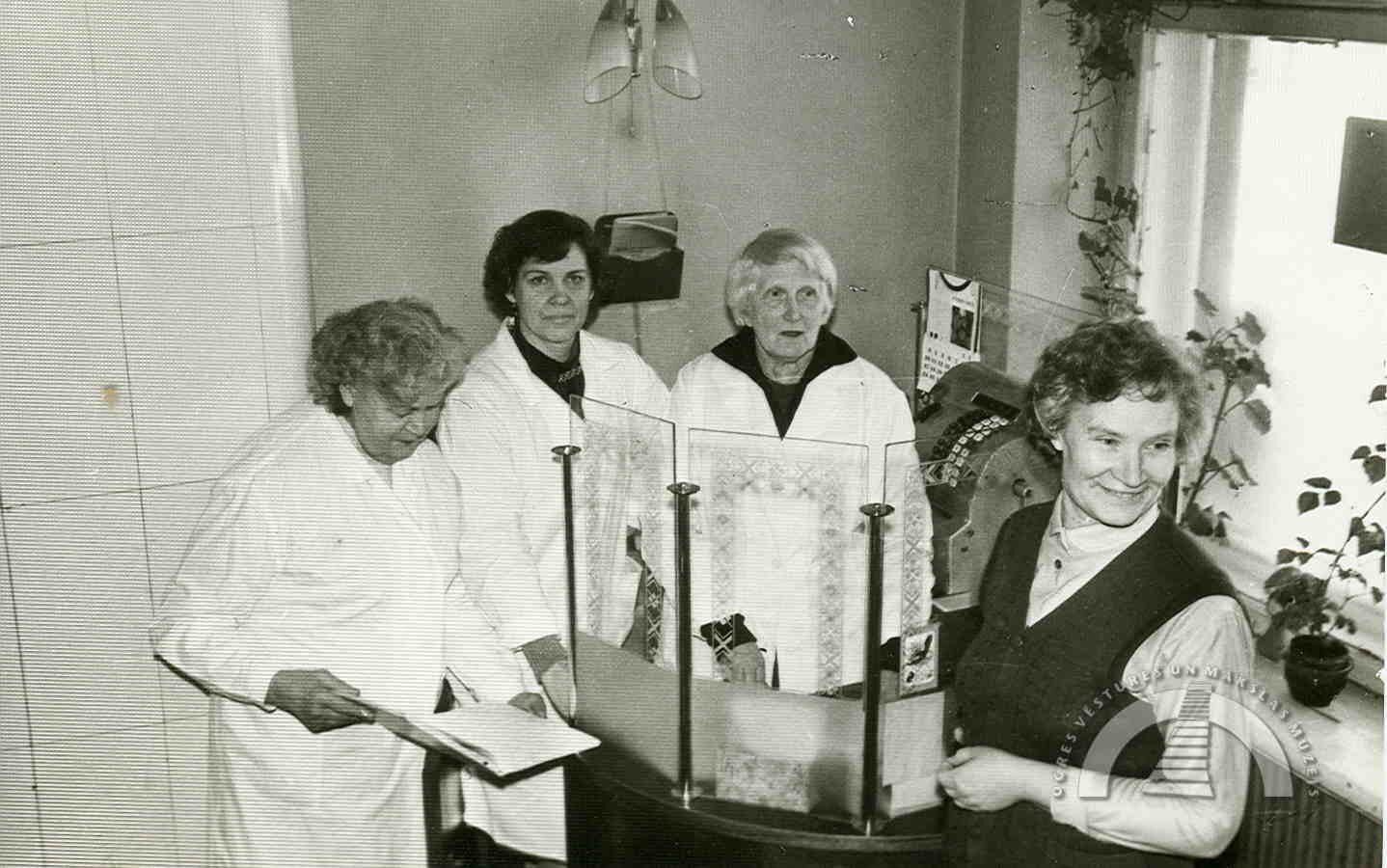
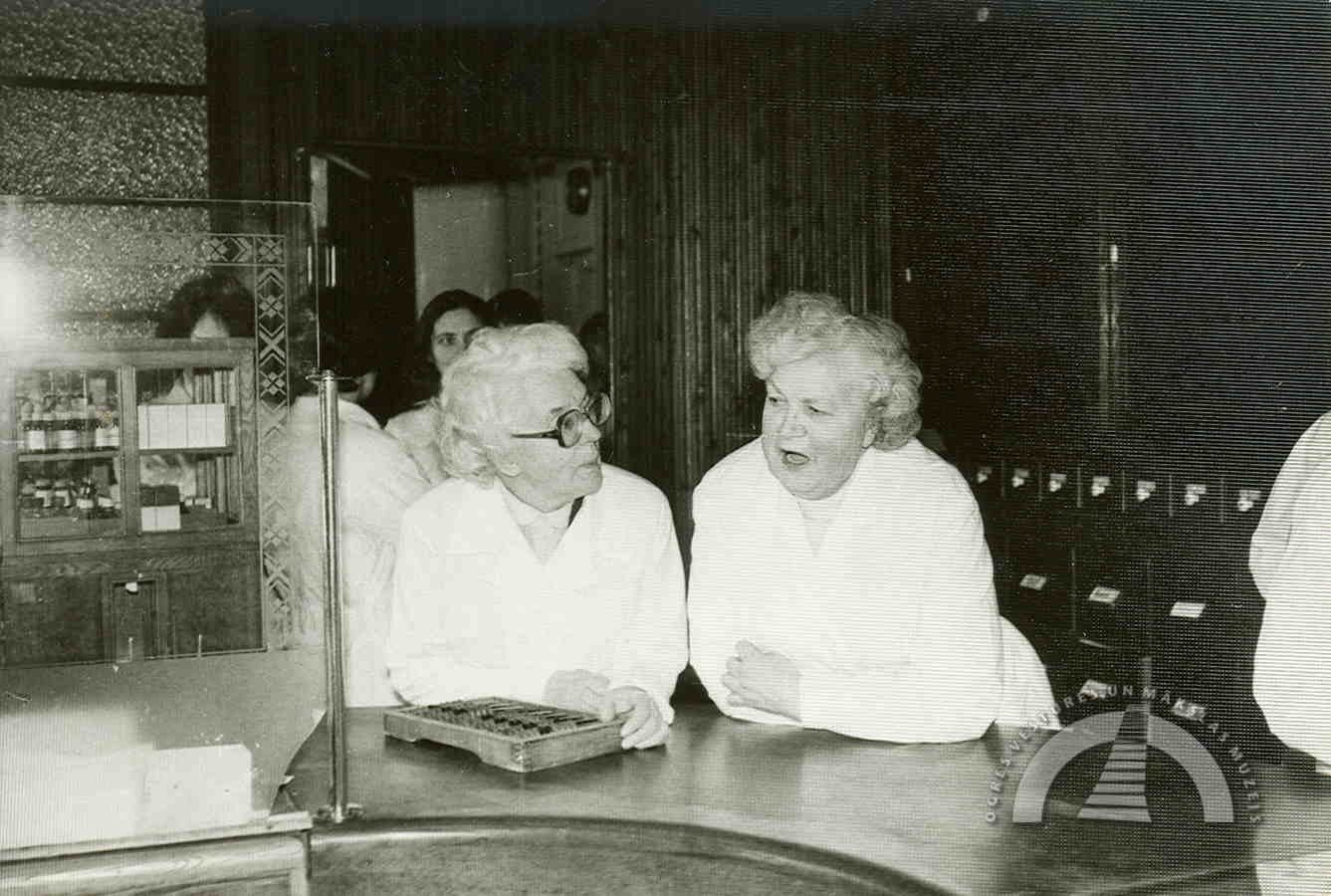
In 1948, after completing her studies, Valērija Jukmane began working at the pharmacy. She later became its manager and worked there for more than 20 years. She played an important role not only in the pharmacy’s operations but also in preserving its history.
Over time, the original premises became too small. In the 1970s, the pharmacy was extremely busy, supplying numerous medical institutions: hospitals, sanatoriums, polyclinics, the railway workers’ prophylactorium, pre-school institutions, both of the city’s vocational technical schools, as well as nearby medical points. It also operated as an on-call pharmacy, meaning that essential medicines could be obtained at any time of day or night.
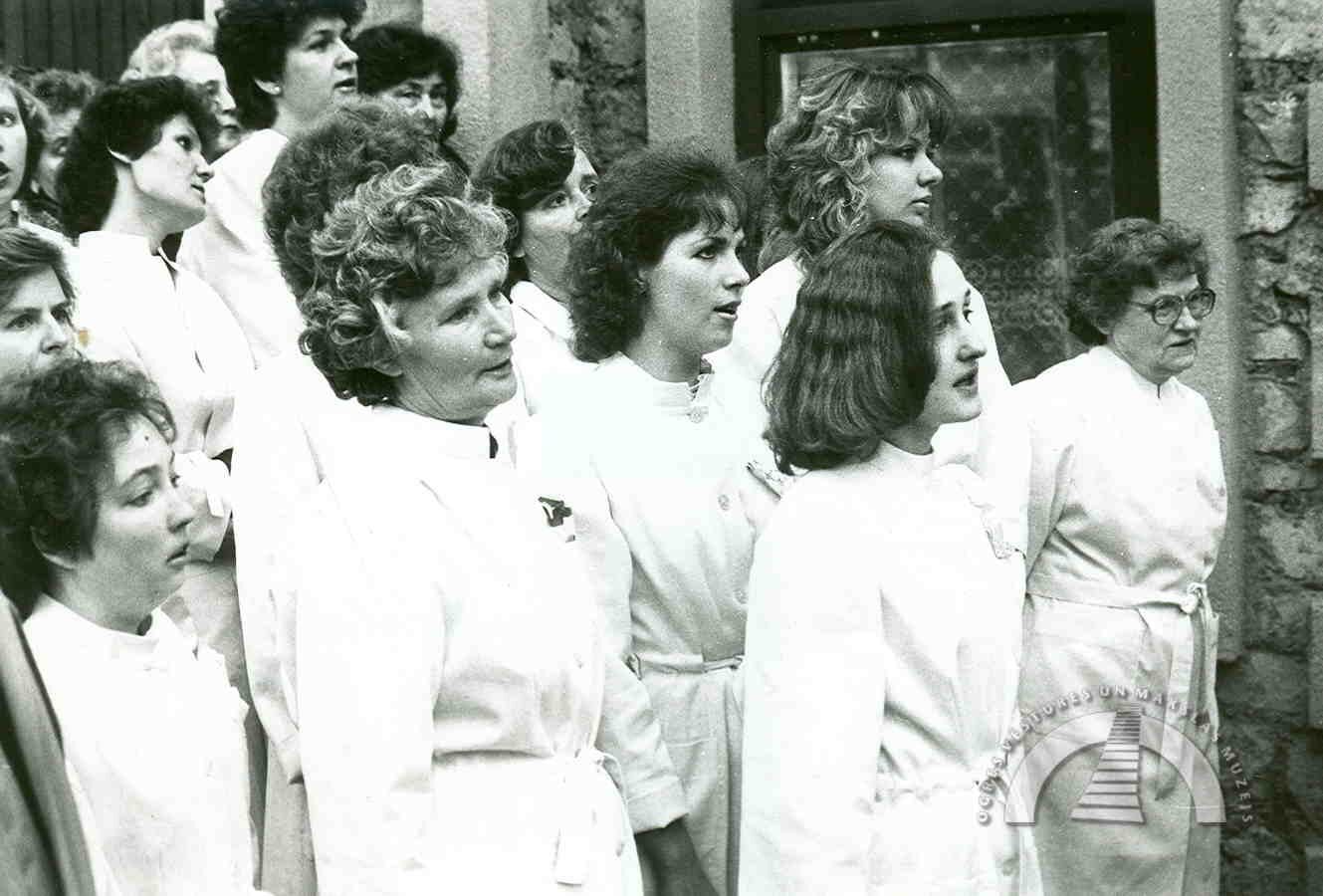
Records show that the pharmacy’s workload increased significantly over the years: in the 1950s, only ten employees worked at the Ogre central pharmacy, but by 1979 the staff had grown to 64.
Until 1982, this was the only pharmacy in Ogre. A second pharmacy was opened at Padomju Prospekts 9 (now Mālkalnes Prospekts). It employed 15 staff members, and residents of Jaunogre and the Blue Hills area mainly used this branch. Like the central pharmacy, it was also open on Sundays. This development made it possible to consider reconstructing the old pharmacy. The project planned to connect the pharmacy building with the adjacent house, reconstruct the third floor, and install two lifts, as the heavy cylinders containing prepared solutions and delivered goods had previously been carried upstairs by the pharmacy staff themselves.
For a time in 1986, the pharmacy doors were closed, the kiosk stood empty, and many Ogre residents wondered what would happen to the building – would it be rebuilt, demolished, or replaced with a standard structure? A reconstruction project had been developed at the request of the Main Pharmacy Administration. The work was planned to be completed by 1987, but the Cultural Monuments Protection Inspectorate was not satisfied with the proposal, as ‘the newly designed three-storey pharmacy building contrasts with the surrounding historical development both in form and scale’.
The Inspectorate’s chairman, Mārtiņš Apinis, pointed out that ‘the demolition of the second floor of the old pharmacy building is considered unjustified both economically and historically-architecturally. It is advisable to preserve the old pharmacy equipment – the original furniture – as a whole.’ Unfortunately, the Inspectorate’s recommendations were not taken into account.
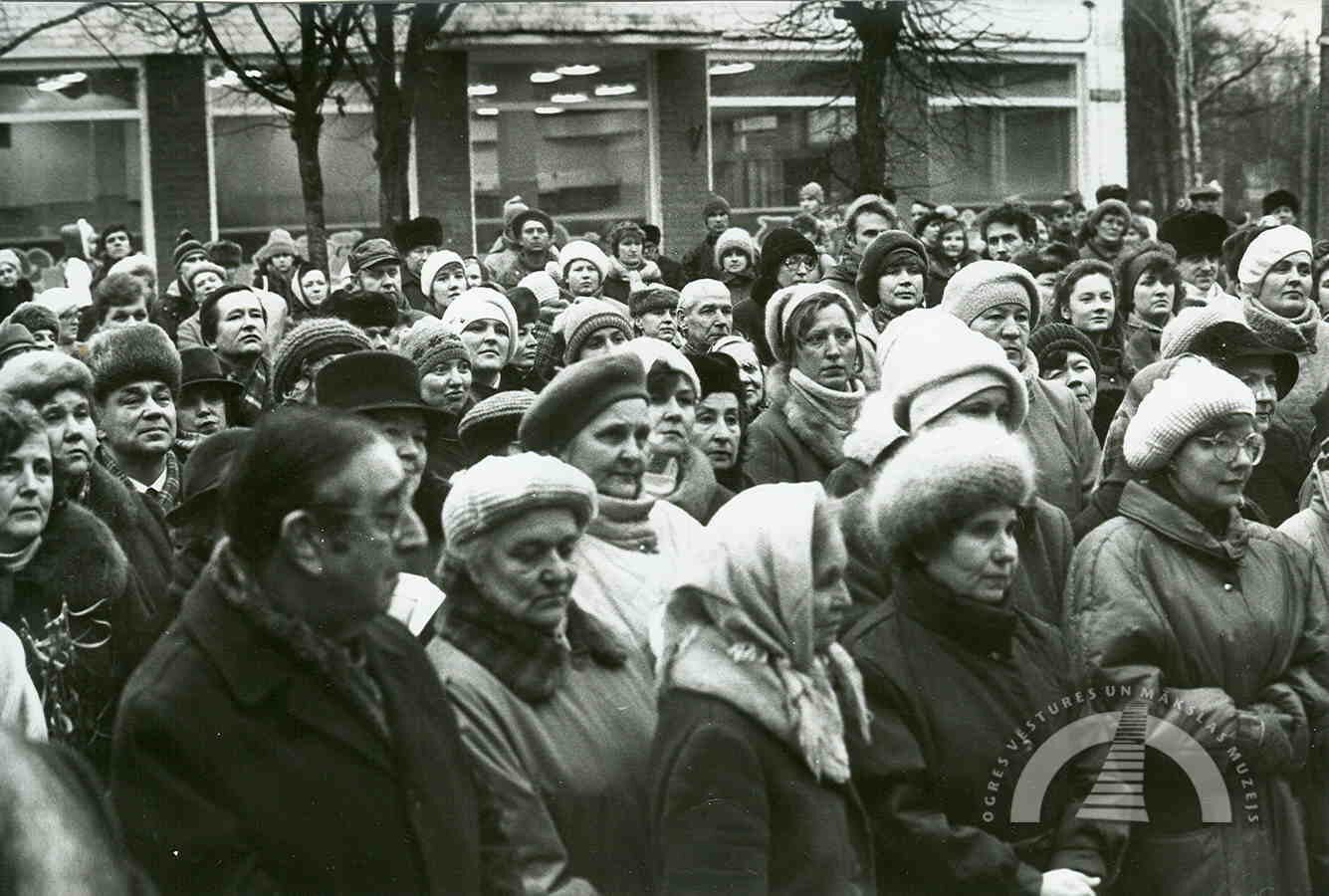
The City Executive Committee also received a collective letter from residents demanding that the pharmacy, as a historical monument, not be altered, arguing that the city would lose a valuable building. The letter requested that the project be reviewed and that reconstruction instead focus on adjacent buildings, following Ogre’s traditional architectural style. It also recommended preserving and reinstalling the old pharmacy furniture after renovation, noting that such an interior had only been preserved in the former Šampēteris pharmacy.
The architects had intended to install a tiled roof, but the clients were discouraged by the high cost of the material, and there was an idea to replace it with a tin roof. However, historically, roofs in Ogre have not been covered with tiles.
Aivars Kalniņš, Chairman of the City Executive Committee, promised that the pharmacy would retain the same elements it had 100 years earlier: dolomite stone walls, large entrance gates, and a press kiosk. The plan was to rebuild the second floor, clad it in yellow bricks, and cut down some trees so that pharmacy employees would not have to work under artificial lighting during the day.
Kalniņš stated that ‘after reconstruction, our pharmacy will receive the most modern equipment in the republic […] and Ogre residents will gain a convenient commercial building that will both enhance the city’s appearance and evoke a sense of history. Next to the pharmacy, a modern and uniquely attractive flower kiosk will be built, and by the end of the five-year plan, Revolūcijas Street, from the executive committee square to the tunnel, will be closed to traffic.’
The commission reviewed the reconstruction project once more and concluded that construction and renovation could proceed.
In a 1988 article in Padomju Ceļš, Rasma Hartmane, manager of the central pharmacy, described the transformation of the old pharmacy and the plans for its future:
‘Only the location remains of the old one. It was redesigned twice and altered in detail many times. […] An artist-designer is working with the district architects’ group and will issue the façade colouring passport. I have seen the samples. It looks like it will be beautiful. […] The designer is interior artist Uldis Austriņš. He will create the ceiling structures with light fixtures and design the furniture. It will be light ash wood furniture – very light, because the rooms are rather dark. The old pharmacy furniture will only be viewable in museums – here in Ogre and in the newly established Pharmacy Museum in Riga. At first, we thought about setting up a small corner in the new building, but it simply does not fit together. We do not want to use the old furniture; it is not comfortable, it is heavy, and it has deep drawers. […]
The sales hall will be on two floors. At first, it will certainly seem unusual until we get used to it. We plan to have optics, bandaging materials, and over-the-counter medicines downstairs – things you can quickly pick up when you pop into the pharmacy. True, the rooms here are rather dark, so we will have to rely on artificial lighting. However, on the second floor, we requested roof lighting to be included in the design. We found information in the museum that the old pharmacy also had it. All production facilities will be located there, including a finished forms department, and medicines will be prepared according to prescriptions. The third floor will have rooms for drying medicinal plants. Yes, to ease the burden on the pharmacy staff, an elevator will be installed.’
Working conditions were also expected to improve significantly. A separate staff rest room was planned, as well as a personal hygiene room, showers, and a wardrobe for outerwear and work uniforms. ‘We will be able to manufacture medicines according to requirements, as there will be a freezer; we will be able to prepare sterile injection solutions, and disinfectants will be stored separately.’ (Padomju Ceļš, August 30, 1988, V. Aizupe, ‘Ogresgrīvas aptieka? Kāpēc ne?’)
However, reconstruction did not proceed as quickly as hoped. Even in February 1989, ventilation and finishing works were still underway. In an interview, Rita Skrastiņa, district architect of the State Control, expressed scepticism: ‘The plaster on the protruding window arches is already crumbling at the edges. […] The repair teams receive half of their cement from Lipetsk, and it is of very low quality. […] In many places, the roof has been installed poorly. […] There are many, many changes to the project.’
At the same time, she promised advanced ventilation systems to heat the premises in cold weather, a conference hall, and appropriate facilities for drying medicinal plants. It was also planned to replace the yellow bricks with better-quality ones and plaster them.
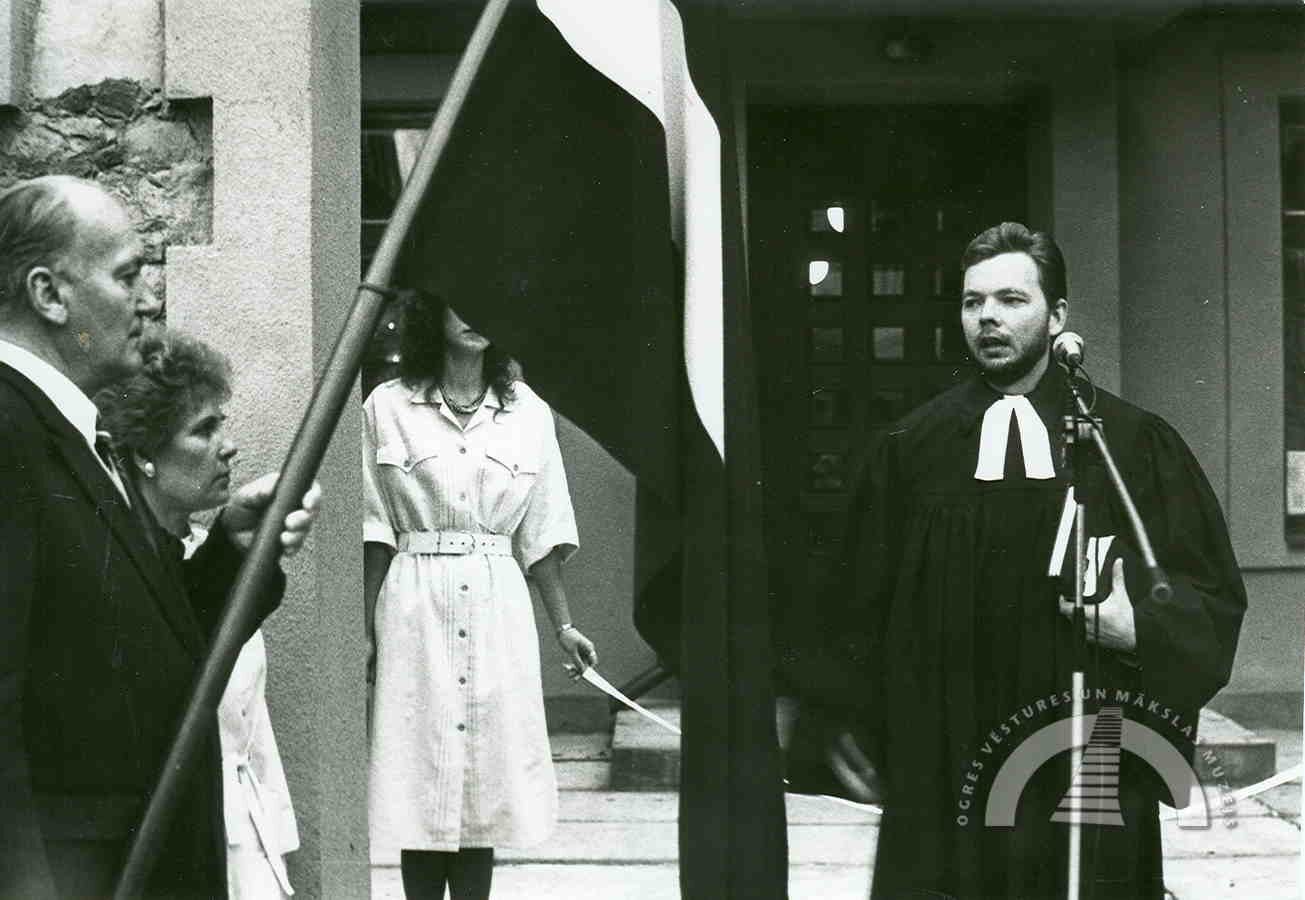
The reconstructed pharmacy building, in its present form, was opened in 1990. Unfortunately, most of the original pharmacy furniture was lost due to short-sighted and uneconomical decisions; only a small part found its way into the collection of the Ogre History and Art Museum. Today, the museum’s permanent exhibition features a large medicine cabinet with preserved medicine names, as well as pharmacy utensils and packaging.
When visiting the Ogre Museum, have you ever noticed a prescription written for a horse?
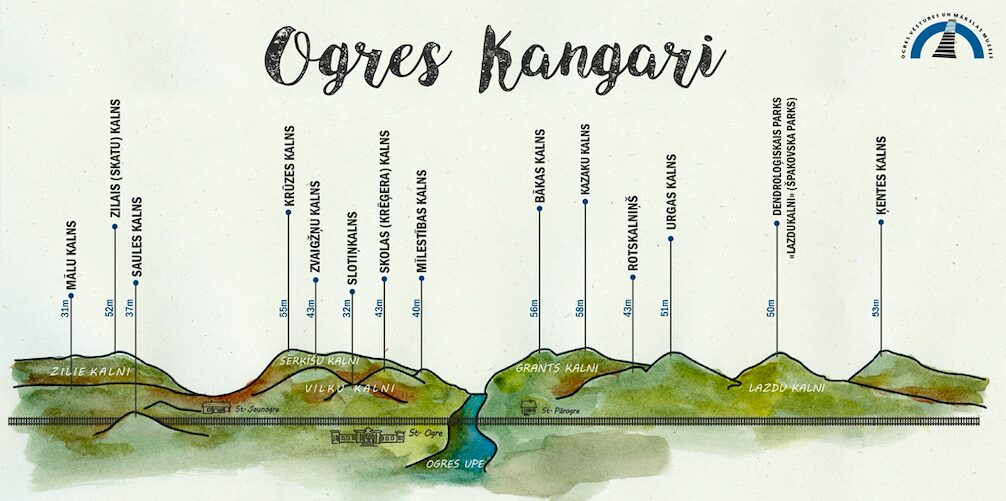
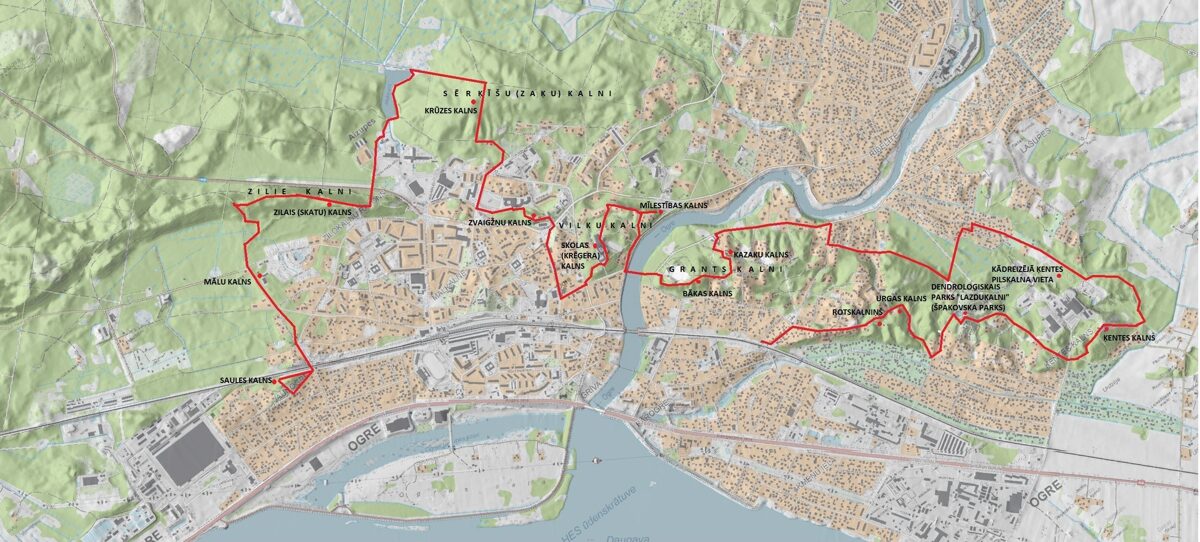
“OGRE KANGARI” HIKING TRAIL
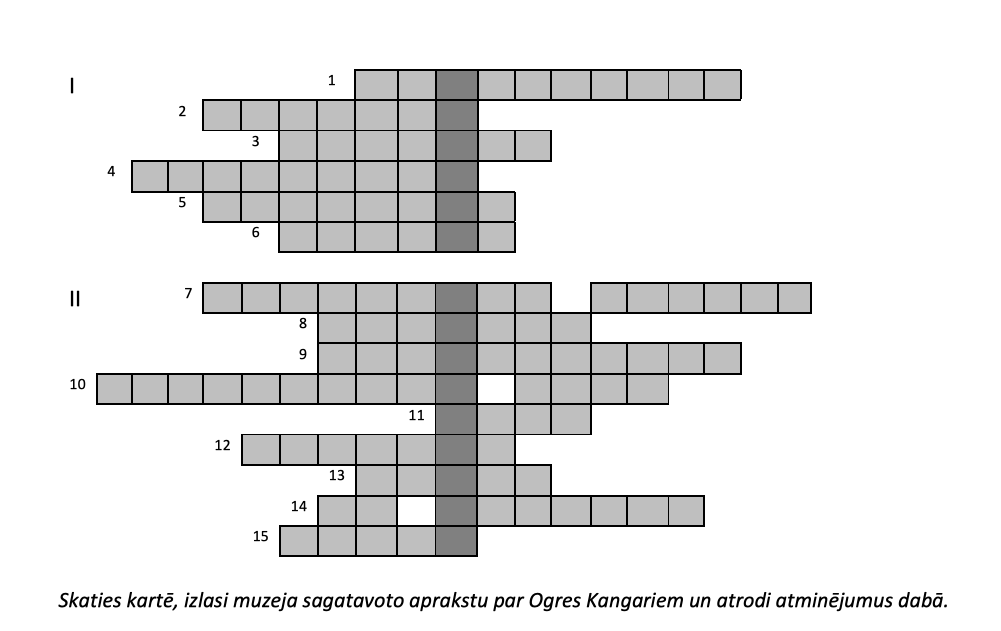
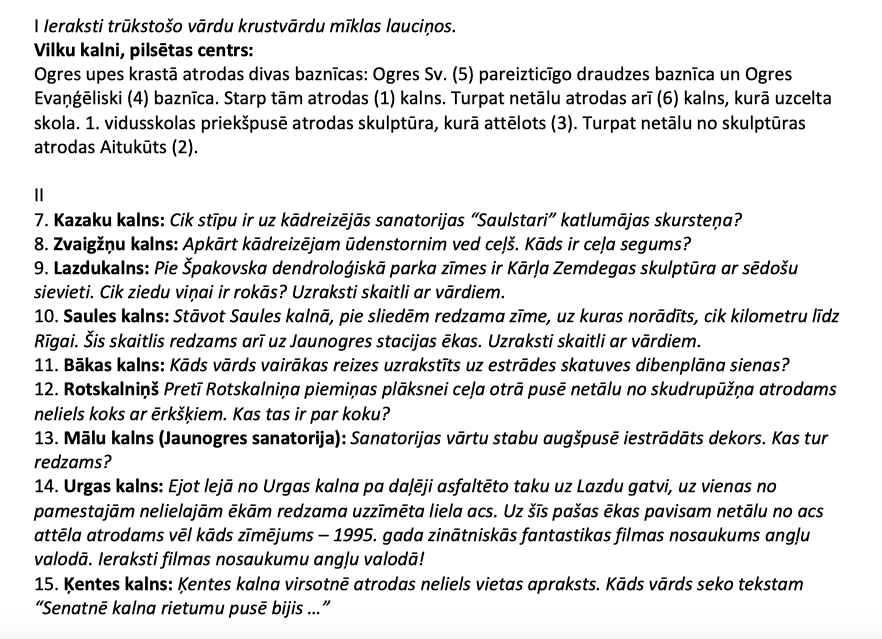
We invite you to explore the hiking trail to better discover the hills of Ogre. View the photo gallery and read the story on the museum's website or Facebook page. By looking at historical images, you can compare how the city has changed over time. We have marked the route in the "BalticMaps" map browser. The “GPX” file is convenient to use with the LVM GEO mobile app. The total length of the hiking trail marked on the map is 14 kilometers (7 kilometers in Pārogre and 7 kilometers in Ogre center and Jaunogre). The hiking trail winds through both the urban part of the city (with asphalt, cobblestone, and gravel surfaces) and green areas (park paths and pedestrian-trodden forest trails without special amenities).