
OGRE’S CHURCHES
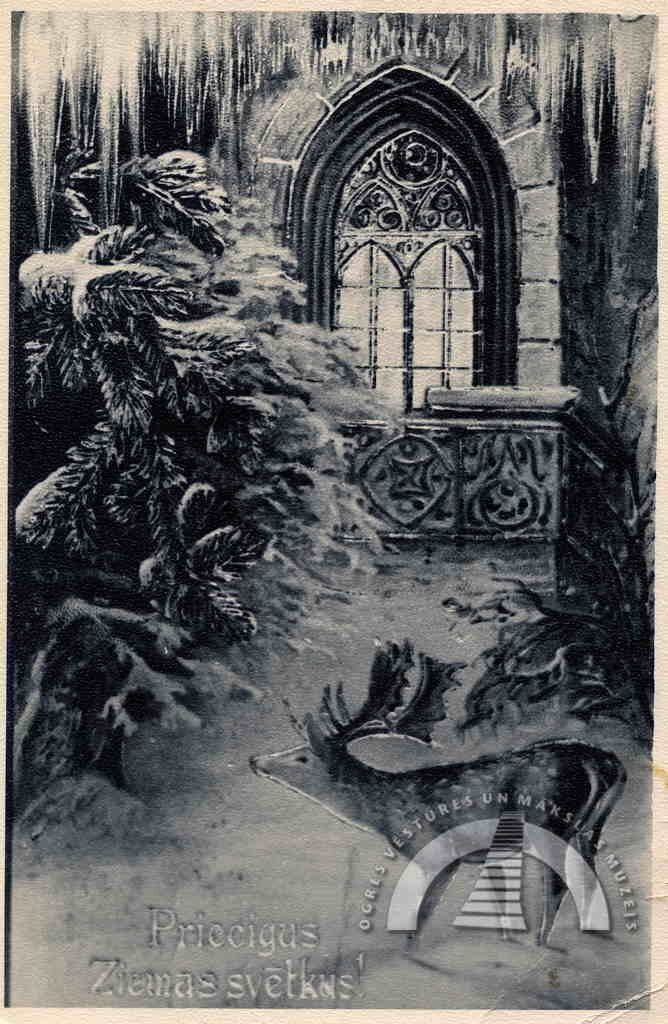
During the Christmas season, churches are traditionally filled with a particularly large crowd of people. Houses of worship are filled both with parishioners attending festive services and with cultural enthusiasts who flock to Christmas concerts. The unique architecture of churches is also noteworthy. The expressive silhouettes of church towers in the snow-covered city landscape are a popular theme for Christmas postcards.
“The scent of gingerbread follows me
Along the quiet, empty street it comes,
I stop – it snows so brightly
And in the church, the bells begin to ring.”
(I. Zandere)
During the Christmas season, churches are traditionally filled with particularly large crowds. Houses of worship welcome both parishioners attending festive services and cultural enthusiasts who gather for Christmas concerts. The unique architecture of churches is also noteworthy. The expressive silhouettes of church towers in the snow-covered city landscape are a popular theme on Christmas postcards. Furthermore, churches not only serve as gathering places for congregations but are also admired as architectural landmarks. Ogre has several churches with active congregations, so in the spirit of Christmas, we offer a brief insight into the history of Ogre’s houses of worship.
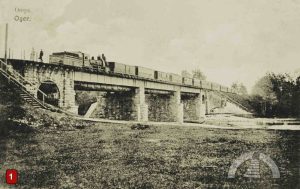
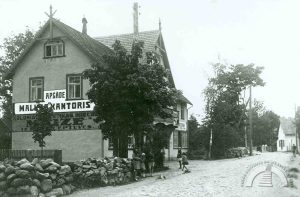
The inhabitants of the Ogre area once belonged to the Ikšķile–Salaspils congregation. After the railway opened in 1861, interest from Riga holidaymakers increased Ogre’s population, which grew significantly during the summer months. Initially, services in Ogre were held at Špīss’ guesthouse on specific Sundays.
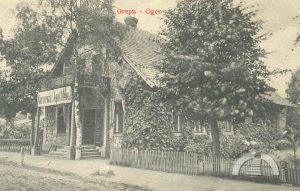
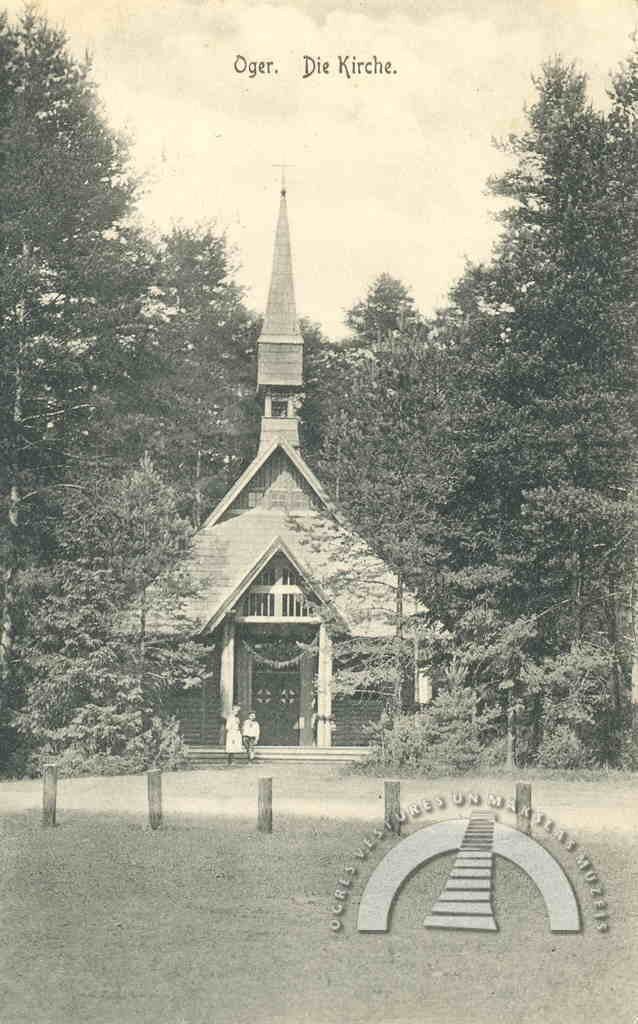
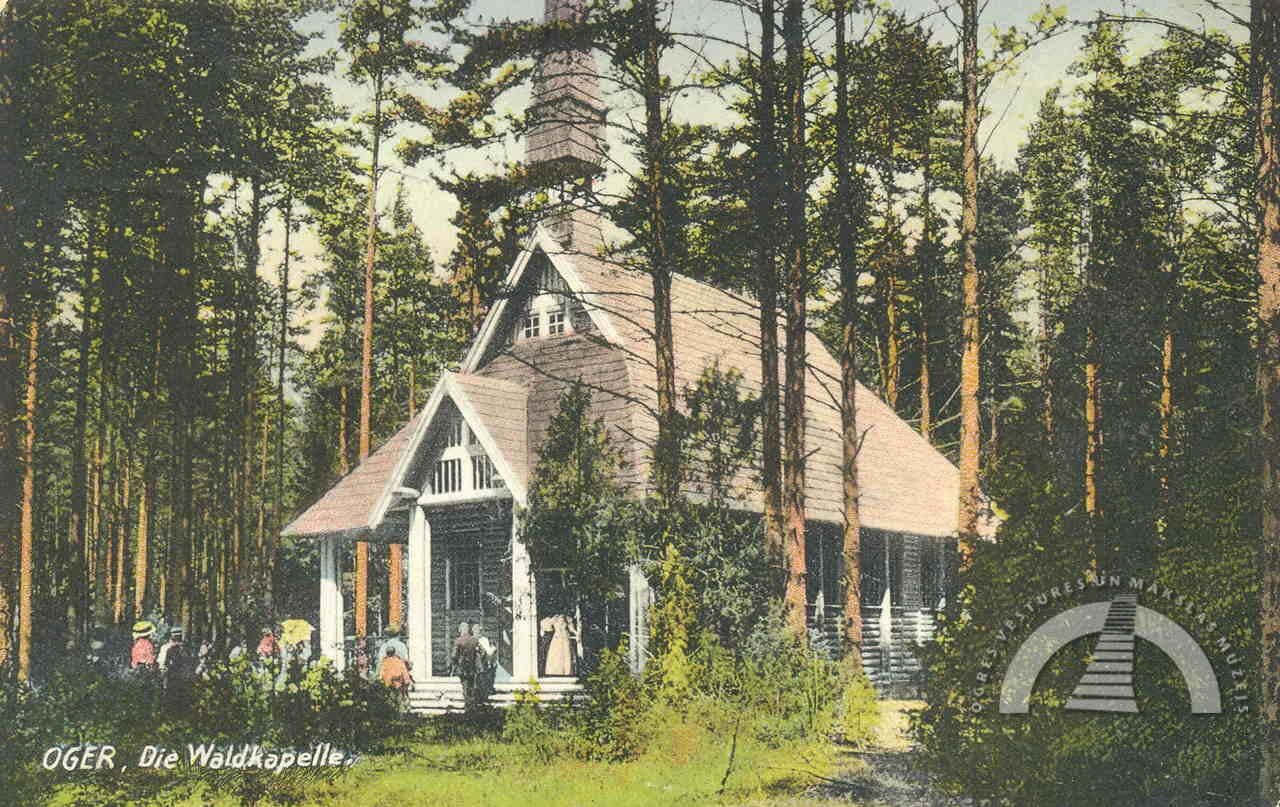
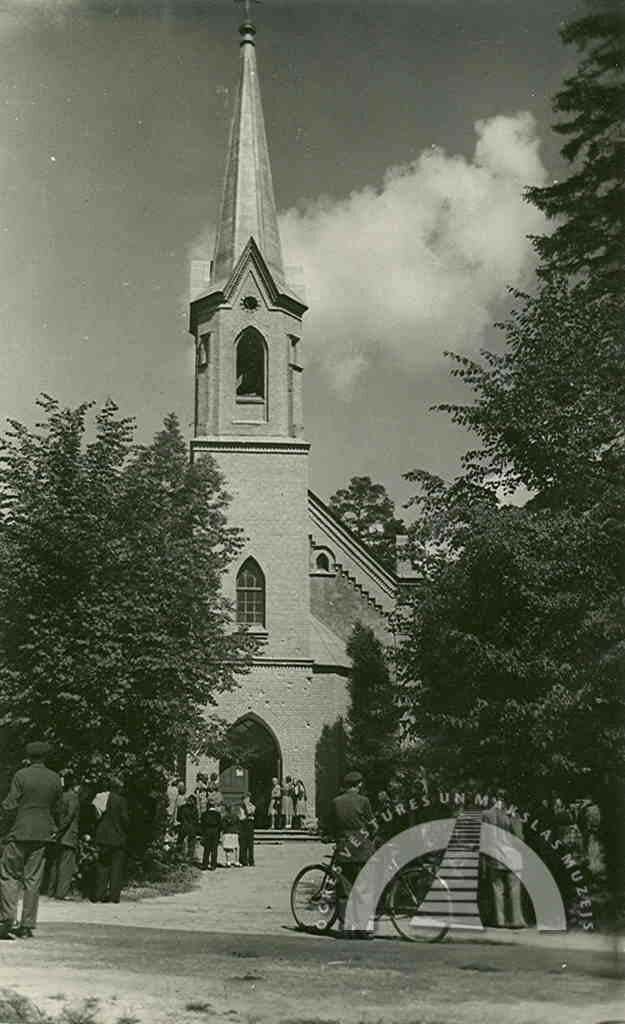
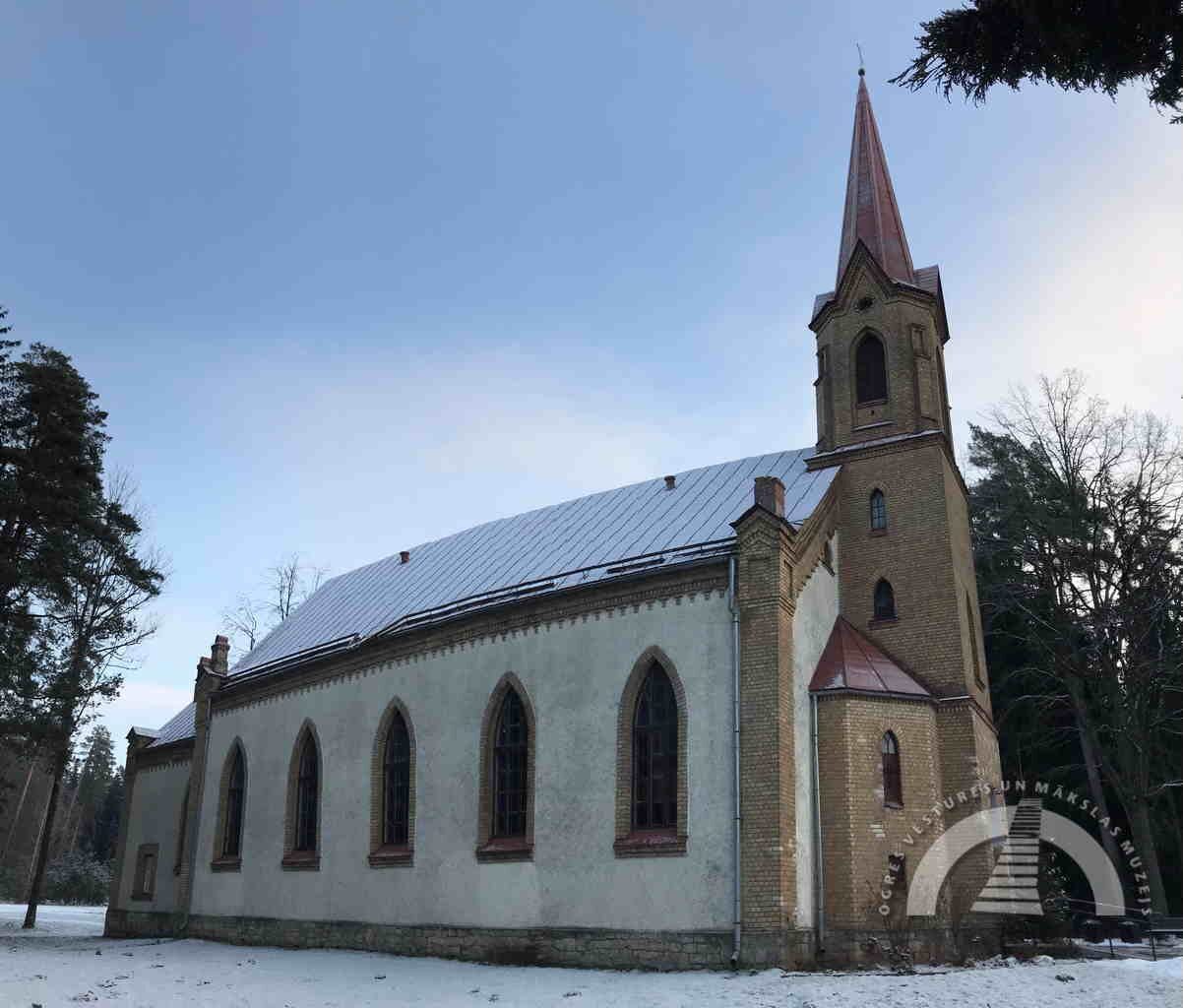
In late 1908, Ogre’s summer residents decided to build a chapel. The Ikšķile–Salaspils congregation, then led by Pastor Voldemārs von Hūns, purchased a plot of land at the site of the current Lutheran church and commissioned a design for a wooden church building in a style similar to Swiss regional architecture. The chapel, designed by architect Edgars Frīzendorfs, was named the Forest Chapel and had 300 seats. It was consecrated on 6 June 1910 and operated as a seasonal branch of the Ikšķile–Salaspils congregation. In 1915, the building burned down.
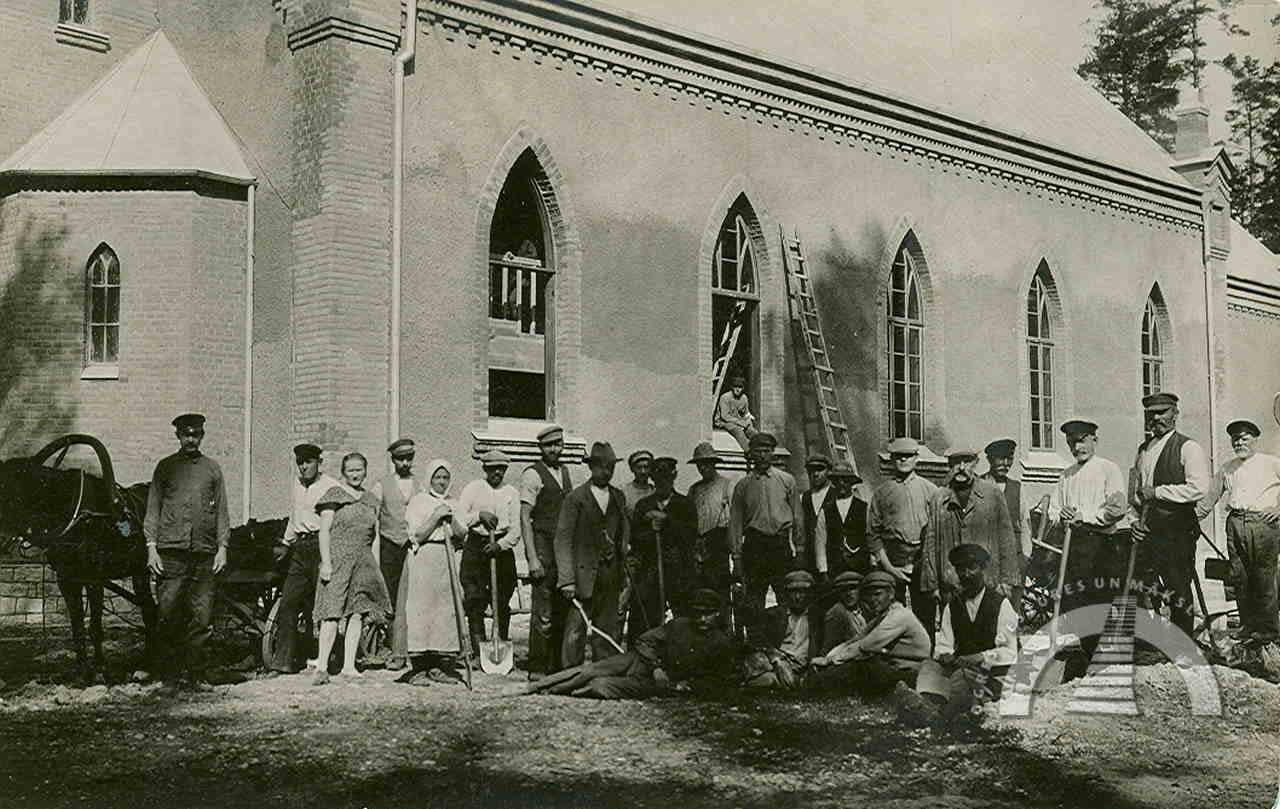
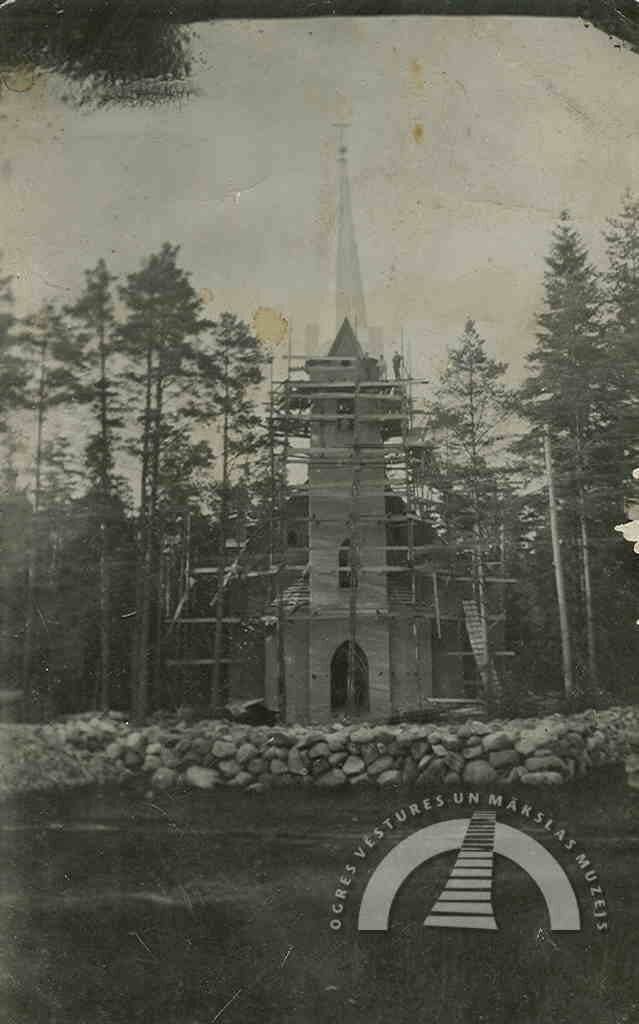
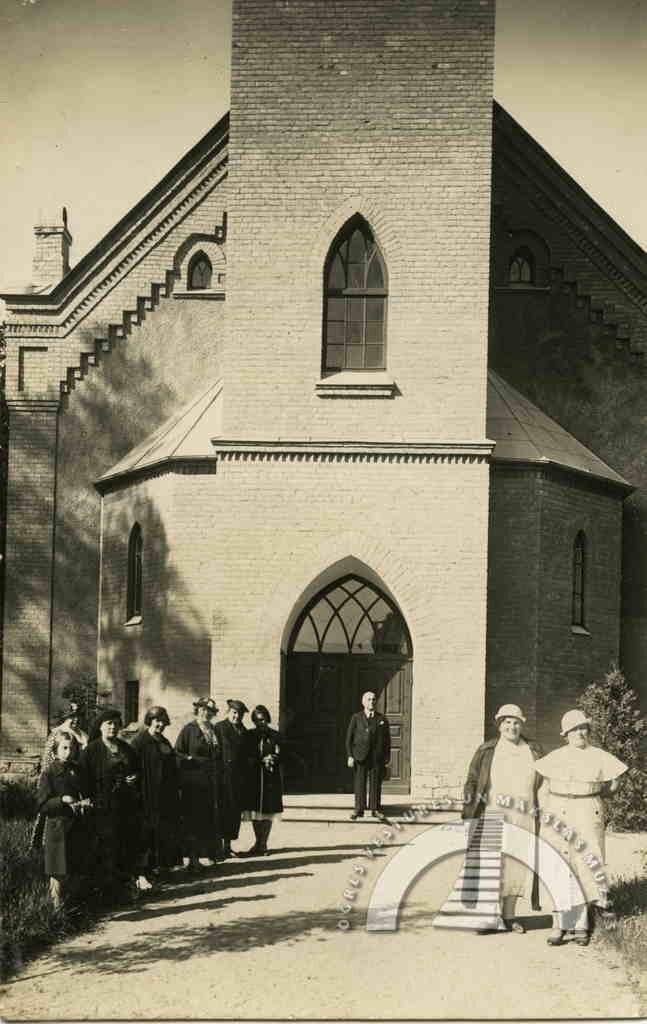
In 1927, the Ogre Summer Resort District Congregation was founded. After Ogre was granted town rights, it became known as the Ogre Town Congregation. The elected congregation committee carried out preparatory work for the construction of a new church. The foundation stone was laid in 1928, and the church was consecrated on August 31, 1930. The architect was Haralds Kundziņš. Construction cost approximately 45,000 lats. The church has 422 seats, including 50 in the organ loft, and around 100 standing places.
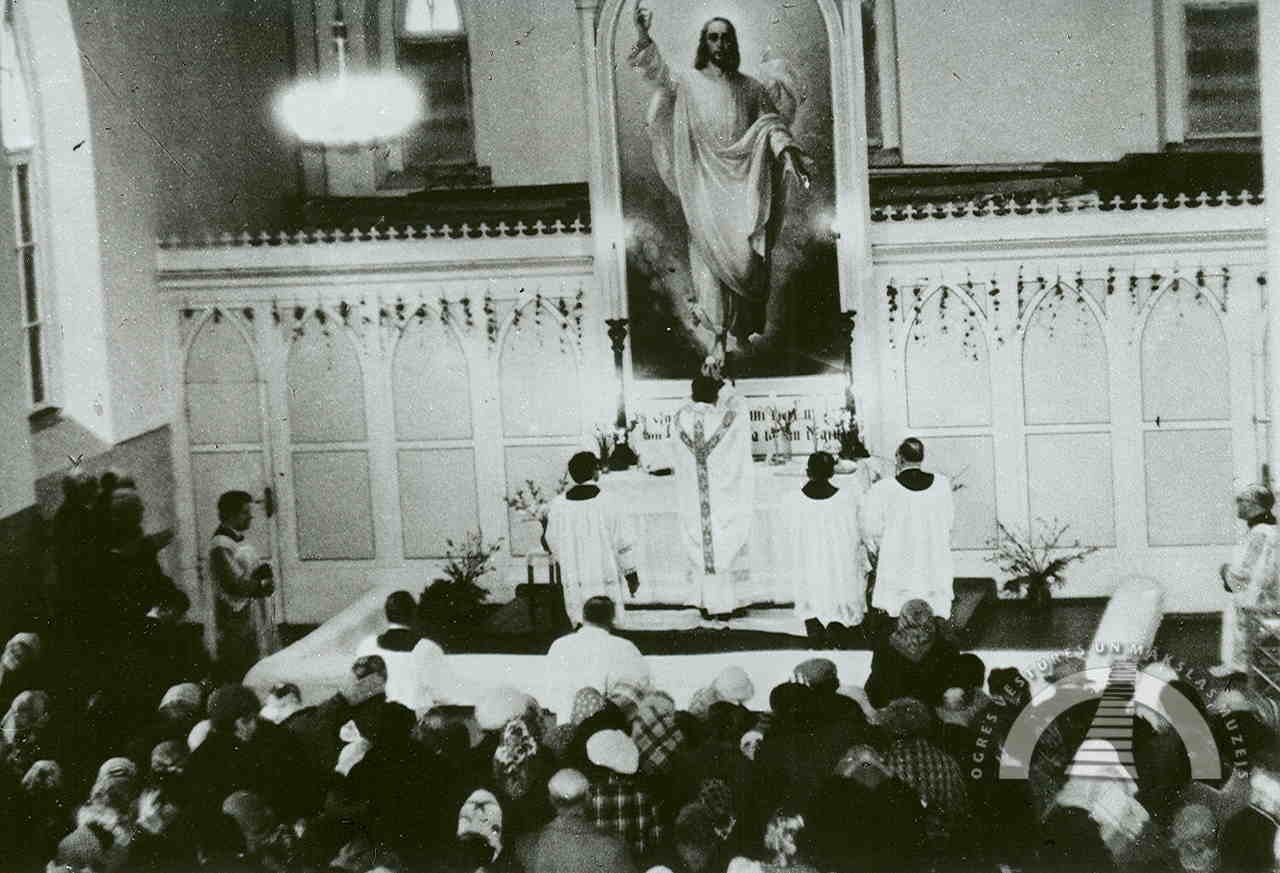
The church bell bears the inscription: “I call the living, I mourn the dead. For Ogre Town Church at Christmas.” It was cast at Švenns’ bell foundry in Riga. The church’s altarpiece, based on Kārlis Hūns’ work The Second Coming of Christ, was created by artist Šēnbergs and is an art monument of local significance. The organ was installed in 1940.
During World War II, shrapnel caused minor damage to the church’s exterior wall, but overall the building remained intact. As a result of Soviet occupation and repression, the number of congregation members decreased from 450 to 50, and Pastor Arturs Krauklis was deported to Siberia. Catholic and Baptist congregations also began holding services in the church, helping to cover the heavy annual tax burden of 800 roubles.
In the 1960s, new industrial enterprises were established in Ogre, attracting people from other regions of Latvia, such as Latgale, and from other parts of the Soviet Union. As a result, the number of members of various congregations increased.
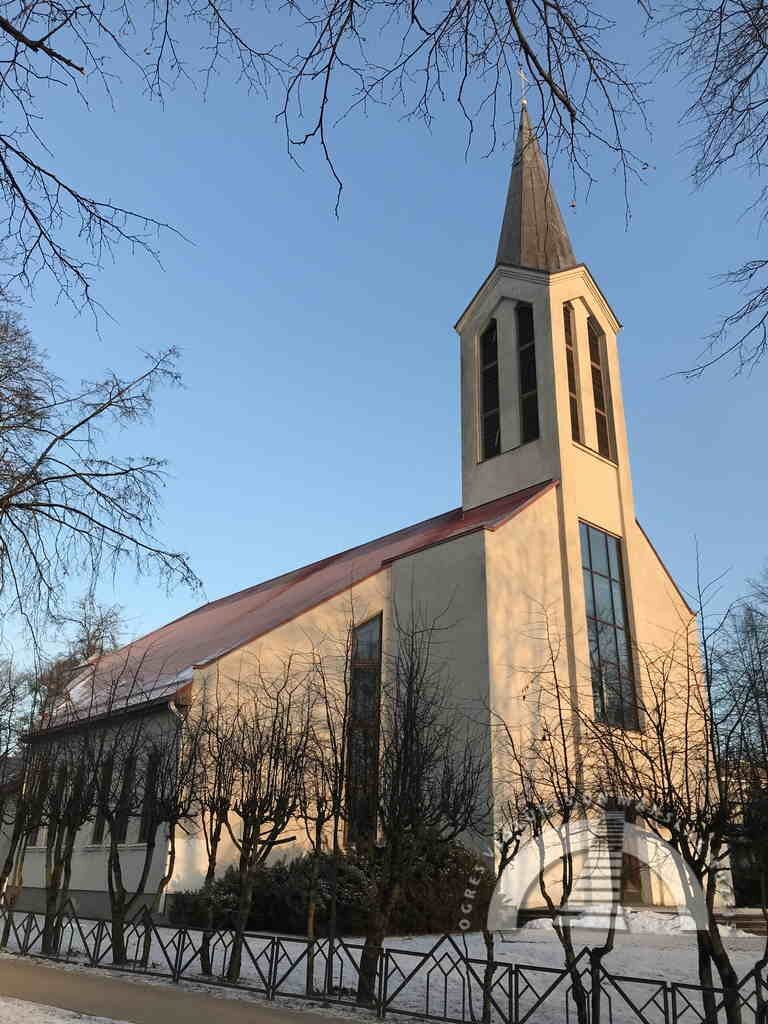
The Catholic congregation in Ogre has existed since 1935, when services were held on the second floor of the police building. On April 22, 1979, Provost Antons Mičulītis overcame numerous obstacles to re-establish the Catholic congregation in Ogre. Until the 1990s, it operated in the Lutheran church, assisting not only with tax payments but also with practical maintenance and improvement work. The Roman Catholic Church at the corner of Upes and Meža Prospekts was built and consecrated in 1997. Its central altar, made of mahogany, is a donation from the congregation of St Mary Magdalene Church. Crafted in 1901, it is a cultural monument of national significance.
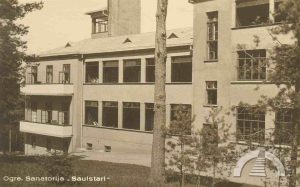
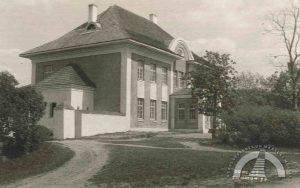
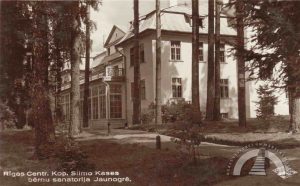
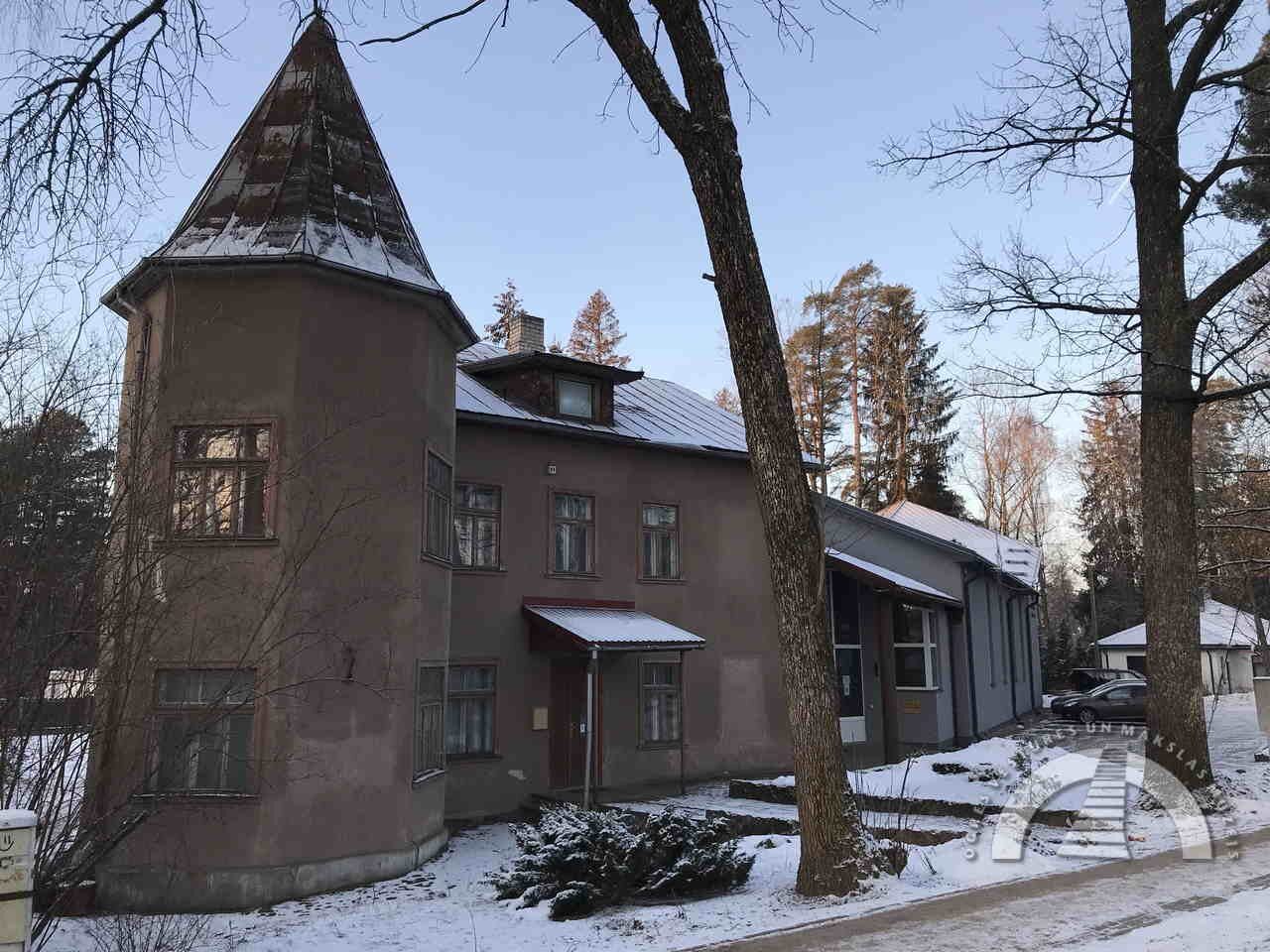
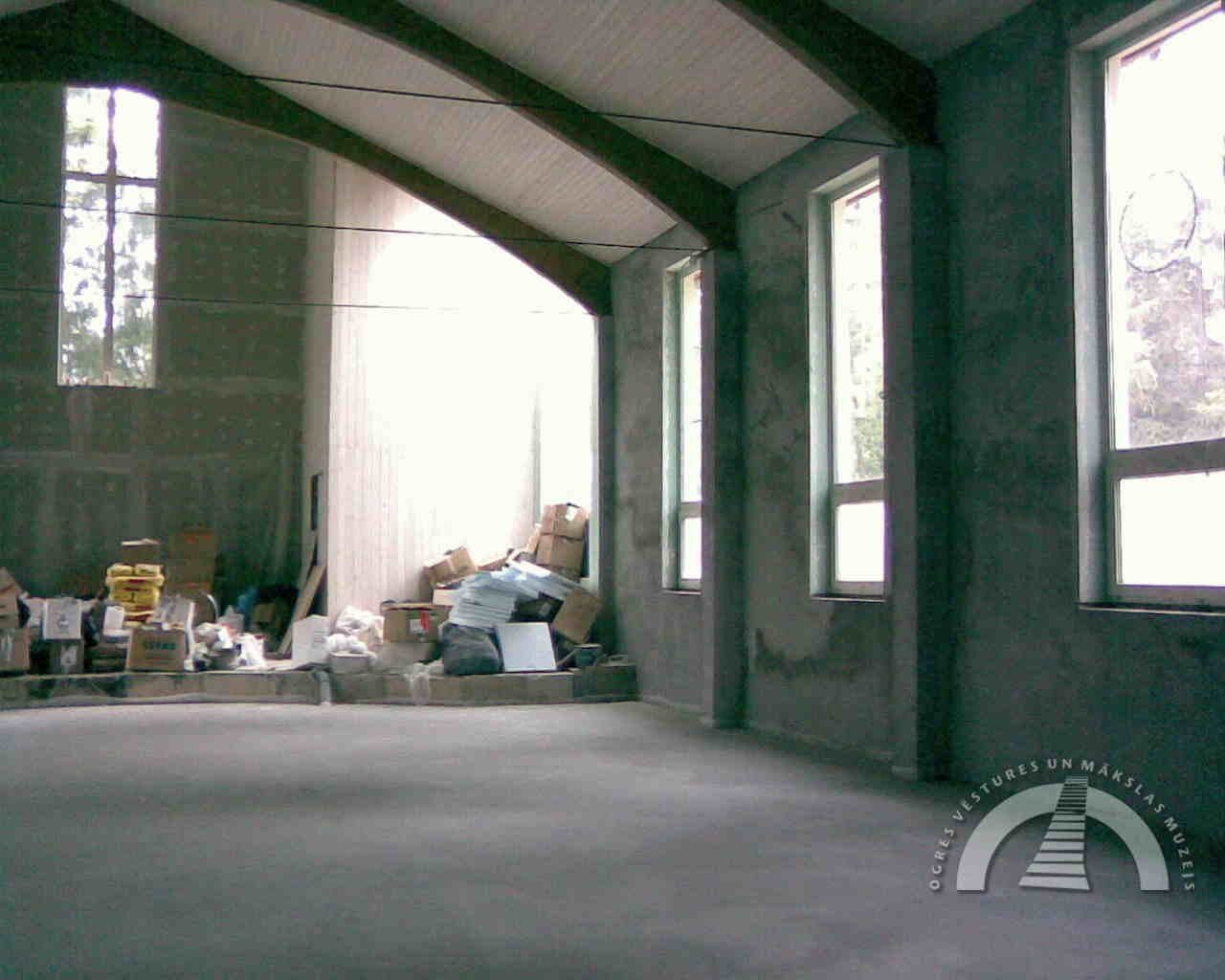
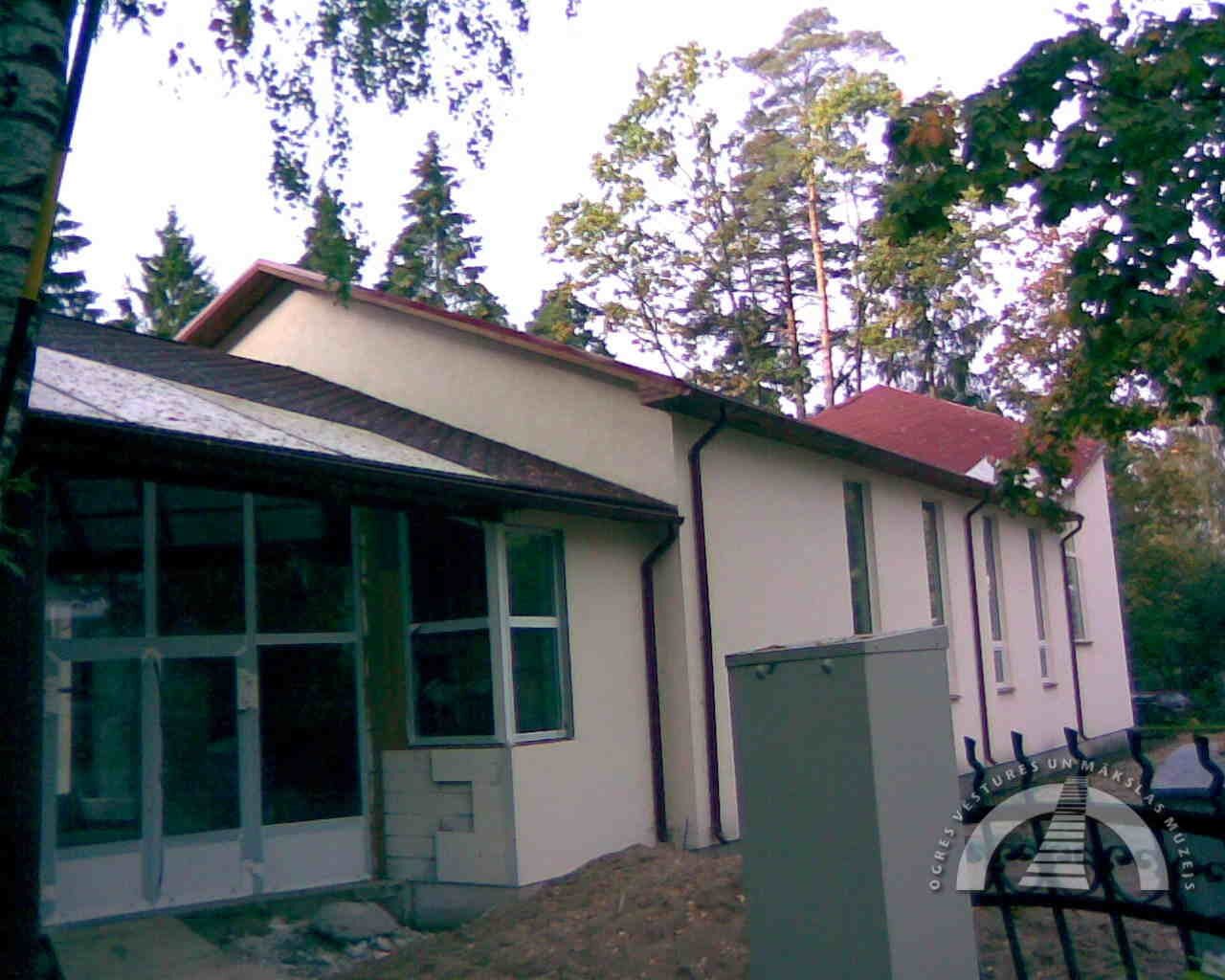
The Baptist Daugmale parish began operating in Ogre in the 1970s and, like the Catholic parish, rented space in the Lutheran church. In the 1990s, the congregation acquired two pre-war summer houses – at Vidus Prospekts 12 (in 1993) and Vidus Prospekts 15 (in 1996). The latter building had previously been used by the “Ogre” sanatorium, where its administration and classrooms were located and where residents received schooling. As the congregation grew, larger premises were needed, and in 2002 construction began on a separate building next to the former sanatorium. The new house of worship opened in 2010.
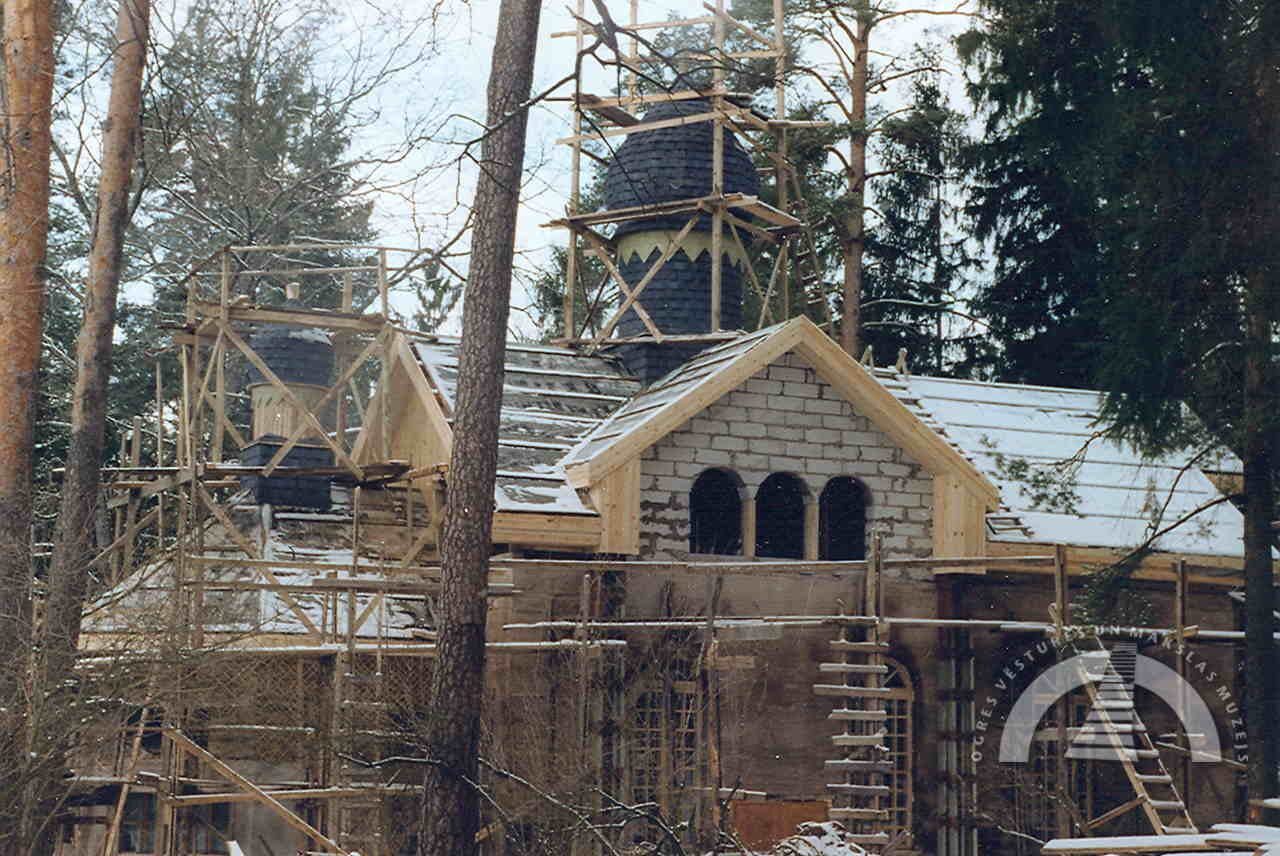
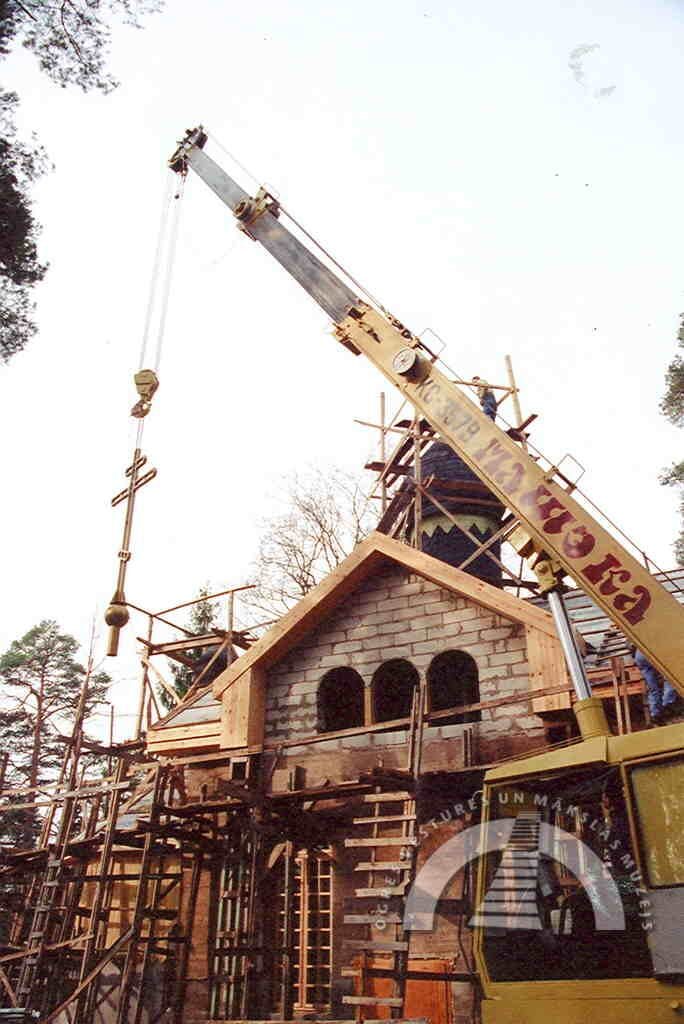
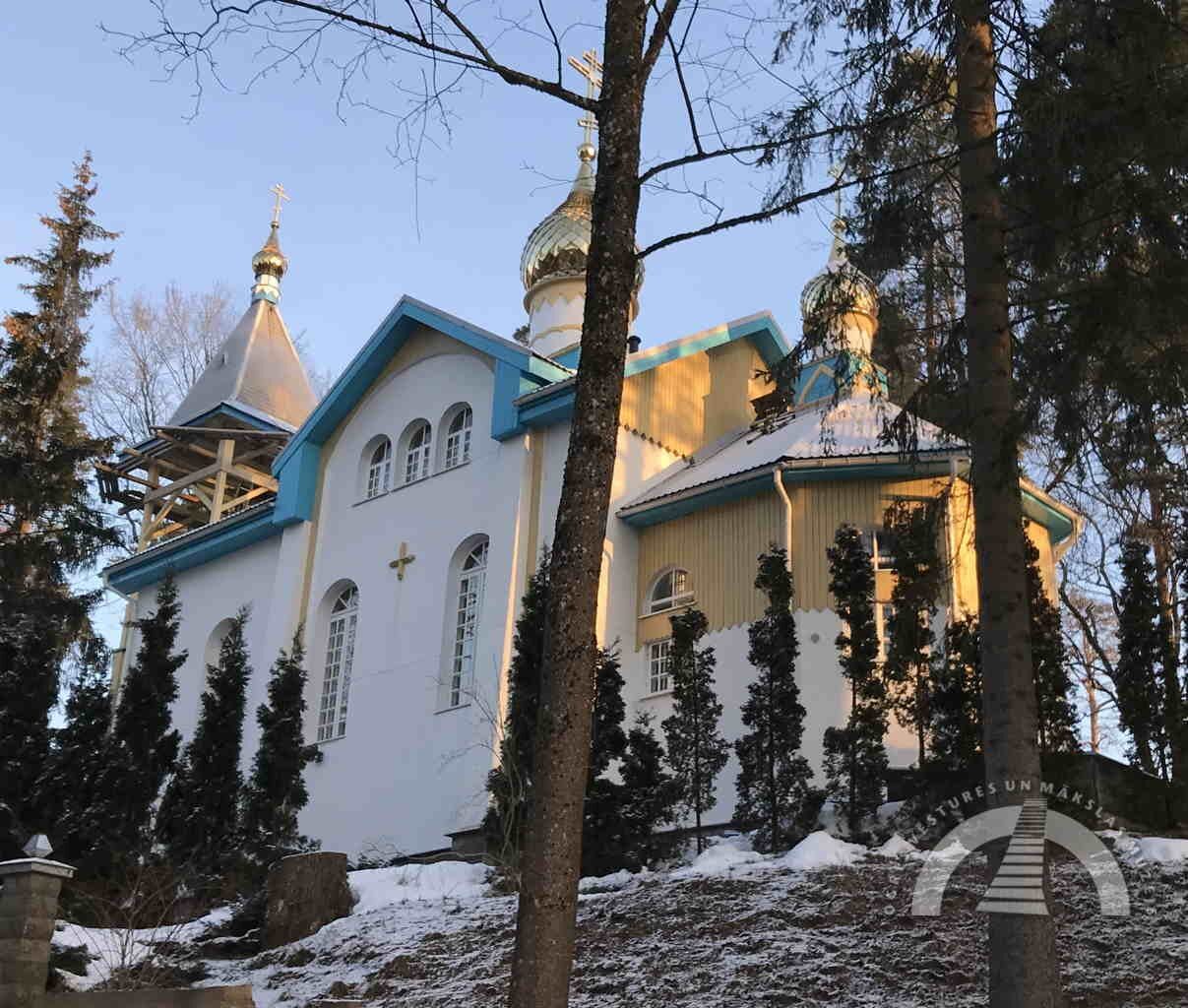
Near the Lutheran church at Krasta Street 15 stands the Orthodox Church of St Nicholas the Wonderworker. The Orthodox congregation in Ogre was registered in 1992. The building used for services had originally been a 1930s summer house, extensively renovated over time and owned by several different proprietors. With the support of the parish and the Synod of the Latvian Orthodox Church, it was completely rebuilt into the present church. St Nicholas the Wonderworker Church was consecrated in 2001.
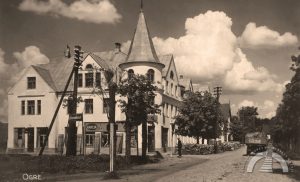
Two of Ogre’s churches were built on the sites of former summer houses, while Ogre’s first church, unlike in many other towns, is not located in the city centre. The unusual locations of the churches and the stories of their construction reflect Ogre’s history as a resort town.
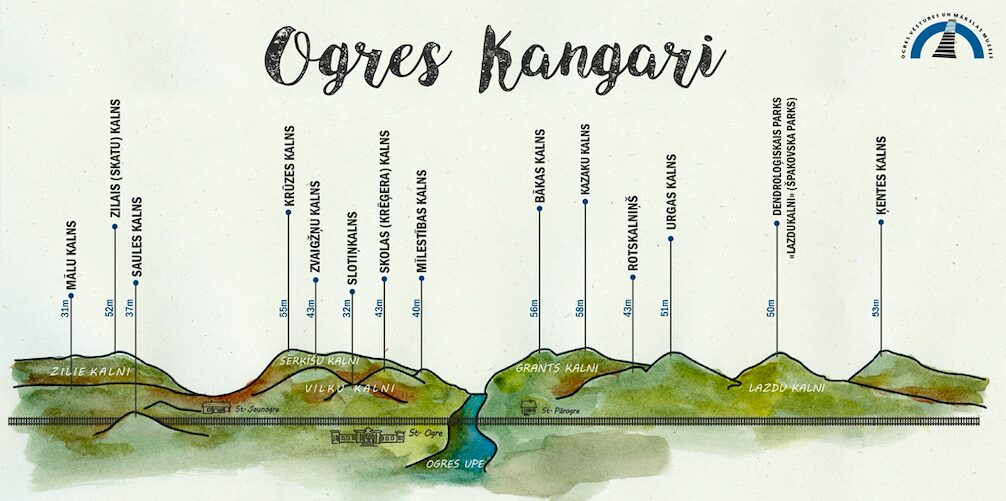
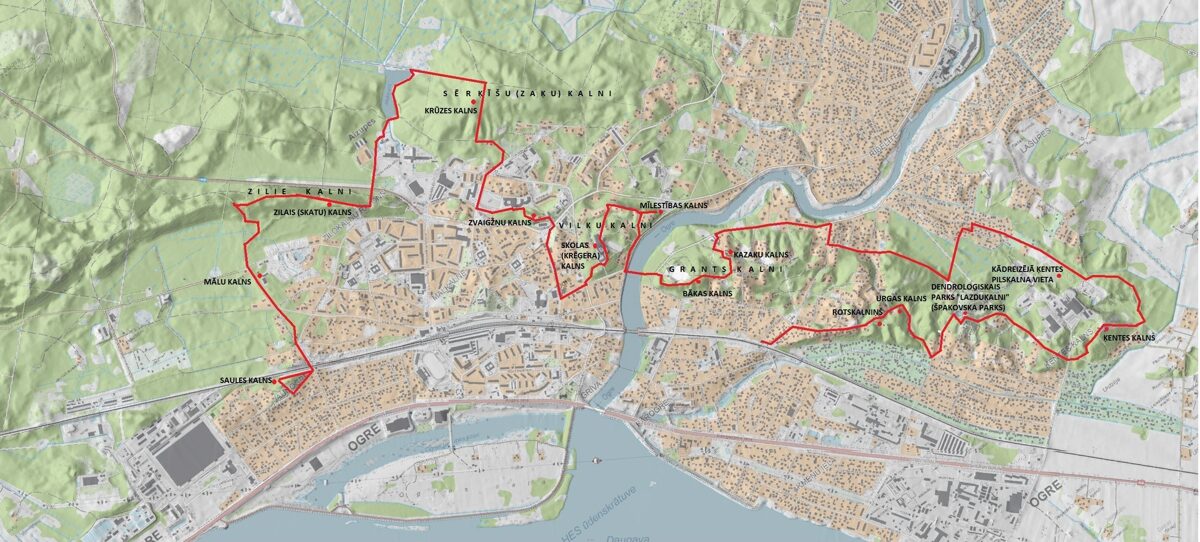
“OGRE KANGARI” HIKING TRAIL
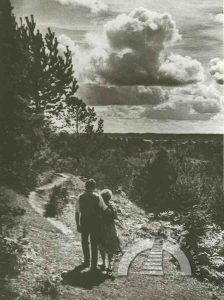
We invite you to explore the hiking trail to better discover the hills of Ogre. View the photo gallery and read the story on the museum's website or Facebook page. By looking at historical images, you can compare how the city has changed over time. We have marked the route in the "BalticMaps" map browser. The “GPX” file is convenient to use with the LVM GEO mobile app. The total length of the hiking trail marked on the map is 14 kilometers (7 kilometers in Pārogre and 7 kilometers in Ogre center and Jaunogre). The hiking trail winds through both the urban part of the city (with asphalt, cobblestone, and gravel surfaces) and green areas (park paths and pedestrian-trodden forest trails without special amenities).