
Ogre Photo Club – 50th Anniversary Exhibition “(TRANS)FORMATIONS”
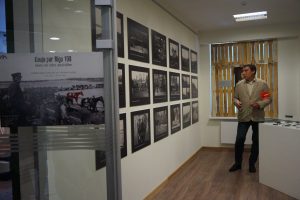
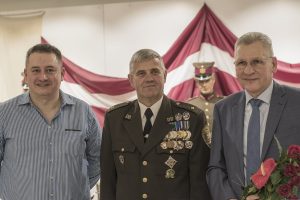
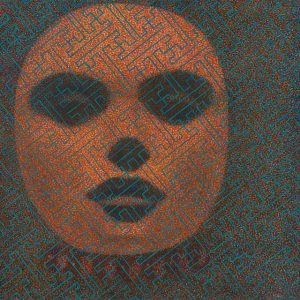
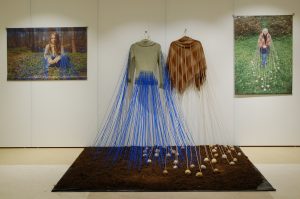
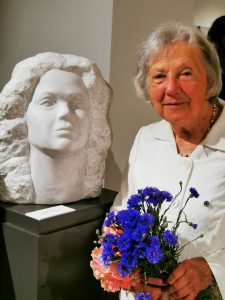
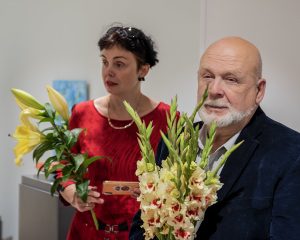
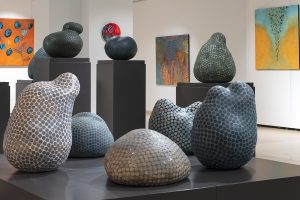
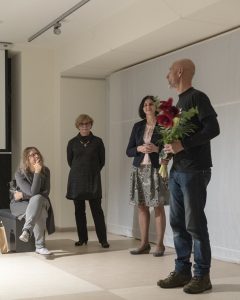
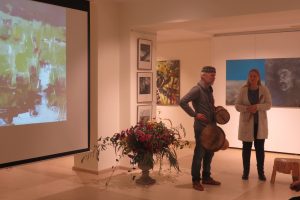
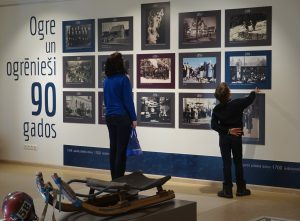
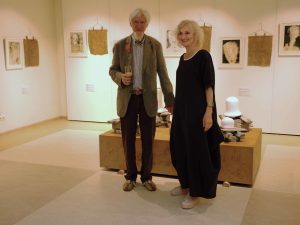
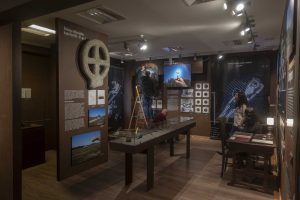
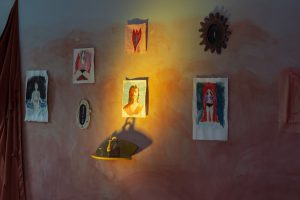
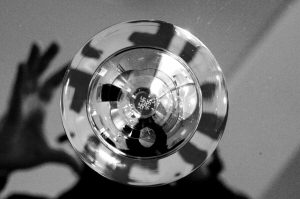
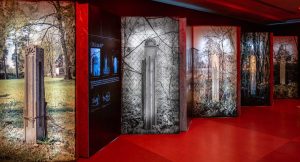
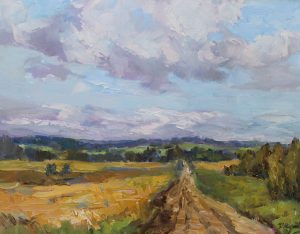
On October 26, 2019, the photography exhibition “(TRANS)FORMATIONS” opened at the Ogre History and Art Museum to mark the 50th anniversary of the Ogre Photo Club. It showcased the works and achievements of its leaders – professional and nationally recognised photographers – as well as club members, featuring photographs from campaigns and plein airs over […]
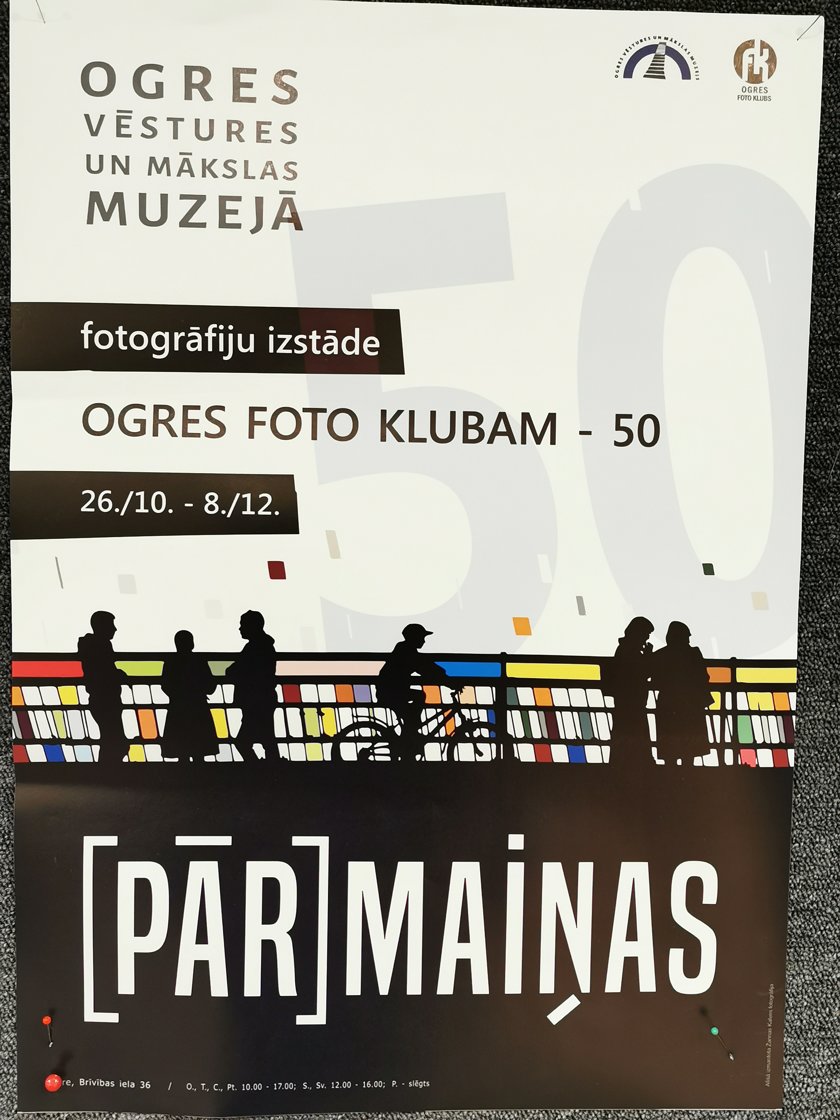
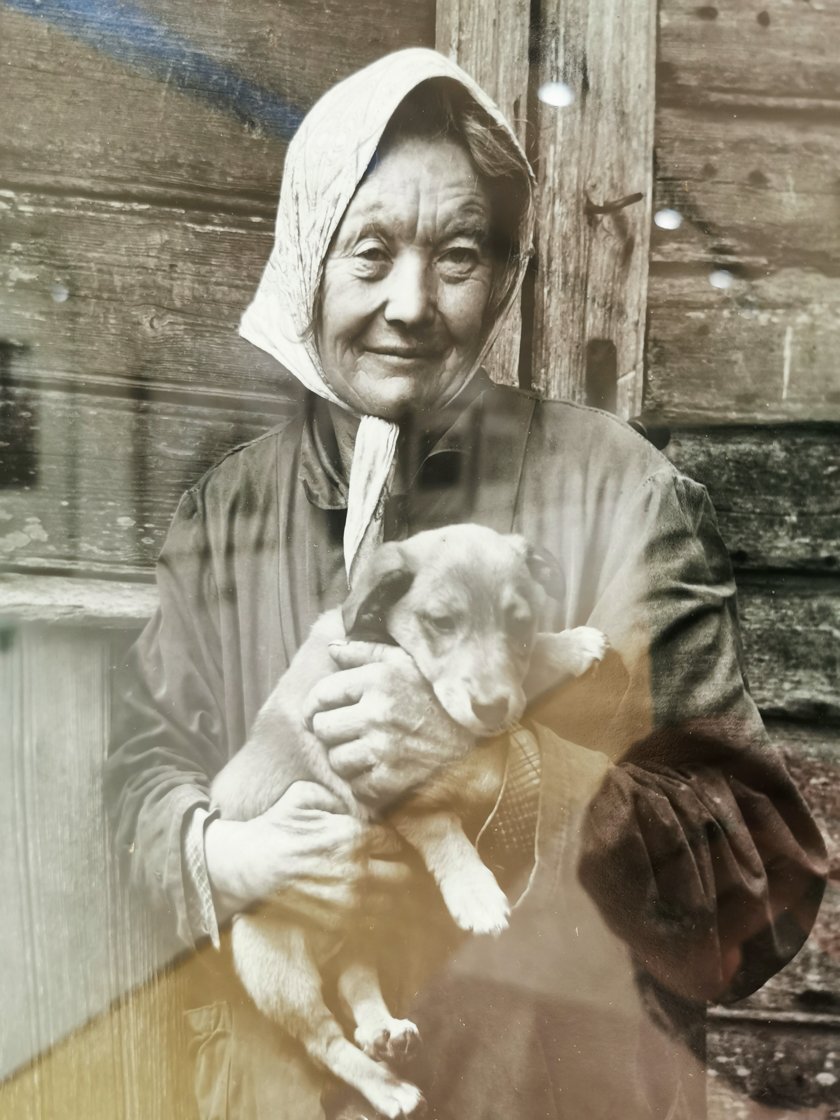
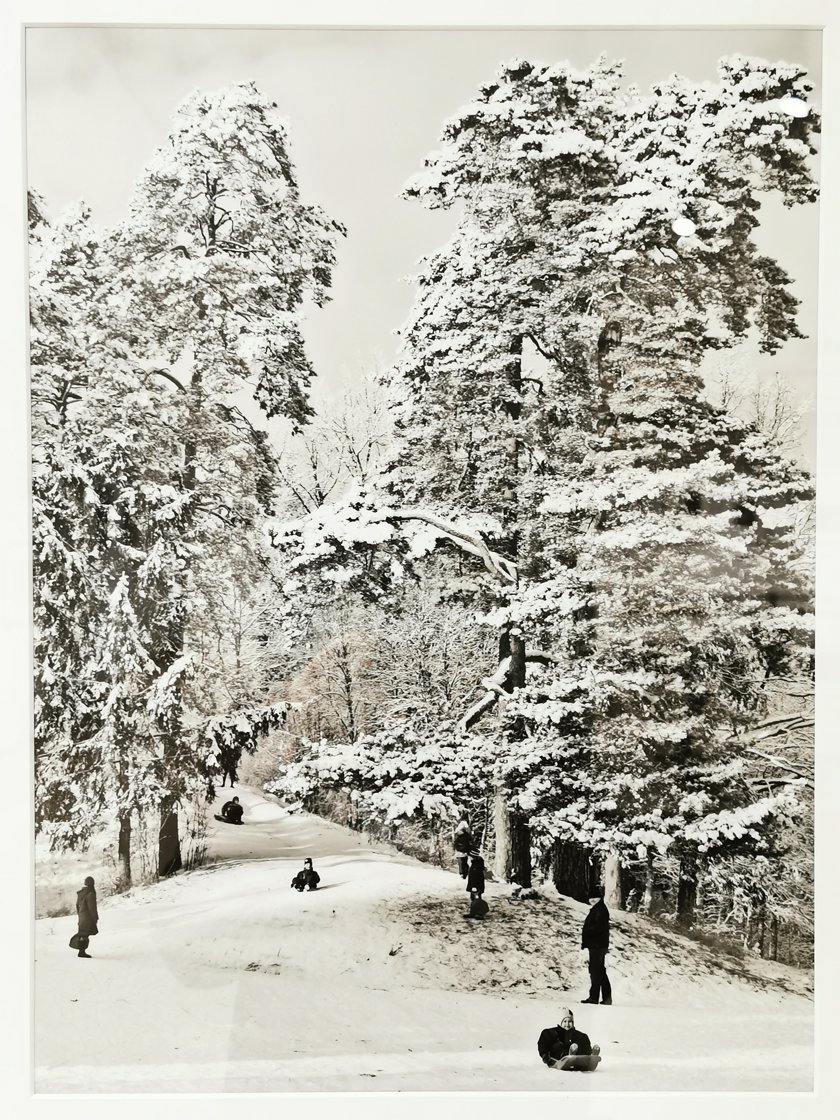
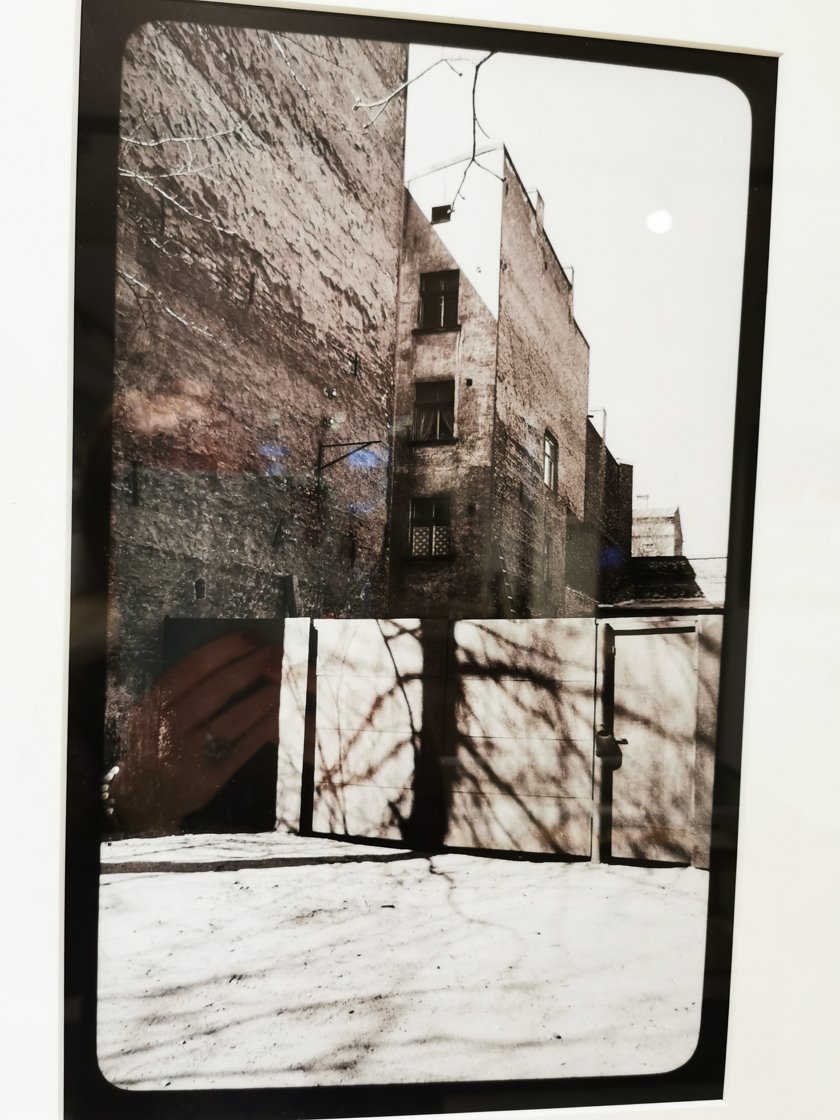
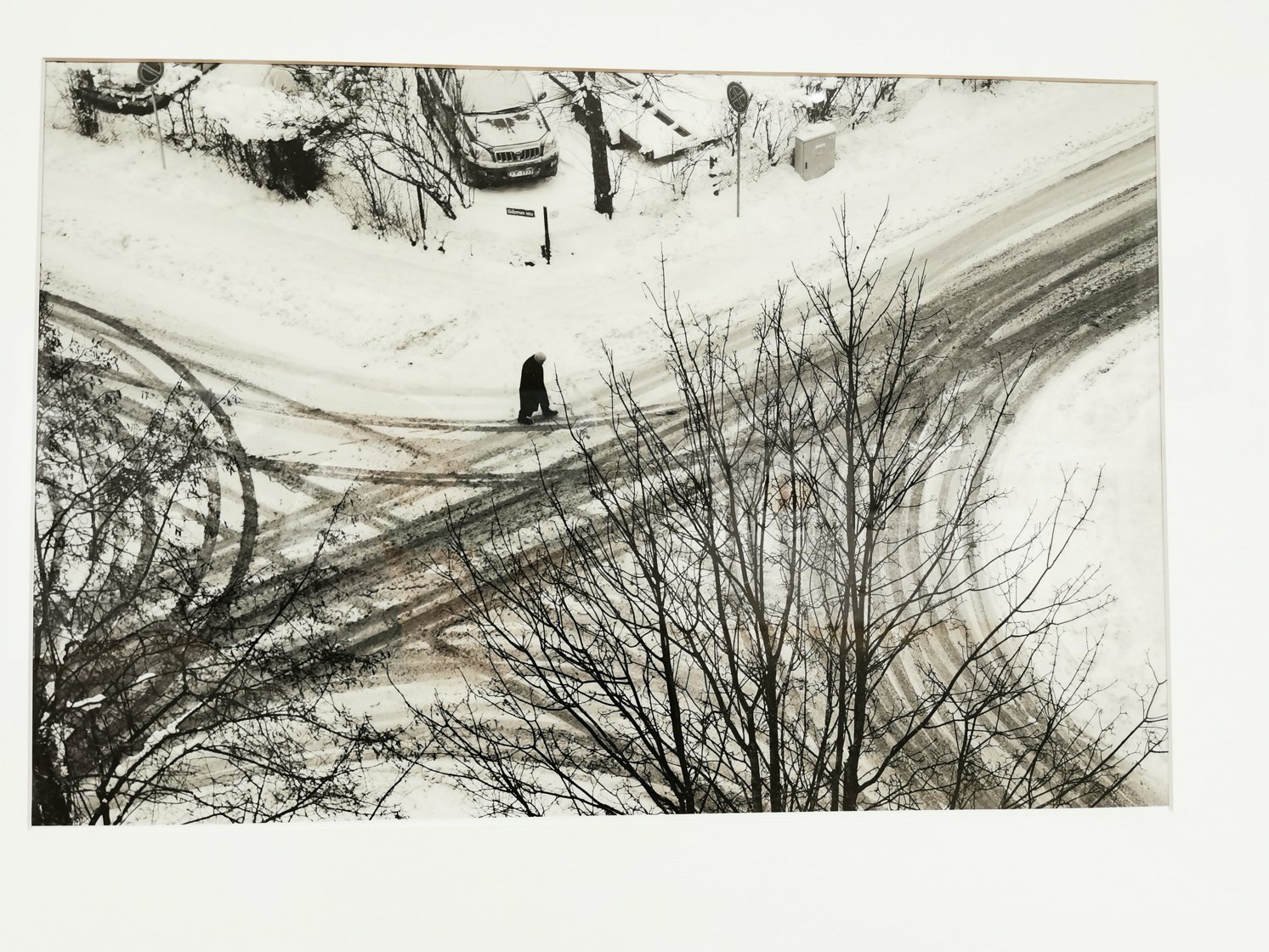
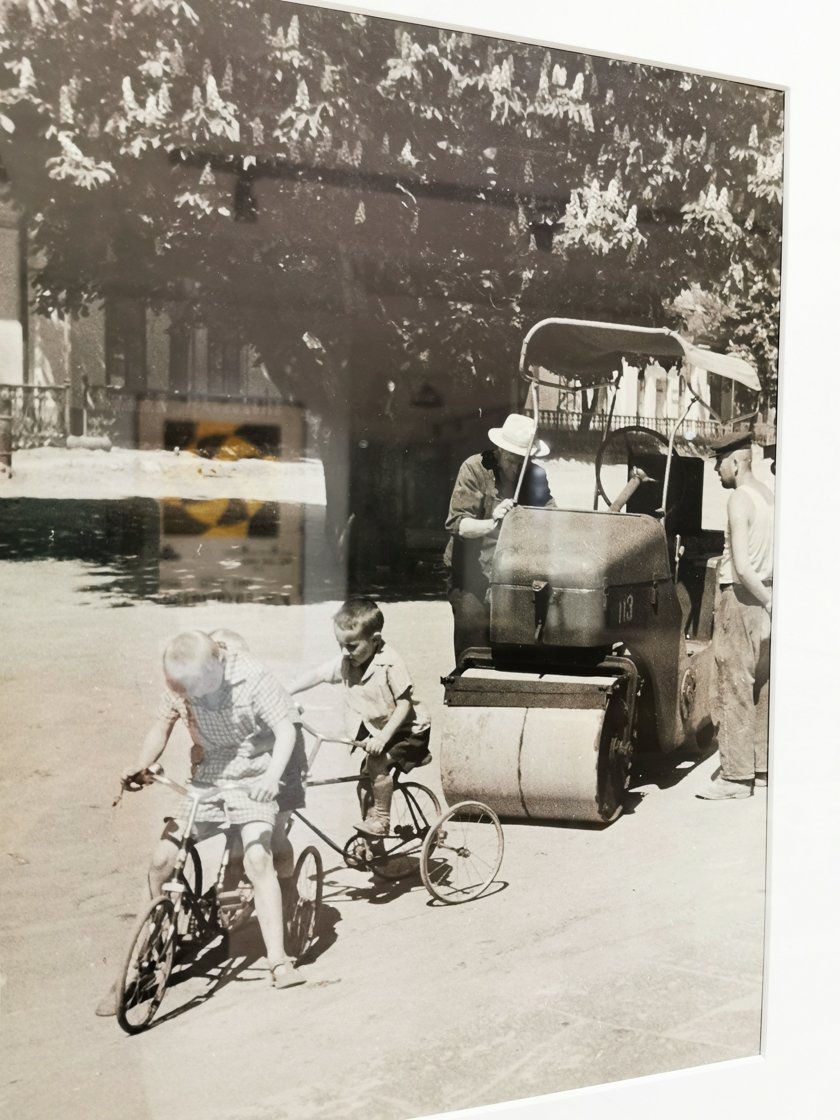
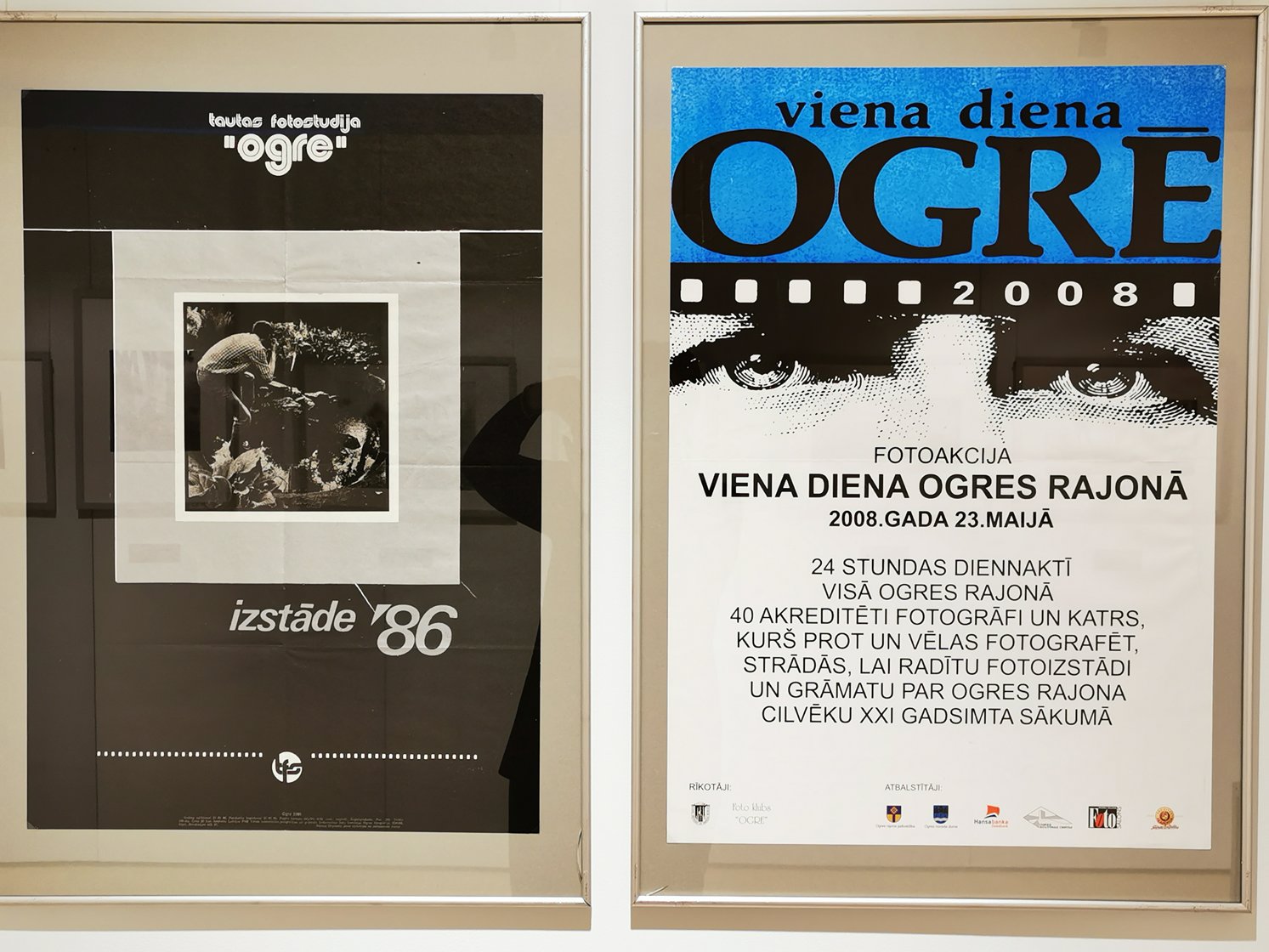
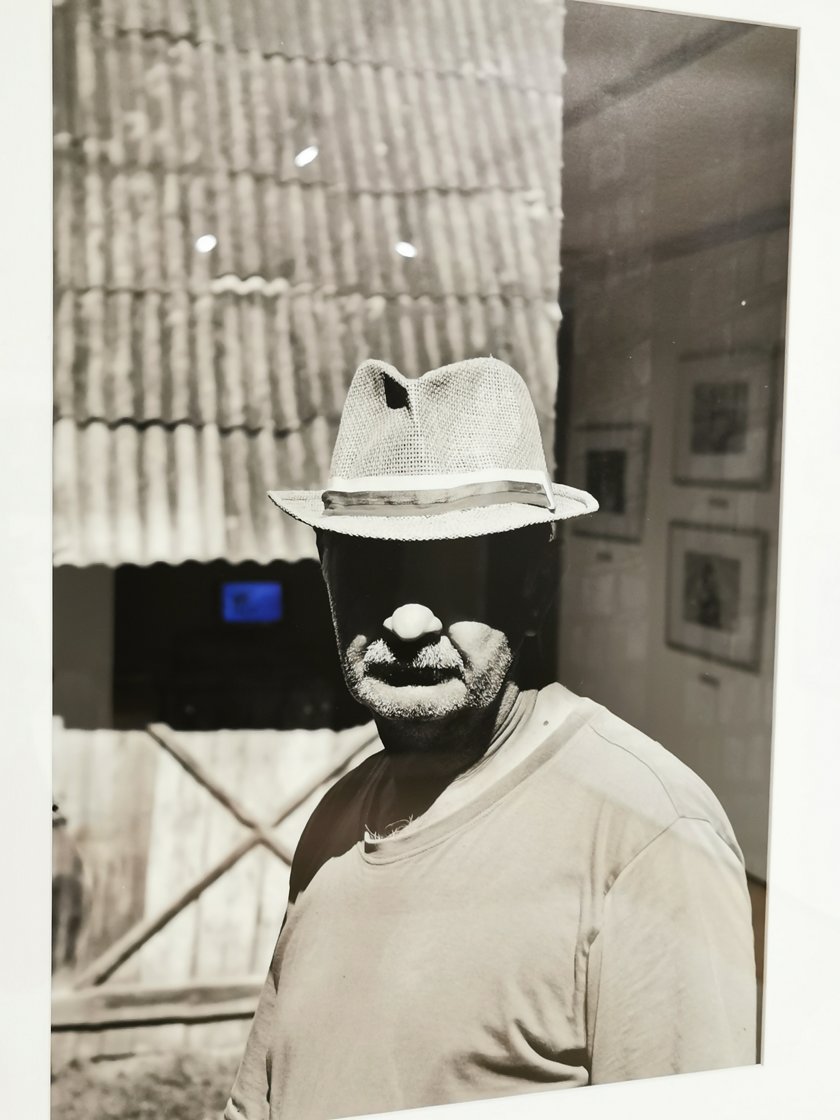
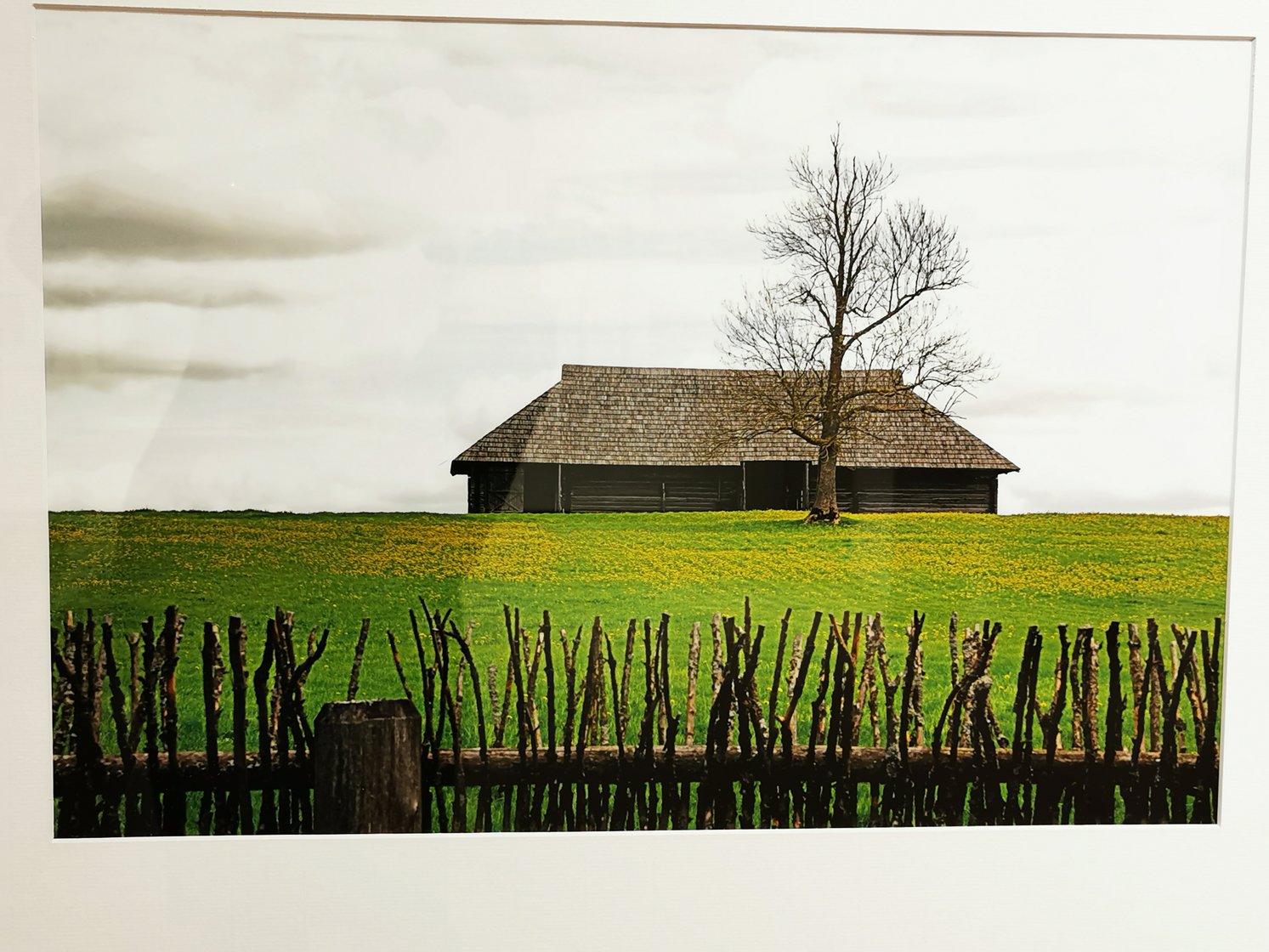
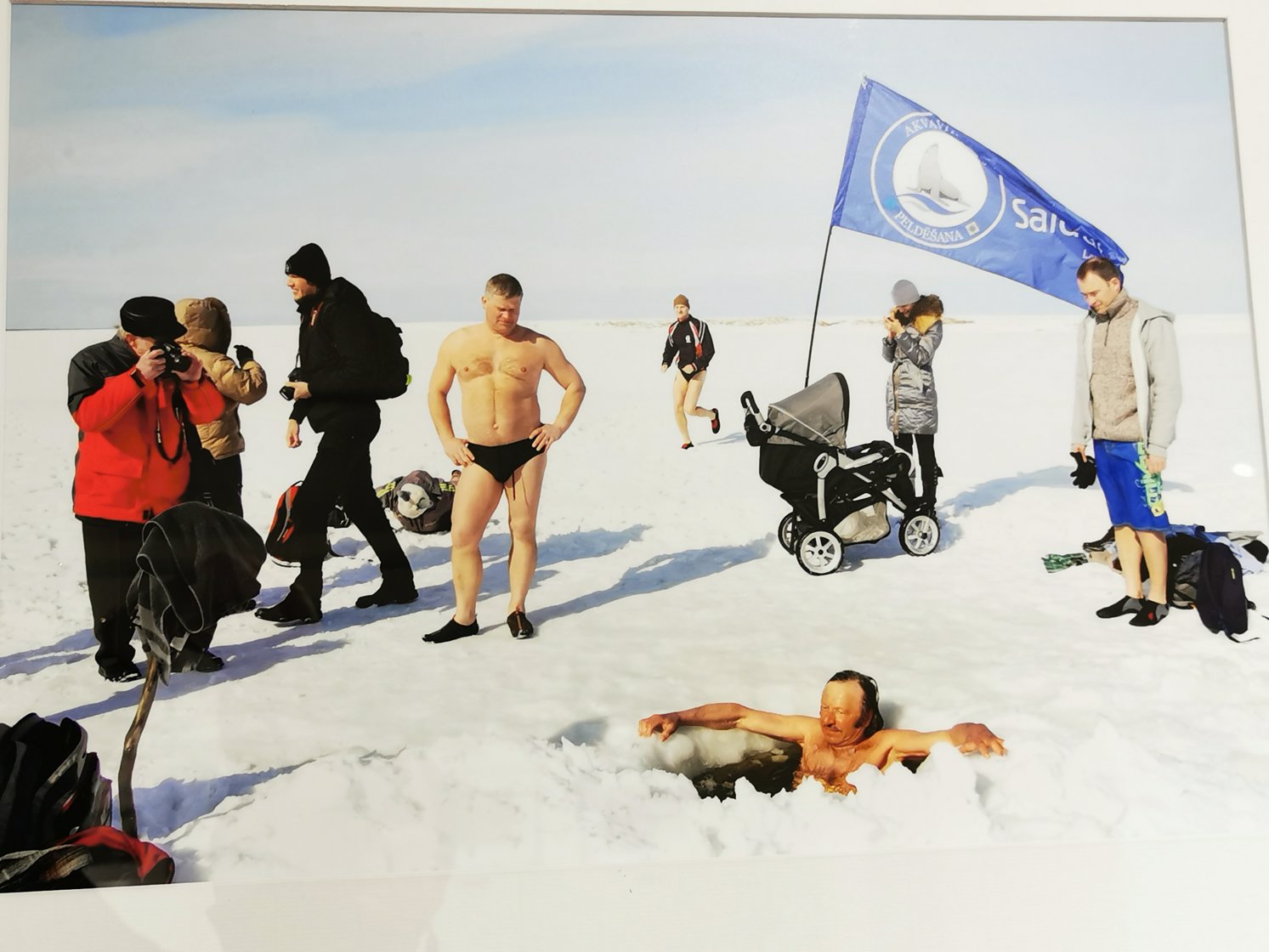
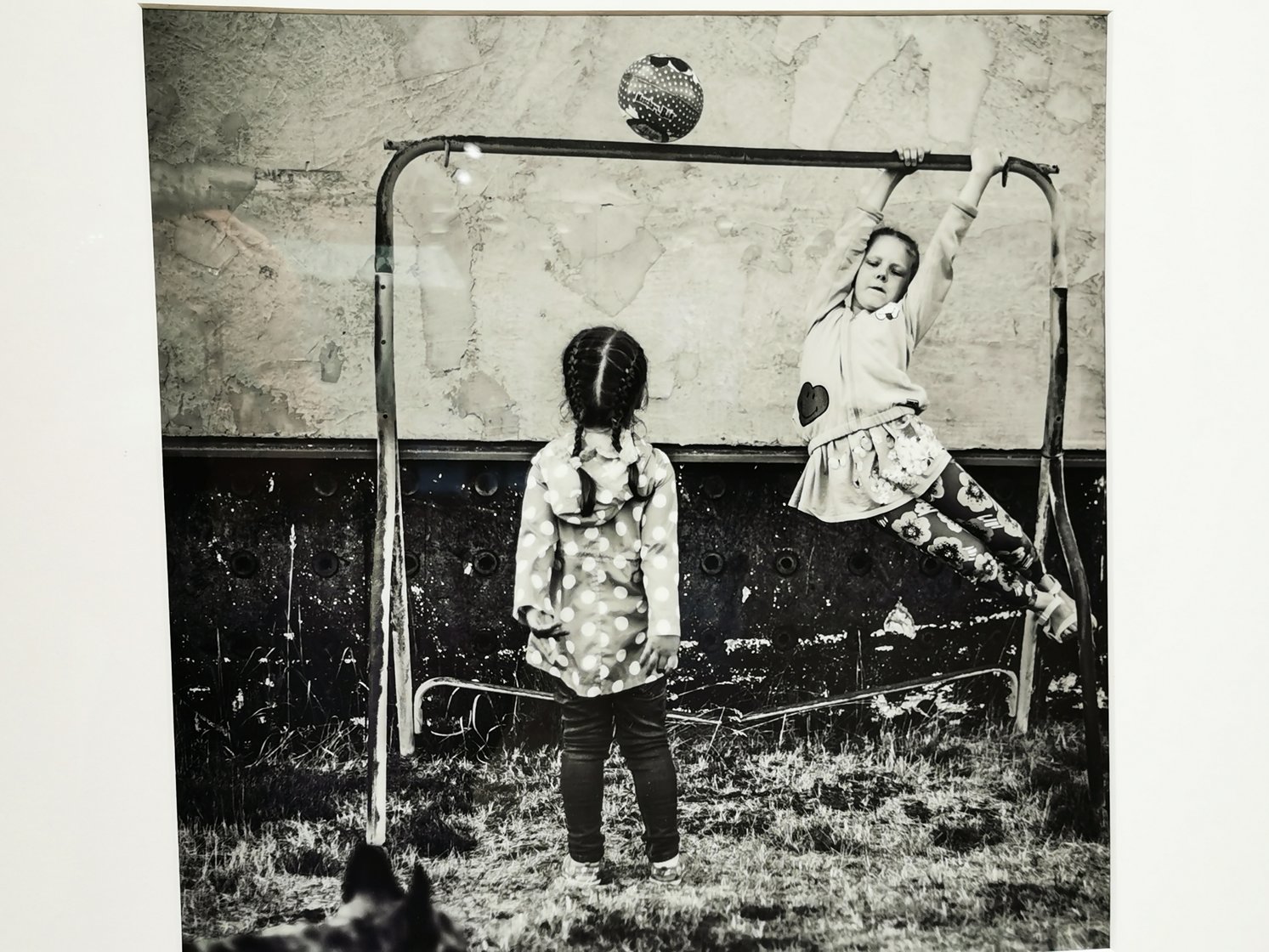

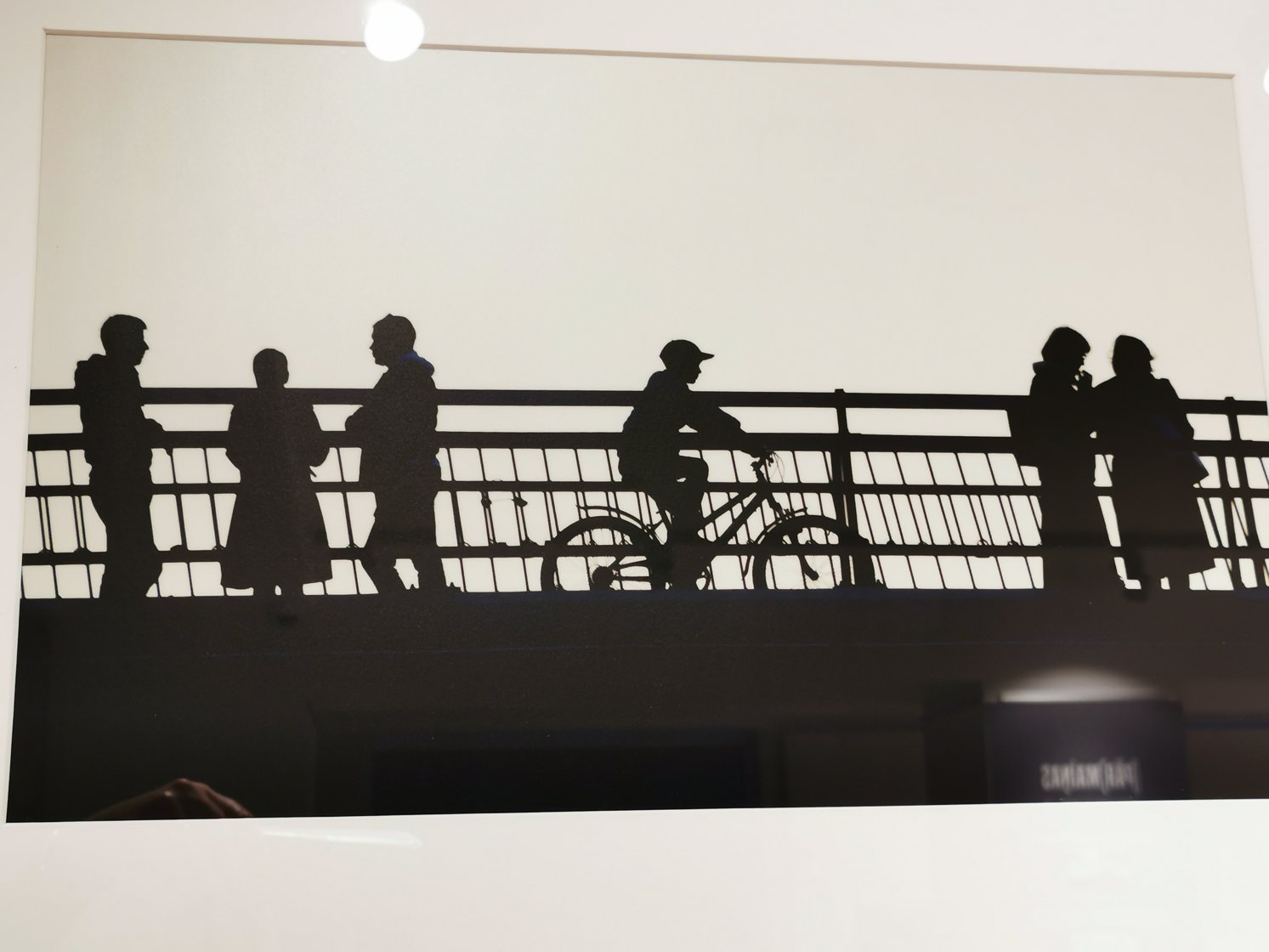

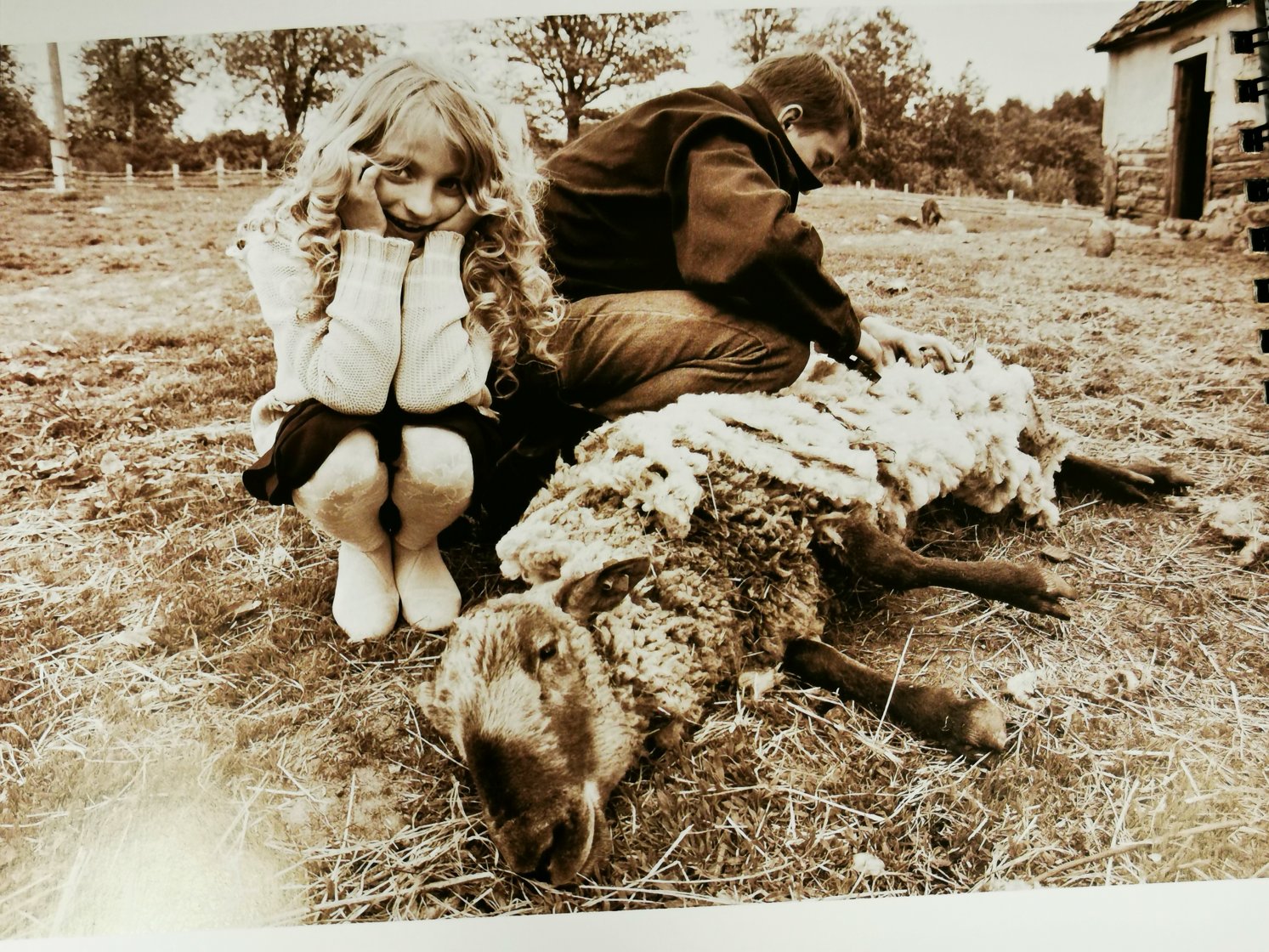
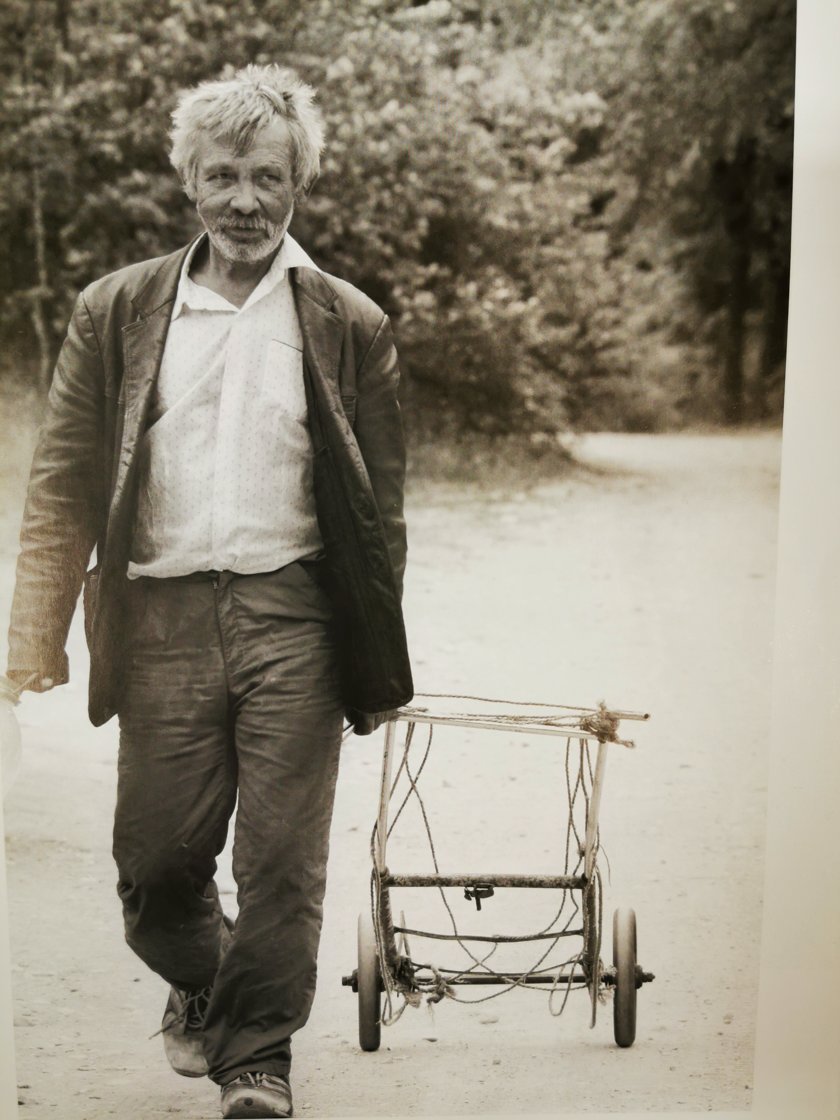
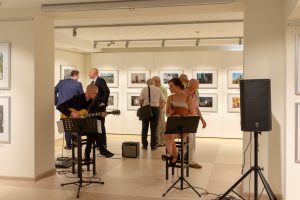
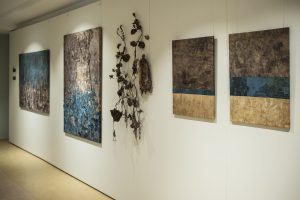
On October 26, 2019, the photography exhibition “(TRANS)FORMATIONS” opened at the Ogre History and Art Museum to mark the 50th anniversary of the Ogre Photo Club. It showcased the works and achievements of its leaders – professional and nationally recognised photographers – as well as club members, featuring photographs from campaigns and plein airs over the past ten years.
The origins of the Ogre Photo Club date back to 1969, when creative competitions between Latvian cities were broadcast on television. That year, viewers judged the works of Ogre photographers to be superior to those from Kuldīga. After the competition, the participants continued to meet and eventually formed an association of photographers.
The Photo Club’s core values have always centred on improving technical skills and broadening artistic knowledge and horizons, often achieved by inviting photographers, artists and art historians to speak at the club. These values were consistently upheld by its leaders: Ziedonis Krūmiņš (1969–1974), Aleksandrs Zobens (1974–1975), Egons Spuris (1975–1990), Vitauts Mihalovskis (1990–1999 and 2008–2018), and Raimo Lielbriedis (1999–2008).
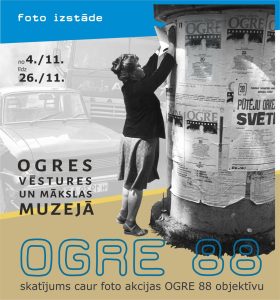
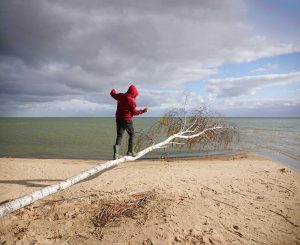
Beyond photography itself, an important aspect of the club’s daily life is its environment – the exchange of ideas, the sharing of experiences, and creative dialogue. Regular member critiques, anonymous photography competitions, photo plein airs, and campaigns such as “One Day in Ogre” (held in 1989, 2009 and 2018) have formed part of its activities. Over a ten-year period (2008–2018), the club participated in summer plein airs throughout the Ogre region, documenting local residents, landscapes, notable sites and everyday scenes.
The Ogre Photo Club holds significance not only in Ogre but also within the broader context of Latvian art history. Half of the photographers whose works are currently included in the permanent exhibition of the Latvian National Museum of Art were once active members of the club – Egons Spuris, Inta Ruka and Andrejs Grants. The works of Ruka and Grants are considered cornerstones of contemporary Latvian photography.
The achievements and legacy of the Ogre Photo Club over its 50 years could be explored in this exhibition at the Ogre Museum.