
Ogre and its People over 90 Years
As late as 1920, Ogre was a village with only 600 inhabitants. However, following the law passed on February 11, 1928, Ogre – along with 15 other Latvian towns – was granted city rights. In the newspaper Ogres Straume, the newly elected mayor, Jūlijs Marsons, outlined the council’s vision: to transform this quiet corner, blessed […]
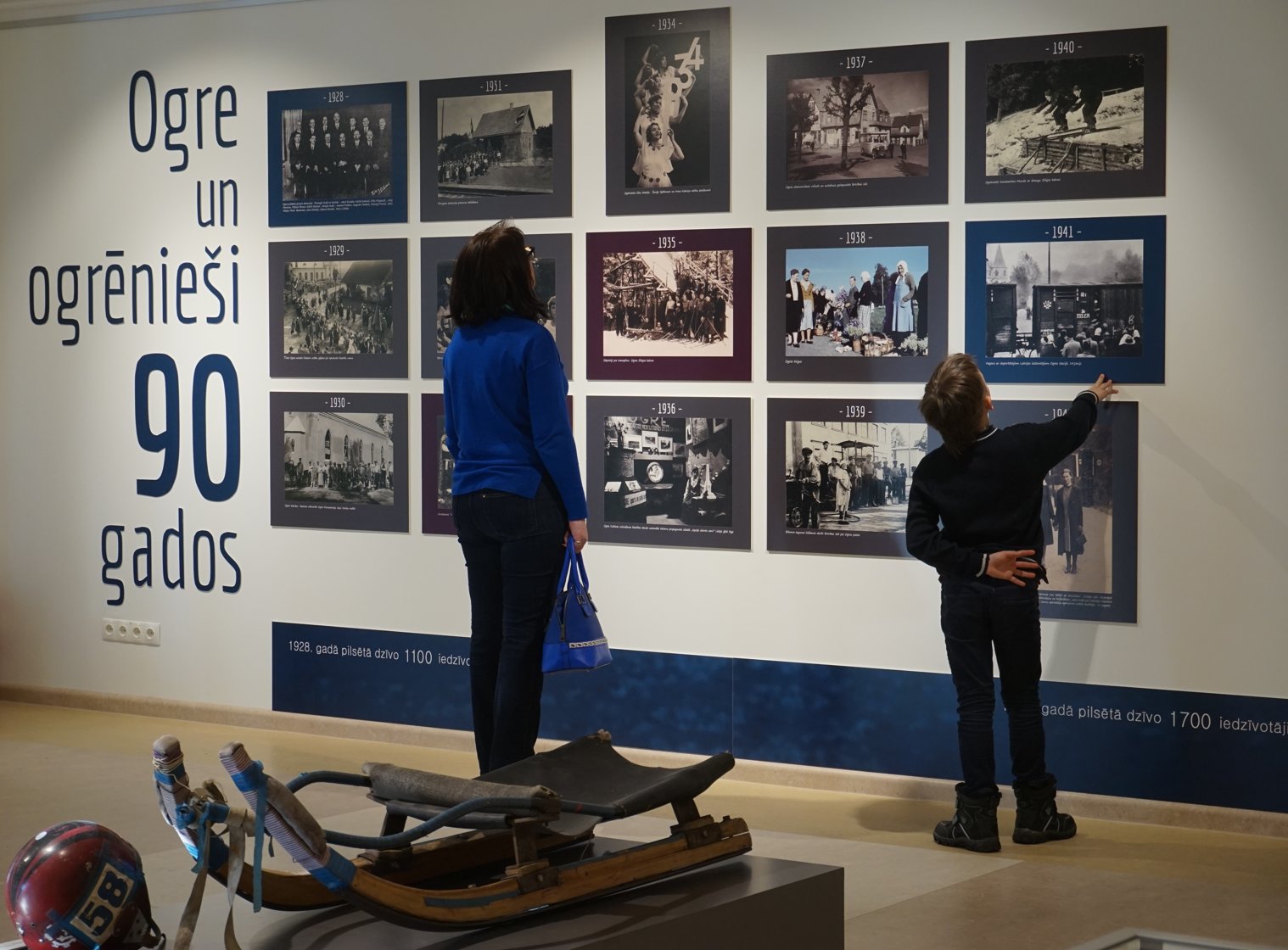
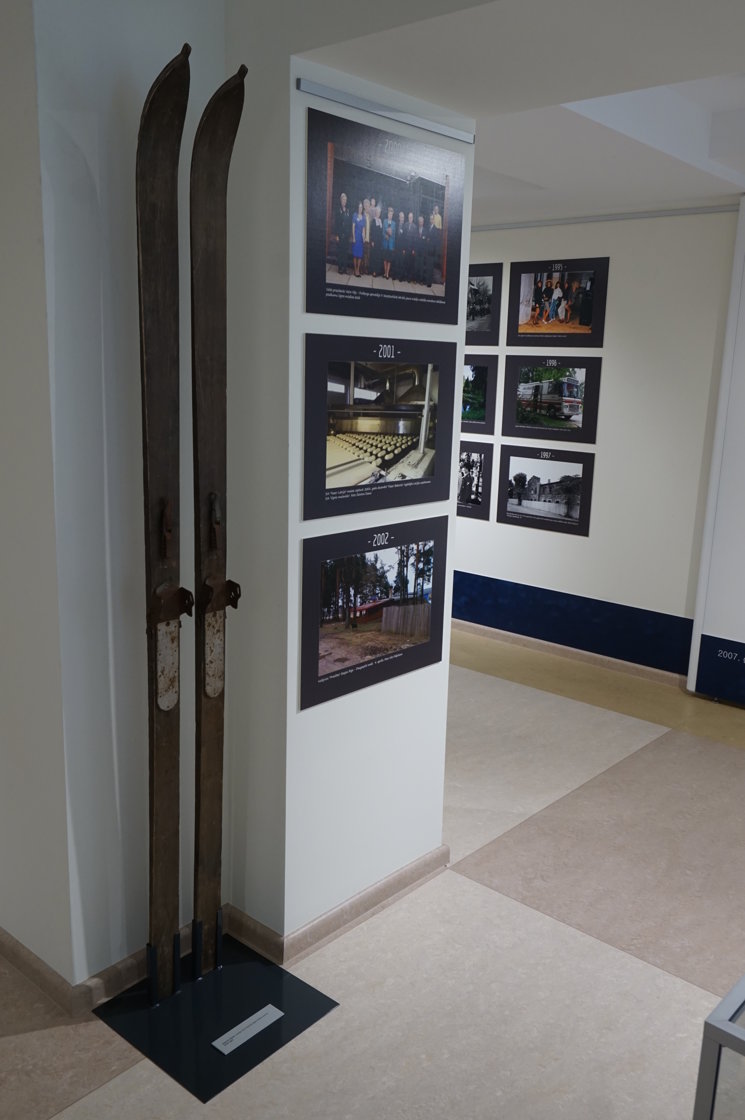
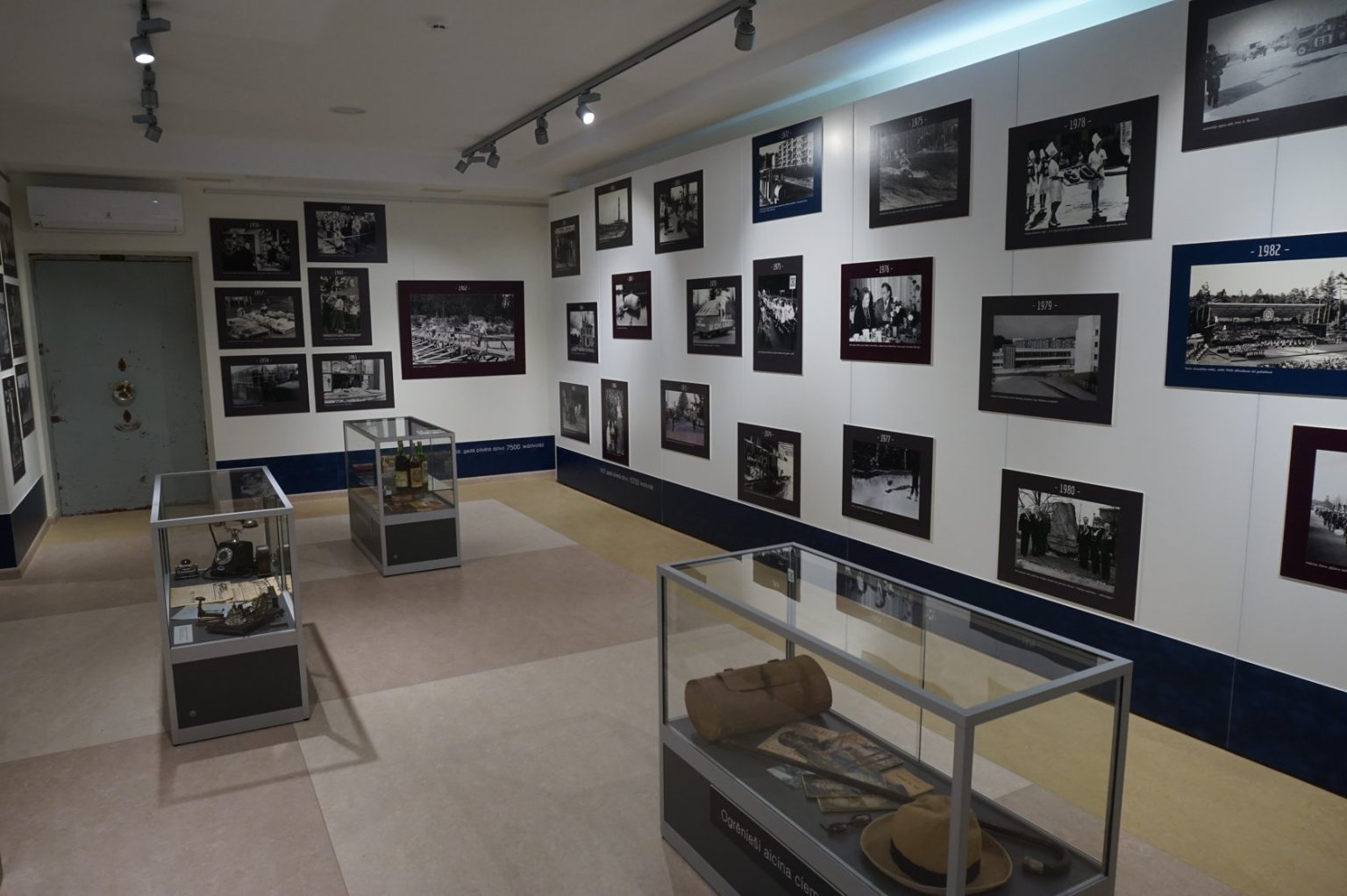
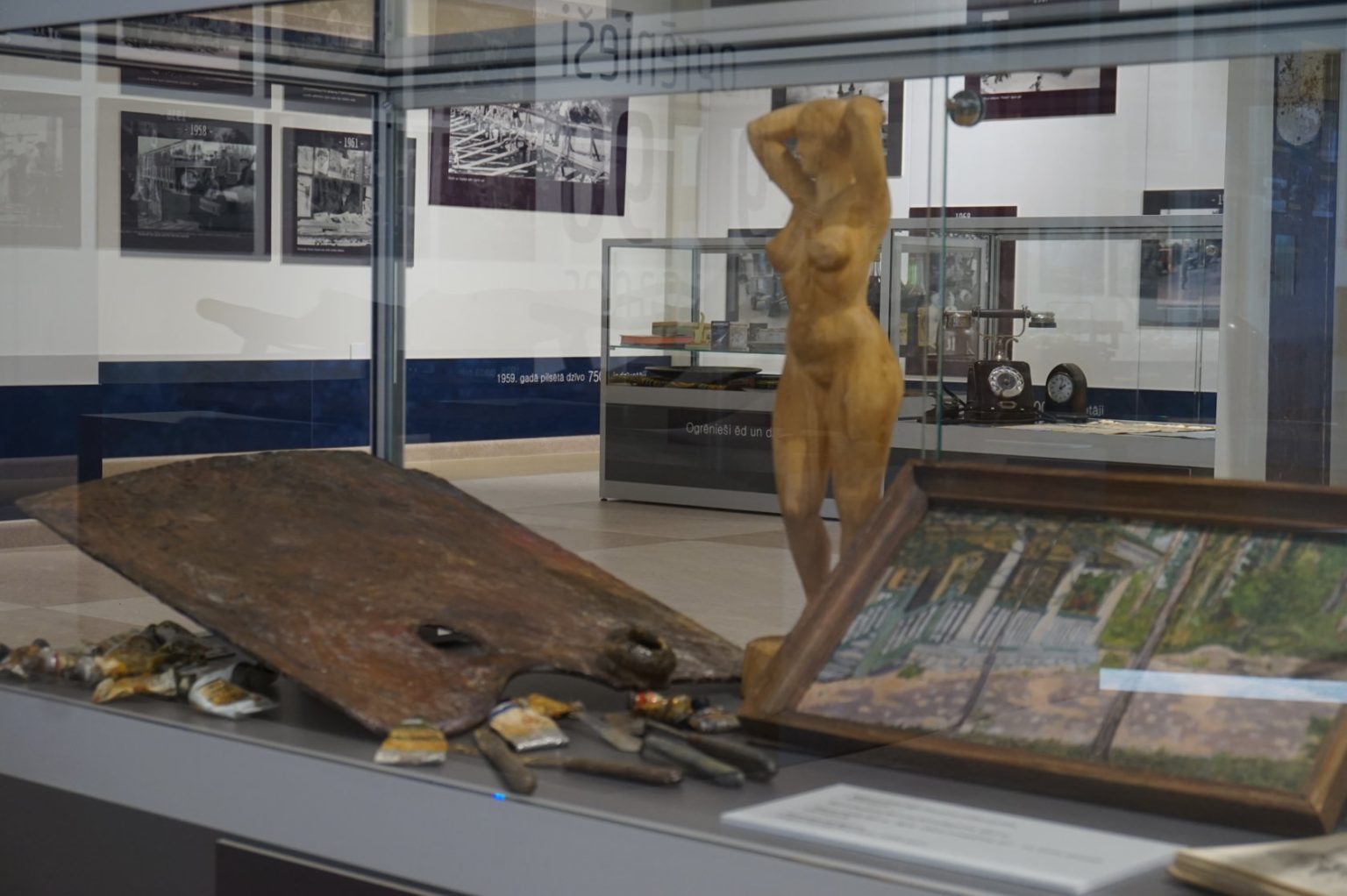
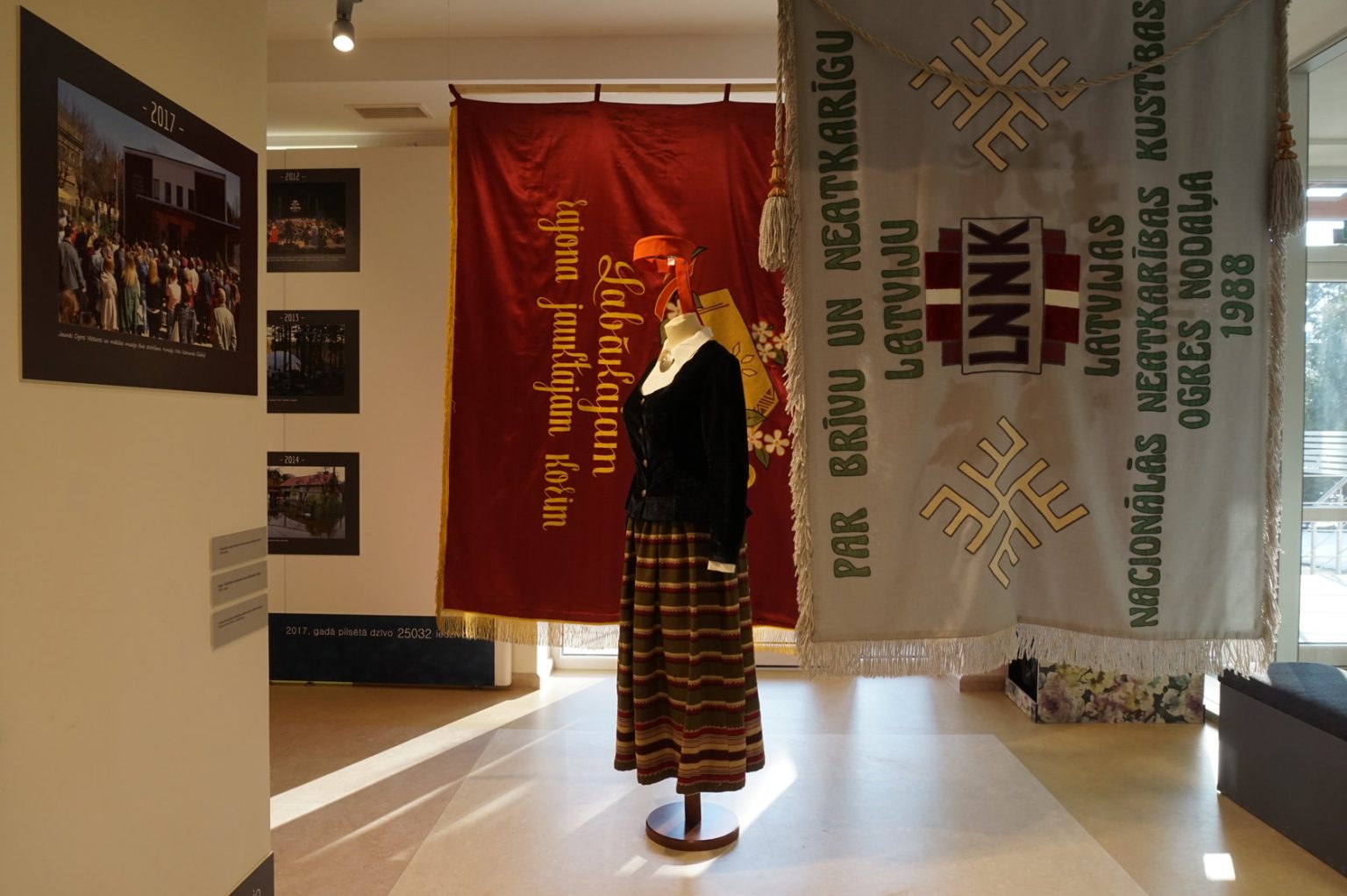
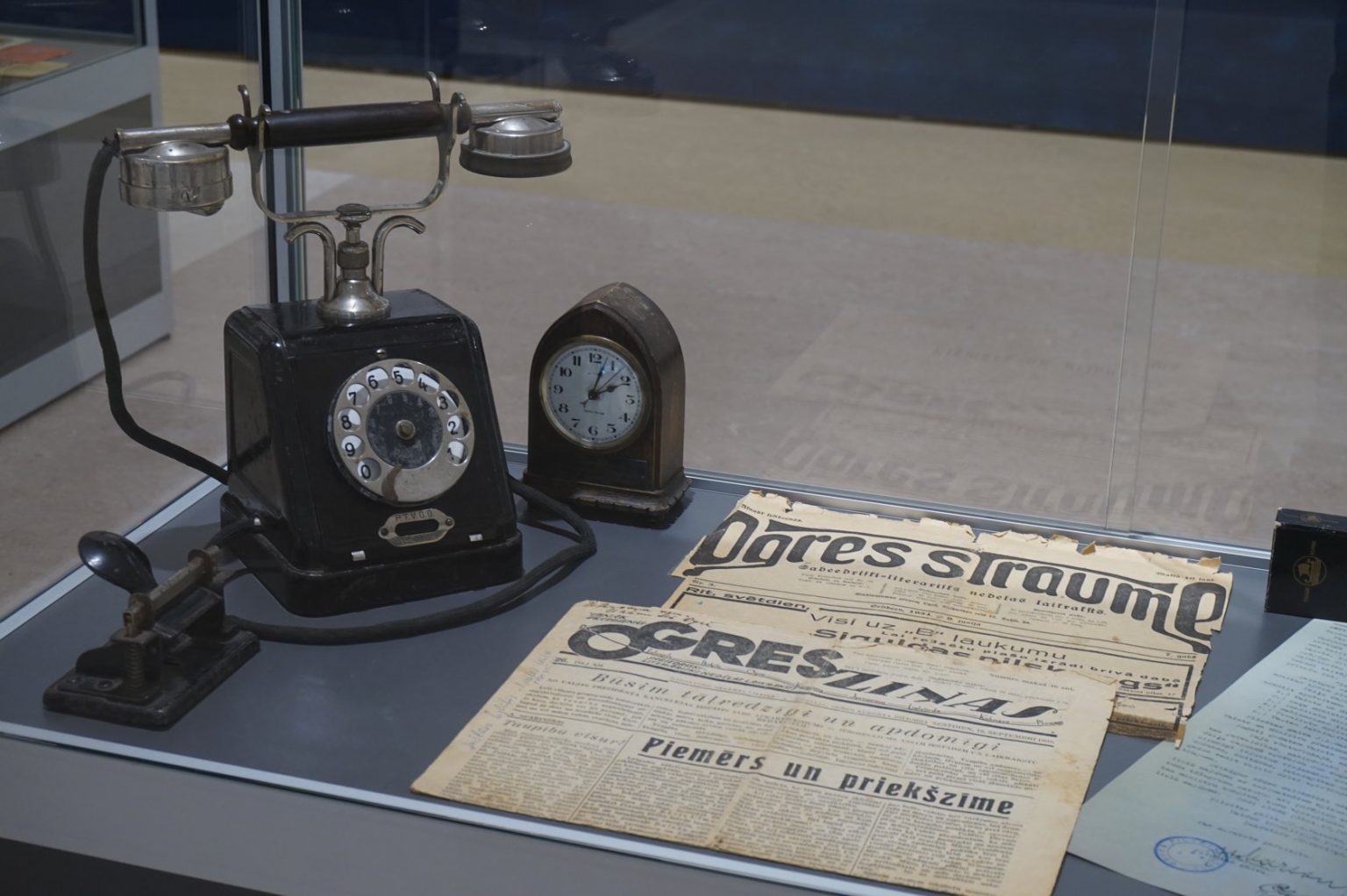
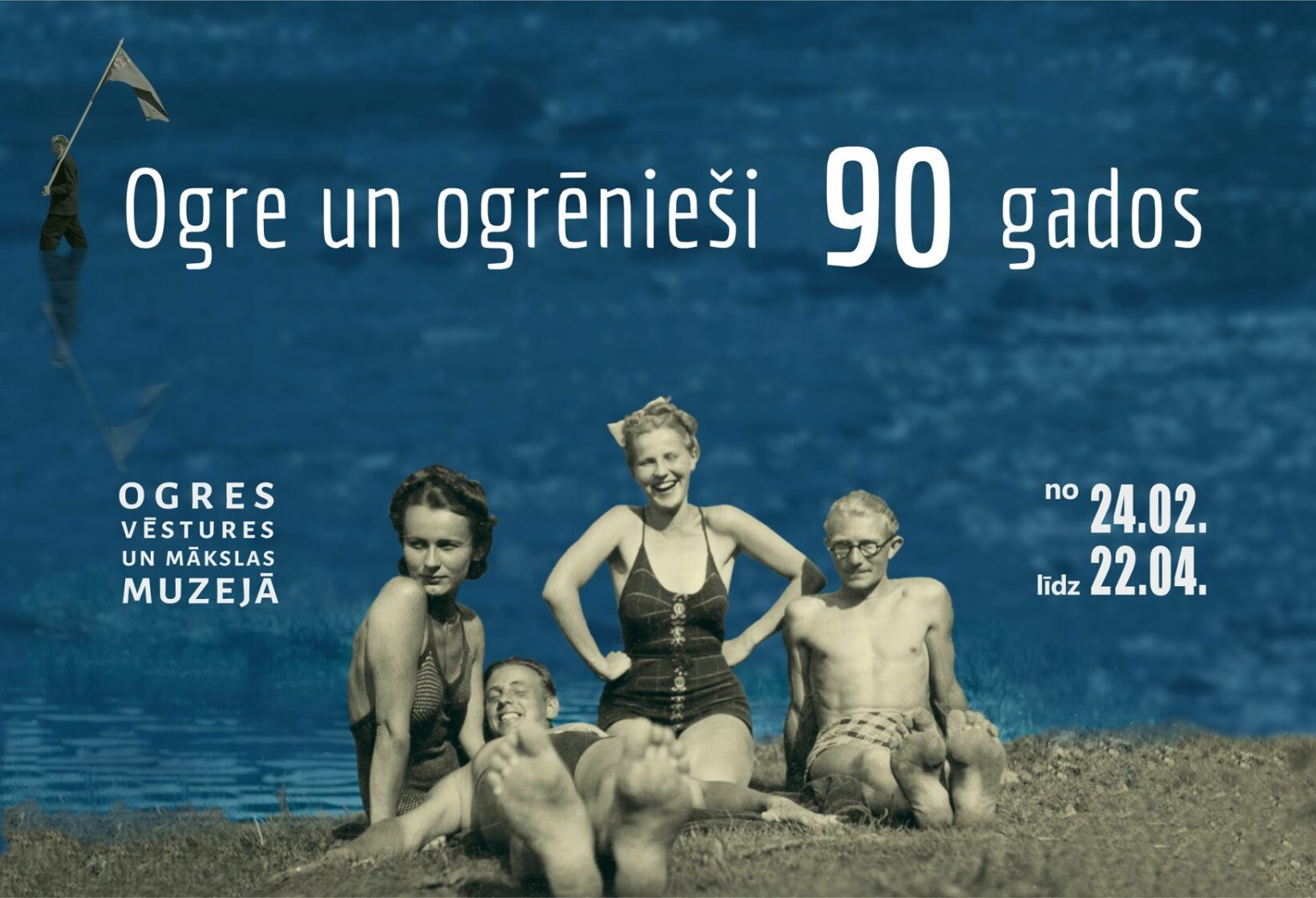
As late as 1920, Ogre was a village with only 600 inhabitants. However, following the law passed on February 11, 1928, Ogre – along with 15 other Latvian towns – was granted city rights. In the newspaper Ogres Straume, the newly elected mayor, Jūlijs Marsons, outlined the council’s vision: to transform this quiet corner, blessed with natural riches, into a modern European resort.
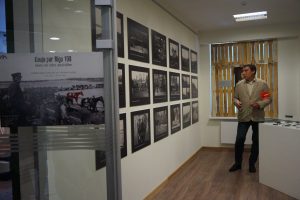
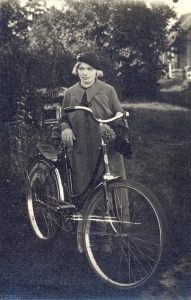
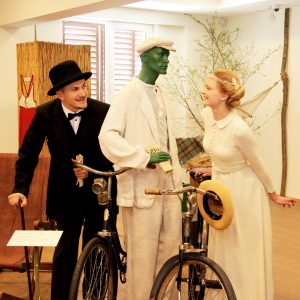
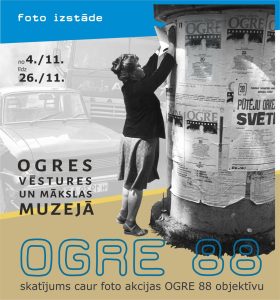
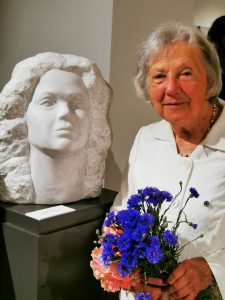
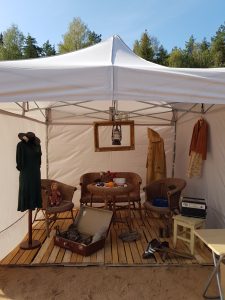
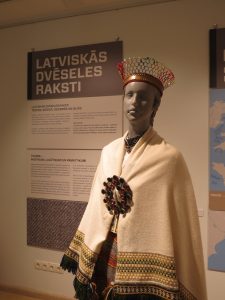
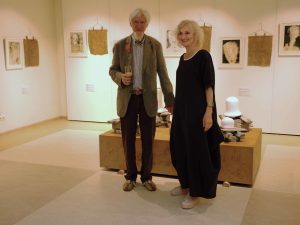
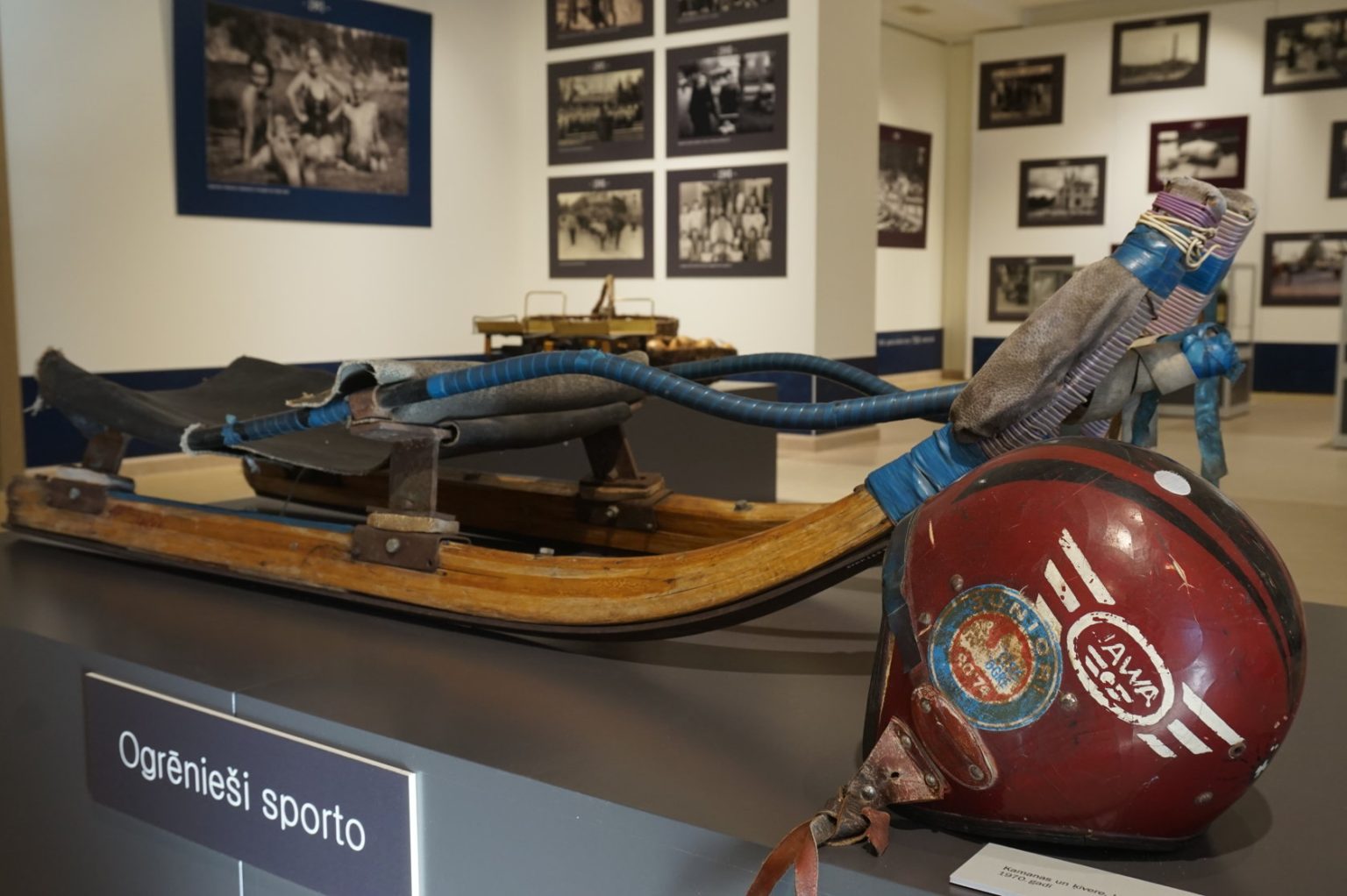
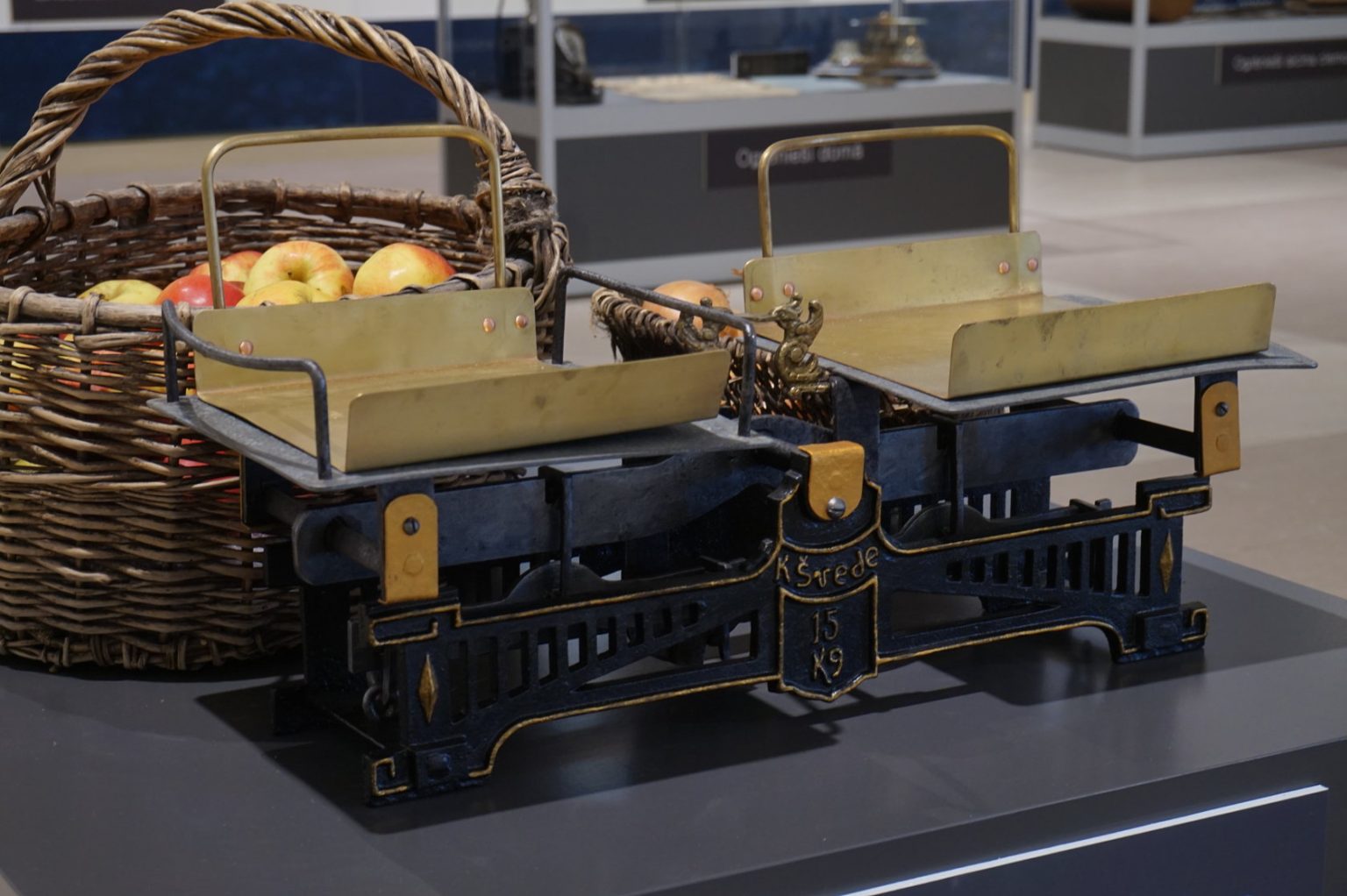
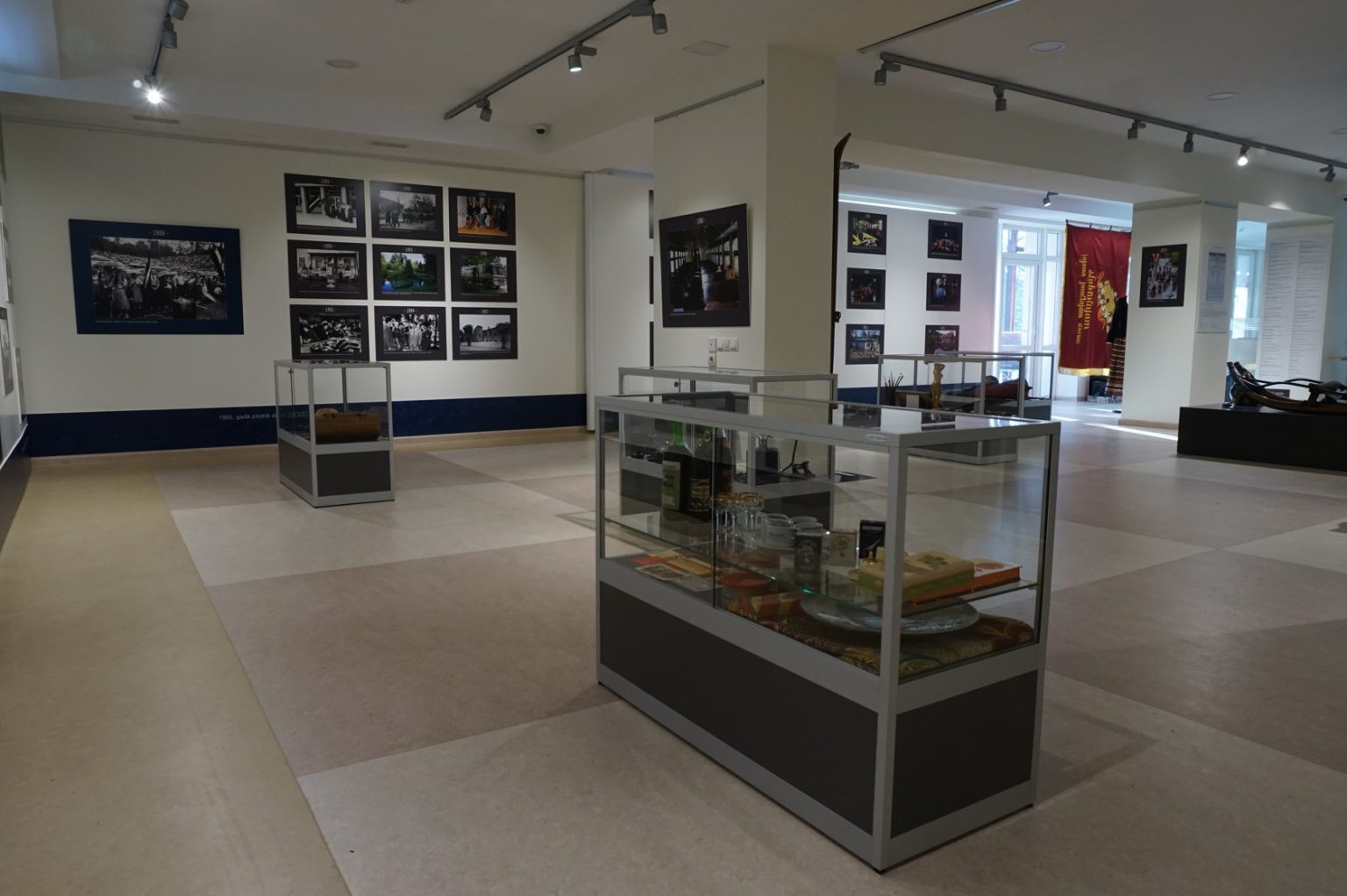
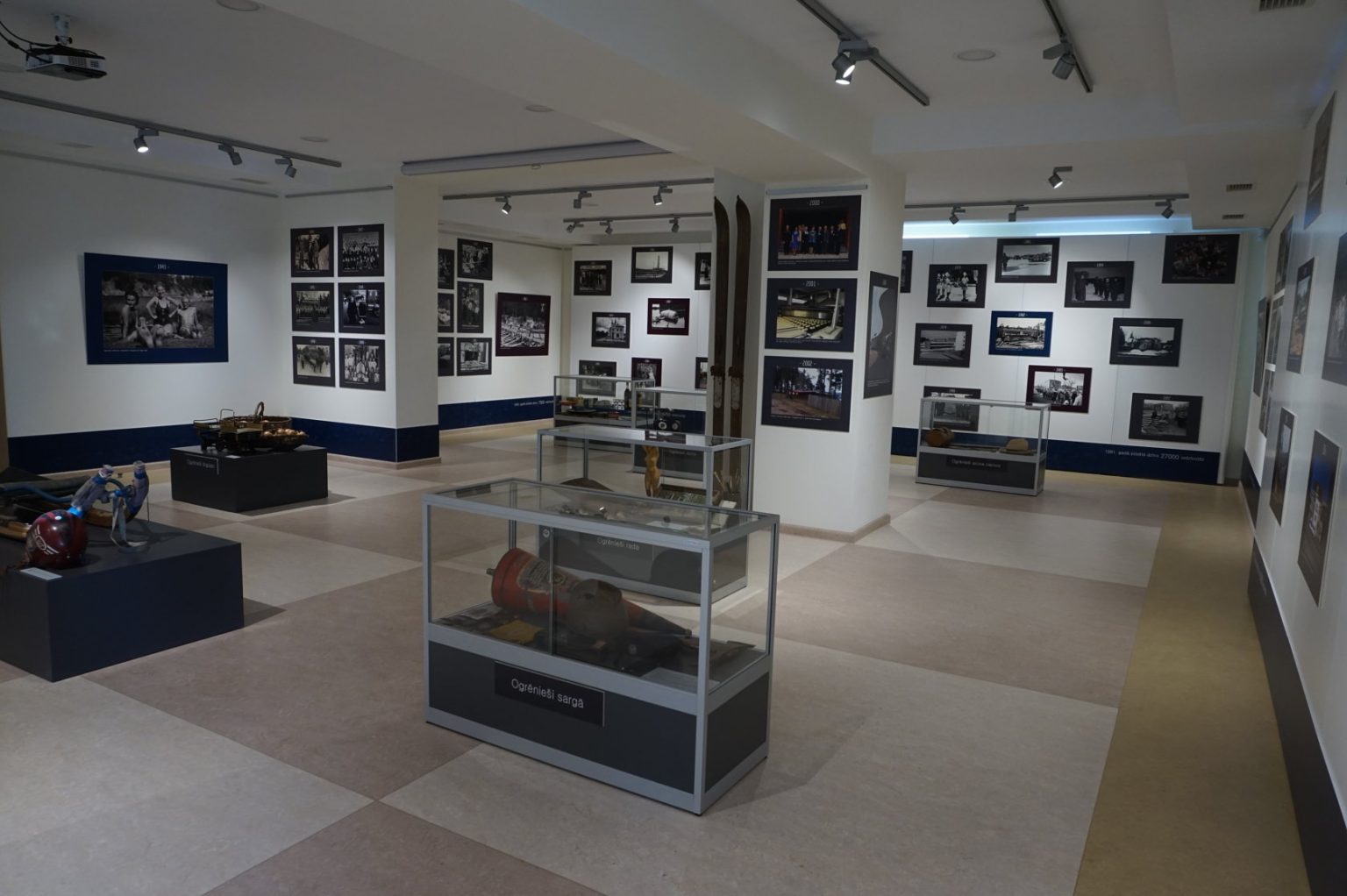
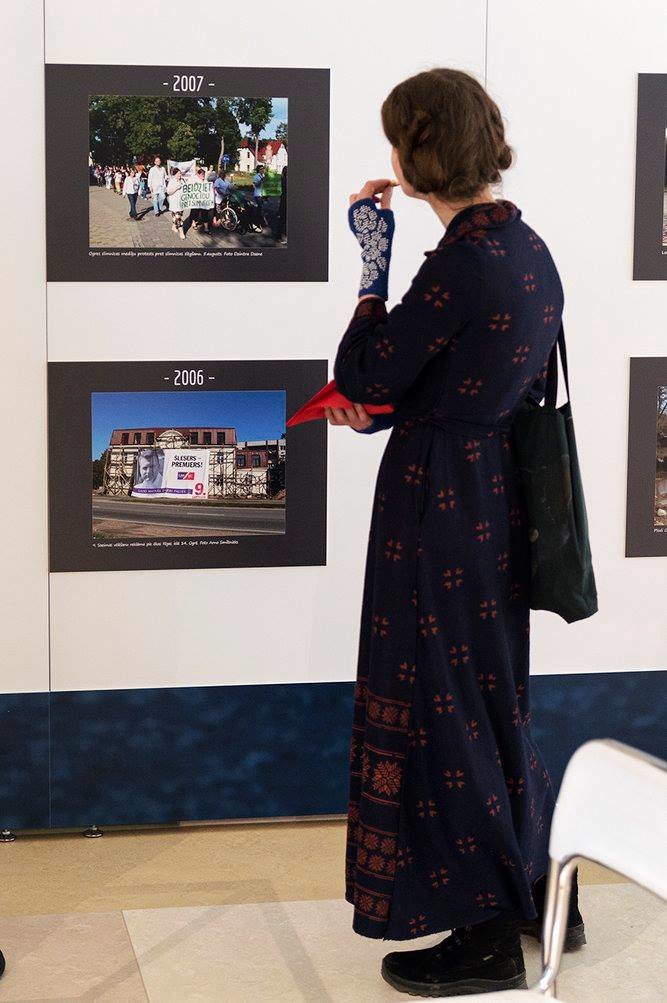
The exhibition “Ogre and its People over 90 Years” tells this story through photographs and historical records, inviting visitors to recall – or rediscover – the city’s development from its beginnings to the present day.
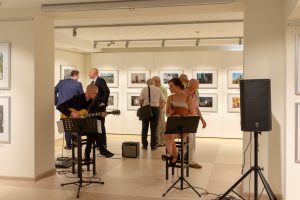
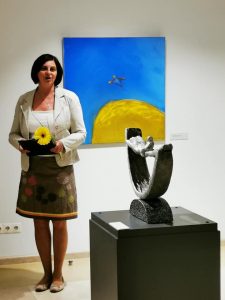
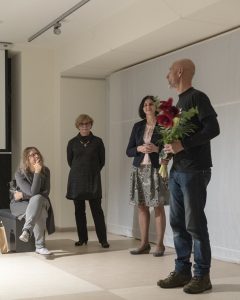
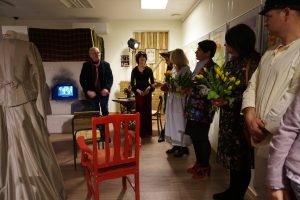
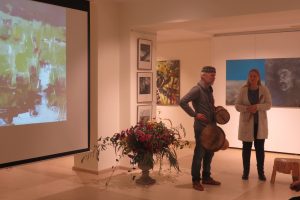
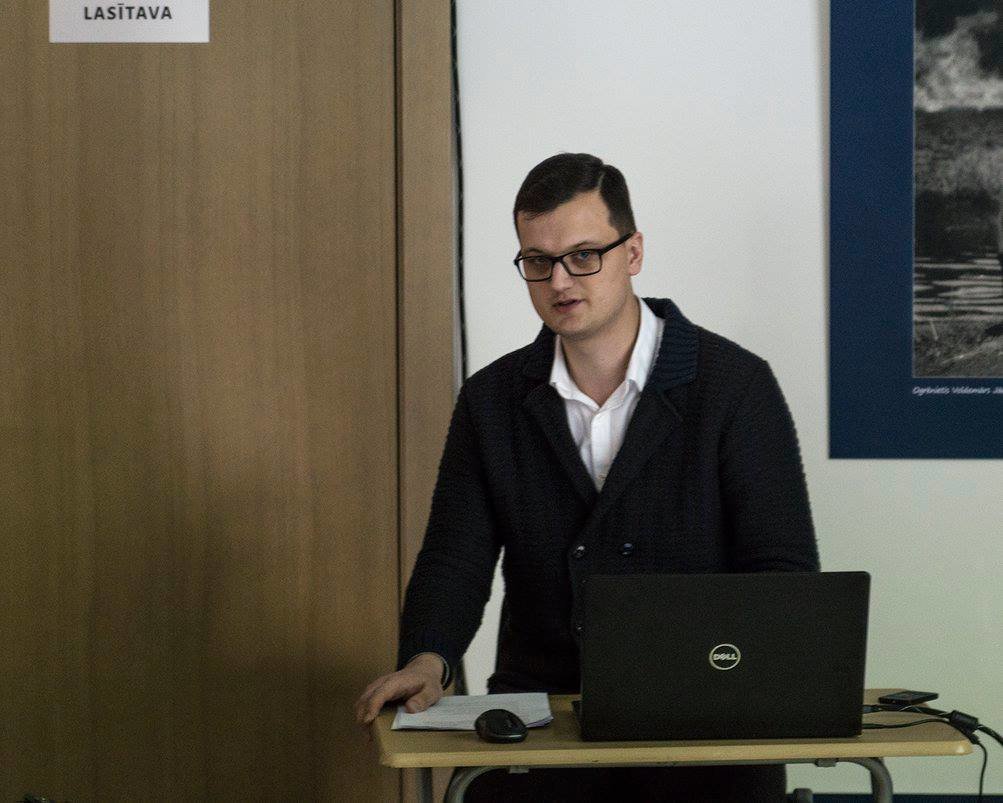
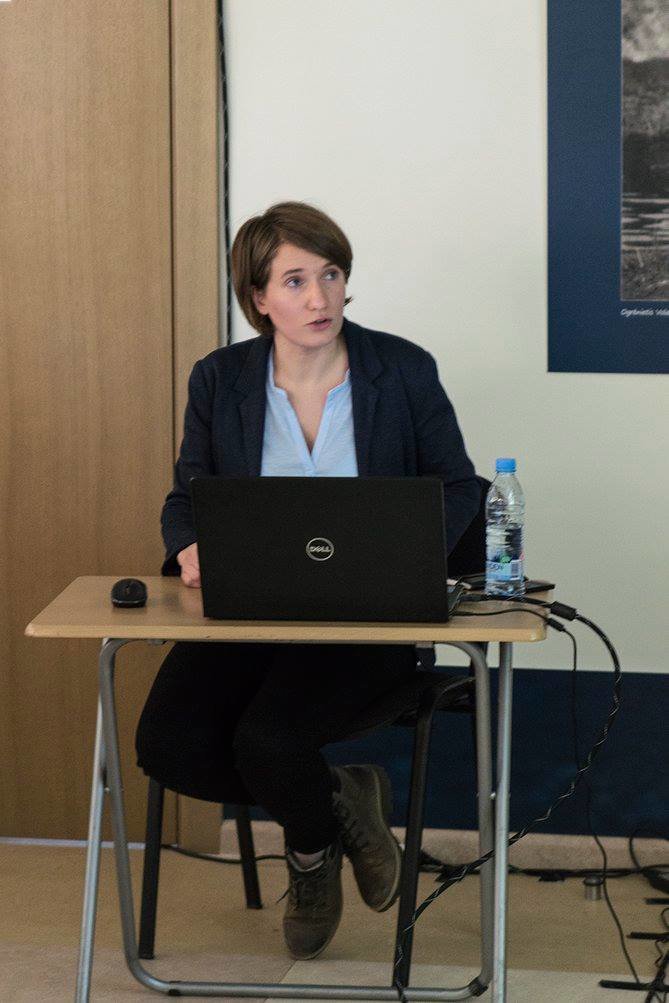
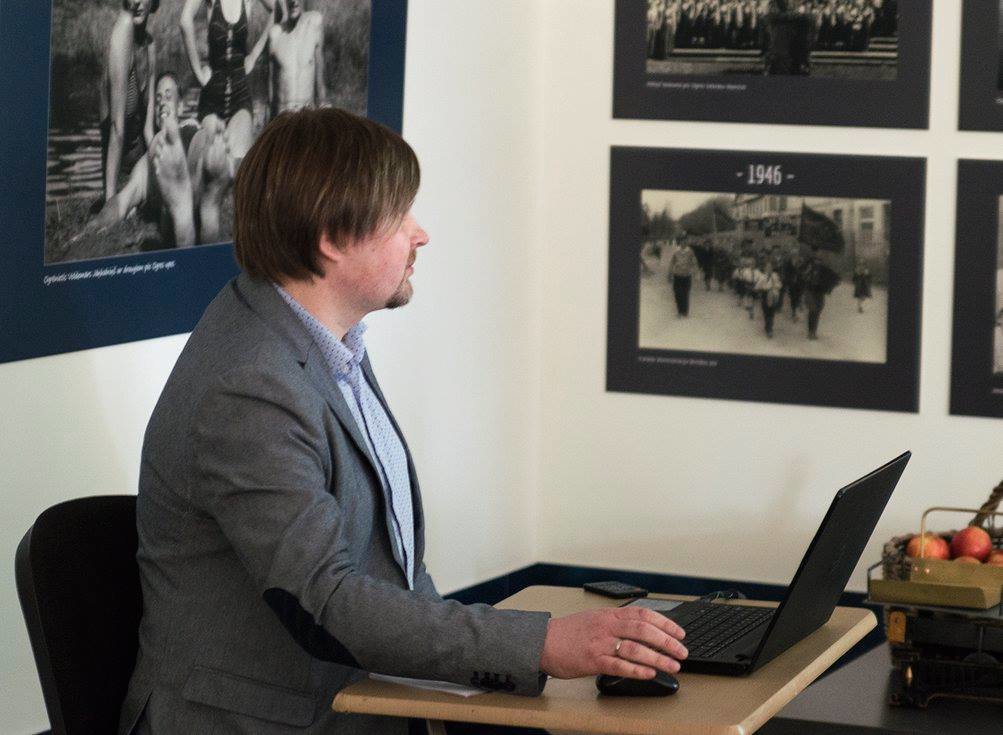
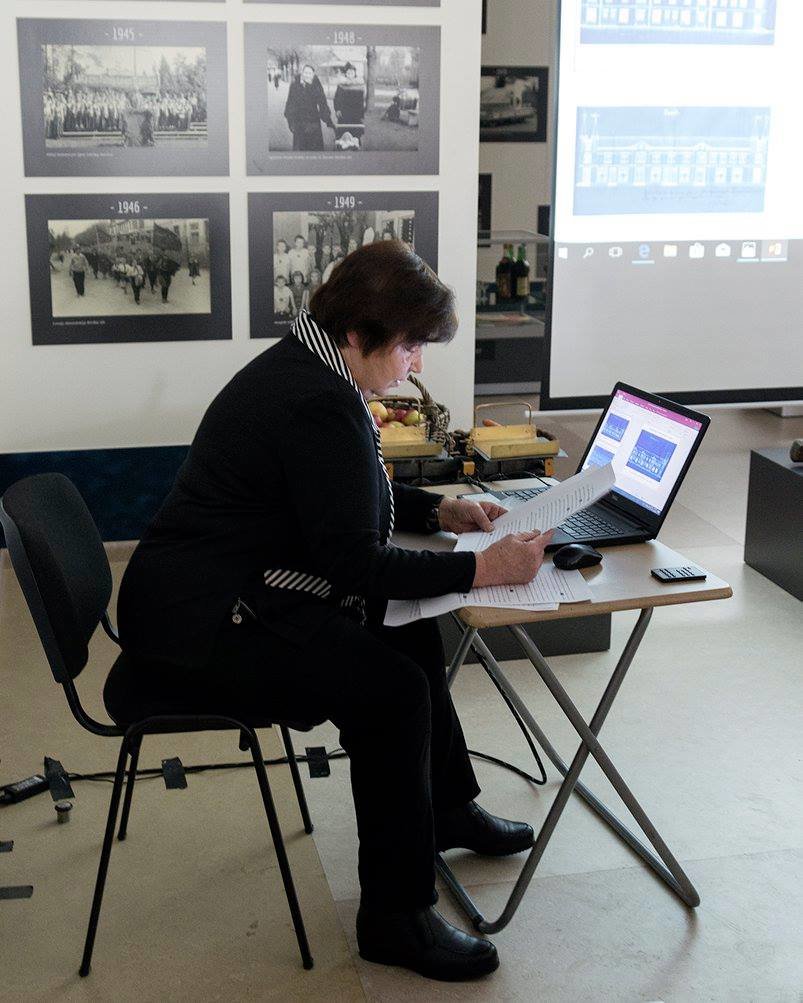
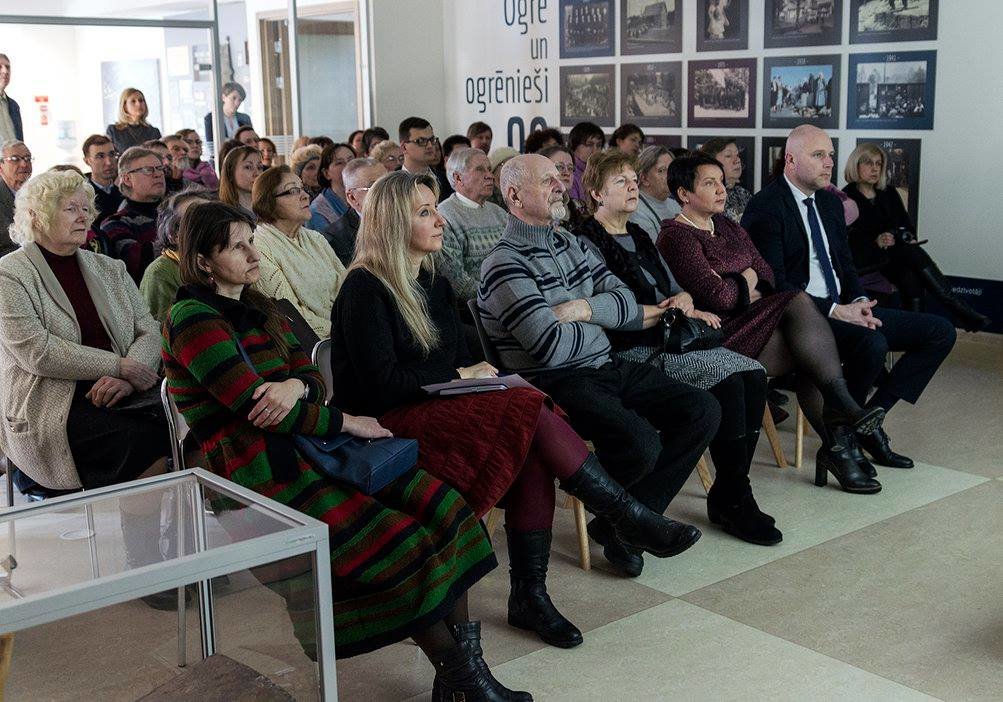
The exhibition was inaugurated with historical presentations attended by specialists from the Ogre Museum, as well as researchers from other museums and institutions.