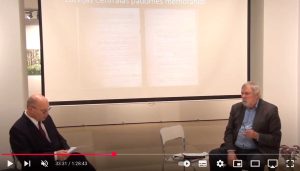

Museum Discussion: “Who Compiled the Deportation Lists? Neighbors or Chekists?”
Based on facts and documents, historians Iveta Šķiņķe, Ainārs Bambals, Zigmārs Turčinskis, Inese Dreimane, and Ritvars Jansons discuss the mechanisms of decision-making regarding the crimes committed by the occupation regime – the deportations of residents from Latvia on June 14, 1941, and March 25, 1949. Stereotypes still persist in society that merely denouncing a neighbor […]
Based on facts and documents, historians Iveta Šķiņķe, Ainārs Bambals, Zigmārs Turčinskis, Inese Dreimane, and Ritvars Jansons discuss the mechanisms of decision-making regarding the crimes committed by the occupation regime – the deportations of residents from Latvia on June 14, 1941, and March 25, 1949. Stereotypes still persist in society that merely denouncing a neighbor to repressive authorities was enough to be deported to Siberia. Understanding the repressive decision-making in Moscow and the role of local Chekists in their implementation allows for a critical look at false narratives about “poor souls” who were themselves to blame for the crimes committed in Latvia.