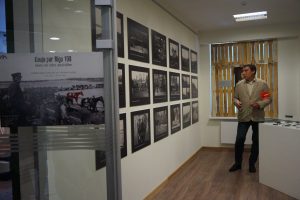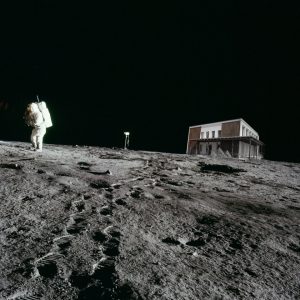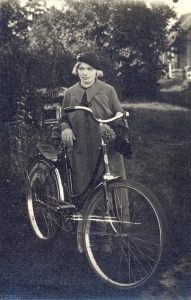

Ieva Epnere – “Travelling Circus at Ogre Museum” and Kristaps Epners – “Run – Diary” (Aug 28 – Oct 3, 2021)
This double exhibition, viewed through various documentary lenses, invites reflection on the place of both art and the individual within the space of life. Whether it is the artist or any one of us, we are like circus acrobats attempting to maintain physical balance on a tightrope while also striving for spiritual equilibrium – not […]
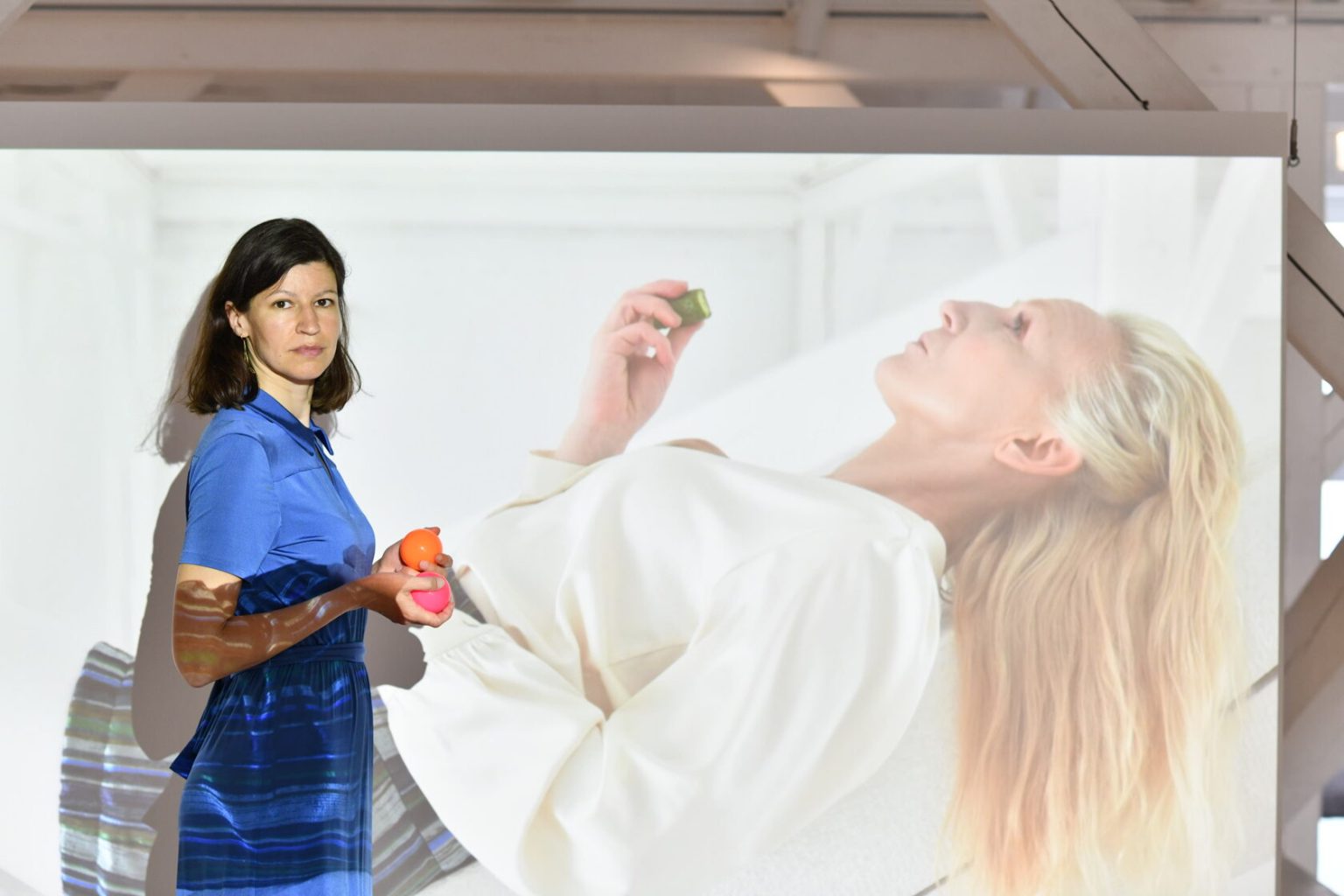
This double exhibition, viewed through various documentary lenses, invites reflection on the place of both art and the individual within the space of life. Whether it is the artist or any one of us, we are like circus acrobats attempting to maintain physical balance on a tightrope while also striving for spiritual equilibrium – not only in a literal sense, but within the wider race of life.
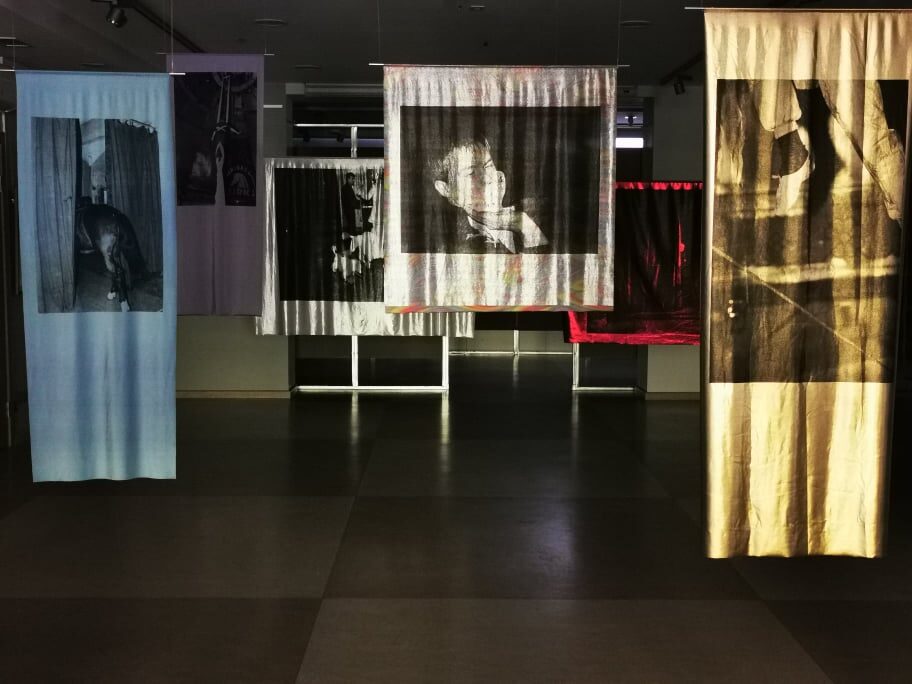
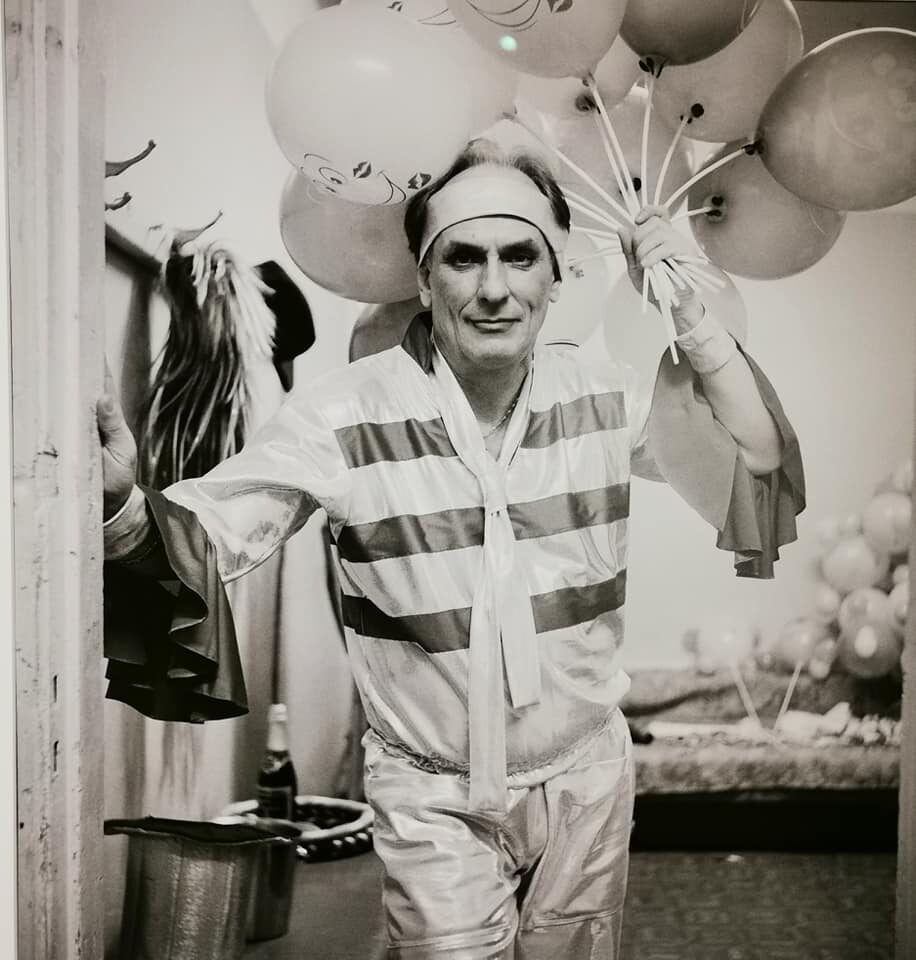
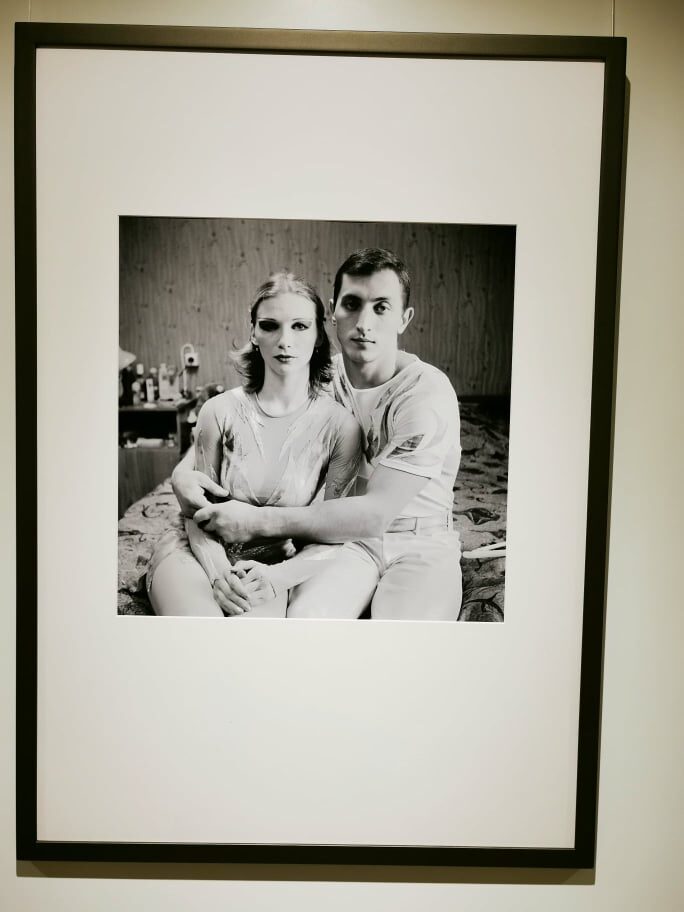
The core of Ieva Epnere’s exhibition consists of photographs of the Riga Circus. What takes place in the arena resembles a ritual in which physical and mental boundaries are tested with astonishing precision. The circus – with its temporary escape from reality and its constant balancing on the edge – has long been a source of inspiration for many creative personalities.
The photographs portray the circus as a world within a world. It is also associated with family, where continuity and the inheritance of skills are essential, passed down from generation to generation among circus artists.
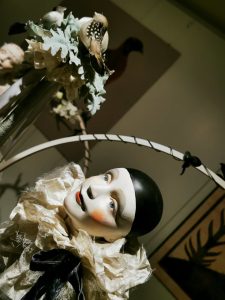
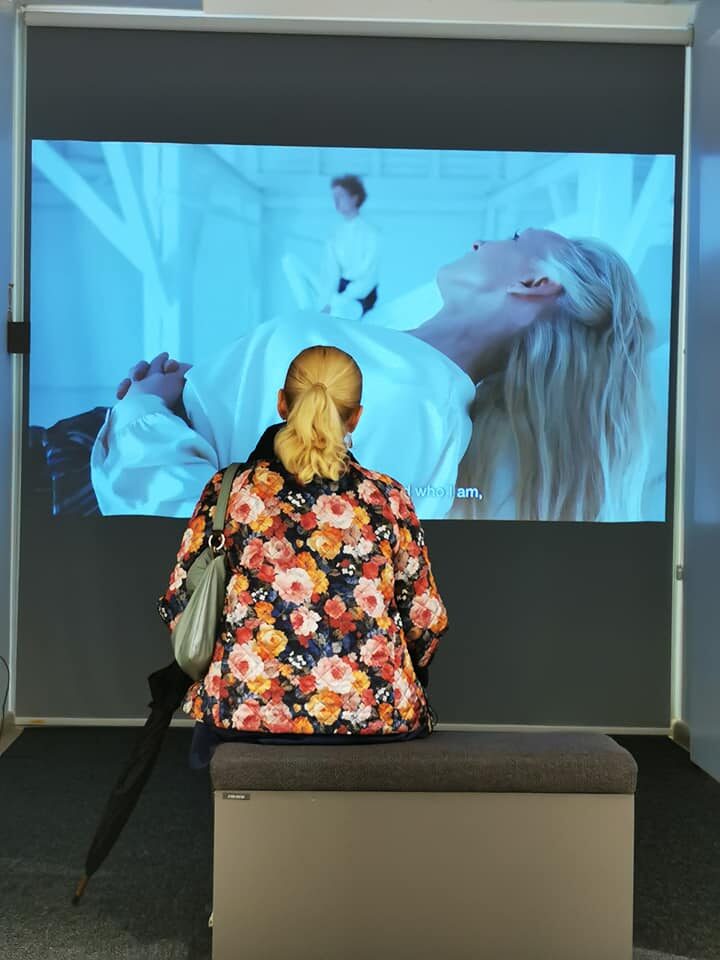
The Riga Circus closed in 2016, and Ieva Epnere’s photo series thereby found its natural conclusion, becoming an encapsulated testimony to an era. The exhibition also includes the video work Charlotte, created in collaboration with actress Guna Zariņa and artist Kirils Ēcis. Its central character is Charlotte Ivanovna – a circus artist and a figure from Anton Chekhov’s play The Cherry Orchard. She says: “Always alone, I have no one… and who I am, why I am, is unknown…” The prototype for Charlotte’s character is the Latvian illusionist Johann Strauss (1842–1919).
The video work was created at a time when all cultural venues were closed and serves as a reflection on the place of art within the space of life.
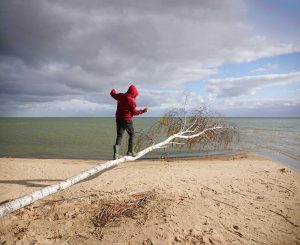
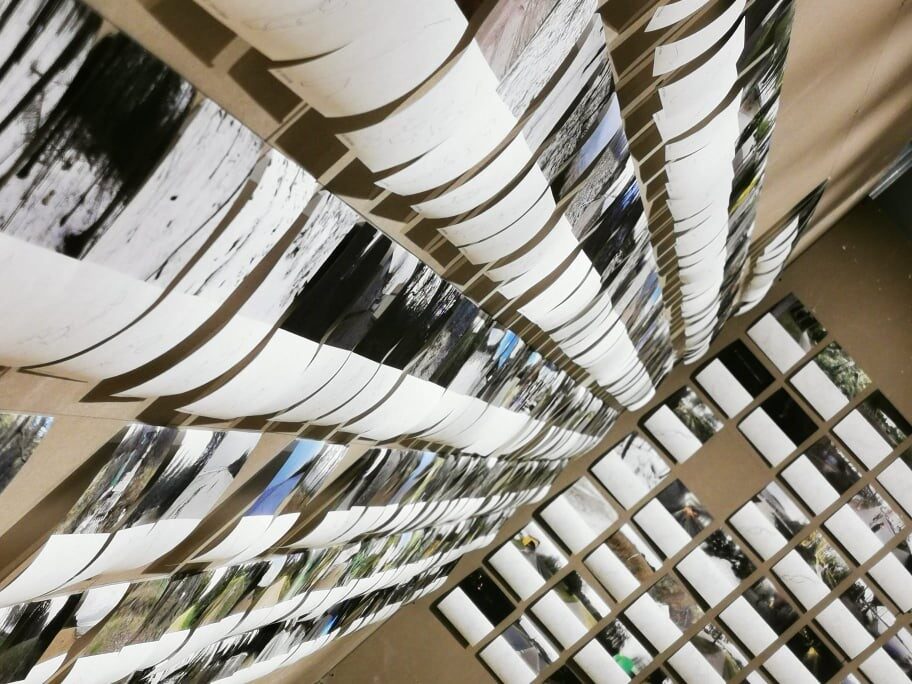
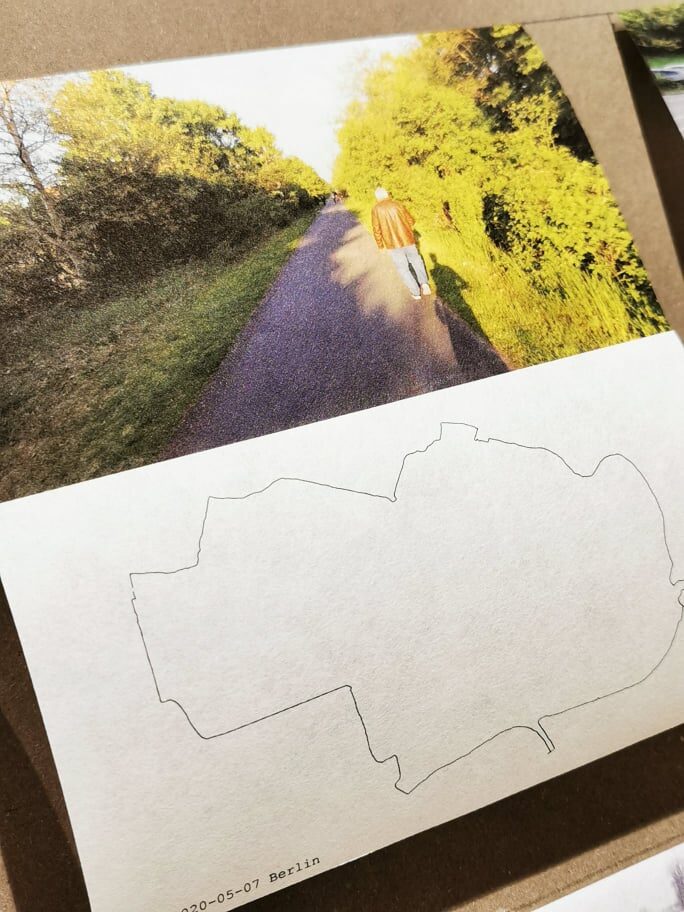
Kristaps Epners, who has been recording his daily training sessions and runs with a video camera and GPS tracker since 2012, has transformed running into a form of artistic expression, believing that there are no limits to artistic forms. By asserting that he does not get lost in unfamiliar places and always finds his way back, the artist invites reflection on the individual’s place not only within a specific trajectory but also within the broader space of life. It is a story of conscious self-awareness, of time set aside for oneself, and of the pursuit of spiritual balance.
“We consist of many levels and spaces that need to be filled. If they are not filled, discomfort arises and we break down. It is a matter of harmony,” says Kristaps Epners.
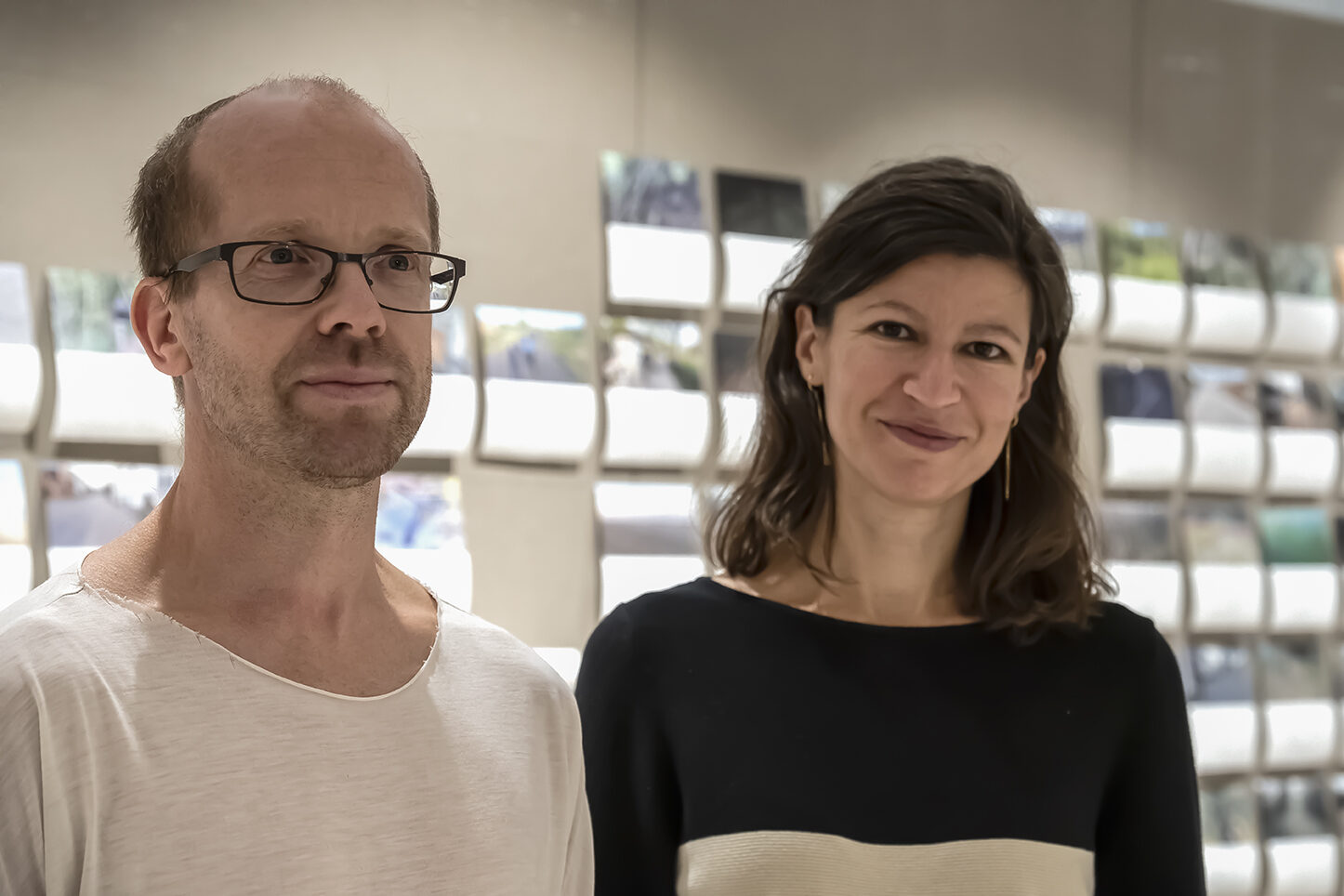
Ieva Epnere lives and works in Riga. She is the laureate of the Purvītis Prize 2019 (for her solo exhibition Sea of Living Memories at the contemporary art centre kim?). She graduated from the Textile Art Department (2001) and the Visual Communication Department (2003) of the Art Academy of Latvia and completed postgraduate studies at HISK in Ghent, Belgium (2012). She was a DAAD (German Academic Exchange Service) artist fellow in Berlin (2019–2020). Her works have been exhibited internationally in solo and group exhibitions, including at Fogo Island Gallery, Fogo Island, Newfoundland; Art in General, USA; daadgalerie, Germany; Netwerk, Belgium; Kunsthalle Wien, Austria; and at the First Riga International Biennial of Contemporary Art (RIBOCA1), among others.
Kristaps Epners lives and works in Riga. In 2003, he obtained a Master’s degree in Visual Communication from the Art Academy of Latvia. He was a Purvītis Prize finalist twice – in 2017 and 2019. His works have been regularly exhibited in Latvia and internationally, for example at Flughafen Tempelhof, Germany; the Monumental Gallery at Tartu Art House, Estonia; Den Frie Centre of Contemporary Art, Denmark; and at the First Riga International Biennial of Contemporary Art (RIBOCA1).