
Aivars Slišāns and Māris Grosbahs – “The Promised Land”
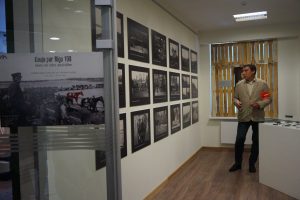
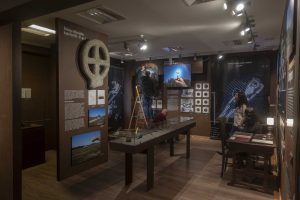
The exhibition The Promised Land is a visual reflection by two artists – Aivars Slišāns and Māris Grosbahs – combining conceptual installations with photographic expression. The exhibition’s message explores the symbiosis of historical context within a theatrical simulation of the past, engaging the viewer’s collective memory and sensory perception. Aivars Slišāns’ photographic documentation of the exhumation […]
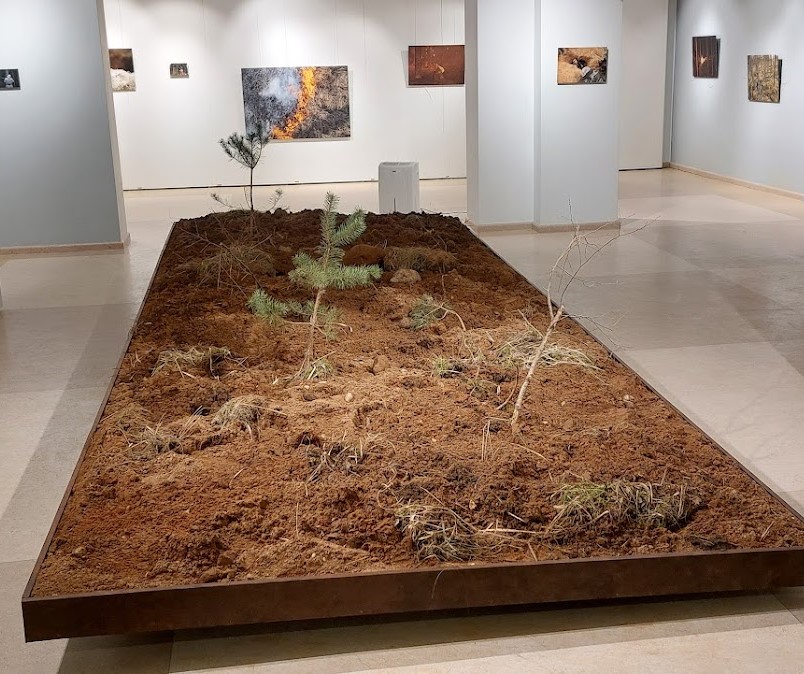
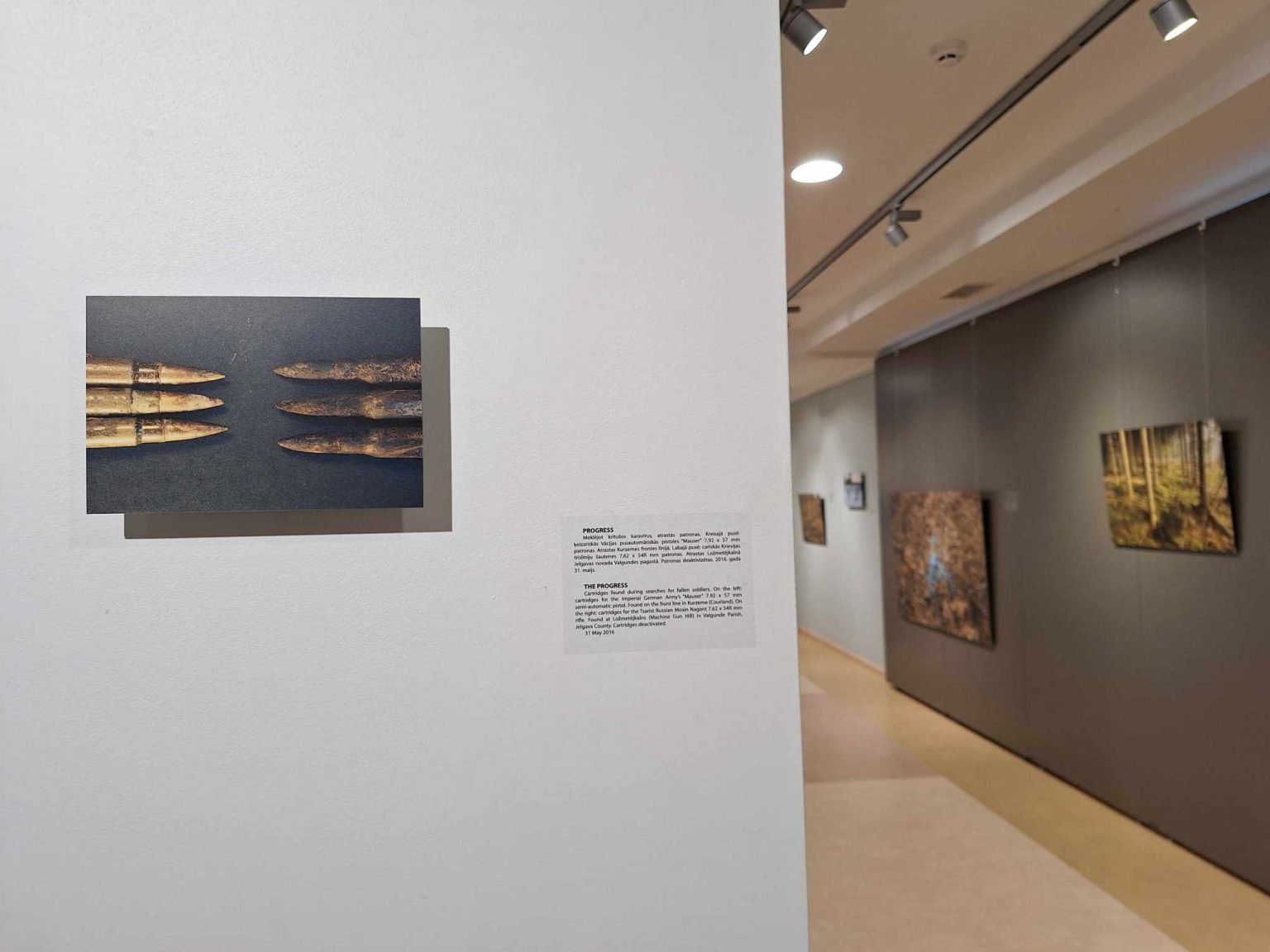
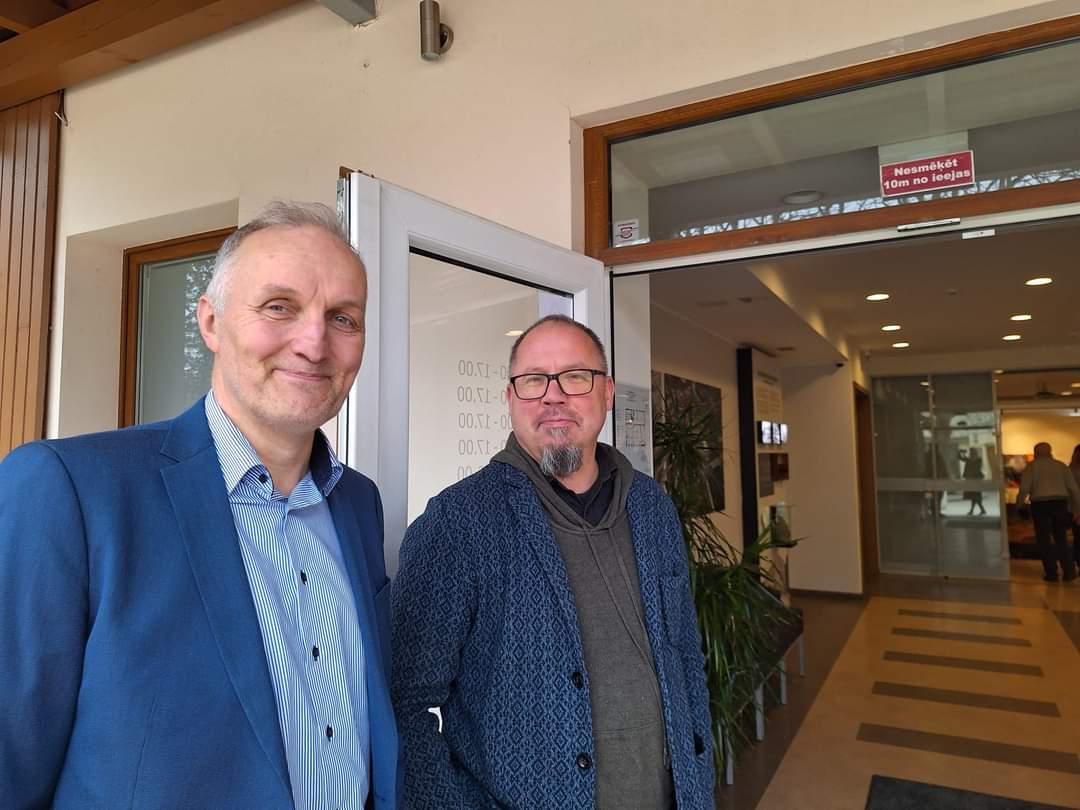
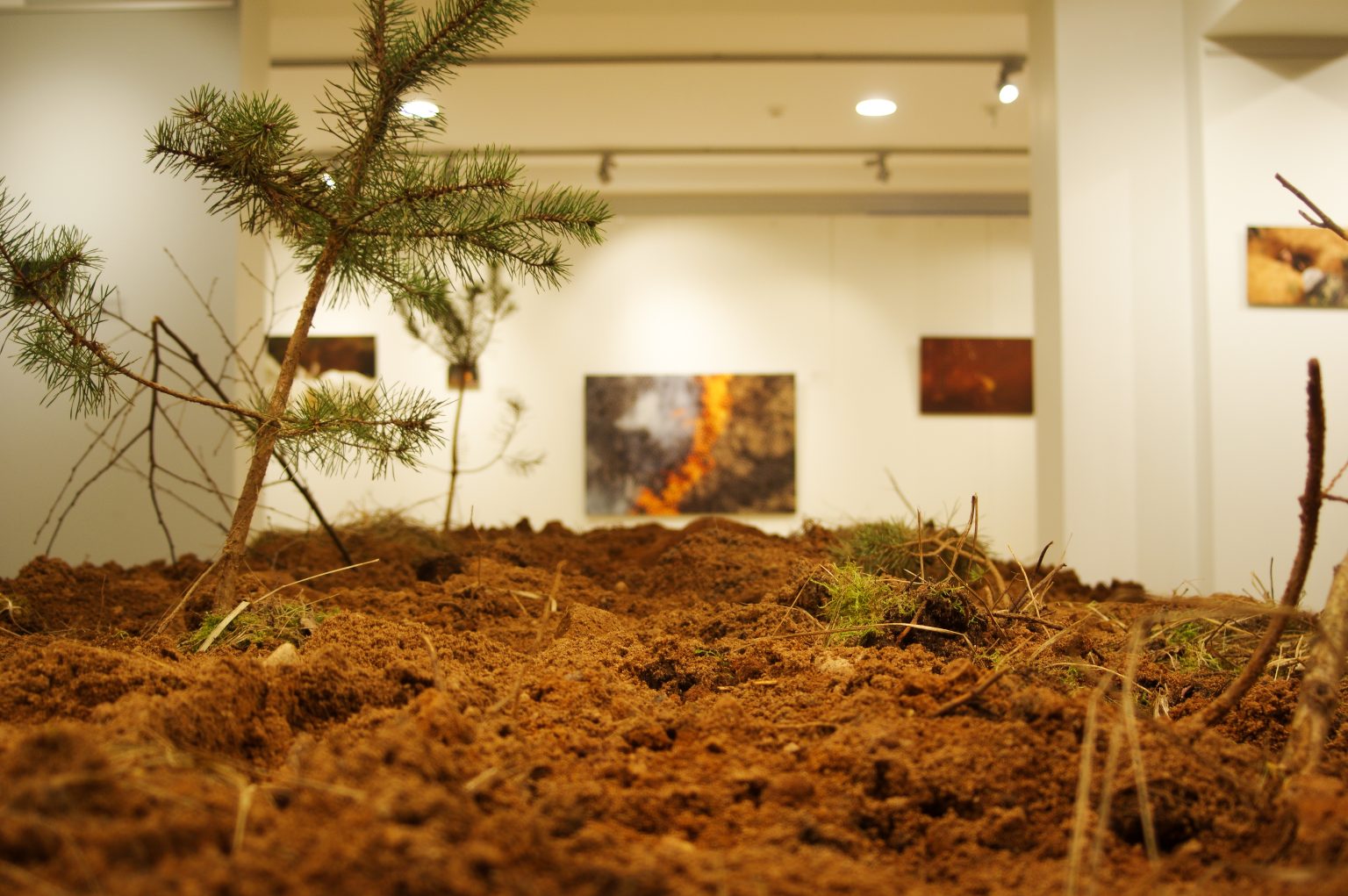
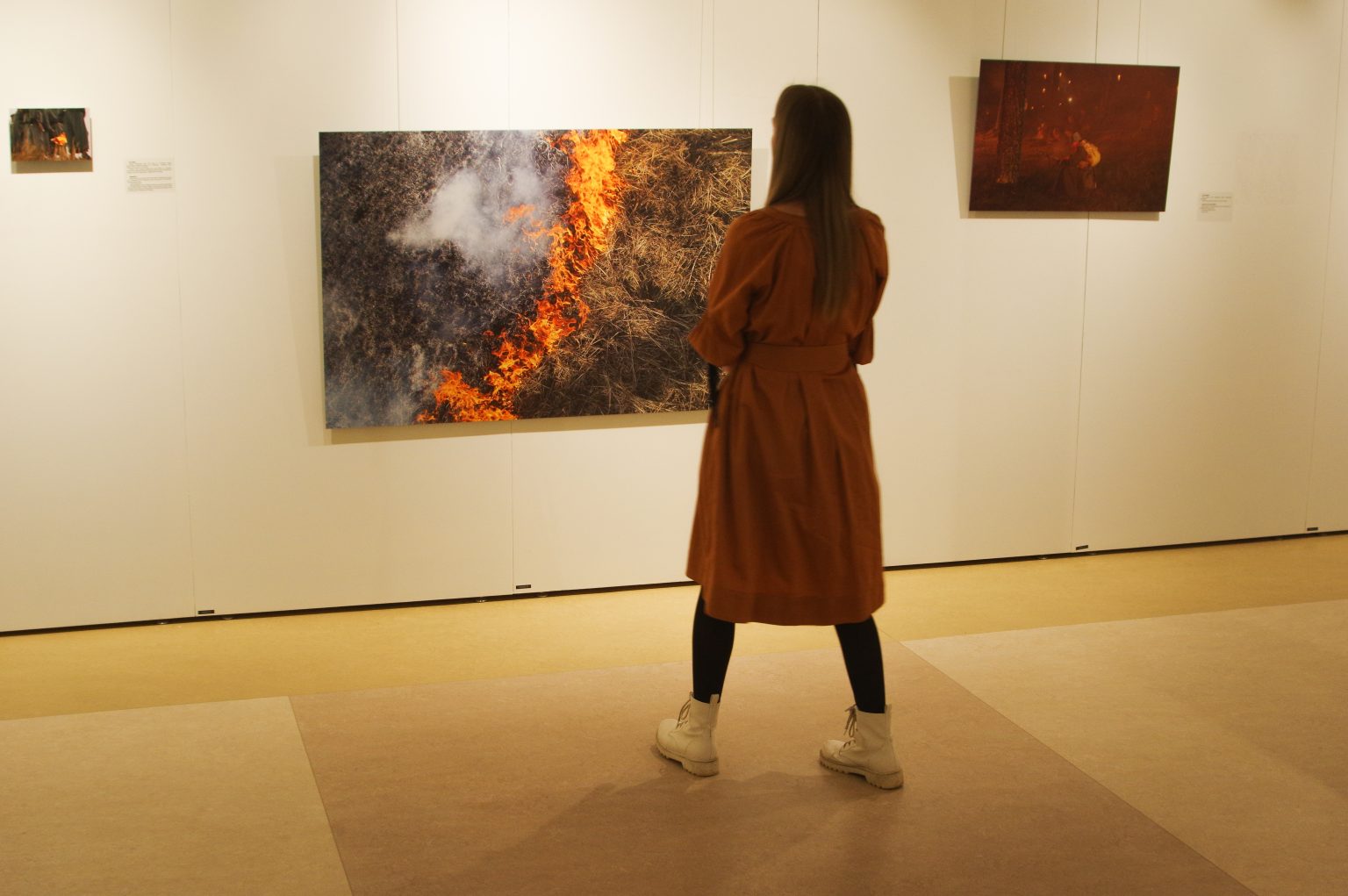
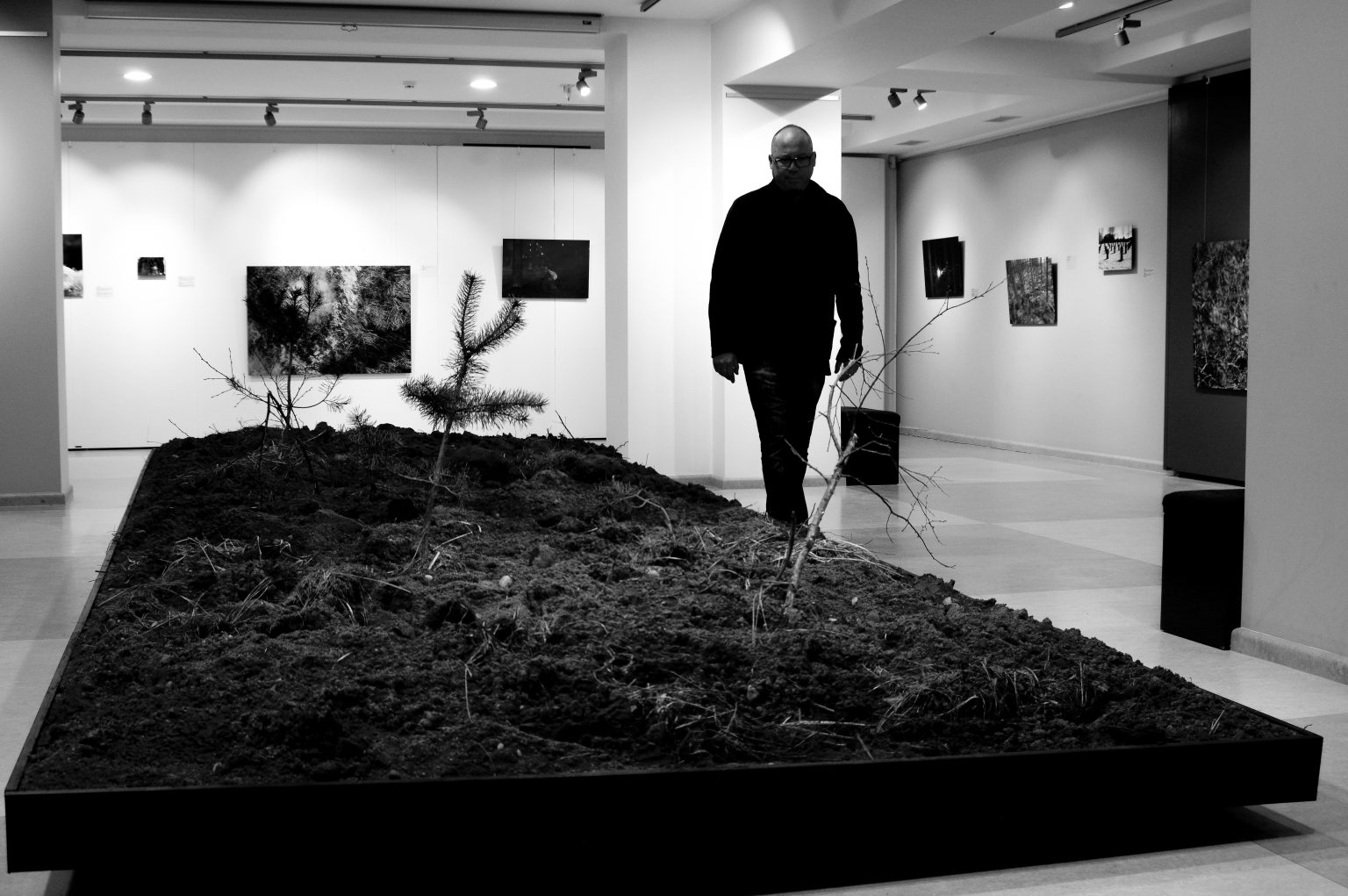
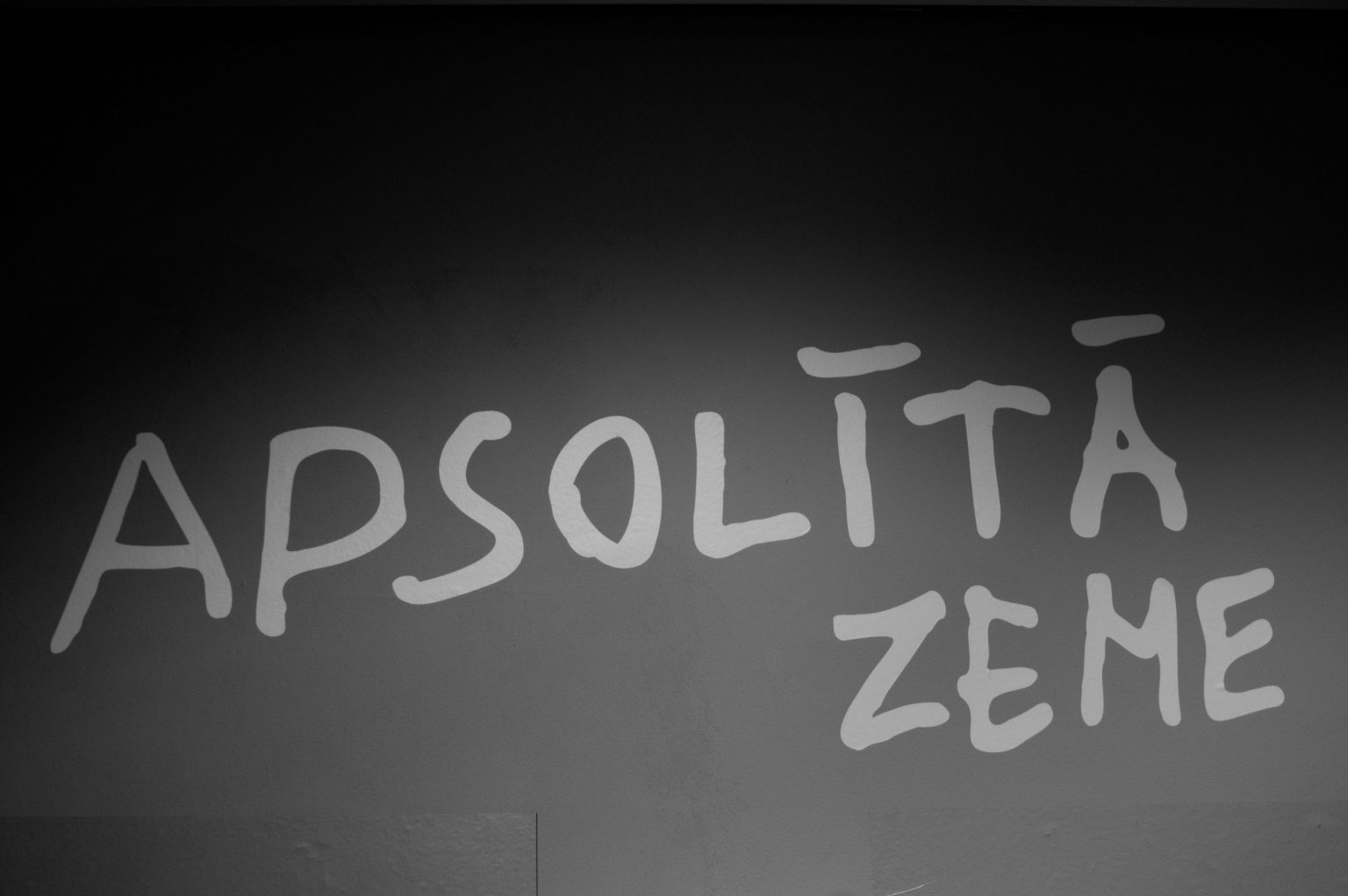
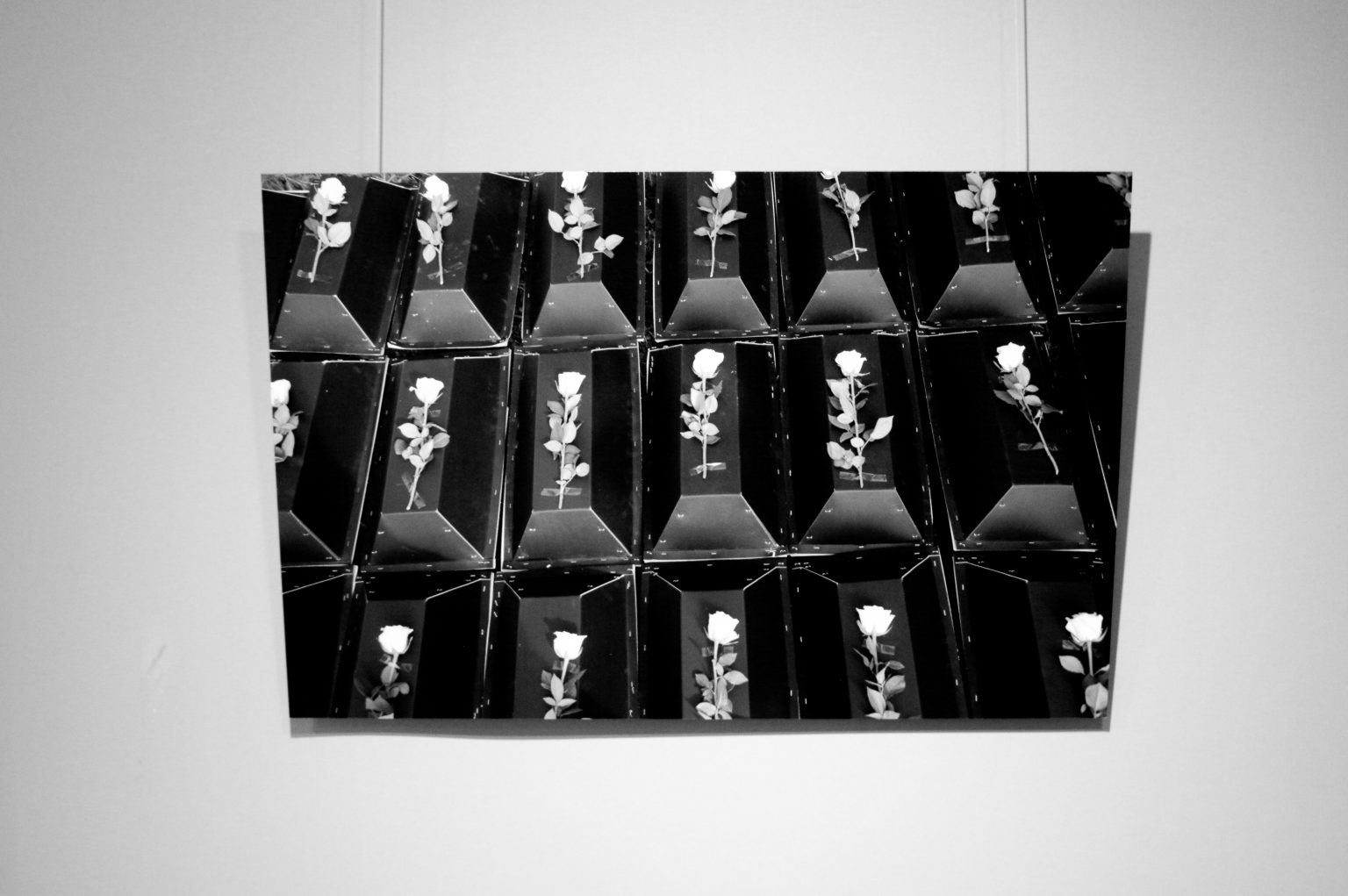
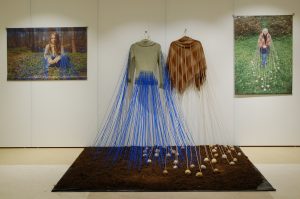
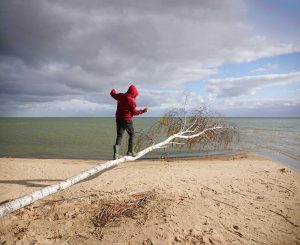
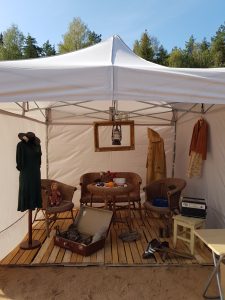
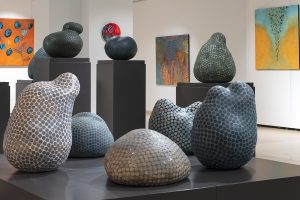
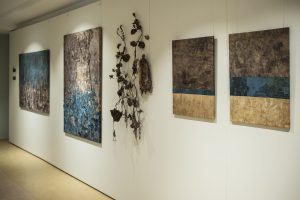
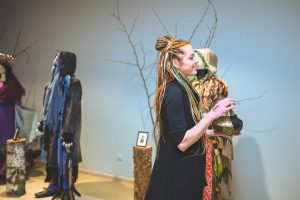
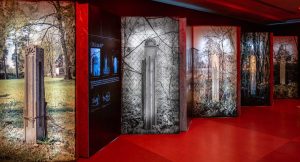
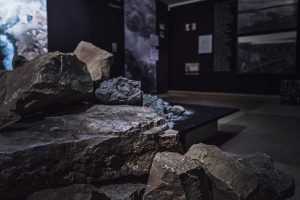
The exhibition The Promised Land is a visual reflection by two artists – Aivars Slišāns and Māris Grosbahs – combining conceptual installations with photographic expression. The exhibition’s message explores the symbiosis of historical context within a theatrical simulation of the past, engaging the viewer’s collective memory and sensory perception. Aivars Slišāns’ photographic documentation of the exhumation processes of fallen soldiers, alongside simulations and reconstructions of historical battle scenes, serves as a reminder of our land’s historical significance, its sense of belonging, sanctity, and irreplaceability. Māris Grosbahs’ earth installation acts as an inquiry into the awareness of belonging, serving as an instrument of sacred consciousness regarding the earth’s dual nature – both a creator of life and a holder of death, reflecting its transient essence.
Aivars Slišāns is a photographer and a member of the Ogre Photoclub. He studied the technical and conceptual foundations of photographic art under Latvian photography experts Māris Kundziņš and Raimo Lielbriedis. In search of like-minded individuals and insights into photography, he worked for several years in various creative associations: Photoclub Riga, Ogre Photoclub, and the creative group Fotomobilizācija. He has participated in numerous local and international photo exhibitions, including the Baku International Photo Exhibition-Competition “Traditions and Contemporaneity”, where he secured the 3rd place in the Portrait category. His work has also been featured in group exhibitions at the Narva Photo Festival “Narva Autumn”, the Liepāja Latvian Society, Riga St. Peter’s Church, Riga Art Space, and elsewhere.
In his photography, Aivars Slišāns documents the intangible – moments and emotions, crafting atmosphere and feelings through the use of light and lines. Although Slišāns’ photographic works thematically address the tragic aspects of Latvian history, they offer the viewer a sensitive and aesthetically evocative interpretation.
“Latvia suffered immensely in both world wars. Yet, people readily don soldier uniforms and reenact war. It seems that in human consciousness, war is an unending narrative, and thus, it is repeated time and again. In both recent world wars, thousands of soldiers vanished without a trace in Latvia. The earth is replete with war’s remnants; it yields its people to those who relentlessly seek them,” says Aivars Slišāns.
Māris Grosbahs is an artist, curator, set designer, researcher, and director of the creative laboratory Roja Art Lab (https://rojalab.lv/). He has lectured at art academies in the USA, Latvia, Switzerland, and Lithuania. His works have been exhibited in various international exhibitions and biennials, including the M.K. Čiurlionis National Art Museum, the KAUNAS 2022 Biennial, the MoKS Art Center in Mooste, Estonia, the Gaddis Geeslin Gallery at the University of Texas, and other venues. Māris Grosbahs employs diverse material constructions that subtly reflect his artistic vision of time, environment, and socio-political events.
“The Earth has always captivated me with the imprints of events, coincidences, and fleeting passages left within it. It leaves various testimonies, signs, and scars from those who inhabited it over previous decades, centuries, millennia,” says Māris Grosbahs.