
“Battle of Riga – 100 Years On: A View from German Positions”
To commemorate the dramatic events of early September 1917, which unfolded near Ikšķile at the end of the First World War, the Ogre History and Art Museum opened the exhibition “Battle of Riga – 100 Years On: A View from German Positions.” The exhibition presented rare, previously unexhibited photographic material captured by German soldiers and […]
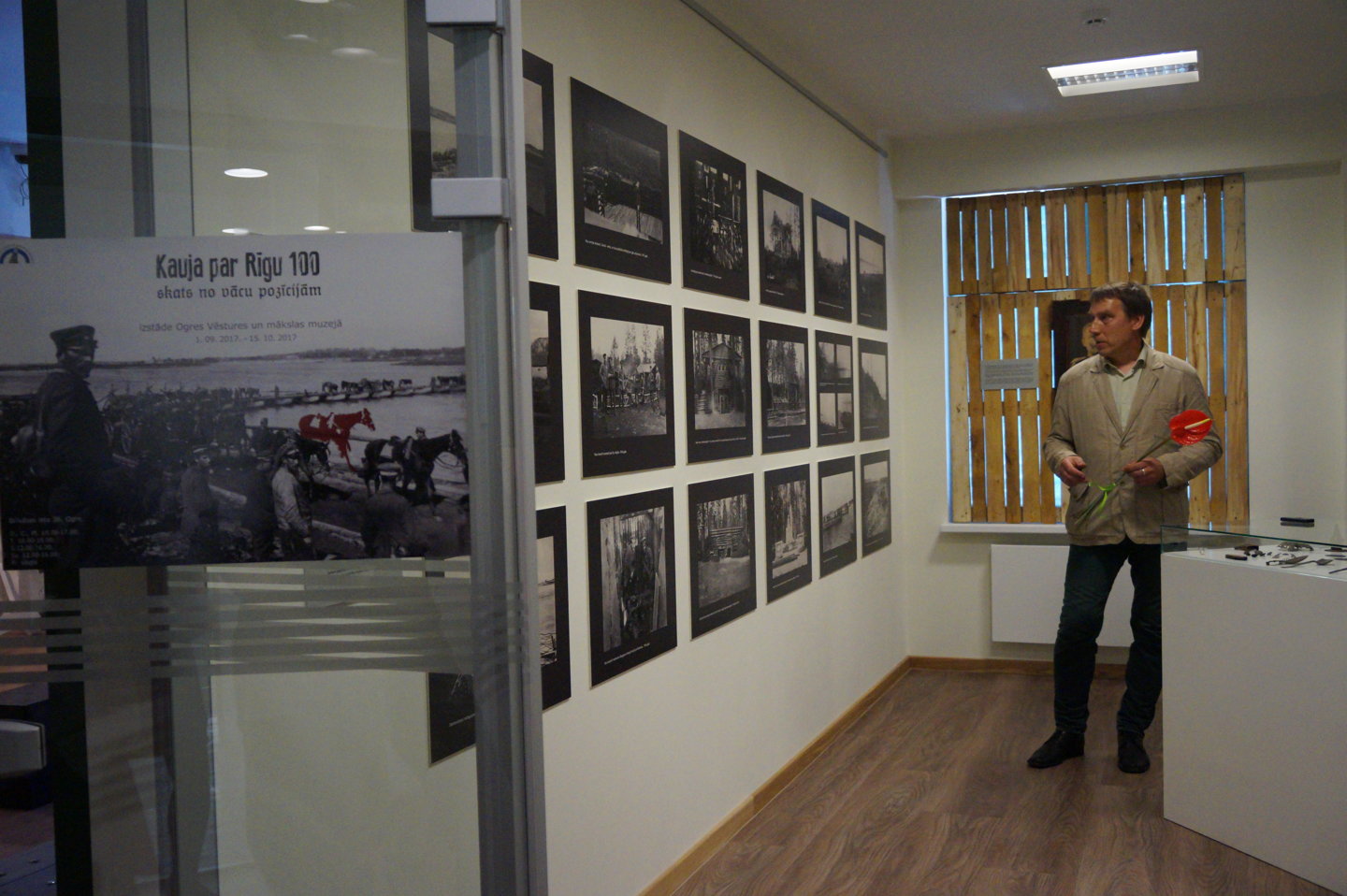
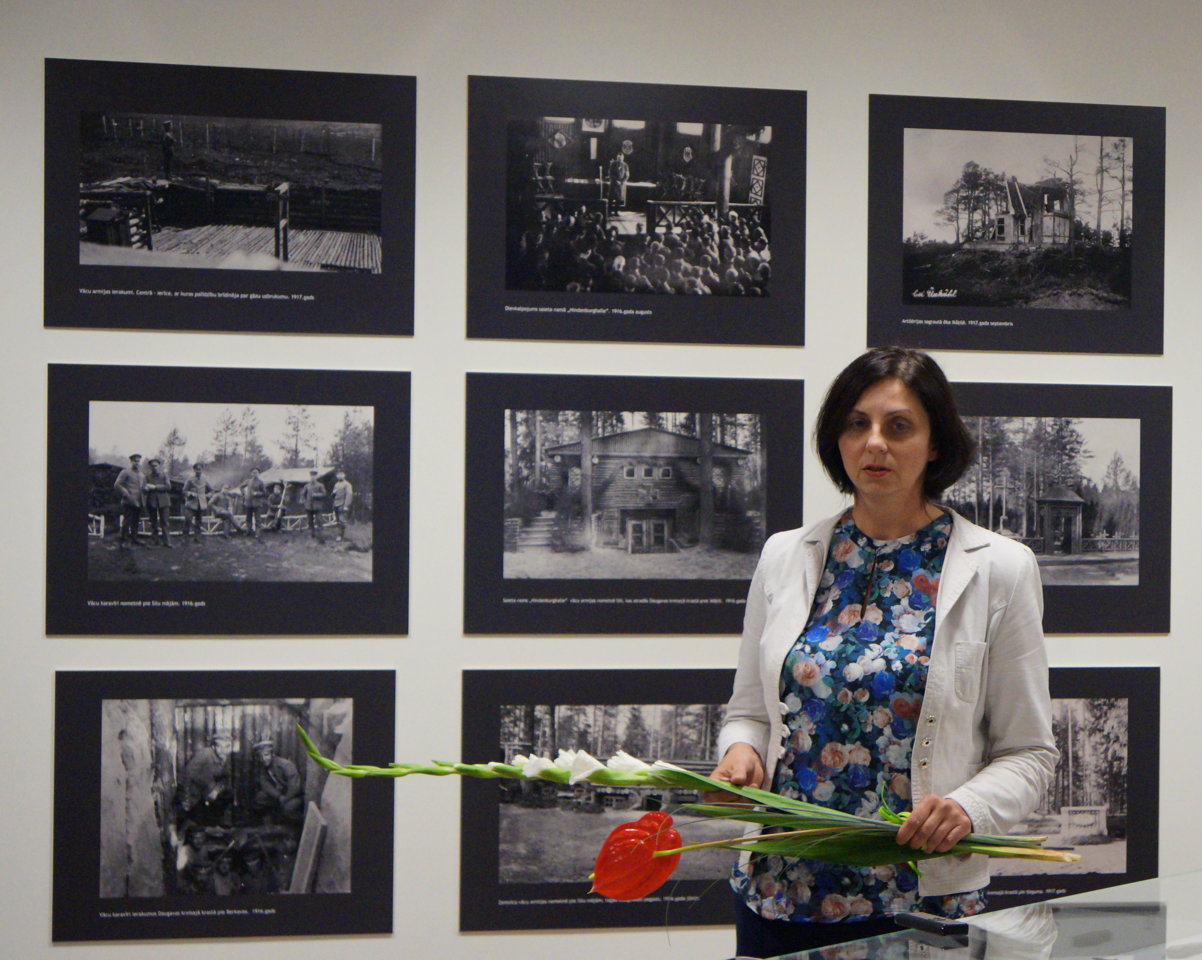
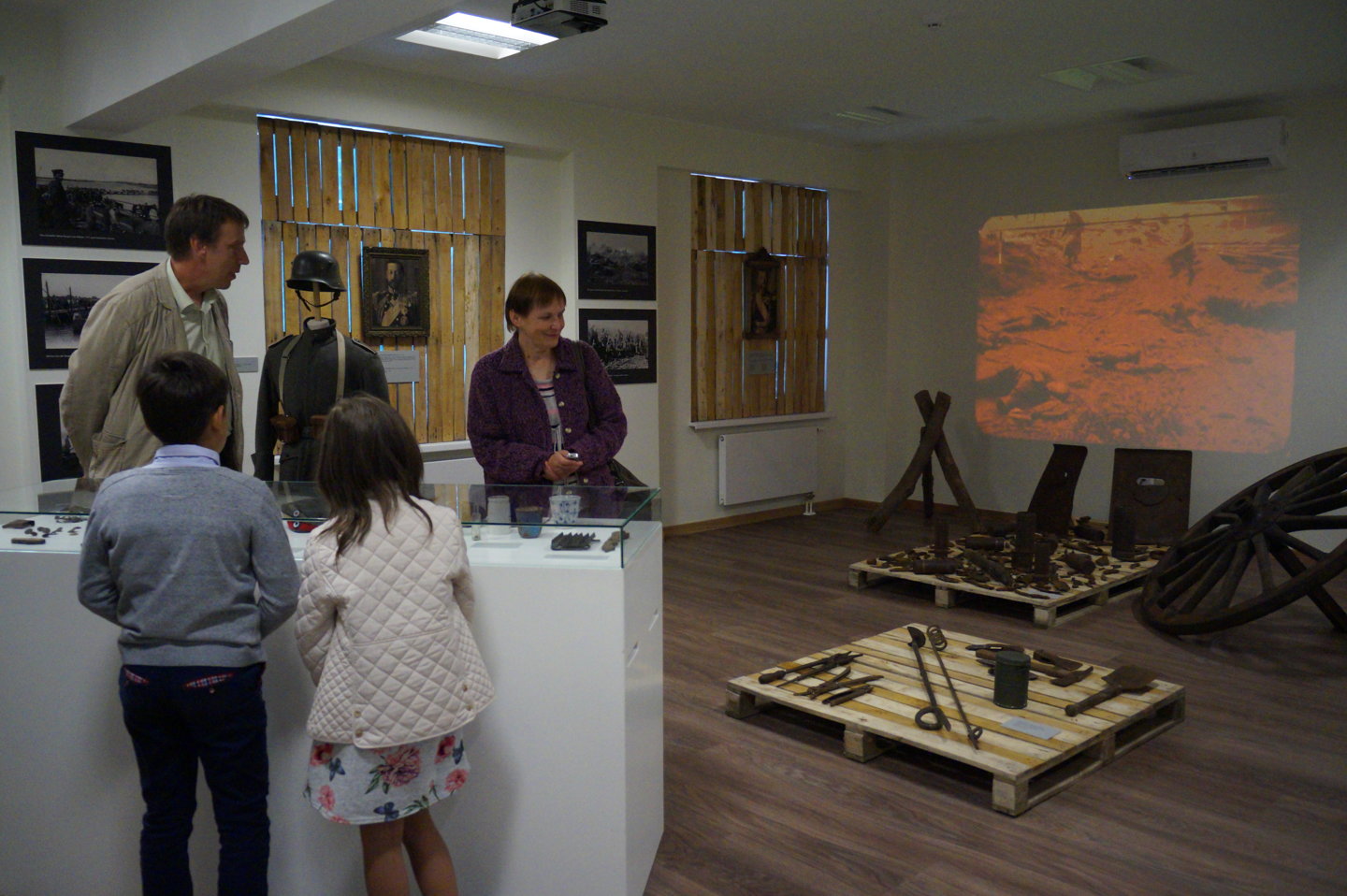
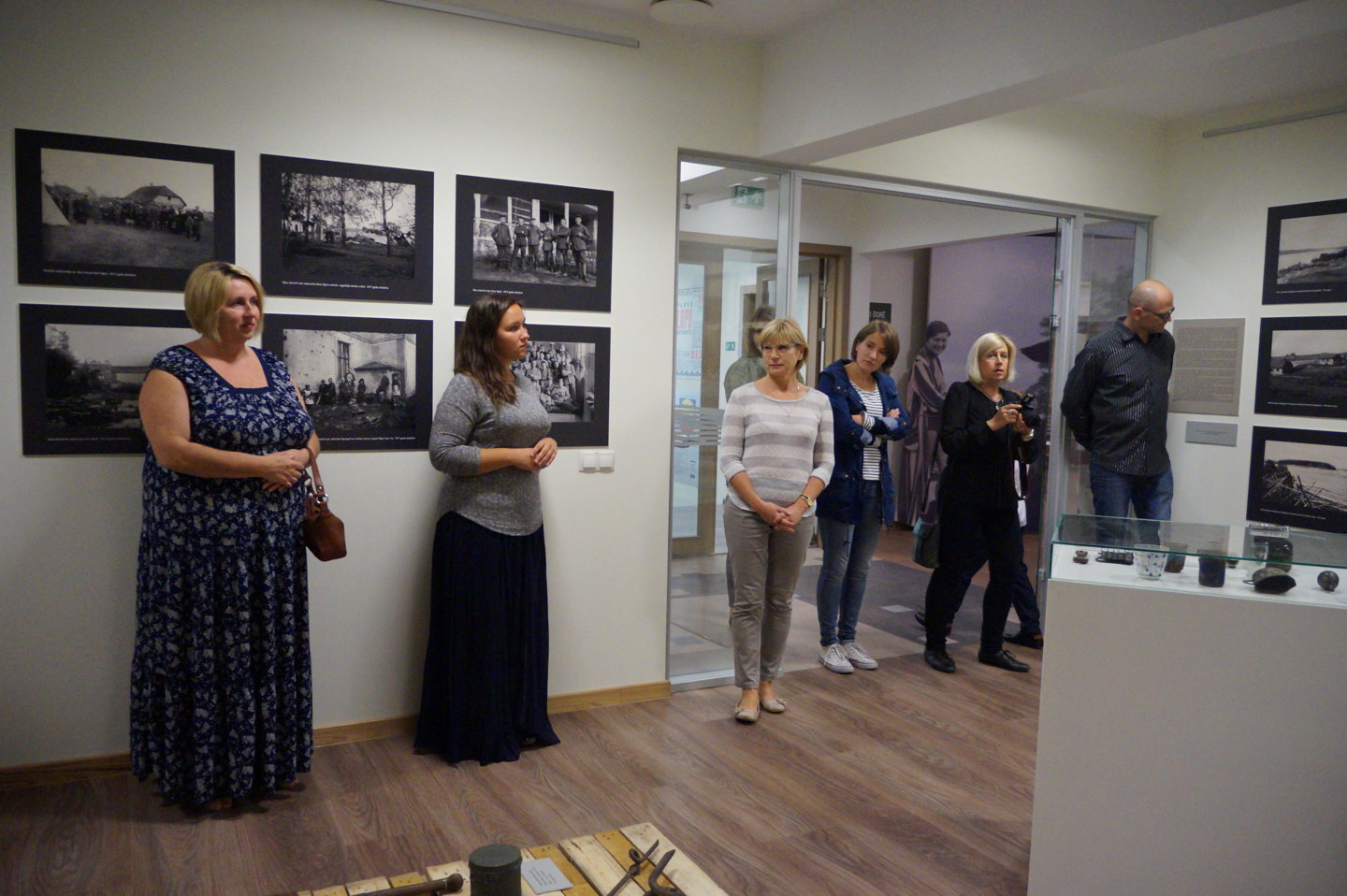
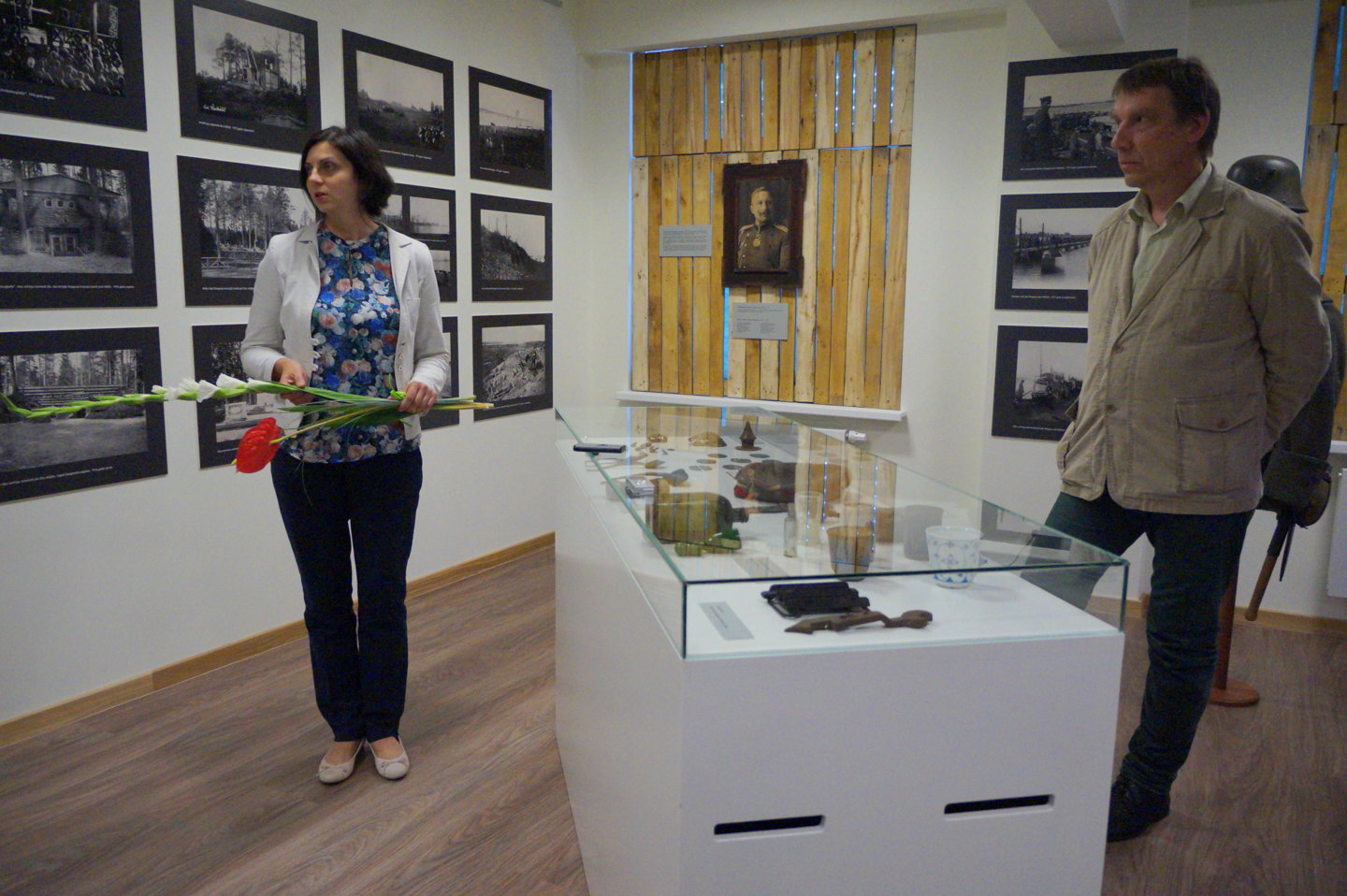
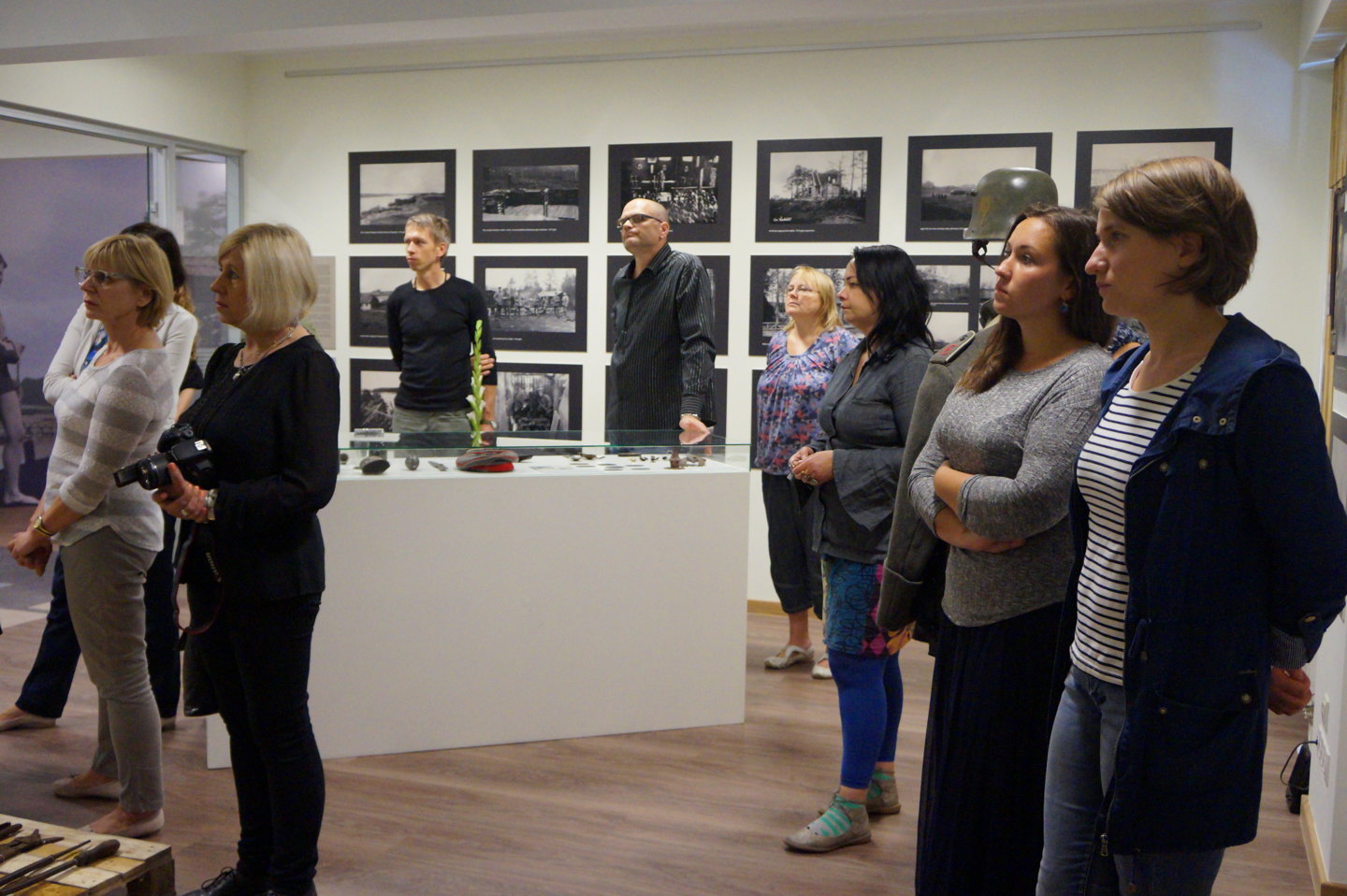
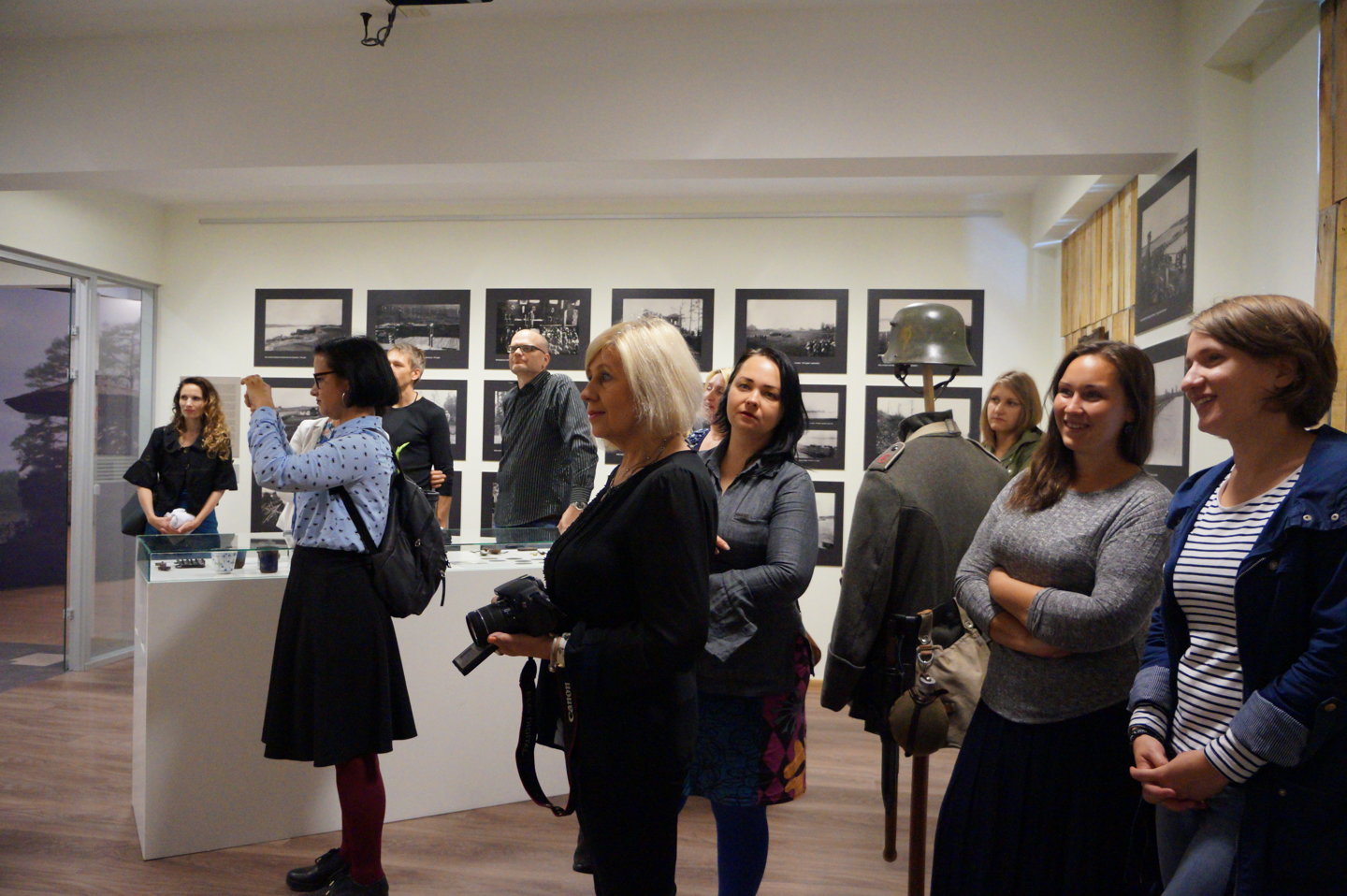
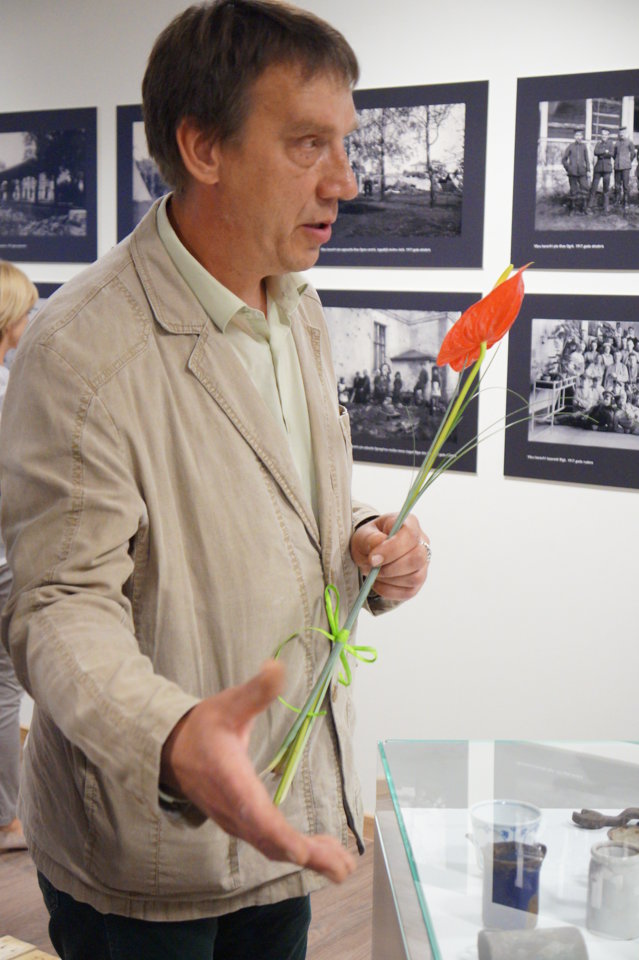
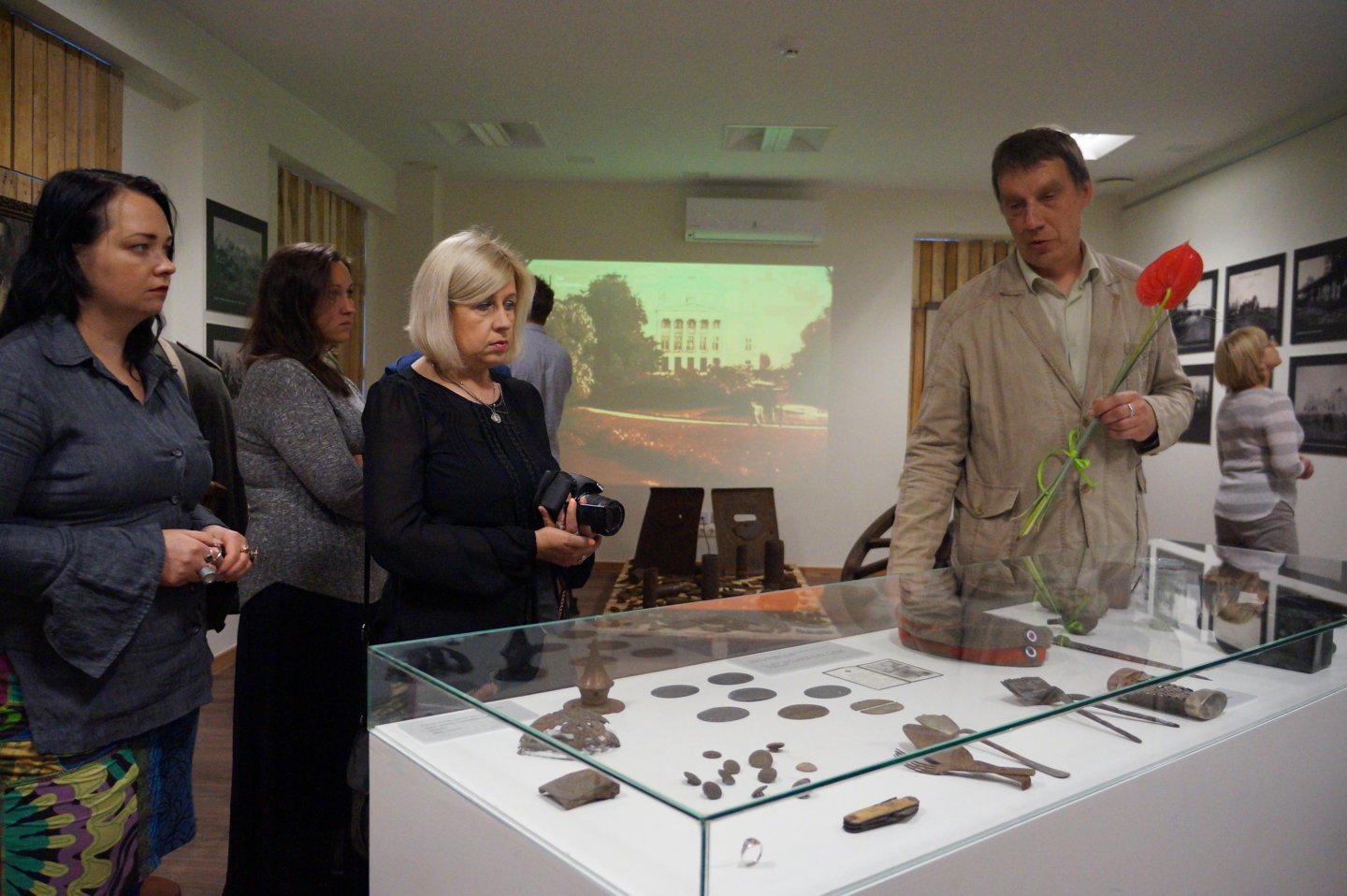
To commemorate the dramatic events of early September 1917, which unfolded near Ikšķile at the end of the First World War, the Ogre History and Art Museum opened the exhibition “Battle of Riga – 100 Years On: A View from German Positions.”
The exhibition presented rare, previously unexhibited photographic material captured by German soldiers and photojournalists – including images of trenches and daily life in the camps, the crossing of the Daugava River, battle scenes, the entry of troops into devastated Ogre, and an army parade attended by German Emperor Wilhelm II. The harsh reality of war was further illustrated through newsreel footage, everyday objects, and weaponry recovered from the combat zone.
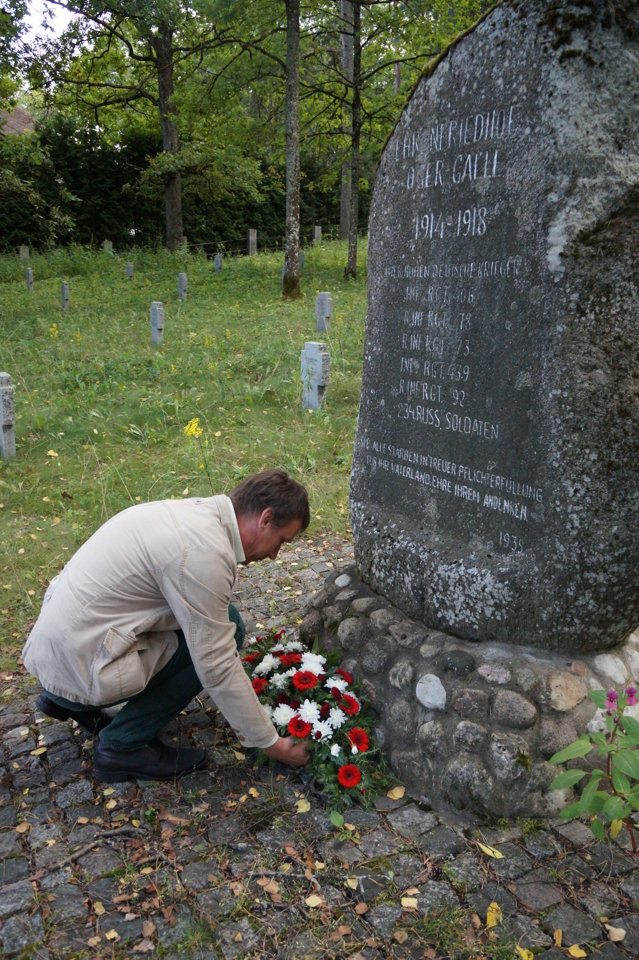
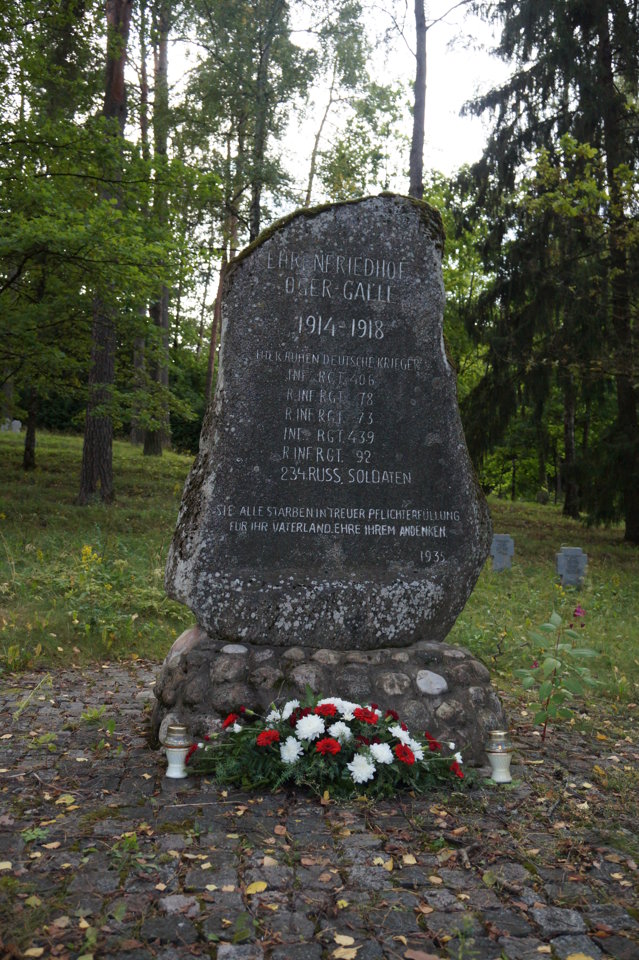
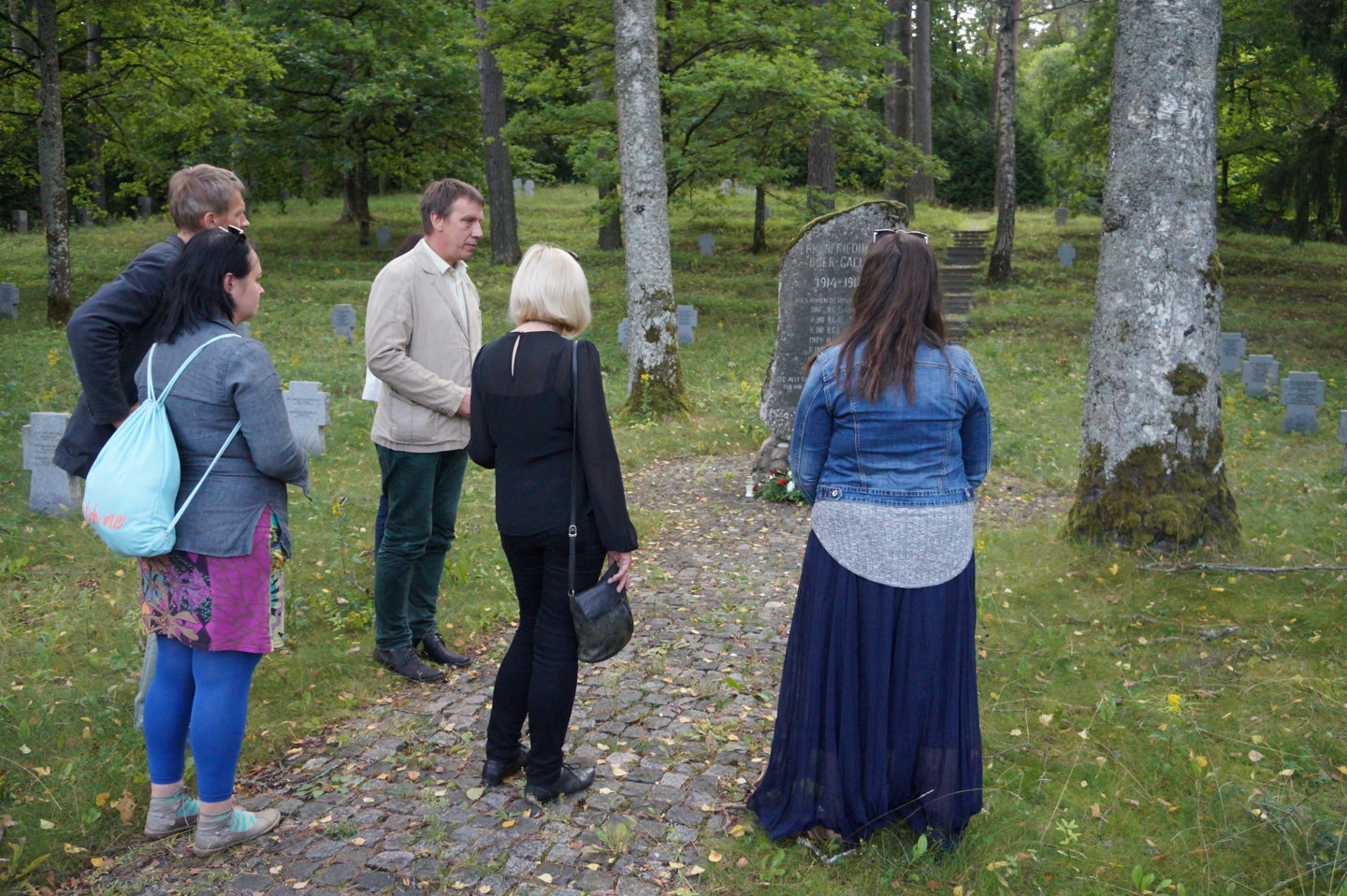
Soldiers who fell in the Battle of Riga are buried in several military cemeteries in the vicinity of Ikšķile, as well as in the military cemetery in Ogre on Čakste Avenue. Here lie 120 German Army soldiers and 260 Russian Army soldiers who perished on September 1, 2 and 3 in 1917.
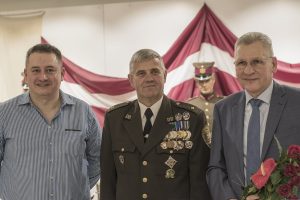
On the opening day of the exhibition, we visited the military cemetery in Ogre on Čakste Avenue to commemorate those who fell in battle.