
Exhibition “Women in War After the War”
From March 14 to June 1, 2025.
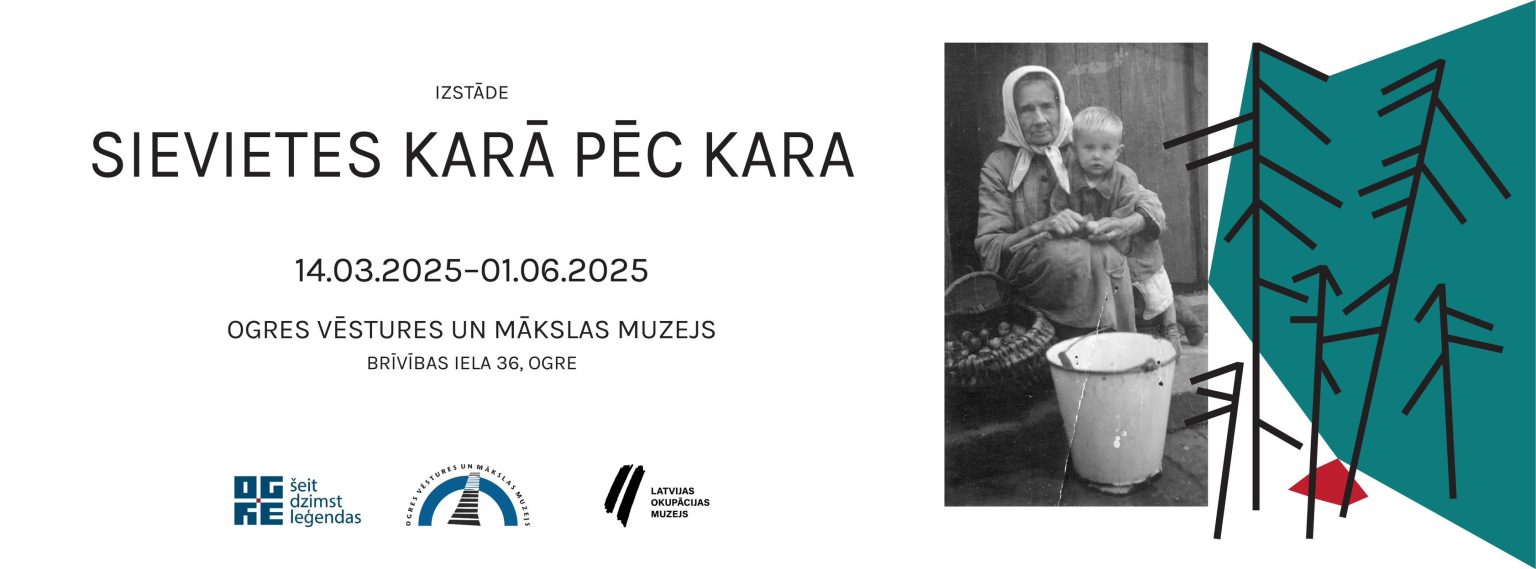
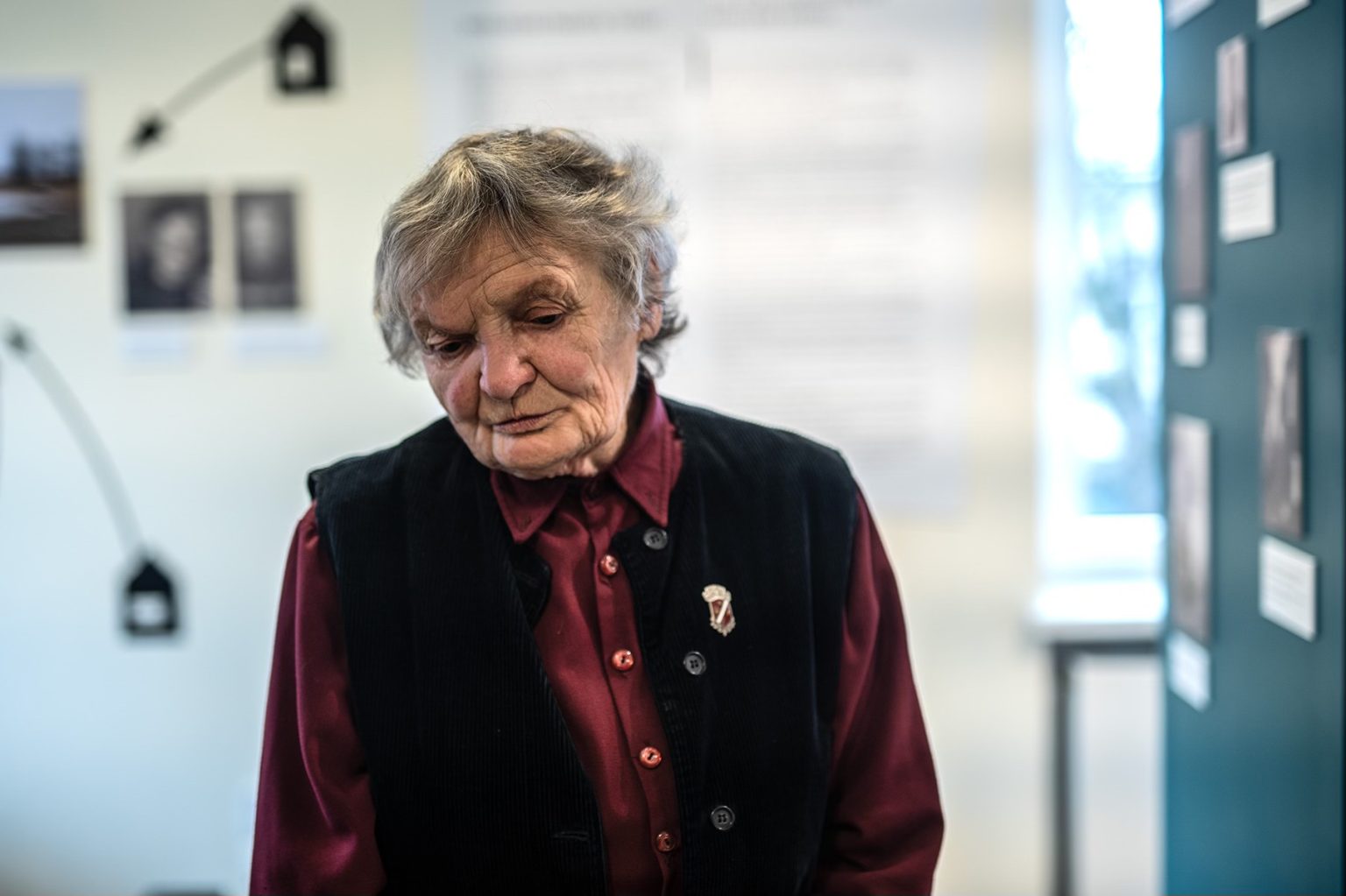
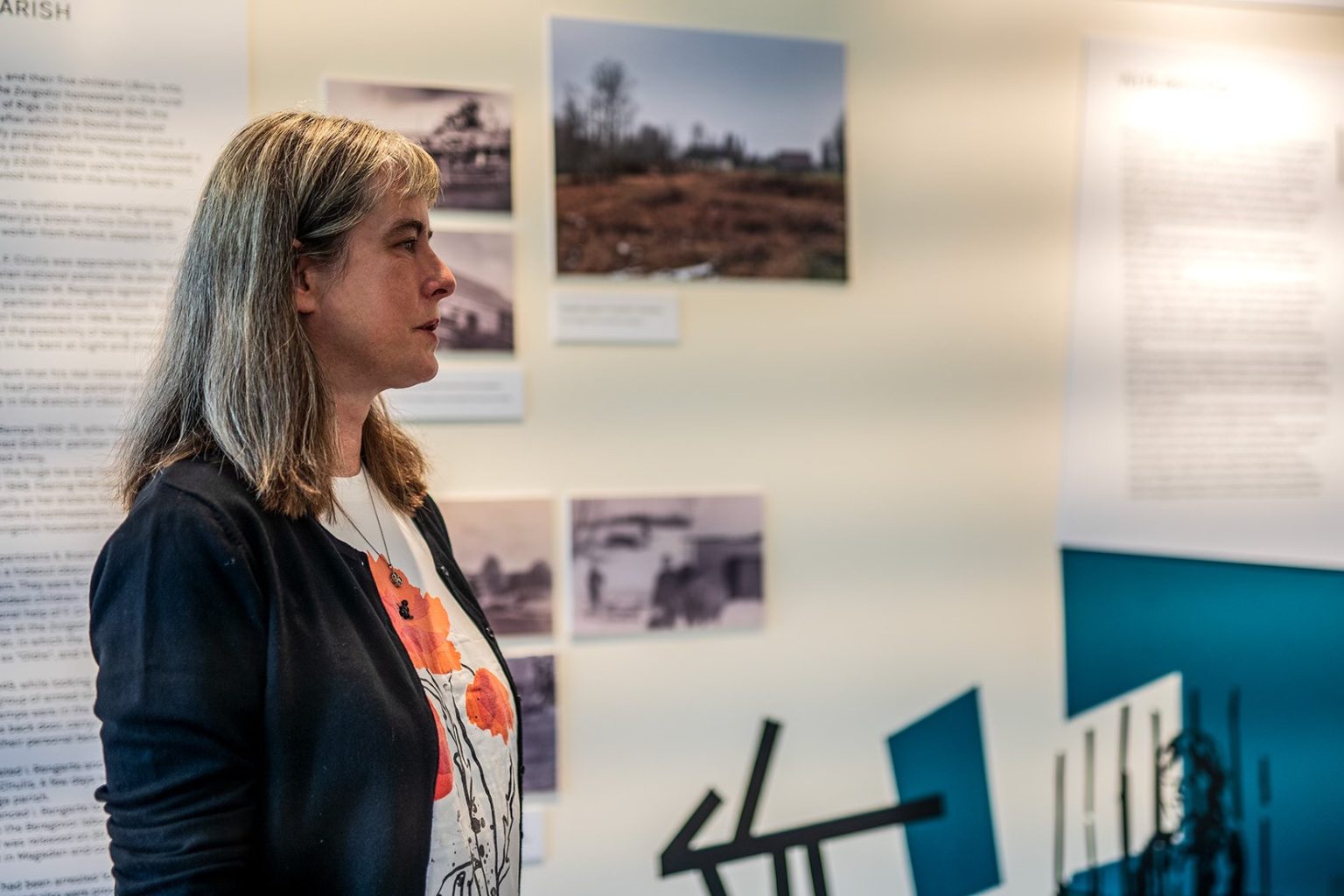
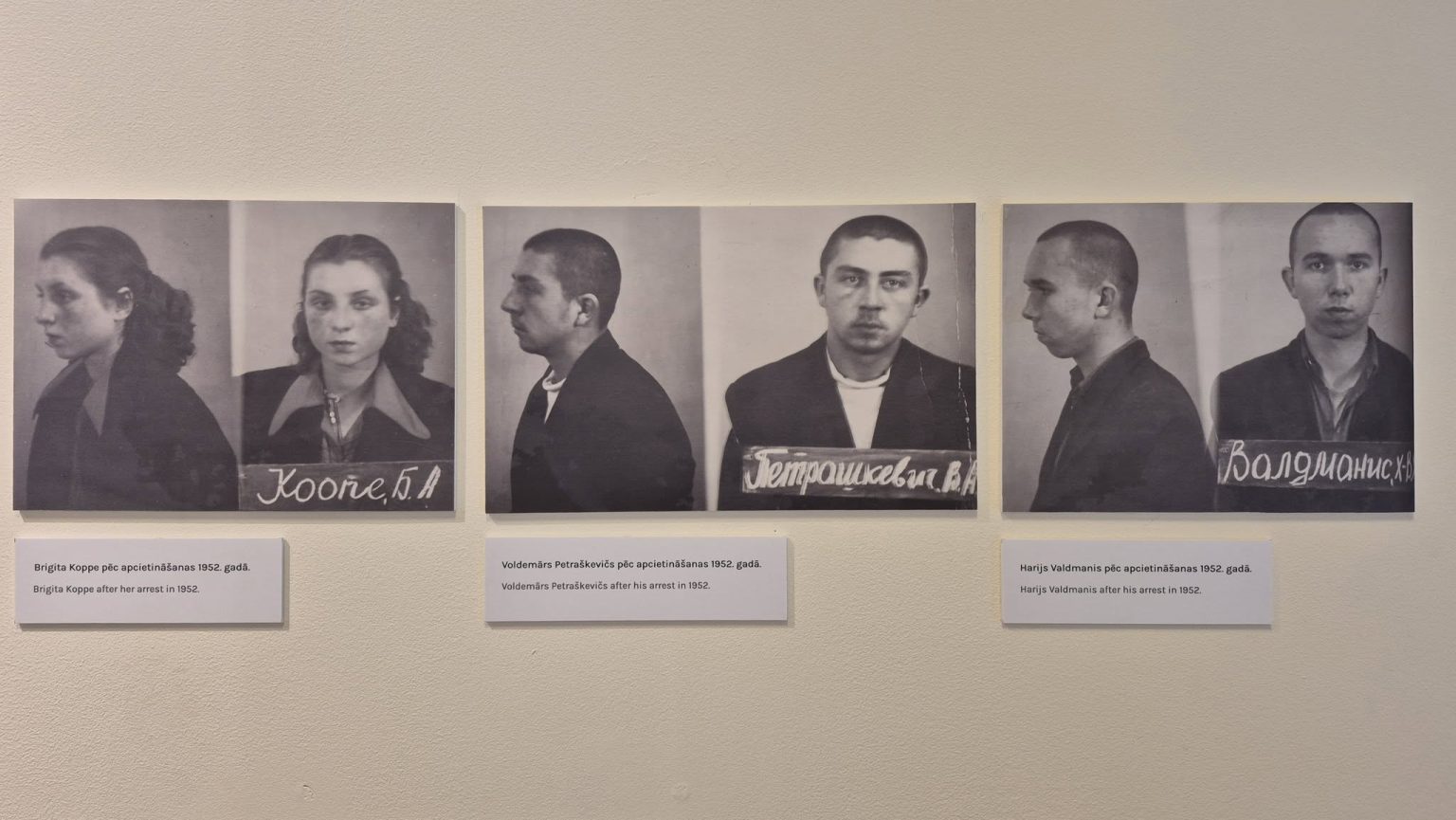
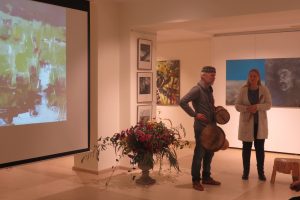
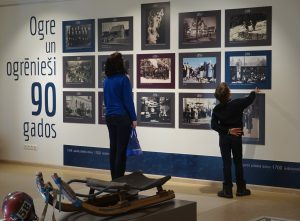
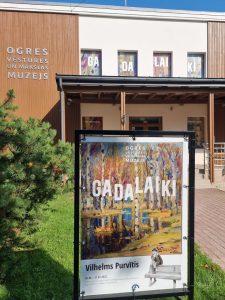
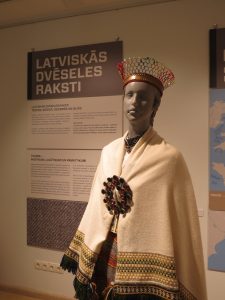
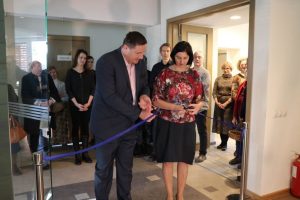
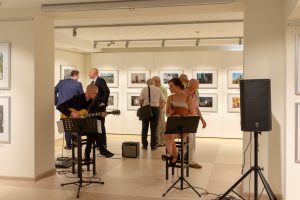
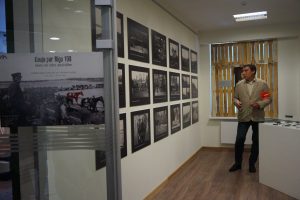
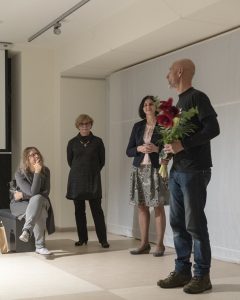
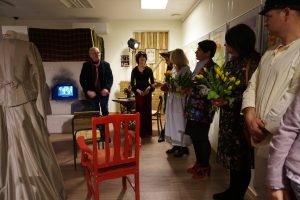
2025. On March 14, 2025, an exhibition about unheard historical stories, “Women in War After the War,” was opened at the Ogre History and Art Museum.
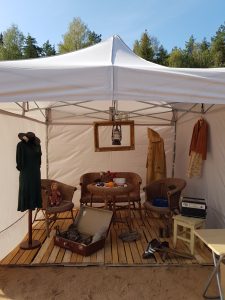
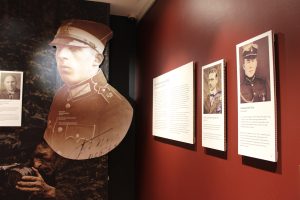
The exhibition “Women in War After the War” sheds light on the fates of thirteen women of different ages from the Ogre region between 1945 and 1958. These stories reveal the complex post-war reality—deportations, adaptation to a new life, and efforts to preserve humanity under difficult circumstances.
The end of World War II did not bring peace and a secure future for most of Latvia’s population; instead, it meant a second subjugation under the communist occupation regime. Aggressive propaganda, the confiscation of private property, arrests, and terror—already experienced in 1940–41—resumed once again. However, unlike during the first period of occupation, people no longer had illusions about peaceful coexistence with the occupiers or with collaborators sympathetic to the regime.
During the twelve post-war years, from the summer of 1944 to 1957, at least 13,000 inhabitants of Latvia took part in the armed national resistance movement against the communist occupation regime. The number of civilian supporters of the national partisans was at least two to three times higher.
The lives of women in communist-occupied postwar Latvia were very often equivalent to war—it was a struggle for survival. Fathers, husbands, brothers, and sons had been arrested, killed, or gone missing during the war, or were hiding in forests where they continued to resist. Women carried not only the responsibility of caring for children and relatives but also physically demanding daily labor. Failure to meet the occupation regime’s imposed taxes and food quotas threatened the loss of property and imprisonment.
A more serious risk was supporting the national partisans, and women were aware of this. However, their conviction and hope that the communist system in Latvia would not last long were stronger than fear: the national partisans were the only real force resisting the occupiers. Even under conditions of deprivation and the threat of arrest, they were not denied a slice of bread or shelter.
The forest, in turn, became a place of refuge for female supporters of the national partisans, who escaped arrest or fled the deportations of March 25, 1949.
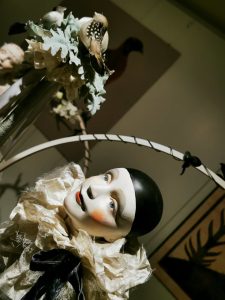
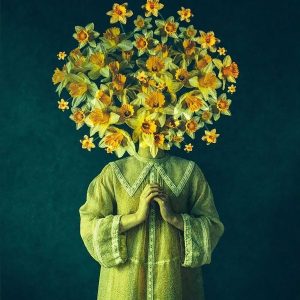
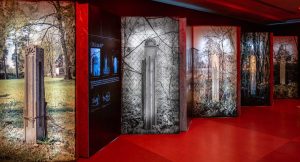
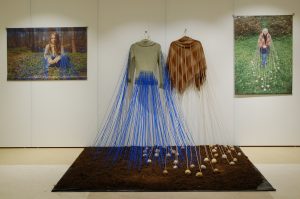
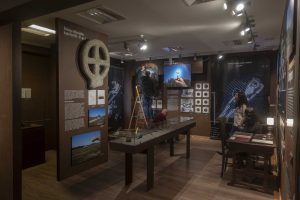
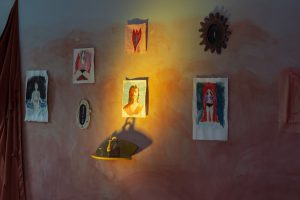
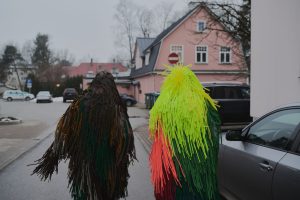
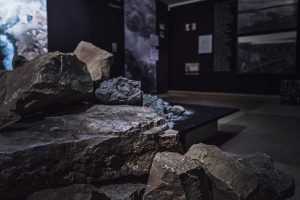
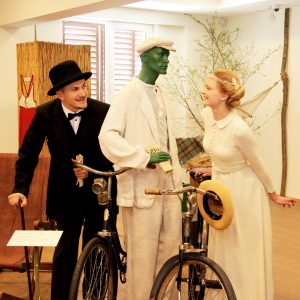
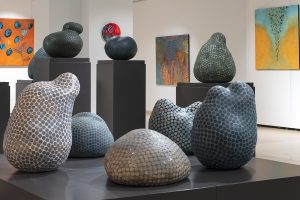
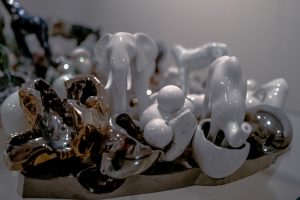
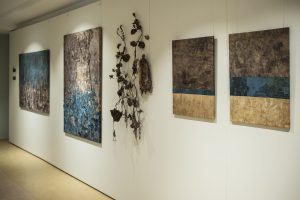
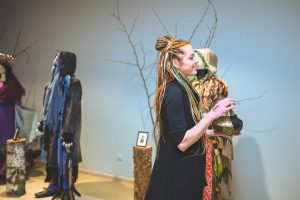
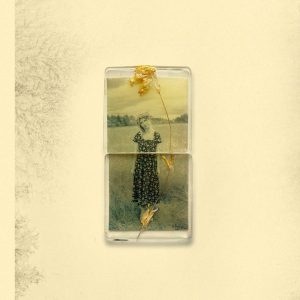
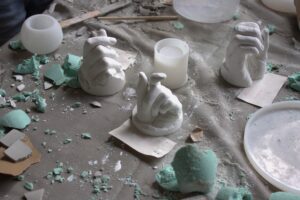
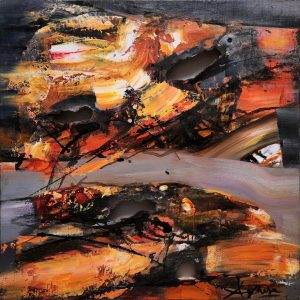
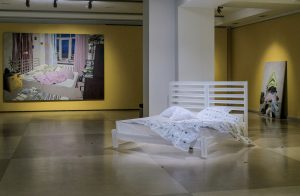
In the conditions of a totalitarian regime, even a misplaced word or an offense that would have resulted in a fine in a democratic system could become a reason for political repression. The communist regime also treated compassion and love for “the wrong” people as a crime. Alongside documents, photographs, and objects, a fact-based artistic approach has also been used.
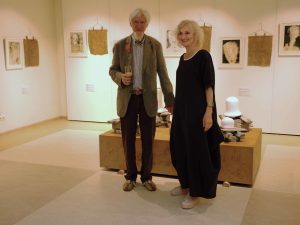
The creators of the exhibition are historian of the Ogre History and Art Museum Inese Dreimane and artist Rolands Vēgners.