
Exhibition “Krape Cemetery Stories” at the Ogre Museum
10.10.2025.—04.01.2026.
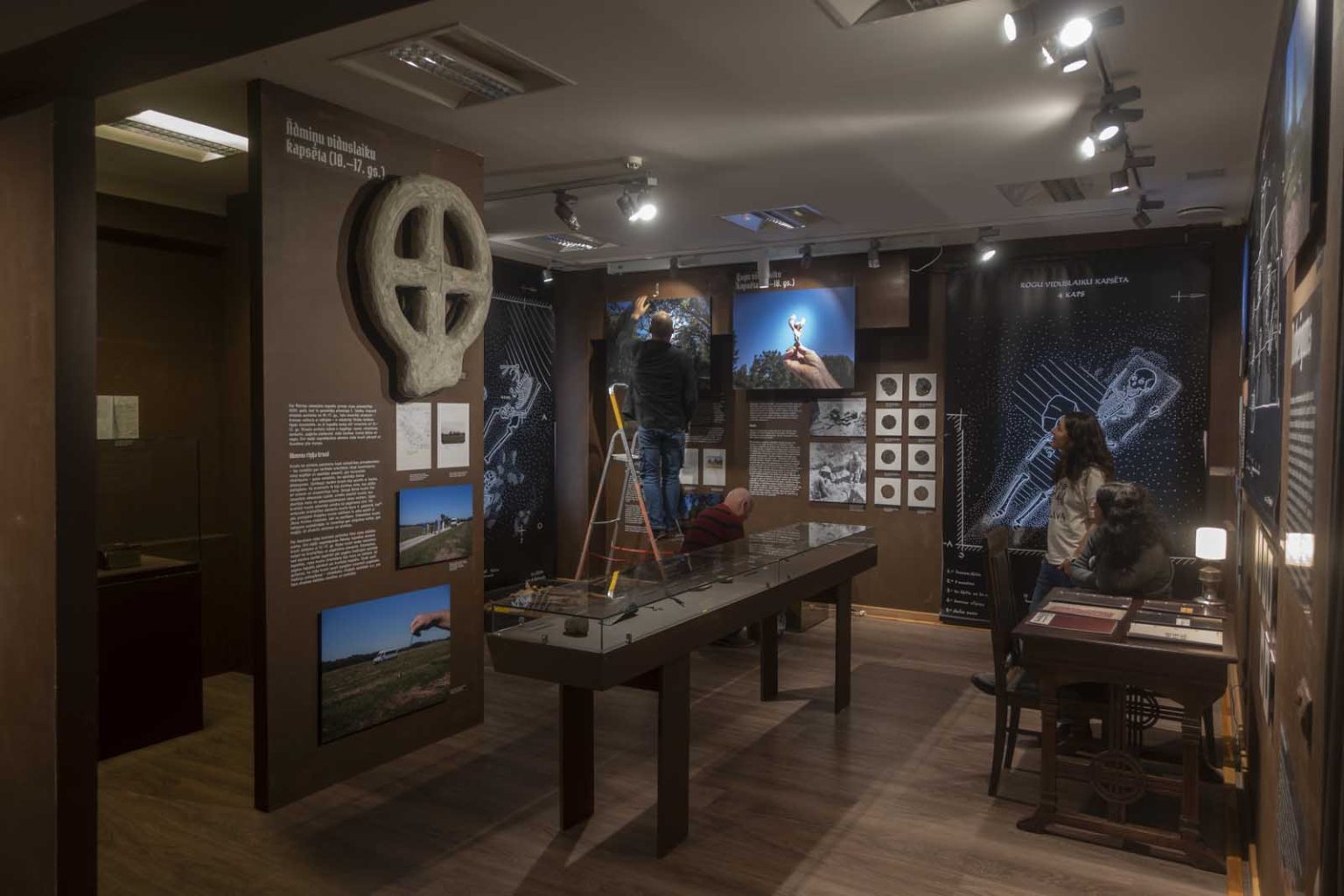
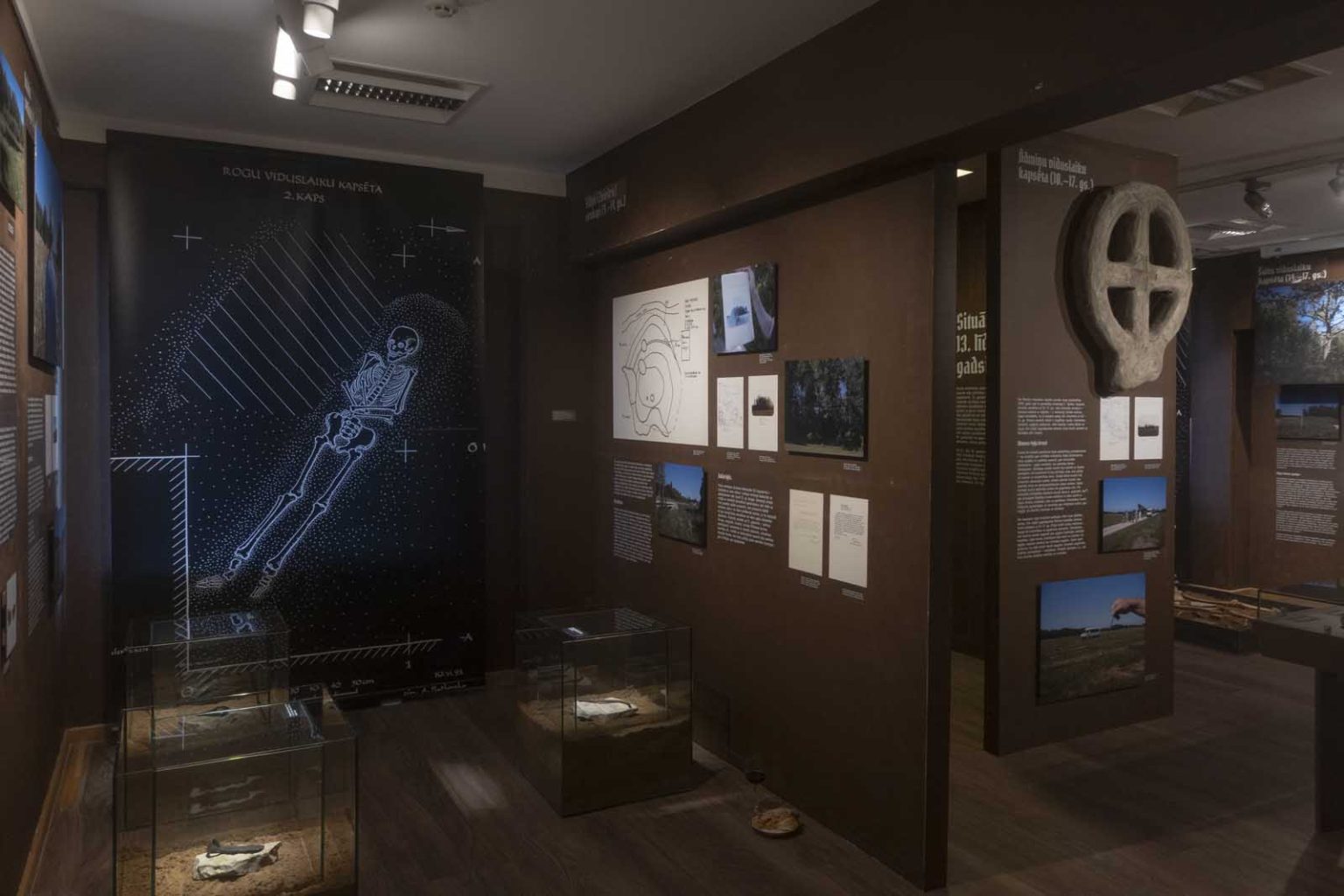
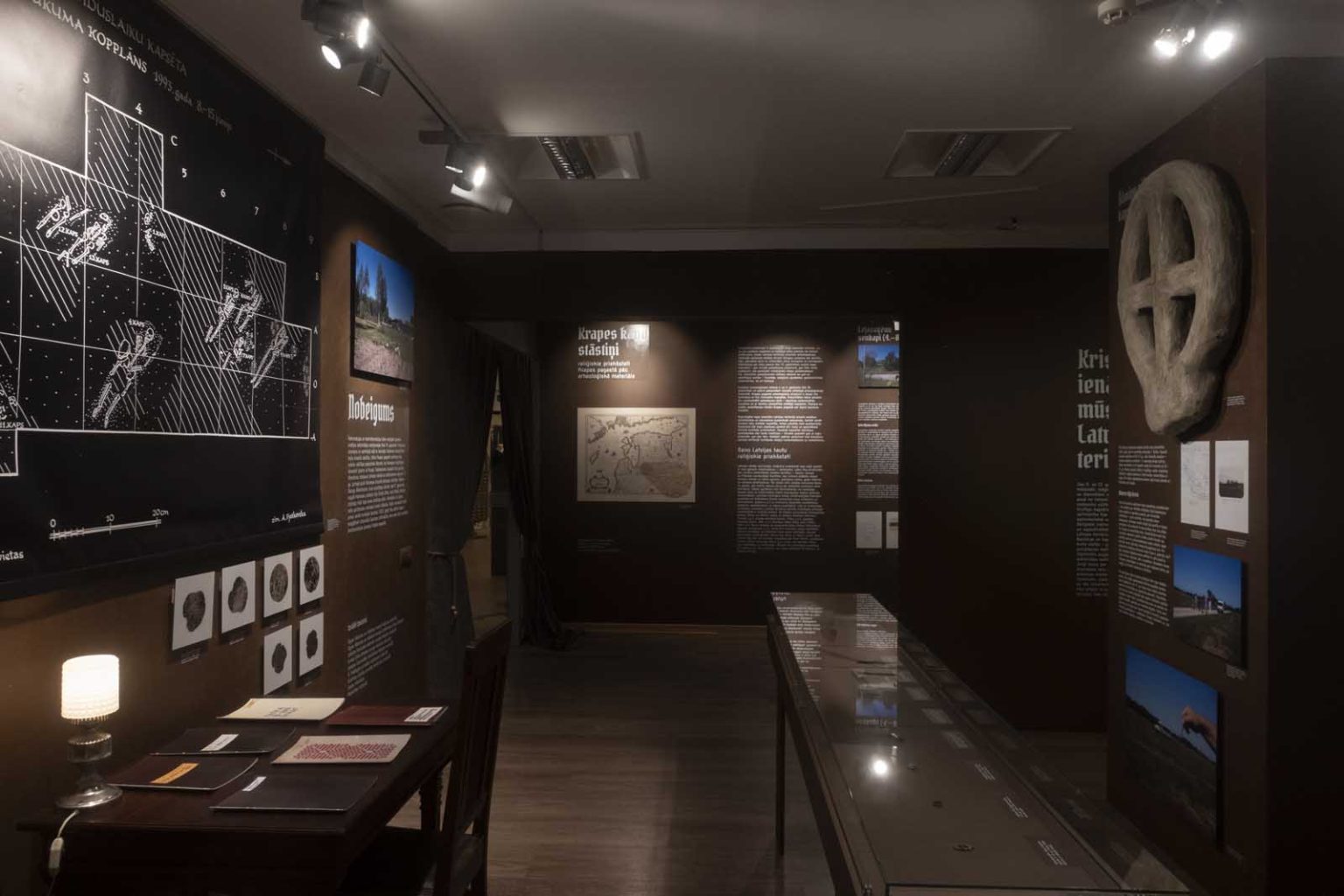
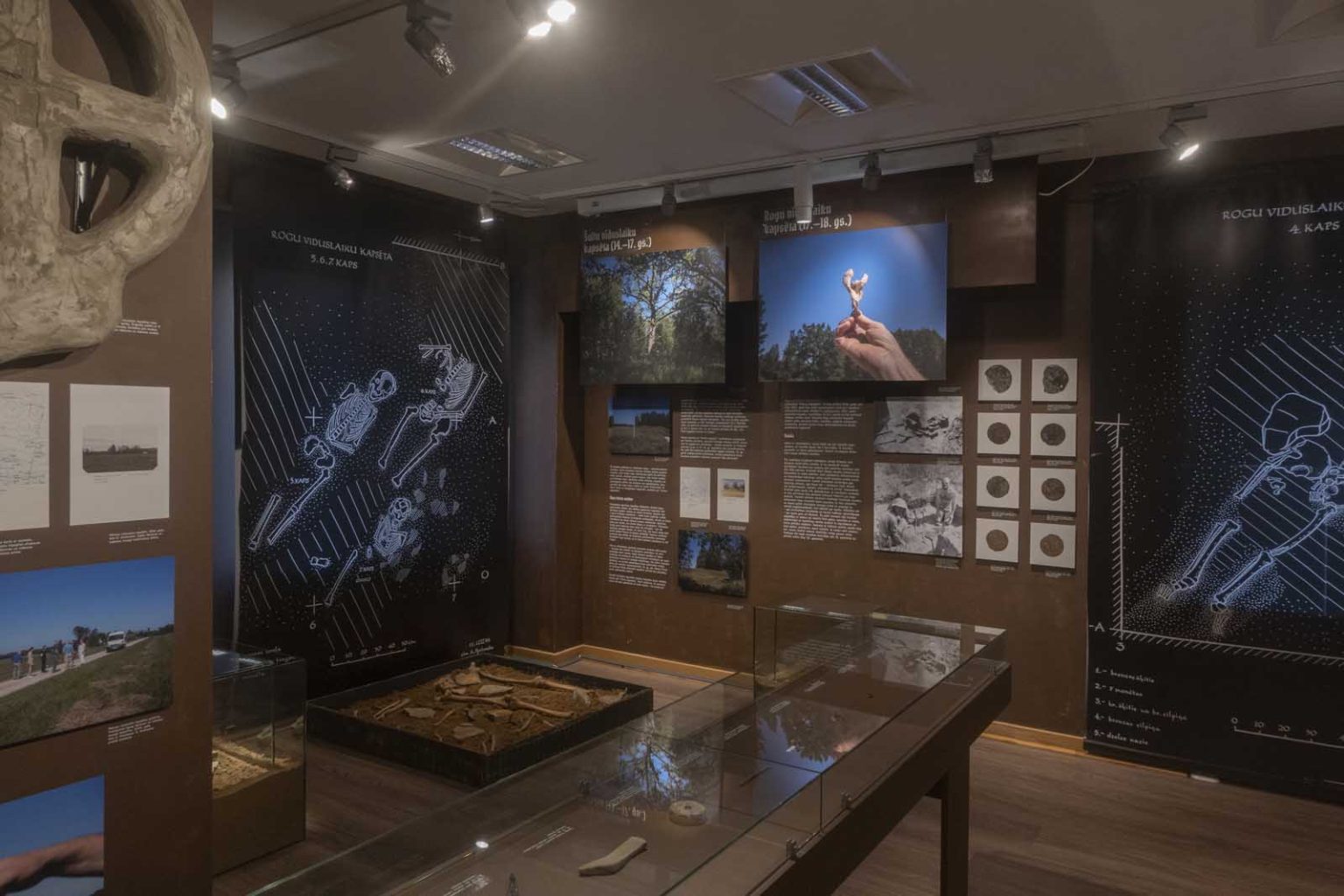
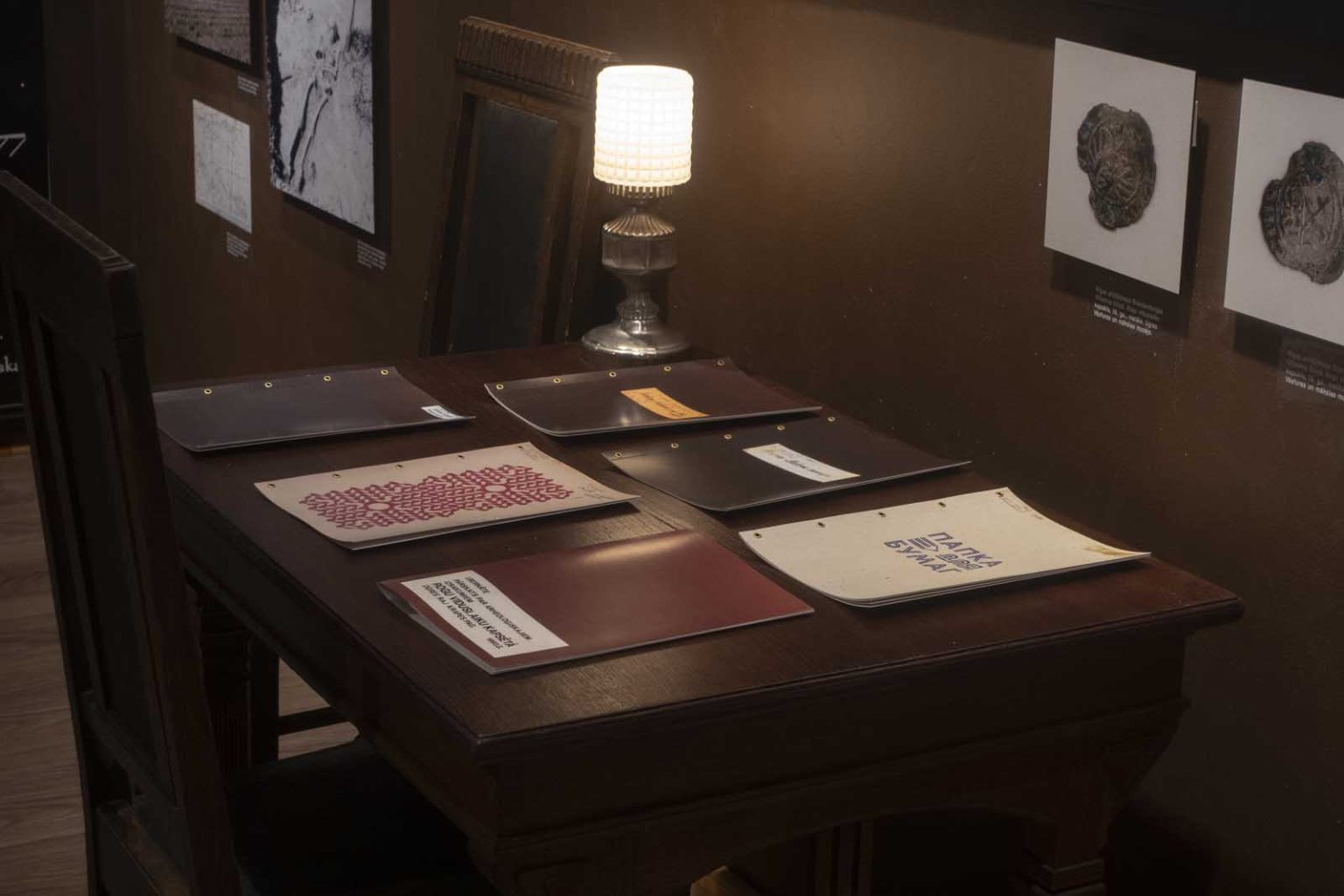
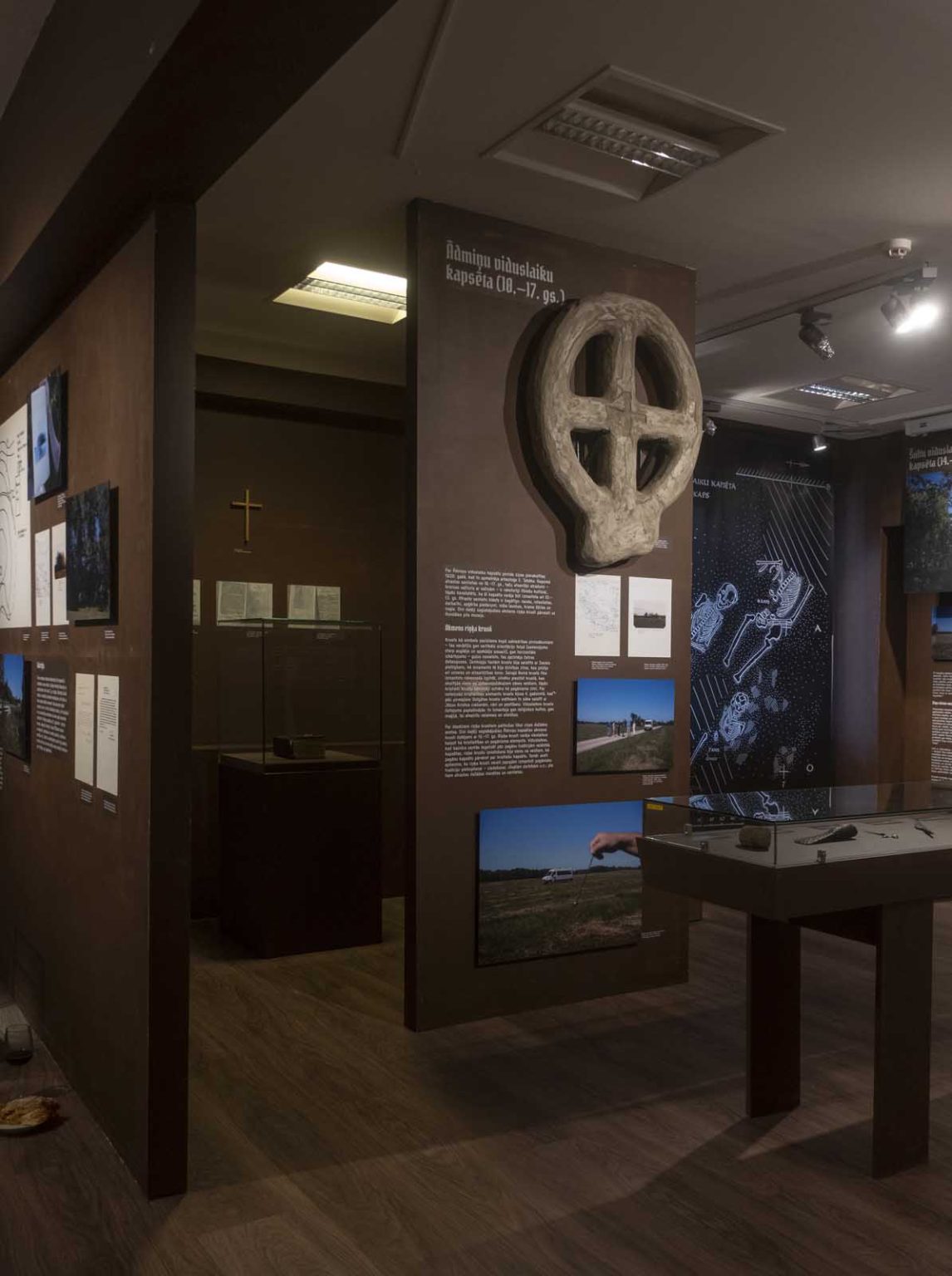
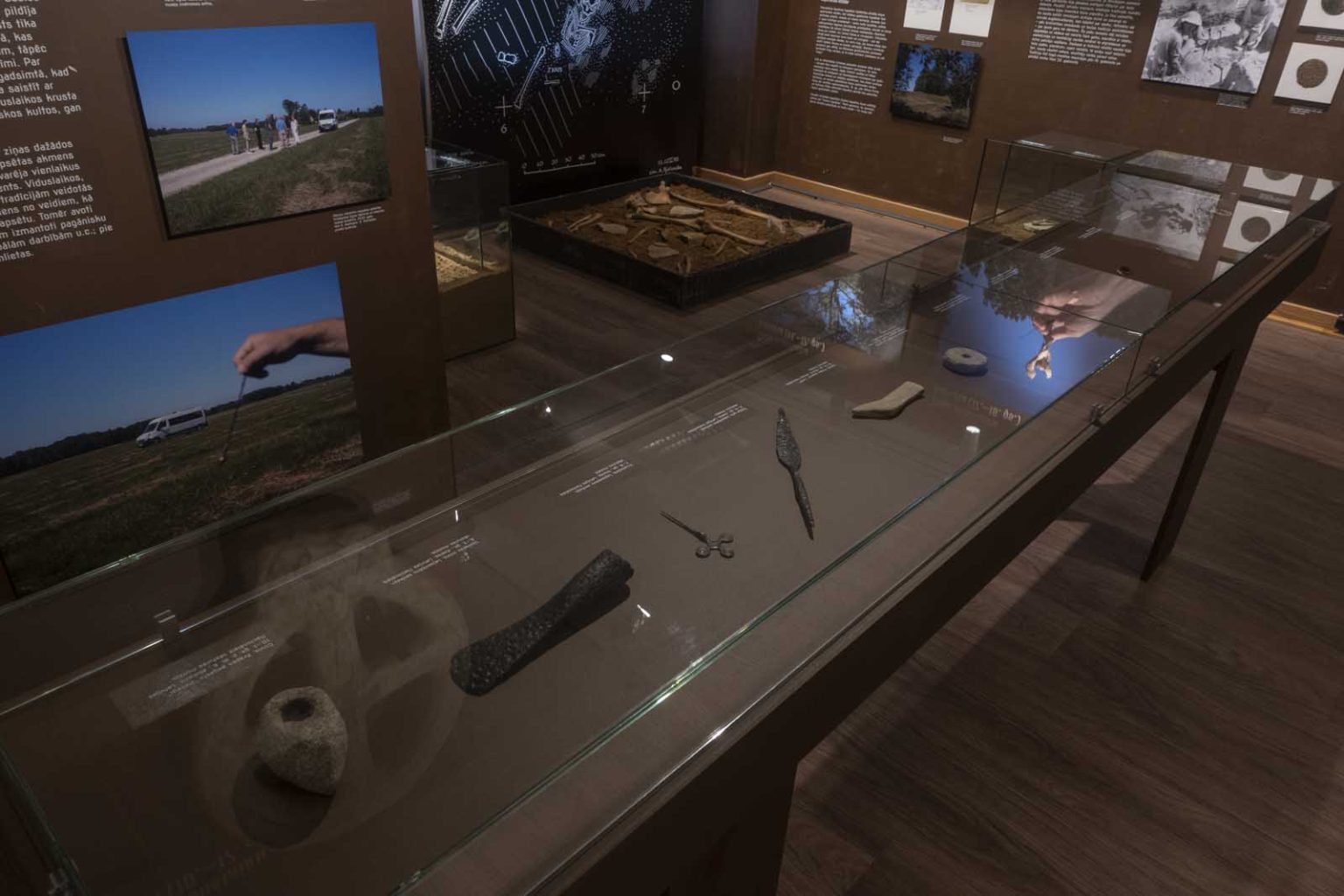
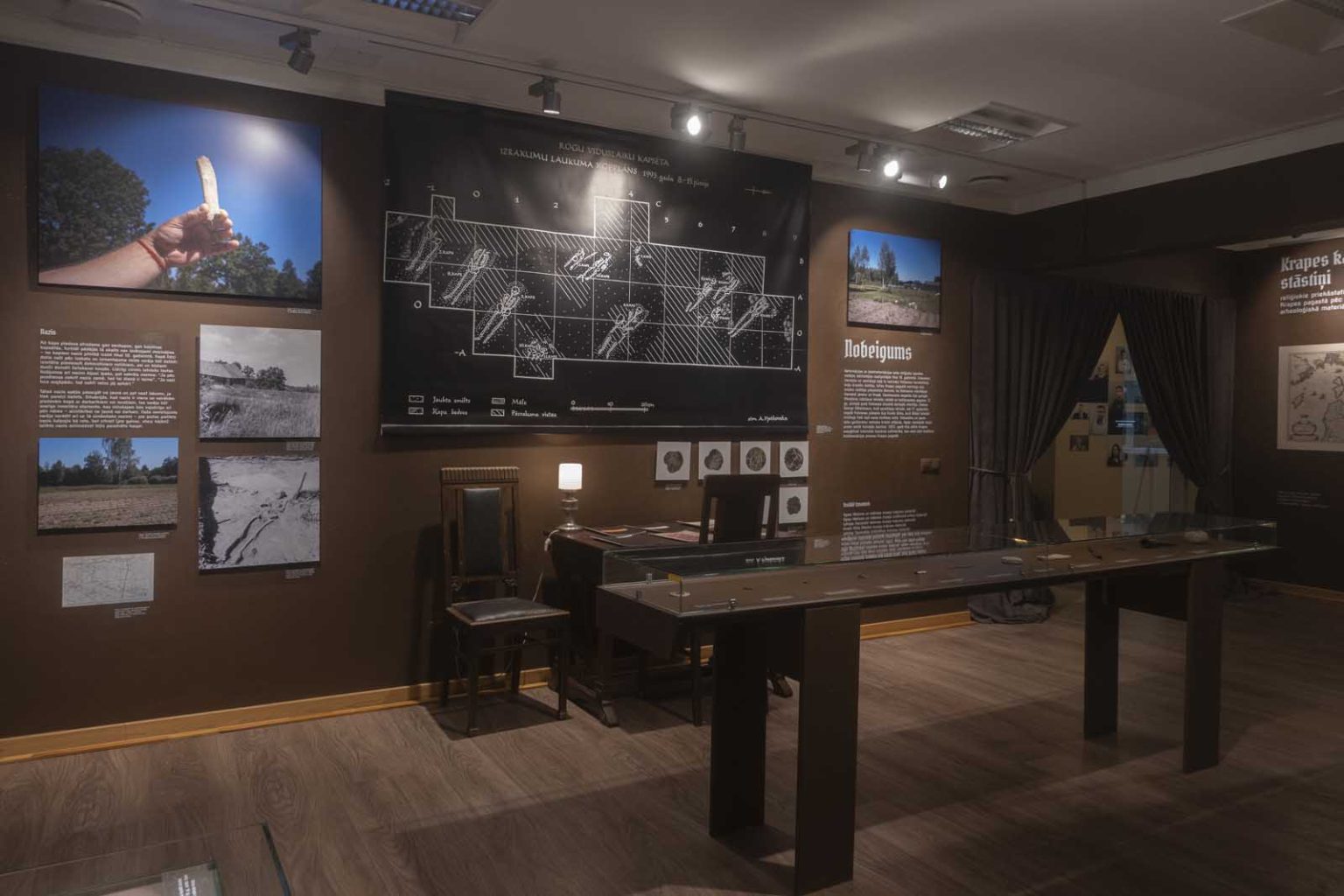
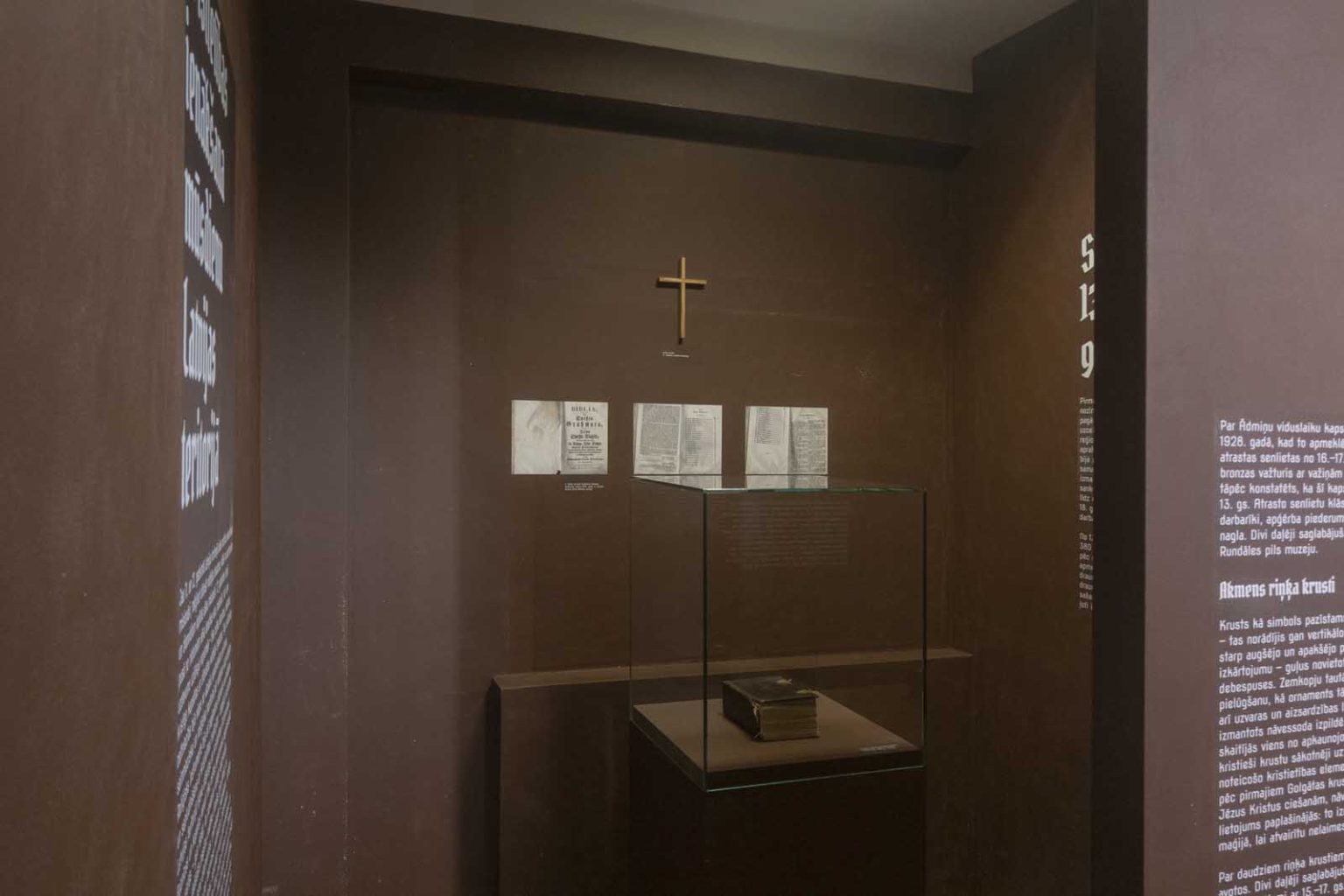
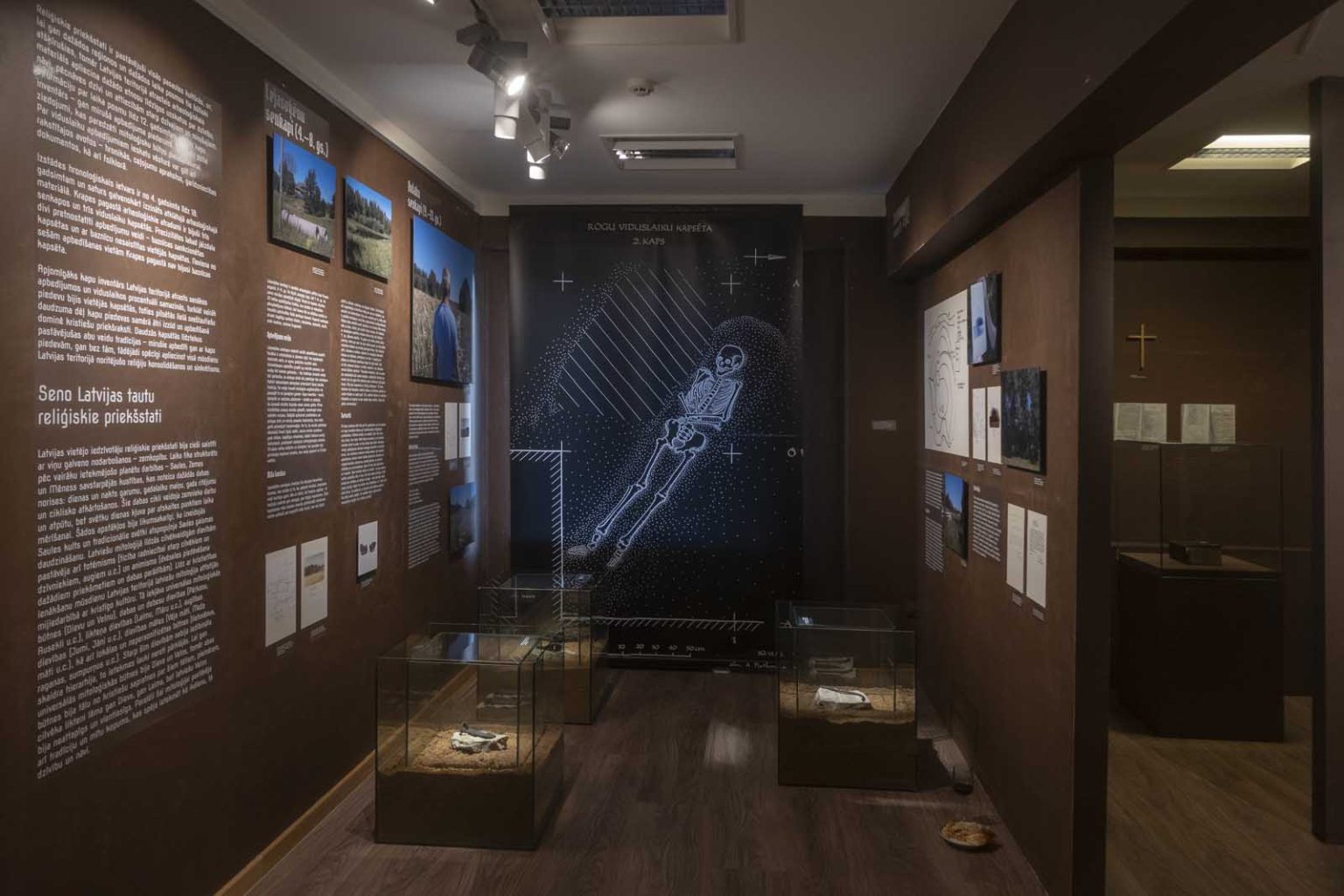
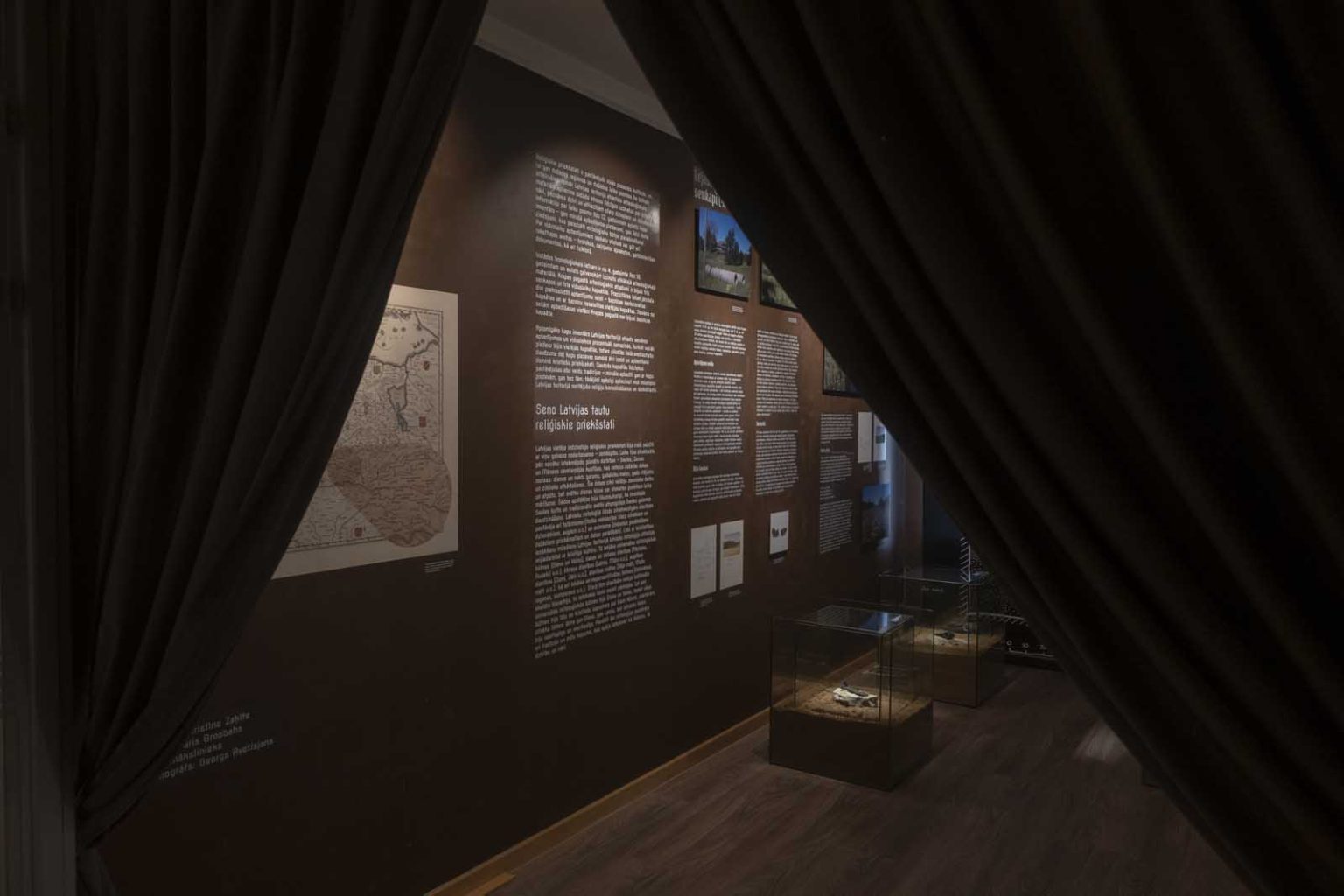
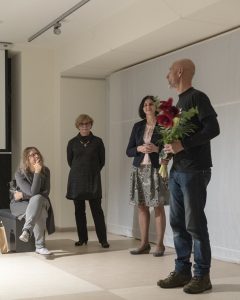
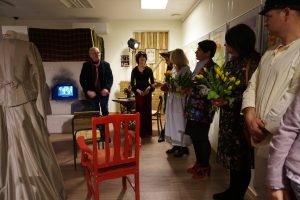
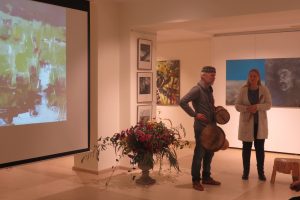
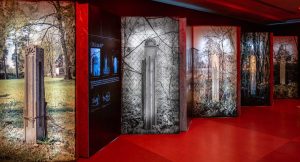
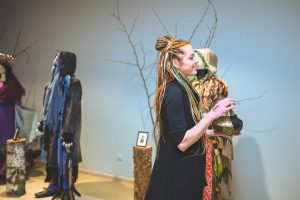
On October 10, 2025, the exhibition Krape Cemetery Stories: Religious Beliefs of Krape Parish Based on Archaeological Material was opened at the Ogre History and Art Museum.
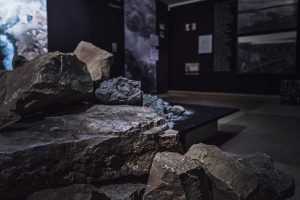
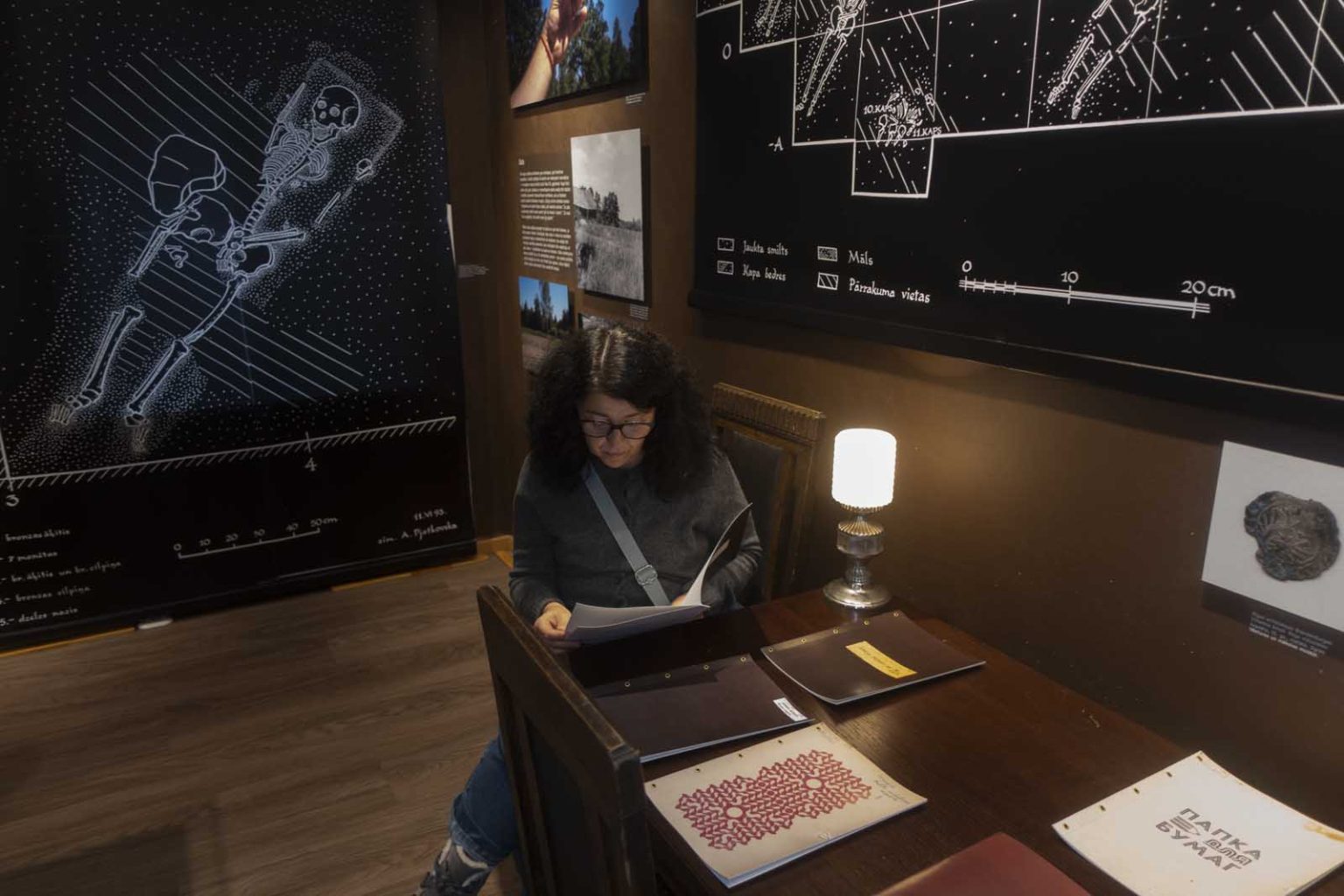
The exhibition was based on archaeological finds from burial sites in the Krape area, covering the period from the 4th to the 17th–18th centuries. It offered a unique opportunity to explore a little-studied period in the history of Krape parish, as well as ancient ideas about life, death and faith.
The arrival of Western European Catholicism marked a turning point; however, although the local people were baptised, Christianity as a religion took root slowly. Archaeological finds in Latvia indicate that over the centuries syncretism – the merging of Christianity with pre-existing religious beliefs – developed in the territory of present-day Latvia. The Krape cemetery, which was not associated with a church, reflects traditions practised by the local population, where elements of paganism intertwined with Christian symbols.
What do the grave goods tell us? How did the inhabitants of Krape perceive death? The exhibition’s content and its creators offered answers to these questions.
The exhibition was open to visitors from October 10, 2025 to January 4, 2026.
Historian: Kristīne Zaķīte
Project manager: Māris Grosbahs
Exhibition artist and scenographer: Georgs Avetisjans
Technical implementation: Guntars Andersons, Nils Miķelsons