
Exhibition “Ogre’s Dawn”
From August 8 until November 23, 2025
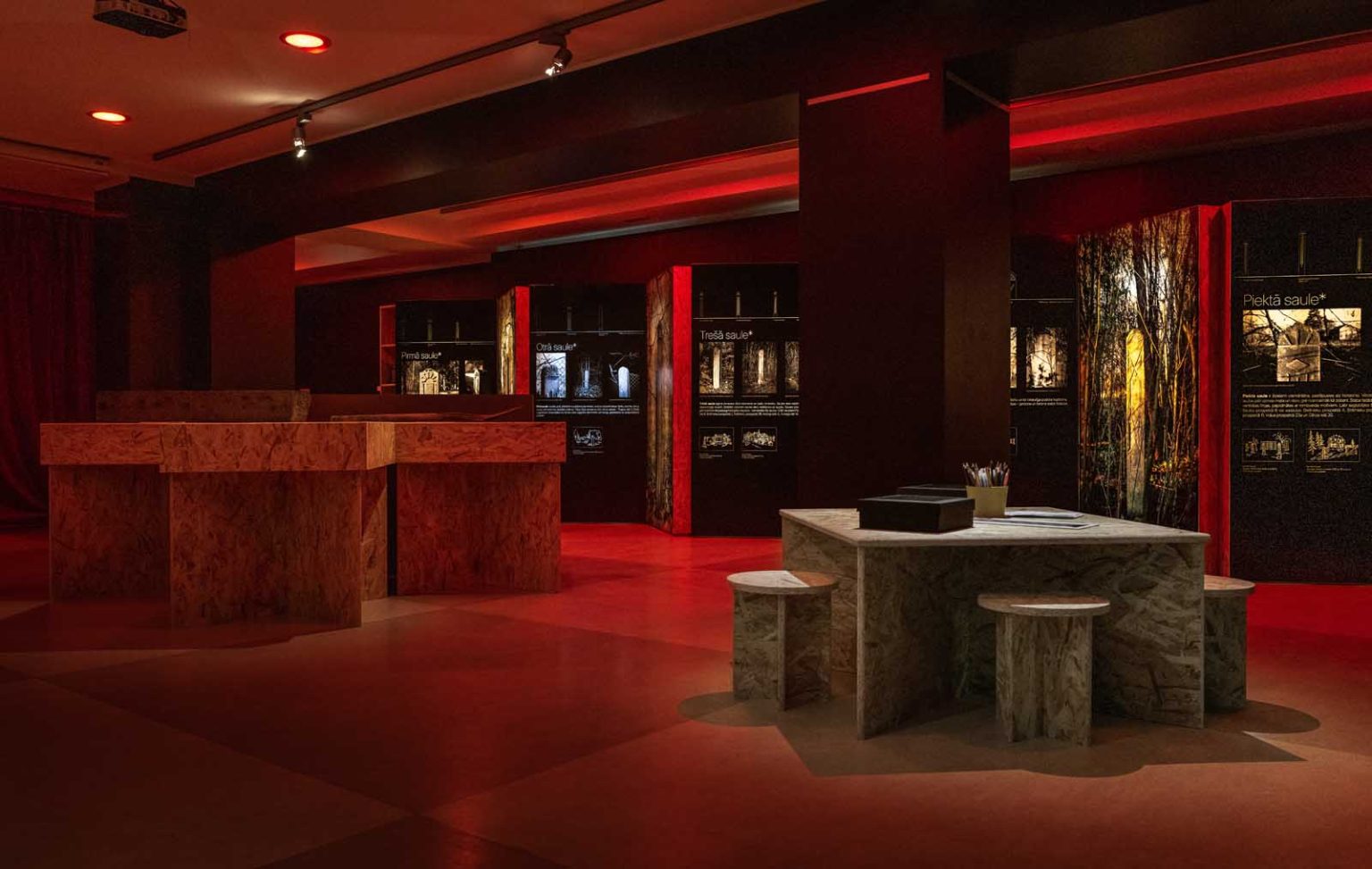
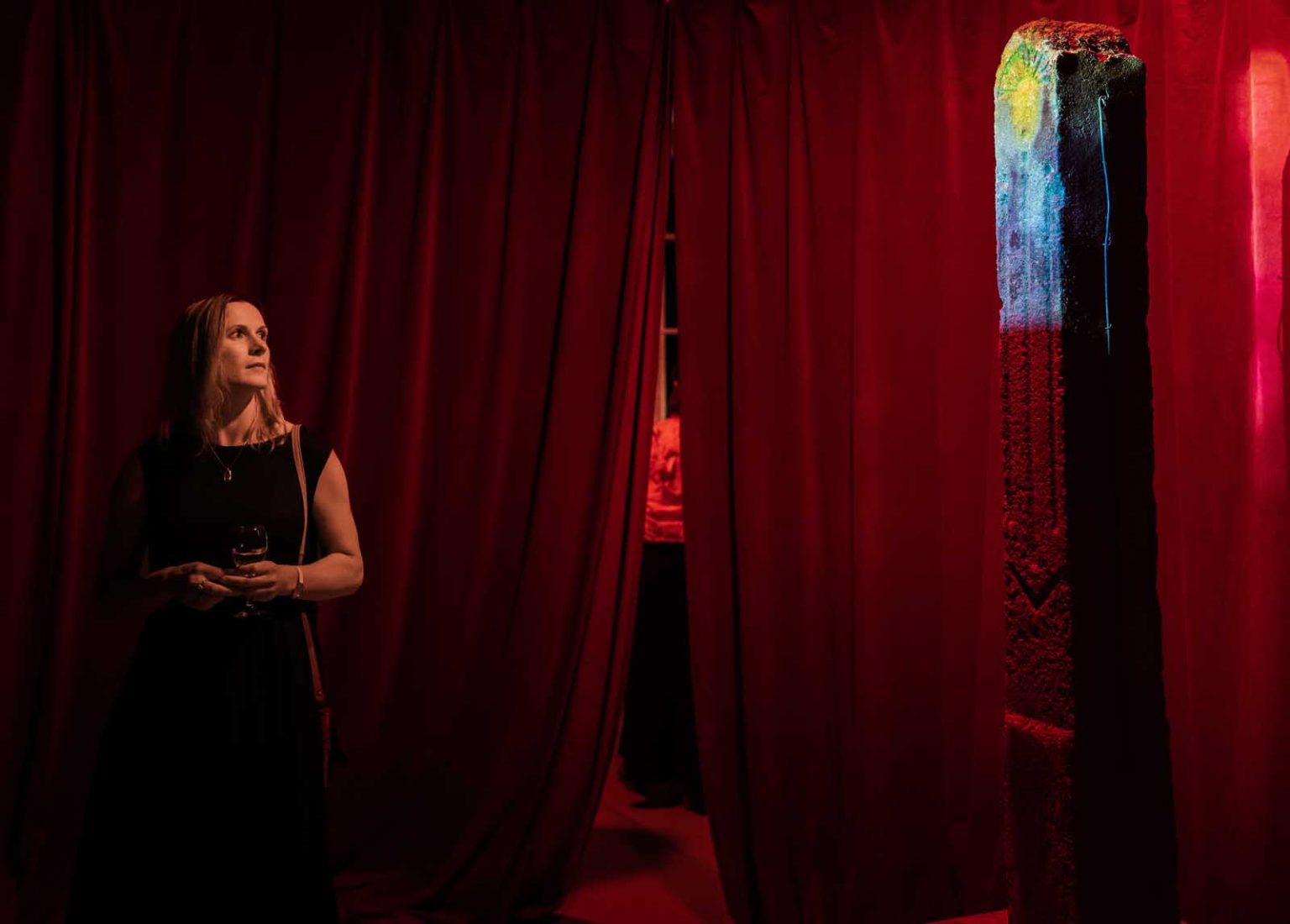
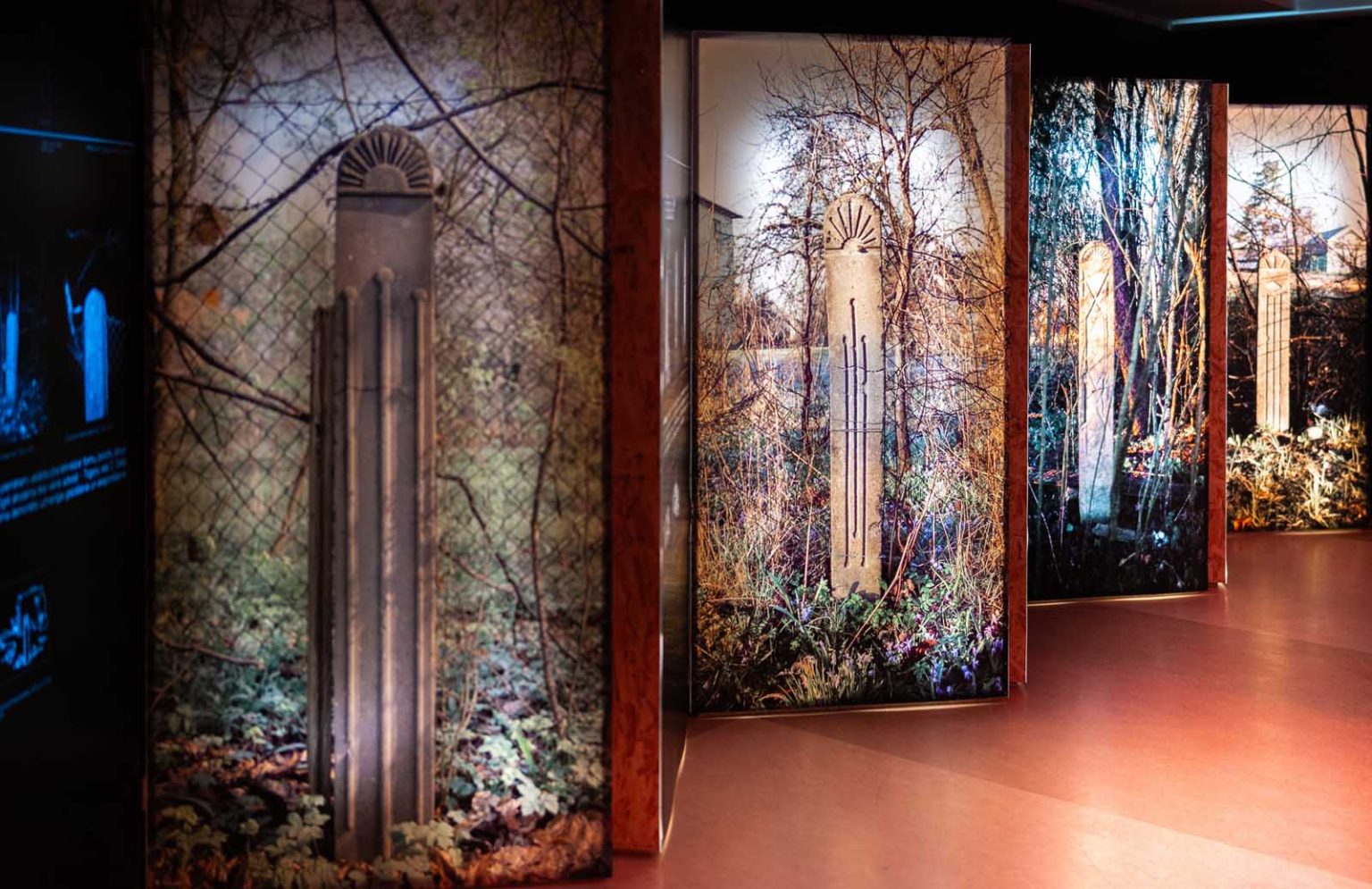
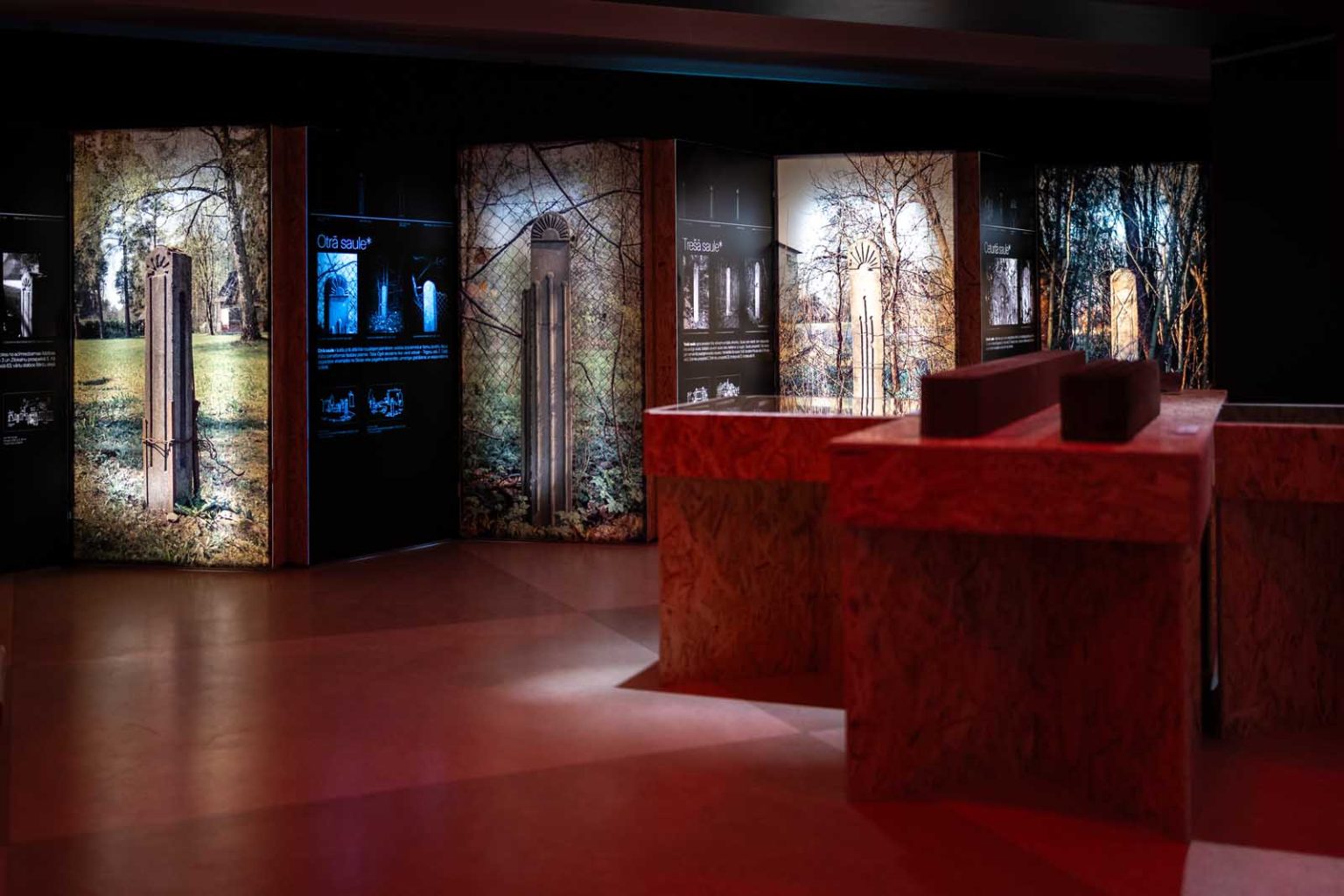
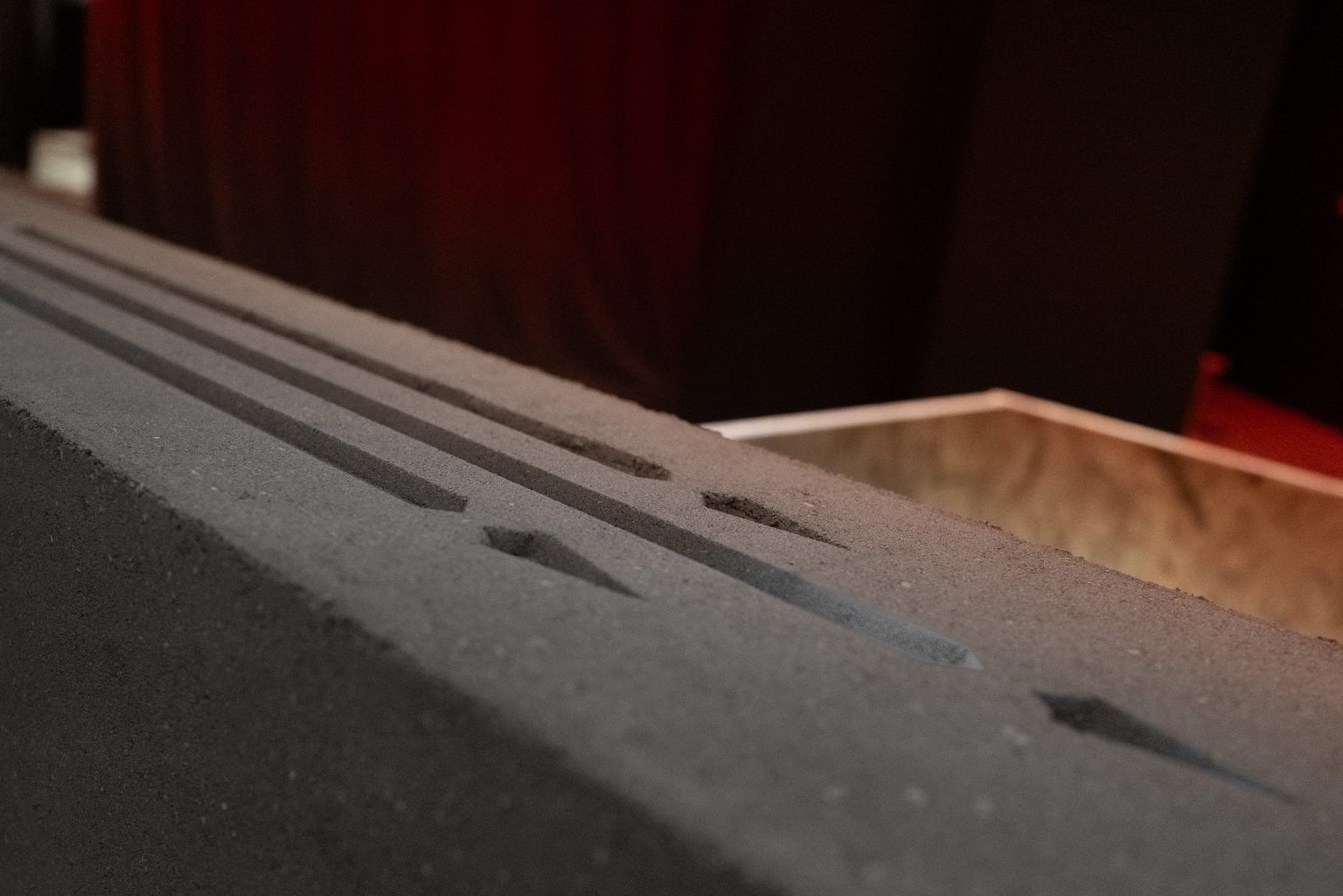
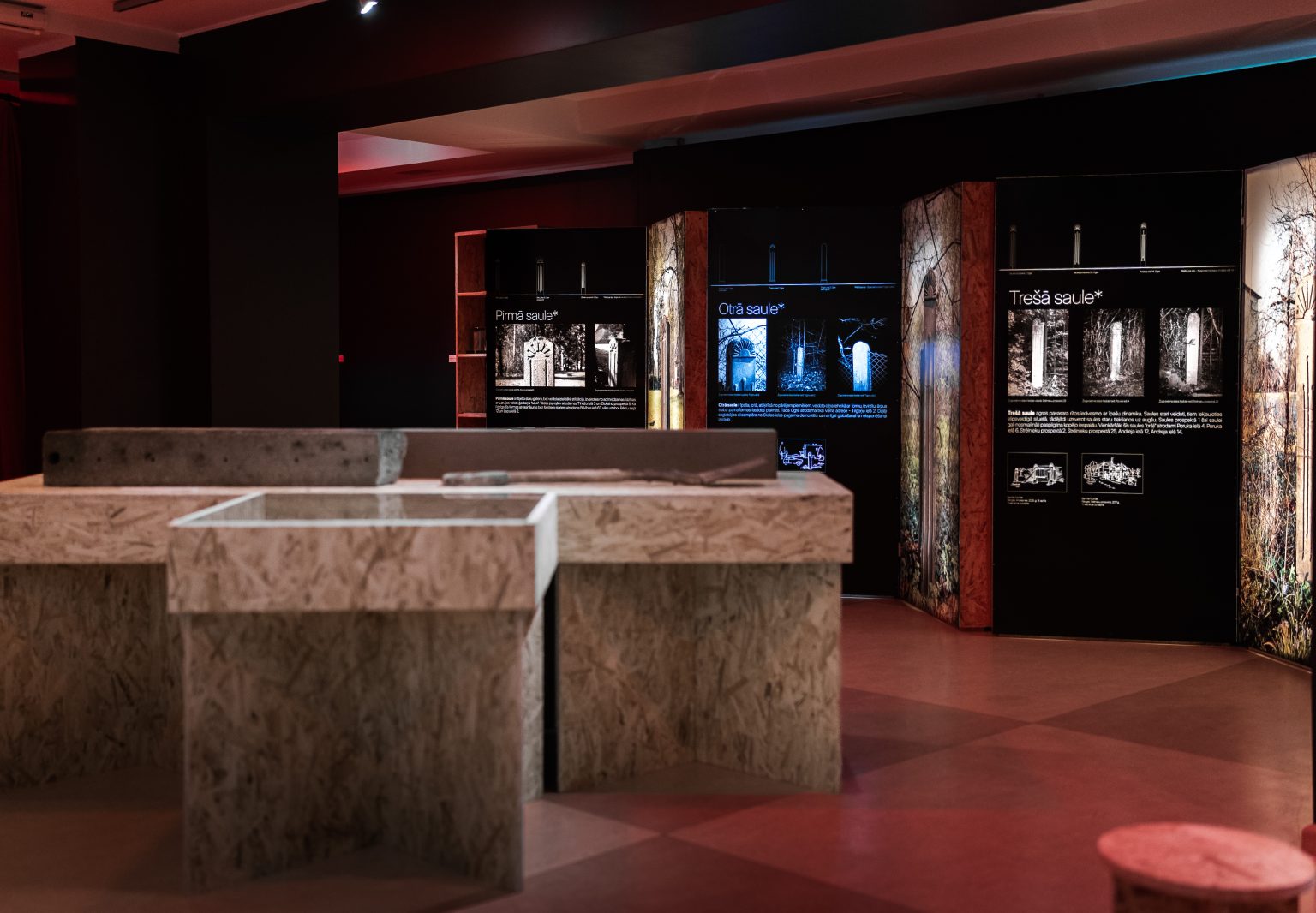
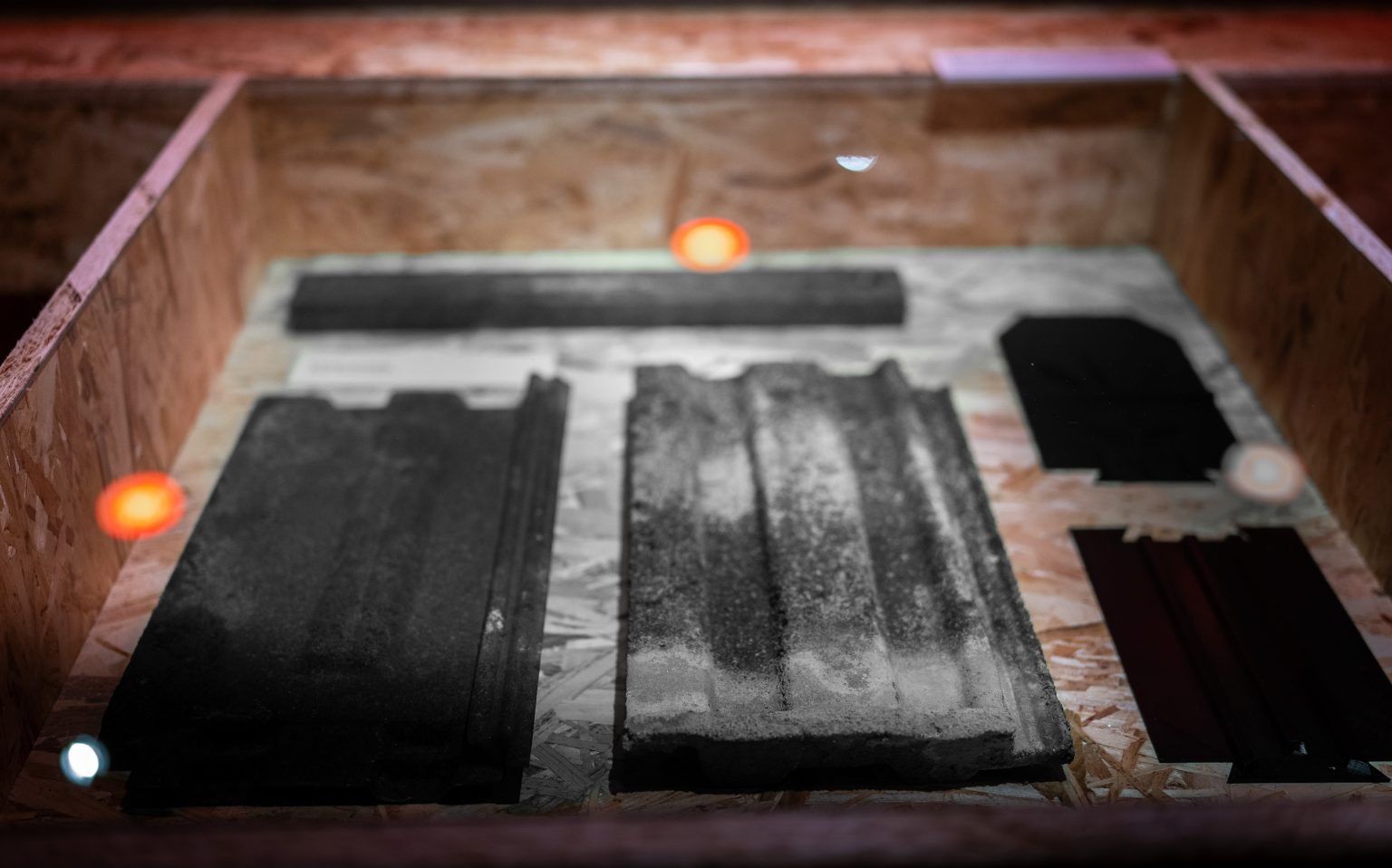
At the Ogre History and Art Museum, the exhibition Ogre’s Dawn was on display, dedicated to one of the less exhibited yet significant elements of the city’s cultural and historical environment – historic fence posts.
The exhibition highlighted the development of Ogre as a resort town from the second half of the 19th century, when the construction of summer houses became a key factor in shaping the urban landscape. During the Soviet period, Ogre was transformed into an industrial centre, which altered its historical structure and architecture. Nevertheless, despite these changes, historic fence posts have survived in many parts of the city, bearing witness both to former property boundaries and to the craftsmanship of local builders and the taste of property owners.
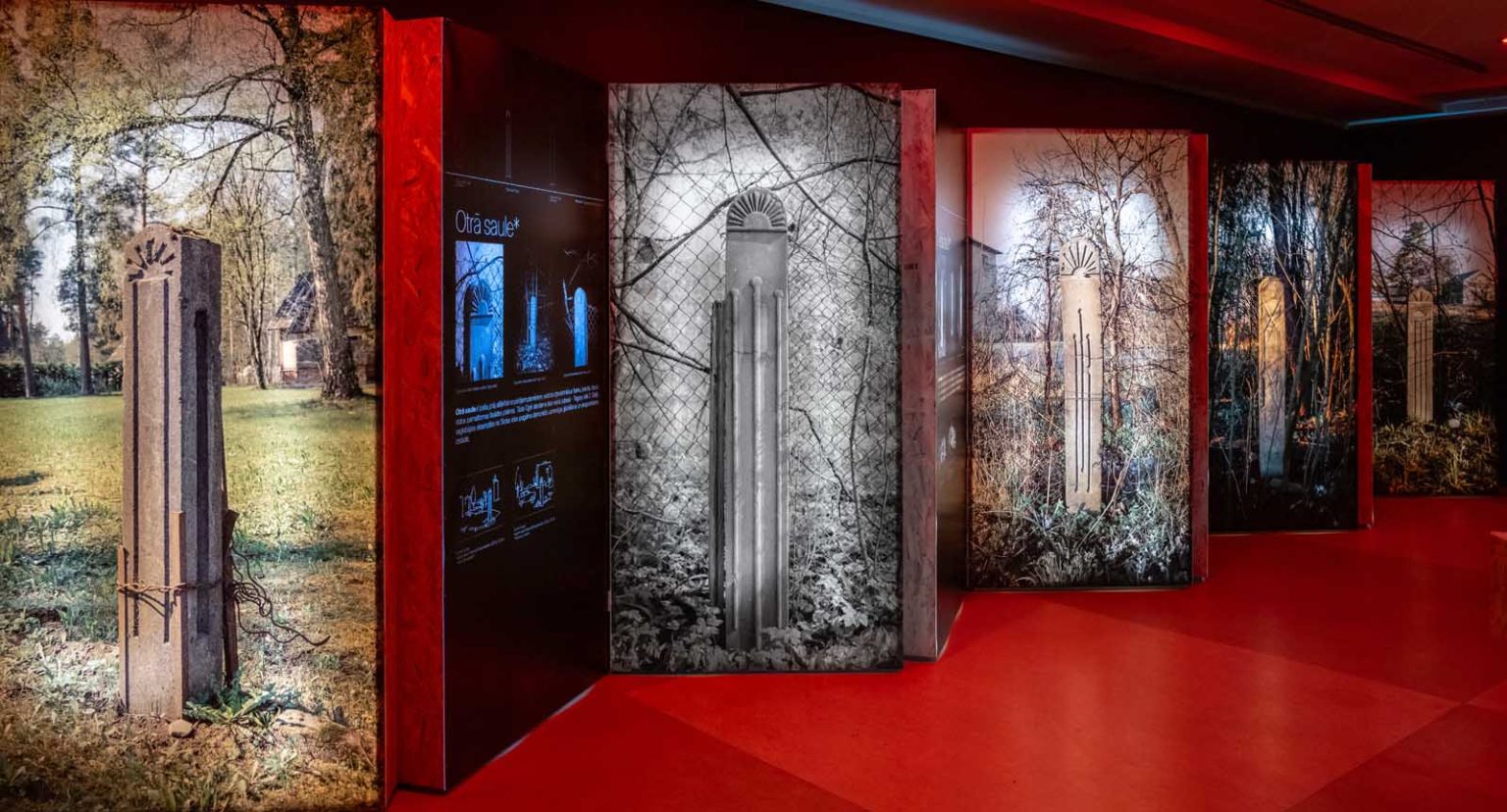
In 2018, the Ogre Development Society identified historic summer houses in Ogre and created several informative walking routes. While studying the urban environment, attention was drawn to fences – a form of small-scale architecture marking the boundary between public and private space. These fences feature decorative elements on the façades of their concrete posts – ornaments, symbols and patterns that carry both aesthetic and historical significance. A stylised sun motif often appears on the posts. What might be the origin of this symbol? Are the decorations purely ornamental, or do they hold a deeper meaning?
The exhibition offered insight into the early development of Ogre and the Latvian state – a time when the urban environment was still taking shape. Perhaps it is precisely in these small architectural forms, where practicality and symbolism from the past converge, that we may find answers to whether the romantic spirit born more than a century ago remains relevant today.
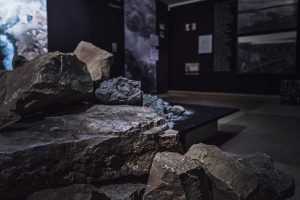
The exhibition featured original concrete fence posts discovered in the Ogre area, analogue photographs showing them within the urban landscape, and thematic displays on their types and manufacturing techniques. Its aim was to provide historical insight and to encourage the preservation and restoration of fences characteristic of Ogre’s cultural and historical environment, thereby emphasising the uniqueness of the city’s urban identity.
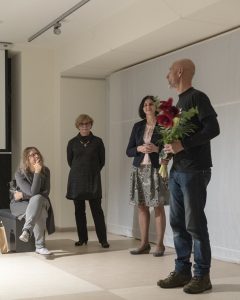
The exhibition Ogre’s Dawn was on display from August 8 to October 10. On the opening day, admission was free, and visitors had the opportunity to create a unique concrete post print on a T-shirt.
Exhibition concept author and curator: Zigmārs Jauja
Project manager: Ilze Staģīte
Photographer: Zigmārs Jauja
Historical research and concrete post survey in the urban environment conducted by: Zigmārs Jauja and Uldis Apinis
Educational section artists: Signe Kraukle and Karīna Kēberga
Exhibition graphic publicity: Signe Kraukle, Zane Kalniņa
Drawings: Sarmīte Munde
Video story author: Pēteris Zilberts
Description of manufacturing technology: Laura Zunda-Poča
Concrete post measurements and drawings: Laura Zunda-Poča and Ilze Mekša
Newly manufactured concrete post by SIA “MT Sēta” production facility, Intars Sniedze
Ogre History and Art Museum working group: Jānis Ziņģītis, Elīna Cērpa, Laura Tuča, Māris Grosbahs, Nils Miķelsons and Guntars Andersons
The exhibition was created with the financial support of Ogre Municipality and the State Culture Capital Foundation of Latvia, as well as with the technical support of the Ogre History and Art Museum, SIA “SND”, SIA “Parrot Telpa”, and SIA “MT Sēta”. Thanks to the Cinītis family, Jānis Balodis, Edīte Kalniņa, and all members of the Ogre Development Society and their families for their support in creating the exhibition
Photo: Oksana Okmi Mizgajeva