
OGRE REGISTRY OFFICE THROUGH THE AGES
The Ogre Civil Registry Office is now housed in the new Ogre Central Library building, beginning a new chapter with its wide, continuous window overlooking a grove of pines and spruces, as well as a stylised infinity symbol. However, before these changes, the civil registry office had been located elsewhere in the city and had […]
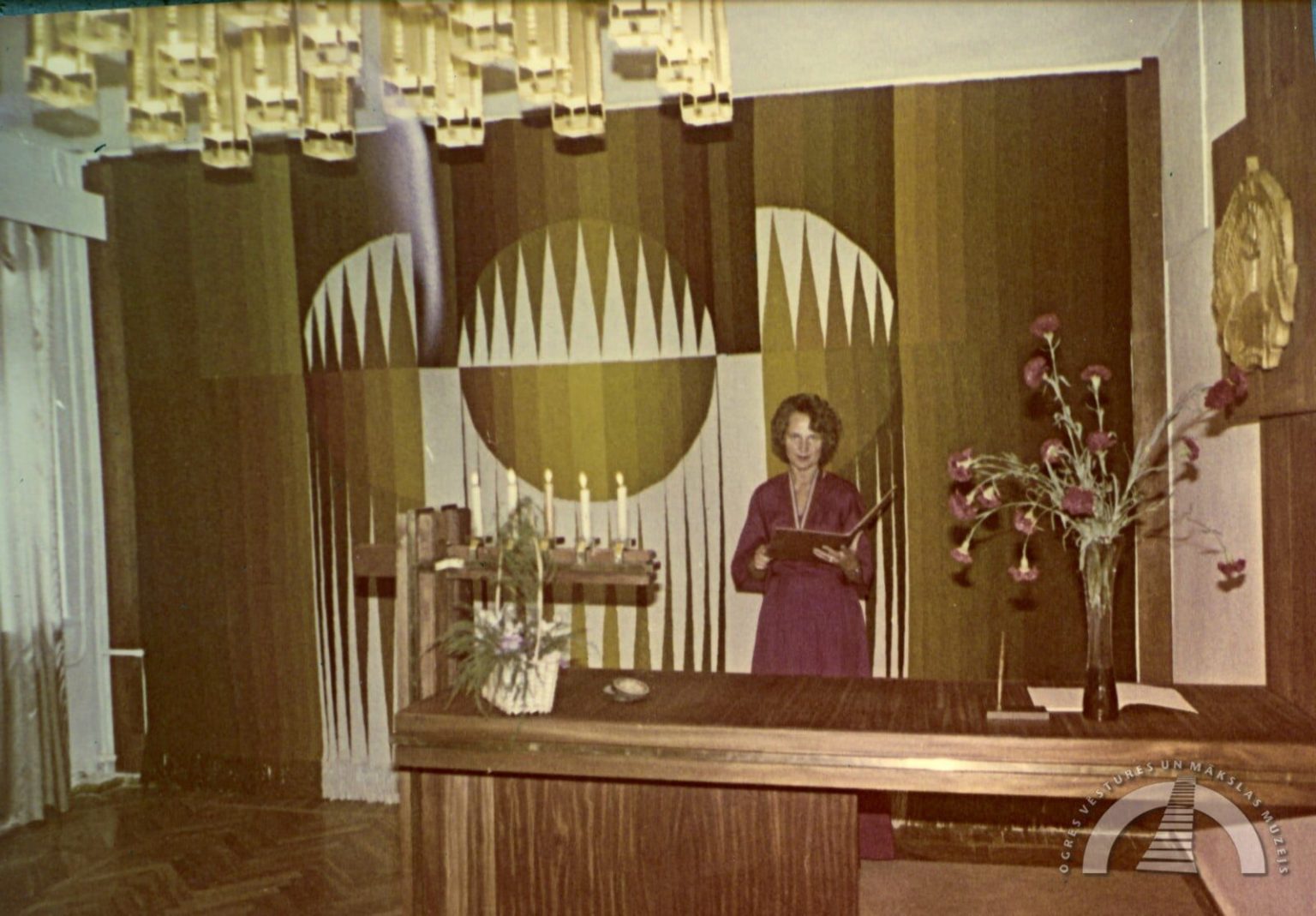
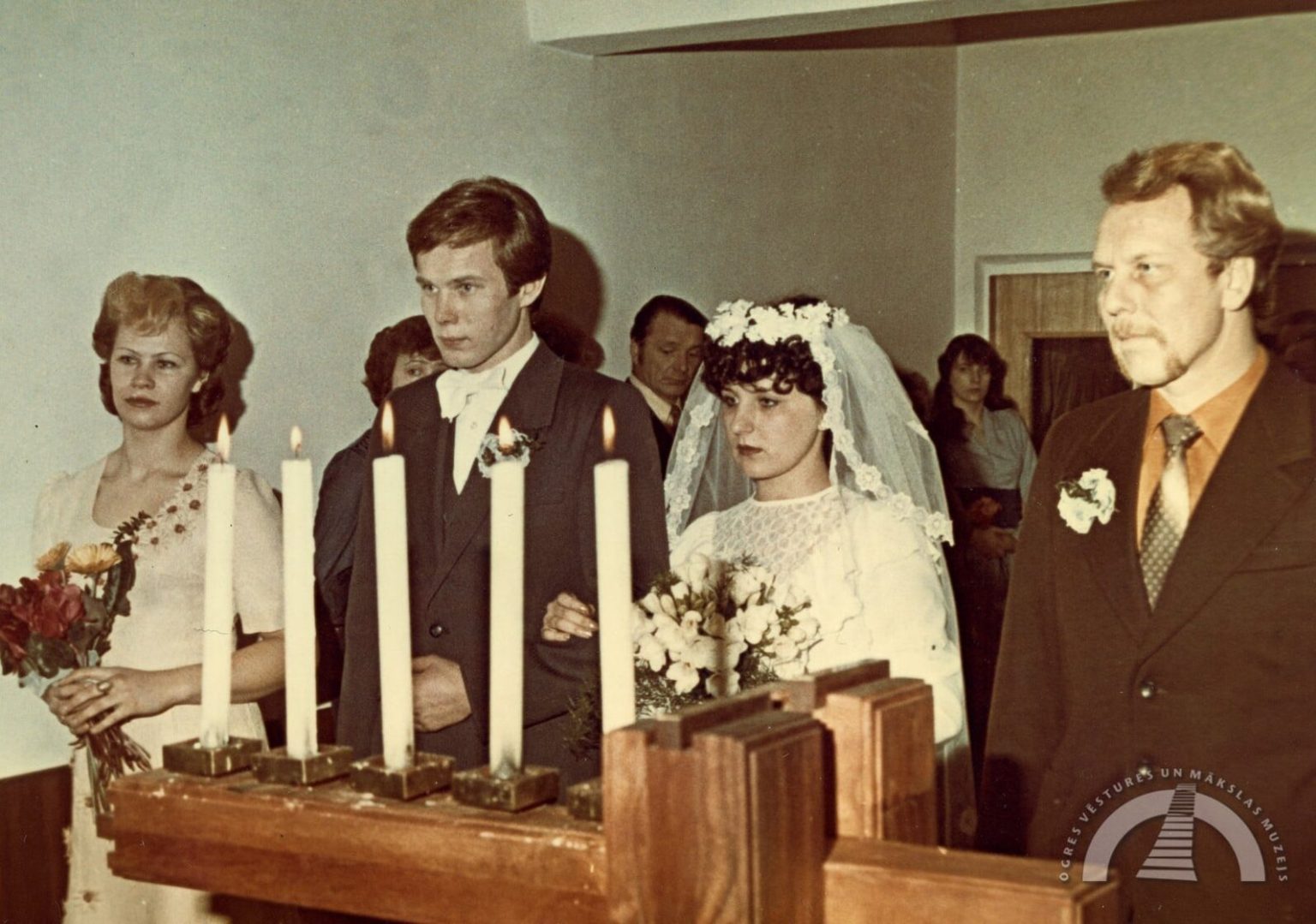
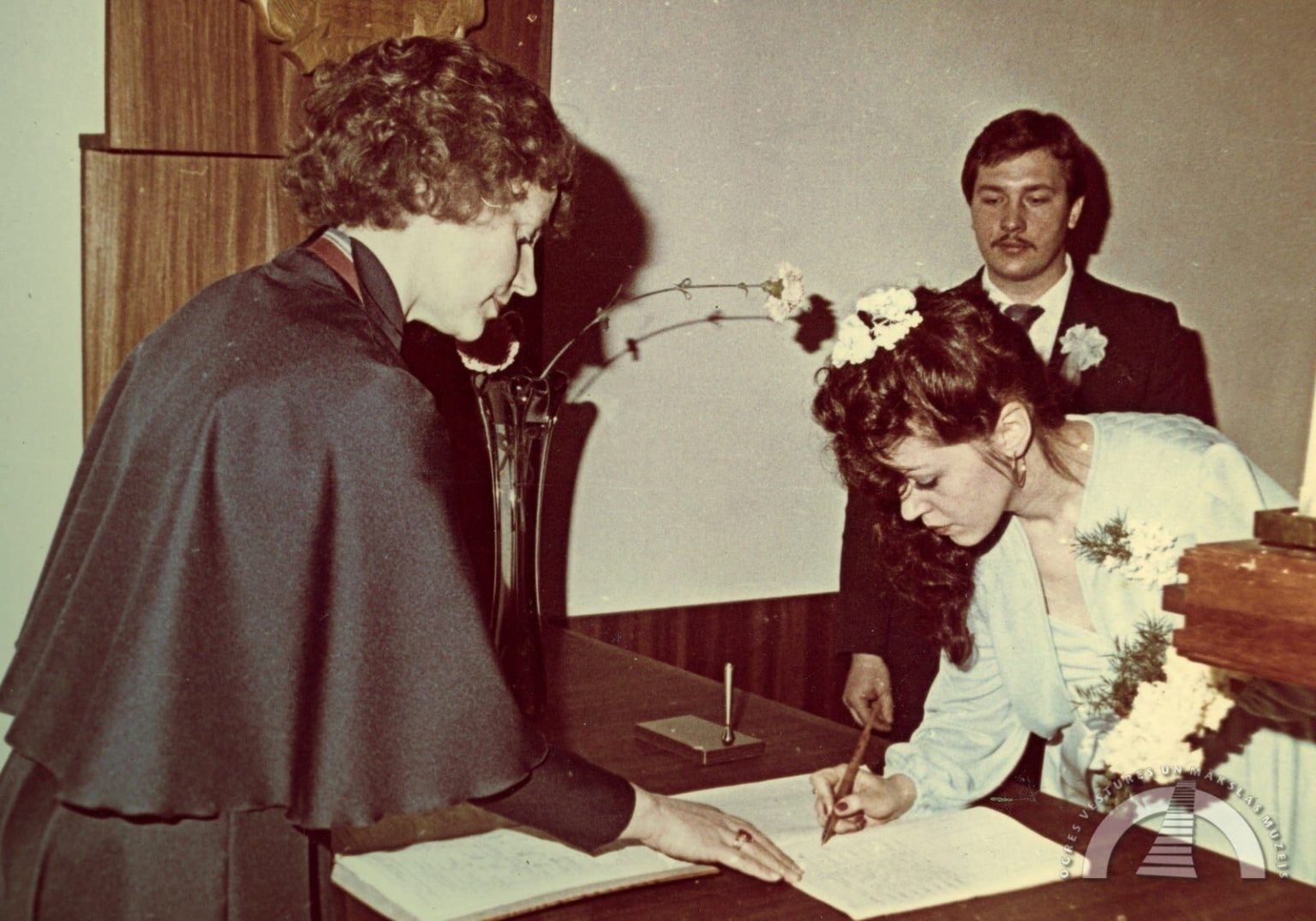
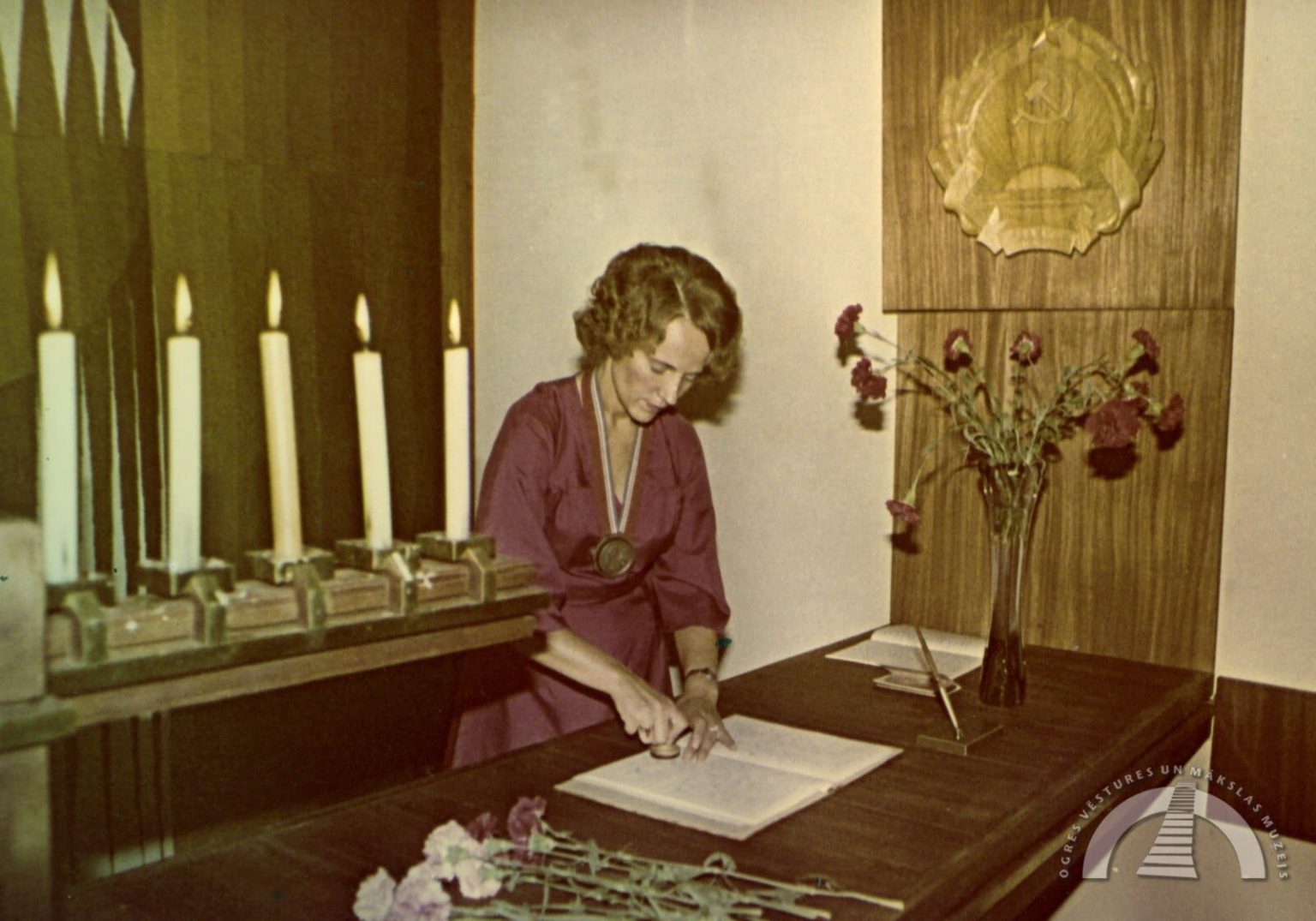
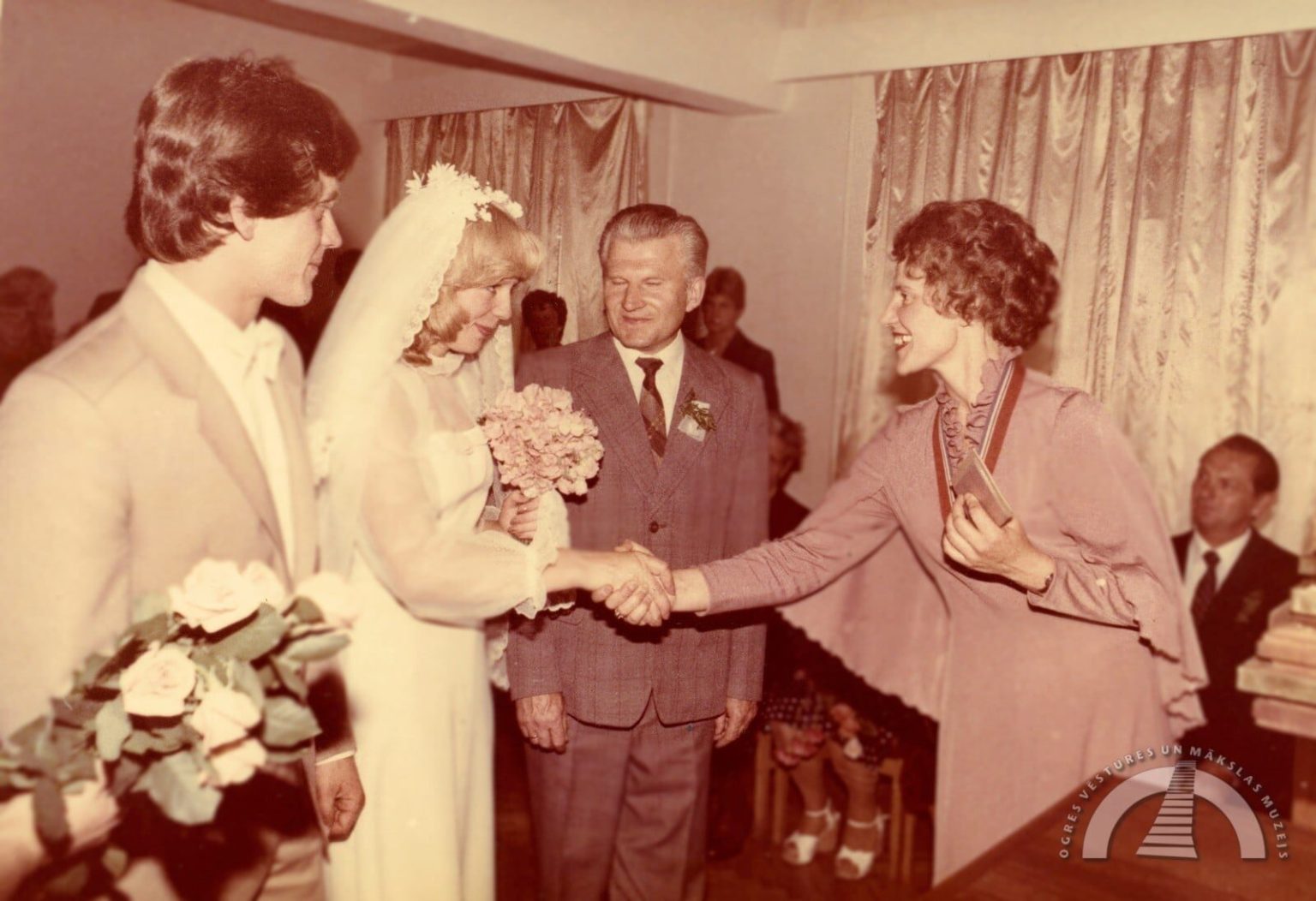
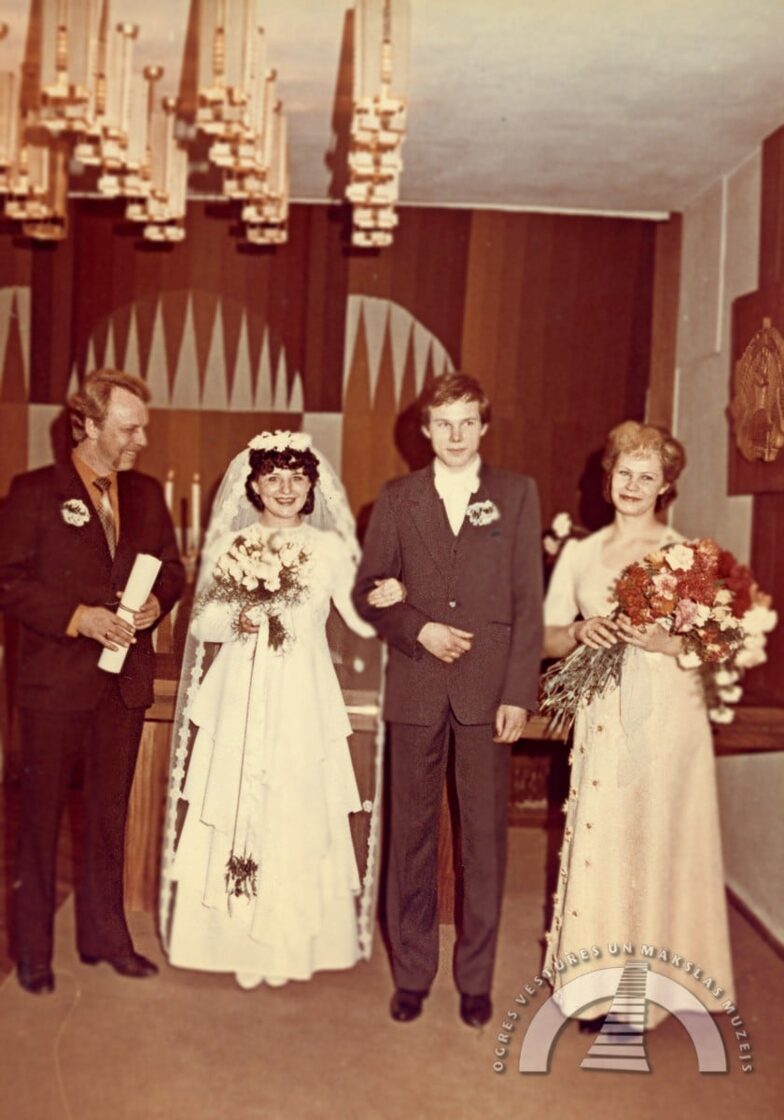
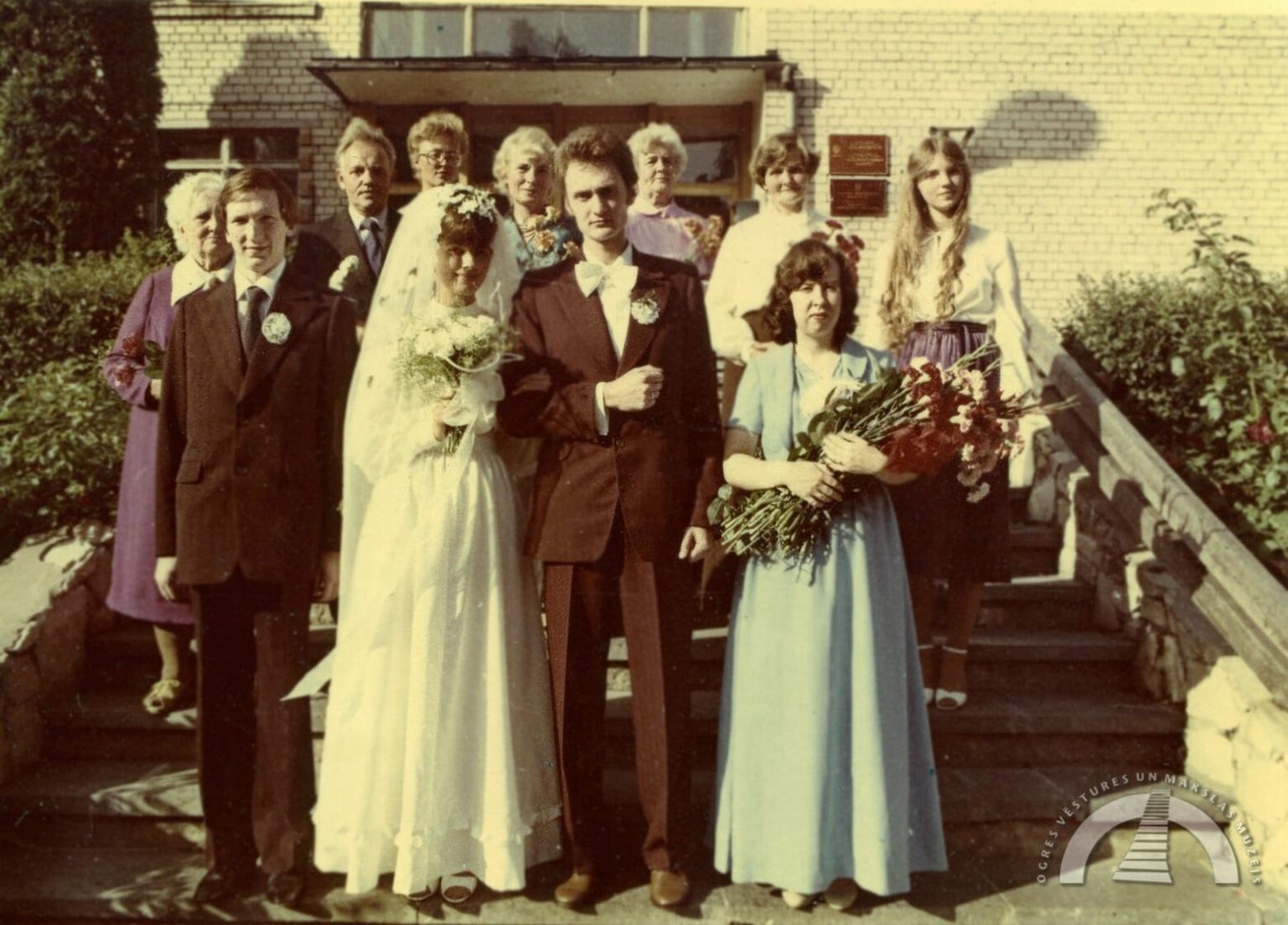
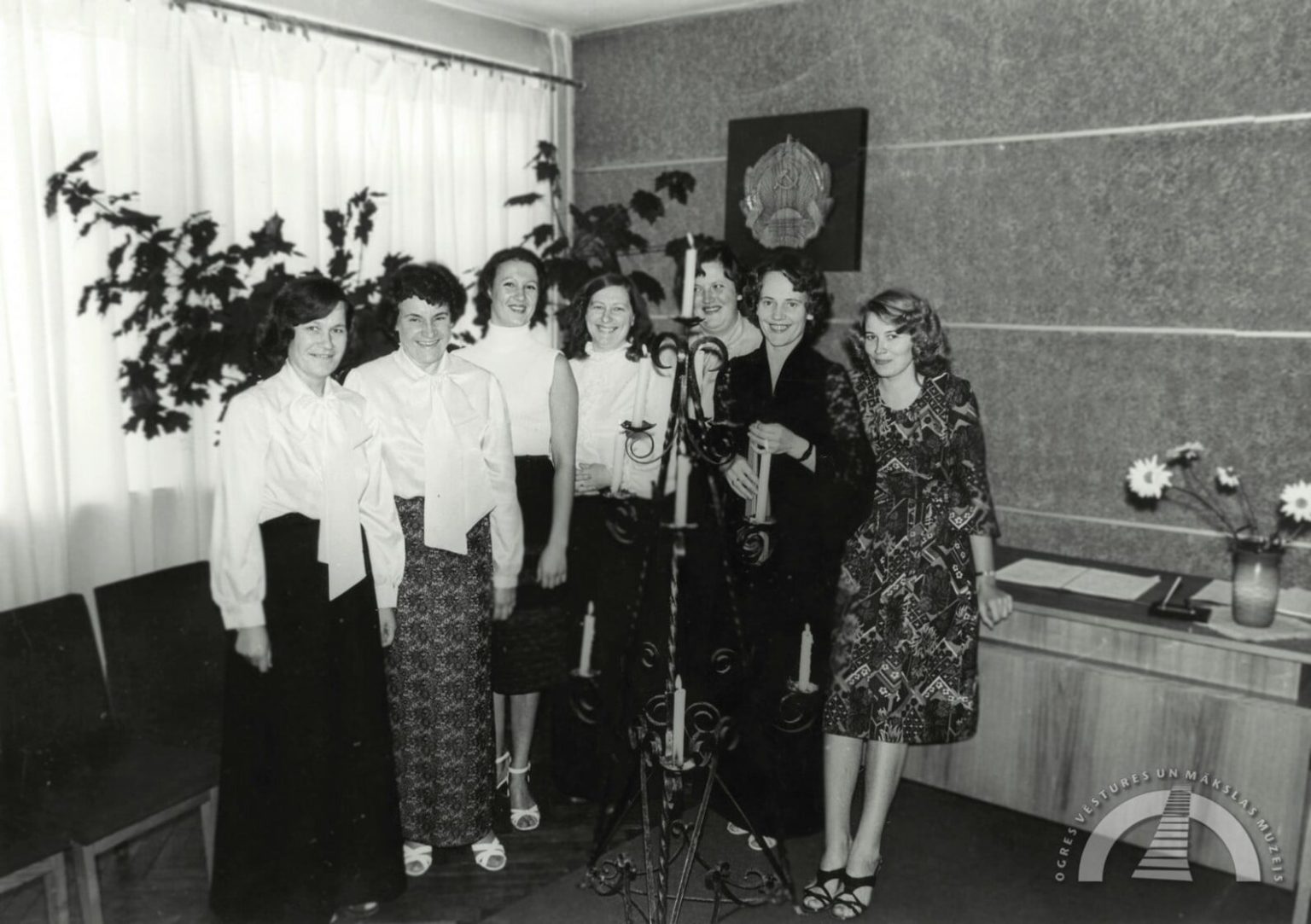
The Ogre Civil Registry Office is now housed in the new Ogre Central Library building, beginning a new chapter with its wide, continuous window overlooking a grove of pines and spruces, as well as a stylised infinity symbol. However, before these changes, the civil registry office had been located elsewhere in the city and had experienced different eras and wedding customs.
The year 2021 is significant not only because of the new and beautiful home of the Ogre Civil Registry Office, but also because the Latvian civil registry system celebrates its centenary.
Civil registry offices in Latvia began operating on February 18, 1921, when Latvian President Jānis Čakste promulgated the law On the Registration of Civil Status Acts. Laws from other European countries served as models for the regulatory framework of the Latvian civil registry system, particularly the provisions of the 1907 Swiss Civil Code concerning the registration of civil status acts, which stipulated that the state was responsible for this area. Until then, the registration of births, deaths, and marriages had been the responsibility of the church rather than the state.
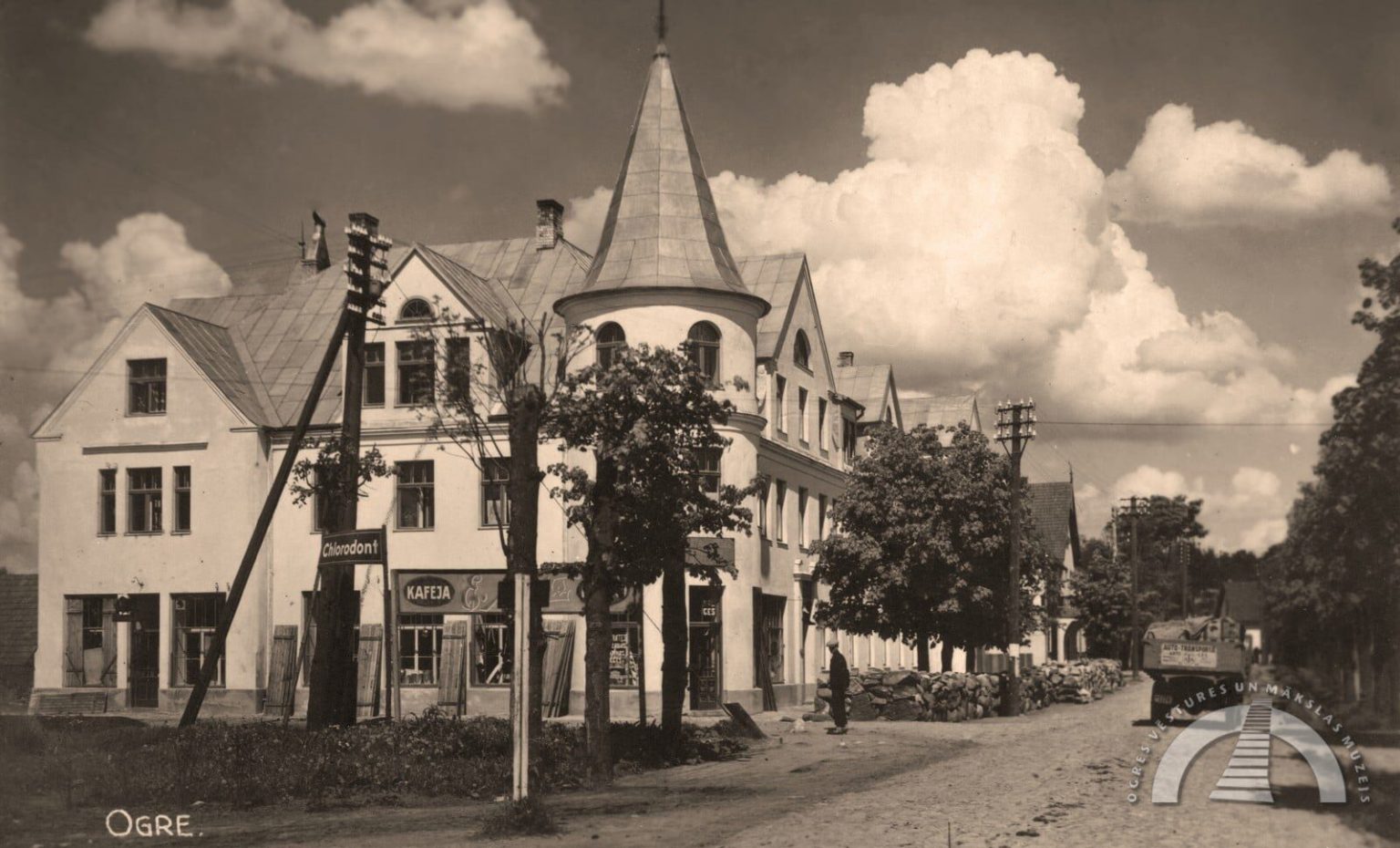
The Ogre town civil registry office was founded on June 2, 1922 and was located in the Ogre Town Council building at Rīgas Street 13 (the building has not been preserved). The newspaper Valdības Vēstnesis (Government Gazette) announced that the department would accept notifications and perform marriages on Wednesdays from 12:00 to 15:00. With the opening of the civil registry office, the registration of marriages, births and deaths became mandatory for the town of Ogre. From May 5, 1929, the Ogre City Council and the civil registry office were located at Brīvības Street 11.
After the Second World War, a new system was introduced in Latvia. In cities, the registration of births, marriages and deaths was carried out by civil registry offices, while in rural areas it was handled by the Councils of Workers’ Deputies. Birth registration was compulsory for all citizens. Relatives of a deceased person were required to report the death within three days and surrender the deceased person’s passport and military documents to the registry office staff.
By the Decree of the Presidium of the Supreme Soviet of the USSR of July 8, 1944, it was stipulated that only a registered marriage certified the rights and duties of spouses. By Decision No. 312 of the Council of Ministers of the Latvian SSR of June 15, 1965, the Civil Status Acts Registration Office of the Latvian SSR was established. In everyday life, the abbreviation ZAGS was commonly used – derived from Russian (Organy zapisi aktov grazhdanskogo sostoyaniya), meaning “bodies for the registration of civil status acts”.
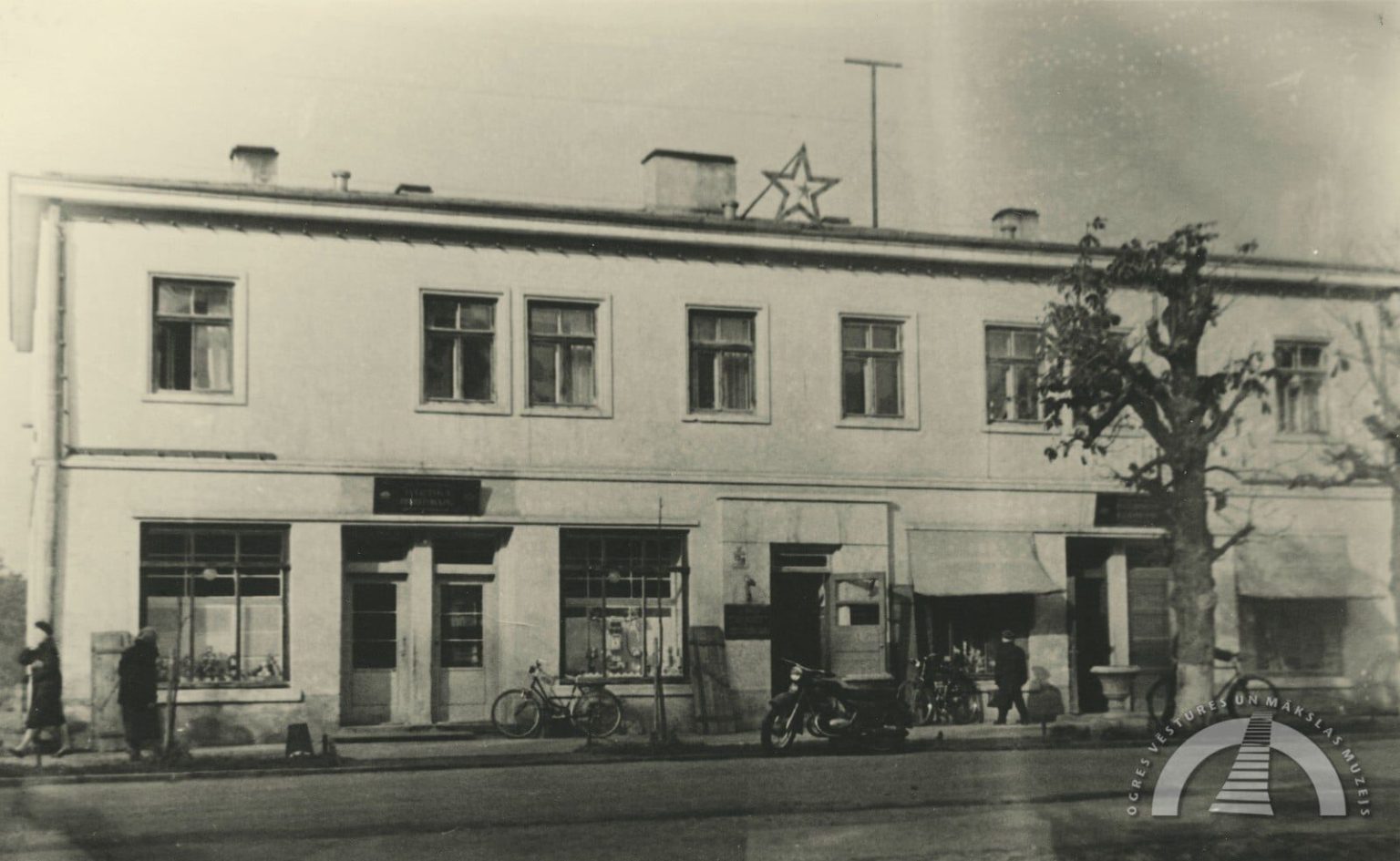
After World War II, the Ogre registry office was initially located at Krasta Street 9, but later moved to a three-room flat on the second floor of Brīvības Street 21, occupying two rooms while a notary worked in the third. The head of the registry office was Ilze Miķelsone. In the cramped premises, brides and grooms sometimes signed documents without even removing their outerwear. In the 1960s, in cooperation with Vilma Millere, head of the Ogre Culture House, solemn ceremonies were held at the culture house if there were 60 or more guests.
Long-time Director of the Civil Registry Department Ārija Iklāva recalls:
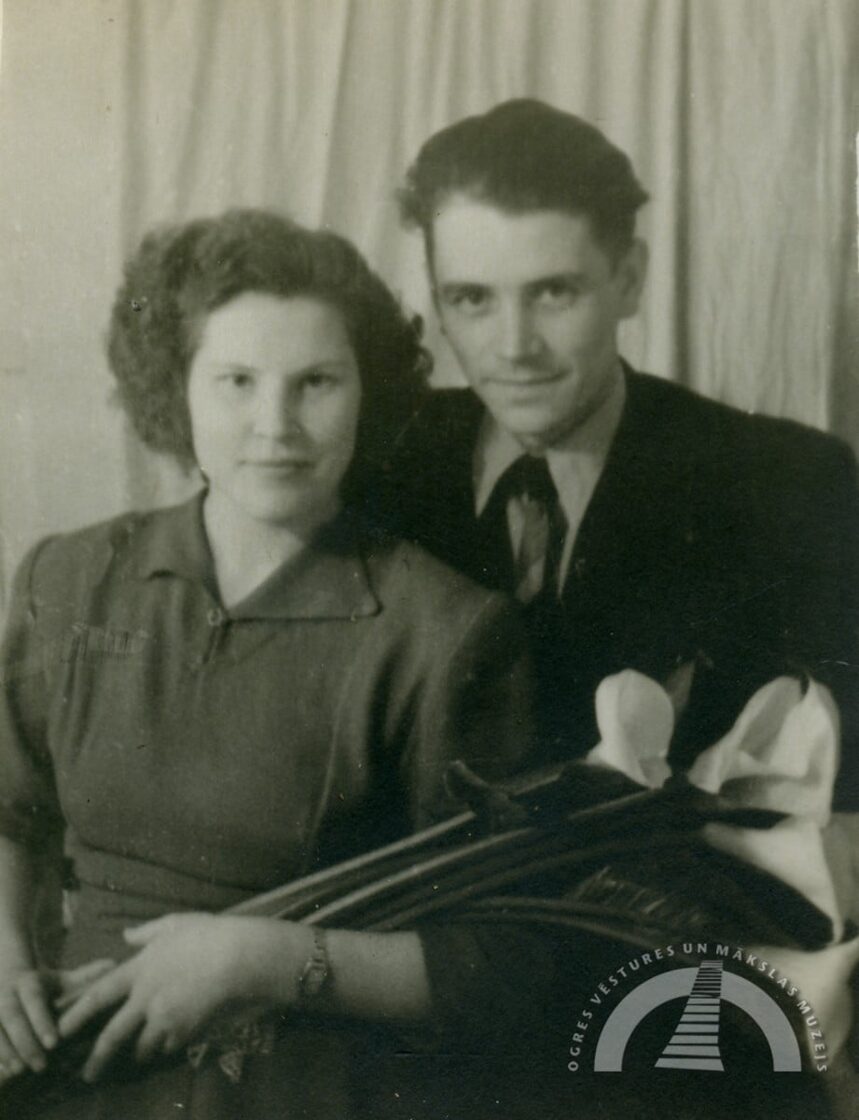
“Raimonds and I arrived on September 3, 1955 at the Riga City Civil Status Acts Registration Department at Kirova Street 63 (now Elizabetes Street), where all Riga residents’ marriages were registered in a small room on the second floor. I wore a light blue georgette dress. At that time, white dresses and bridal veils were considered remnants of capitalism and inappropriate for Soviet youth. The law did not require wedding witnesses.
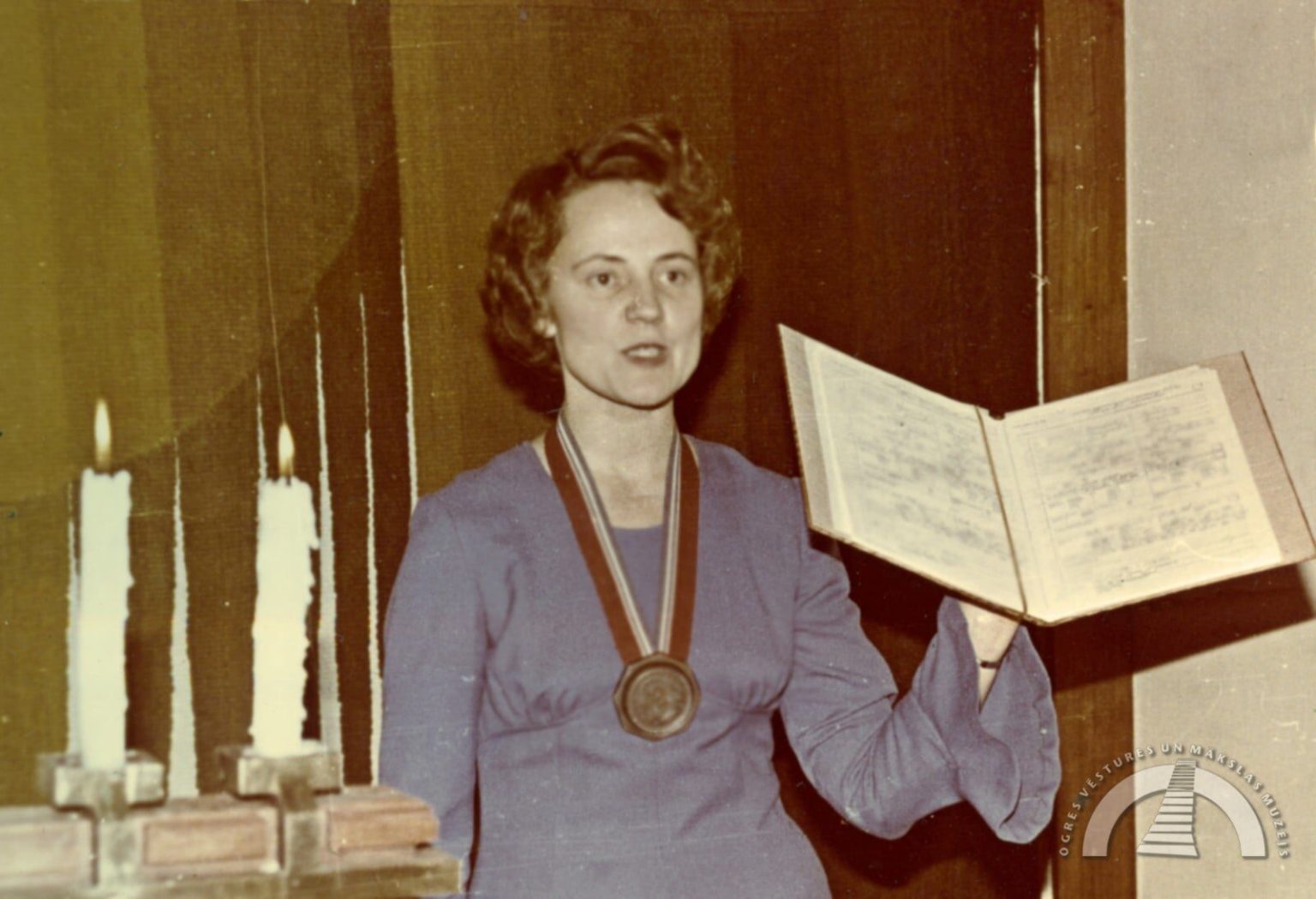
Later, the departments’ duties expanded to include not only registering births, marriages and deaths but also conducting solemn marriage ceremonies. During the Soviet era, a marriage registered in a church had no legal force, so civil registry ceremonies needed to be both legally valid and solemn. The prestige of registry office heads was enhanced by an official badge I proposed, introduced by government decision in 1968 and worn during solemn ceremonies. Together with designers from the Riga Fashion House, we developed recommendations and later models for ceremonial attire. To improve speech and posture, we invited well-known theatre directors and actors to train each head individually.”
Ārija Iklāva also recalls that during the Soviet period, the engagement principle stipulated in the Civil Law of 1937 was not recognised. Although the law did not define how or when an engagement should take place, Latvians had not forgotten this tradition, particularly in rural areas. In many districts and cities, the day documents were submitted to the registry office was considered the engagement day.
On January 14, 1966, Lidija Cekule (later Vītola) became head of the Ogre District Civil Registry Office. With great expertise and enthusiasm, she led the department for 55 years – until the summer of 2021.
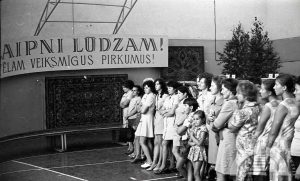
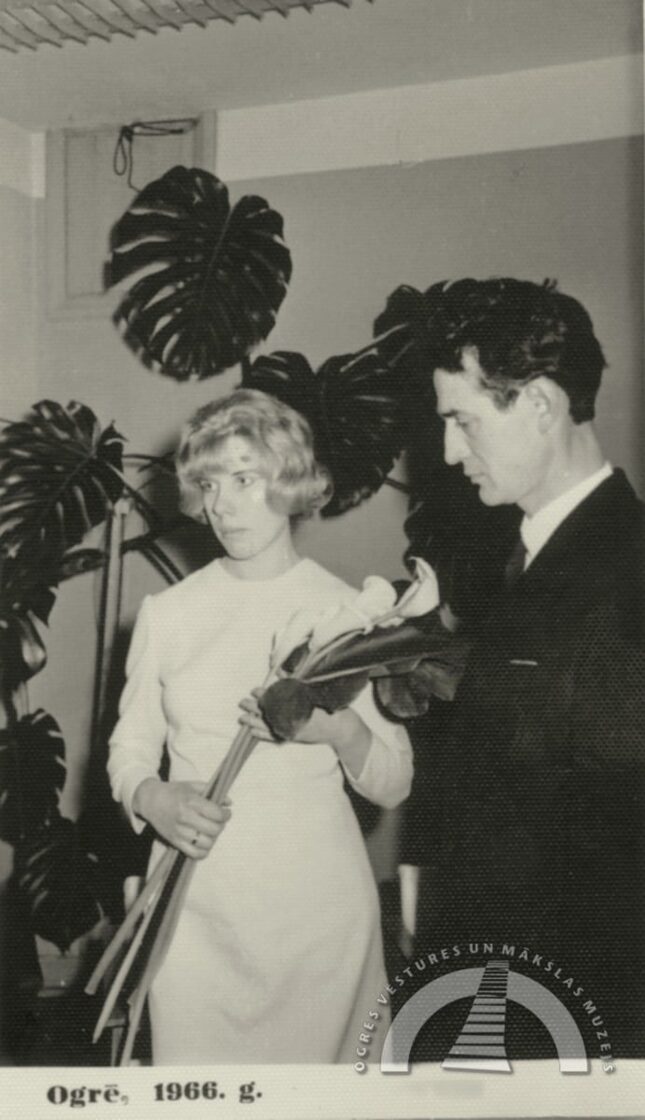
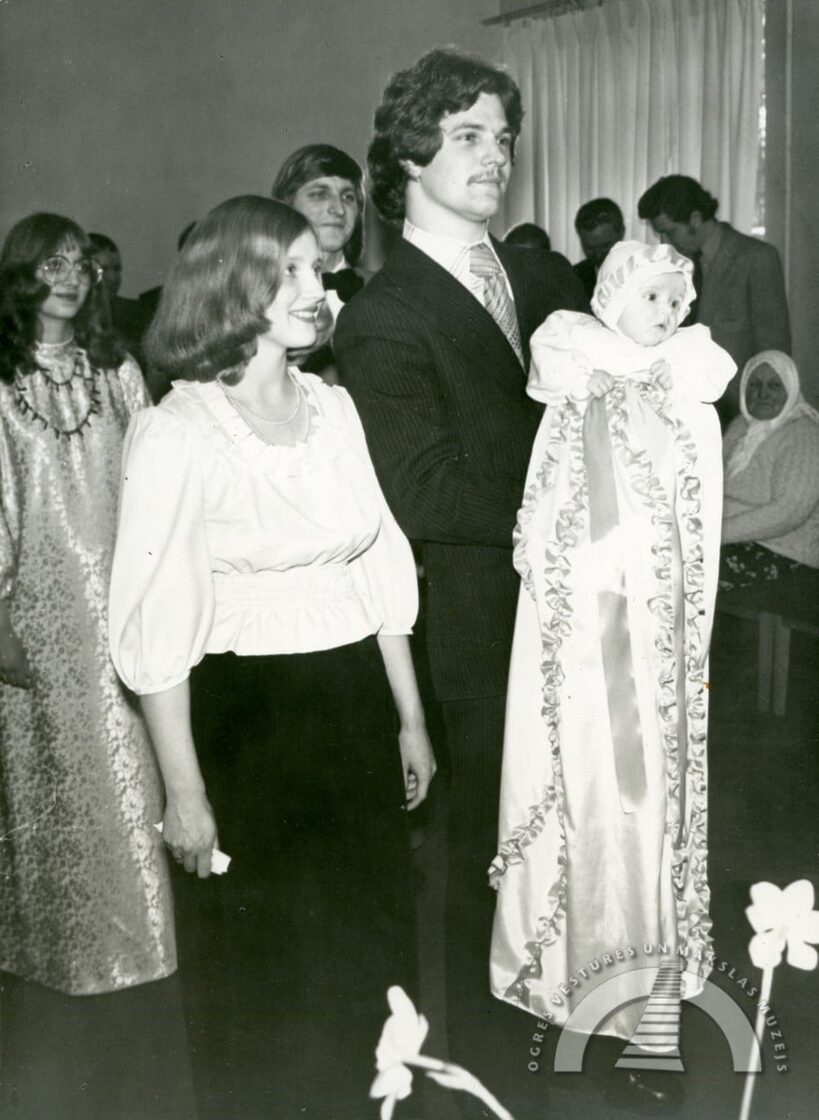
Lidija Vītola recalls that in 1966, when she began working in Ogre, brides already wore white dresses. Good cooperation had been established with designers from the Ogre Knitwear Factory, who created official attire models, while ceremonial garments were produced in the experimental workshop.
On September 19, 1970, Lidija herself (then Cekule) was married. Ārija Iklāva recalls:
“It was the first time that the head of the Latvian Civil Status Acts Registration Department wished to register a marriage. Together we persuaded my husband to act as best man. The ceremony was conducted by Zinaīda Resne, the newly appointed chairwoman of the Ogre Executive Committee. She was nervous because she had never done this before. The ceremony was covered by the press and radio and was filmed.”
Lidija Vītola remembers that the matron of honour made the newlyweds spin a traditional spinning wheel – although not very successfully. The celebration took place at the Tome Community Centre. The next day, the witnesses travelled back to Riga by train with the spinning wheel and a wedding treat – dried vimba fish.
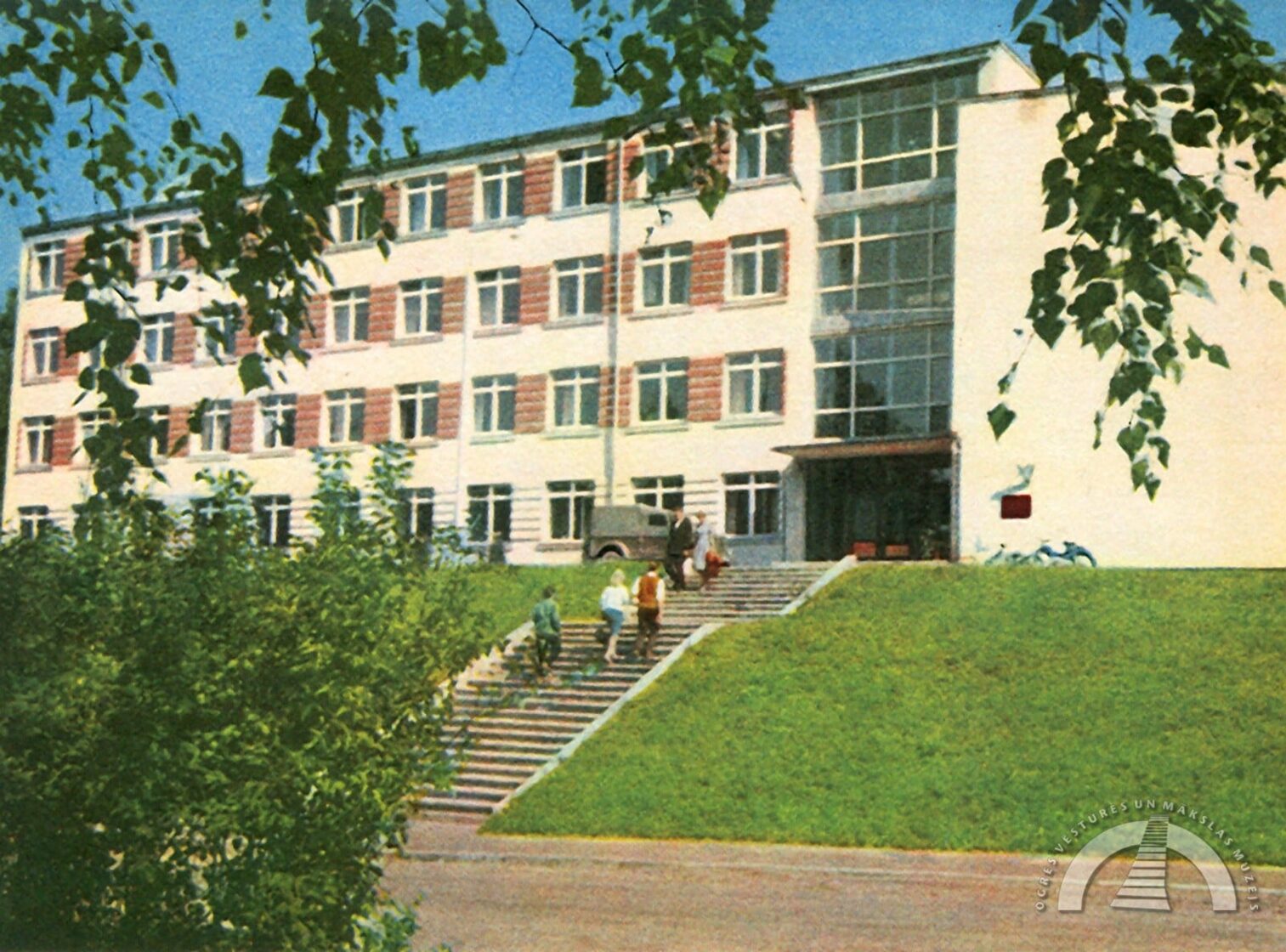
In 1966, the Ogre Civil Registry Office moved to premises in the newly built building at Brīvības Street 33, where the Ogre City Council is now located. The newspaper Padomju Ceļš (Soviet Way) reported that “the state commission from the construction department accepted the new Soviet House from the builders. Here would be located the district executive committee with its departments, the collective and state farm production management, the city executive committee and the civil registry office.”
The Ogre Municipality Civil Registry Office moved to its new premises in the Ogre Central Library building in August 2021. On August 7, seven couples received their marriage certificates there.
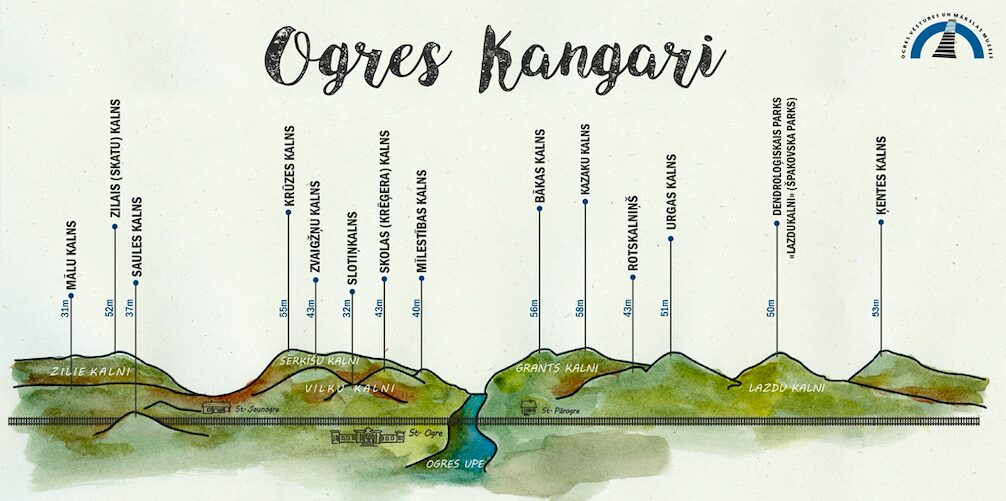
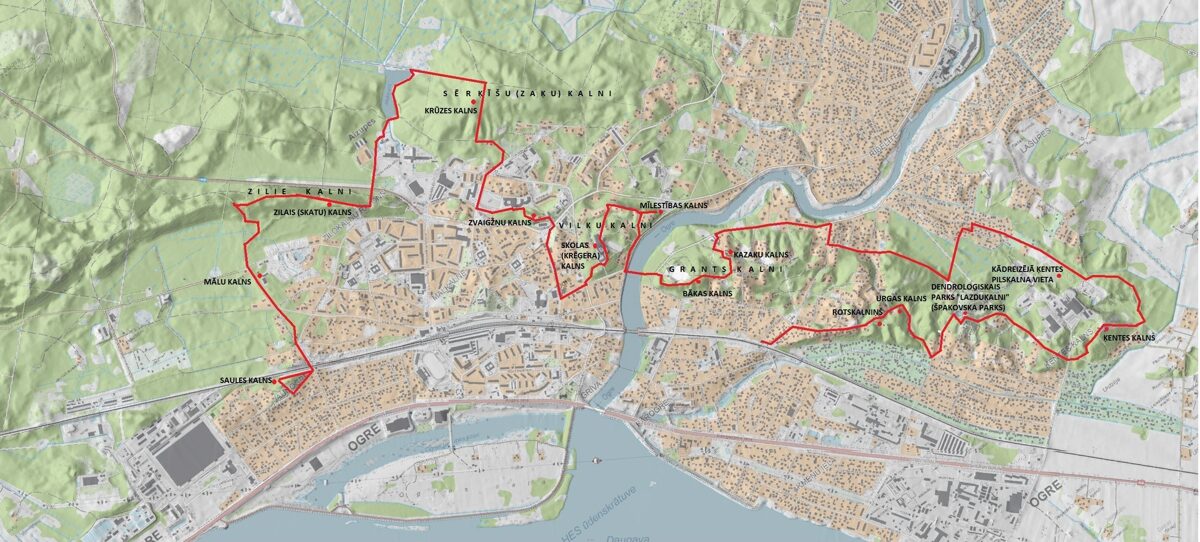
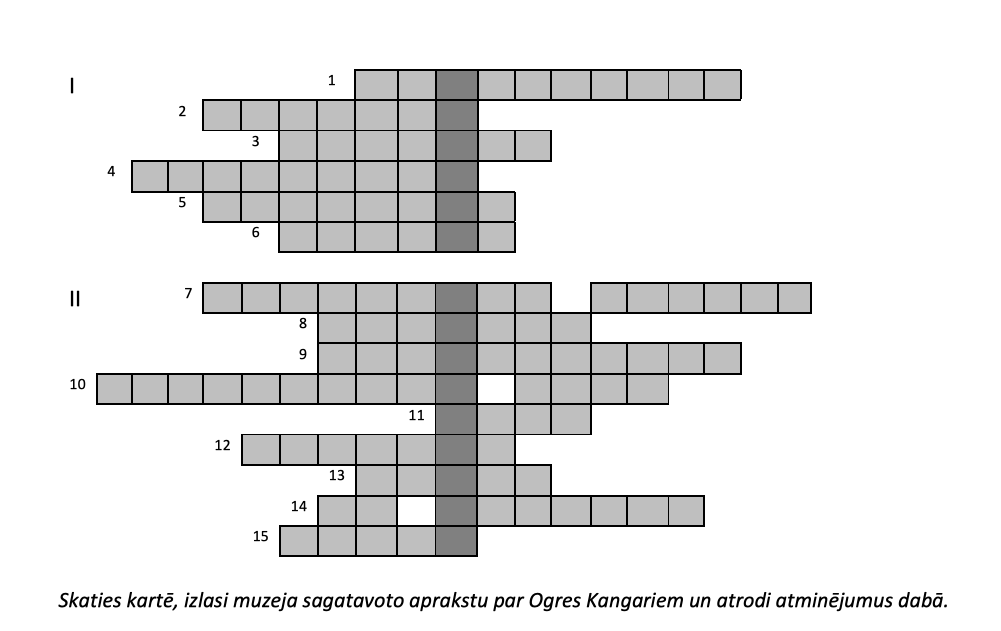
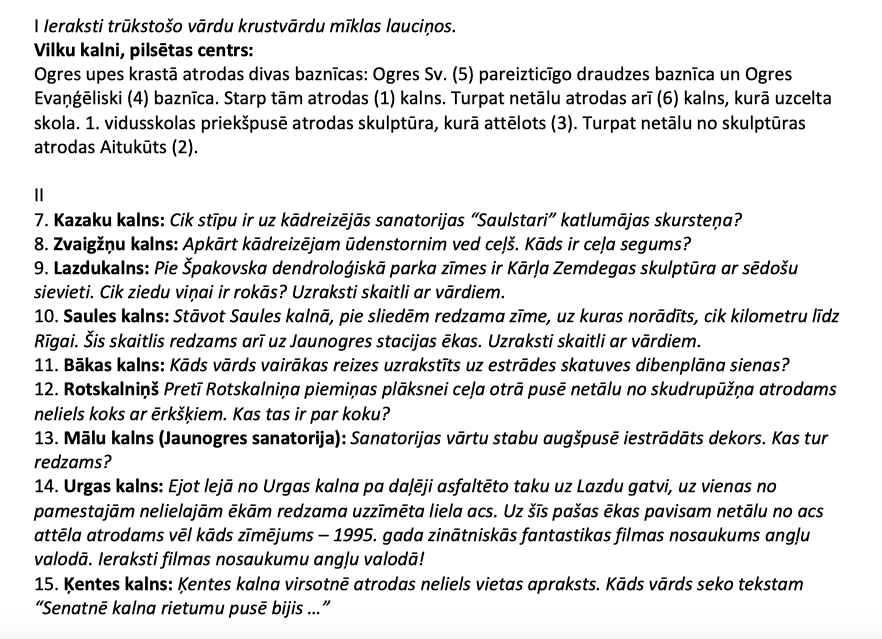
“OGRE KANGARI” HIKING TRAIL
We invite you to explore the hiking trail to better discover the hills of Ogre. View the photo gallery and read the story on the museum's website or Facebook page. By looking at historical images, you can compare how the city has changed over time. We have marked the route in the "BalticMaps" map browser. The “GPX” file is convenient to use with the LVM GEO mobile app. The total length of the hiking trail marked on the map is 14 kilometers (7 kilometers in Pārogre and 7 kilometers in Ogre center and Jaunogre). The hiking trail winds through both the urban part of the city (with asphalt, cobblestone, and gravel surfaces) and green areas (park paths and pedestrian-trodden forest trails without special amenities).