
Kārlis Knopkens – 90th Anniversary Exhibition (Dec 17, 2021 – Jan 9, 2022)
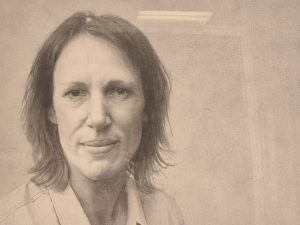
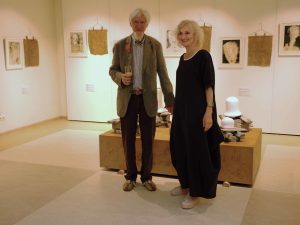
For half a century, ceramic artist and Ogre resident Kārlis Knopkens has been one of the most experienced and influential figures in his field, both in Latvia and across the Baltic region. This year, the artist celebrates his 90th birthday and remains one of the city’s great prides, having recently received the title Ogre Person […]
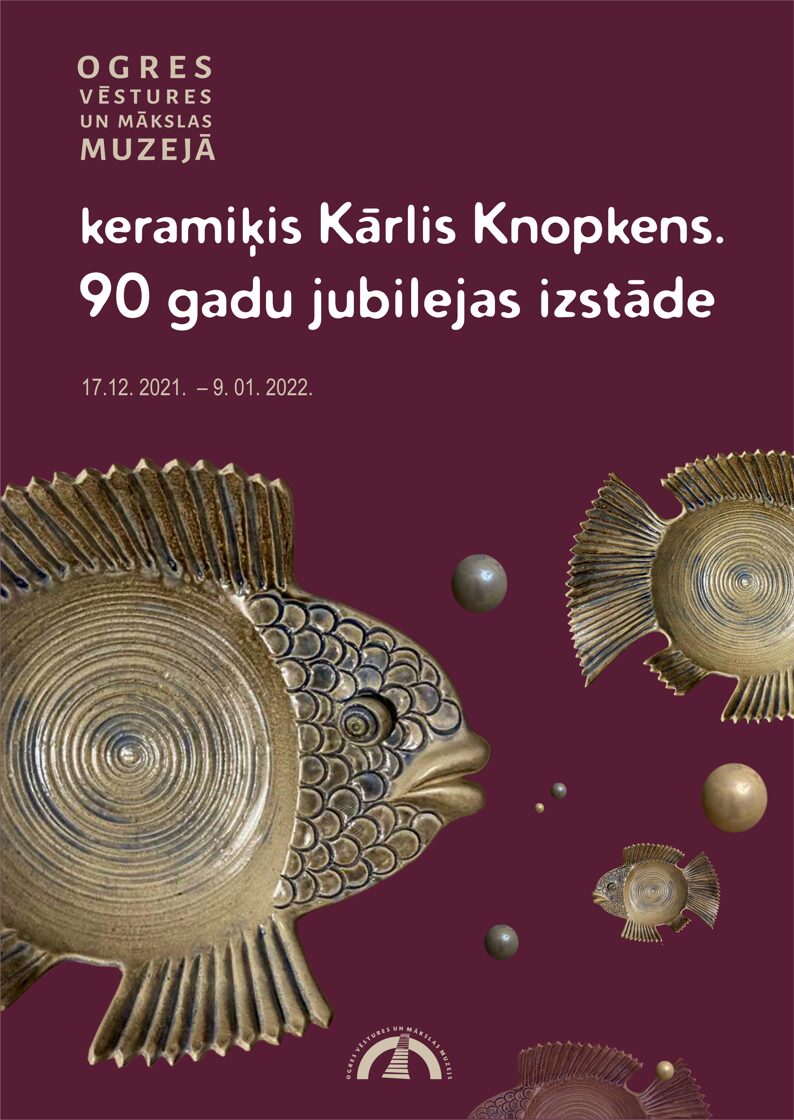
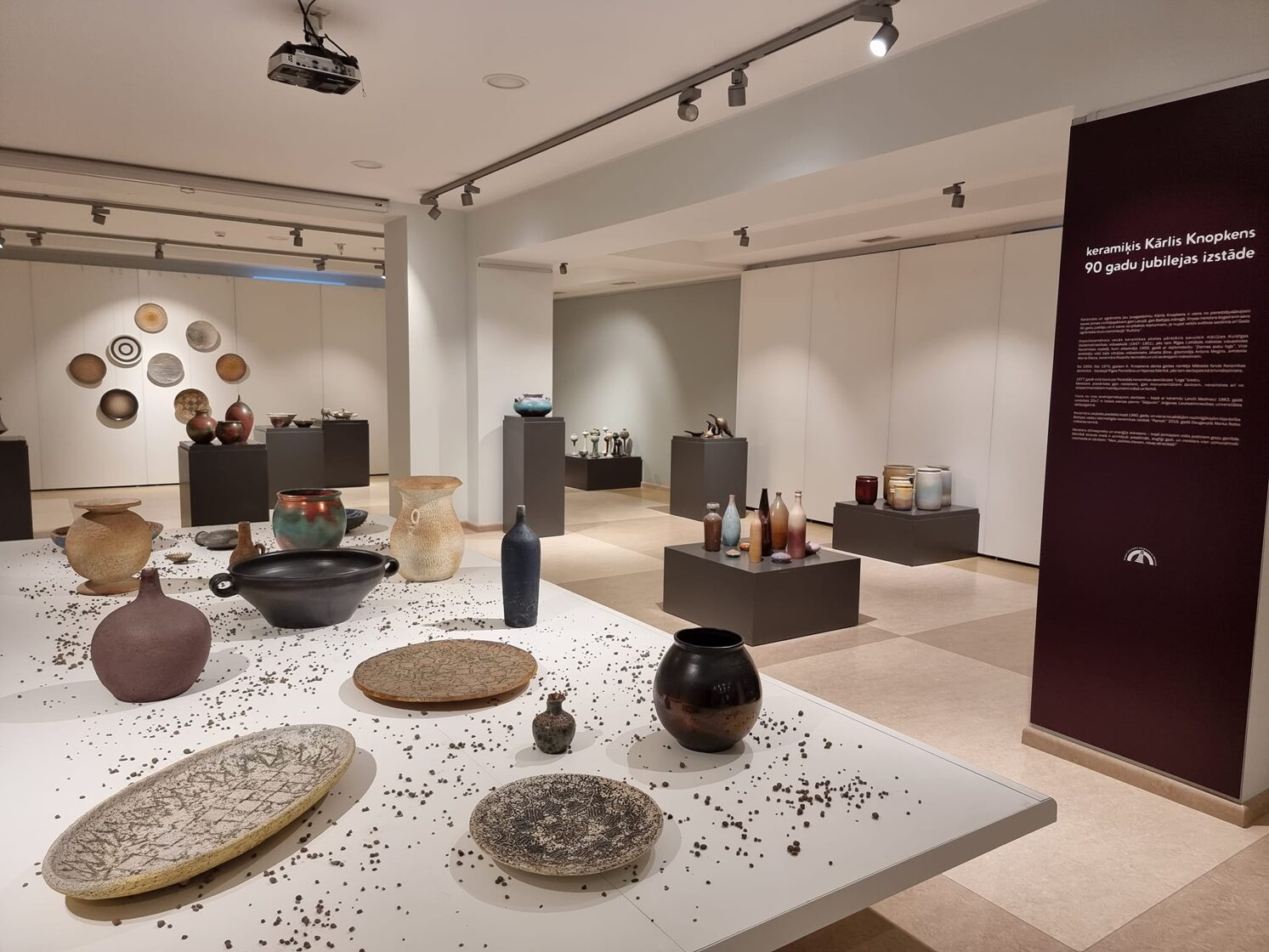
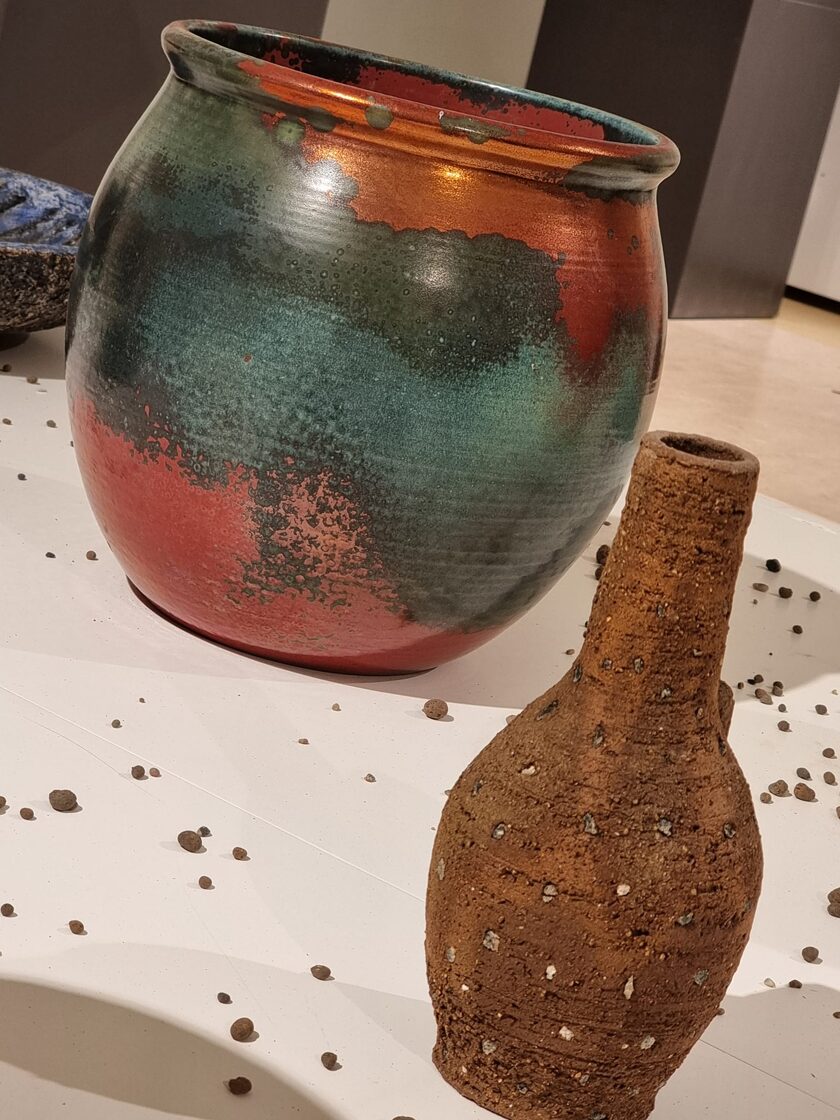
For half a century, ceramic artist and Ogre resident Kārlis Knopkens has been one of the most experienced and influential figures in his field, both in Latvia and across the Baltic region. This year, the artist celebrates his 90th birthday and remains one of the city’s great prides, having recently received the title Ogre Person of the Year in the Culture category during the national holiday celebrations.
A distinguished representative of the traditional ceramics school, Knopkens studied at the Kuldīga School of Applied Arts (1947–1951), and later at the Ceramics Department of the Riga Secondary School of Applied Arts, graduating in 1959 with his diploma work Winter Flower Window. Among his teachers were stained glass artist Jēkabs Bīne, painter Antons Megnis, architect Marta Staņa and ceramicist Rūdolfs Heimrāts.
From 1959 to 1970, Kārlis Knopkens worked at the Art Foundation’s Ceramics Workshop – formerly the Riga Porcelain and Faience Factory – after which he began working as a freelance artist.
In 1977, he became a member of the Creative Ceramics Association Logs.
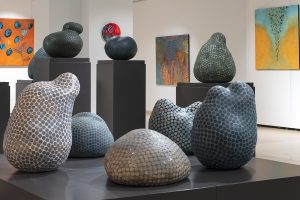
The artist has devoted himself to both small-scale and monumental works, never shying away from experimental explorations of colour and form.
One of his most notable works is the large 20 × 7 m wall panel Migratory Birds, created in 1983 together with ceramicist Latvīte Medniece and located in the courtyard of the Jelgava University of Agriculture.
The artist has participated in exhibitions since 1960. Among his most recent appearances was the Baltic States Contemporary Ceramics Exhibition Foundations in 2019 at the Daugavpils Mark Rothko Art Centre.
The artist’s zest for life and creative energy are truly inspiring – from his first childhood clay pots shaped on cow pastures by a stream to the rich and fruitful decades that followed. With a warm smile, he simply says: “Thank God, my hands still work!”