
OGRE SHOPS
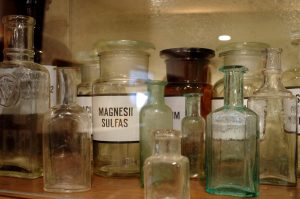
Today, Ogre offers a wide range of shops – but what was it like in the past? What were Ogre’s shops like during the interwar period of the 1920s and 1930s, and later during the Soviet occupation? Shops are an integral part of everyday life. Food, clothing, and household items are daily necessities. Yet while […]
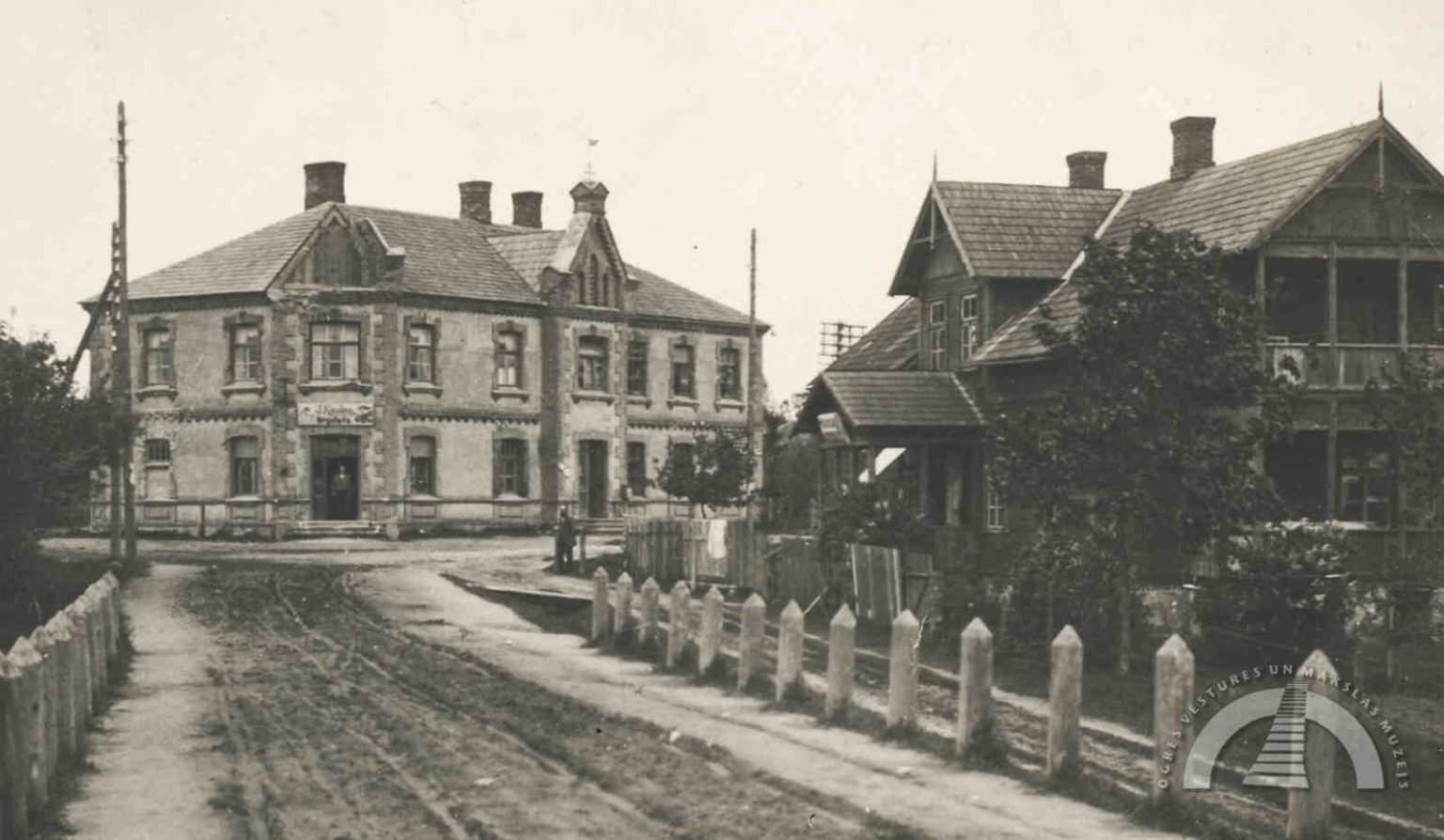
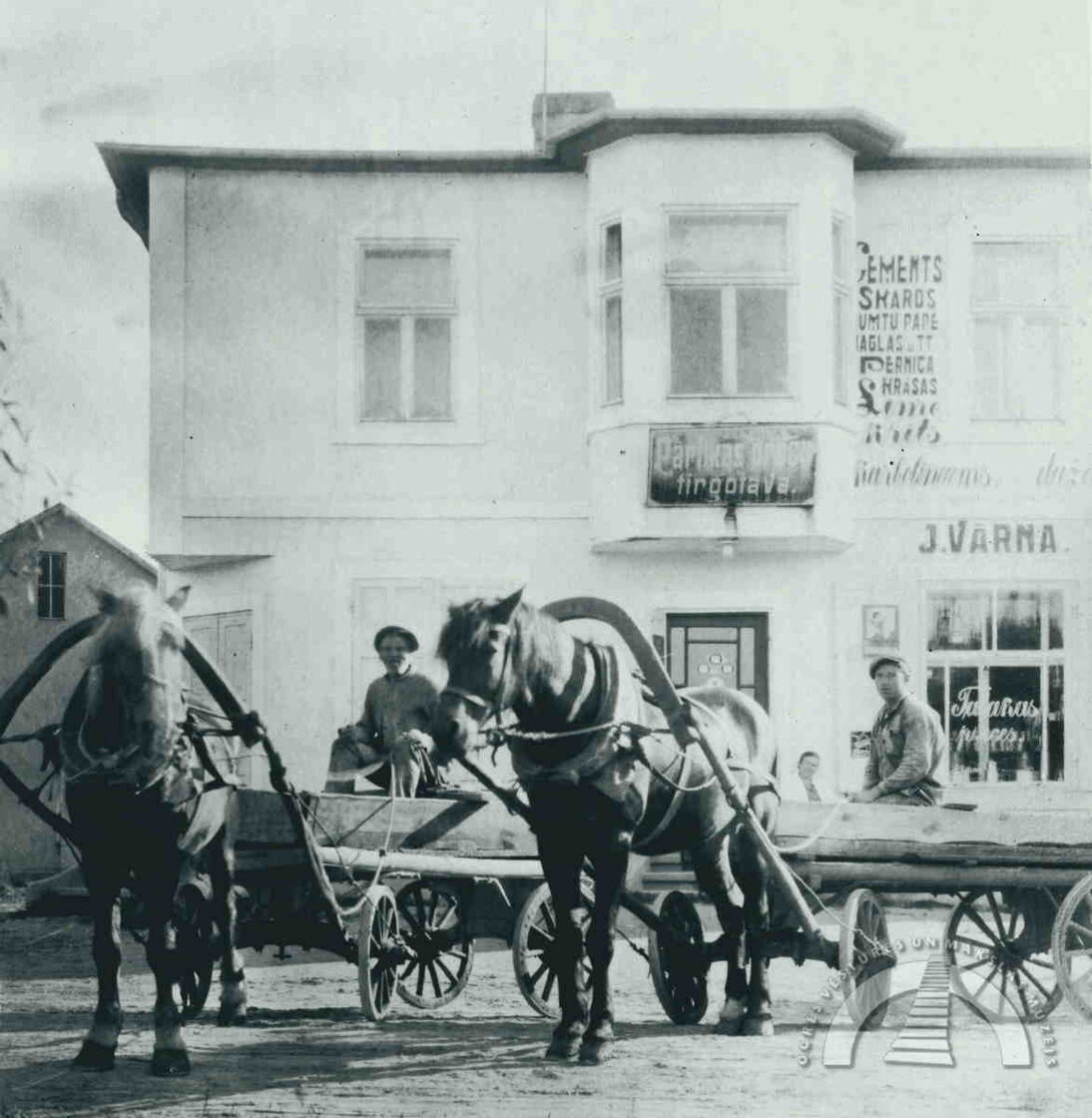
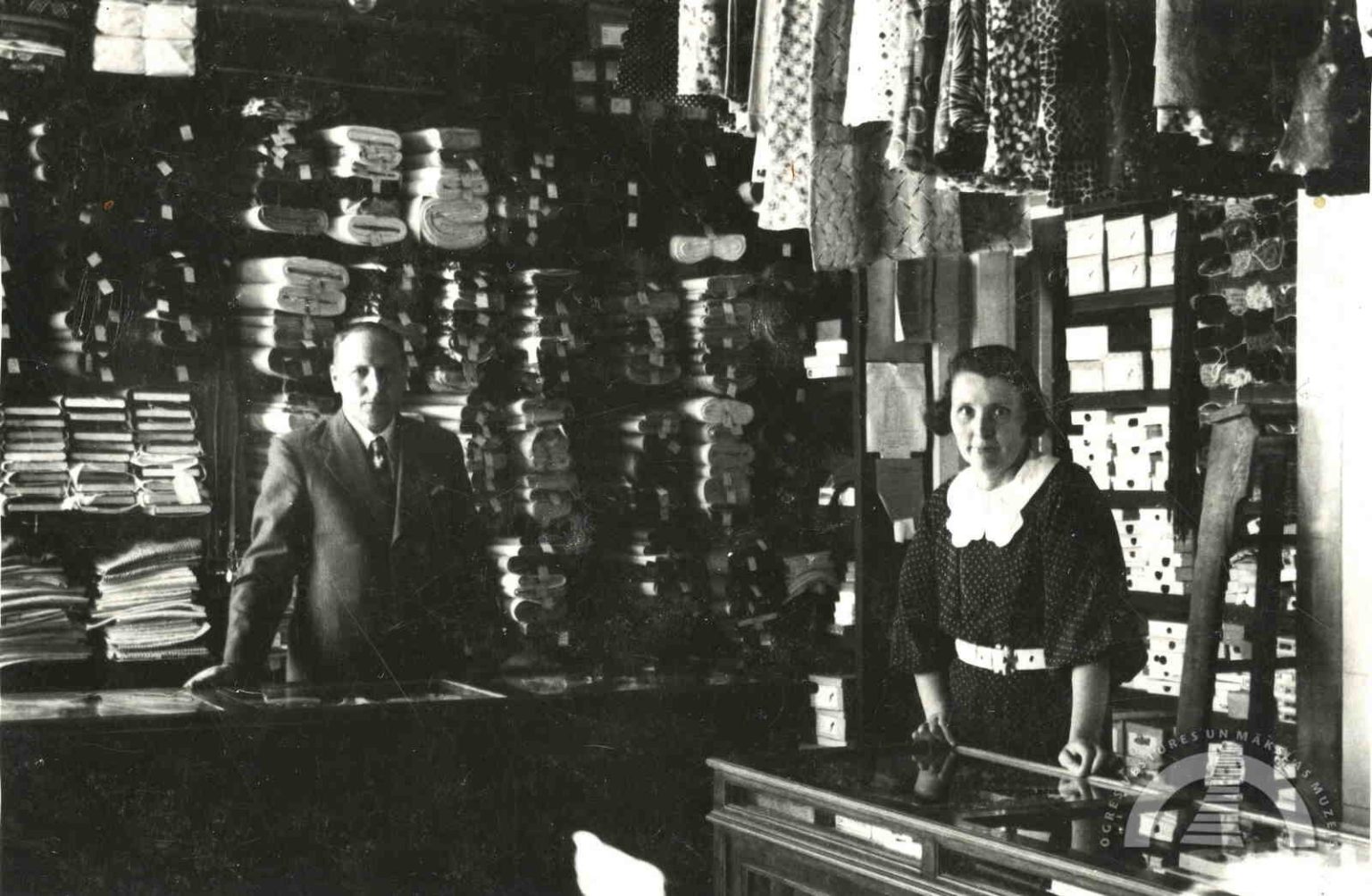
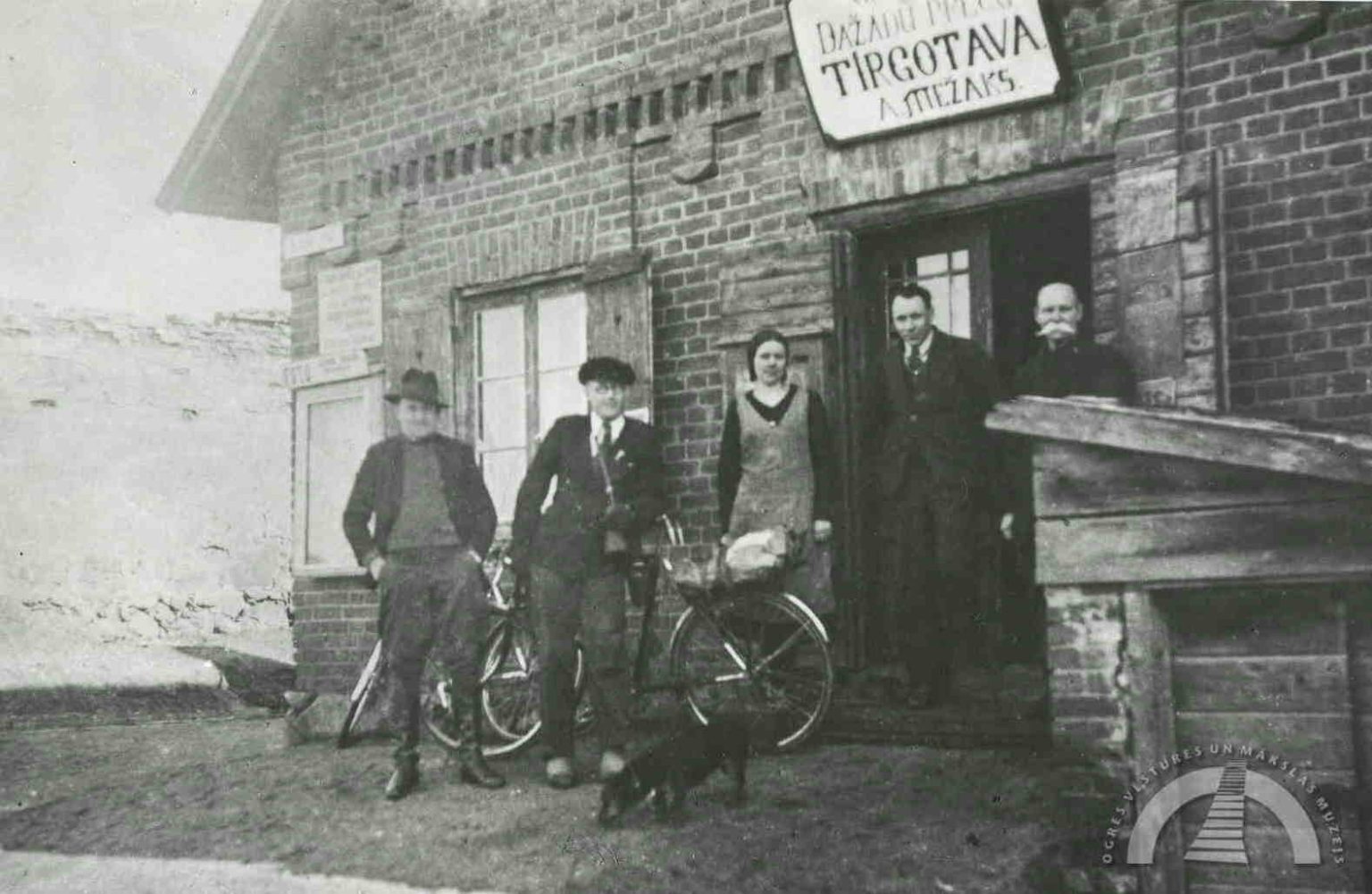
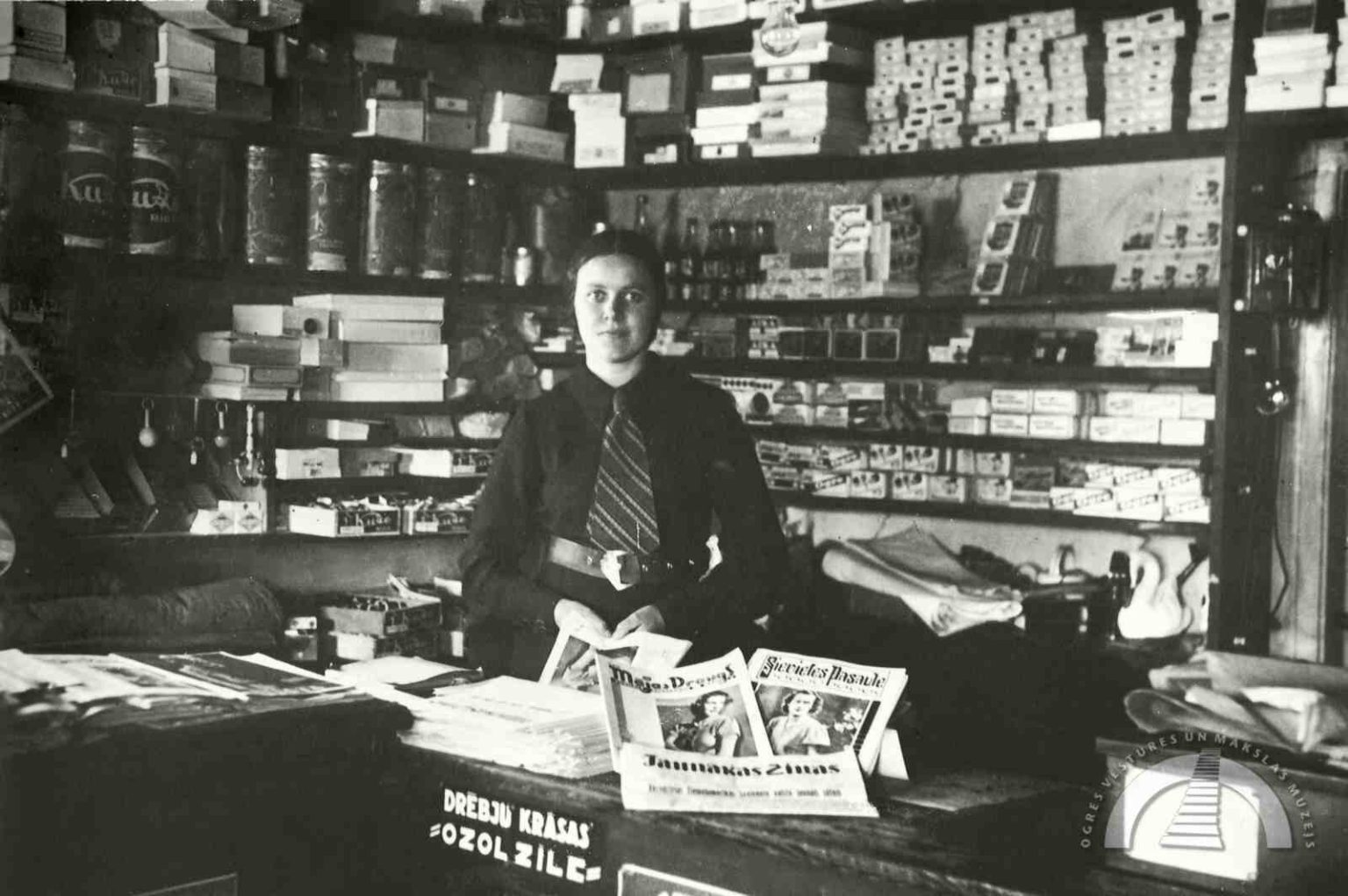
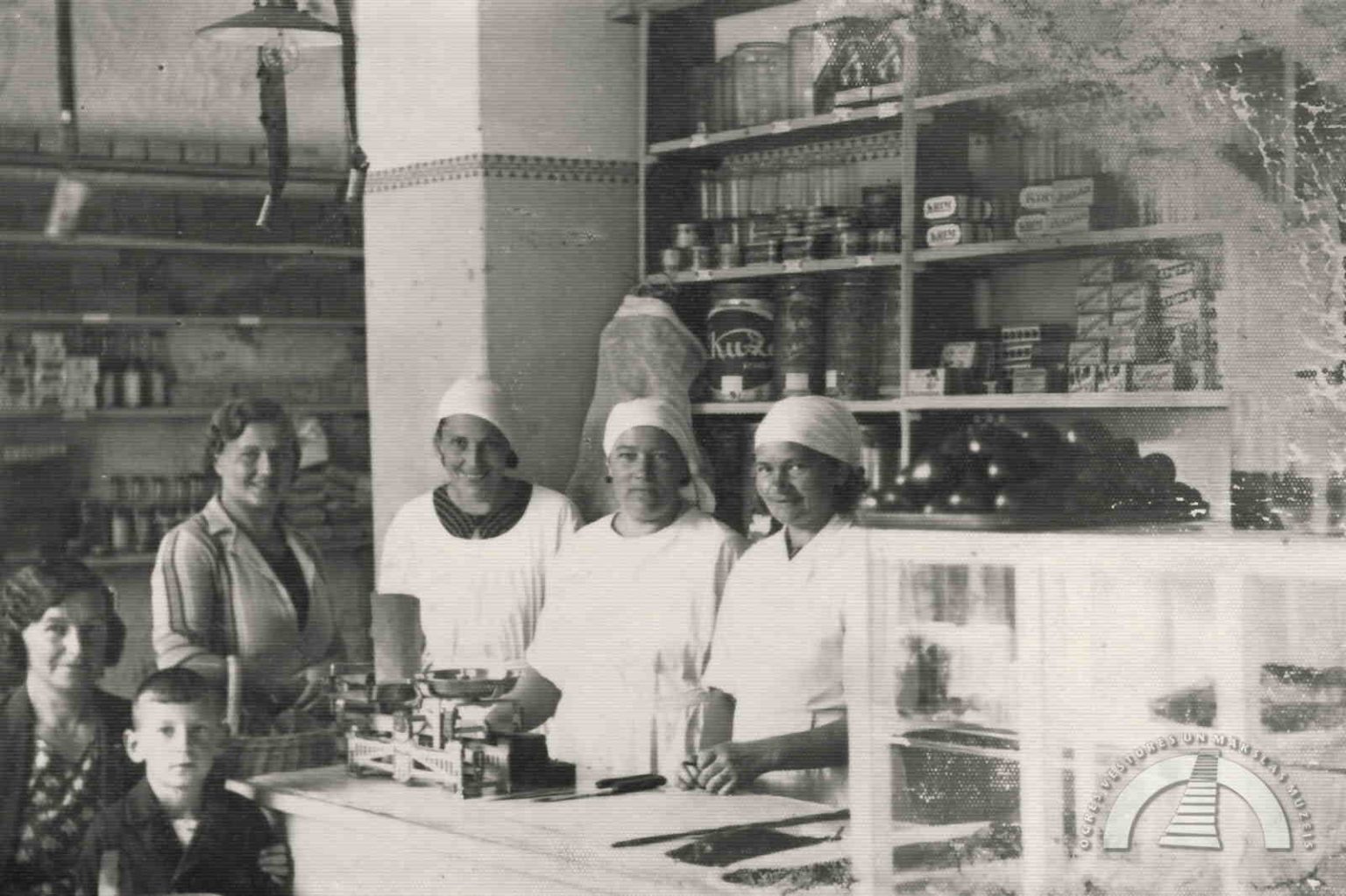
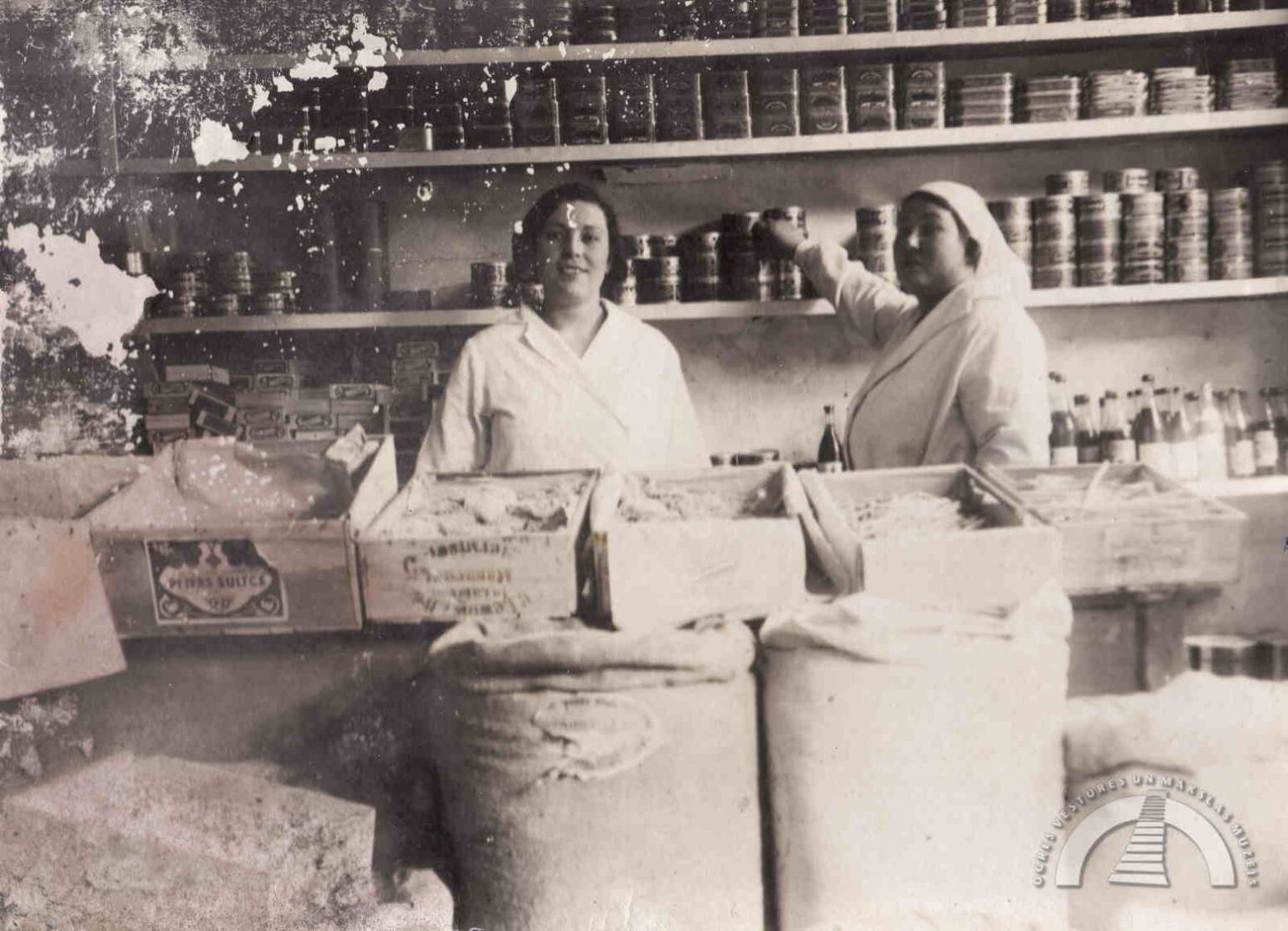
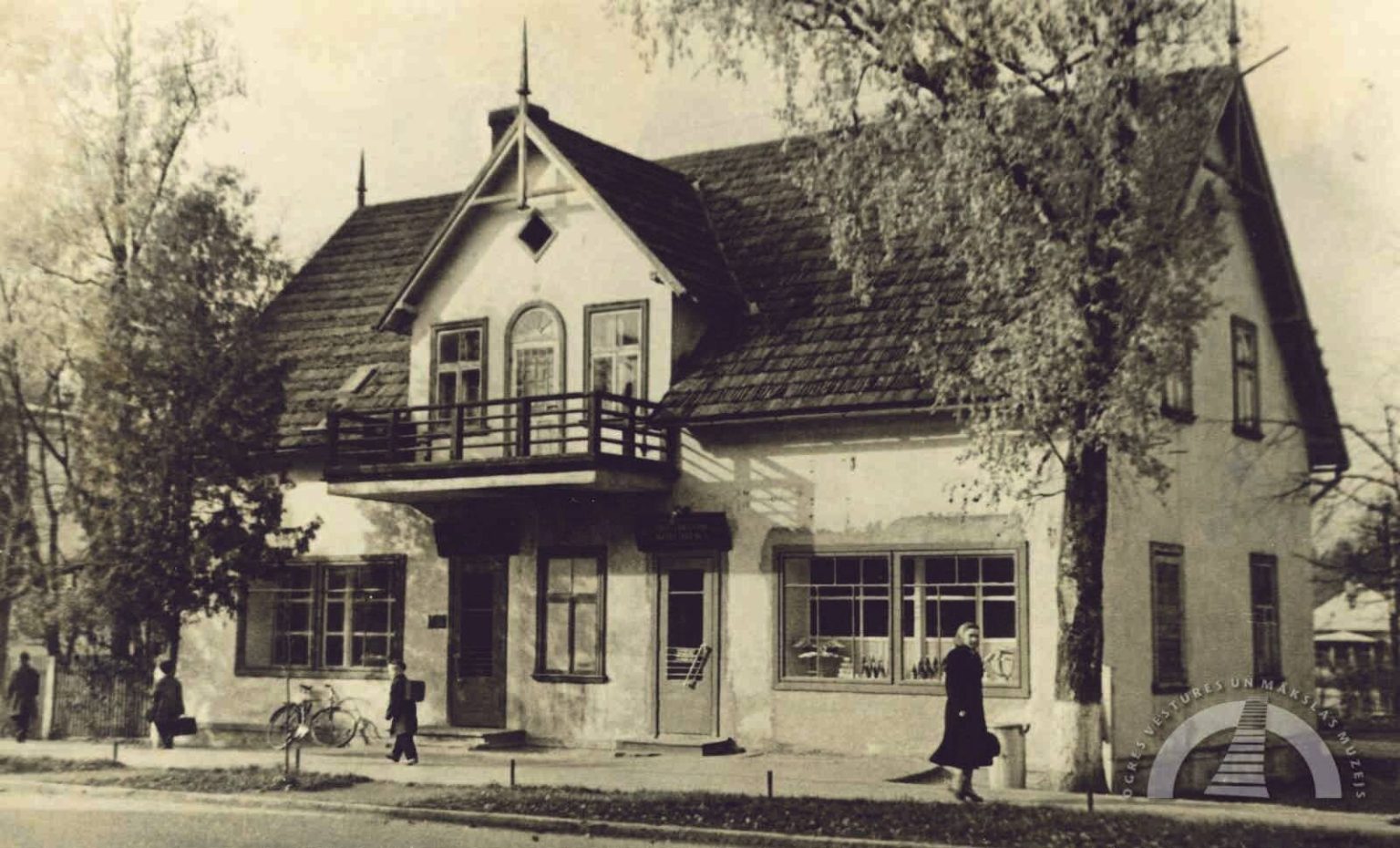
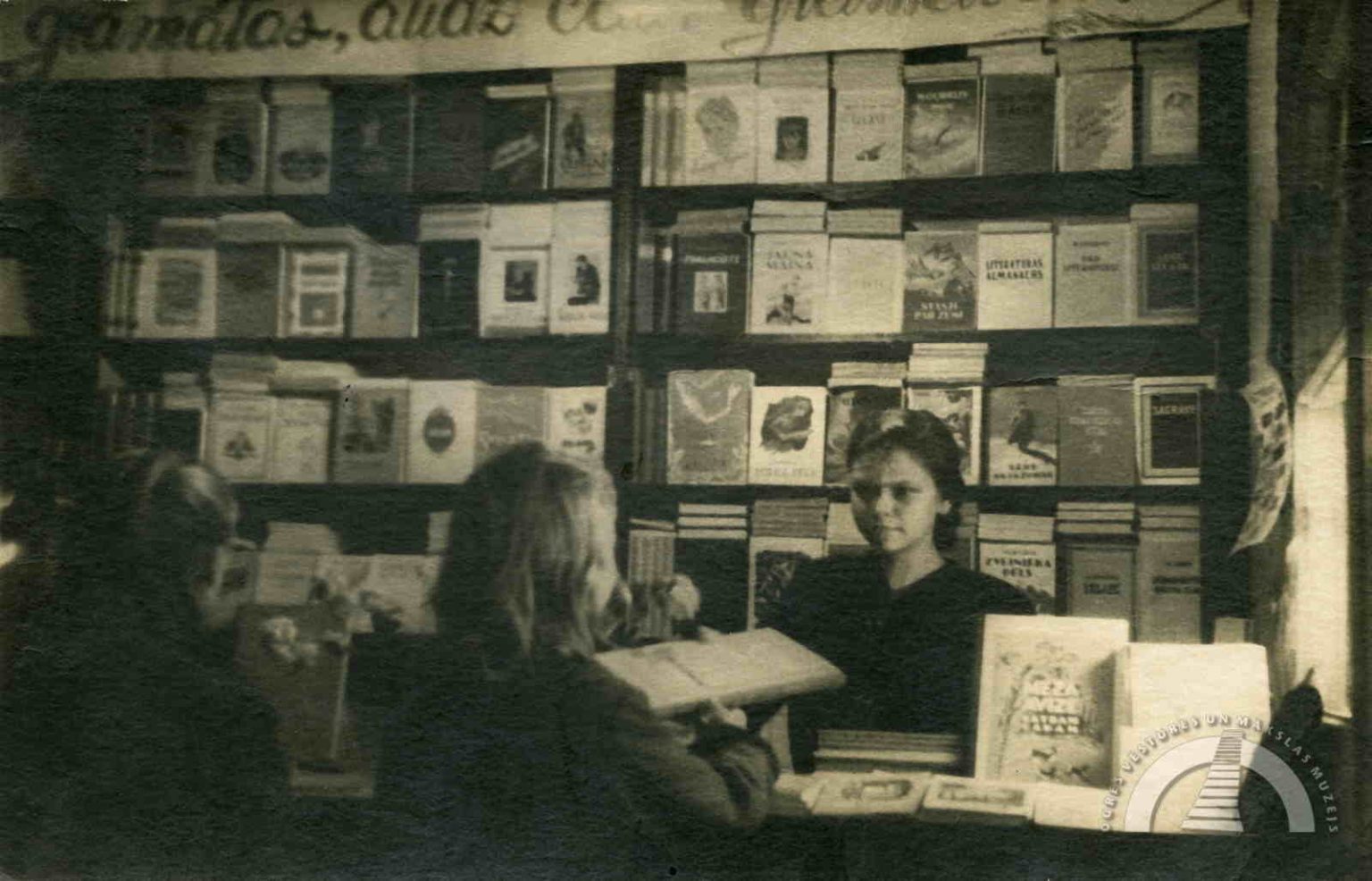
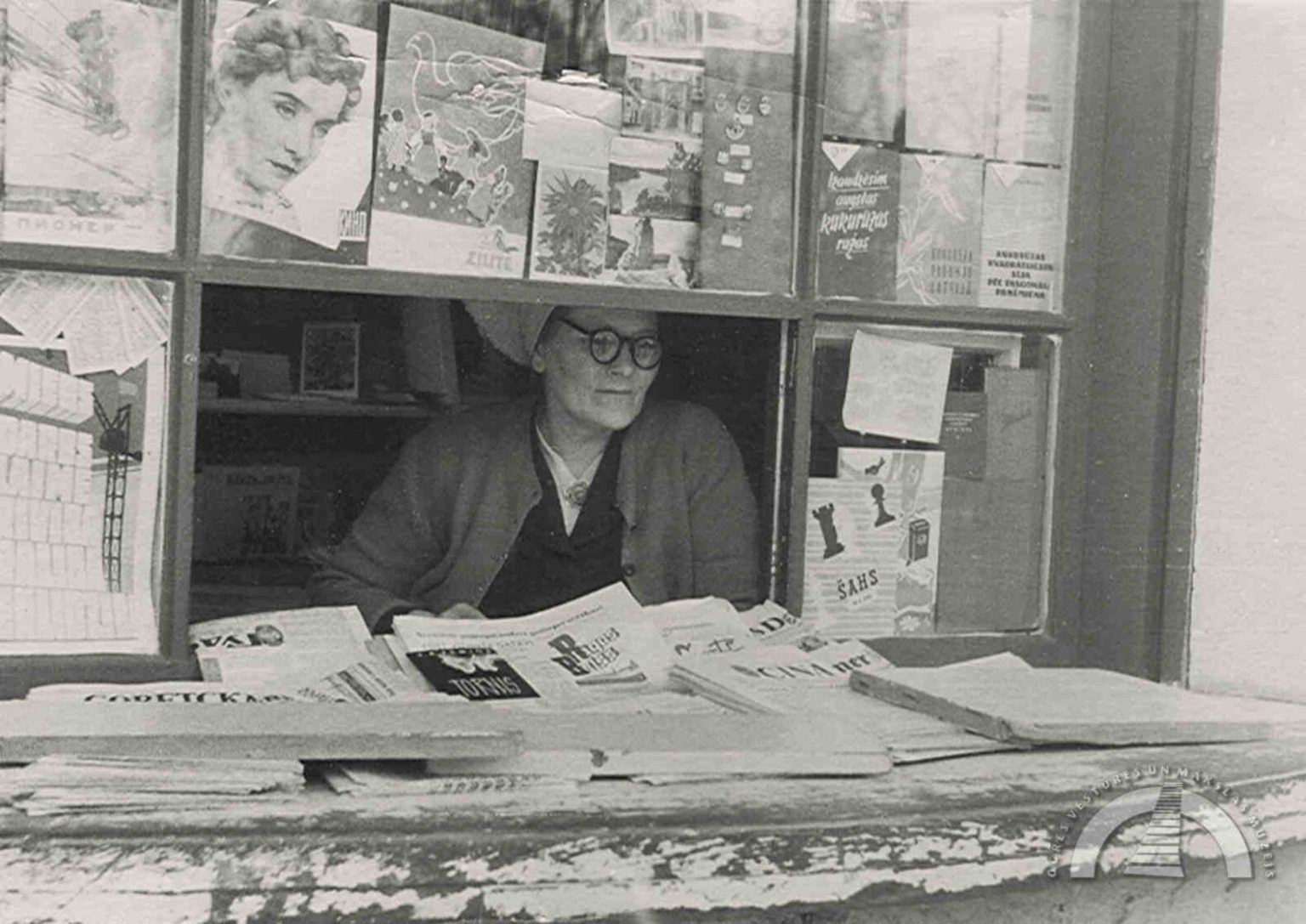
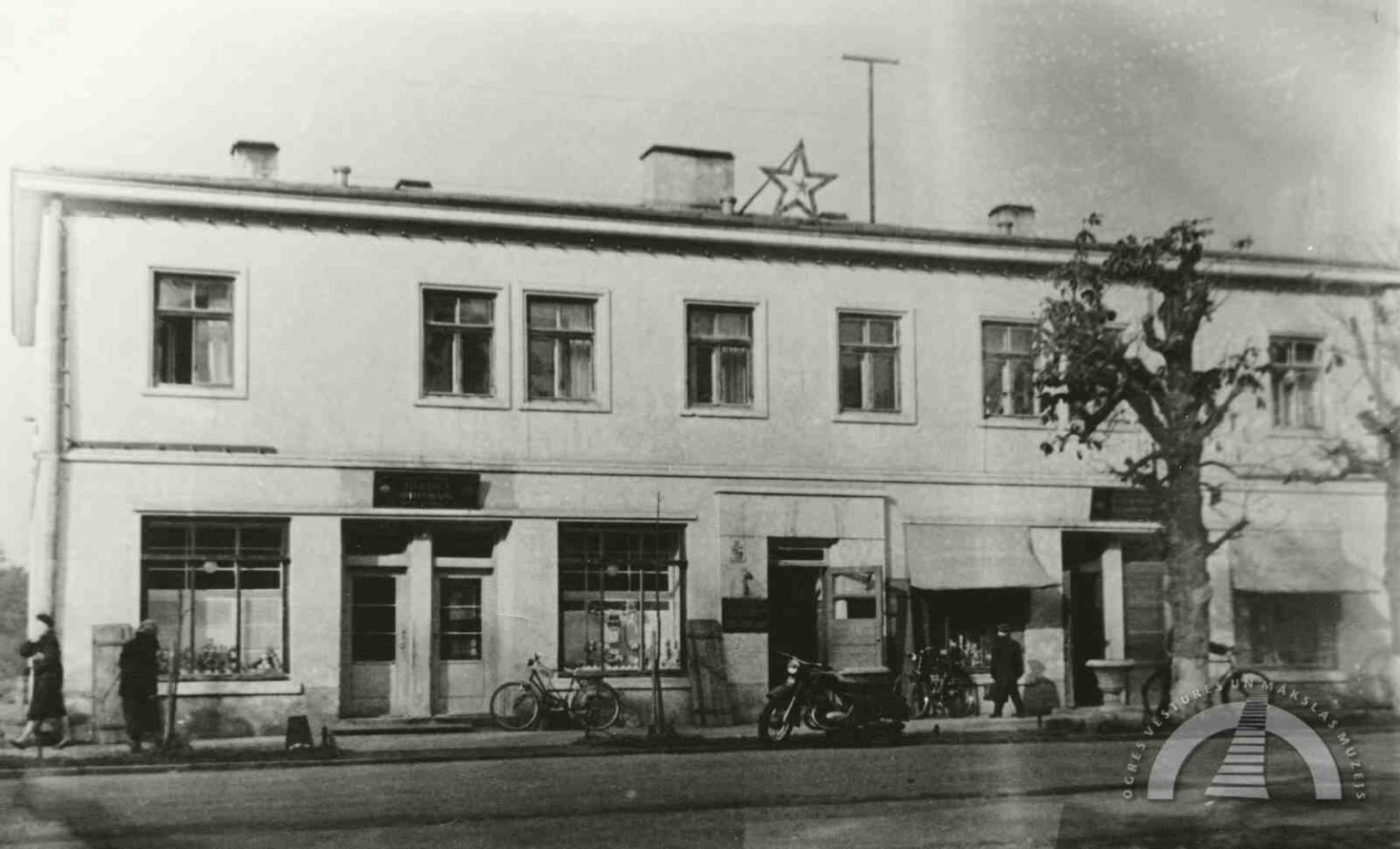
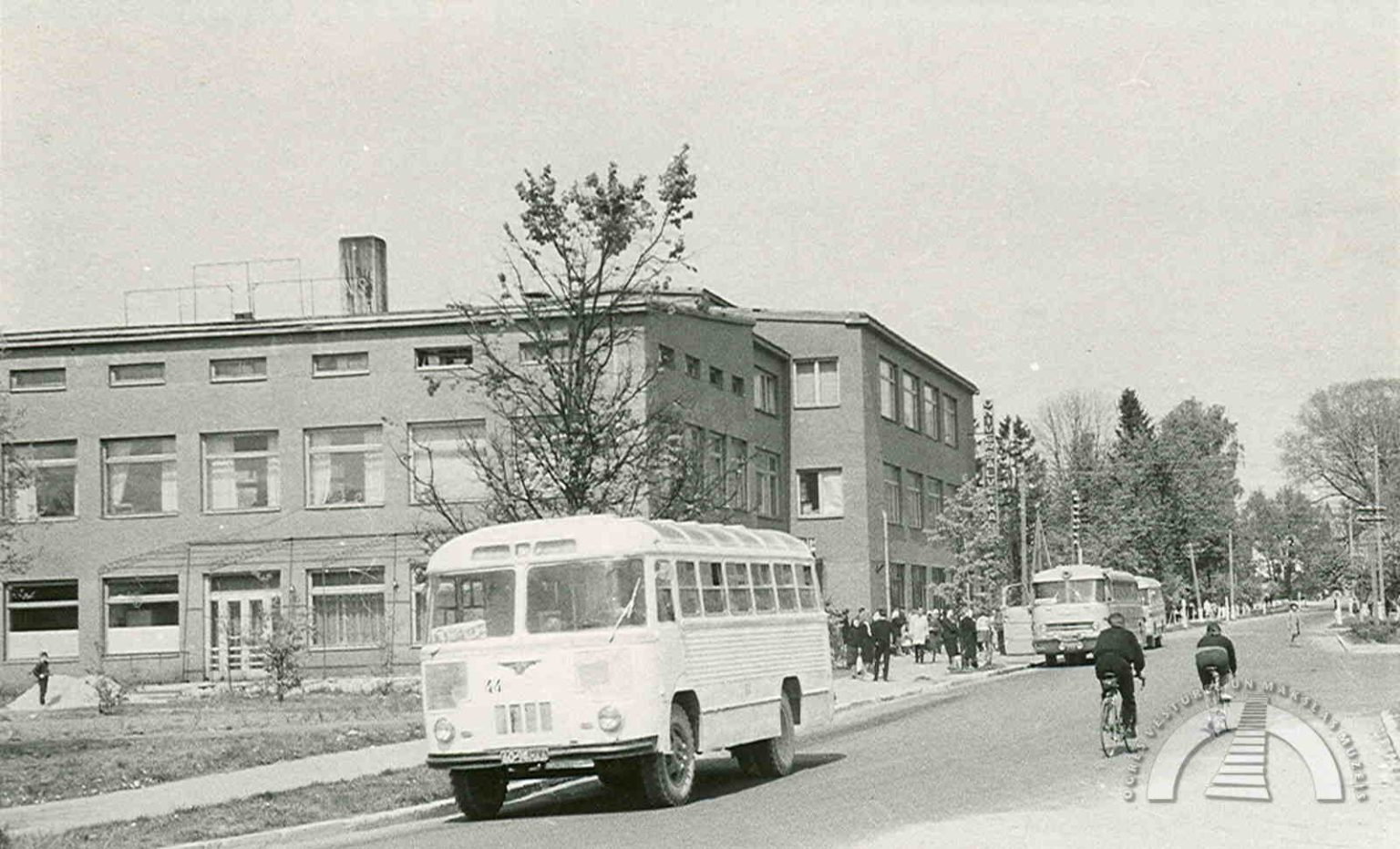
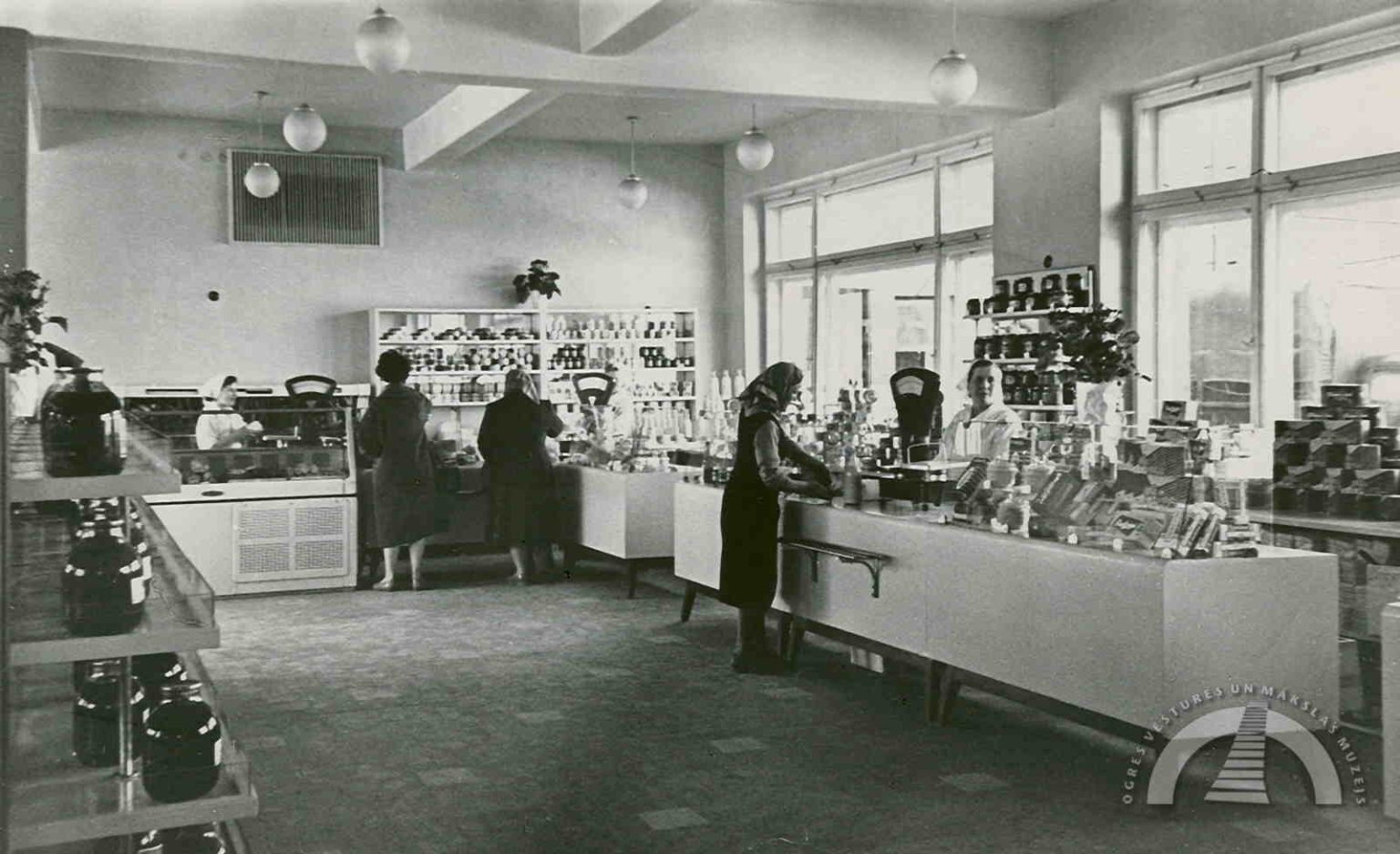
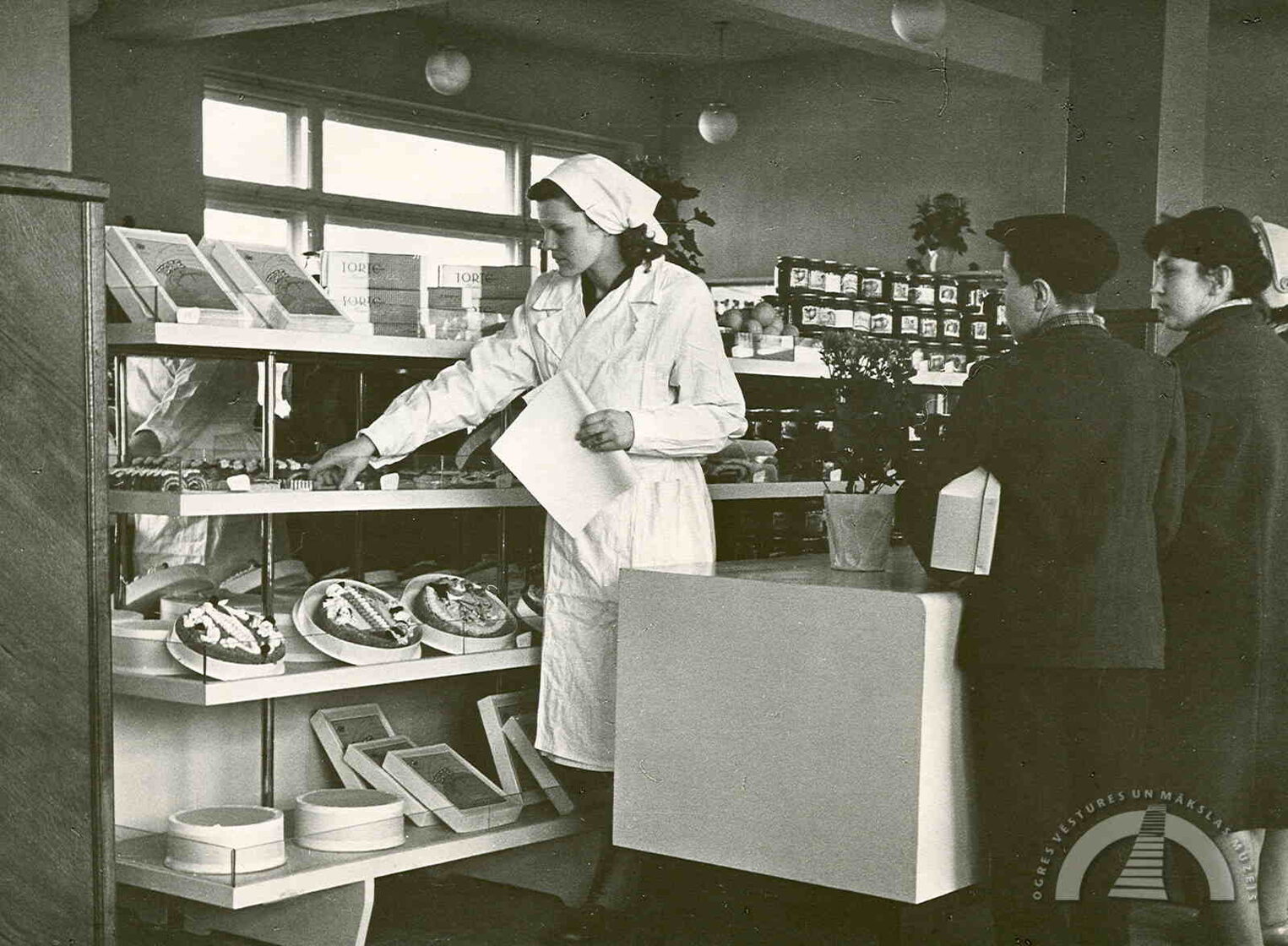
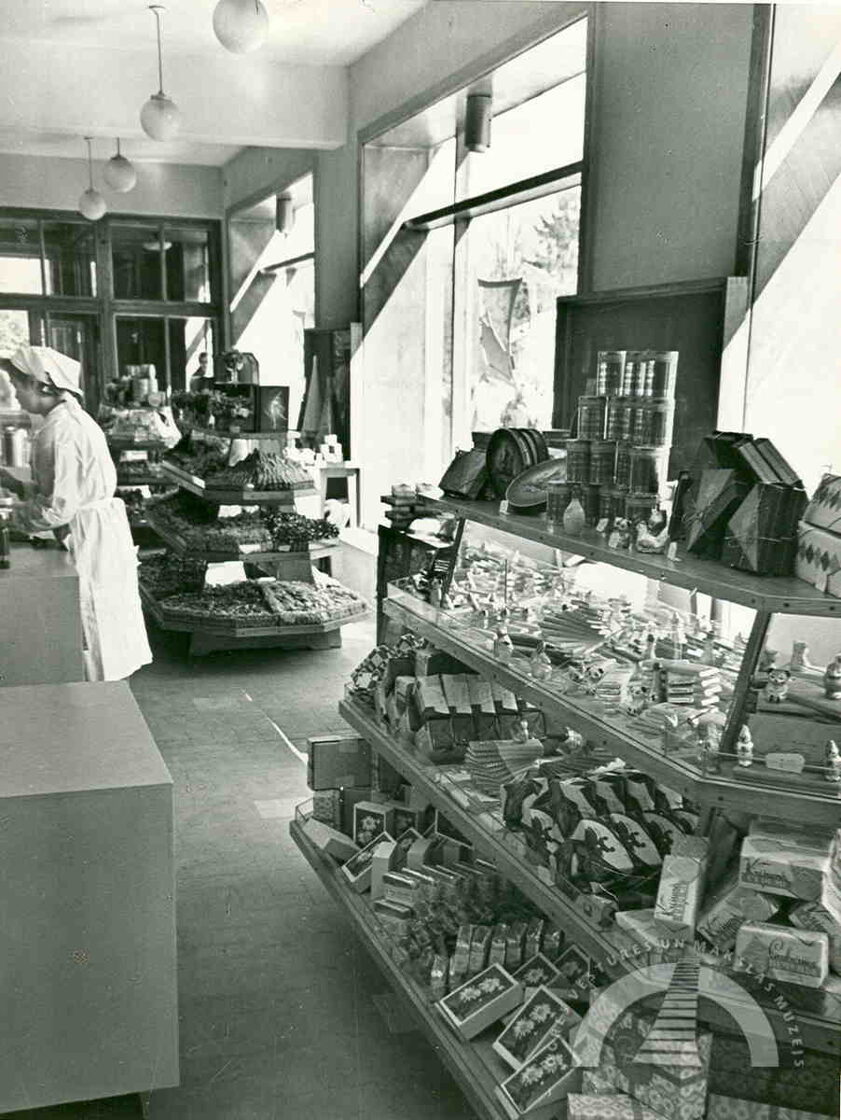
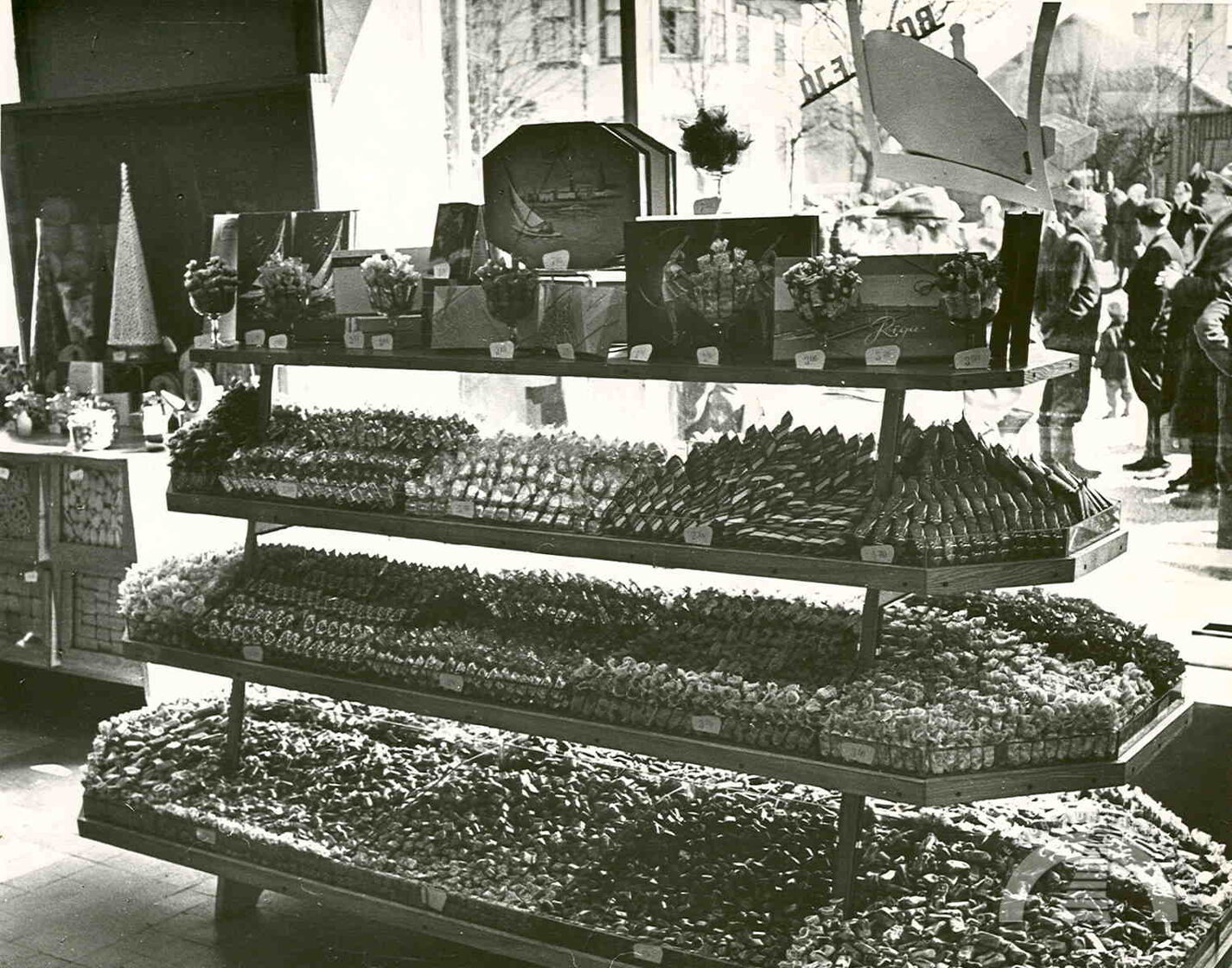
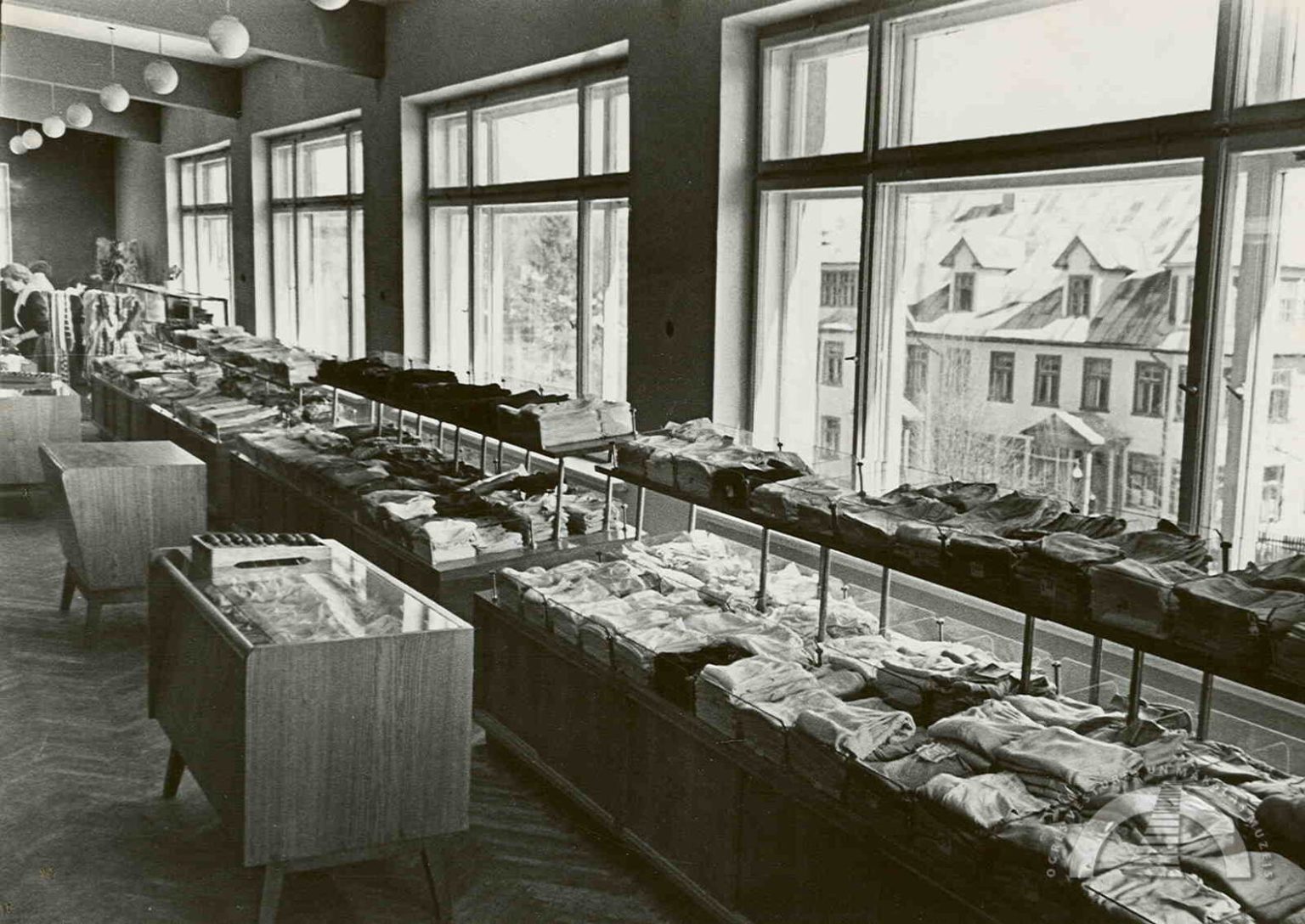
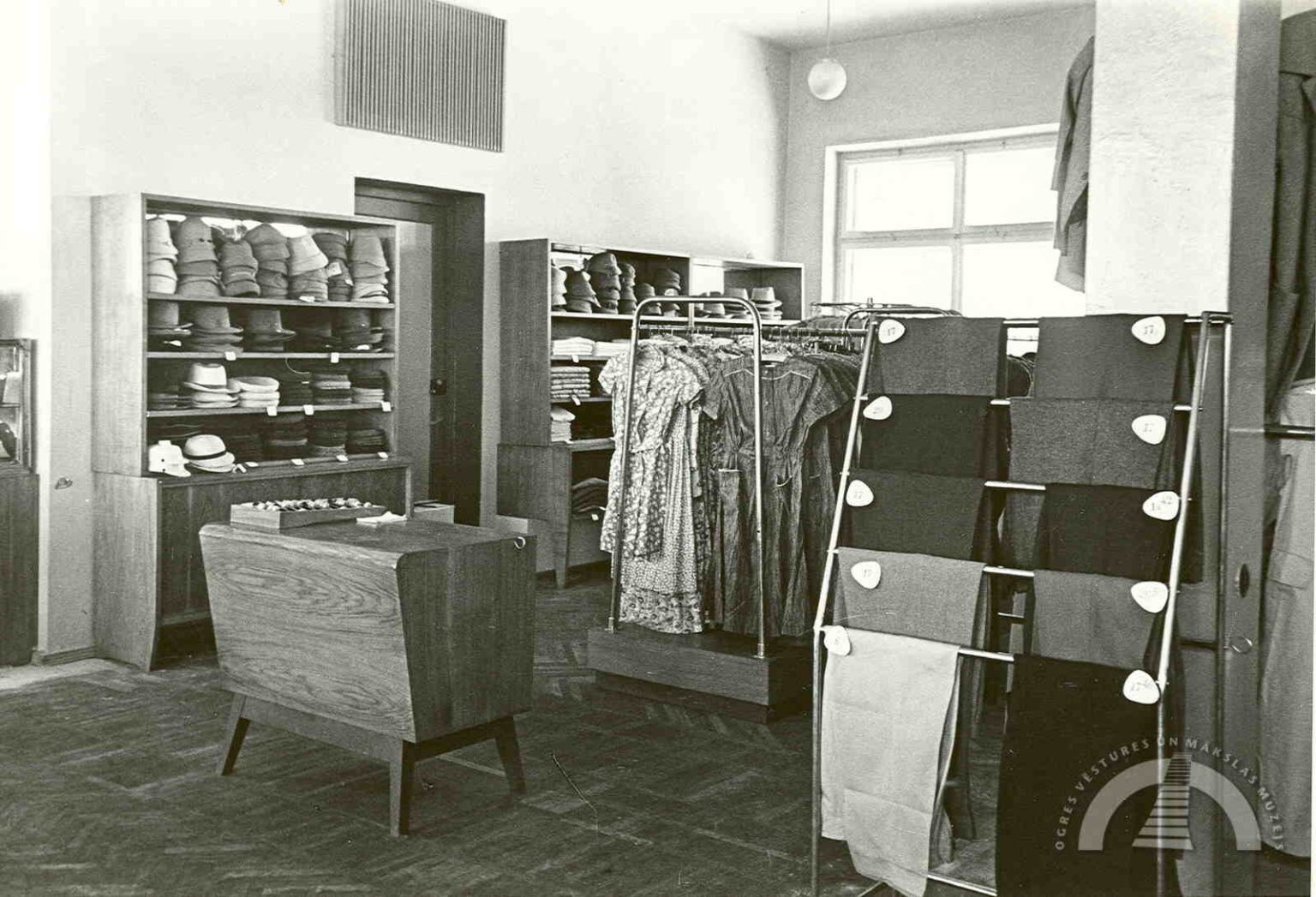
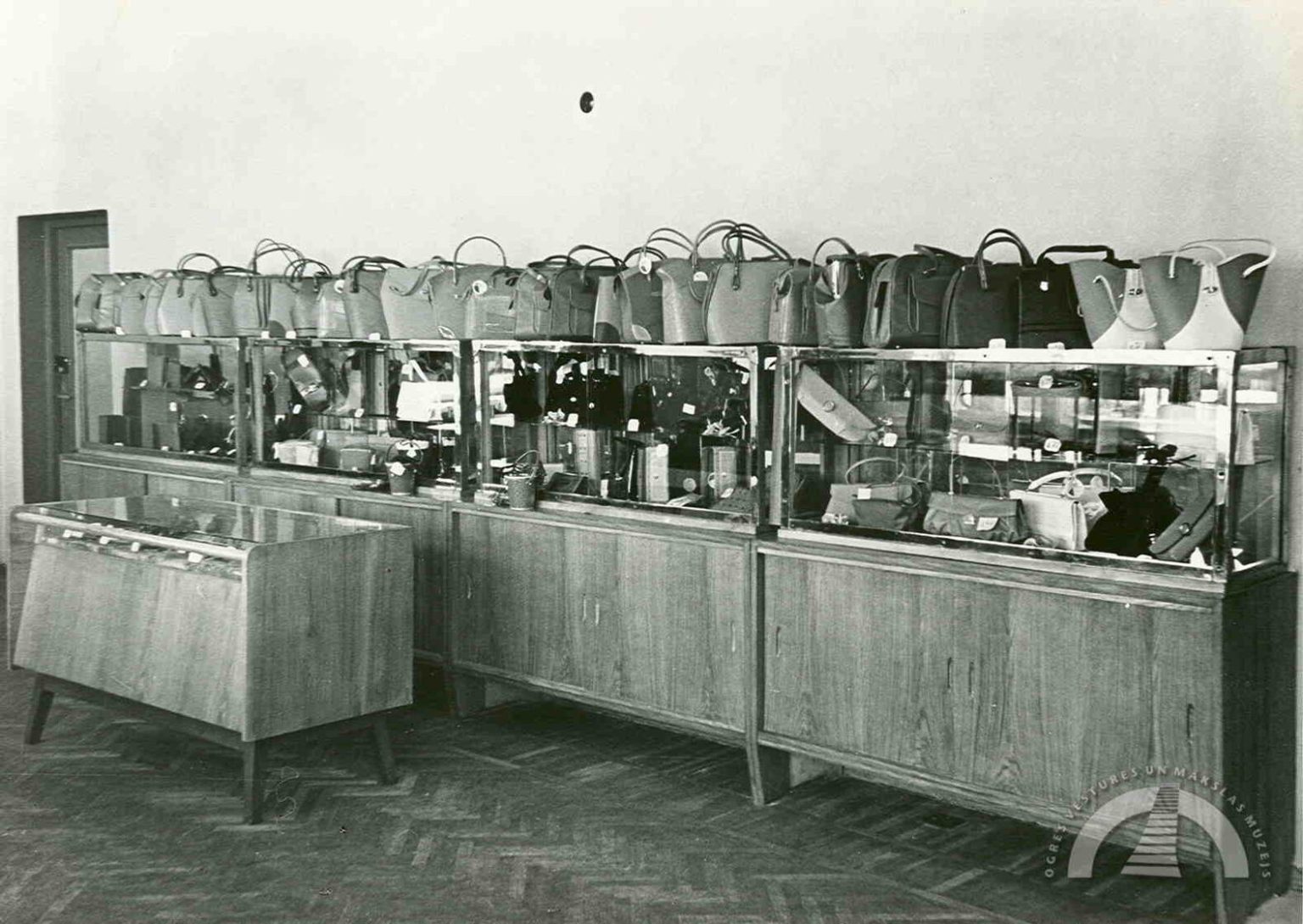
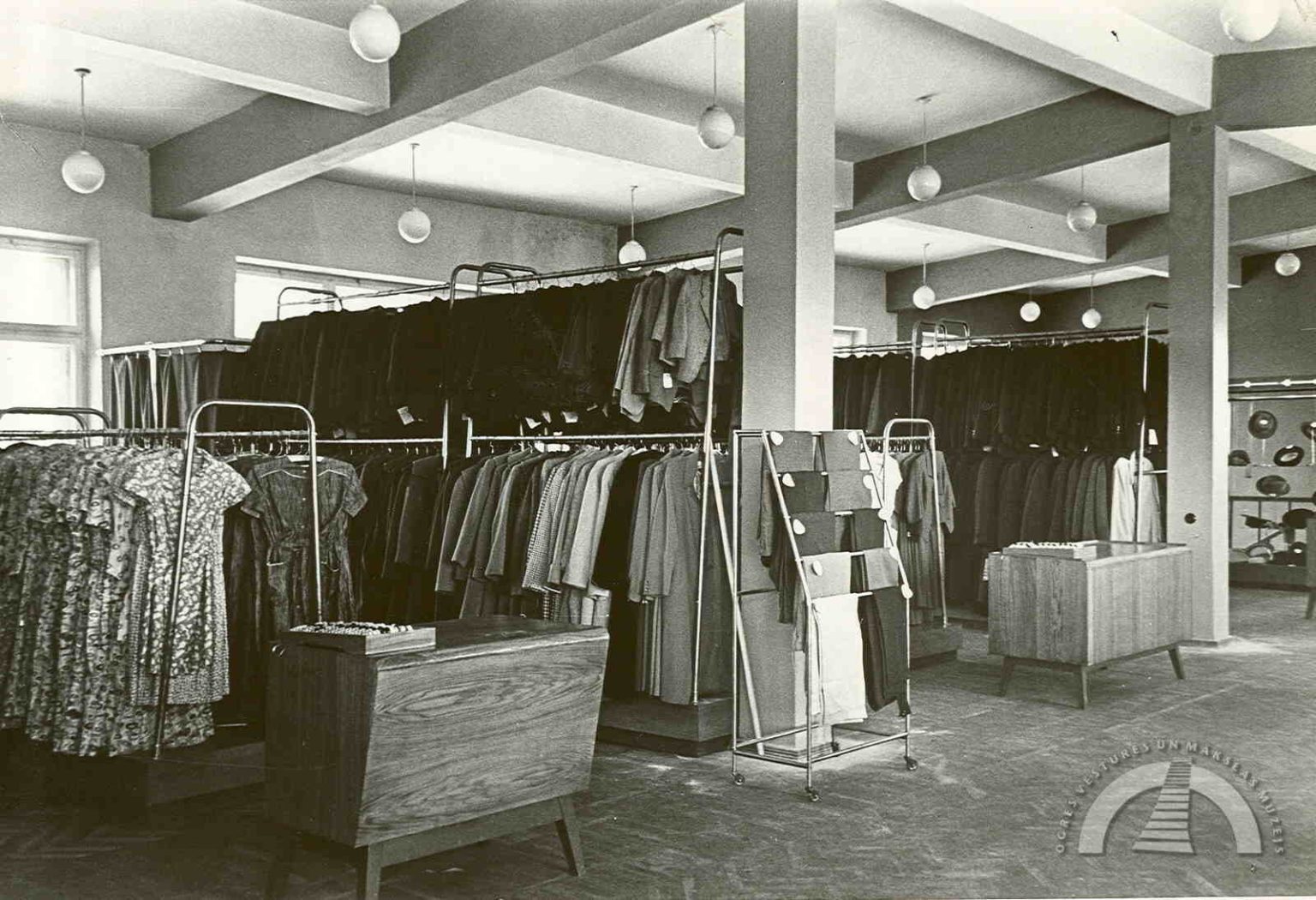
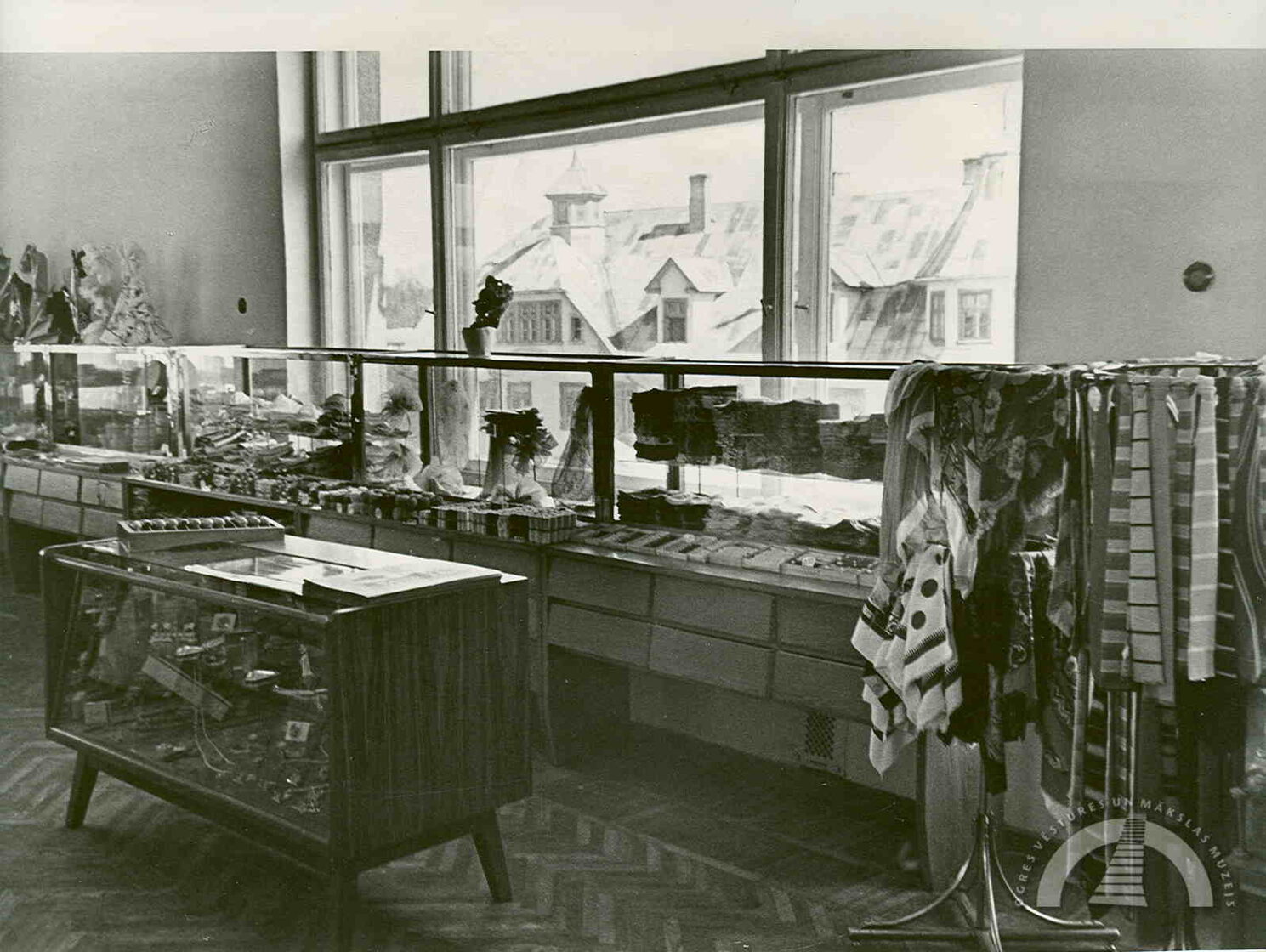
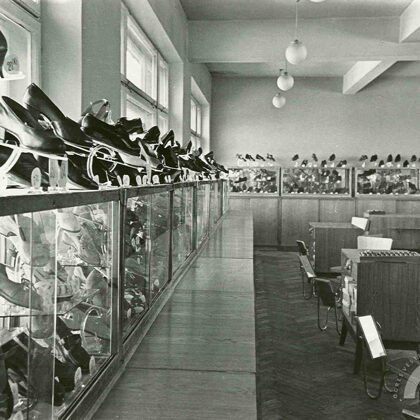
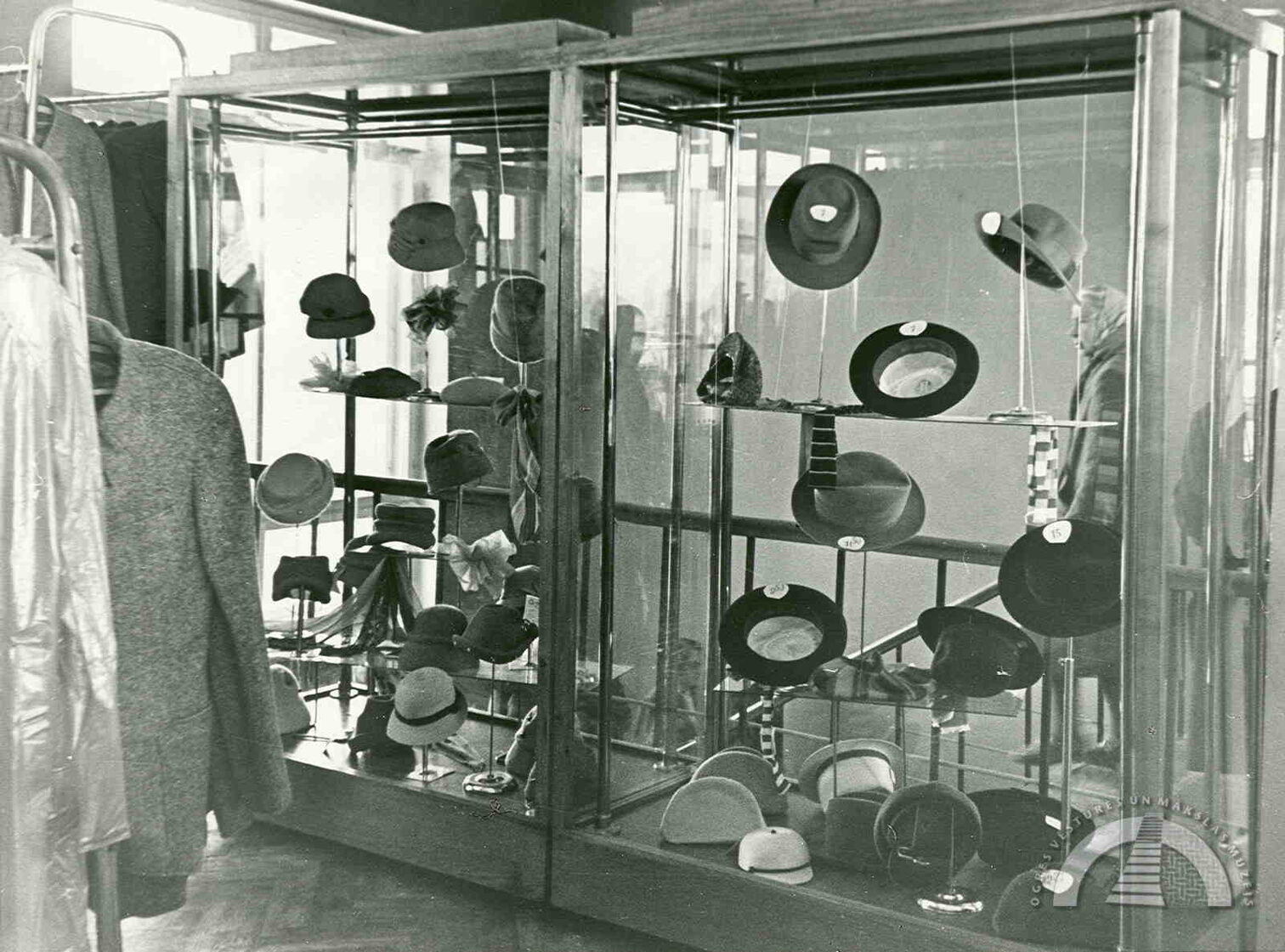
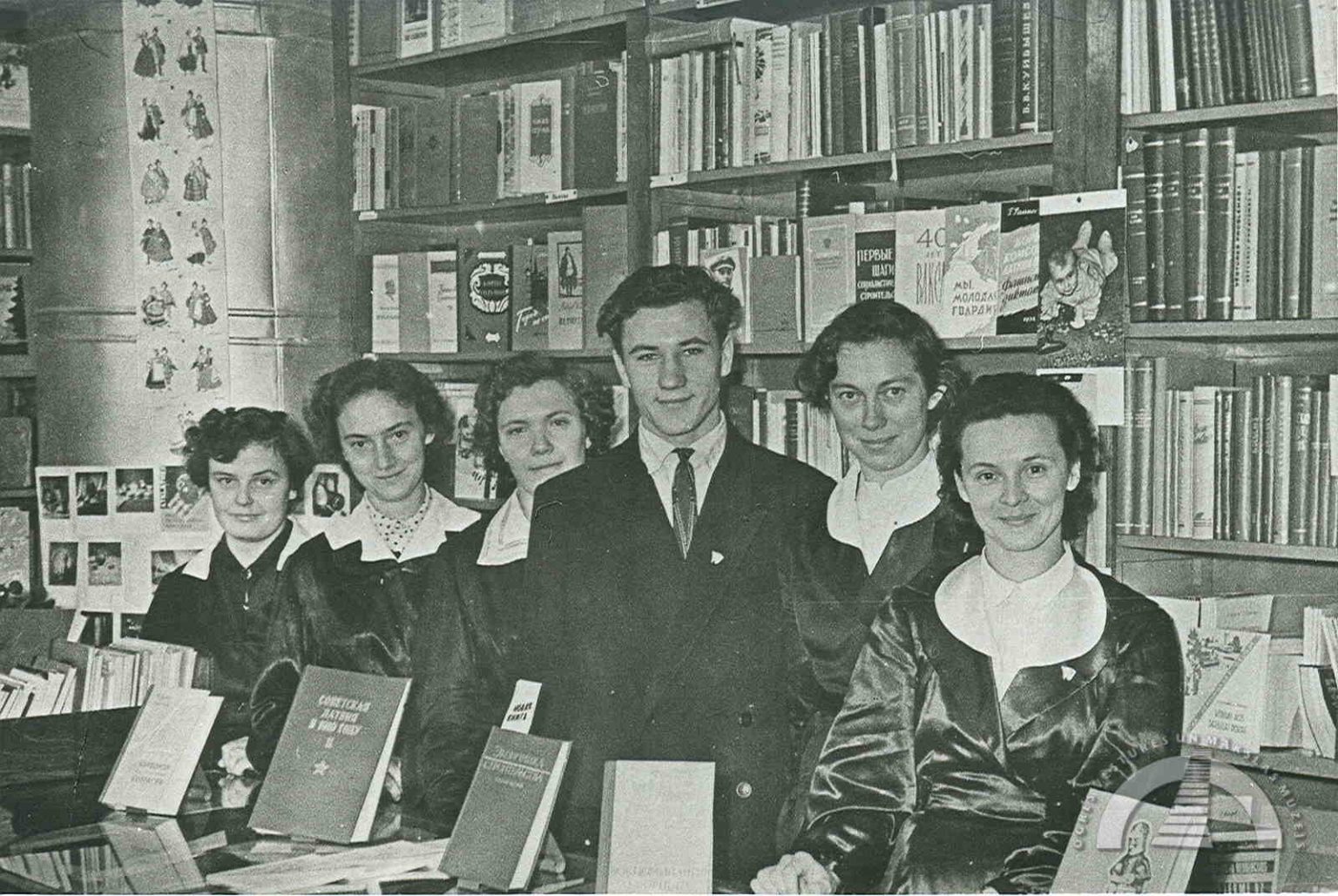
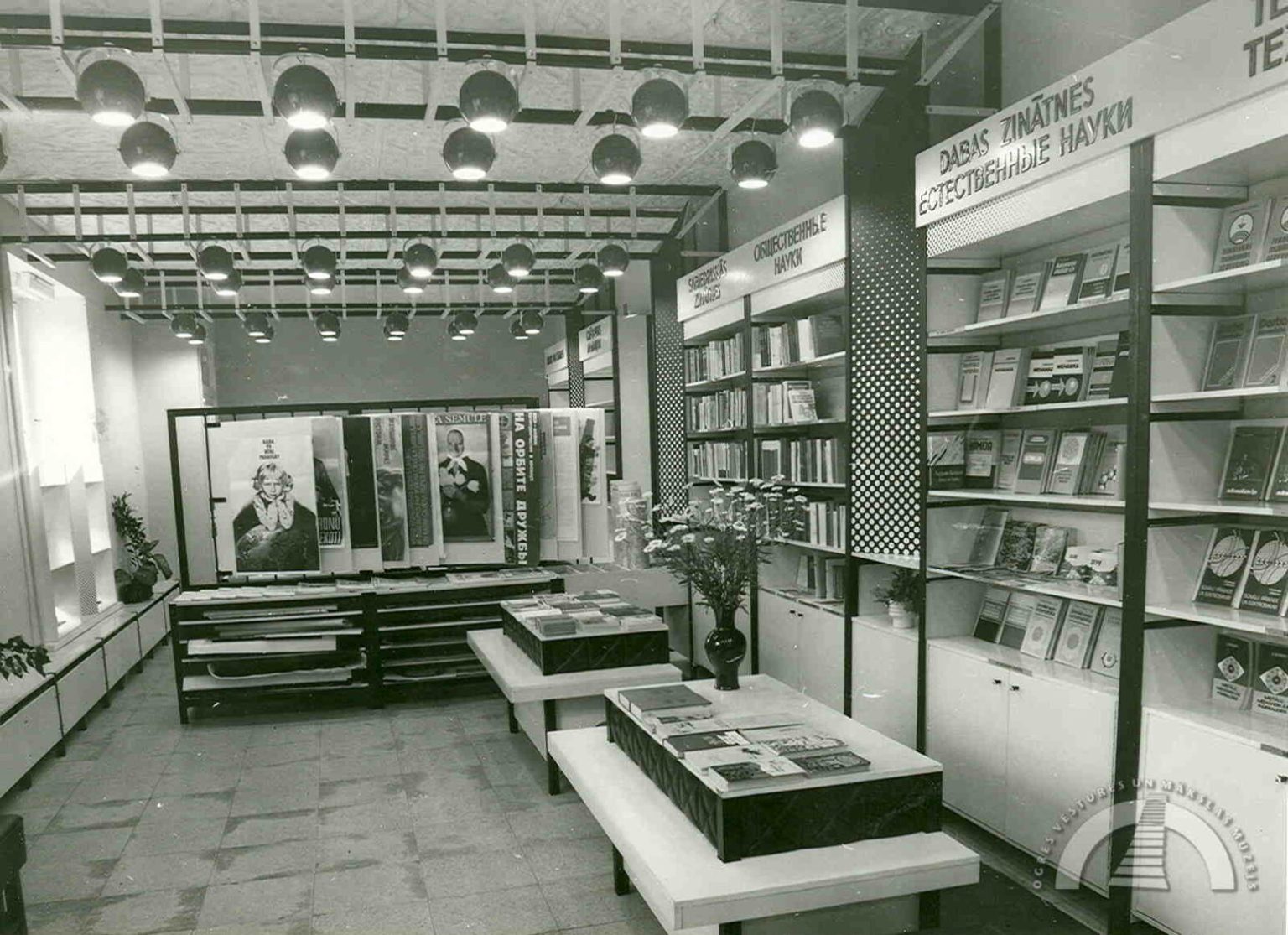
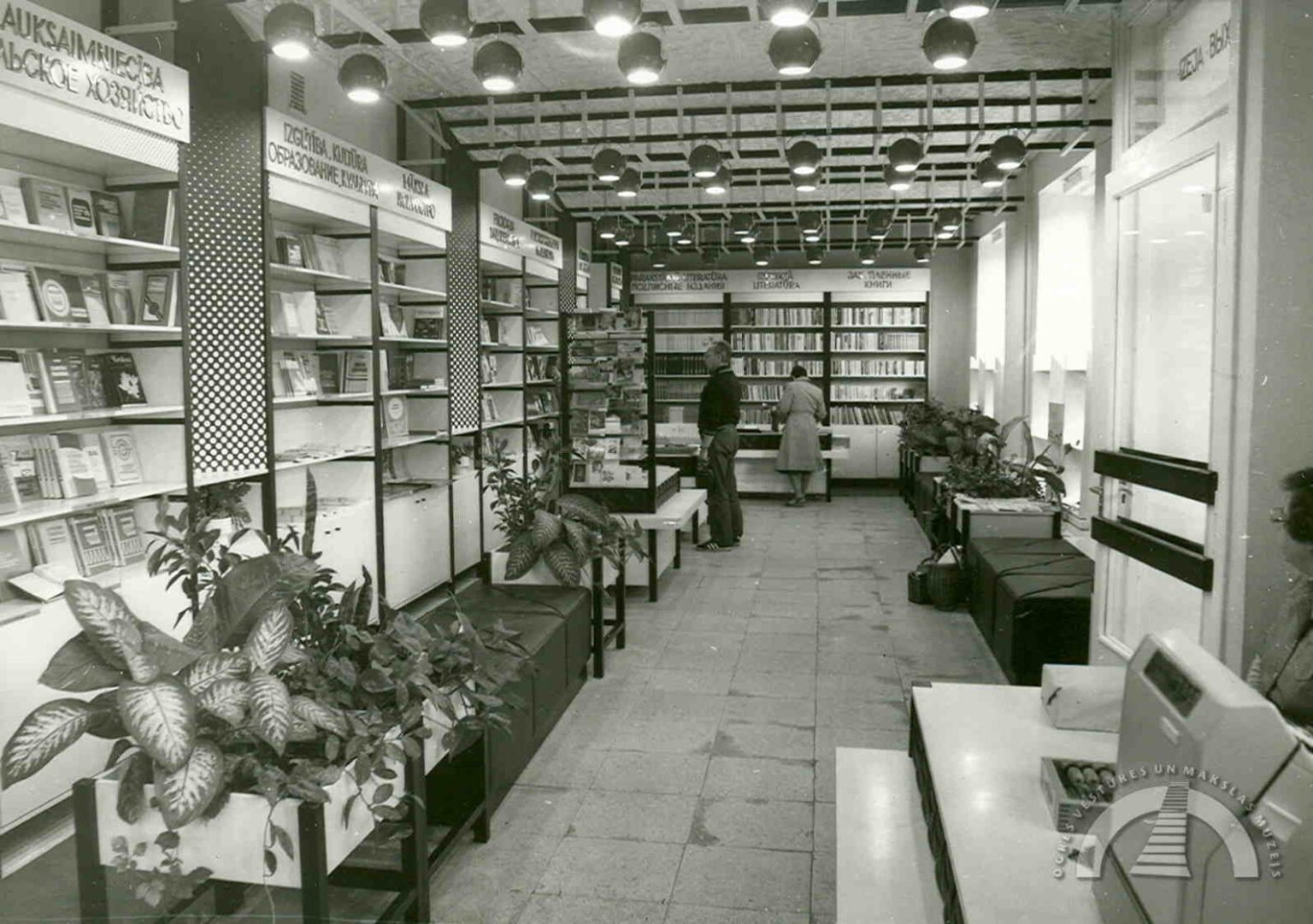
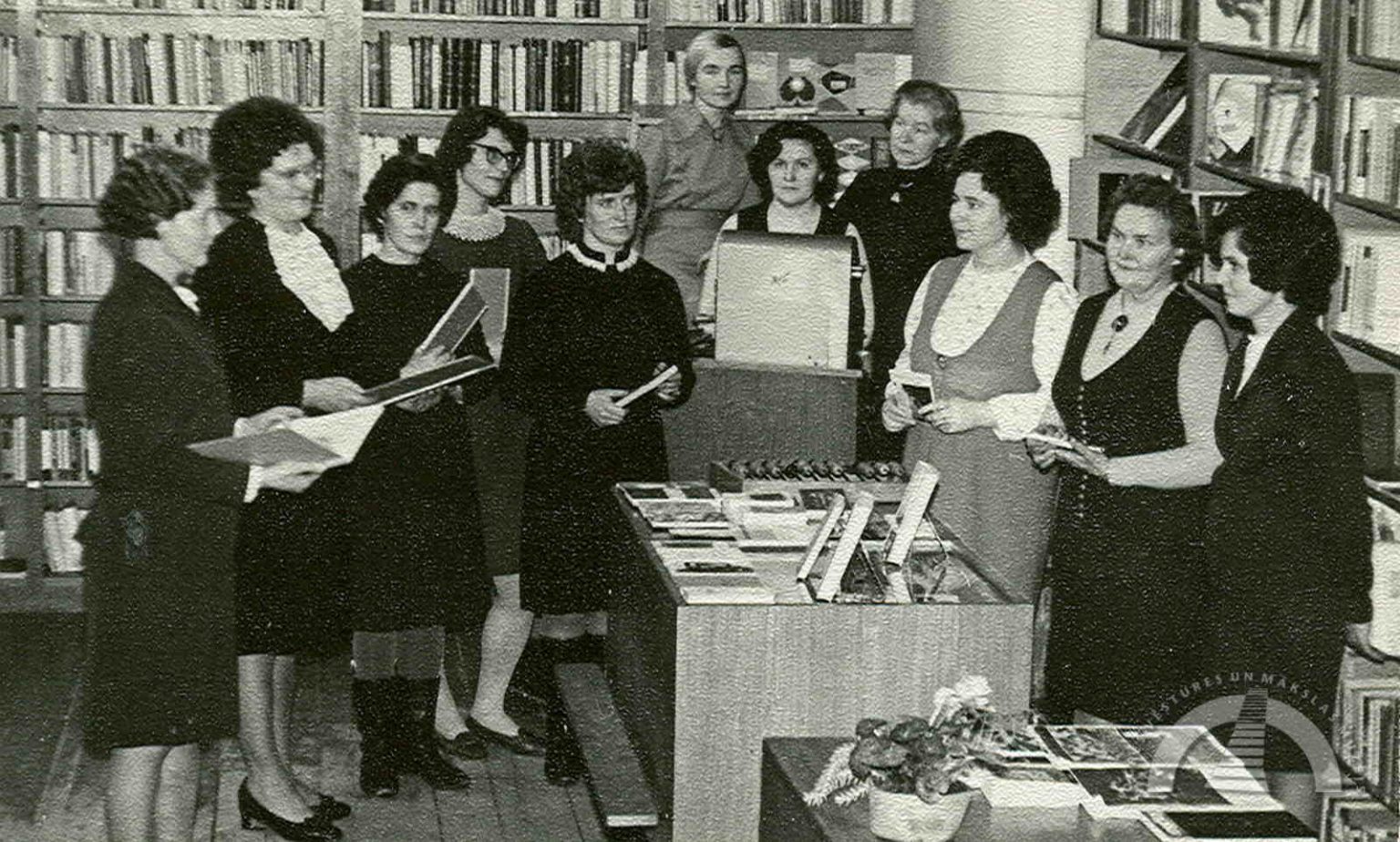
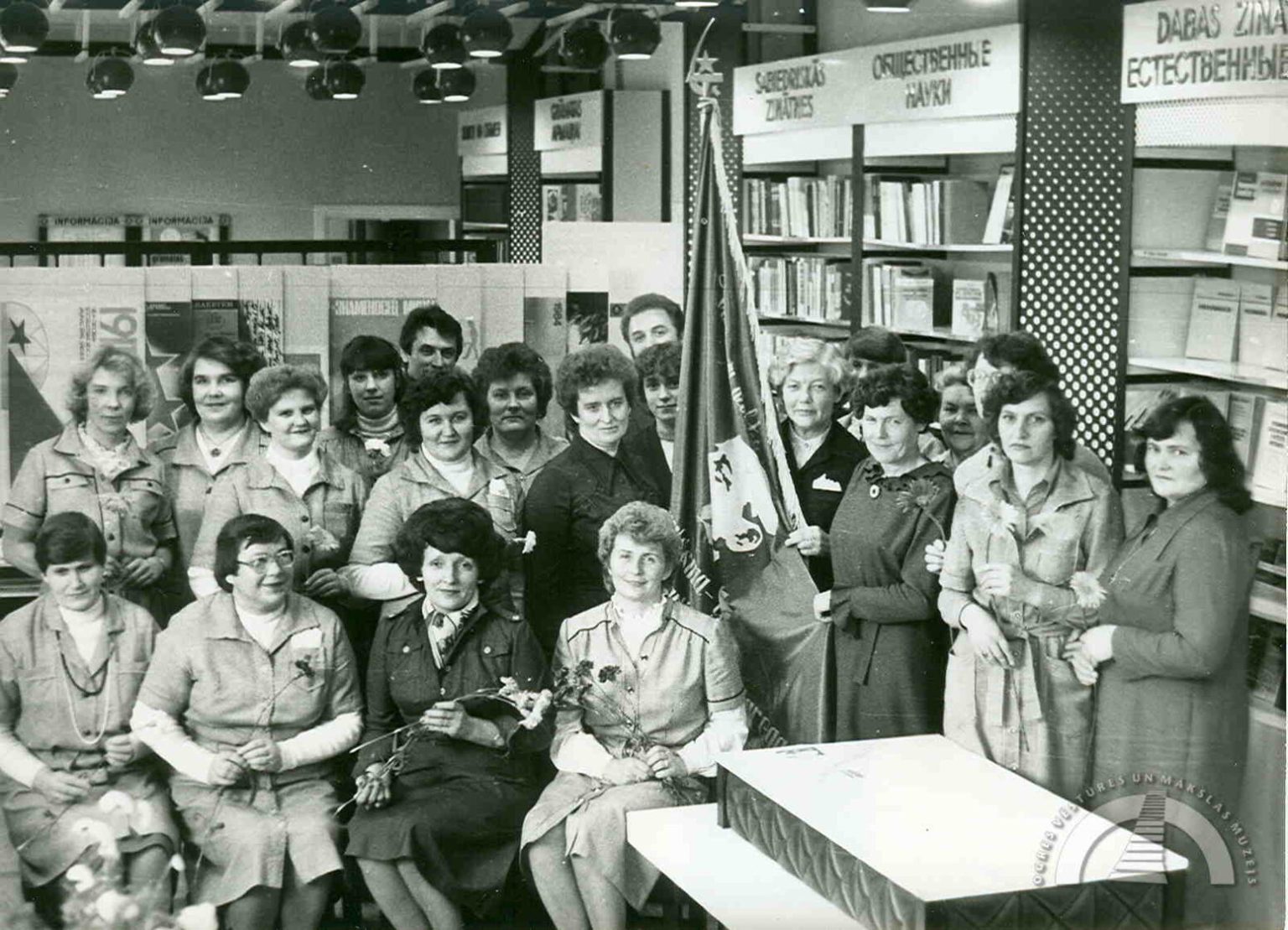
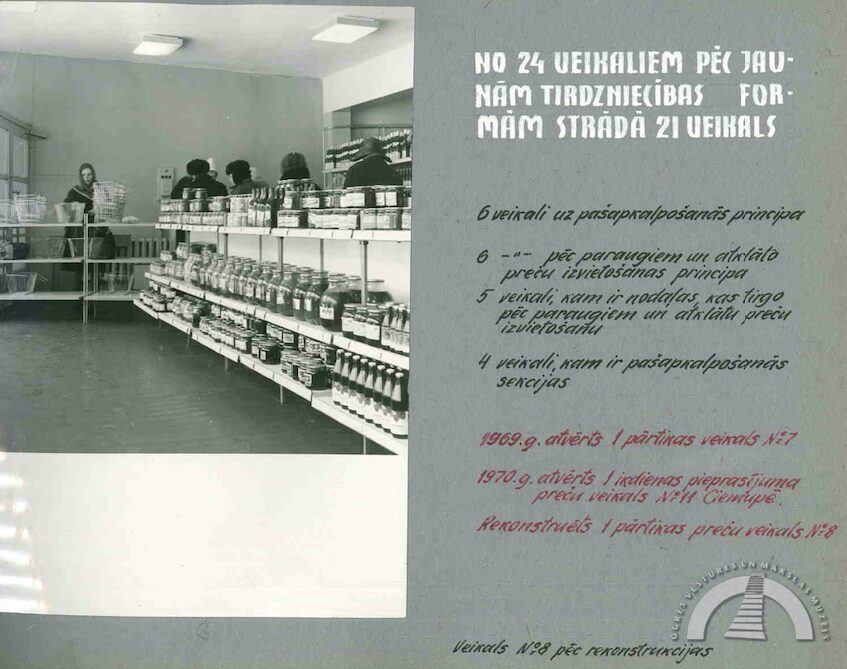
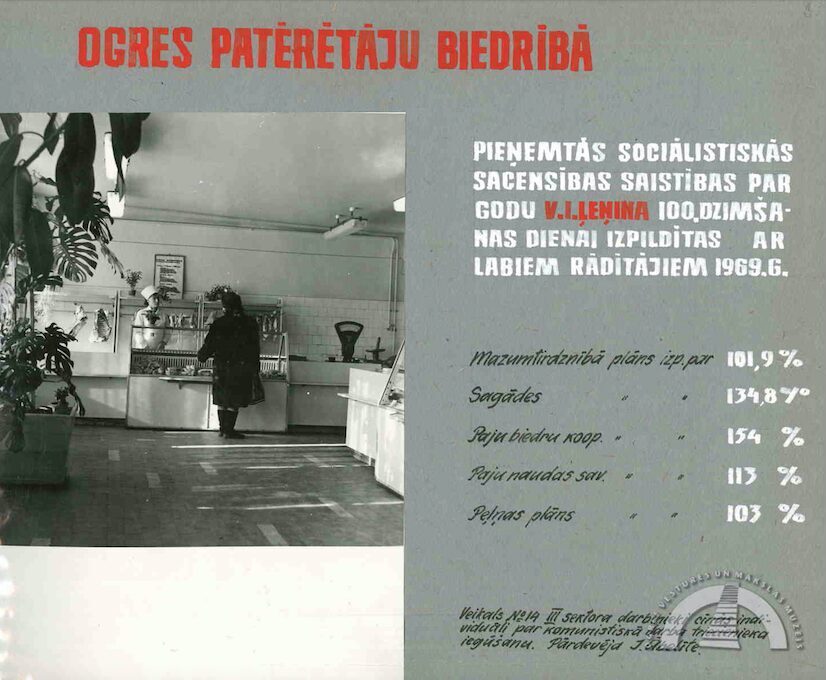
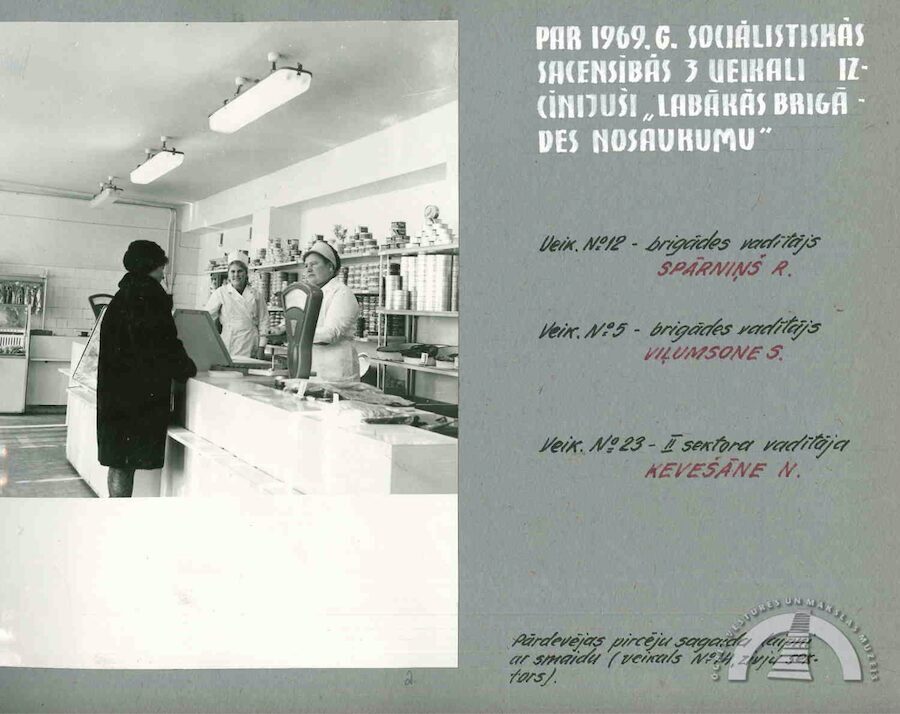
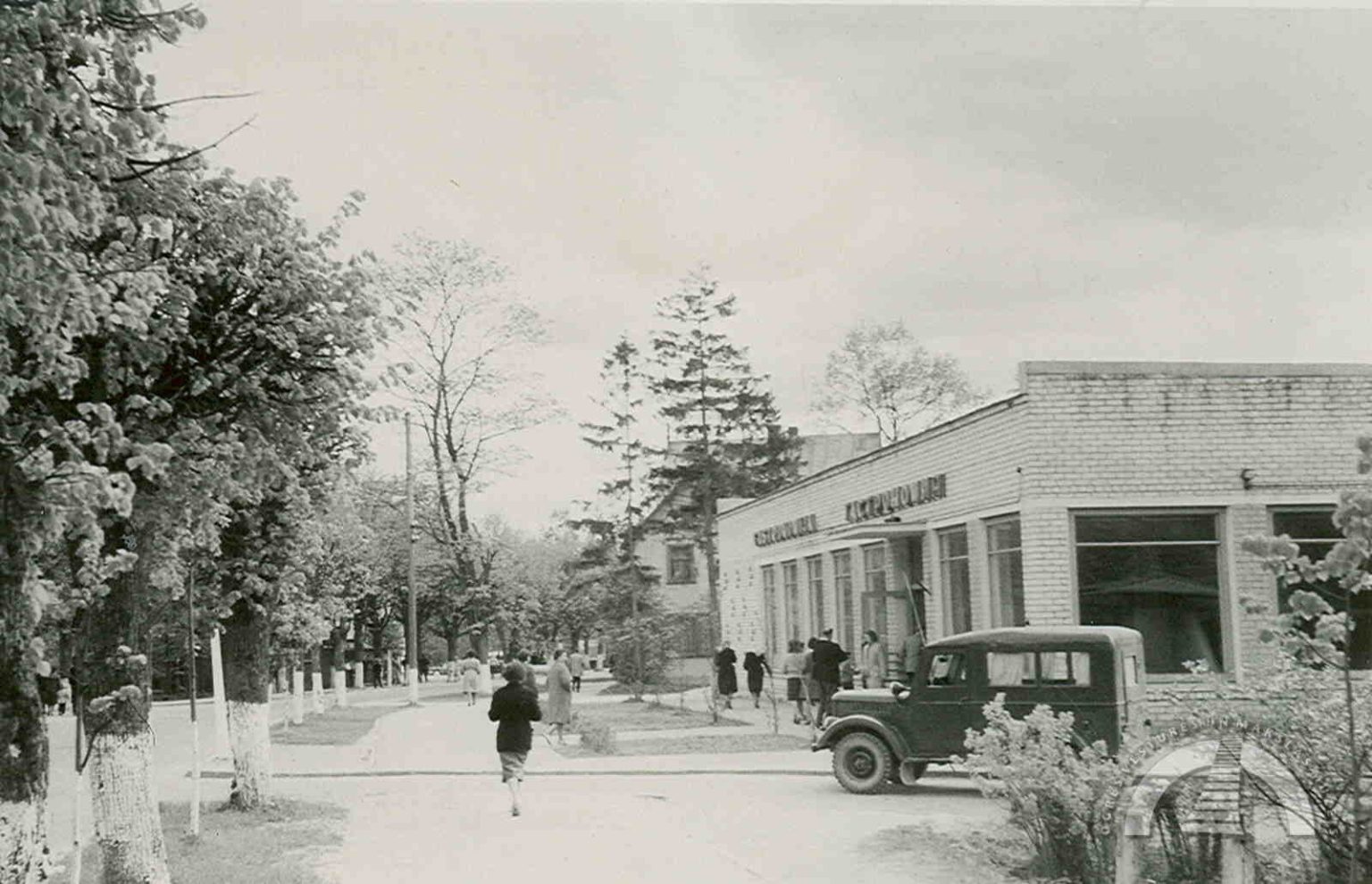
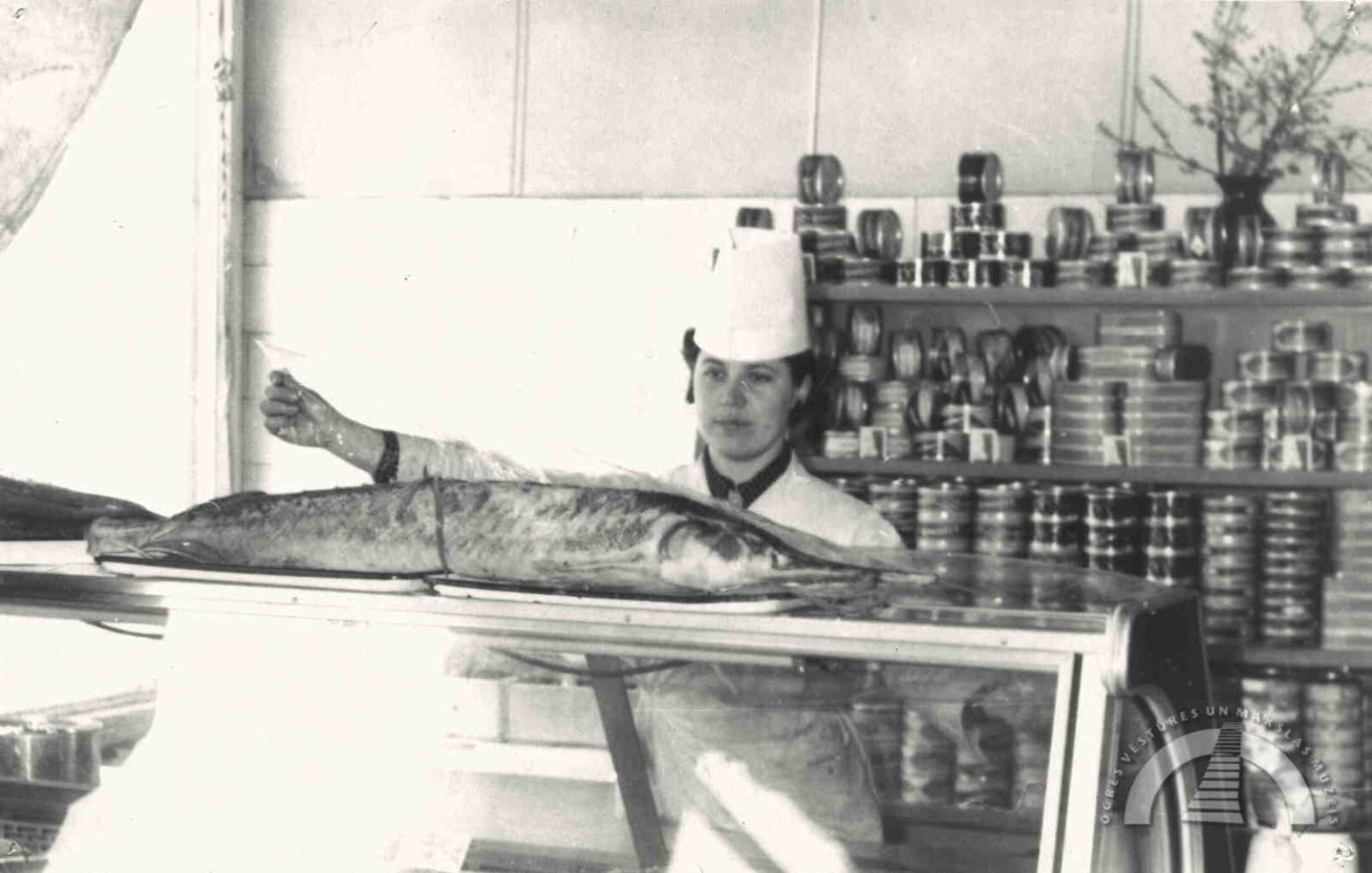
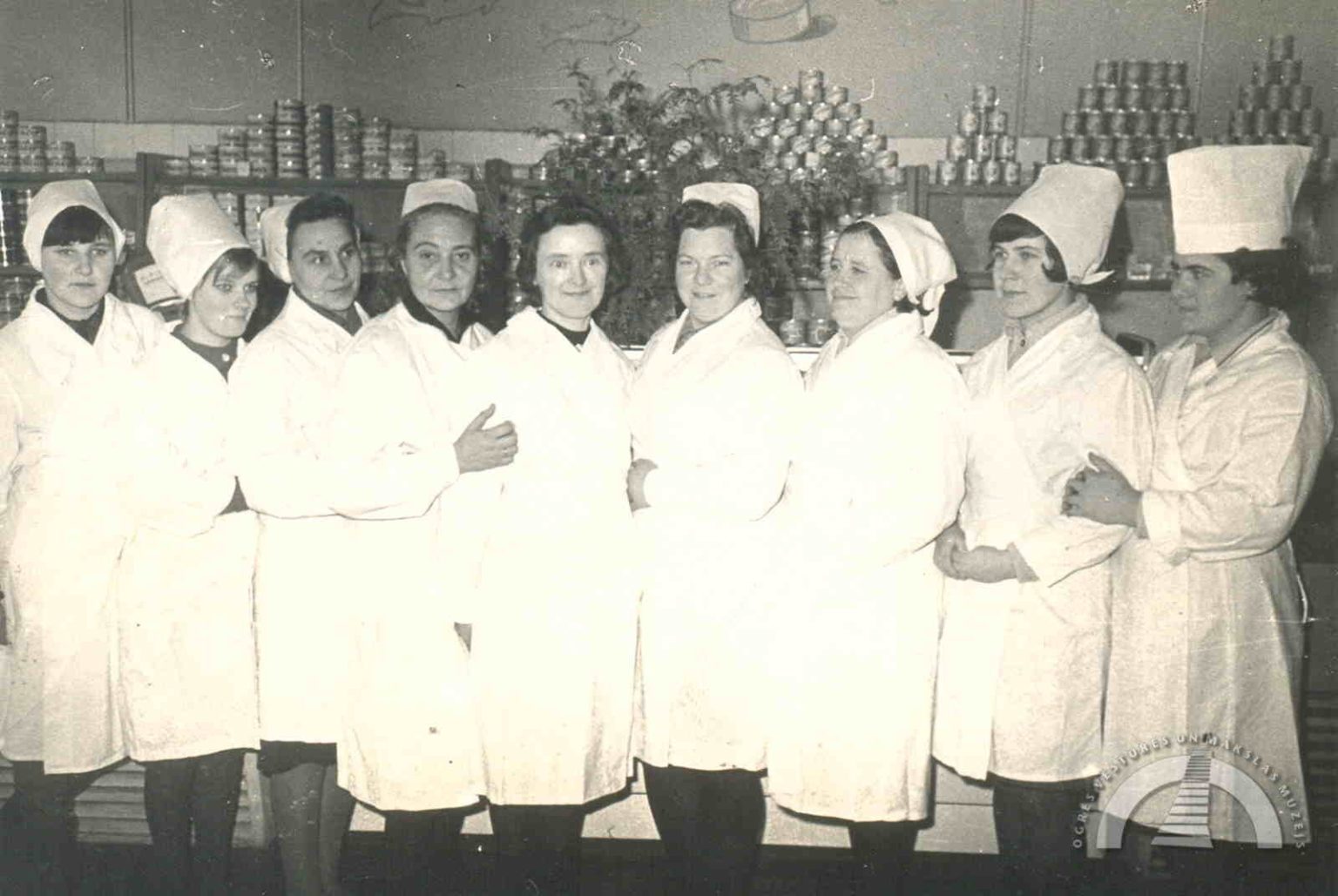
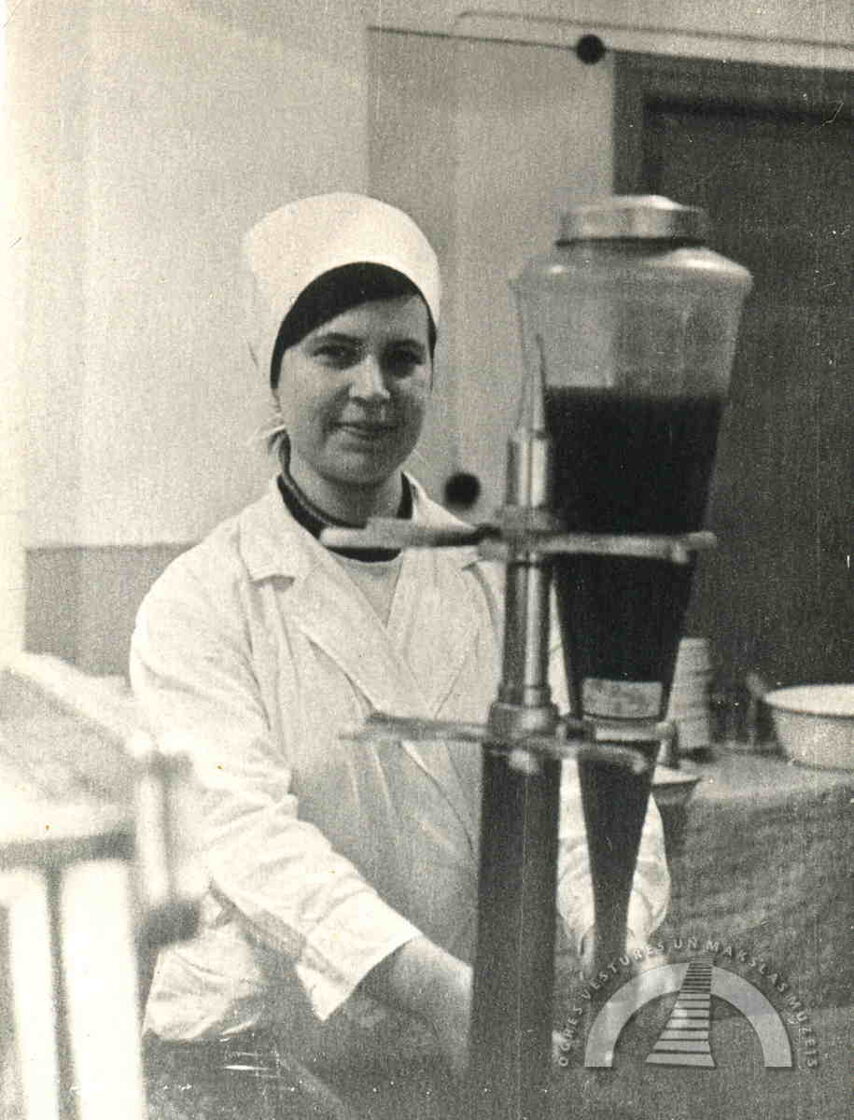
Today, Ogre offers a wide range of shops – but what was it like in the past? What were Ogre’s shops like during the interwar period of the 1920s and 1930s, and later during the Soviet occupation? Shops are an integral part of everyday life. Food, clothing, and household items are daily necessities. Yet while shopping, few people think of documenting a shop’s interior, which is why photographs of shop interiors – unlike popular tourist attractions – rarely make their way into museum collections.
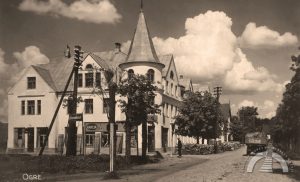
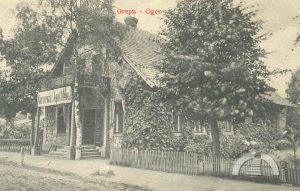
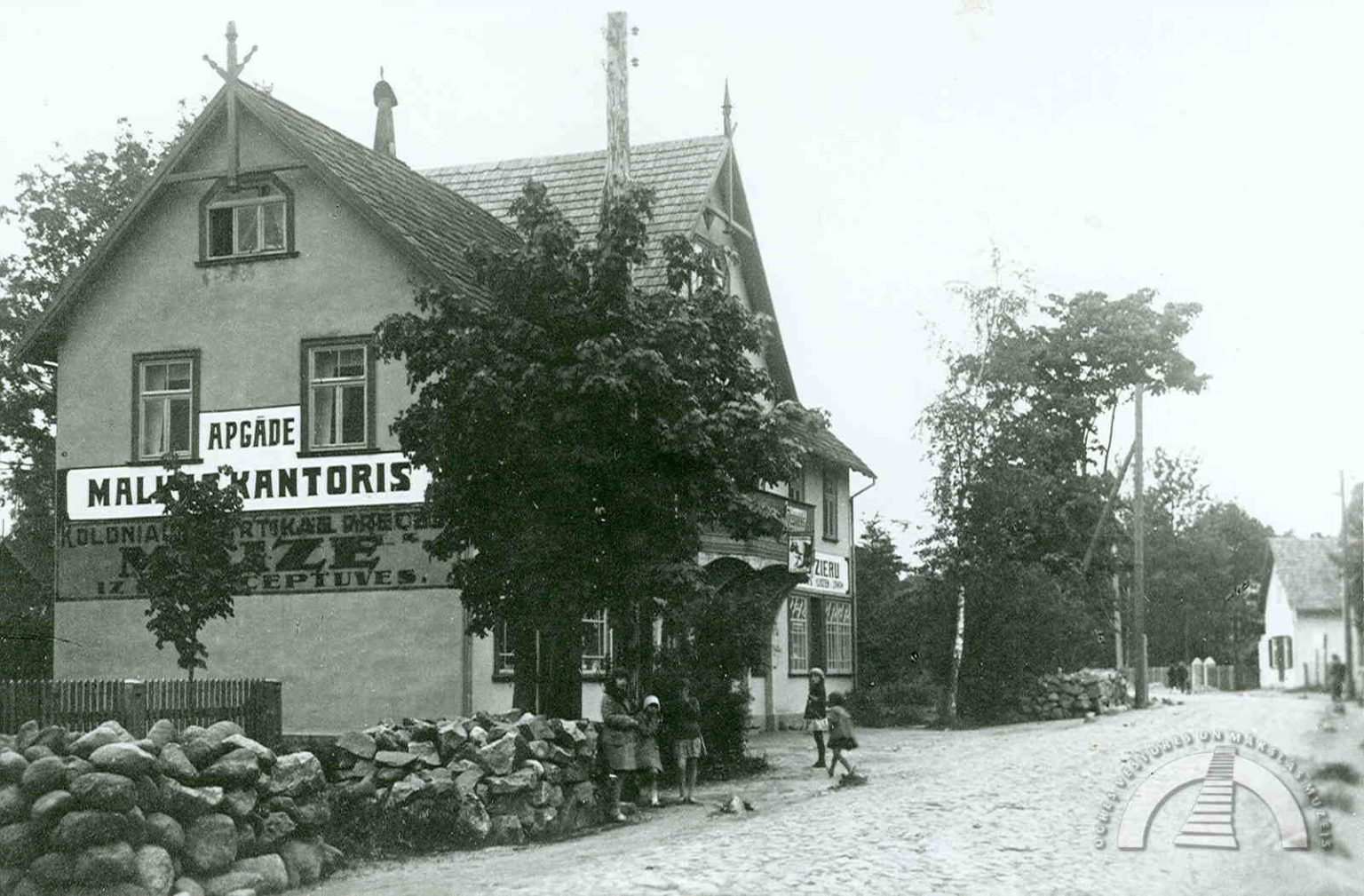
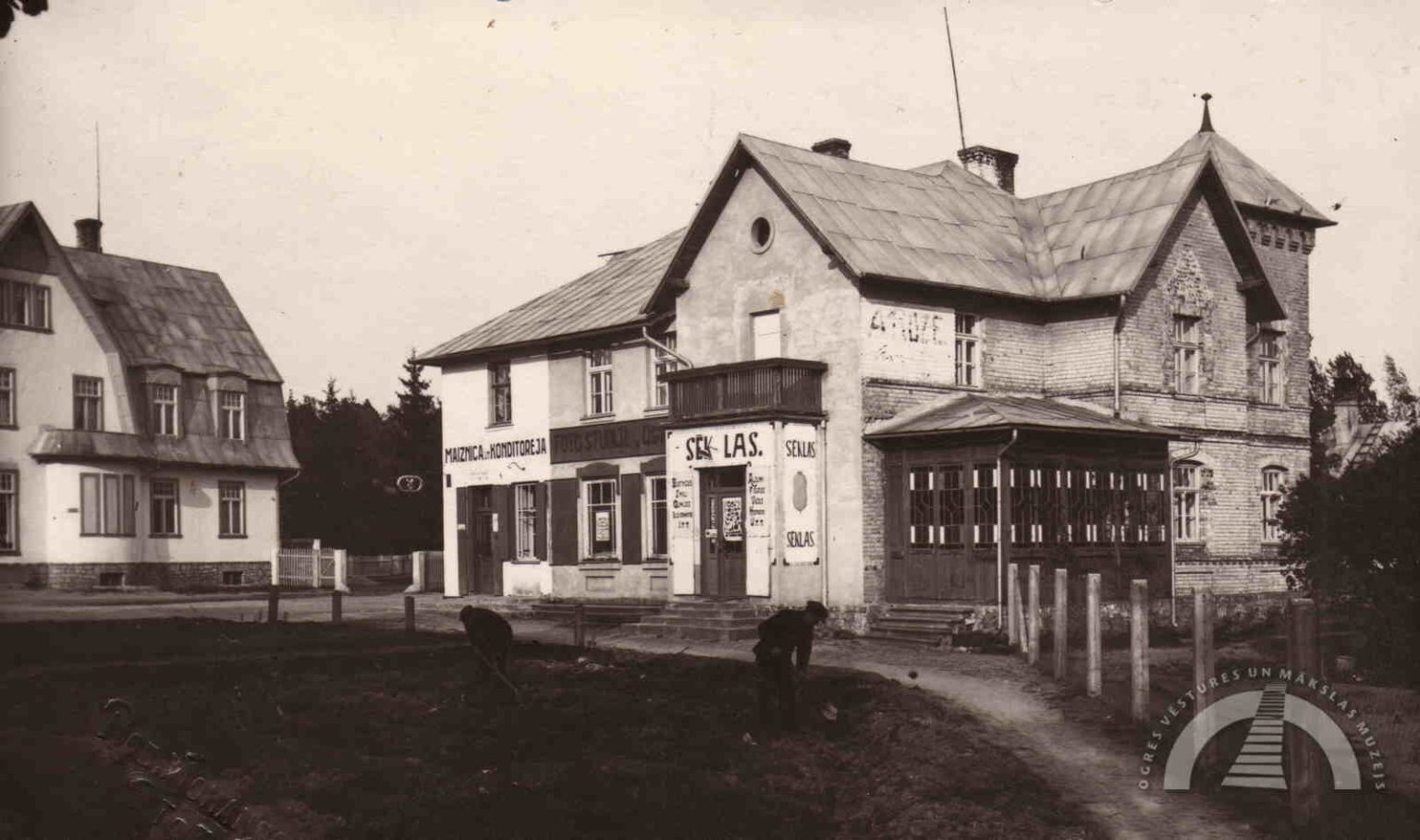
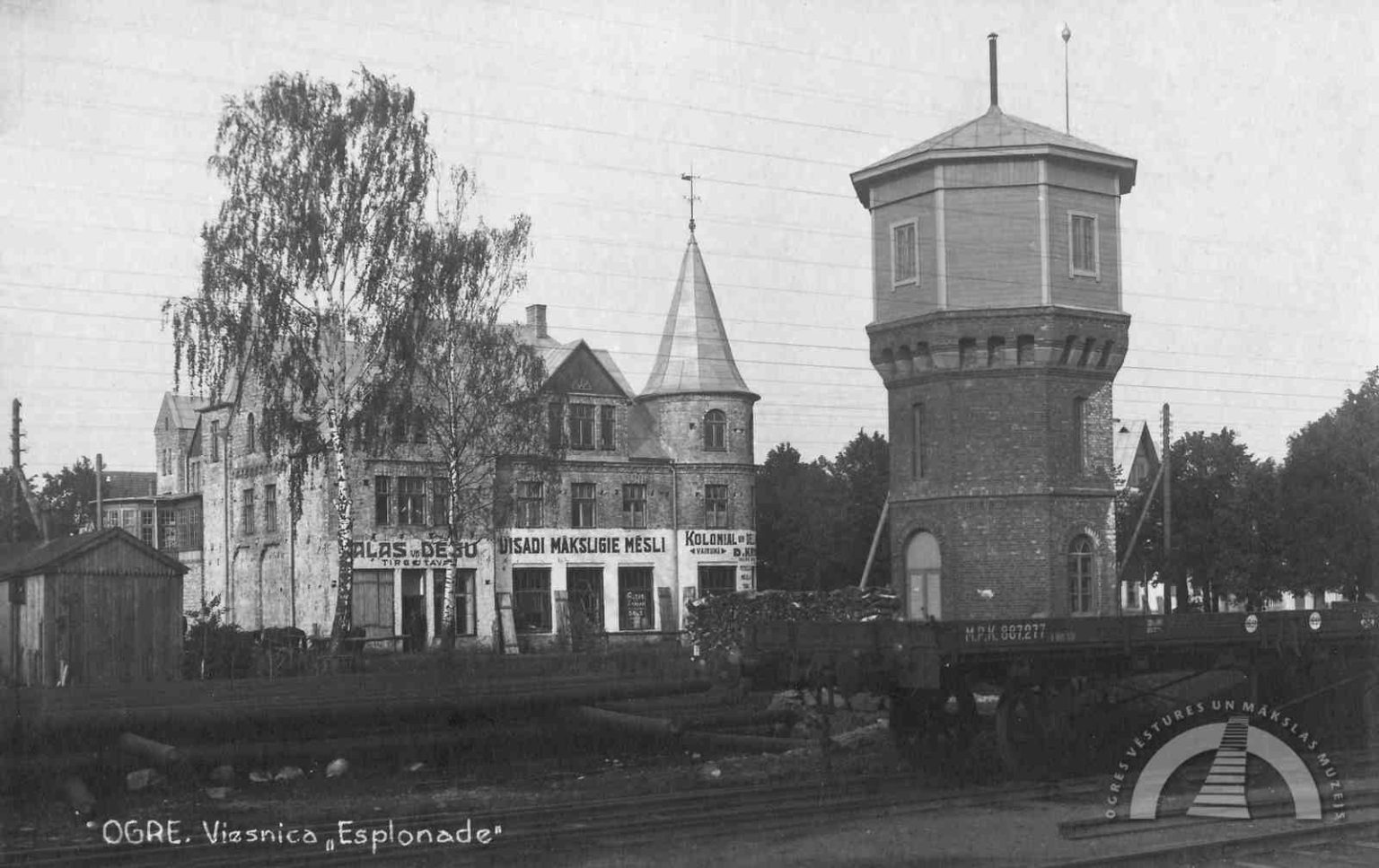
Until the Second World War, Ogre was still a relatively small town. The demand for various retail outlets increased during the summer months, when many holidaymakers and tourists visited Ogre. A 1928 tourist guide to Ogre states: “In Ogre Park, the lime-tree-lined Brīvības Street leads to the hotel–restaurant “Esplanāde”, and next to it “Apgāde” – a firewood and animal fodder shop. Brīvības Street also features pharmacist Šīrons’s “Ogre Pharmacy”, a bathing establishment, Pūre’s bakery, culture house “Kūrmāja”, and several commercial enterprises.”
The guide also lists the following shops: the grocery stores of Kalniņš, Kroesers, Meijersons, Kacens, Balodis, Kauliņš, Krūze, Bērziņš, Vics, Kļaviņš, Skuja, and Jansons. Ogre also had several sausage workshops and butcher shops, some “colonial goods” shops (selling imported goods), as well as haberdashery, perfumery, drugstores, bookshops, wine shops, firewood depots, and oat merchants. Several retail establishments also functioned as workshops, particularly those producing footwear, clothing, and furniture.
Although Ogre had a variety of shops and regular market days, press records indicate that these did not always meet the needs of residents. For example, the newspaper “Ogres Ziņas” (Ogre News) of May 14, 1938, featured the headline “Ogre Needs a Food Shop”. The article stated:
“The population of Ogre has now significantly increased, and another convenience is needed – a food shop. At present, good lunches are available in guesthouses, the culture house, and the station buffet, but these are known as expensive dining places. Not everyone wishes to go to a restaurant, guesthouse, or buffet, so a food shop in Ogre could thrive, and the town would also benefit financially.”
After World War II and the Soviet occupation of Latvia, the economy was centrally planned, private property was abolished, and state-owned enterprises were established. In the 1960s, Ogre was transformed from a resort town into an industrial city, which led to a rapid increase in population. The city’s network of shops was managed by the Ogre Consumers’ Society. Shops were identified by numbers, and only a few were given names. In everyday life, people referred to them by their location or street name, for example, the central delicatessen.
Some quotes from periodicals:
“Ogre residents often shop at the Kolkhoz ‘Juglas zieds’ agricultural products store at Tīnužu Street No. 1, as it offers a relatively rich assortment of goods.”
(Padomju Ceļš, December 17, 1957)
“One of the most frequently visited shops in Ogre is the so-called ‘big shop’ (on J. V. Staļina Street, now Brīvības Street No. 17/19), which offers a wide selection of various food products and sweets. The saleswomen here work courteously, gladly listening to customers’ requests and suggestions.”
(Padomju Ceļš, February 19, 1957)
“Long gone are the days when Ogre residents travelled to Riga to buy fabrics, shoes, or manufactured goods. Now, sometimes the opposite happens: Riga residents come to us to shop. People particularly enjoy visiting the fabric section.”
(Padomju Ceļš, May 31, 1960)
Alongside praise for turnover figures and visitor numbers, there were also articles criticising the Consumers’ Society or saleswomen for insufficient supply, impolite service, poor-quality goods, or dirty and unsanitary conditions. An excerpt from the press reads:
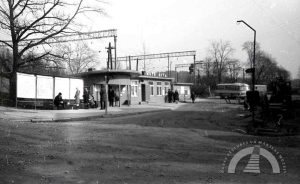
“–There are no matches and no salt, – the saleswomen at the railway workers’ shop in Ogre replied these days.
– Why are such common and necessary goods missing? – customers wondered in confusion. […]
In all months of the first quarter, the shops of the Ogre Consumers’ Society fulfilled and exceeded their turnover plans. However, this could be further increased if the Society had a distribution warehouse to store all goods. At present, goods are stored in various places, which creates difficulties when preparing them for transfer to the shops. The normal operation of the shops is also hindered by the lack of sufficient storage space. Goods are stacked on top of one another without any specific order. This situation exists in shops No. 2, 6, and 10, the food commission shop, and elsewhere.”
(Padomju Ceļš, April 4, 1957)
“OGRE KANGARI” HIKING TRAIL
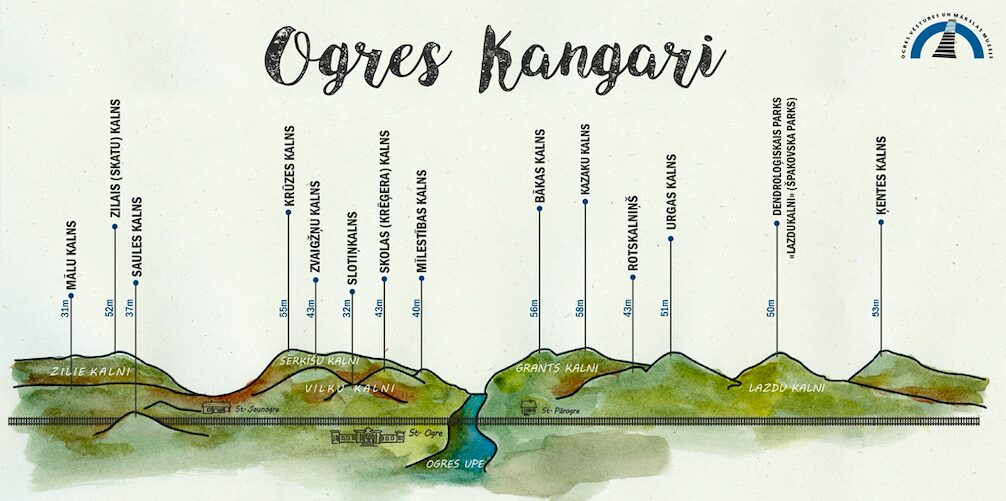
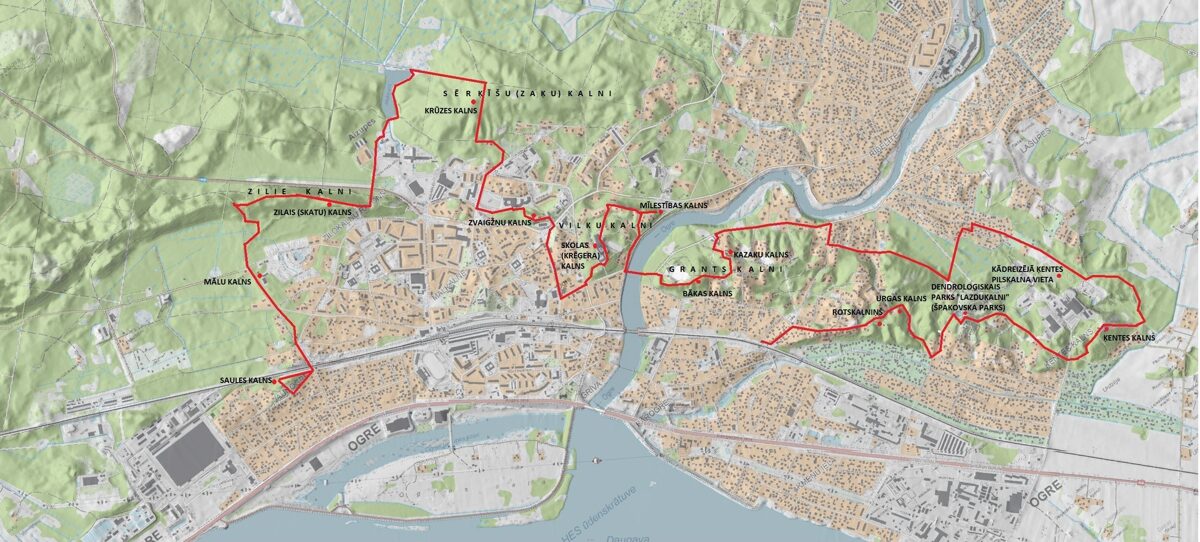
We invite you to explore the hiking trail to better discover the hills of Ogre. View the photo gallery and read the story on the museum's website or Facebook page. By looking at historical images, you can compare how the city has changed over time. We have marked the route in the "BalticMaps" map browser. The “GPX” file is convenient to use with the LVM GEO mobile app. The total length of the hiking trail marked on the map is 14 kilometers (7 kilometers in Pārogre and 7 kilometers in Ogre center and Jaunogre). The hiking trail winds through both the urban part of the city (with asphalt, cobblestone, and gravel surfaces) and green areas (park paths and pedestrian-trodden forest trails without special amenities).