
JAUNOGRE SANATORIUM
The Ogre History and Art Museum’s permanent exhibition Stop Ogre (Pietura Ogre) introduces the history of Ogre’s sanatoriums. However, visitors can also discover and view these historic sanatorium buildings within the city landscape itself. Ogre has three buildings that once served as sanatoriums. They are located in the central part of Ogre, Jaunogre, and Pārogre. The […]
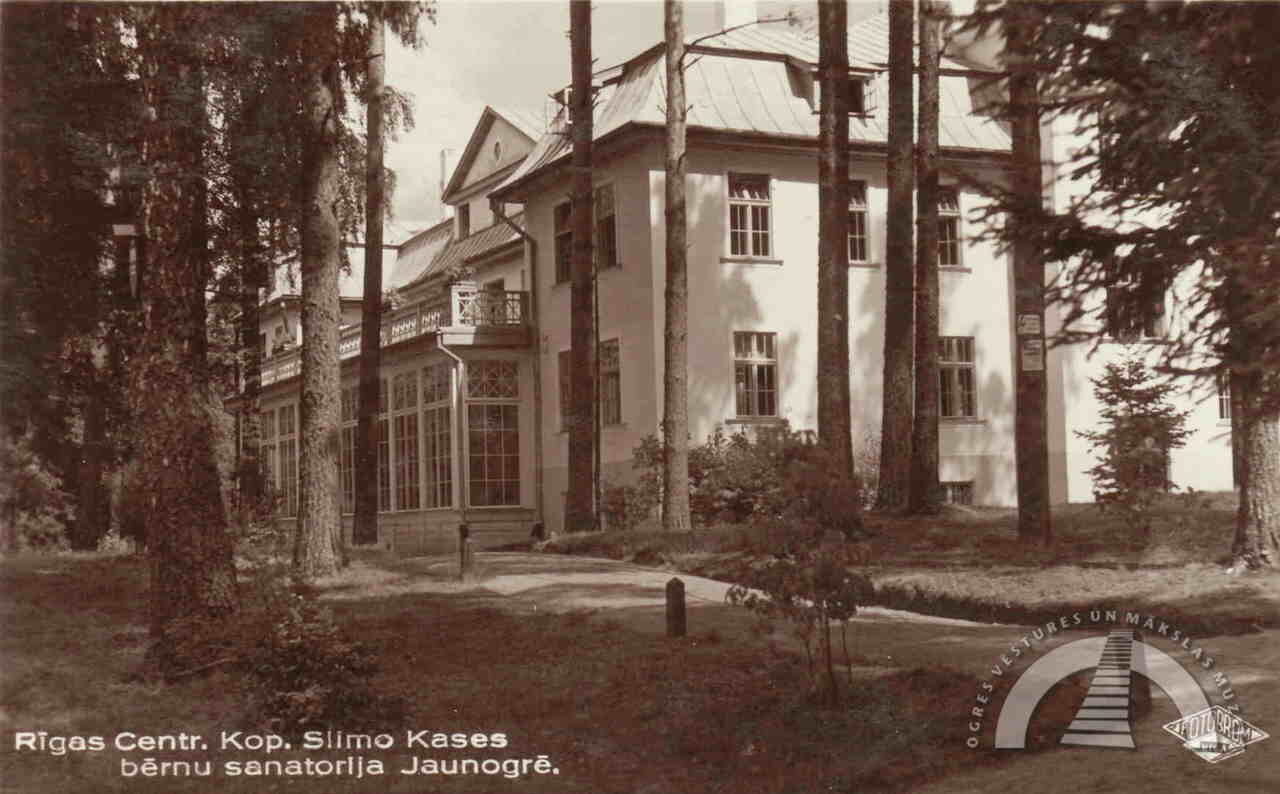
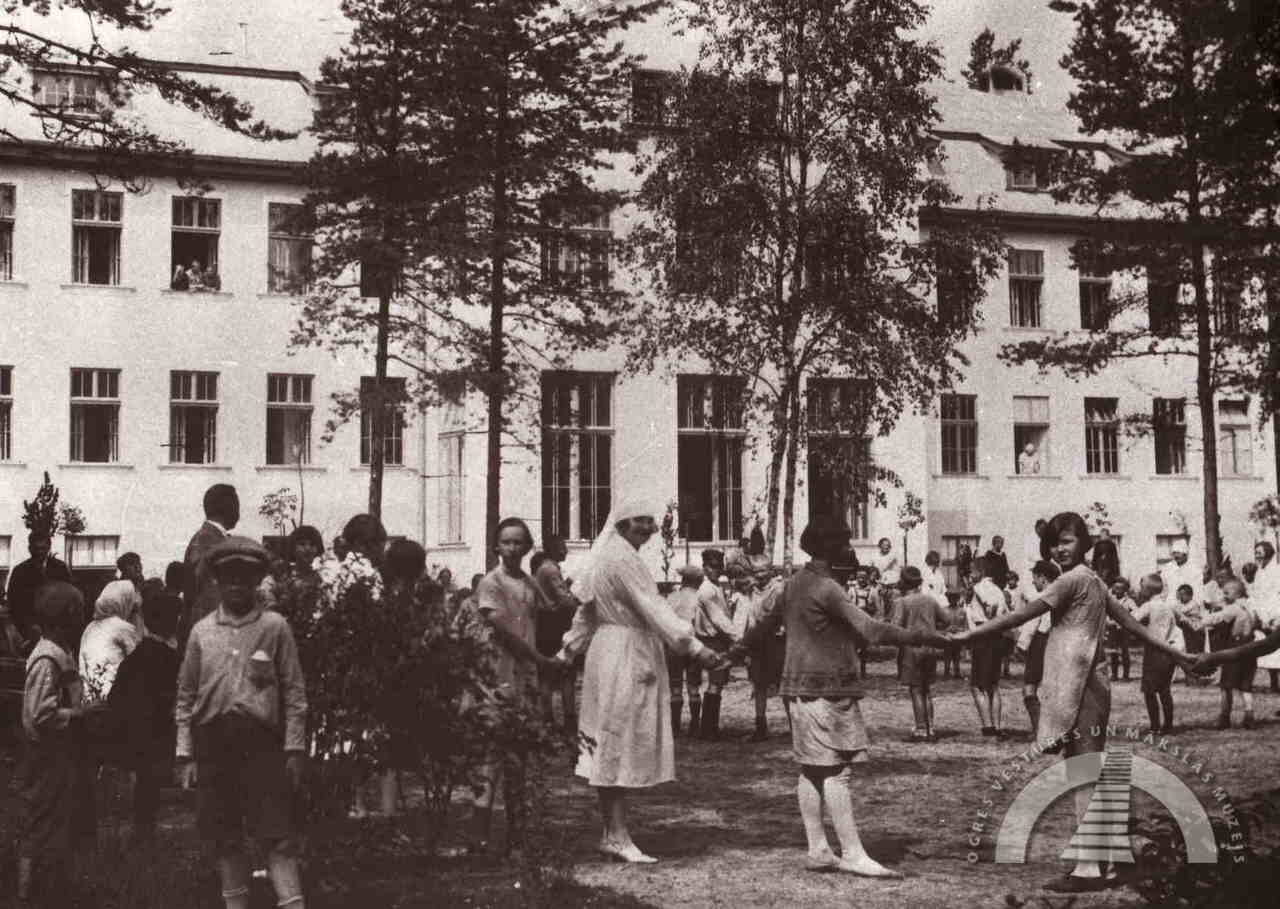





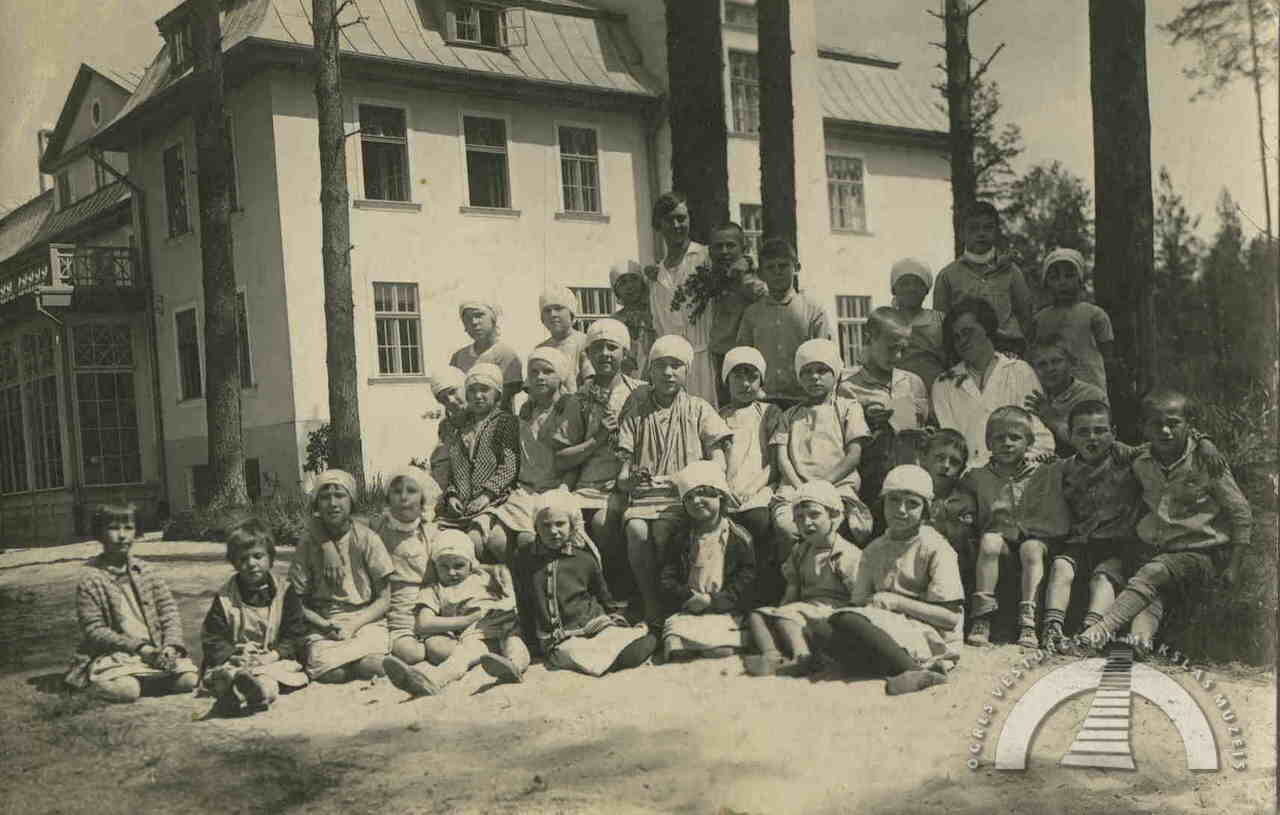
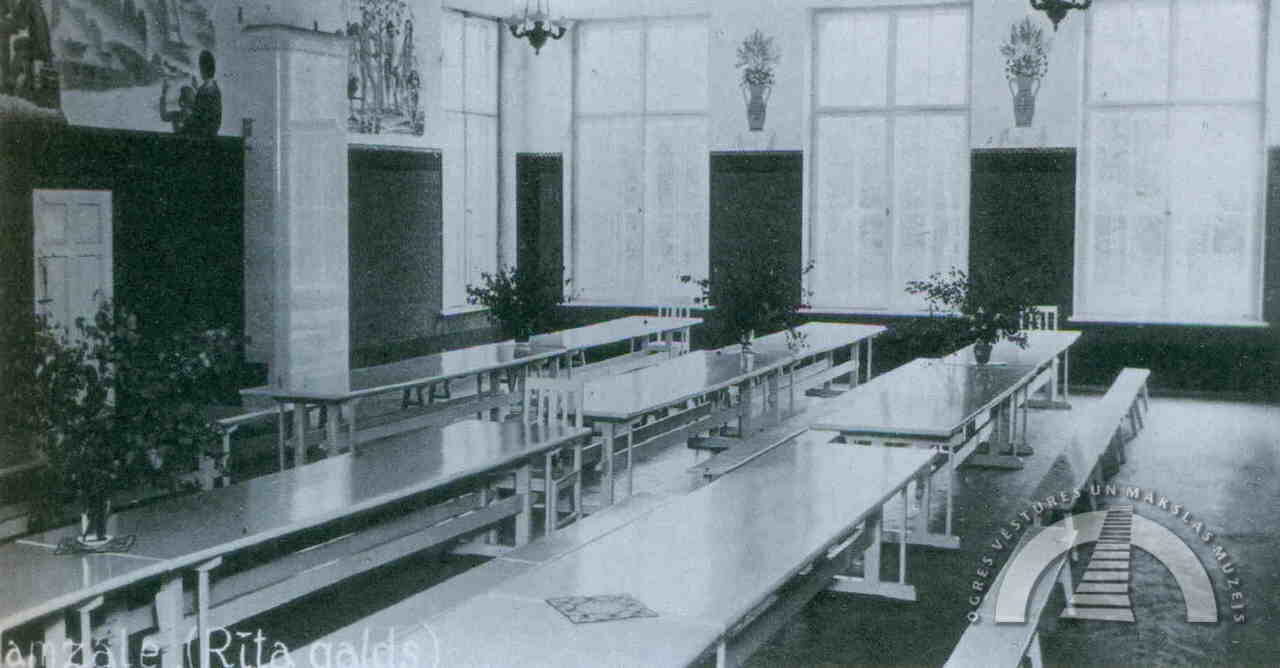
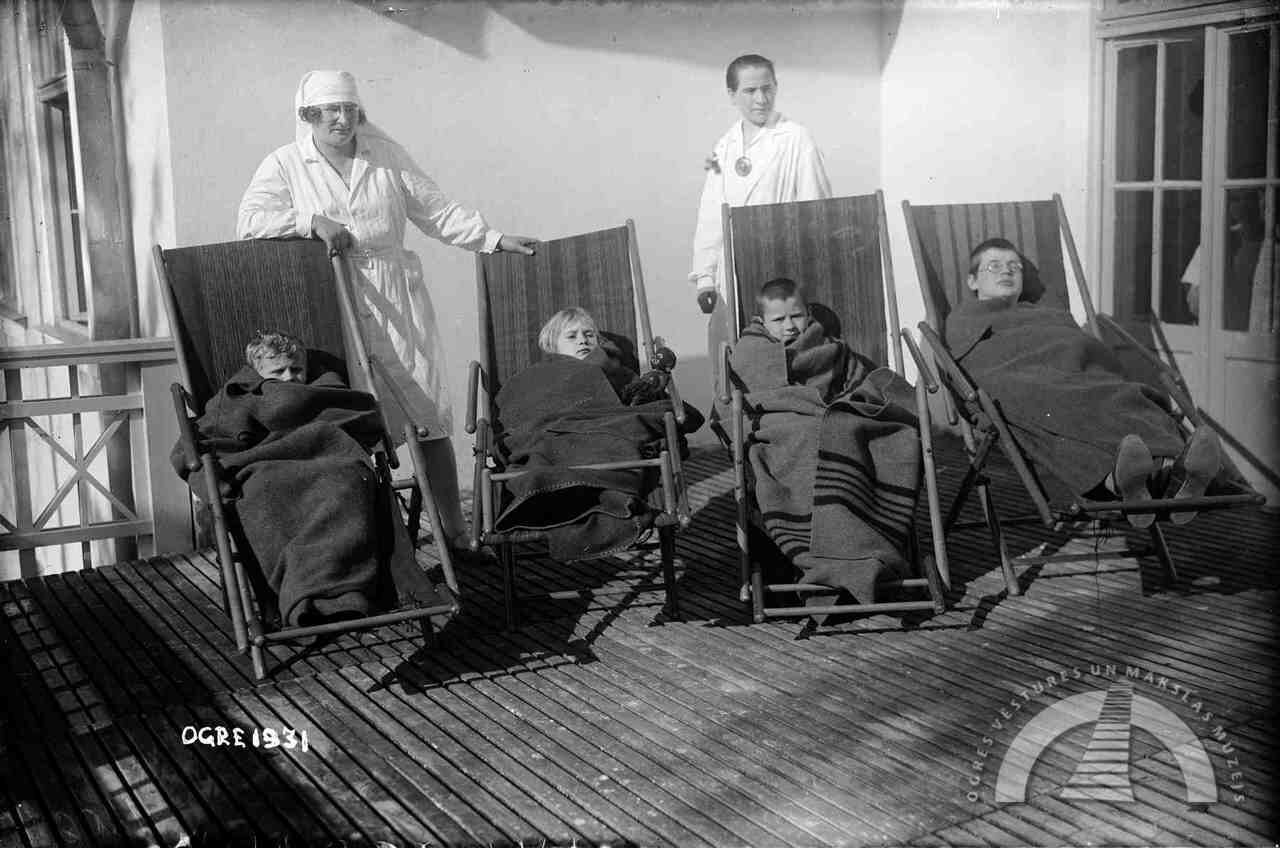


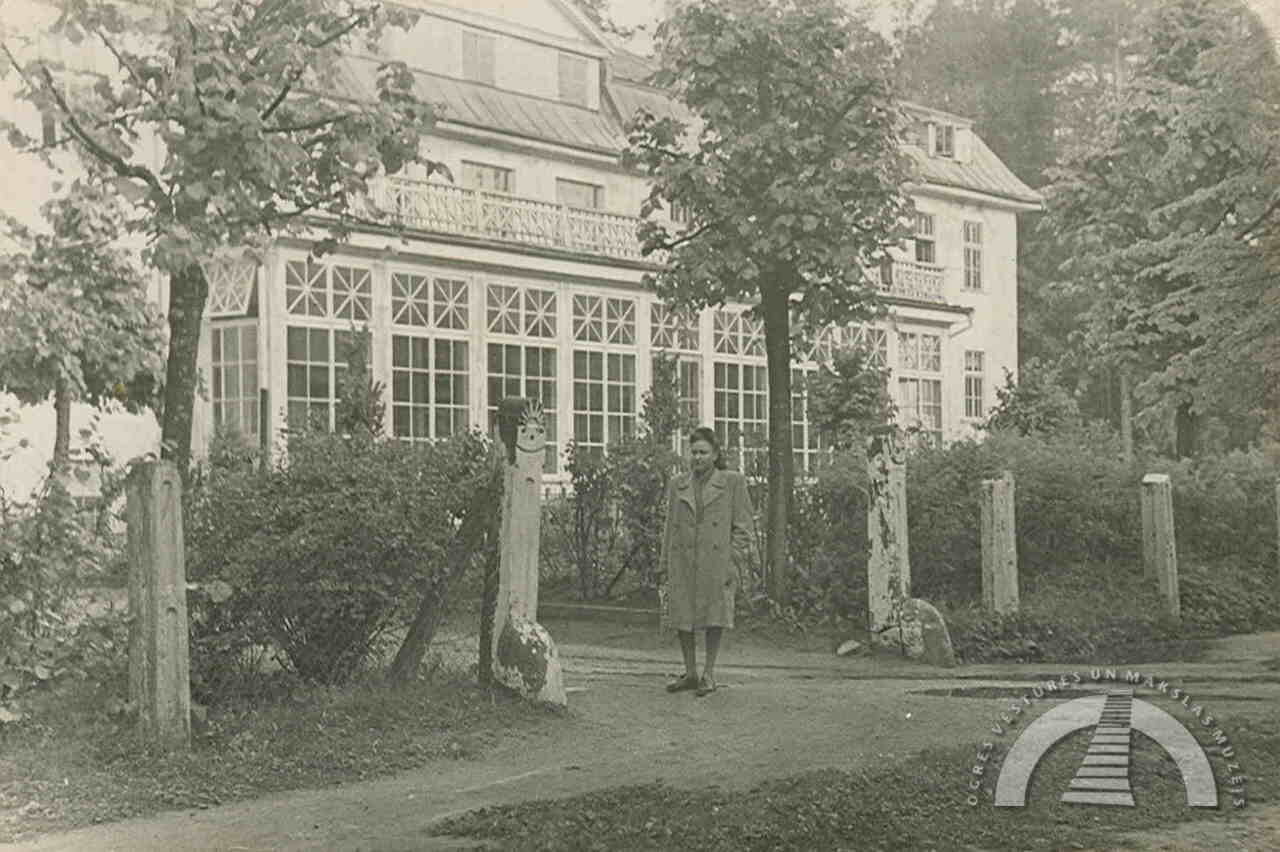

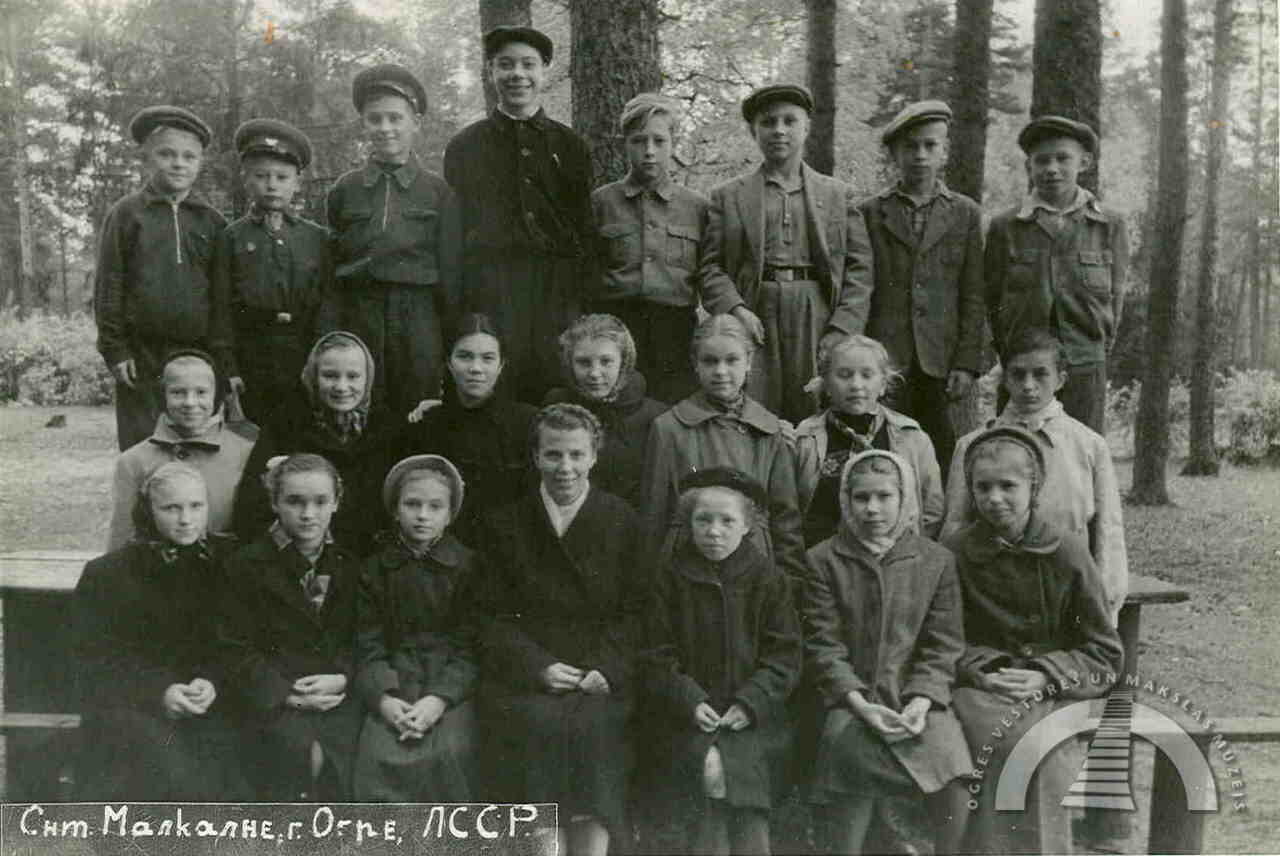


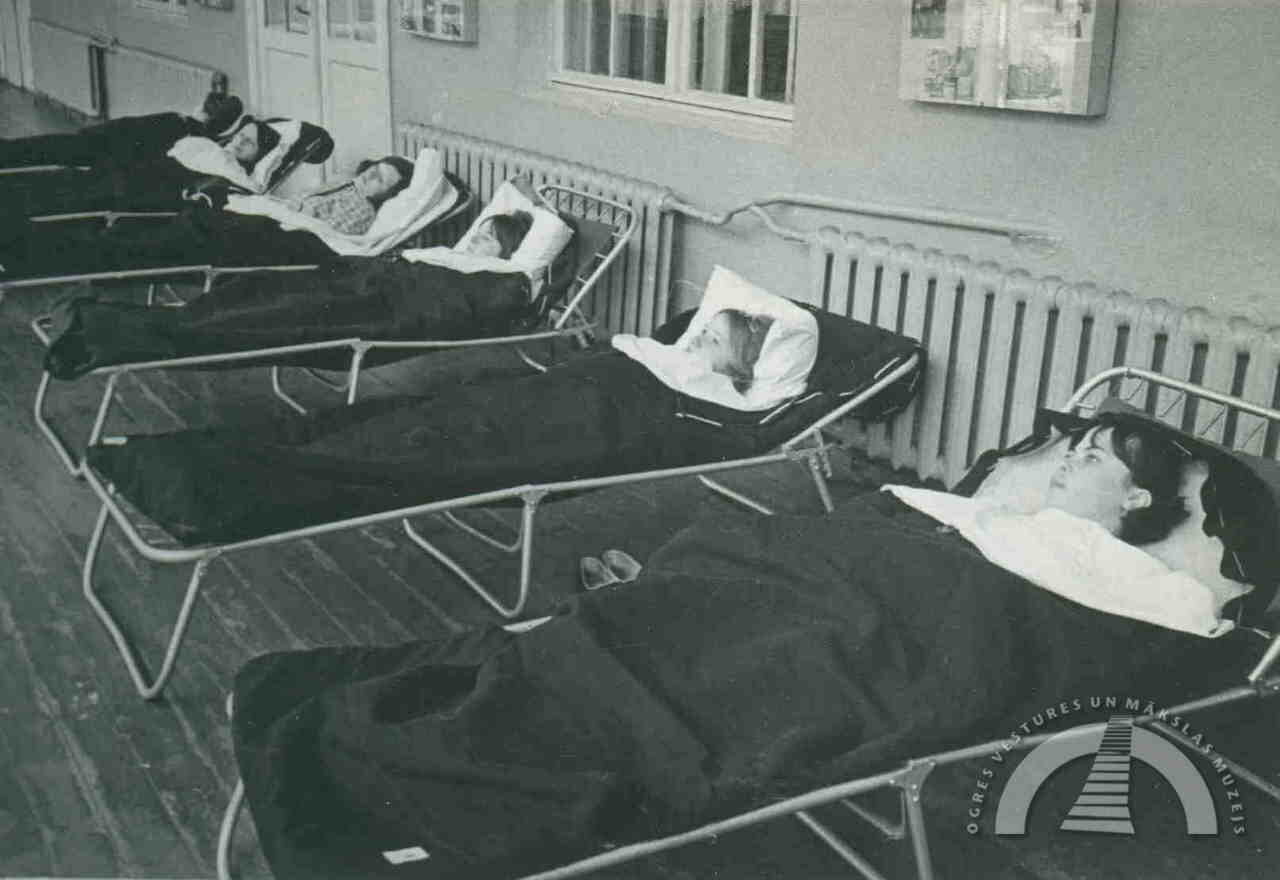



The Ogre History and Art Museum’s permanent exhibition Stop Ogre (Pietura Ogre) introduces the history of Ogre’s sanatoriums. However, visitors can also discover and view these historic sanatorium buildings within the city landscape itself.
Ogre has three buildings that once served as sanatoriums. They are located in the central part of Ogre, Jaunogre, and Pārogre. The distance between them is about a half-hour walk or a 10–15 minute leisurely bike ride. Each sanatorium is unique and interesting, but what do they reveal about the past more broadly? Why were sanatoriums needed at all? And why were there as many as three sanatoriums in the interwar period, when Ogre’s population was only around one and a half thousand inhabitants?
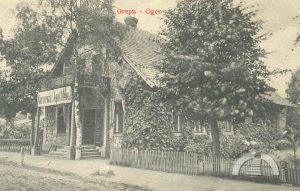
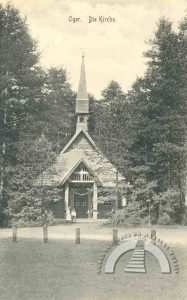
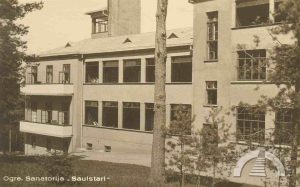
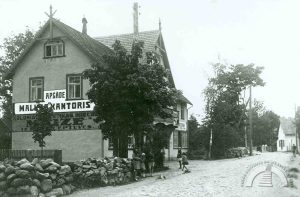
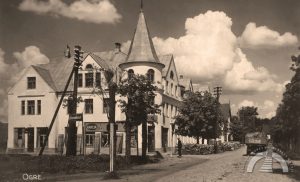
We invite you to explore the history of the Jaunogre sanatorium through images and a concise overview.
“OGRE KANGARI” HIKING TRAIL
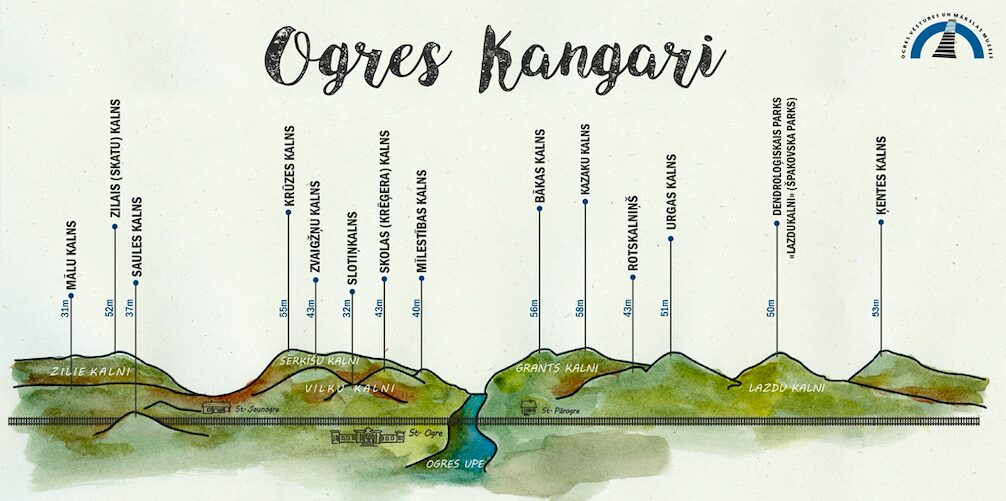
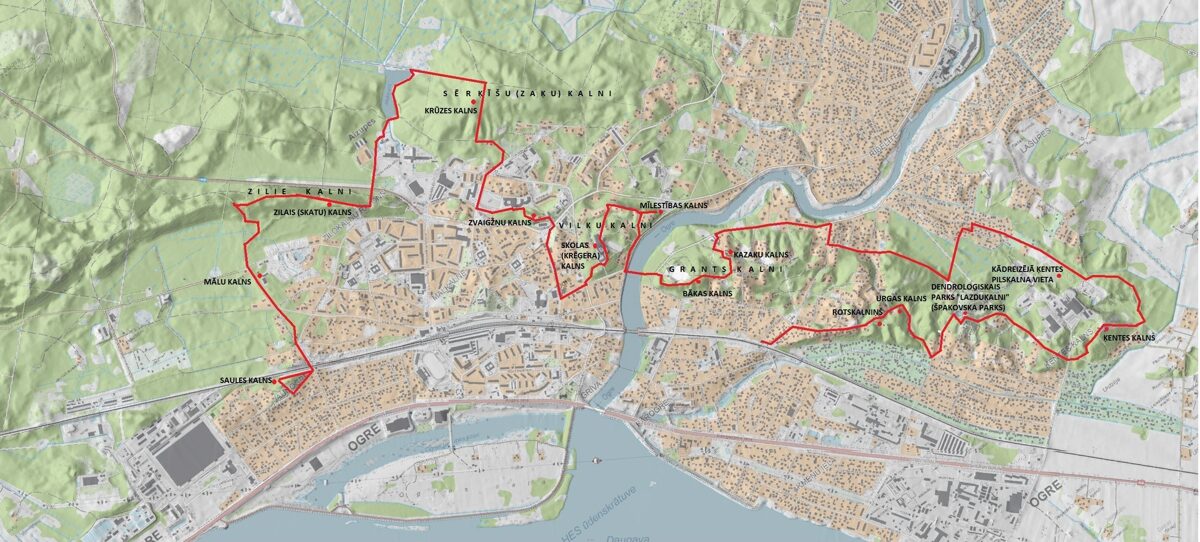
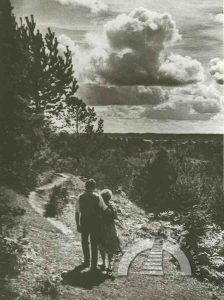
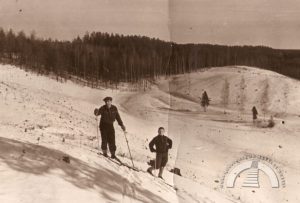
We invite you to explore the hiking trail to better discover the hills of Ogre. View the photo gallery and read the story on the museum's website or Facebook page. By looking at historical images, you can compare how the city has changed over time. We have marked the route in the "BalticMaps" map browser. The “GPX” file is convenient to use with the LVM GEO mobile app. The total length of the hiking trail marked on the map is 14 kilometers (7 kilometers in Pārogre and 7 kilometers in Ogre center and Jaunogre). The hiking trail winds through both the urban part of the city (with asphalt, cobblestone, and gravel surfaces) and green areas (park paths and pedestrian-trodden forest trails without special amenities).