
SANATORIUM AT RIGA STREET 14
In the recent past, we witnessed how countries around the world responded to the Covid-19 crisis. In earlier times, some diseases affected almost the entire world. One such disease was tuberculosis, the spread of which was exacerbated by increased migration to cities and factories, post-war population movements, and weakened immunity. Targeted and organised action was […]
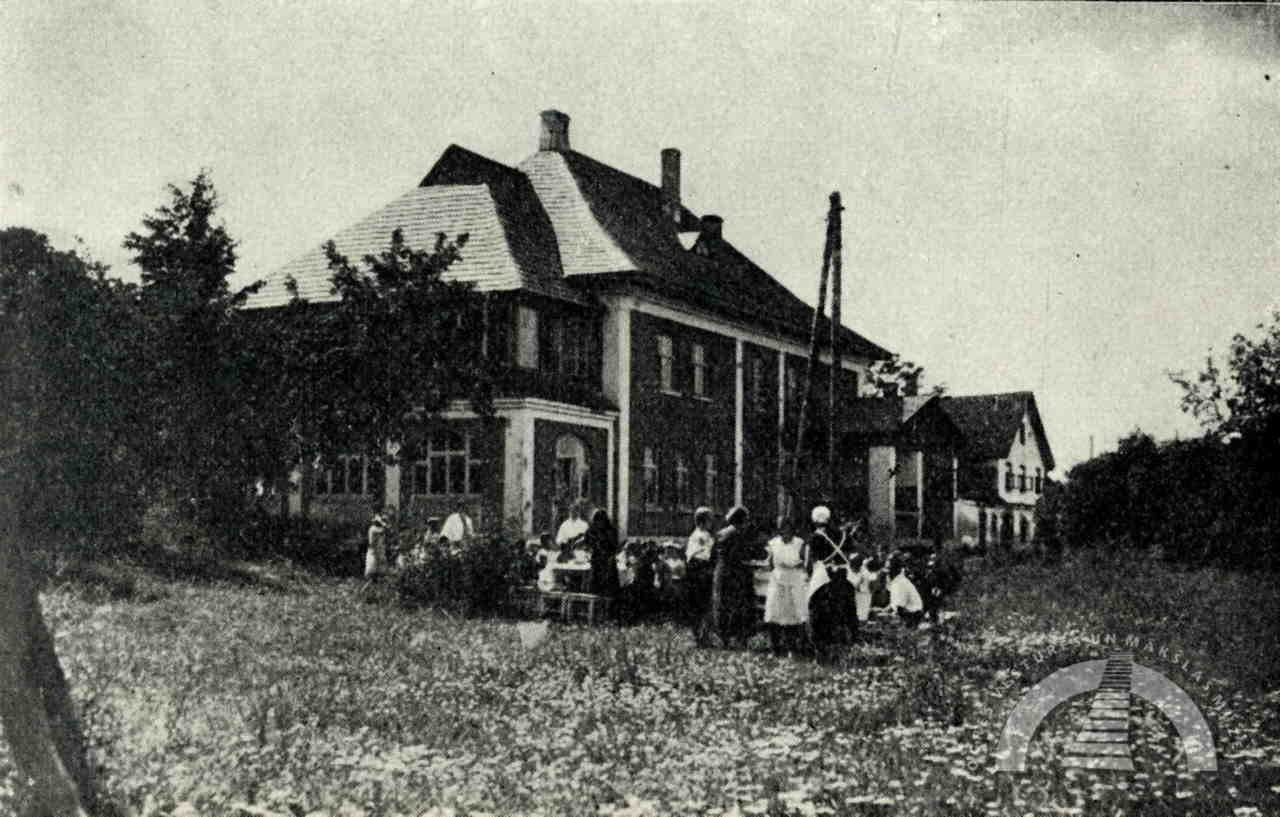
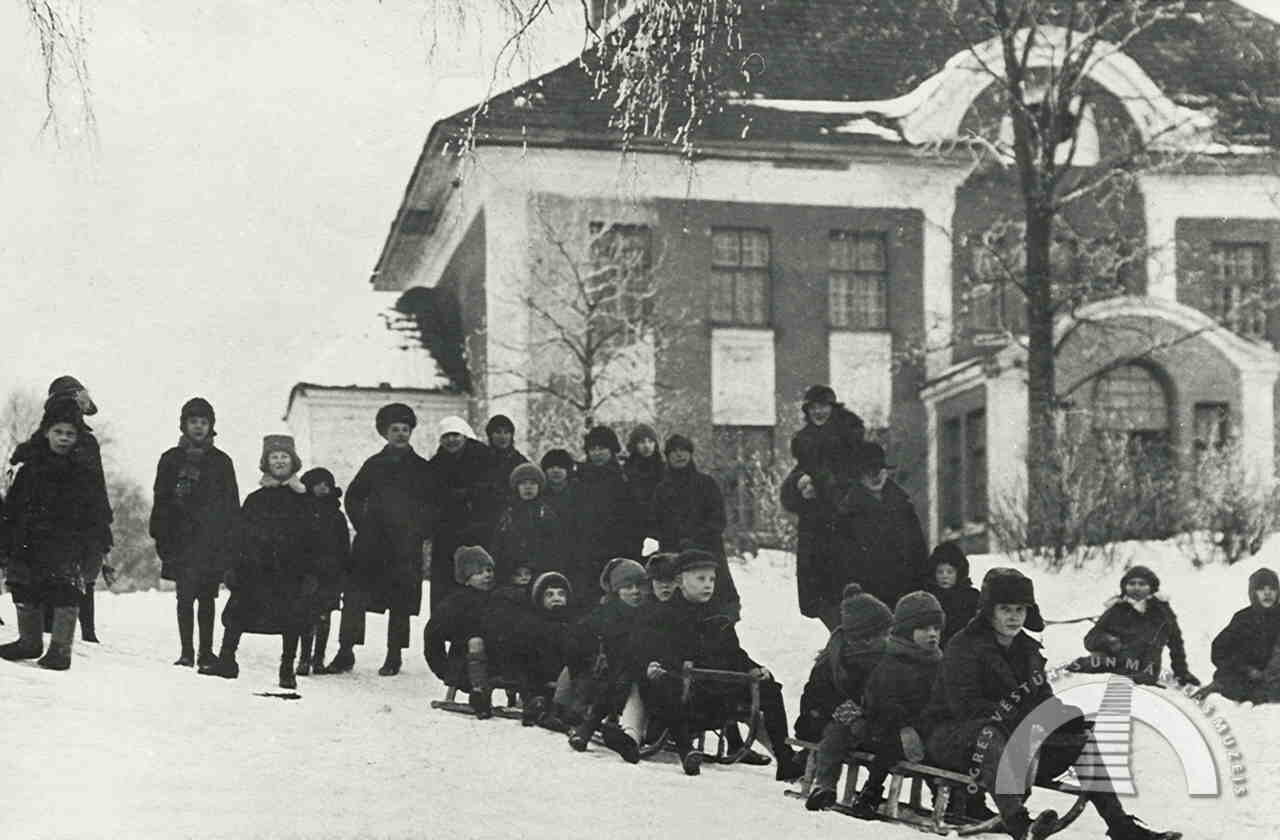
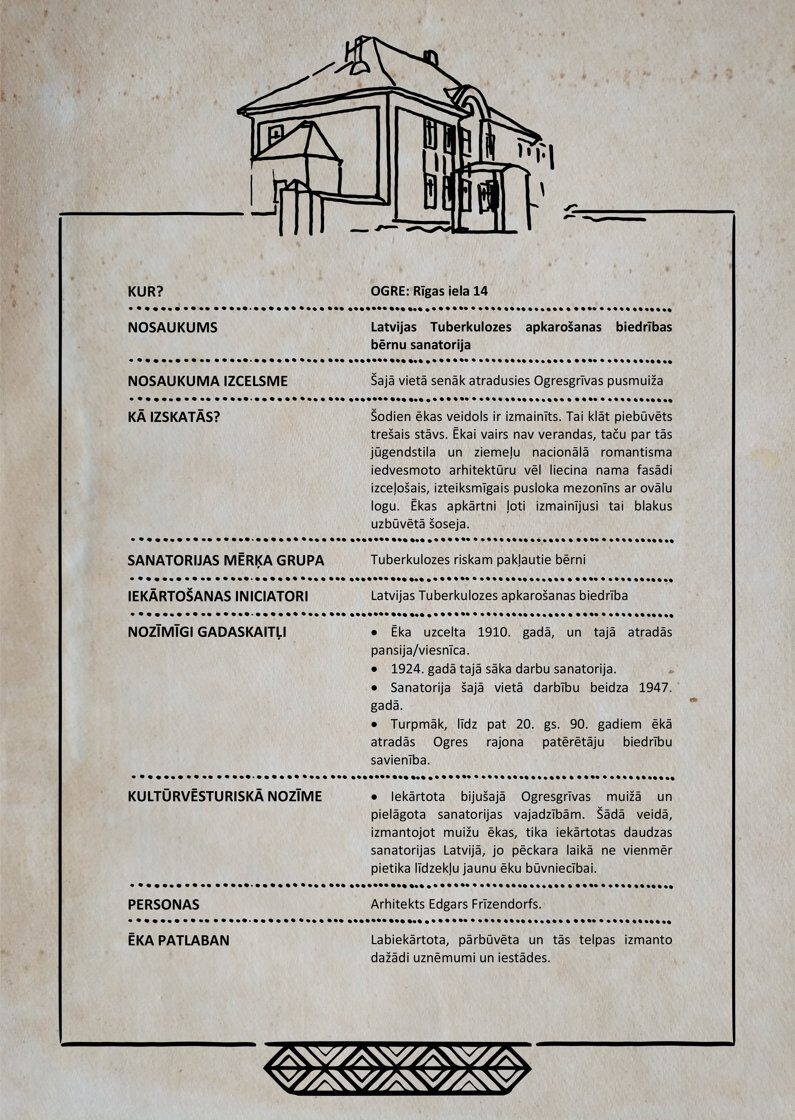
In the recent past, we witnessed how countries around the world responded to the Covid-19 crisis. In earlier times, some diseases affected almost the entire world. One such disease was tuberculosis, the spread of which was exacerbated by increased migration to cities and factories, post-war population movements, and weakened immunity. Targeted and organised action was needed to curb the disease. In 1923, following the example of other Western European countries, the Society for Combating Tuberculosis was established in Latvia. Its goal was to promote public health. The society collected donations, and there was even a special day on the first Sunday of May when the issue of tuberculosis was highlighted. It was called White Flower Day, when benefactors received a white paper flower in exchange for their donation.
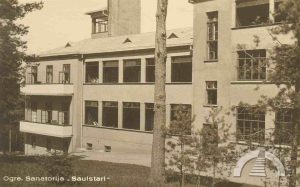
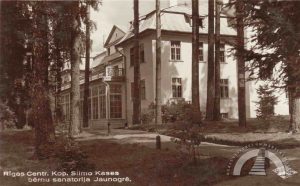
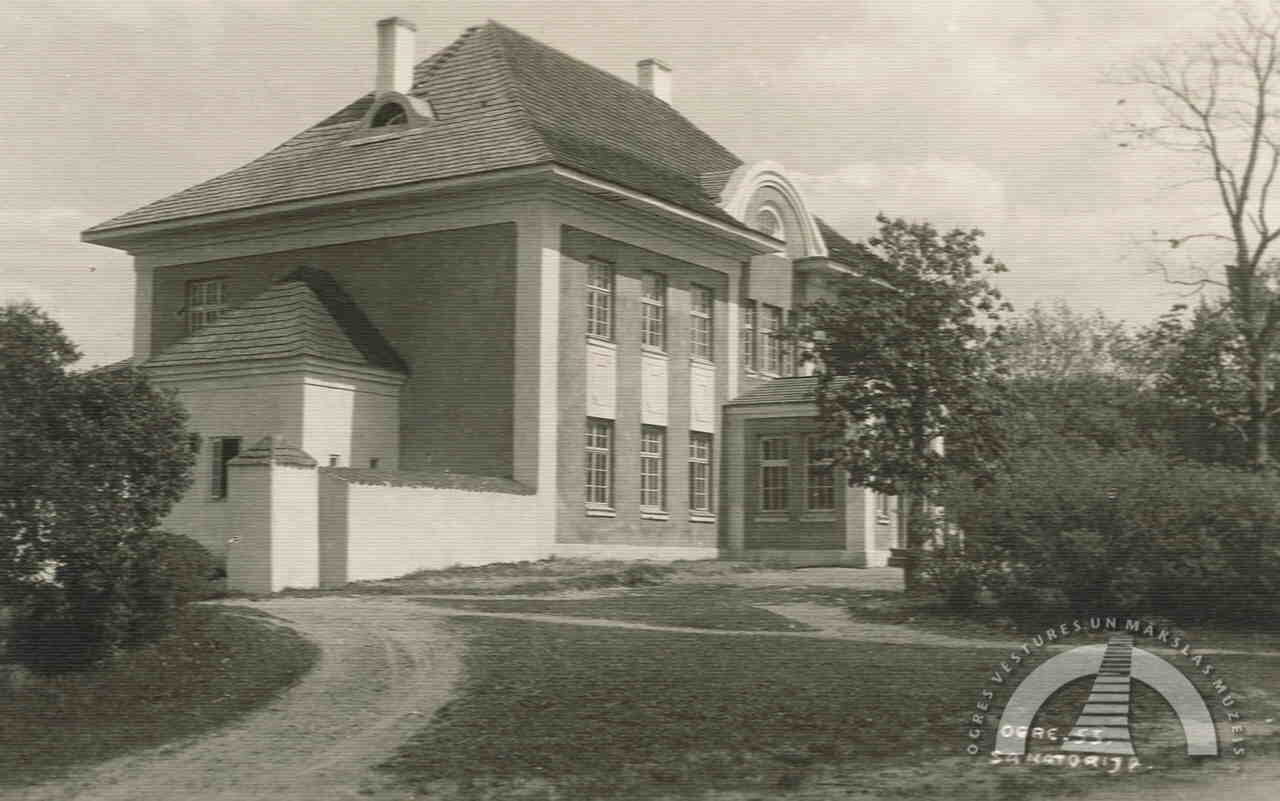
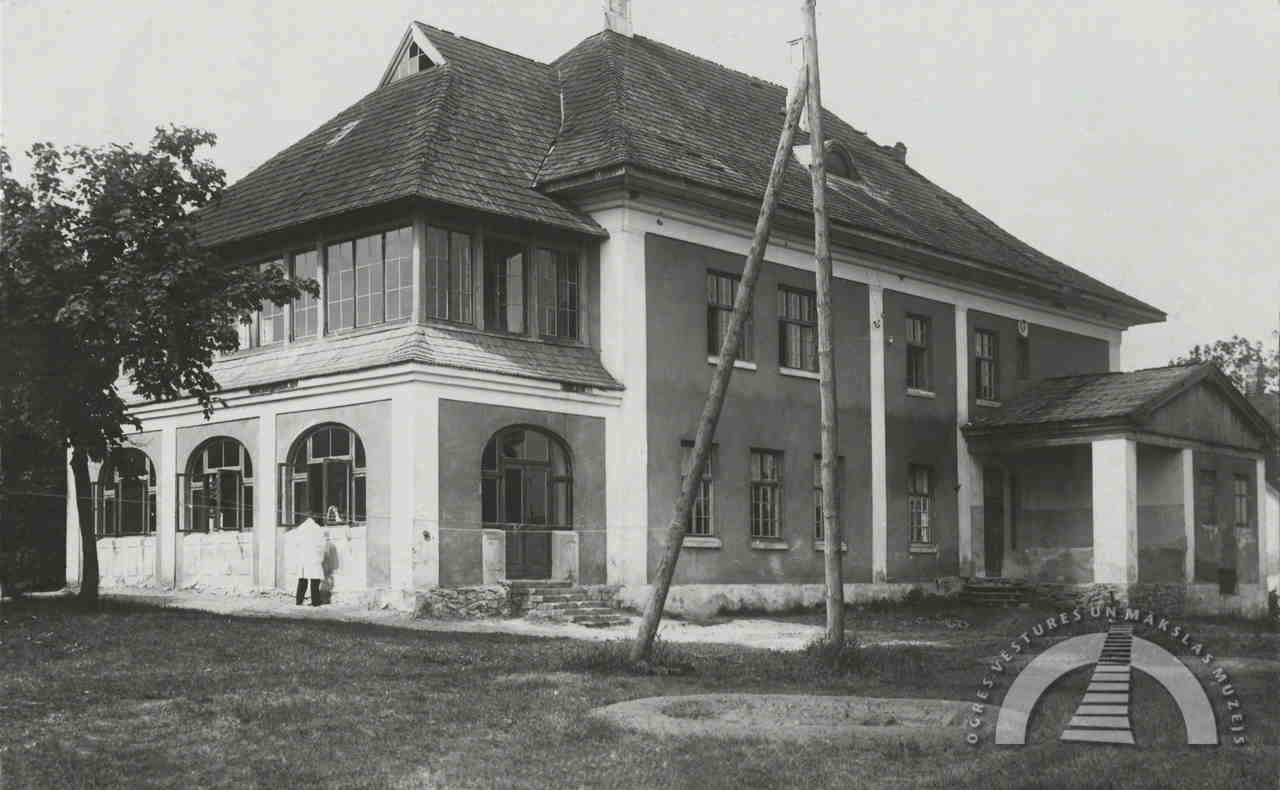
Until the 1950s, treatment options for tuberculosis were limited, so recovery was encouraged through fresh air, rest, nutritious food, and physical exercise. Sanatoriums were able to provide such conditions. Their function was to strengthen patients’ immune systems, and they also helped limit the spread of the disease by temporarily isolating the sick or those at risk. The characteristic approach of sanatoriums to health promotion was reflected in architectural elements such as verandas, balconies, pavilions for aerotherapy (treatment in fresh air), and sunbathing areas. From a national perspective, the establishment of sanatoriums was also an opportunity to demonstrate commitment to modern ideas about supporting families in crisis situations. Interestingly, increasingly progressive hygiene principles were incorporated into sanatorium design.
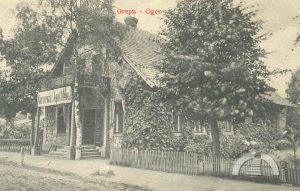
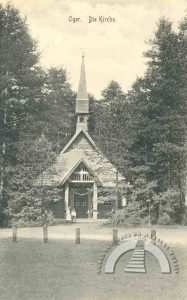
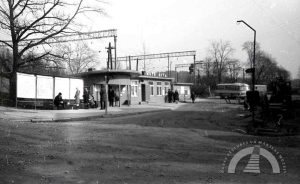
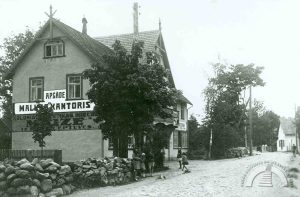
We invite you to explore the historical images and a brief overview of the sanatorium at Rīgas Street 14.
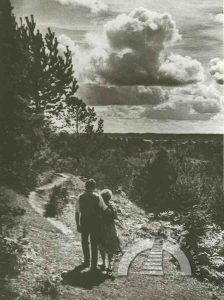
“OGRE KANGARI” HIKING TRAIL
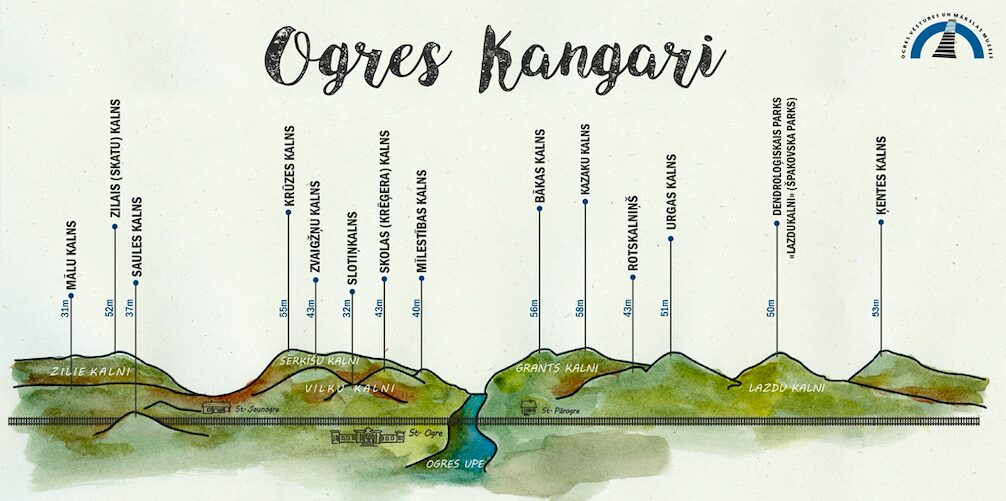
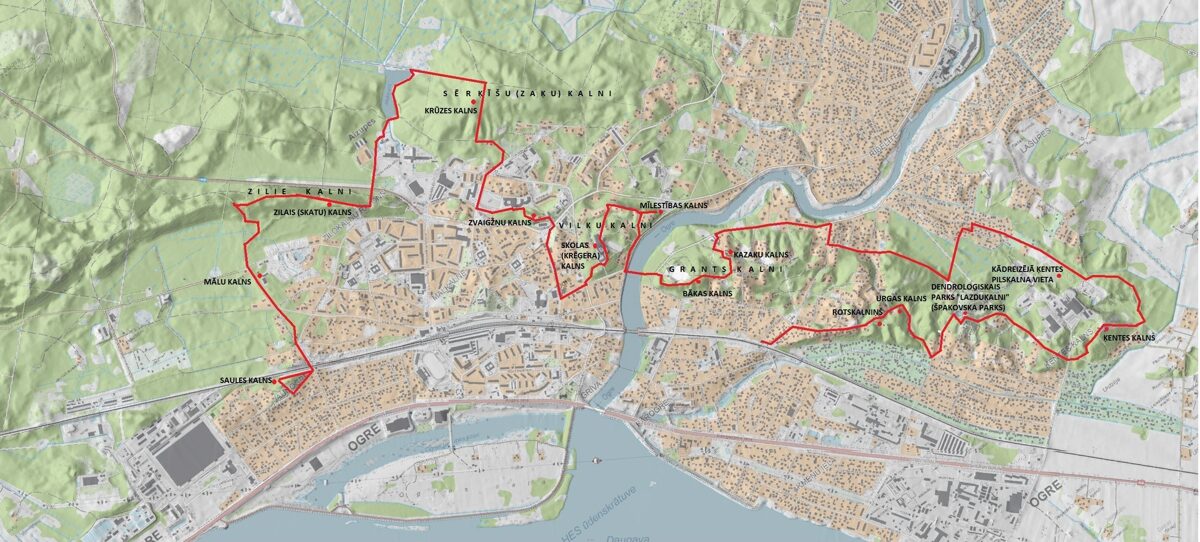
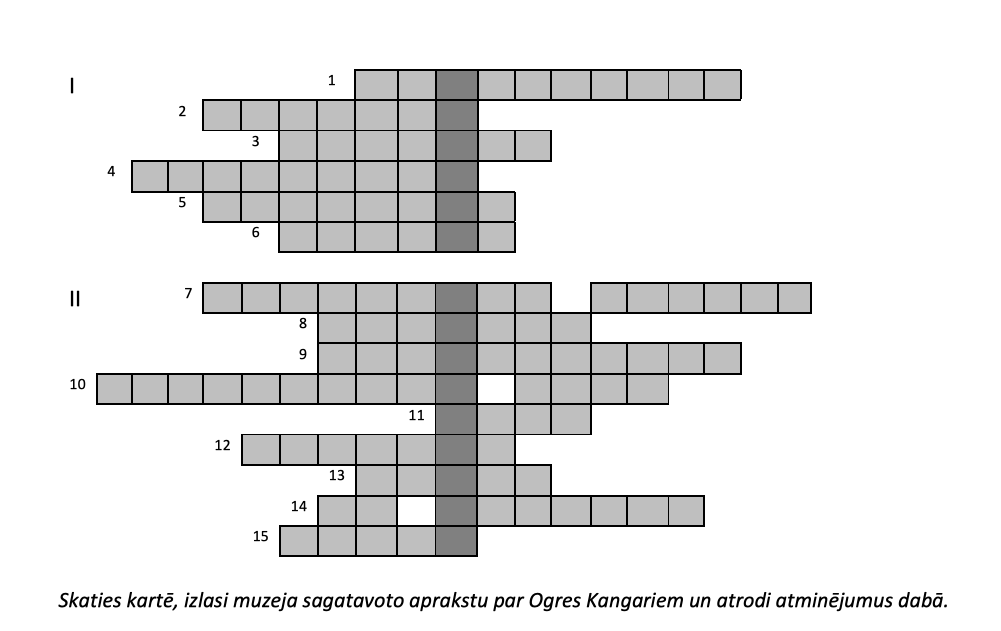
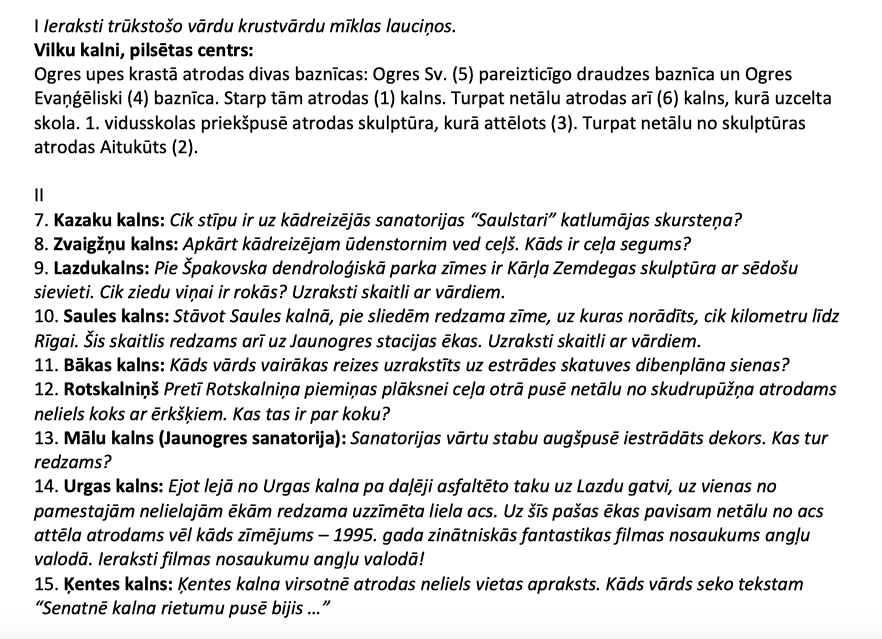
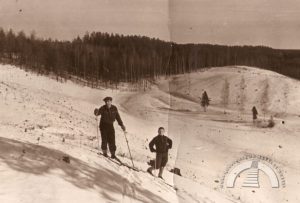
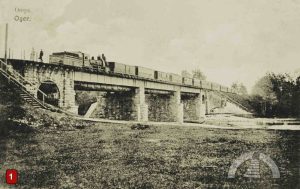
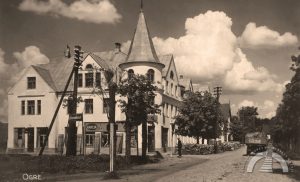
We invite you to explore the hiking trail to better discover the hills of Ogre. View the photo gallery and read the story on the museum's website or Facebook page. By looking at historical images, you can compare how the city has changed over time. We have marked the route in the "BalticMaps" map browser. The “GPX” file is convenient to use with the LVM GEO mobile app. The total length of the hiking trail marked on the map is 14 kilometers (7 kilometers in Pārogre and 7 kilometers in Ogre center and Jaunogre). The hiking trail winds through both the urban part of the city (with asphalt, cobblestone, and gravel surfaces) and green areas (park paths and pedestrian-trodden forest trails without special amenities).