
OGRE’S HISTORY IN JĀNIS MOZULIS’ PHOTOGRAPHS. PART 1
A vast collection of photo negatives by former journalist, photographer, editor and publisher Jānis Mozulis, who passed away in 2014, was donated to the museum by his widow, Dzintra Mozule. Most of the photographs were taken in the 1970s – a period when Jānis Mozulis worked as a correspondent for the Ogre district newspaper Padomju […]

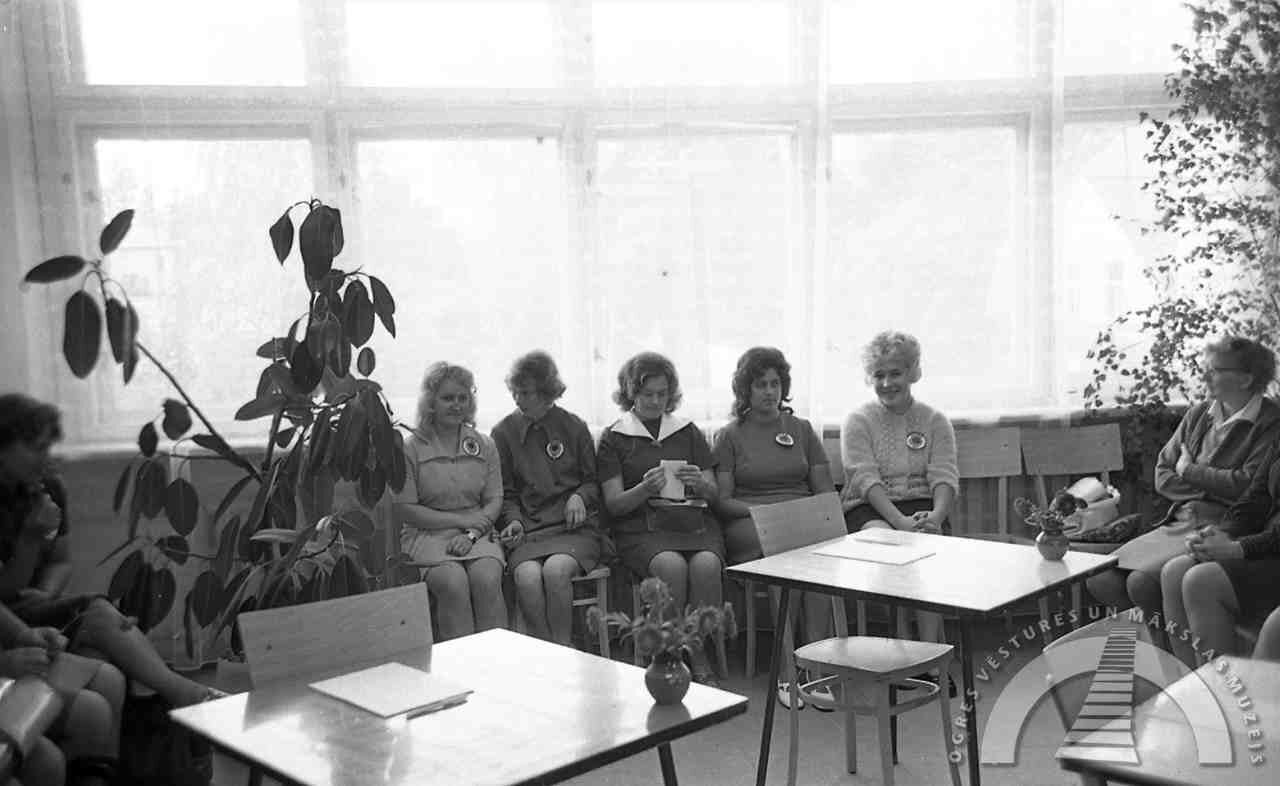
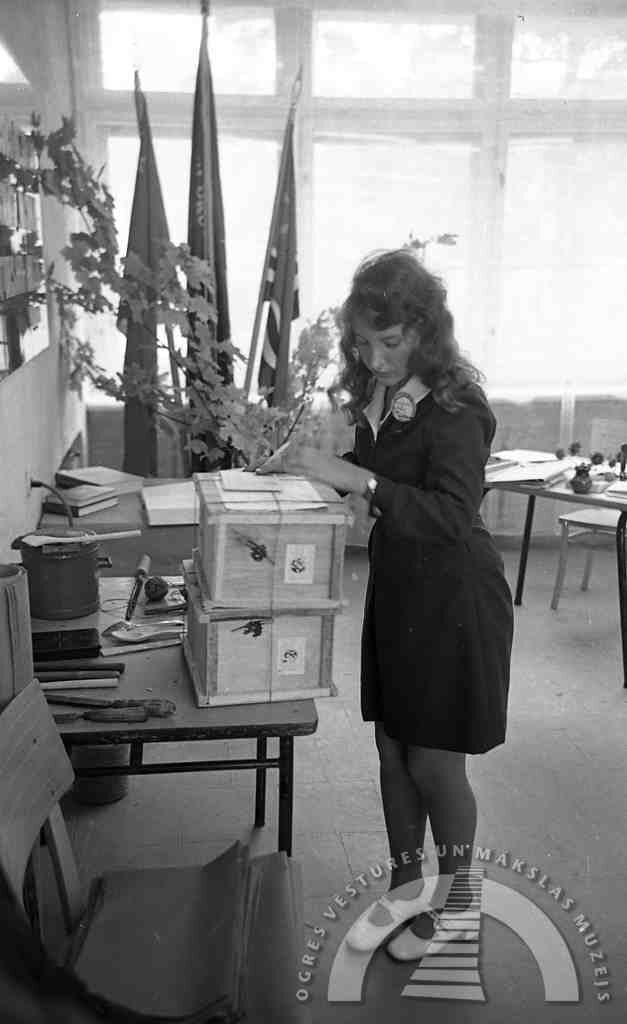
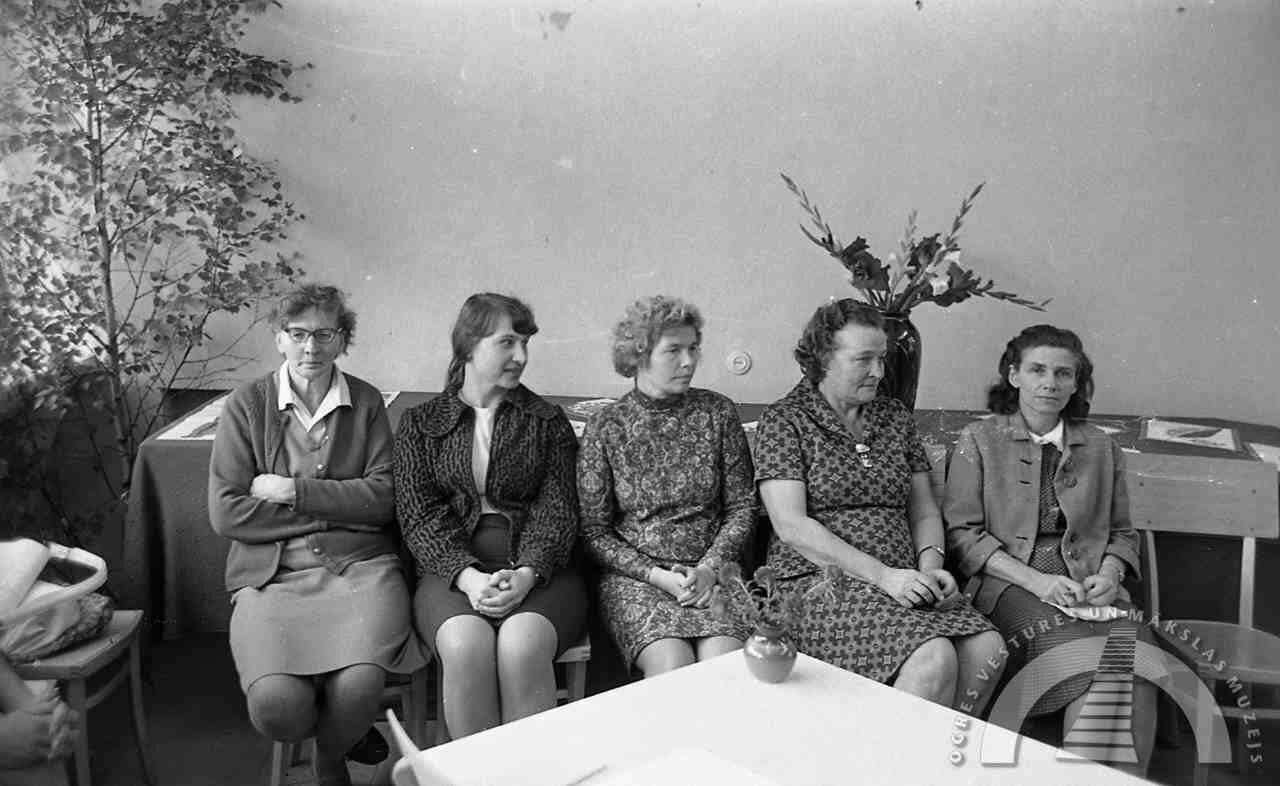
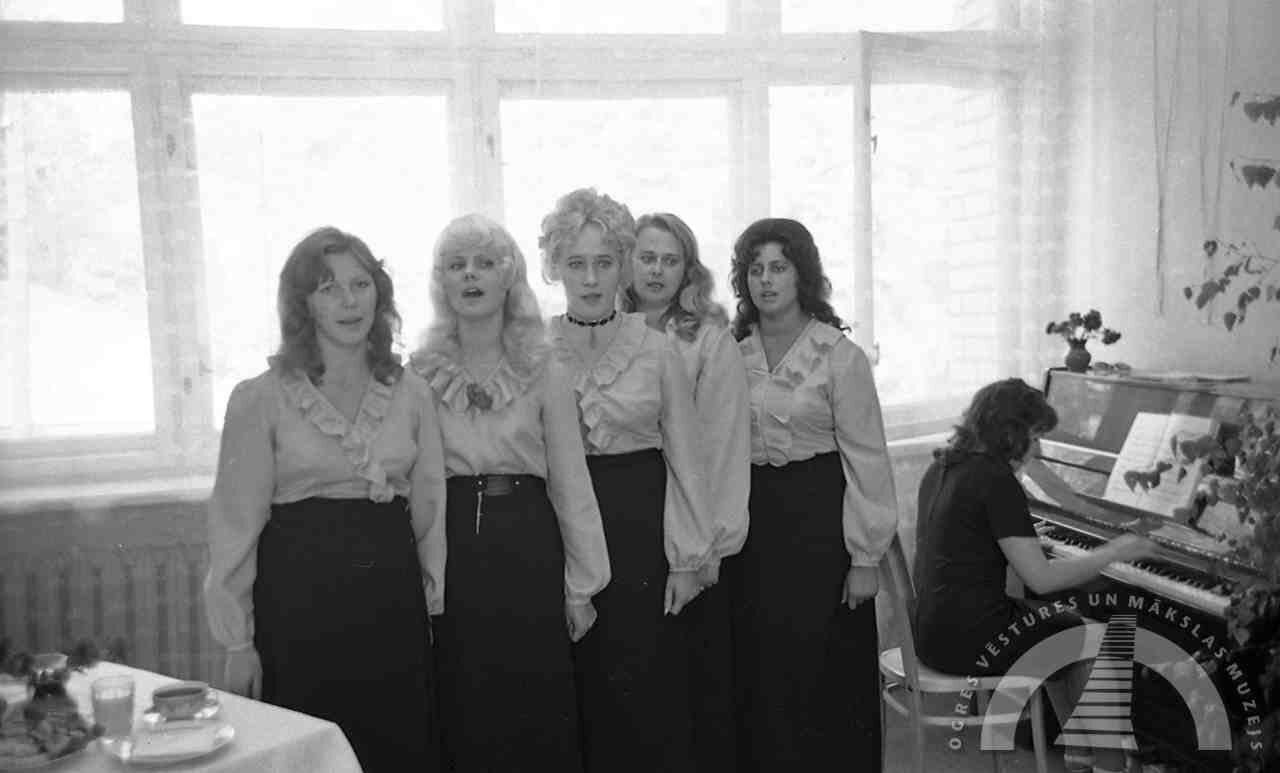
A vast collection of photo negatives by former journalist, photographer, editor and publisher Jānis Mozulis, who passed away in 2014, was donated to the museum by his widow, Dzintra Mozule.
Most of the photographs were taken in the 1970s – a period when Jānis Mozulis worked as a correspondent for the Ogre district newspaper Padomju Ceļš – and reflect an entire era in Ogre’s history.
The museum has acquired over 1,000 photo negatives depicting significant events in the Ogre district during the 1970s, including social events, competitions, dances, building inauguration ceremonies, as well as various places and structures. This donation from Dzintra Mozule is a valuable addition to the museum’s photographic collection.
During the Covid-19 pandemic, the photo films were scanned and archived for digital preservation. A small portion of the material was displayed in the exhibition Ogre and Its People.
To provide insight into this rich collection, we plan to publish several photo series.
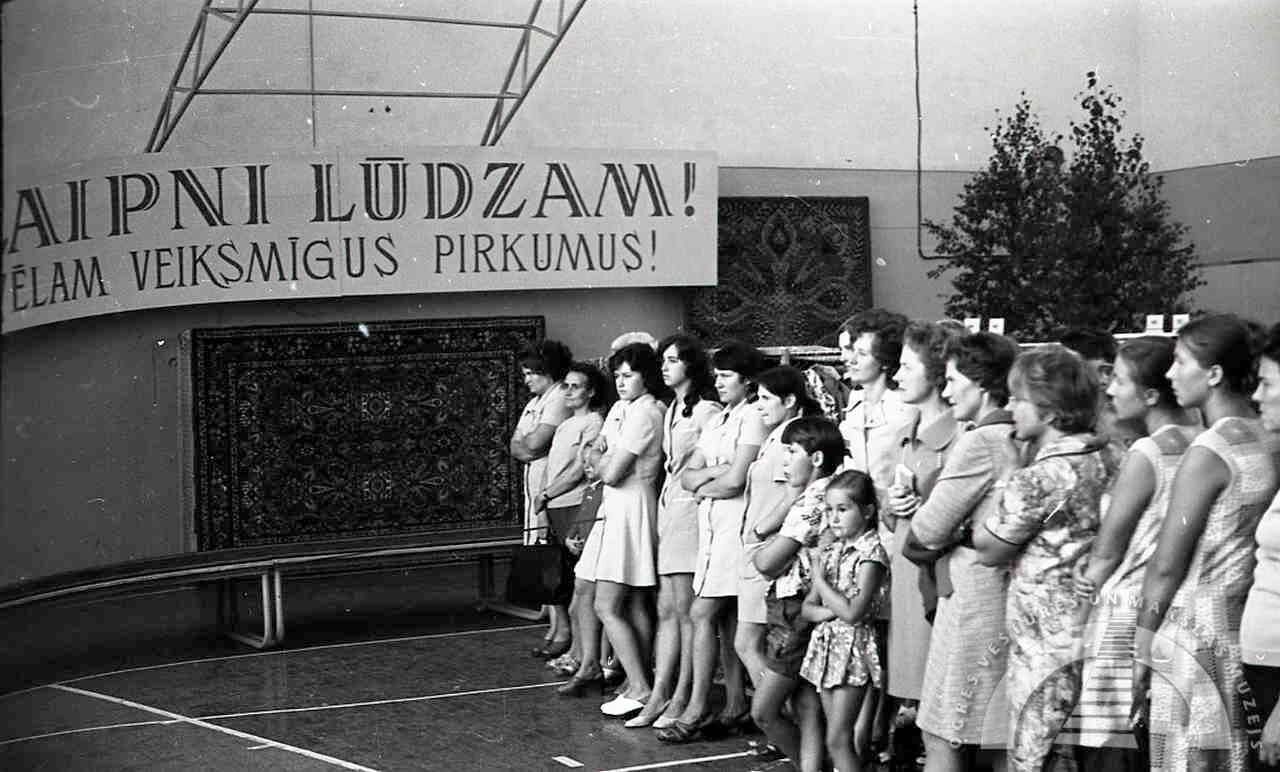
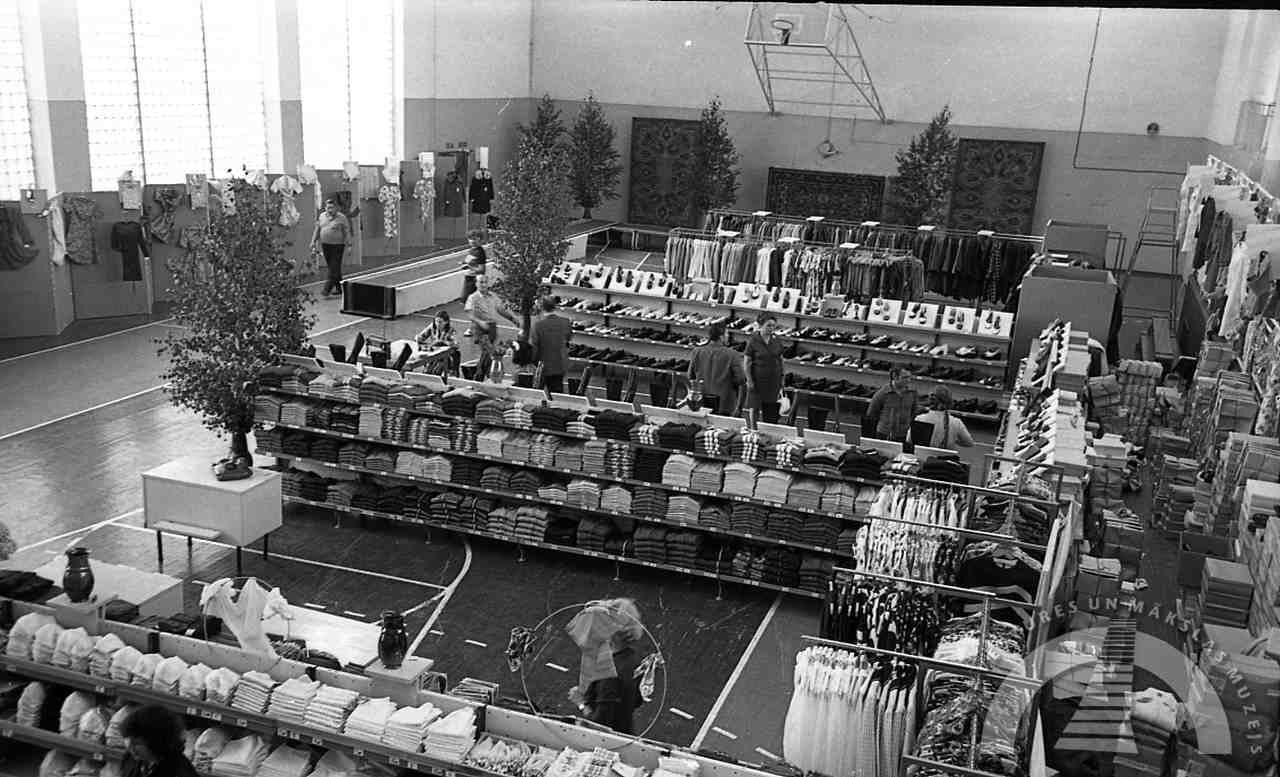
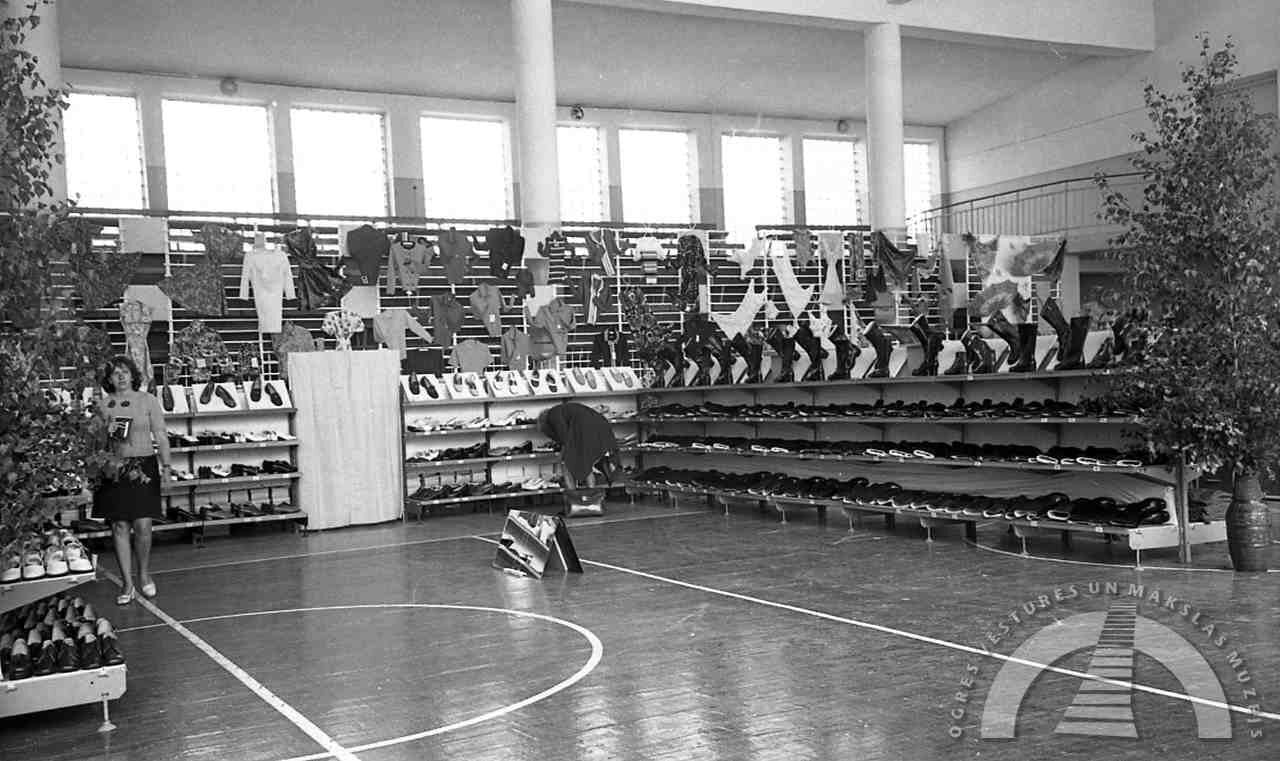
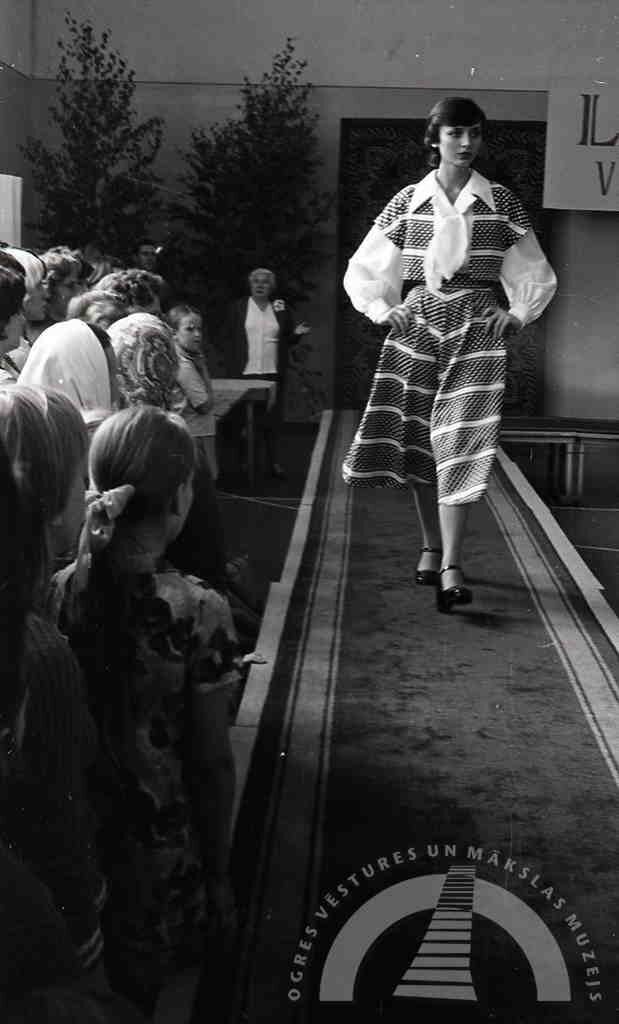
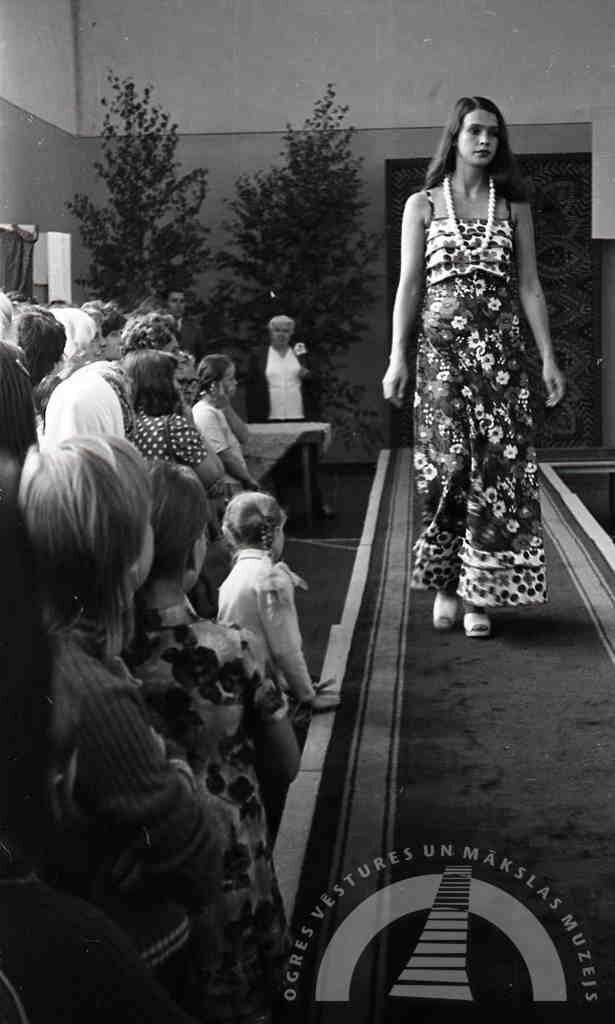
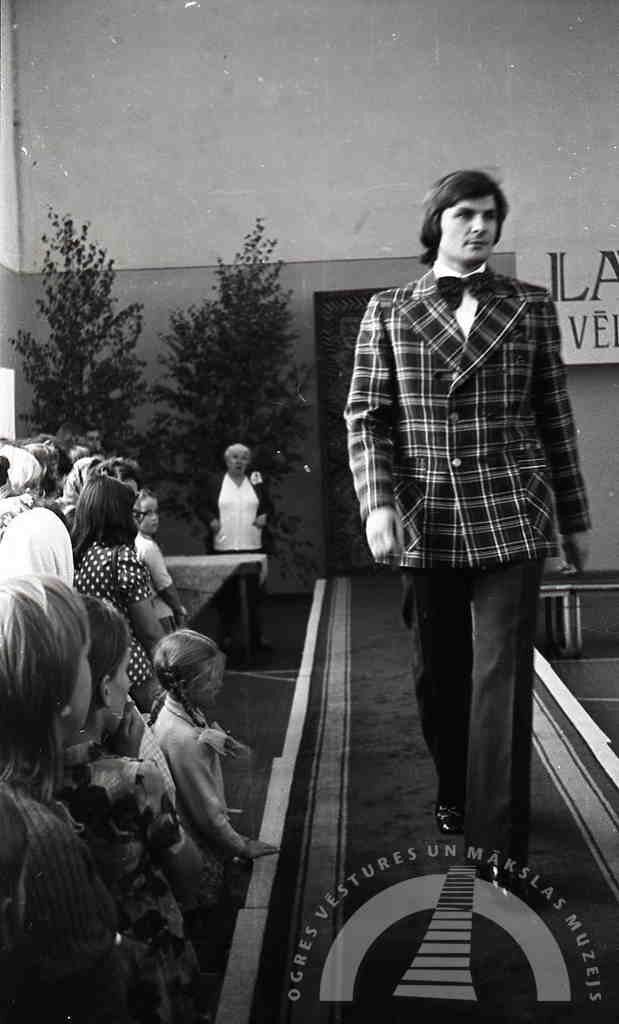
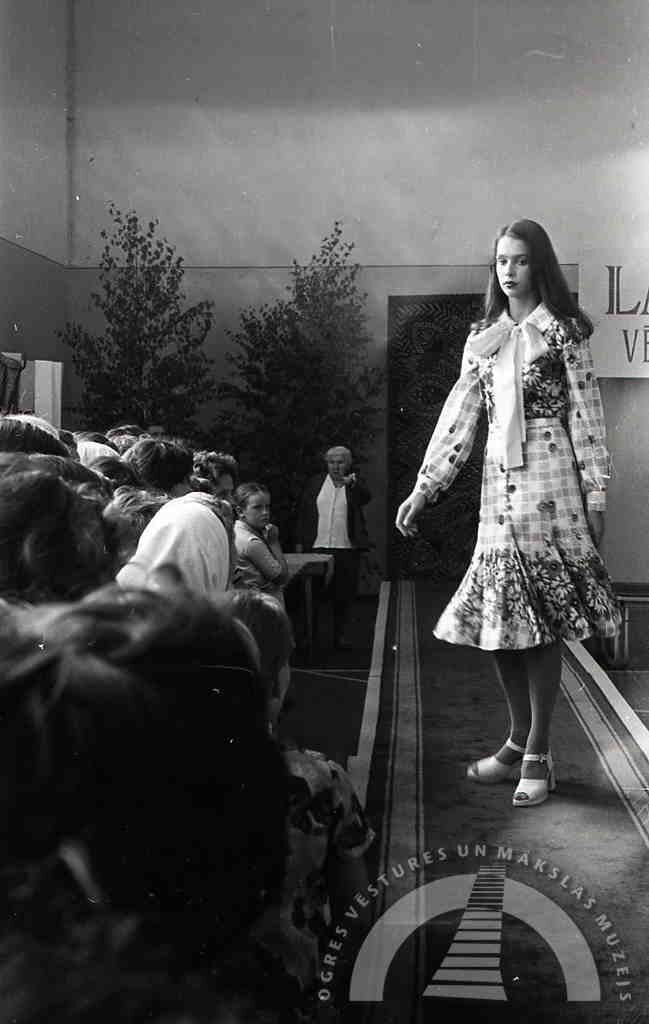
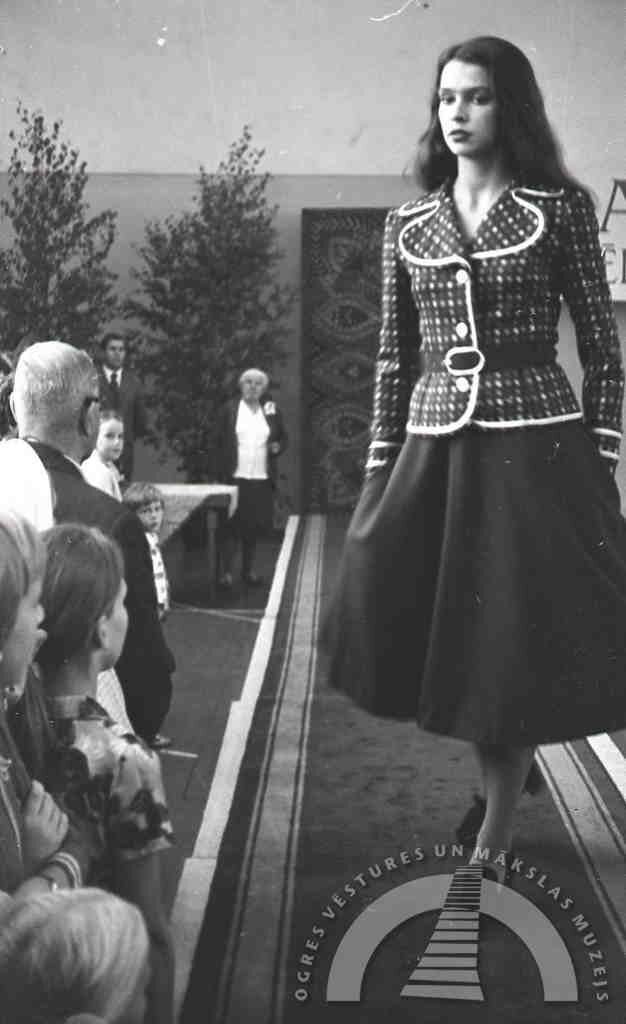
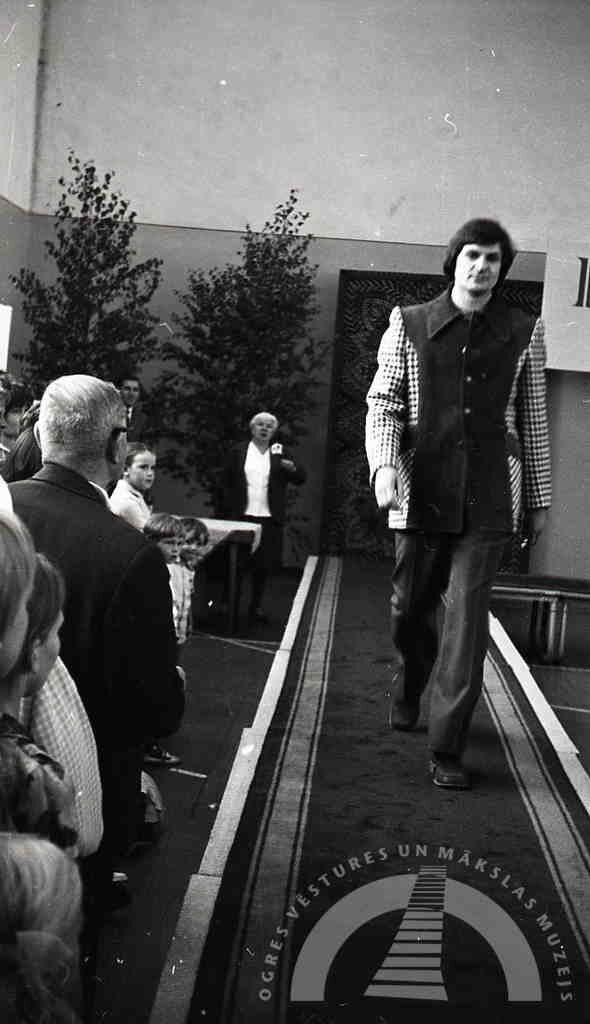
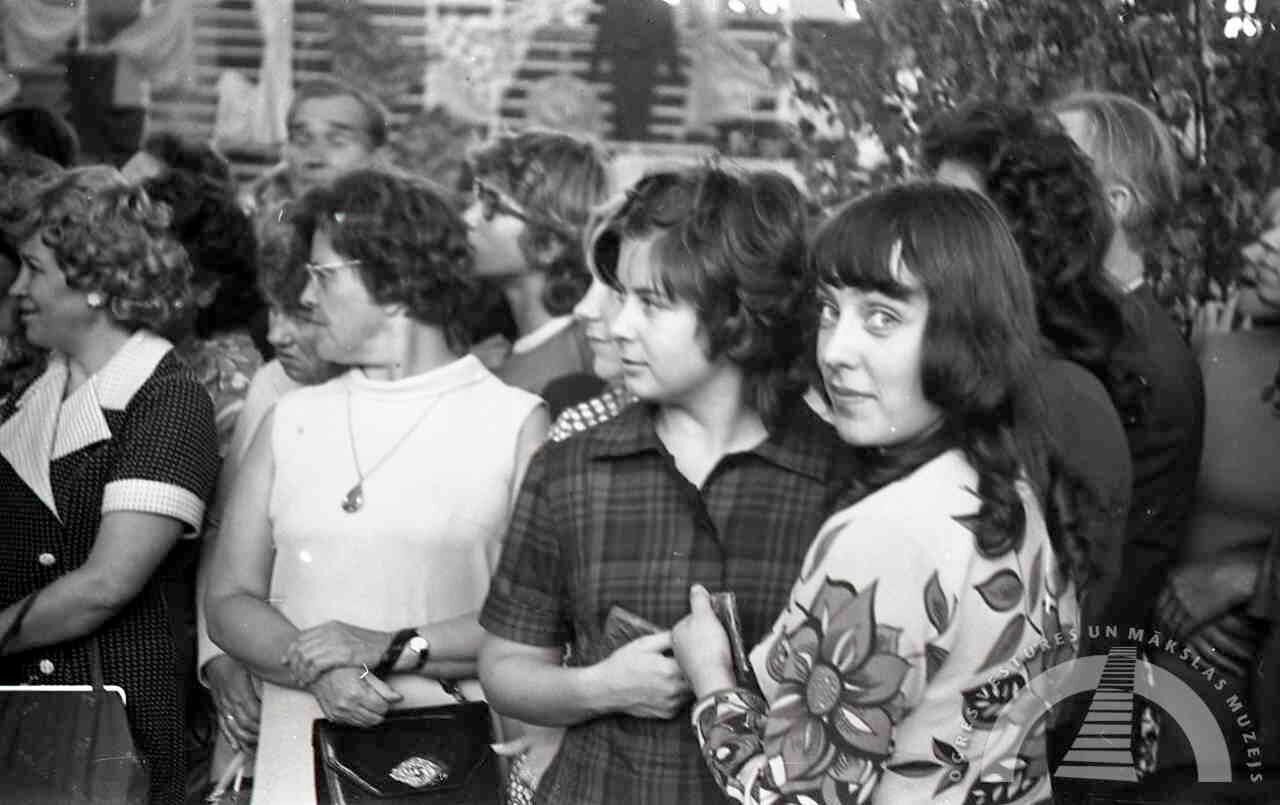
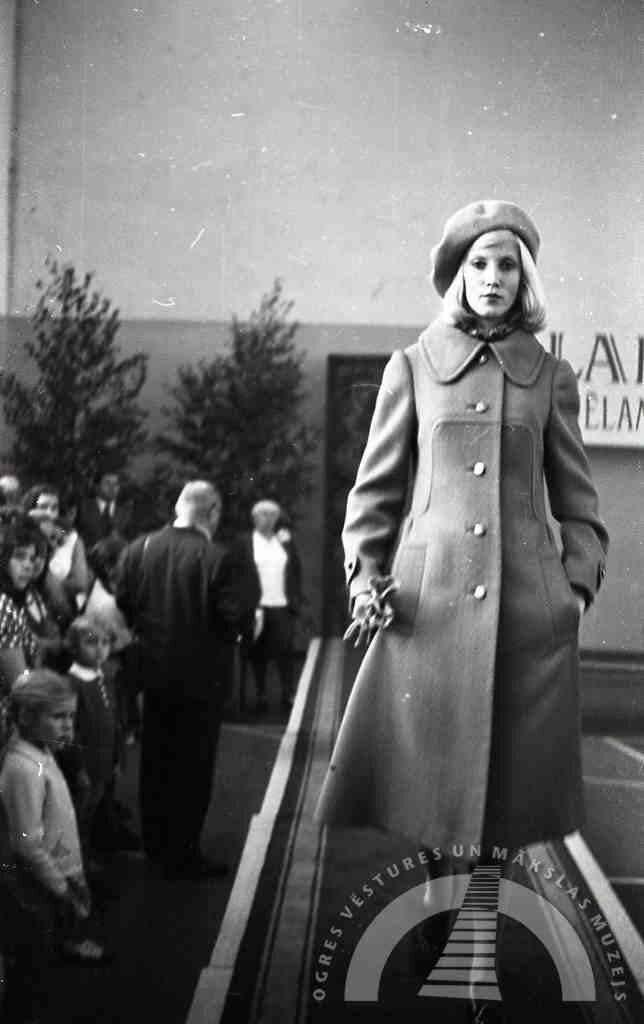
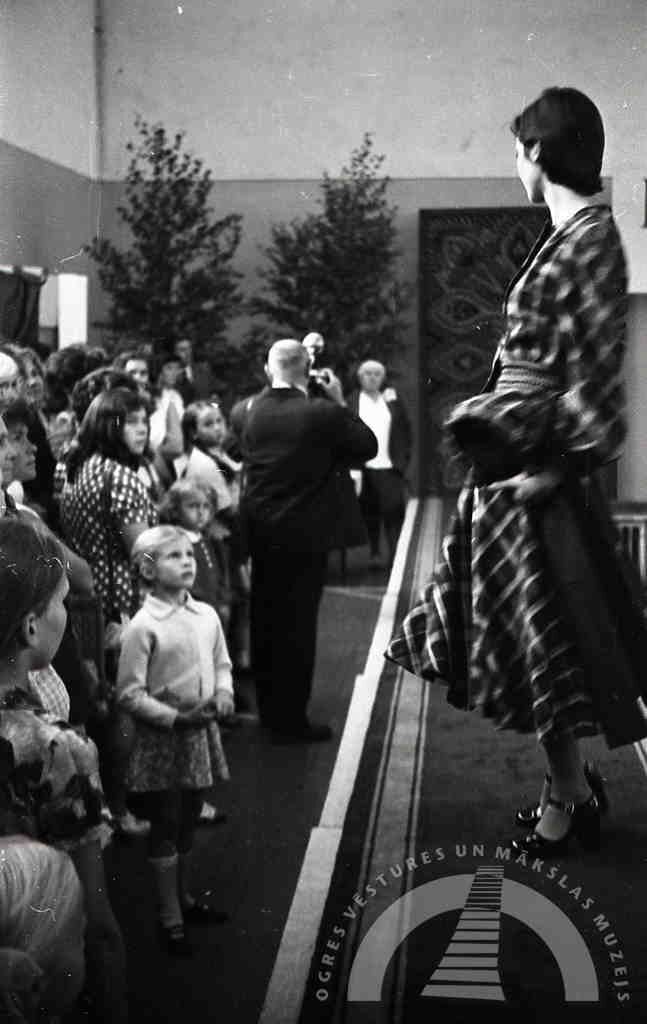
The series begins with an exhibition-sale organised by the Ogre Consumers’ Societies’ Union and the Ogre Trade Centre, dedicated to International Women’s Year, and held for six days at the Ogre Sports Hall in September 1975.
“This is not the first time the district’s cooperators have organised such an event. There have been many exhibition-sales, aiming both to introduce residents to various products from industrial and public catering enterprises and to better satisfy their needs. Visitors could become acquainted with the latest fashion trends and evaluate colour combinations.” (Padomju Ceļš)
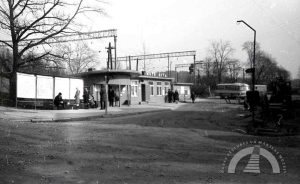
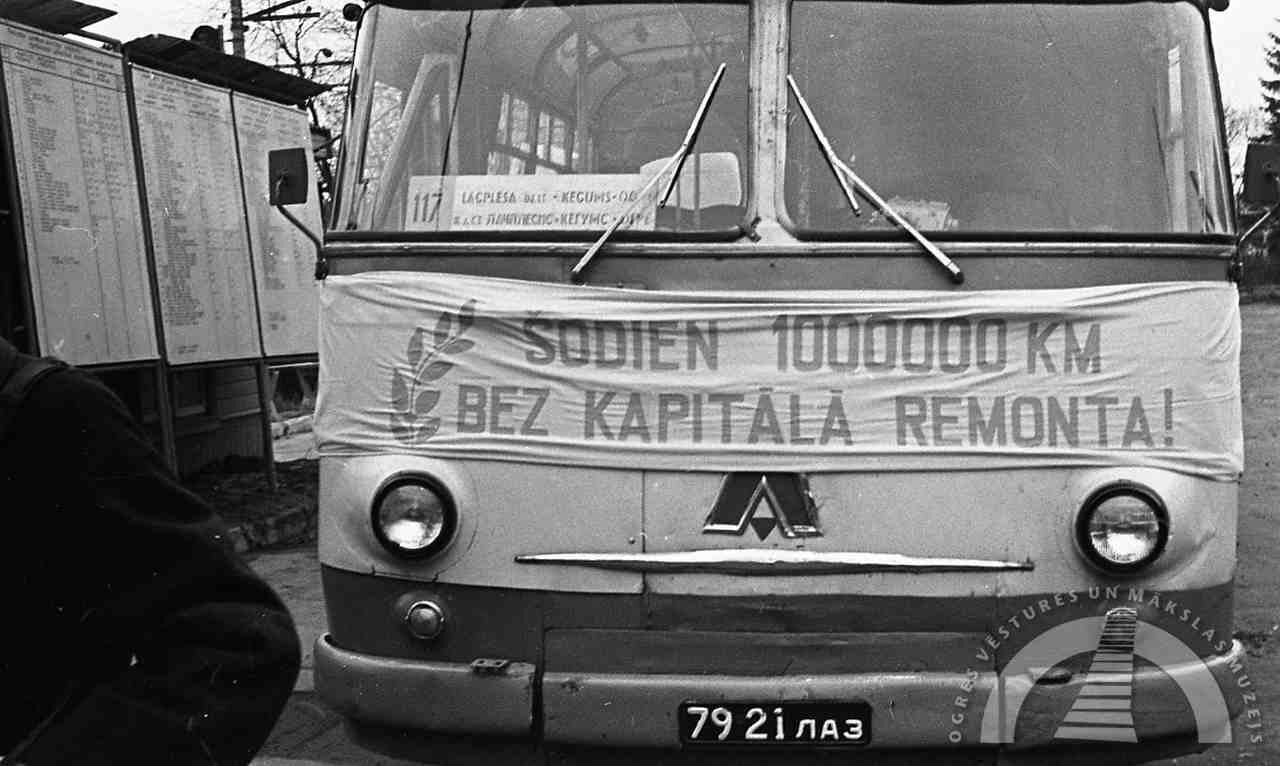
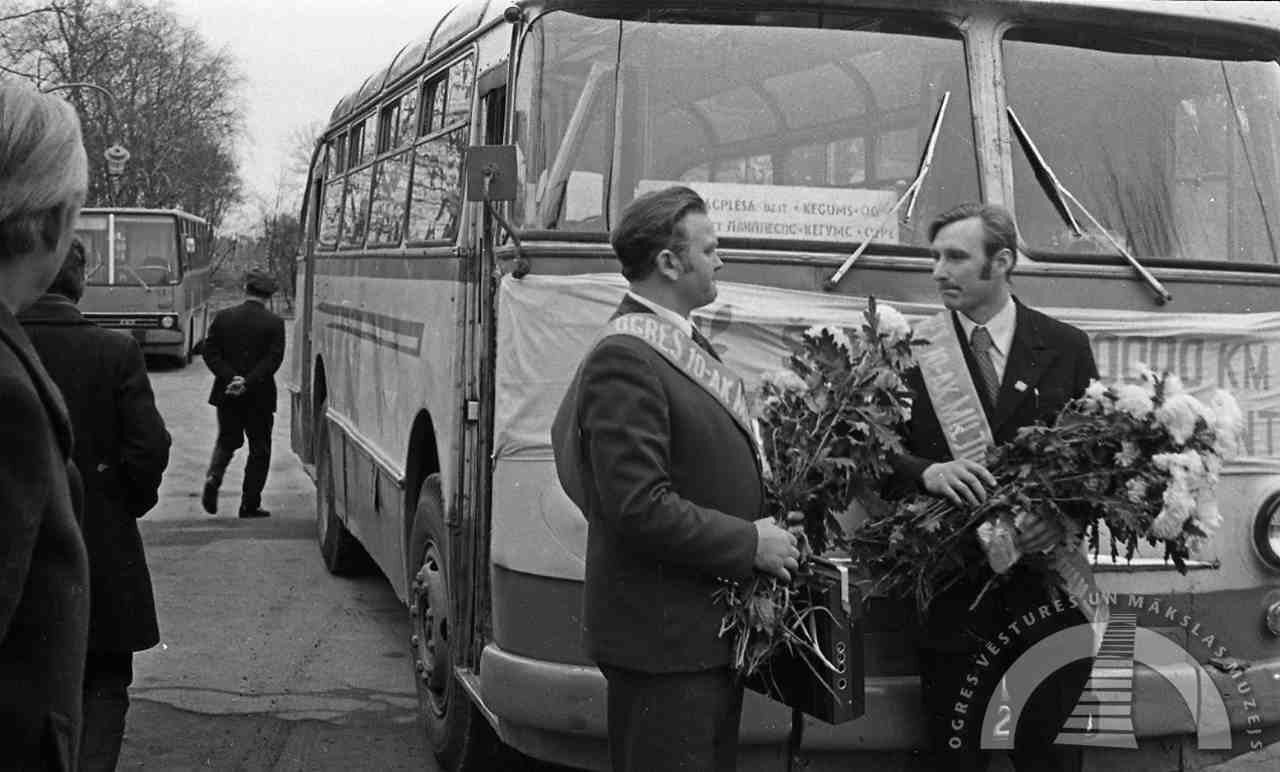
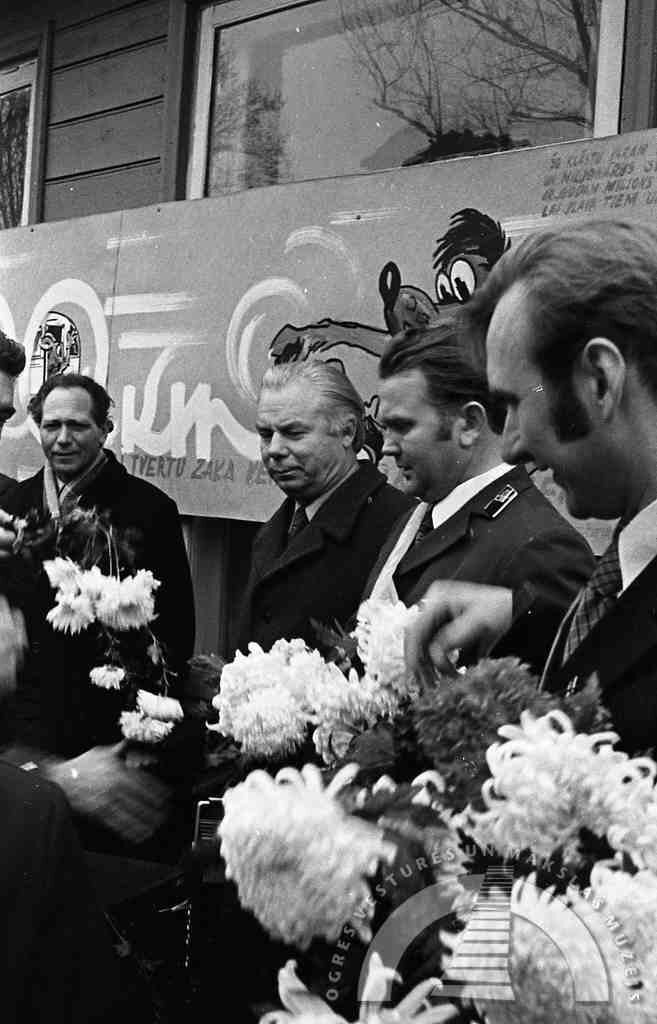
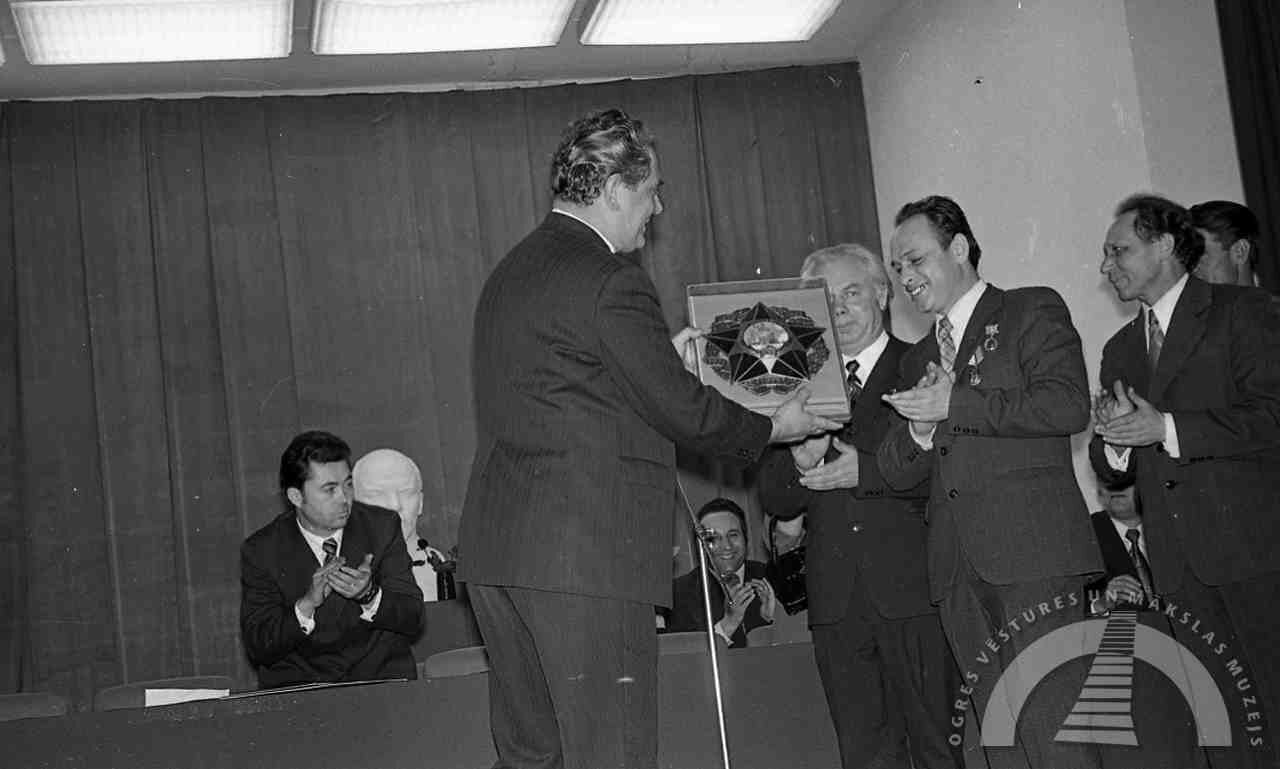
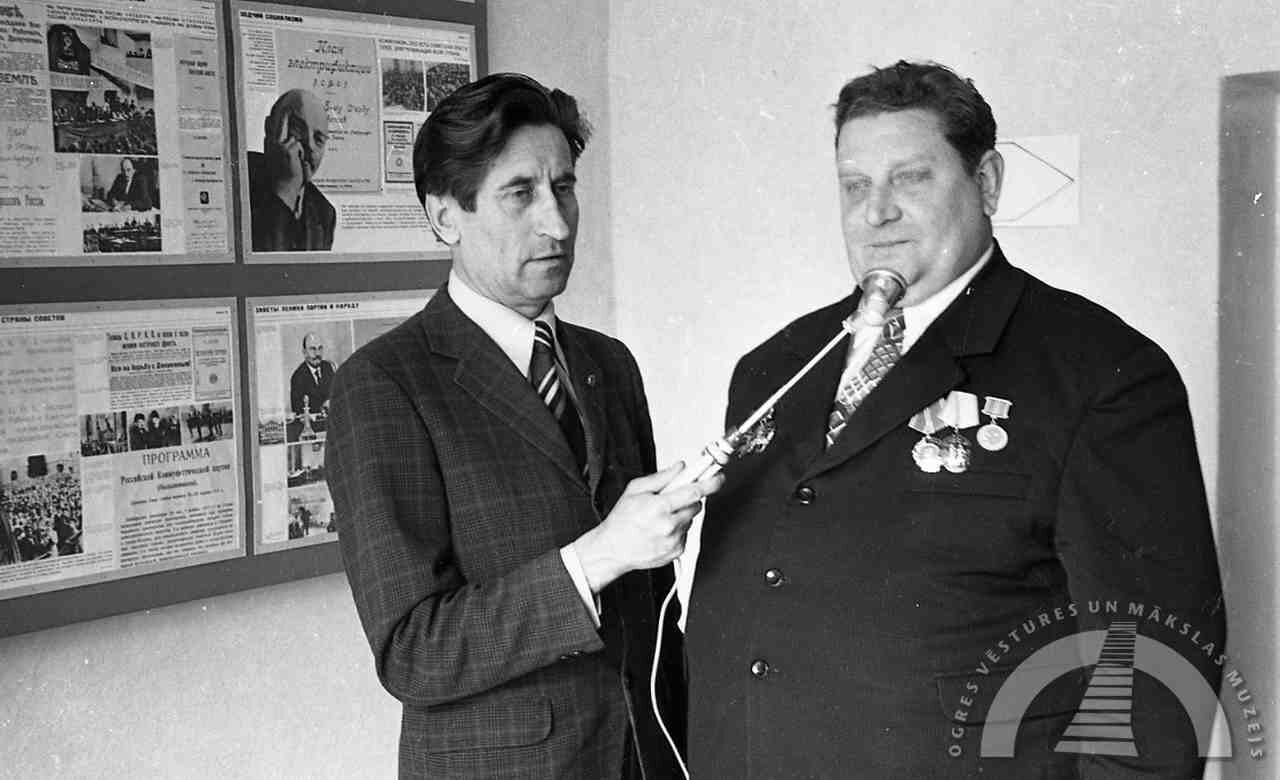
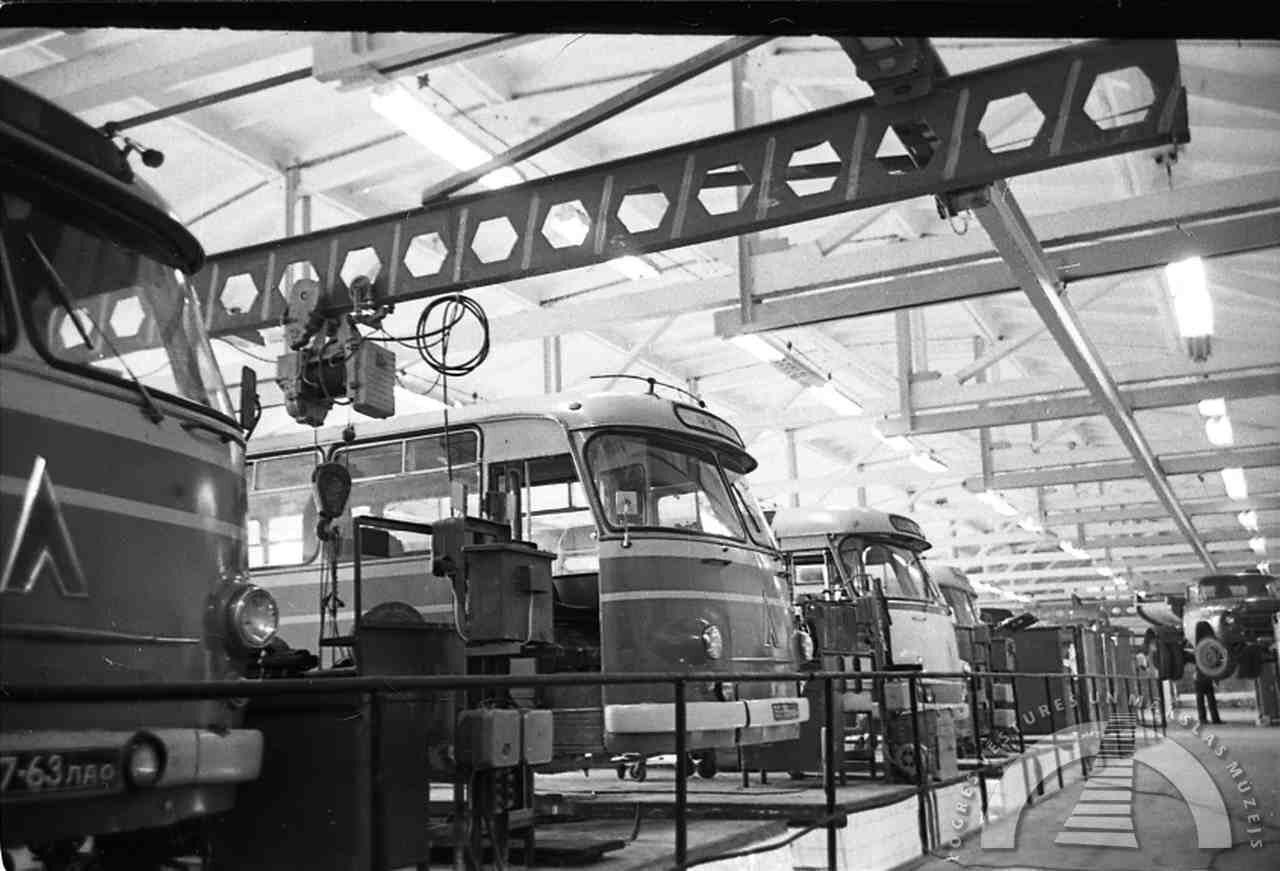
The gallery also features photographs taken at the Ogre bus station on November 20, 1975. At a social event, bus drivers Pēteris Lazdāns and Teodors Celmiņš from Ogre’s 10th Motor Transport Enterprise were honoured for driving one million kilometres without major repairs.
“Upon returning from their regular route, the ‘old’ bus and drivers T. Celmiņš and P. Lazdāns, who had been driving it in shifts for eight years, were greeted at the decorated Ogre bus station, to the sound of music, by representatives of the motor transport enterprise’s administration, public organisations, colleagues, friends, acquaintances, and passengers. A solemn rally took place. The honourees received commemorative ribbons, valuable prizes, flower bouquets, acknowledgements, and wishes to continue working in the same manner, preserving the equipment and serving passengers courteously.” (Padomju Ceļš)
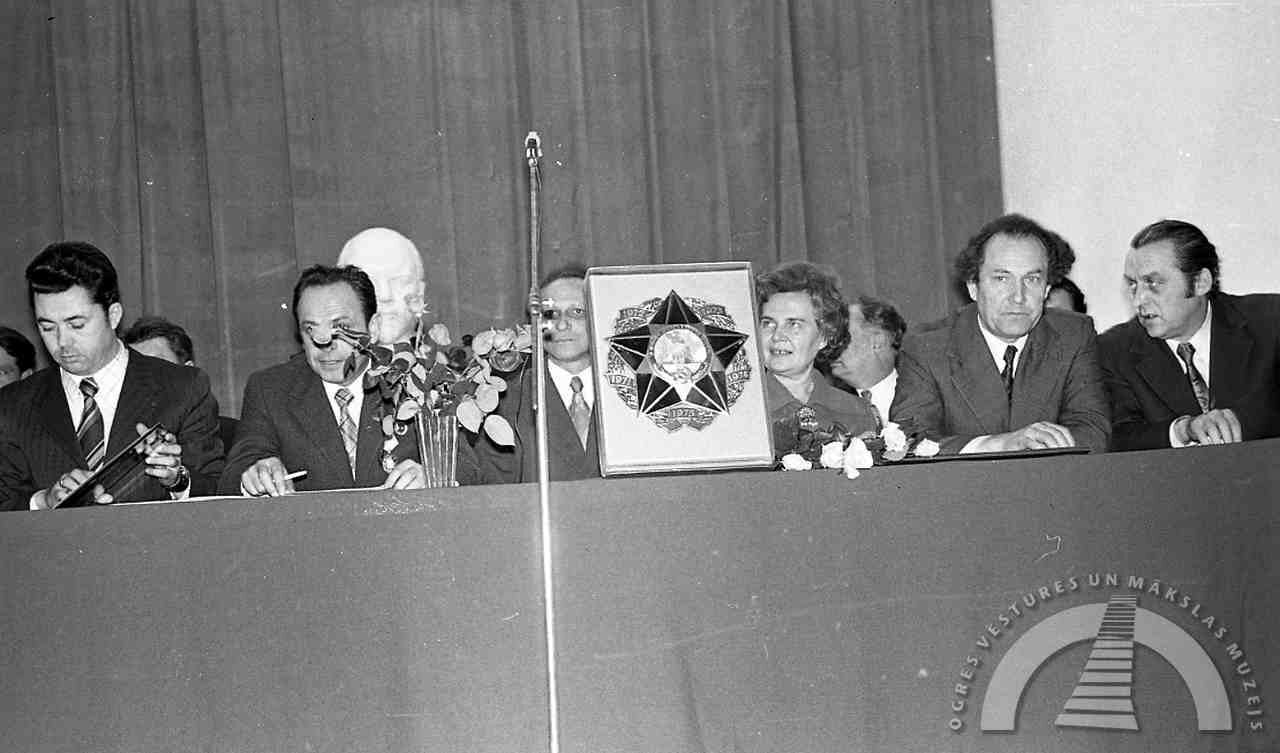
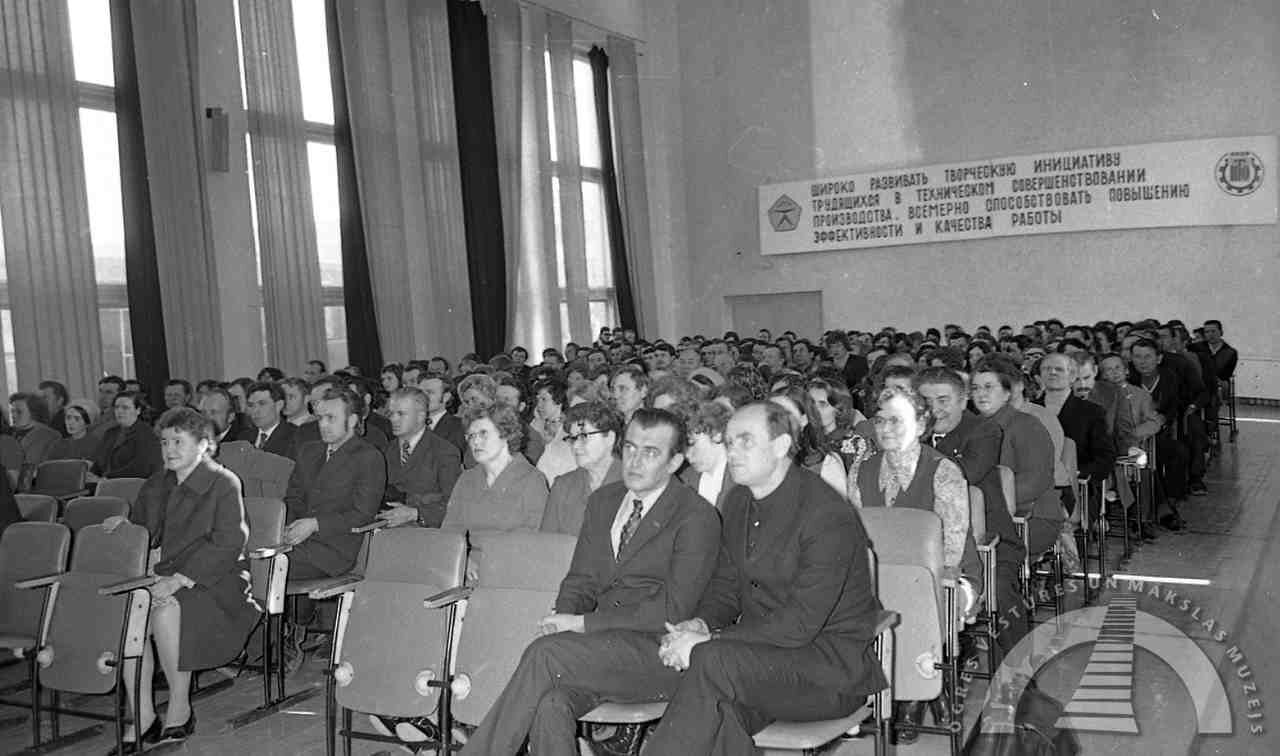
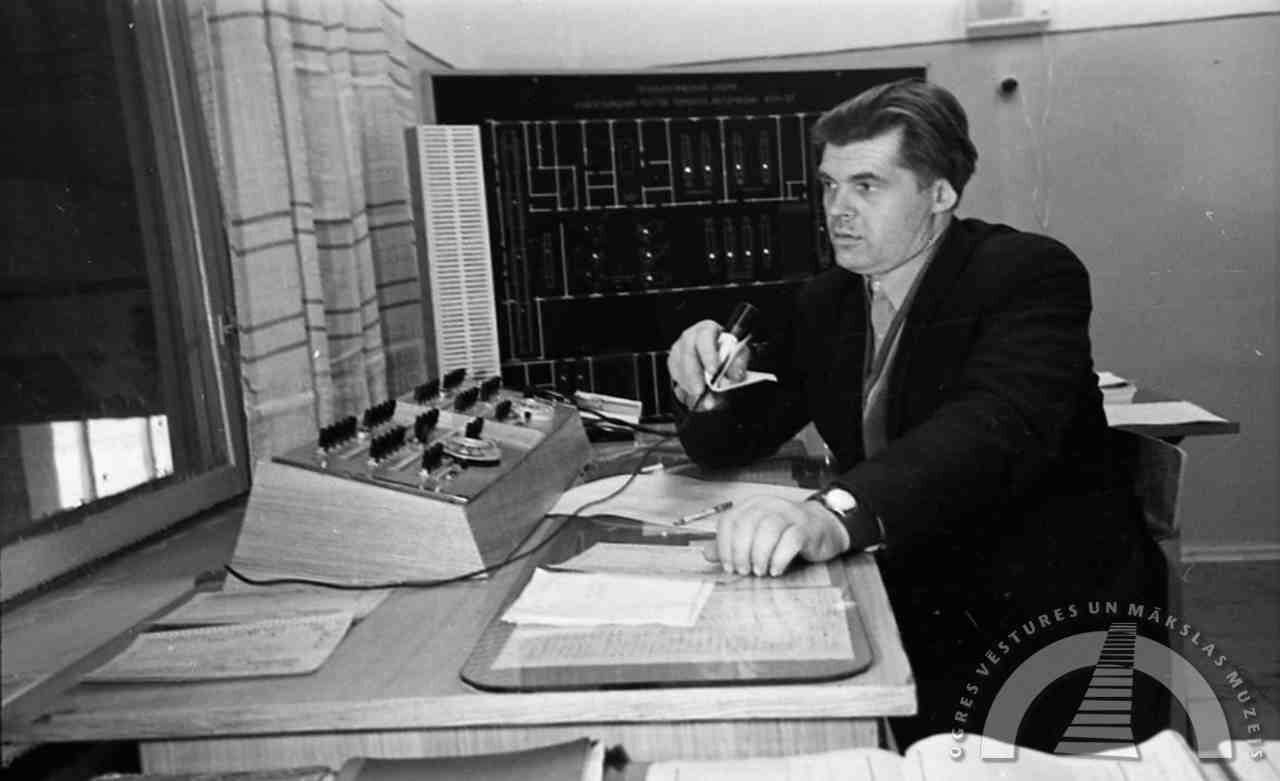
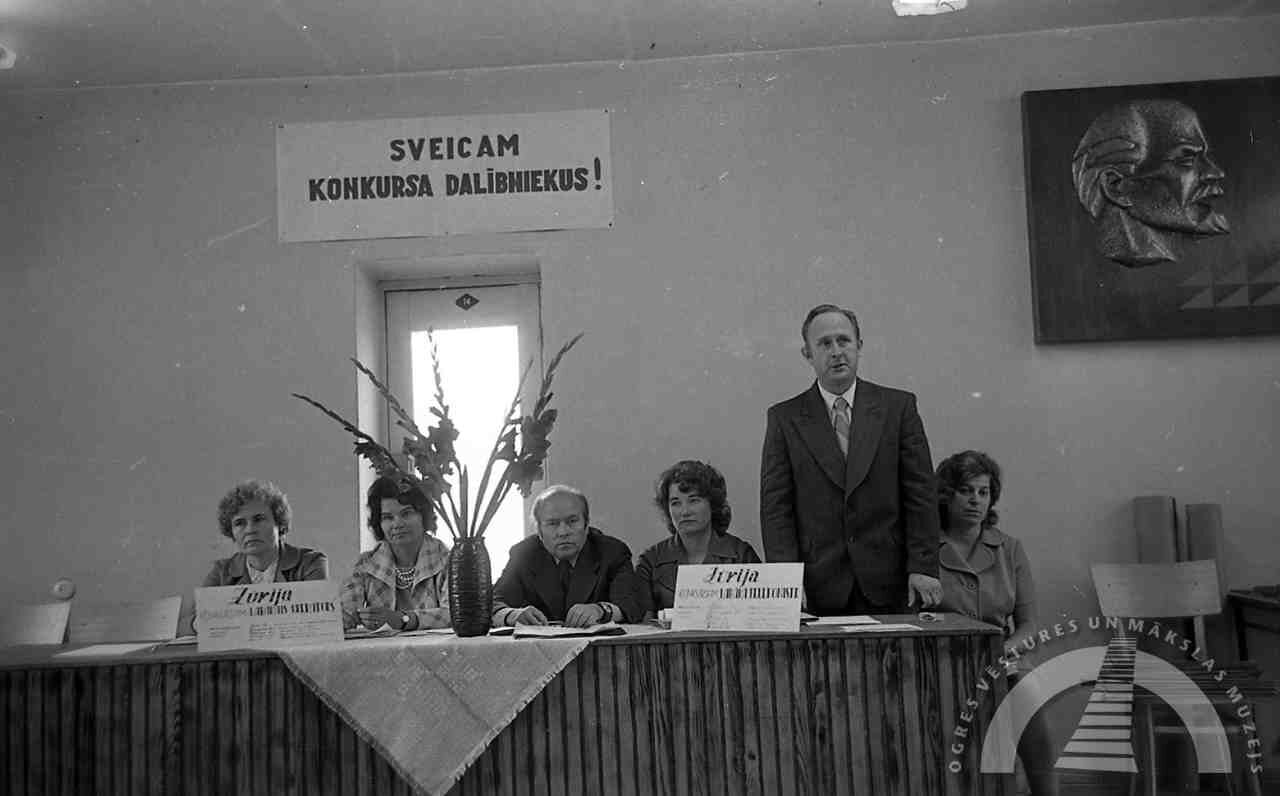
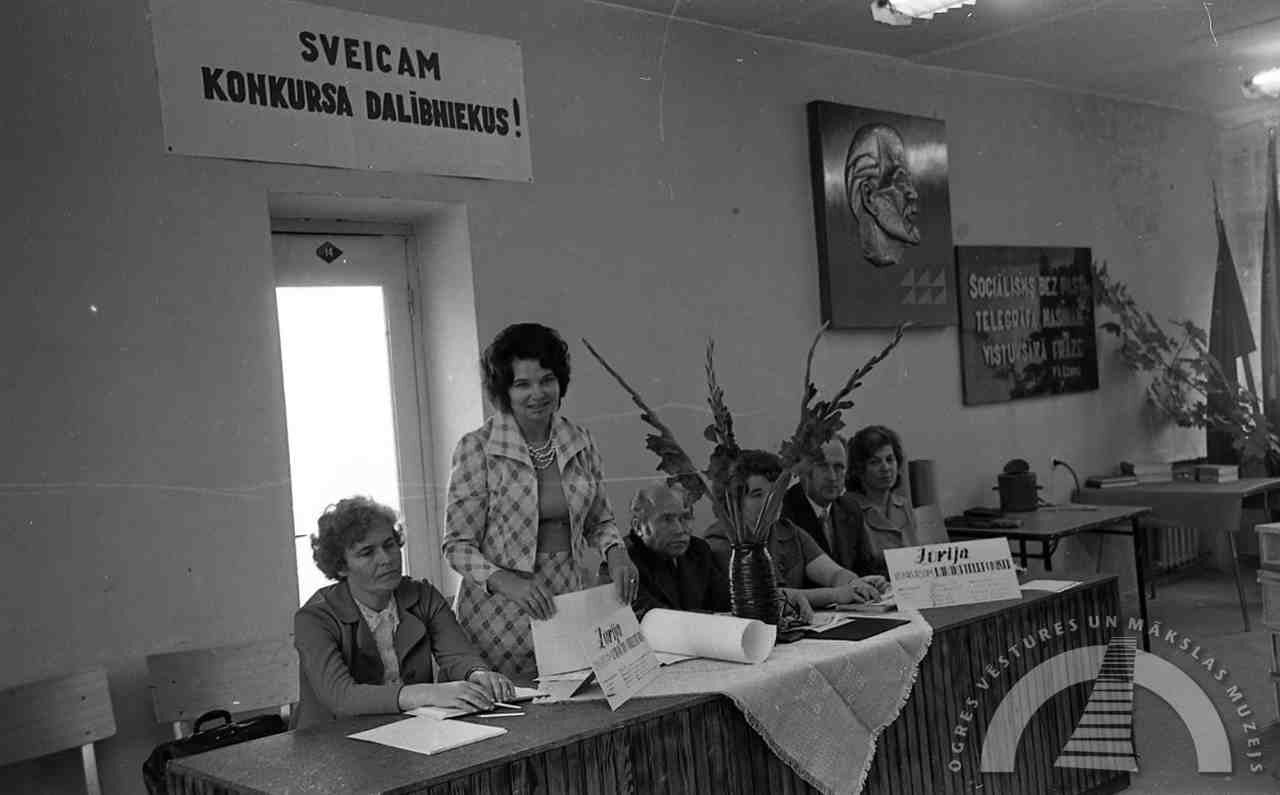
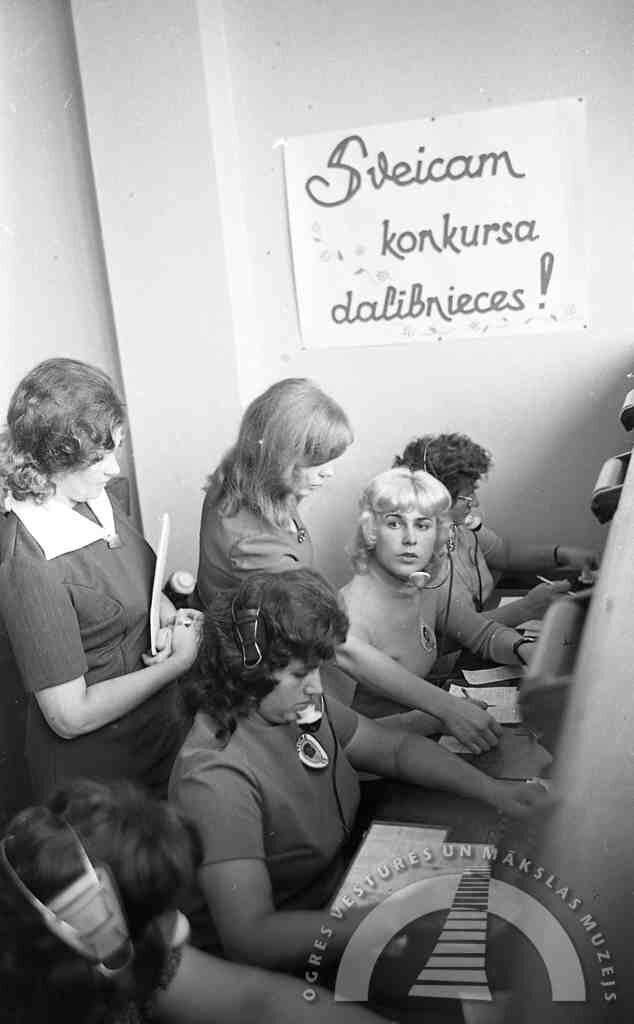
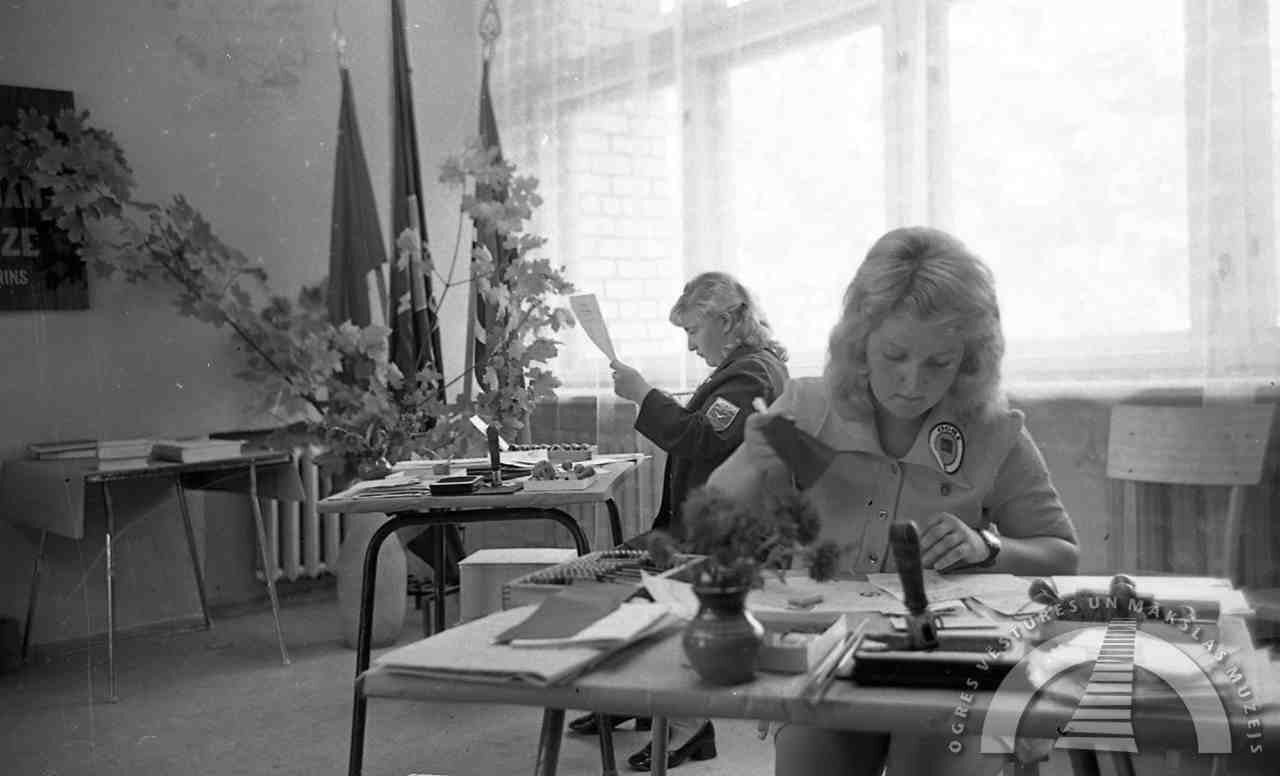
On October 2, 1975, a zonal competition for telephone and postal operators took place, with participants from Stučka (now Aizkraukle), Ogre, Riga district, and Jūrmala.
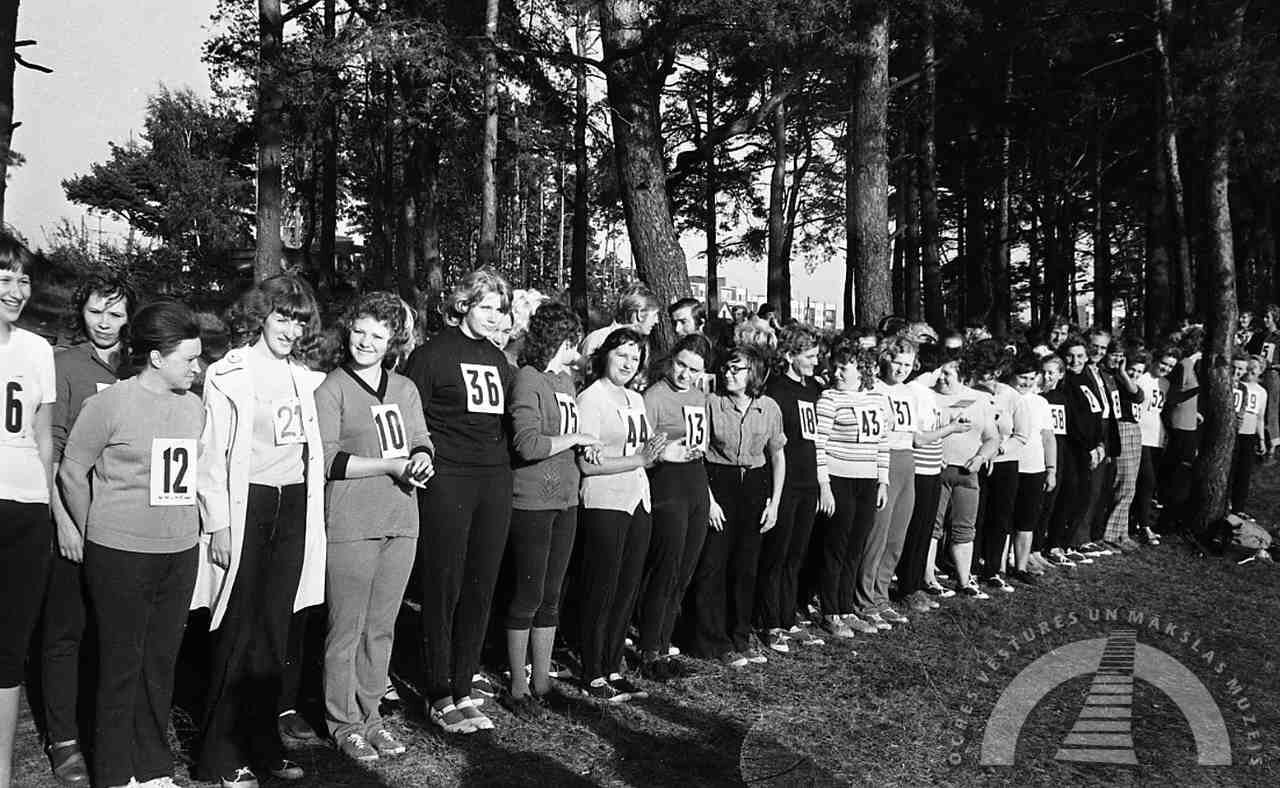
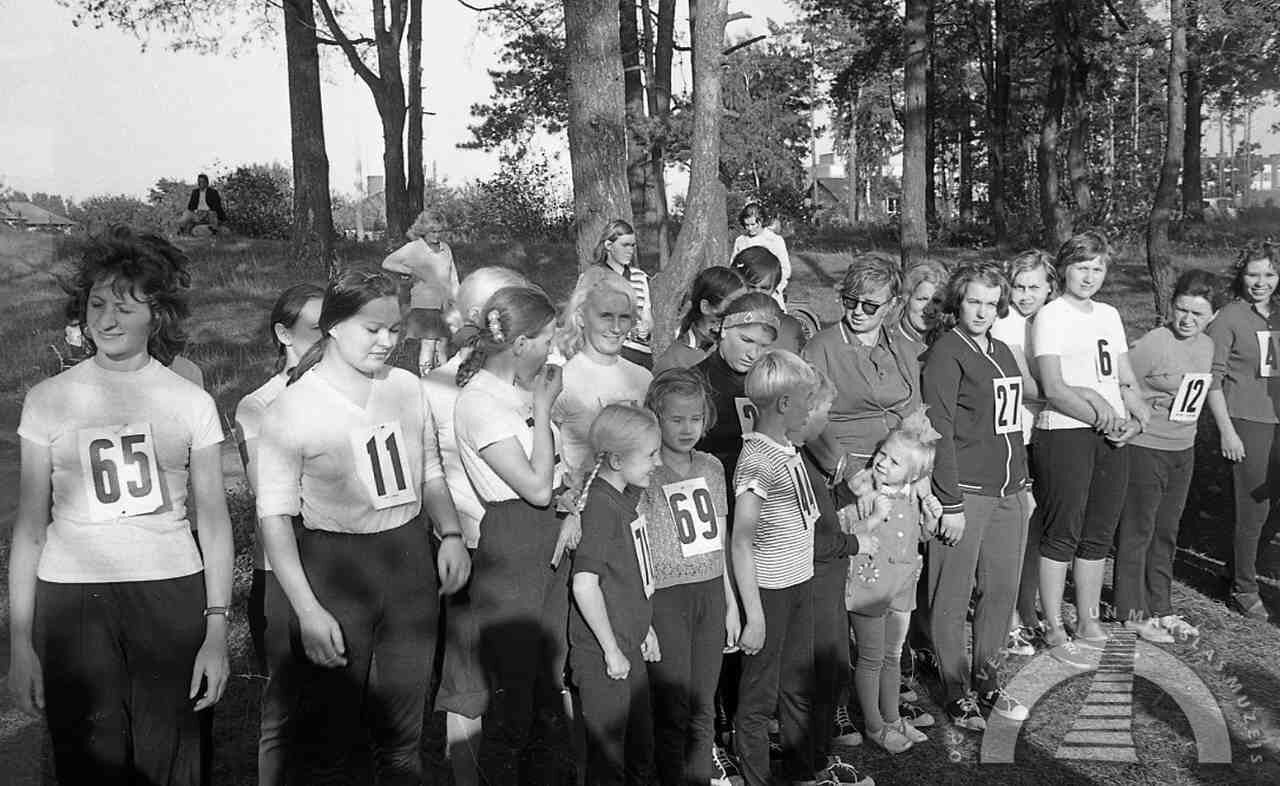
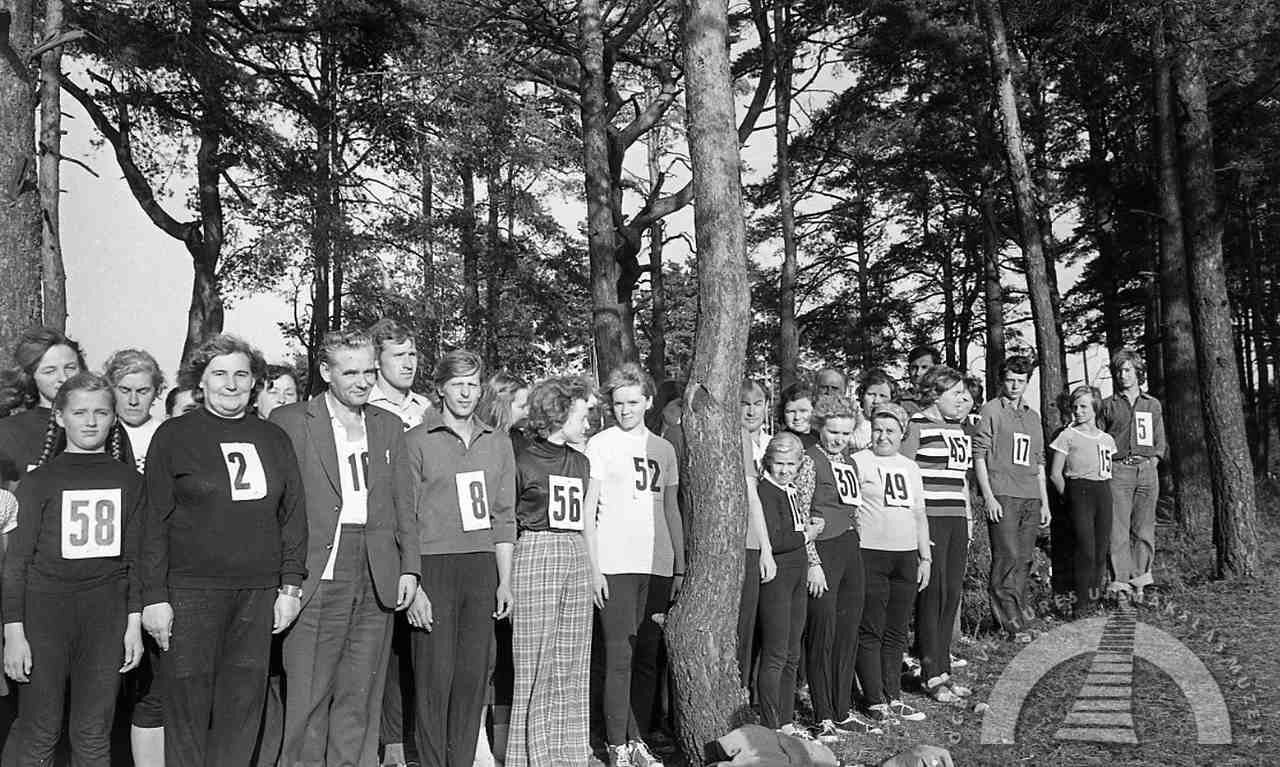
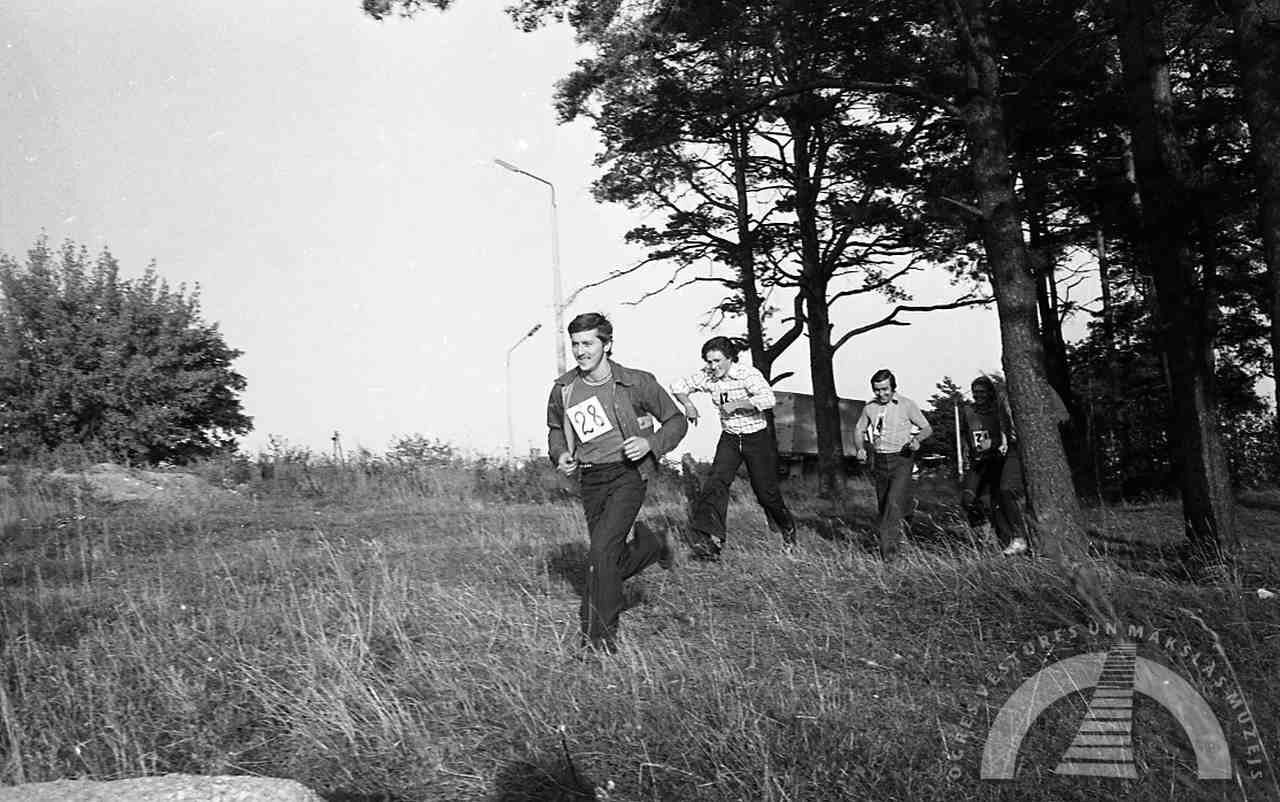
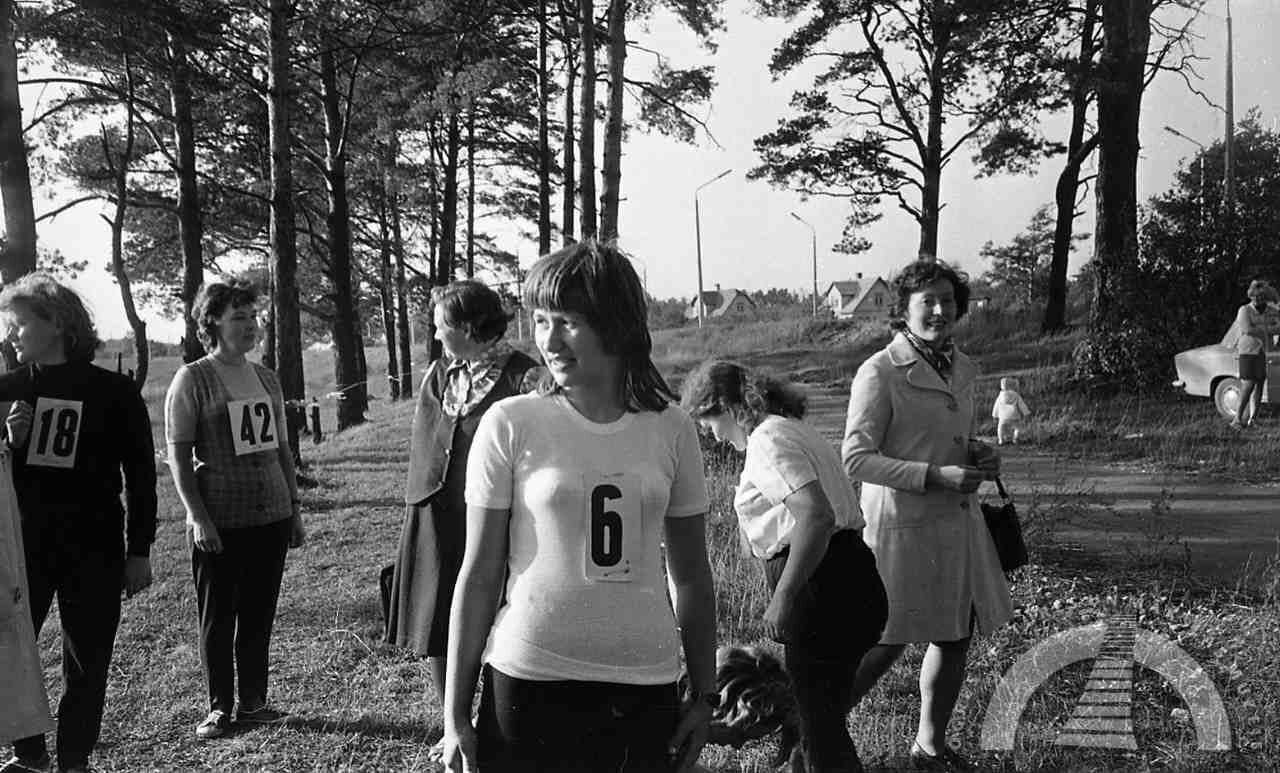
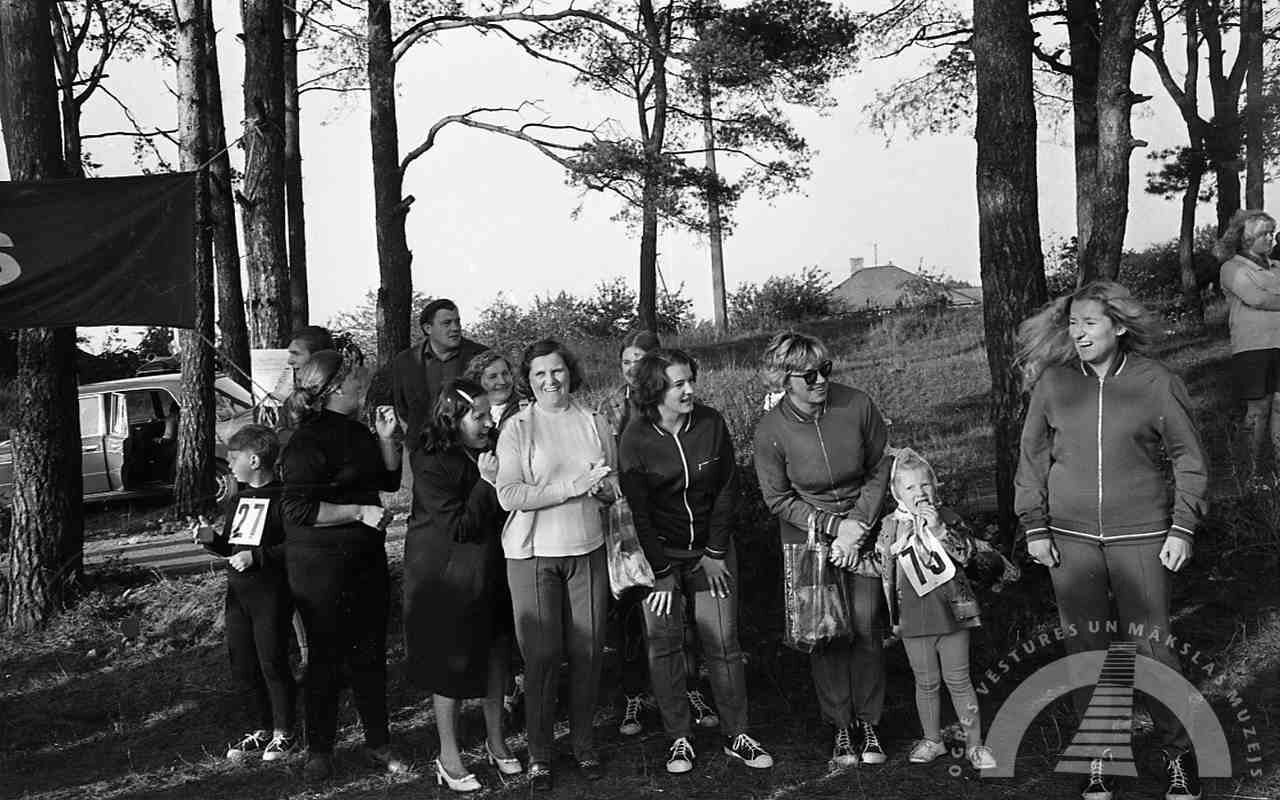
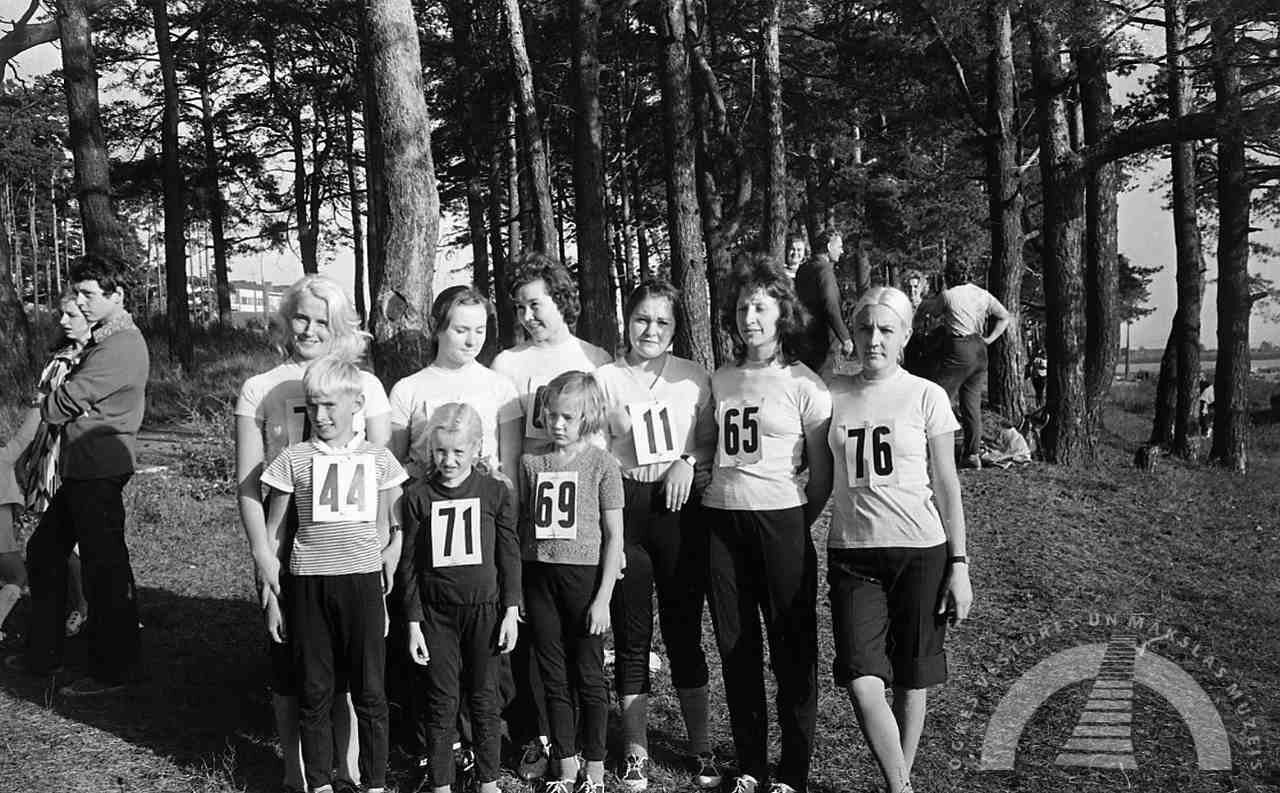
Meanwhile, the cross-country running event shown in the final photographs of the gallery took place on October 4, 1975 by the old bed of the Ogre River, also known as Frog Pond, and was attended by employees of the Ogre District Consumers’ Societies’ Union.
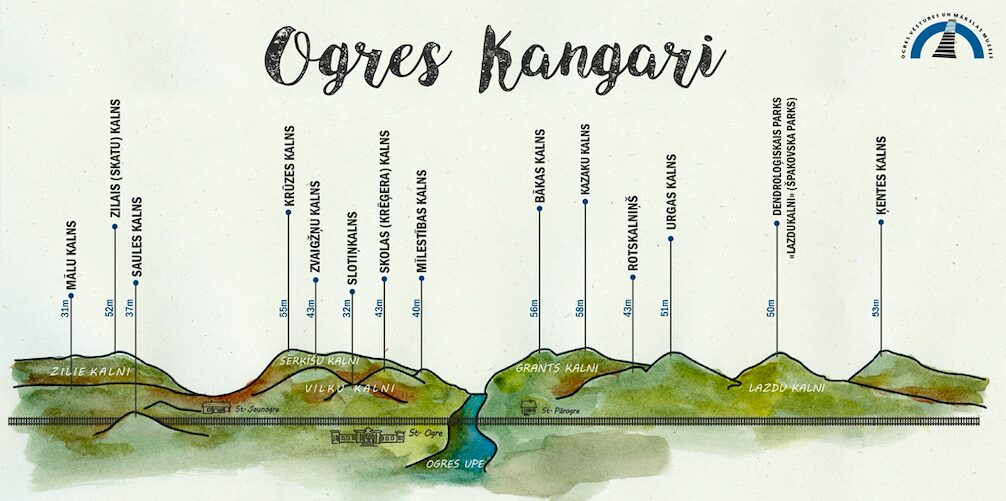
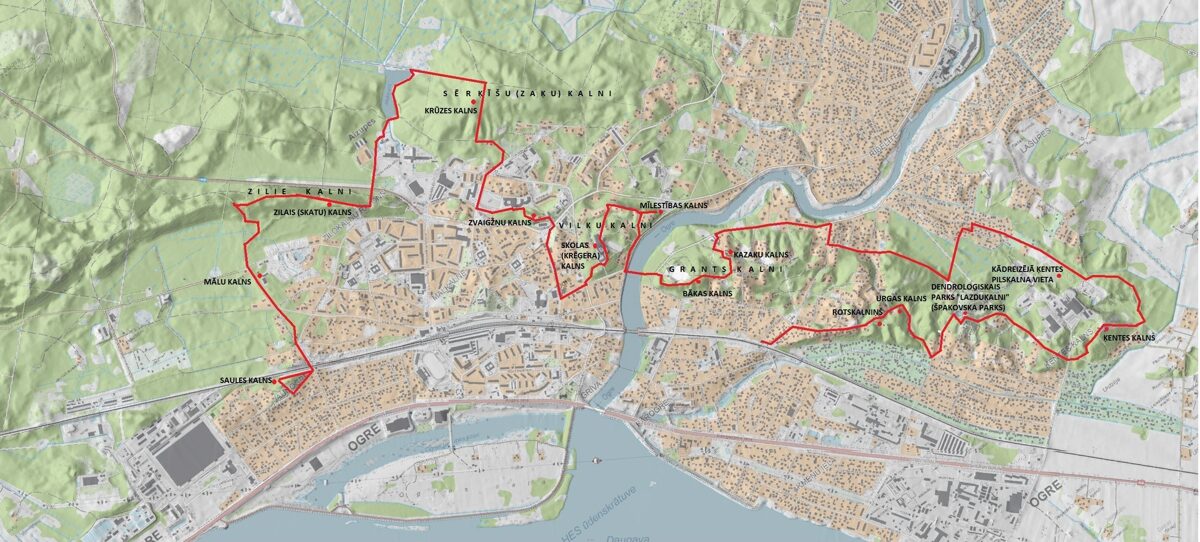
“OGRE KANGARI” HIKING TRAIL
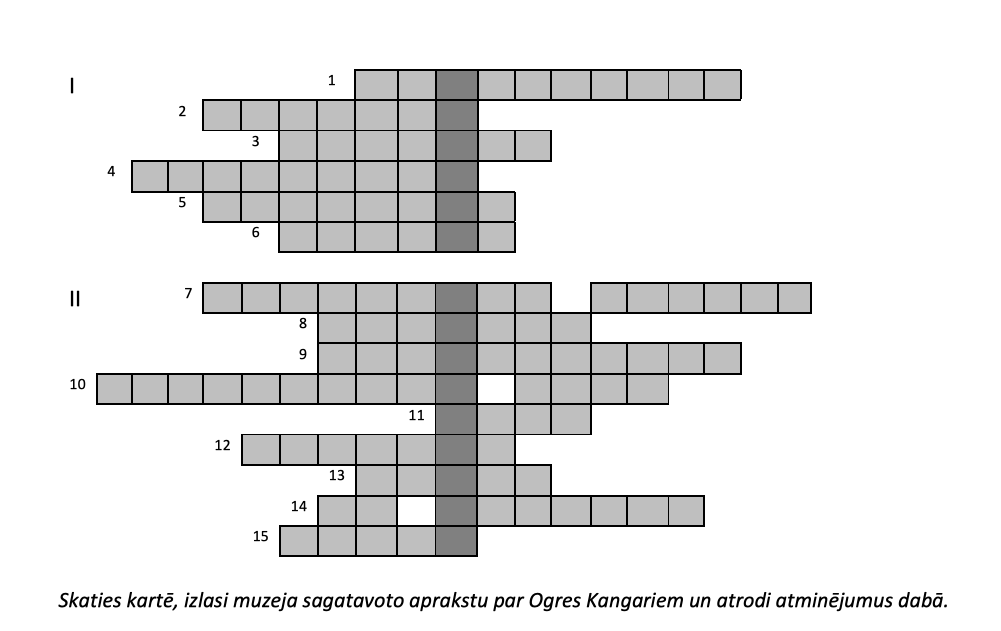
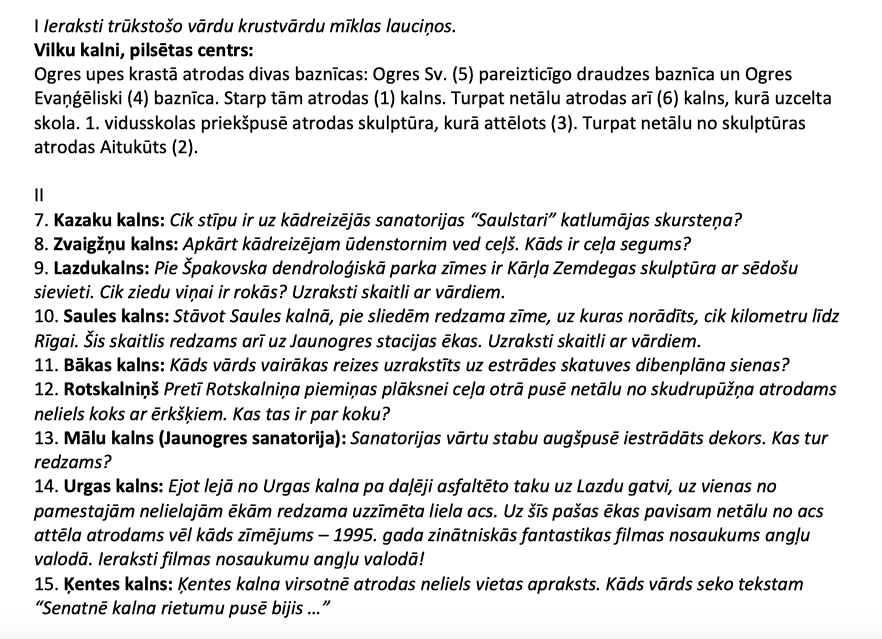
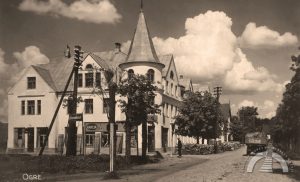
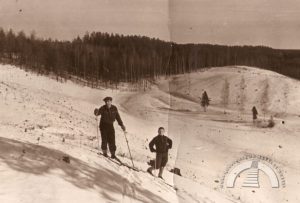
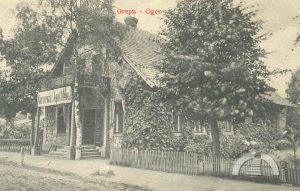
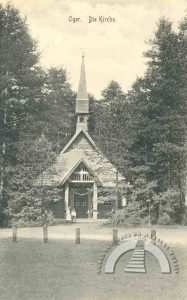
We invite you to explore the hiking trail to better discover the hills of Ogre. View the photo gallery and read the story on the museum's website or Facebook page. By looking at historical images, you can compare how the city has changed over time. We have marked the route in the "BalticMaps" map browser. The “GPX” file is convenient to use with the LVM GEO mobile app. The total length of the hiking trail marked on the map is 14 kilometers (7 kilometers in Pārogre and 7 kilometers in Ogre center and Jaunogre). The hiking trail winds through both the urban part of the city (with asphalt, cobblestone, and gravel surfaces) and green areas (park paths and pedestrian-trodden forest trails without special amenities).